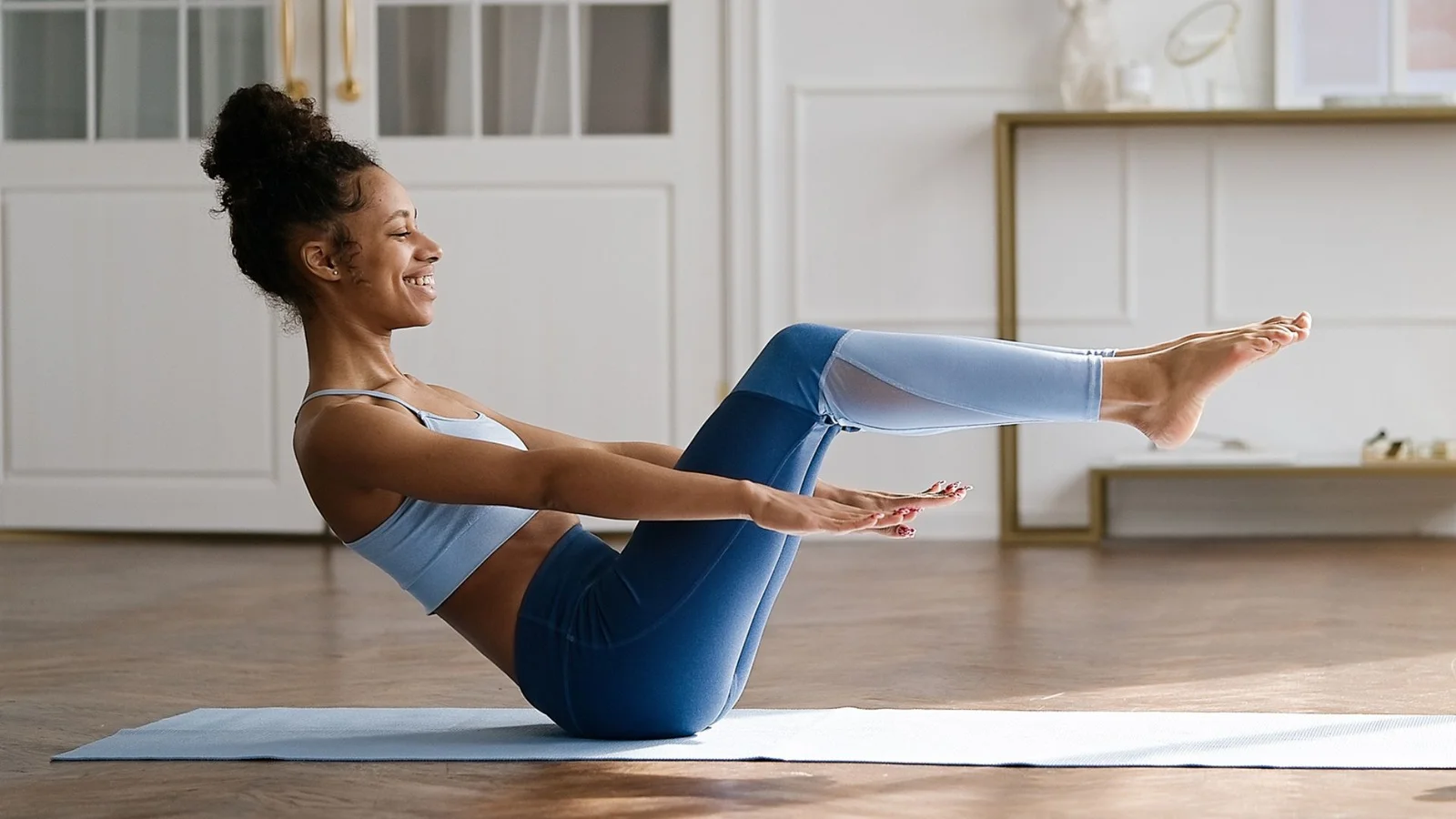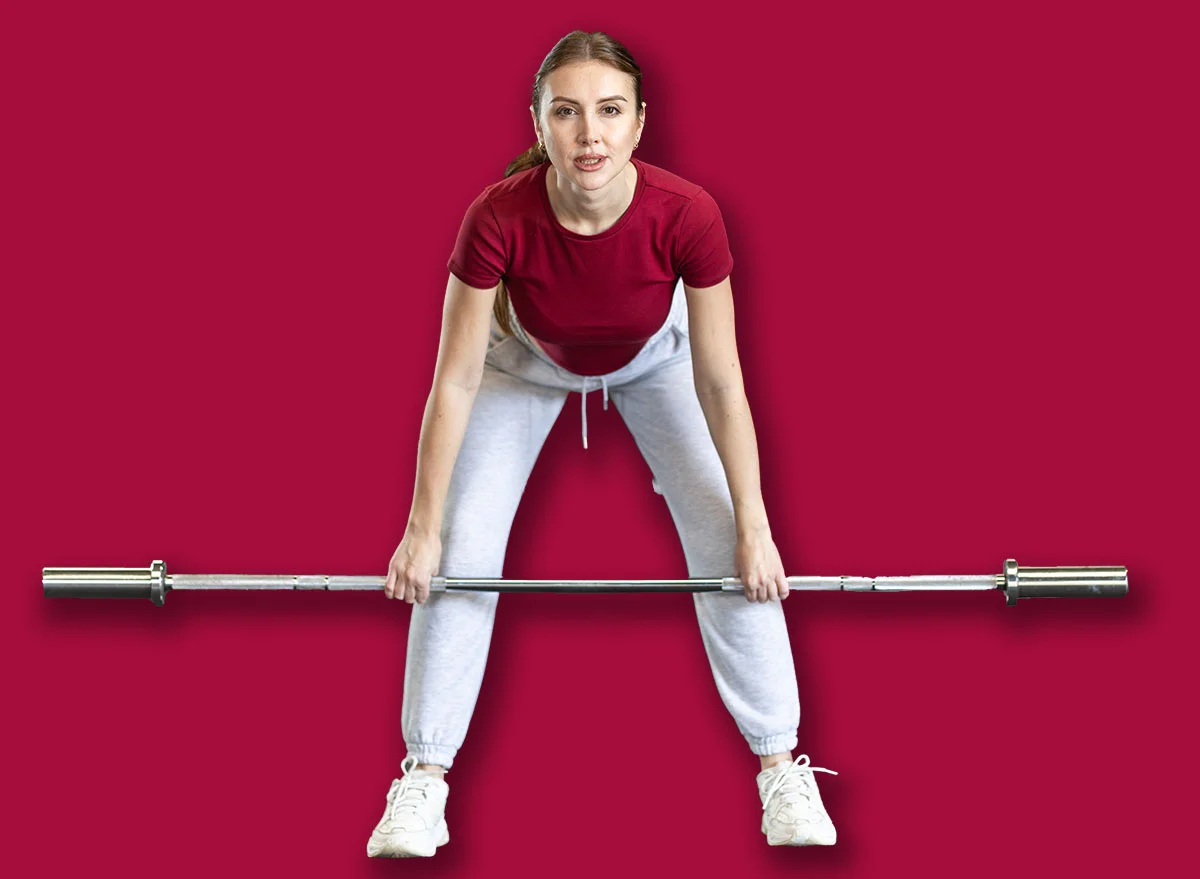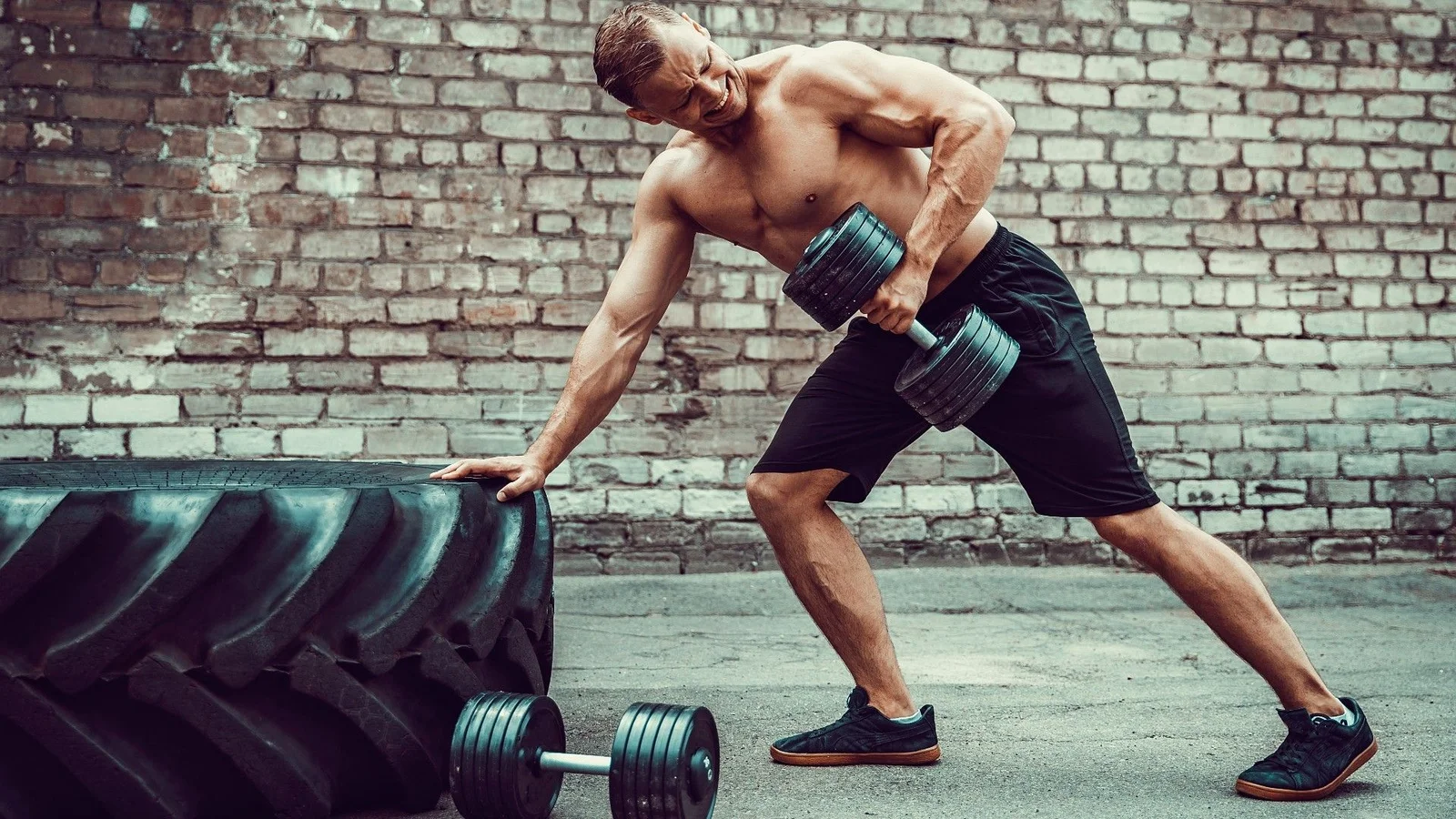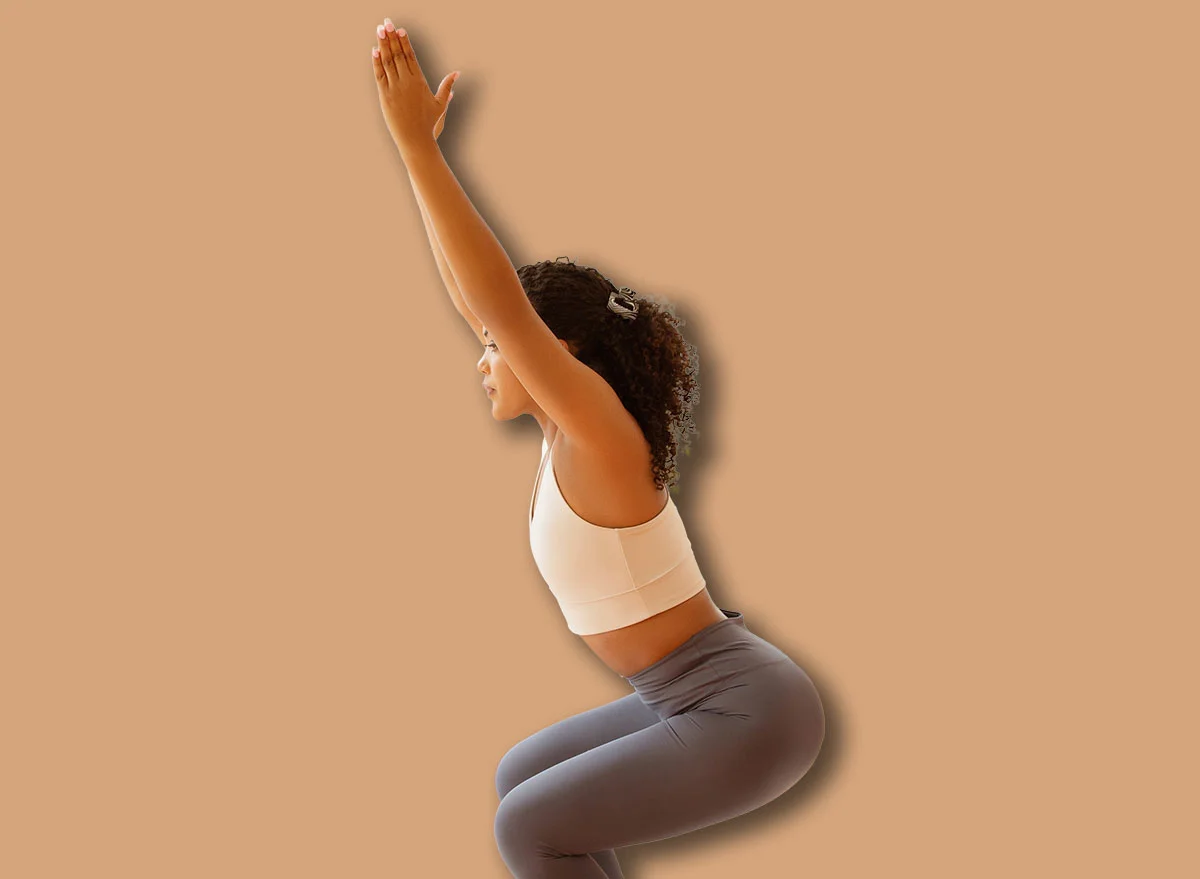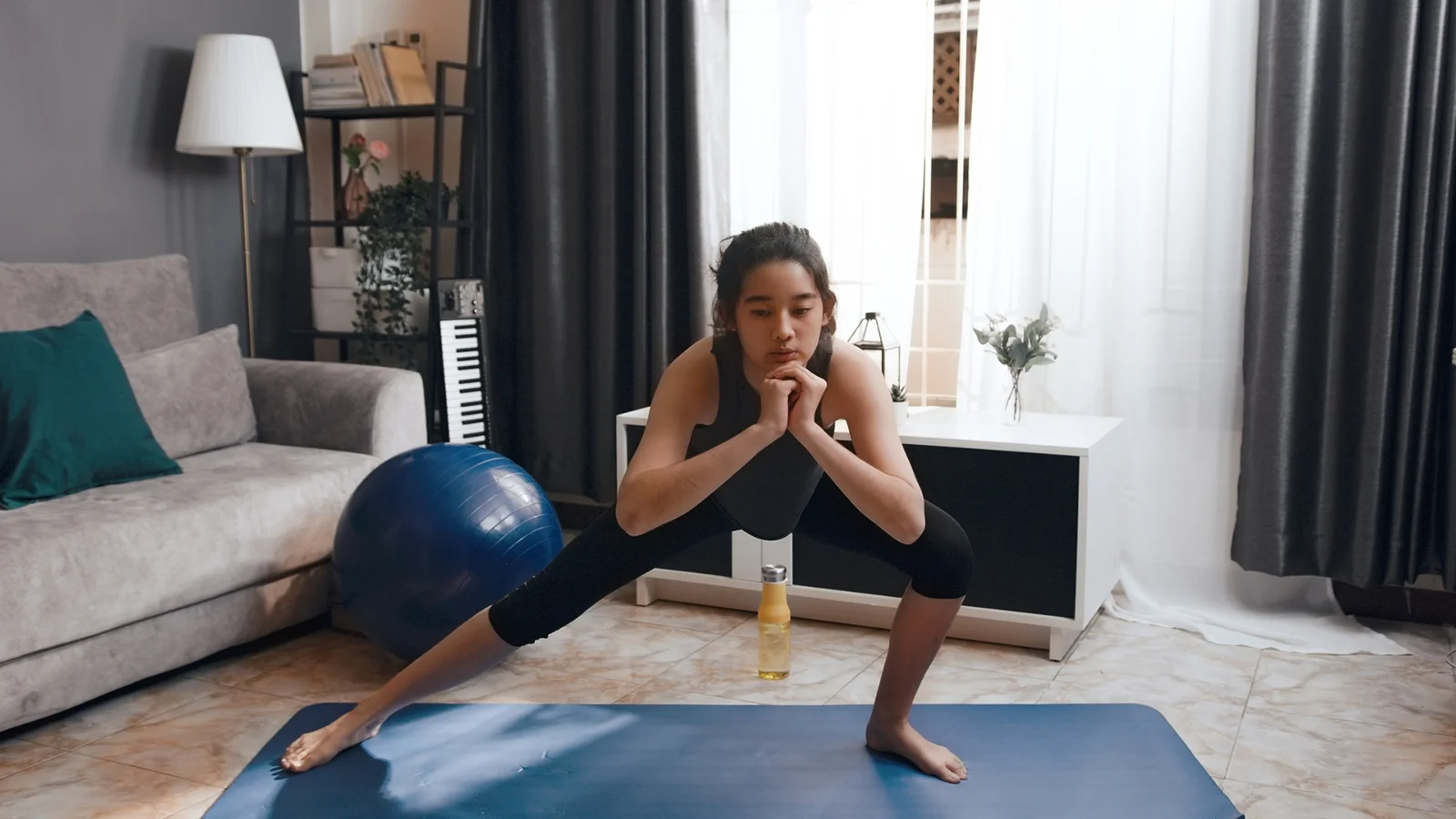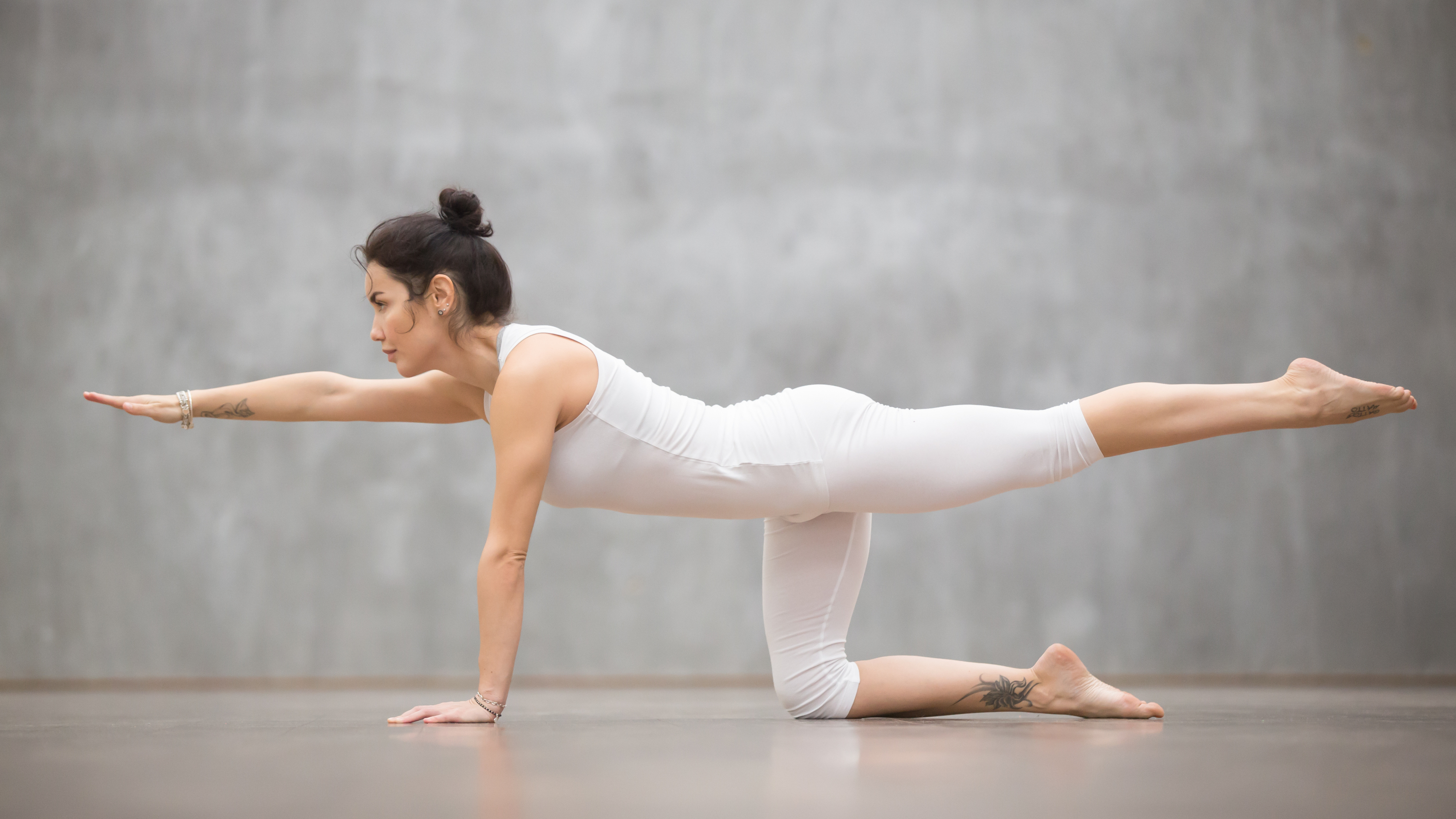
Performing four specific standing exercises—single-leg balance with reach, hip hinge to stand walk, standing half-squat with arm raise, and side step with knee lift—can significantly improve strength, balance, and functional movement in people over 60, making them fitter and more capable than many younger individuals.
A new science of aging suggests that it is possible to get stronger and healthier in old age, even after health setbacks, offering hope for improved wellness in later years.
Maintaining strength and stability through four fundamental exercises—squats, push-ups, step-ups, and planks—can help individuals over 60 outperform their age, reduce risks associated with aging, and preserve independence by focusing on functional movements that mimic daily tasks.
The article outlines simple, evidence-based fitness benchmarks for men over 40 to assess key physical qualities like strength, endurance, power, cardiovascular fitness, and balance, emphasizing the importance of progressive training and regular measurement to maintain health and functionality with age.
A 5-minute daily workout focusing on eccentric movements can significantly improve strength, flexibility, and overall wellbeing in just 4 weeks, making it an effective and accessible routine for beginners without gym equipment.
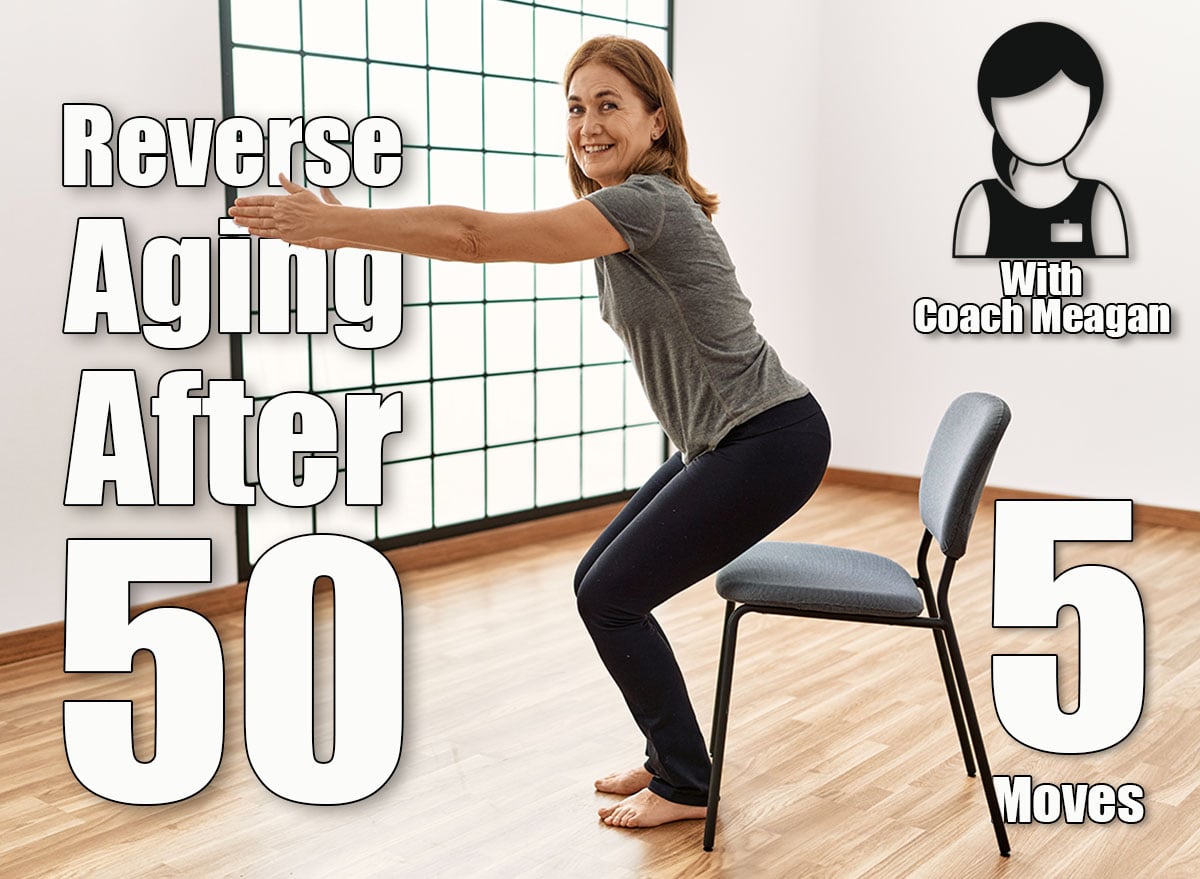
The article highlights five simple standing exercises—sit-to-stand squats, calf raises, side leg lifts, balance taps, and side step-ups—that can help people over 50 improve strength, balance, and mobility, potentially reversing some effects of aging without the need for gym equipment.
An expert trainer emphasizes the importance of mastering six exercises—bodyweight squat, single-leg deadlift, lateral lunge, suspension trainer inverted row, push-up, and kneeling wood chop—that target all three planes of motion to enhance strength, mobility, and longevity at any age.
The article discusses four simple at-home challenges—grip strength, one-leg balance, muscle strength, and dual-task walking—to assess how well your body is aging and to promote healthier aging by maintaining motor and cognitive functions.
A 15-minute wall Pilates routine designed for anyone over 40 to build strength and mobility, focusing on stabilizer muscles like the core, glutes, and smaller muscles around the spine and hips, can be done anywhere with minimal equipment to help counteract age-related muscle loss.
The article outlines six simple, bodyweight exercises suitable for people over 70 to improve strength, balance, and mobility, emphasizing their importance in preventing muscle loss and falls. These exercises, which can be done at home using minimal equipment, focus on the lower body and core, and can be adjusted in difficulty to suit individual fitness levels.
Pilates instructor Ashlea McKee suggests using a resistance band as an affordable and versatile alternative to reformer machines, enhancing strength, flexibility, and body awareness through simple exercises that can be done at home or on the go.
A viral TikTok trend promoting 11 push-ups a day, endorsed by Dr. Vonda Wright, claims it can significantly improve women's health. Experts note that the number of push-ups correlates with fitness levels and age-specific goals, emphasizing the importance of tracking progress and building strength over time. Regular push-up exercise can enhance strength, bone health, and overall aging resilience.
As people age, muscle mass and strength decline, increasing health risks; proper nutrition can help protect against severe muscle loss like sarcopenia.
A Brazilian study shows that a simple 10-second sit-stand test can predict long-term survival, with better performance indicating lower risk of death from various causes. The test assesses muscle strength, flexibility, balance, and coordination, which are key indicators of overall health and aging. Regularly practicing mobility and strength exercises may improve these factors and potentially enhance longevity.
A simple sitting-rising test assessing balance, strength, and flexibility can predict long-term health outcomes, with higher scores indicating a lower risk of death from cardiovascular and other natural causes. The test involves sitting down and standing up without support, and scores correlate with mortality risk over about 12 years. While not foolproof, it serves as a potential wake-up call for health improvements, especially for middle-aged and older adults.