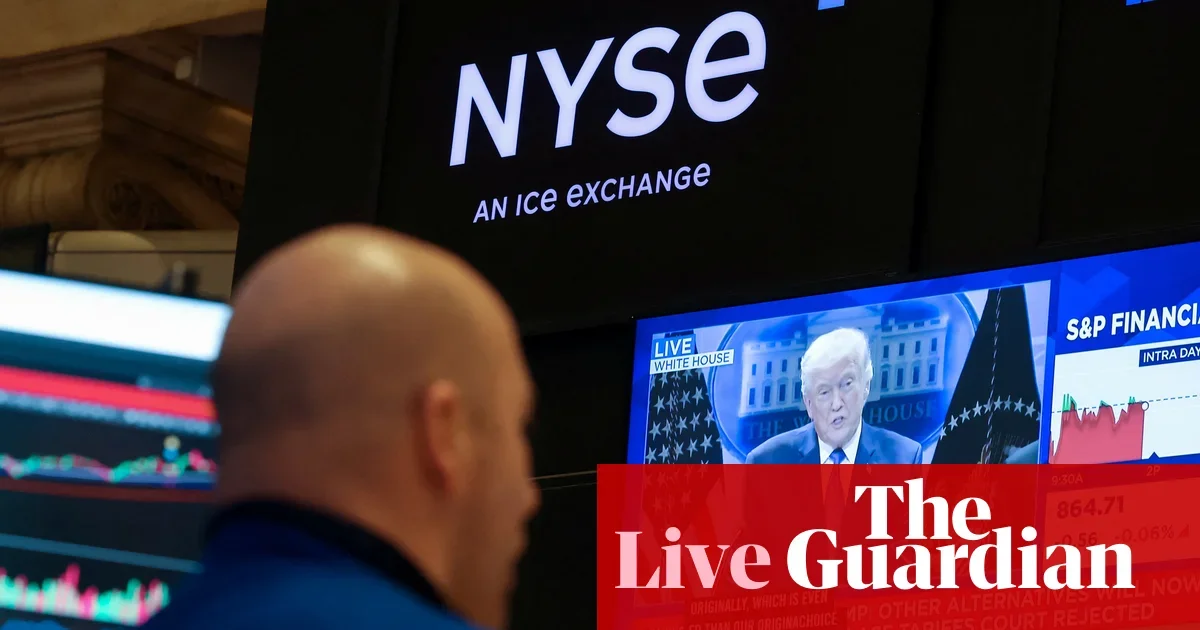
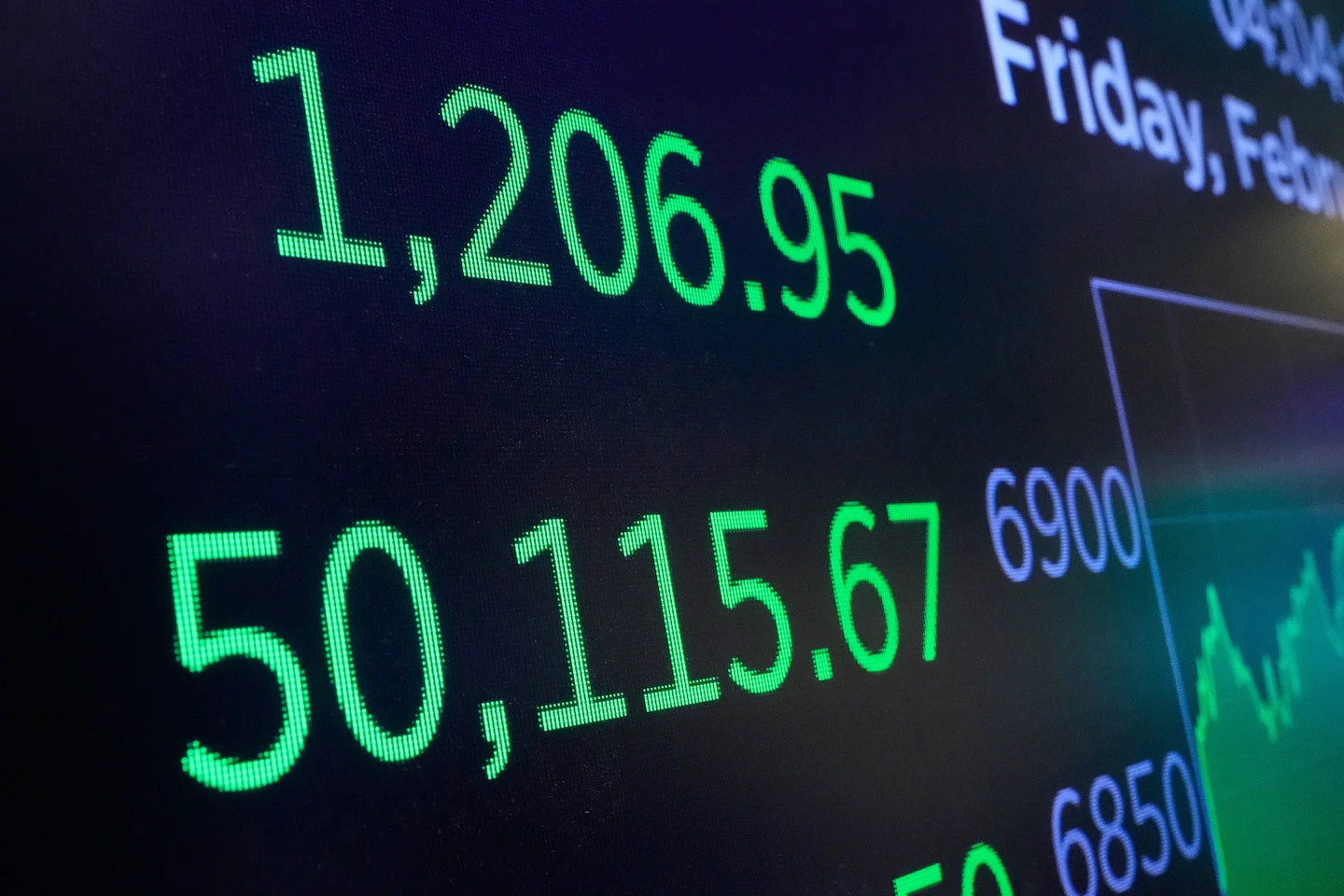
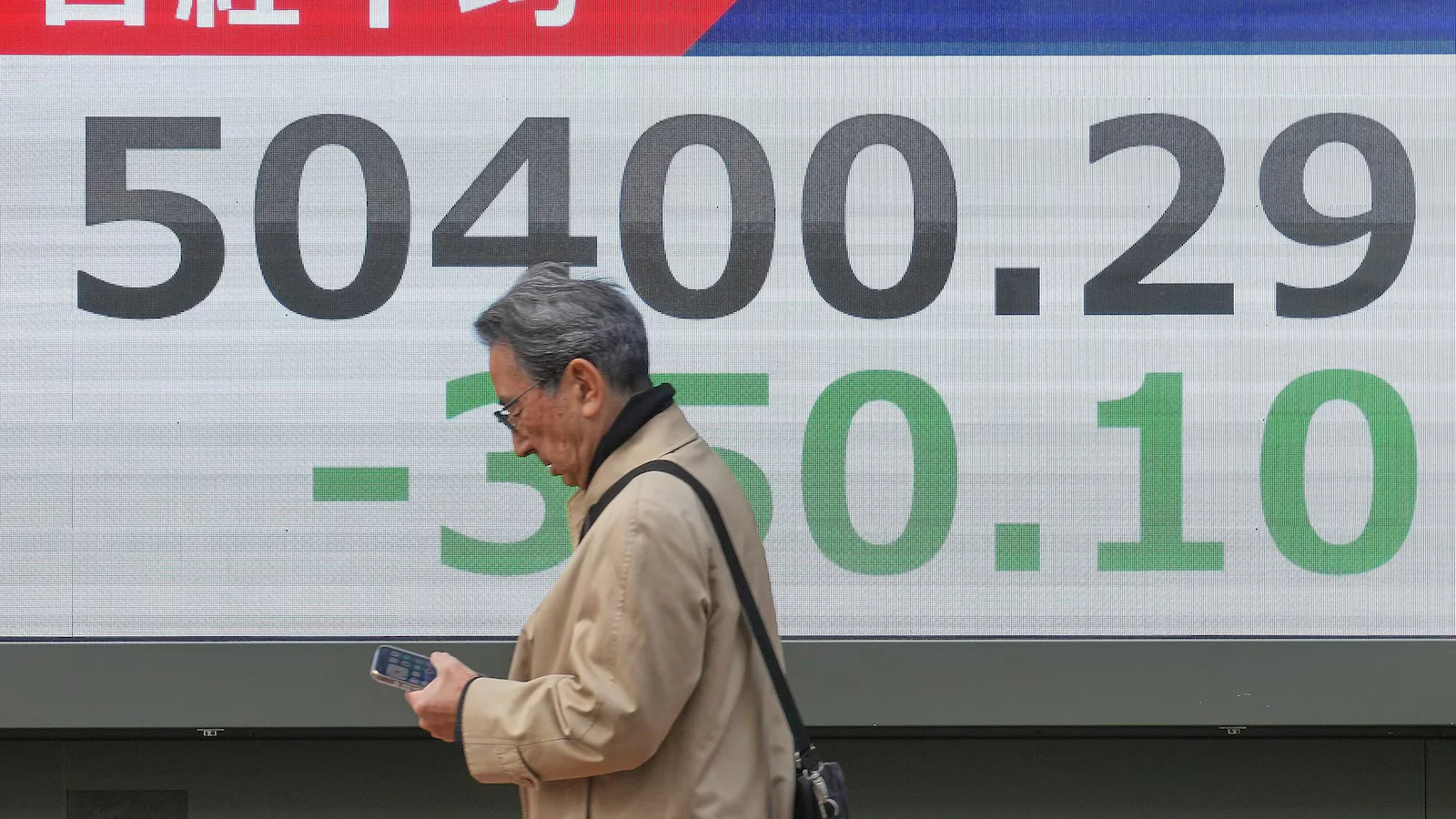
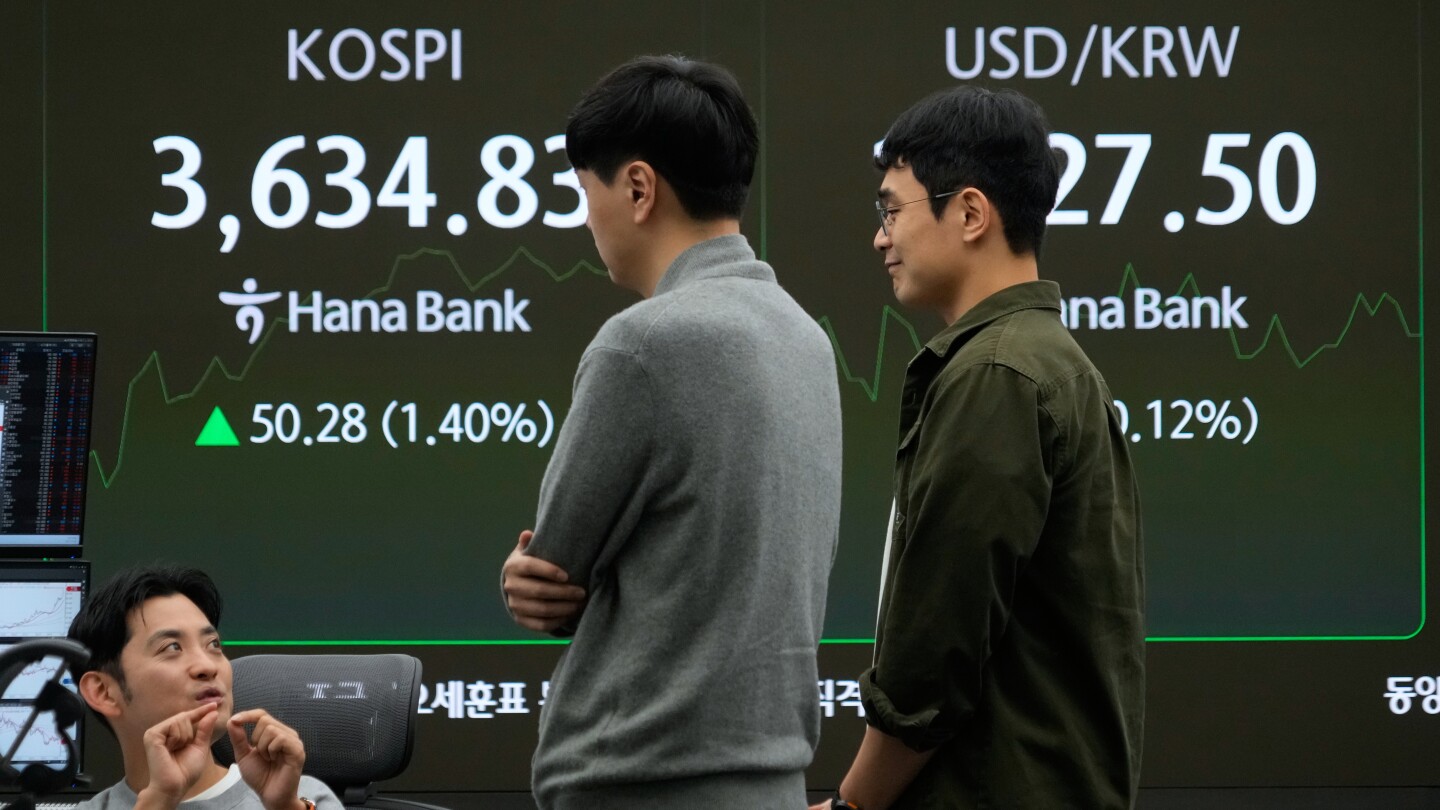
Global stock markets mostly declined during quiet holiday trading amid China's military exercises near Taiwan, which heightened geopolitical tensions. Despite the drills, Taiwan's stock rose slightly, while other Asian markets showed mixed results. Gold and silver prices fell after recent gains, and oil prices increased. The markets remain sensitive to geopolitical developments and economic policies.
Asia-Pacific markets rose ahead of China's key lending rate decisions, with major indices in Japan, South Korea, and Hong Kong gaining, while US stocks also increased driven by AI-related gains and corporate news.
Nasdaq and NYSE will remain open on December 24 and 26 despite President Trump's order for federal government closures on those days, with markets closing early on December 24 and operating normally on December 26.
European stocks are expected to open flat as investors await key central bank decisions, with the UK inflation rate cooling to 3.2%, causing the pound to fall against the dollar and euro; U.S. futures declined following mixed jobs data, while Asia-Pacific markets traded mixed.
Global shares declined in Europe and Asia ahead of key US employment and inflation reports, with investors cautious about potential interest rate changes and economic momentum slowing towards year-end.
Global stock markets have declined sharply due to fears of an AI bubble and potential market correction, with US, Asian, and European markets falling amid concerns over overvalued tech stocks and a slowdown in AI investments, alongside a dip in Bitcoin's price.
Global stock markets rose amid optimism over AI growth, strong US bank earnings, and positive US business surveys, despite ongoing US-China trade tensions and government shutdown concerns. Major chipmakers like TSMC and ASML highlighted the strengthening AI megatrend, while US market gains were supported by upbeat bank results and a surprising uptick in business sentiment. Gold prices hit new highs, and market sentiment remained cautious about trade disputes and government shutdown impacts.
The IMF warns of a potential sharp correction in US stock markets, which are heavily concentrated in tech giants, and expresses concern over bond market stability and the growing risks posed by non-bank financial intermediaries, urging stronger regulation and maintaining central bank independence to prevent a future financial crisis.
Global markets declined as renewed China-US trade tensions, including Chinese sanctions on South Korean shipbuilder subsidiaries, spooked investors, leading to drops in European, Asian, and US futures, amid political uncertainties in Japan and ongoing trade disputes.
Global stock markets rose, led by tech shares and positive developments in the chip industry, despite the US government shutdown and economic uncertainties, with markets in Asia, Europe, and the US reaching record levels or gains.
Stock markets declined sharply following President Trump's announcement of new global tariffs and a weaker-than-expected jobs report, which increased fears about economic growth and put pressure on the Federal Reserve to consider lowering interest rates.
In response to Trump's new tariffs on 92 countries, including a 35% tariff on Canadian goods, Canada’s Prime Minister Carney expressed disappointment but emphasized self-reliance, stating Canadians will be their own best customer. Global stock markets declined following the tariff announcements, and the US dollar reached a two-month high amid ongoing trade tensions.
Despite macroeconomic risks like tariff threats, global slowdown, and geopolitical tensions, US stock markets continue to reach record highs driven by resilient economic data, expectations of Fed rate cuts, and AI-driven tech gains, although caution remains due to underlying risks and market complacency.
Since Trump's return to the White House, market reactions to his policies have become muted, with only brief fluctuations in Treasury yields and the dollar, and stock markets reaching new highs, raising questions about the future strength of the dollar.
The article discusses how the optimism in stock markets regarding Donald Trump's trade policies, particularly his threat of tariffs, may be misleading, as his unpredictable approach and potential for policy errors could lead to economic instability and market corrections.