Stocks opened mixed: the Dow rose modestly while the S&P 500 and Nasdaq fell as investors weighed AI-related jitters, with gold and silver also retreating, signaling cautious sentiment even as traders rebalance away from tech after a three-day weekend.
The Dow surged above 50,000 for the first time amid a broad market rebound after a volatile week, led by blue-chip names like Nvidia. Analysts say the milestone could reinforce expectations of continued upside in the bull market, but they caution that volatility remains in play across technology and crypto sectors, keeping risk in focus as investors reassess risk tolerance and growth prospects.
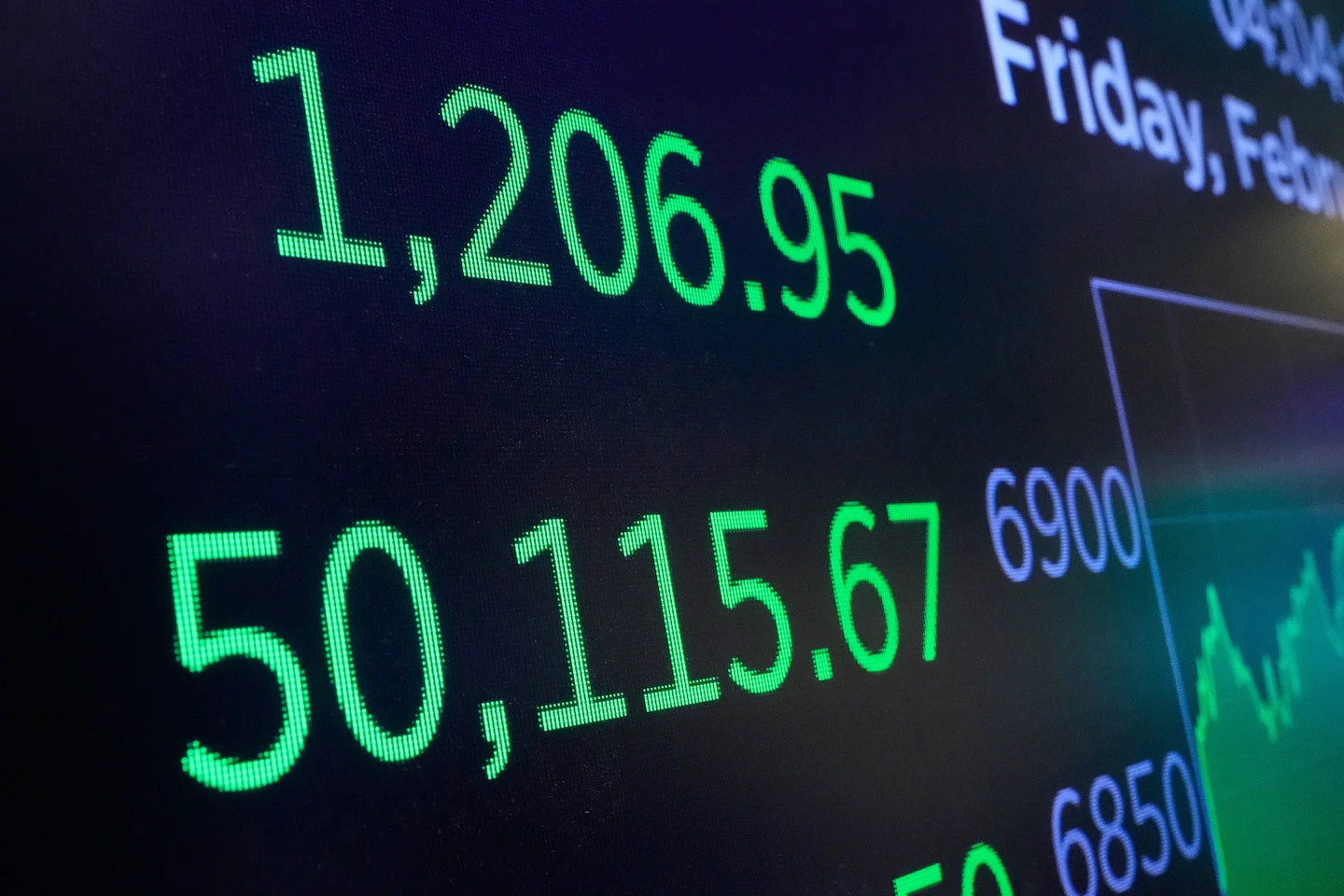
The Dow Jones Industrial Average closed above 50,000 for the first time, finishing at 50,115.67 after intraday moves that saw a brief dip before a surge of roughly 1,200 points, capping a volatile week with a historic milestone signaling renewed investor optimism.
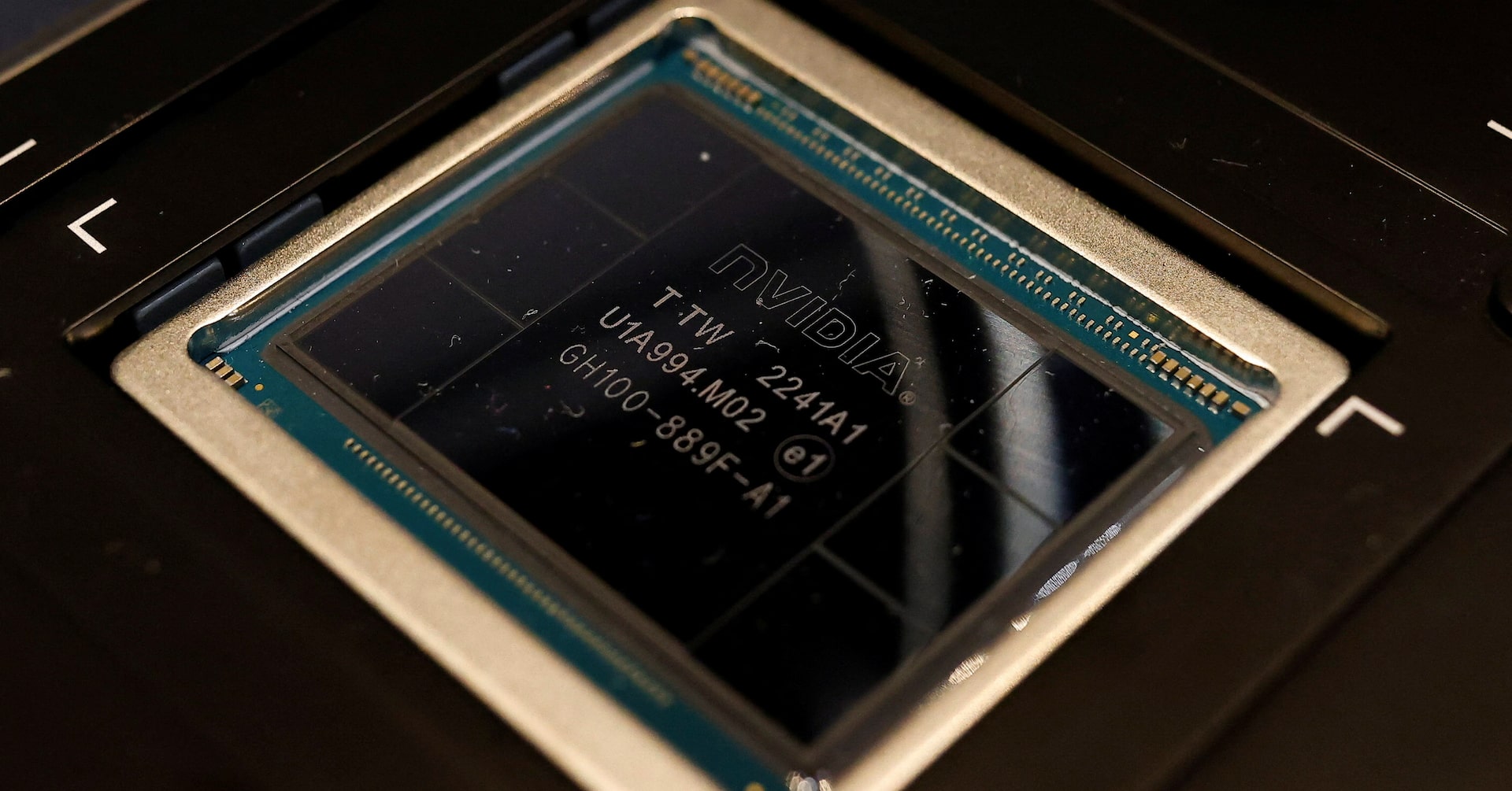
Nvidia has been added to the Dow Jones Industrial Average for the first time, alongside Sherwin-Williams, while Intel and Dow were removed. Historically, stocks added to the Dow have seen a median return of 9% in their first year, though this is typically less than the S&P 500's median return of 17% over the same period. Nvidia's future performance will depend on its financial results and investor sentiment, despite the historical trend.
Nvidia's announcement of a 10-for-one stock split aims to attract more retail investors and potentially facilitate its inclusion in the Dow Jones Industrial Average. The split, effective June 7, follows a significant rise in Nvidia's share price, driven by its leadership in AI technology. While the split does not change the company's valuation, it makes shares more accessible to individual investors. Nvidia's stock has already more than doubled in 2024, and the split could further boost its appeal.
The US stock market experienced a sell-off, with the Dow Jones Industrial Average dropping over 420 points in response to March's high Consumer Price Index (CPI) reading on inflation. The Russell 2000 saw significant selling, down nearly 3%, as it is considered particularly susceptible to higher rates. The 10-year Treasury yield surged 19 basis points to 4.56%, marking its largest increase in a couple of years. Regional banks, crypto, oil-related ETFs, and mega-cap stocks like NVIDIA and Amazon showed mixed performance, while sectors such as homebuilders, solar, and cannabis experienced declines.
Fed-funds futures are indicating uncertainty about a potential rate cut in June as investors await inflation data, with the Dow Jones Industrial Average ending nearly flat after its worst week in a year and the 10-year yield rising.
Amazon is set to join the Dow Jones Industrial Average on Monday, replacing Walgreens Boots Alliance, in a move aimed at modernizing the index and bridging the gap with the S&P 500, which has outperformed the Dow. The addition of Amazon, a major tech giant, is expected to help the Dow gain exposure to fast-growing companies and close the performance disparity with the S&P 500, which has seen a tech-led rally. However, historical data suggests that stocks replaced in the Dow often outperform their replacements in the short term.
Amazon is set to join the Dow Jones Industrial Average, replacing Walgreens Boots Alliance, as part of a rebalancing effort prompted by Walmart's 3-for-1 stock split. The Dow, a measure of 30 established companies, is adjusting to reflect the evolving economy by adding Amazon and increasing its consumer retail exposure. While the Dow represents a narrow slice of the economy, professional investors tend to look at broader measures such as the S&P 500, which has nearly 17 times the number of companies within it. The Dow and S&P 500 have historically tracked closely, but diverged significantly in recent years due to differences in their composition and weighting methodologies.
The Dow Jones Industrial Average will undergo its 52nd change on Monday, with Walgreens Boots Alliance being replaced by Amazon, and Walmart enacting a 3-for-1 stock split. The removal of Walgreens and addition of Amazon reflect the Dow's need for outperforming companies, while Walmart's split aims to make shares more affordable for employees. These changes will also impact the Dow's divisor, reshaping the index's composition and influence.
Amazon is set to join the Dow Jones Industrial Average, replacing Walgreens Boots Alliance, as a result of Walmart's upcoming stock split. This change reflects the evolving nature of the American economy and will increase consumer retail exposure in the index. Additionally, Uber Technologies will be added to the Dow Jones Transportation Average, providing exposure to the ride-sharing industry.
Amazon is set to replace Walgreens in the Dow Jones Industrial Average, marking a significant milestone for the e-commerce giant. The change, prompted by Walmart's decision to split its stock 3-to-1, will go into effect on Monday, Feb. 26. This move reflects the evolving nature of the American economy and will increase consumer retail exposure in the index. Additionally, Uber Technologies Inc. will replace JetBlue Airways Corp. in the Dow Jones Transportation Average.
Amazon is replacing Walgreens in the Dow Jones Industrial Average, reflecting the evolving nature of the American economy and increasing the Dow’s consumer retail exposure. This change means investors will now have exposure to Amazon’s stock performance in the index. The addition of Amazon, along with Apple and Microsoft, reflects the dominance of technology stocks in the index. The change will occur before the US stock market’s opening on Monday, February 26, and also includes Uber replacing JetBlue Airways in the Dow Jones Transportation Average.
Amazon is set to join the Dow Jones Industrial Average, replacing Walgreens Boots Alliance, in a move reflecting the evolving nature of the American economy, according to S&P Dow Jones Indices. This change, prompted by Walmart's stock split, aims to increase consumer retail exposure in the index. Additionally, Uber Technologies will replace JetBlue Airways in the Dow Jones Transportation Average to gain exposure to the ride-sharing industry. Both index changes are scheduled to take effect on Feb. 26.
Amazon will replace Walgreens in the Dow Jones Industrial Average, giving investors more exposure to the online retailer. The change, effective Feb. 26, reflects the evolving American economy and will increase consumer retail exposure in the DJIA. Amazon's diverse business areas, including its cloud business and advertising revenue, contribute to its market leadership. Walgreens has been a Dow component since 2018, and this change comes after Walmart's stock split prompted a revision in index weight.