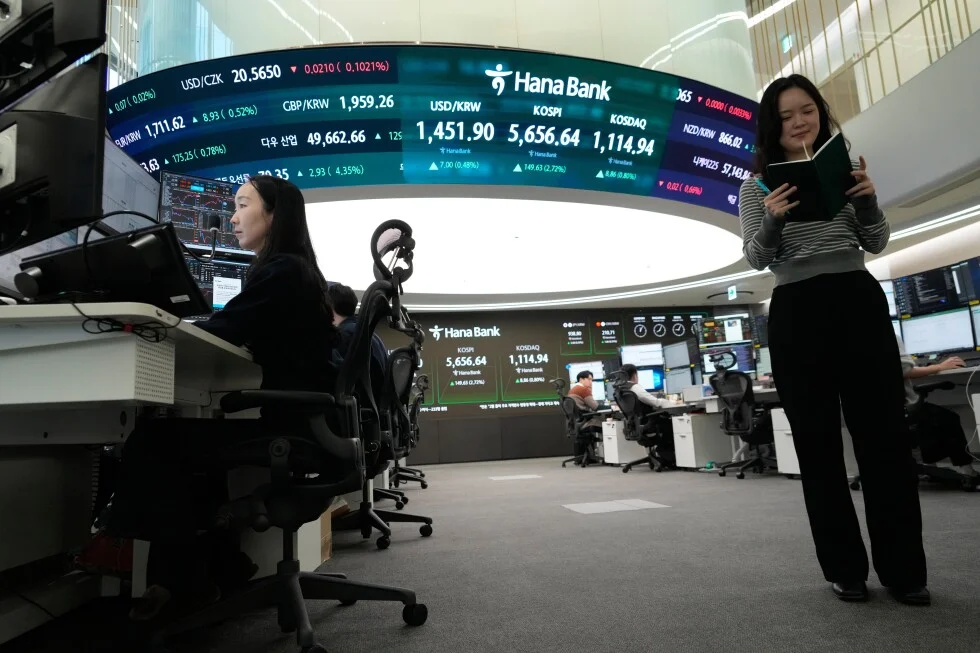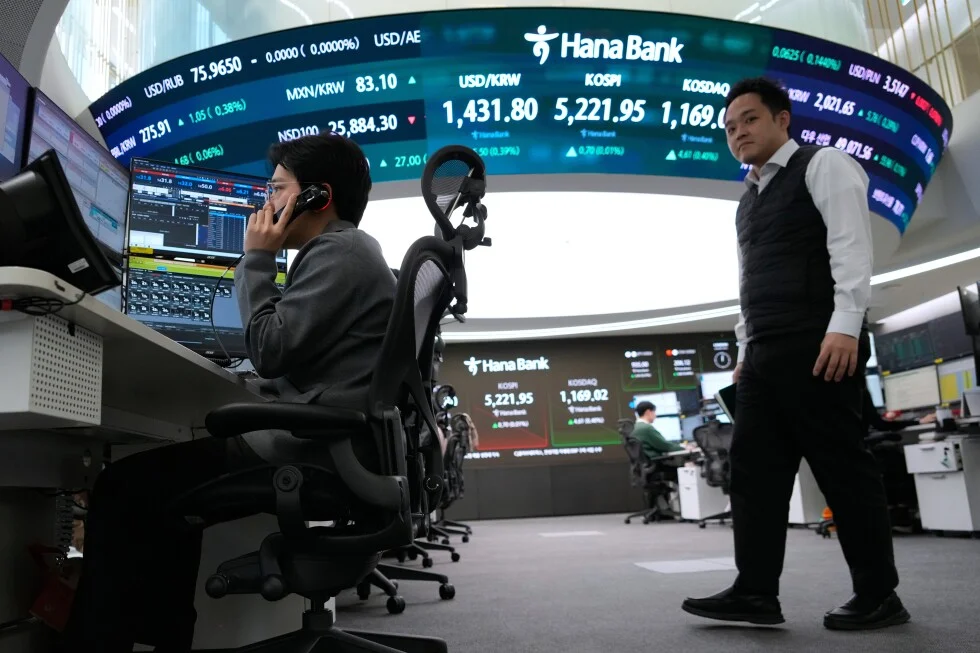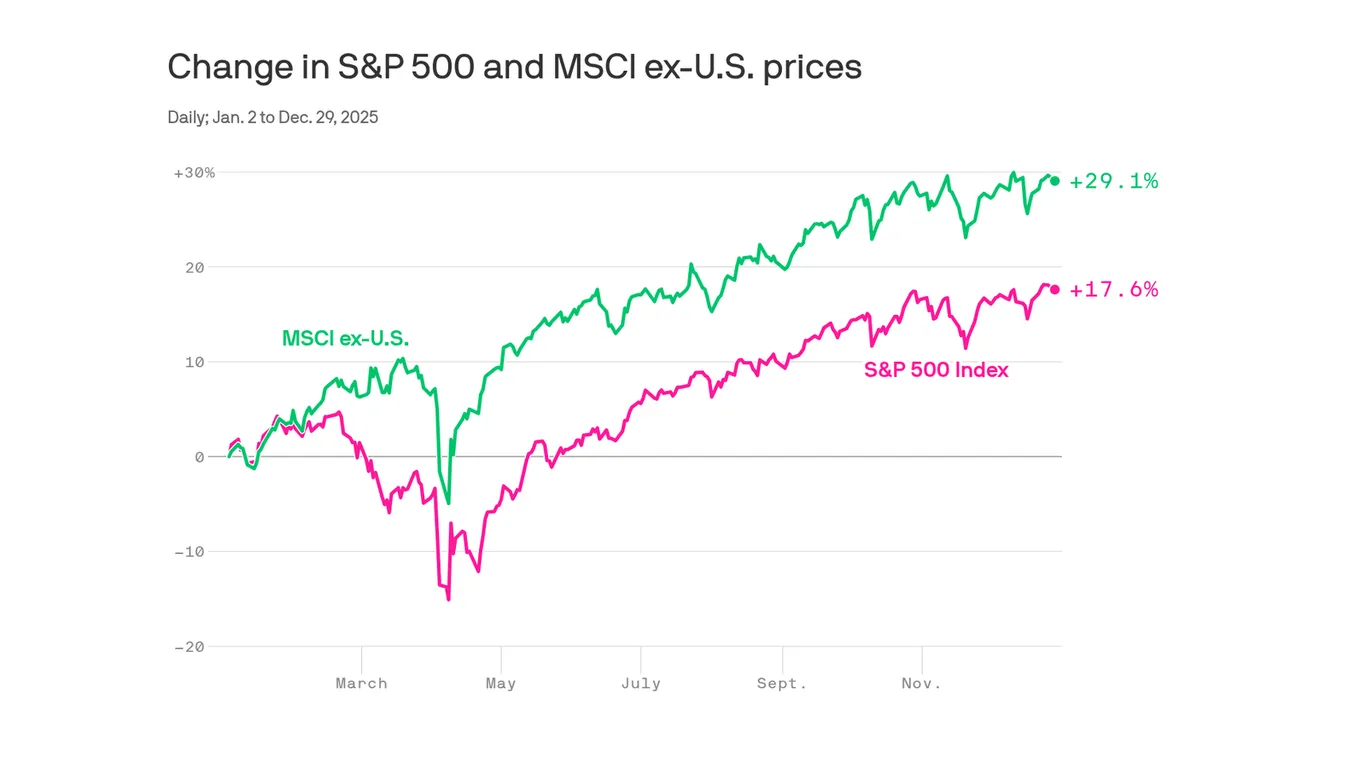
American stocks are underperforming international markets due to high valuations, policy uncertainties, and fears of an AI bubble, prompting investors to diversify abroad, especially into Asia, where markets like China are showing strong growth and technological competitiveness.
Brazil's beef supply is tightening as ranchers begin retaining female cattle to rebuild herds, signaling a shift from surplus to scarcity that could raise global beef prices and impact affordability, especially in the US where prices are already high due to drought and high feed costs.
Mercosur is expressing impatience with the European Union's delays in ratifying a long-standing trade deal, while simultaneously pursuing agreements with other partners like the UAE, Canada, and Japan, as competitors take advantage of the opportunity to access South America's markets and resources.
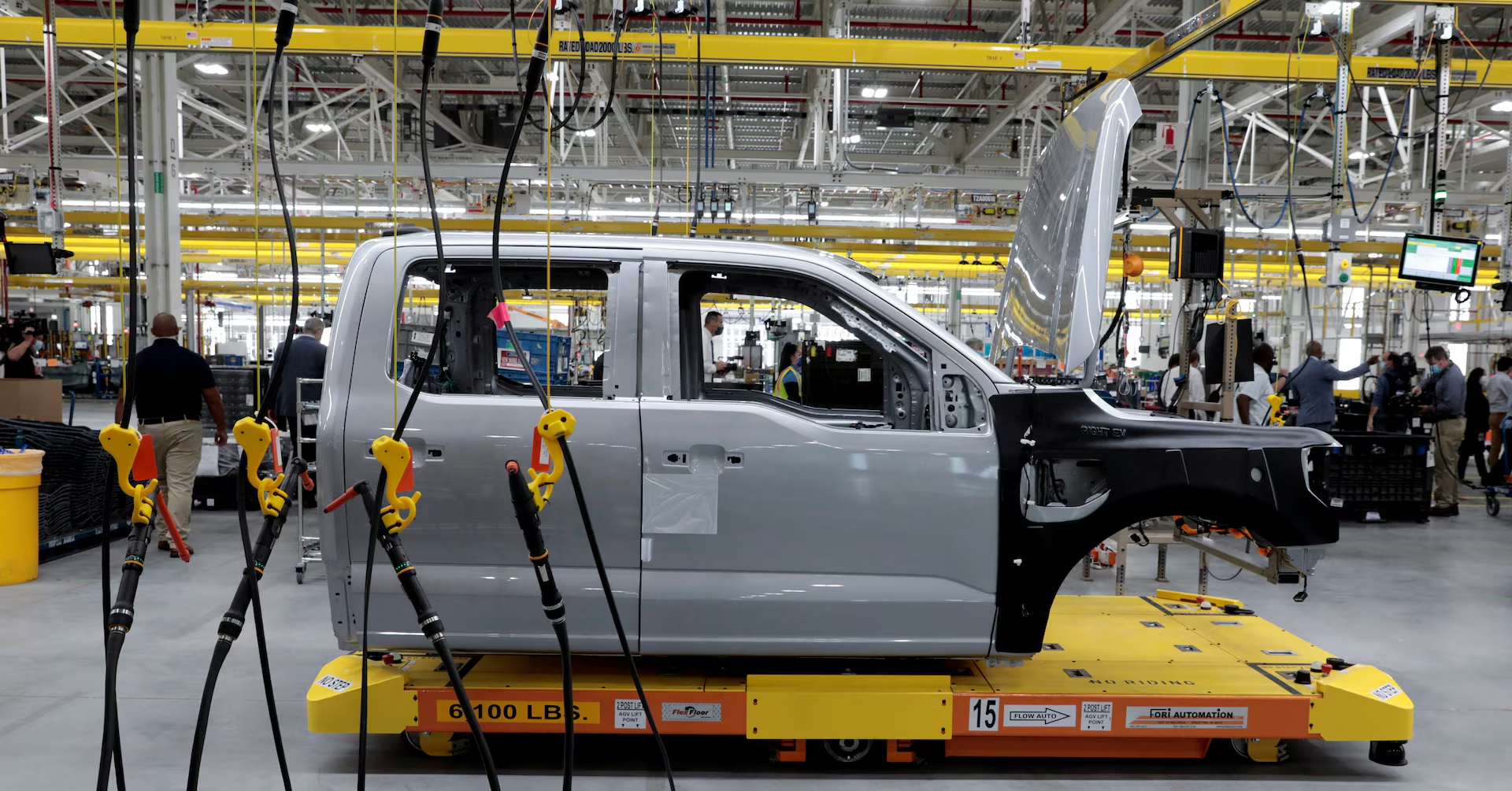
Ford is retreating from its ambitious electric vehicle plans due to unprofitability and shifting focus towards hybrids and region-specific models, reflecting broader industry challenges with EV economics and changing government policies, especially in the US.
The FTSE 100 reached a new record close of 9,787 points, driven by global market rallies and hopes of an end to the US government shutdown, which has also positively impacted US and European markets.
Global shares surged on optimism that the US government shutdown may end soon, with US Senate advancing a bill to reopen the government, boosting investor confidence and lifting futures across major indices; meanwhile, US yields and the dollar gained as markets assessed economic outlooks amid ongoing political developments.
Japan's Nikkei 225 surpasses 50,000 for the first time amid positive developments in US-China trade negotiations and strong Wall Street momentum, with regional markets also rallying on optimistic trade prospects and US economic data.
Stock markets worldwide are rising amid optimism that President Trump may not impose new tariffs on China, coupled with strong economic data from China and expectations of a Federal Reserve rate cut, boosting investor confidence across Asia, Europe, and the US.
Global markets declined as renewed China-US trade tensions, including Chinese sanctions on South Korean shipbuilder subsidiaries, spooked investors, leading to drops in European, Asian, and US futures, amid political uncertainties in Japan and ongoing trade disputes.
Global markets declined amid concerns over the prolonged U.S. government shutdown and doubts about upcoming Fed rate cuts, with Asian and European stocks falling and cautious sentiment prevailing in the U.S., while Fed minutes suggest a more cautious approach to rate adjustments.
U.S. stock futures are slightly higher after last week's losses amid economic data releases and political developments, with investors awaiting key employment reports and corporate earnings, while global markets also show gains.
Global markets rallied following the Fed's first interest rate cut in nine months, driven by optimism despite conflicting signals from the Fed's forecasts and economic uncertainties, with stocks, tech shares, and currencies showing significant movements amid geopolitical and economic developments.
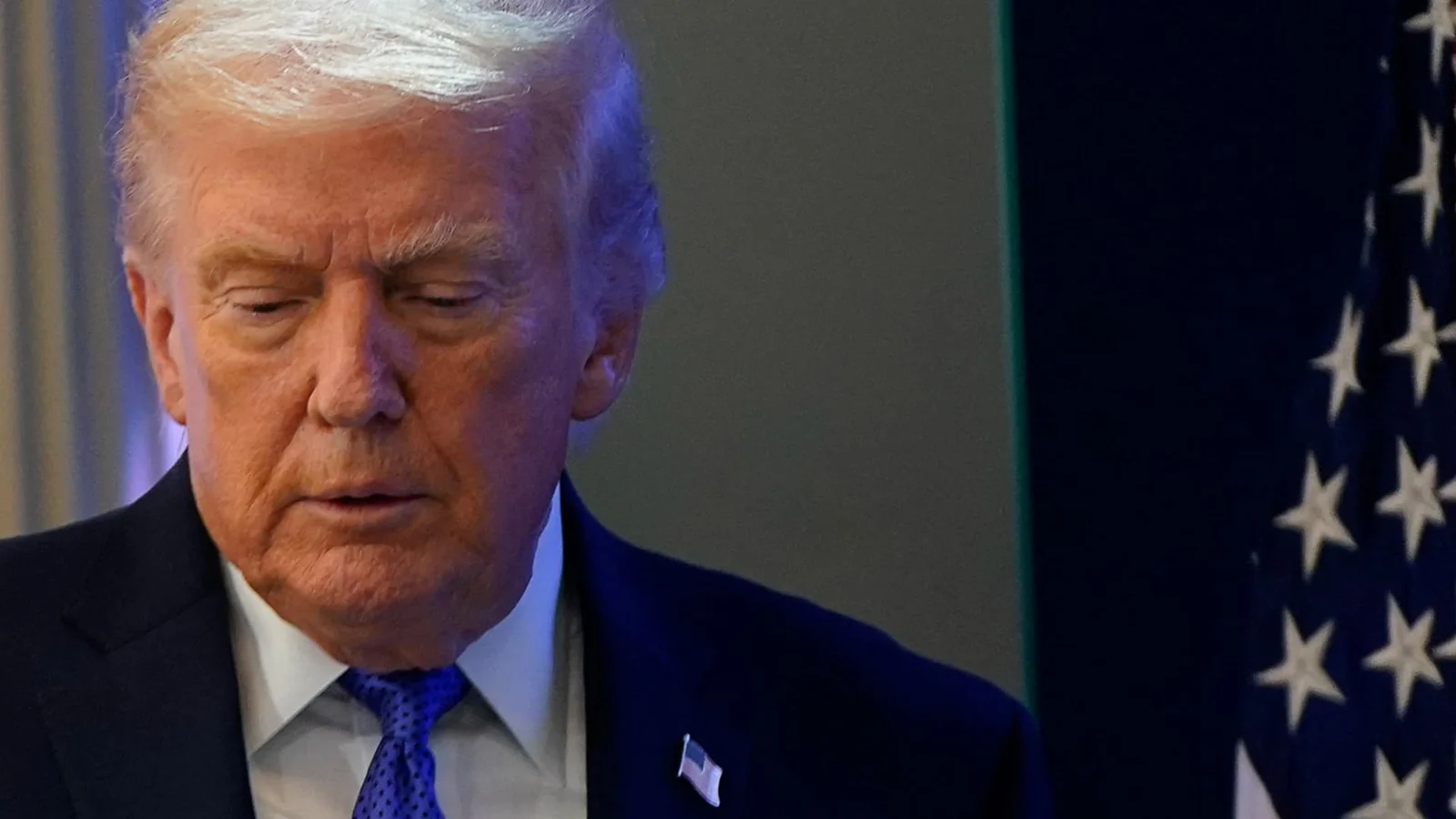
Global markets declined sharply following President Trump's threats to fire Fed governor Lisa Cook and impose steep tariffs on China, raising concerns about the dollar's role as a reserve currency and Fed independence. Despite some recovery hopes, fears of a weakened dollar and bond market instability persist, reflecting broader geopolitical and economic tensions.
Stocks declined on July 22 amid concerns over tariffs impacting earnings, with investors awaiting more clarity on trade negotiations and Federal Reserve speeches. The S&P 500 hit record highs earlier but has since stabilized, while global markets, including Japan and Europe, experienced volatility. Key corporate earnings and geopolitical developments continue to influence market sentiment.
The article discusses concerns over President Trump's criticism of the Federal Reserve and the potential implications of a less independent Fed, including market instability, increased global risk, and the importance of central bank independence for economic stability worldwide.