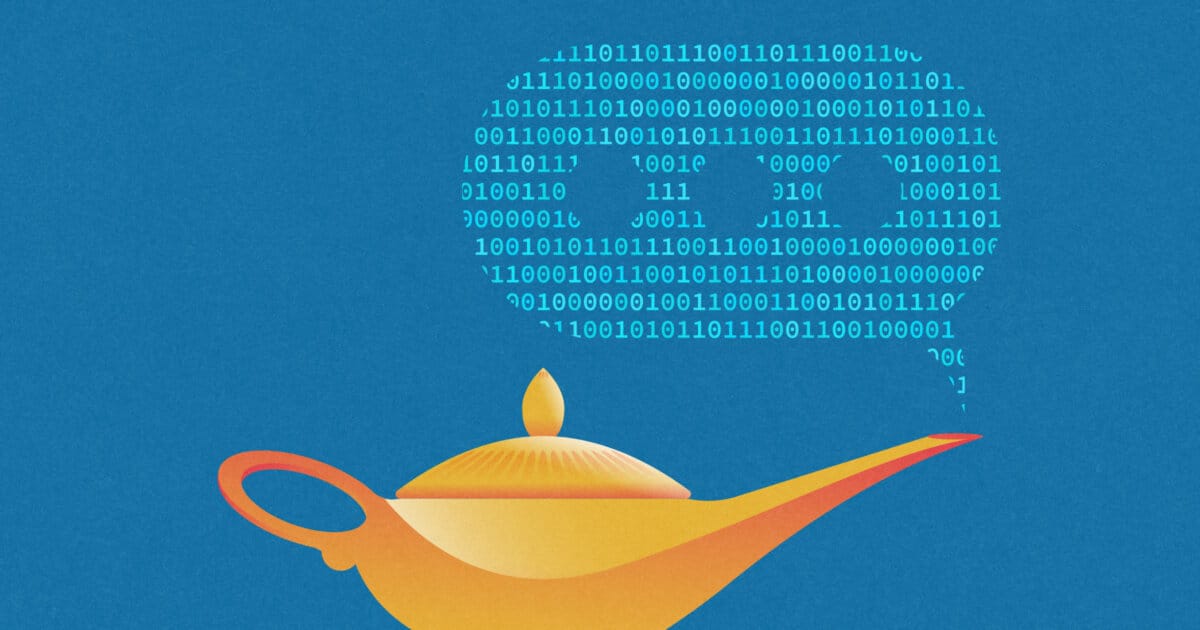
MIT SMR columnists Thomas Davenport and Randy Bean identify five key AI trends for 2026, including the deflation of the AI bubble impacting the economy, the rise of 'AI factories' for faster AI development, the shift of GenAI to an enterprise resource, the potential of agentic AI despite current overhype, and ongoing debates about AI management roles within organizations.
With market valuations near dot-com bubble highs and a 3-year bull run underway, AI-linked covered call ETFs are suggested as a hedge against the risks of overvaluation and potential market correction.
The article examines whether the current AI-driven stock market rally resembles a bubble, comparing it to past market bubbles and analyzing factors like valuation, concentration, fundamentals, and investor scrutiny. While some indicators suggest overvaluation and high concentration in tech stocks, historical context and company fundamentals imply that a crash isn't imminent, though increased scrutiny remains a healthy check on potential risks.
The article examines whether the current AI-driven stock market rally resembles a bubble, comparing it to past market bubbles and analyzing factors like valuation, concentration, fundamentals, and investor scrutiny. While some indicators suggest caution, experts believe a crash is unlikely in the near term, but increased scrutiny and high valuations warrant careful monitoring.
Despite concerns over an AI bubble and potential Fed turmoil, investors broadly expect global stock markets to rise in 2026, driven by supportive economic conditions, with notable optimism for the UK and US markets, though risks such as geopolitical tensions and private credit crises remain.
Nvidia forecasts $65 billion in revenue for Q4 2026, highlighting the rapid growth and strong demand in the AI industry, and suggesting that the sector's expansion is driven by major technological shifts rather than a bubble.
The article humorously predicts key PC gaming stories for 2026, including union battles at Rockstar, Saudi Arabia's proposed acquisition of EA, debates on adult content in games, Xbox's decline, ongoing conflicts in Ukraine affecting Ukrainian developers, and the potential burst of the generative AI bubble, highlighting a tumultuous year ahead for the industry.
Amid concerns about an AI bubble and high AI-related spending by tech giants, Apple stands out as a stable investment option in 2026 due to its strong financial performance, focus on core products, and less reliance on AI investments, making it potentially a safer choice for investors wary of the AI hype.
The article compares the current AI 'bubble' to historical market bubbles, analyzing similarities and differences to understand potential risks and opportunities in AI investments.
Eight Wall Street experts discuss how to invest $10,000 amid fears of an AI bubble, with most advising diversification and highlighting opportunities in biotech, industrials, cyclical stocks, Japanese small caps, European value stocks, and international equities, while generally dismissing the idea of a market-wide AI bubble.
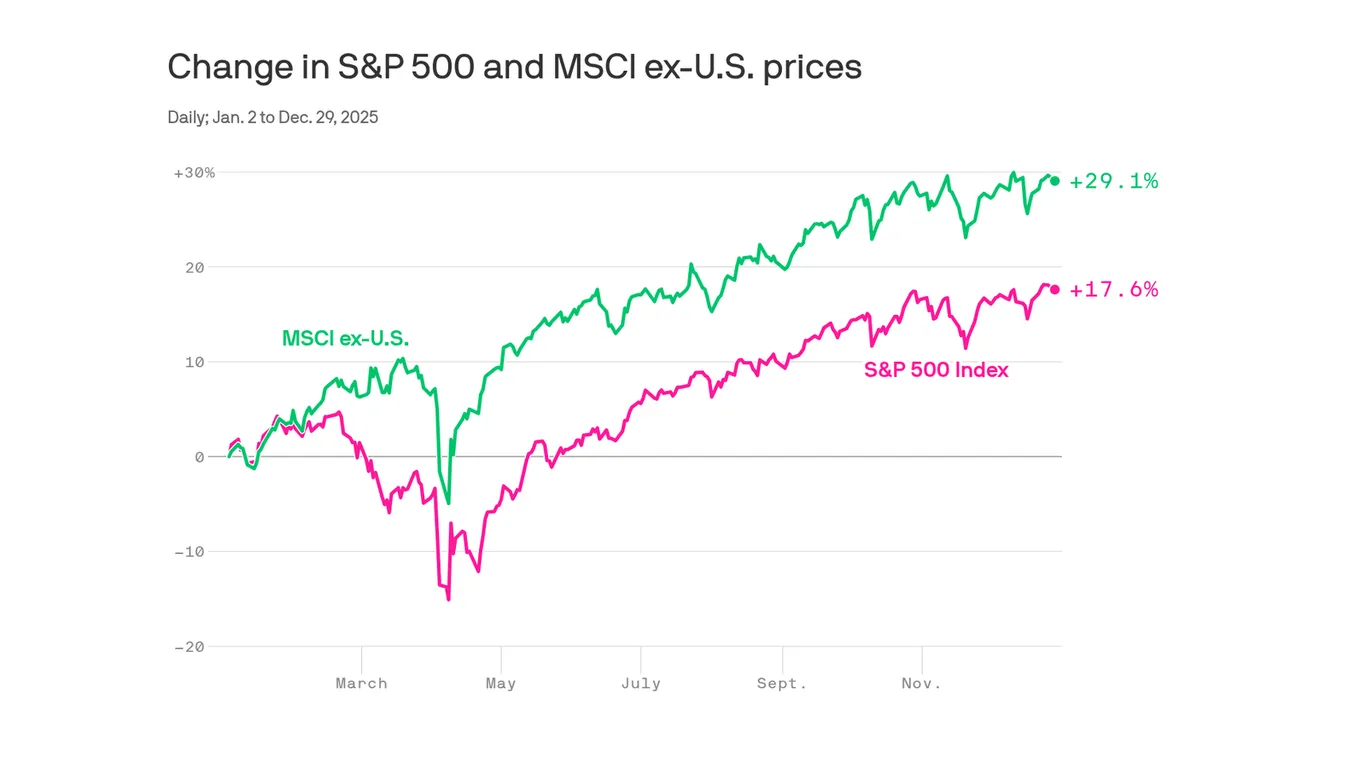
American stocks are underperforming international markets due to high valuations, policy uncertainties, and fears of an AI bubble, prompting investors to diversify abroad, especially into Asia, where markets like China are showing strong growth and technological competitiveness.
The article argues that the AI bubble, particularly around large language models, is likely to burst around 2026 due to fundamental technical limitations like the lack of world models, which undermine reliability and profitability, leading to a potential unwinding of the industry.
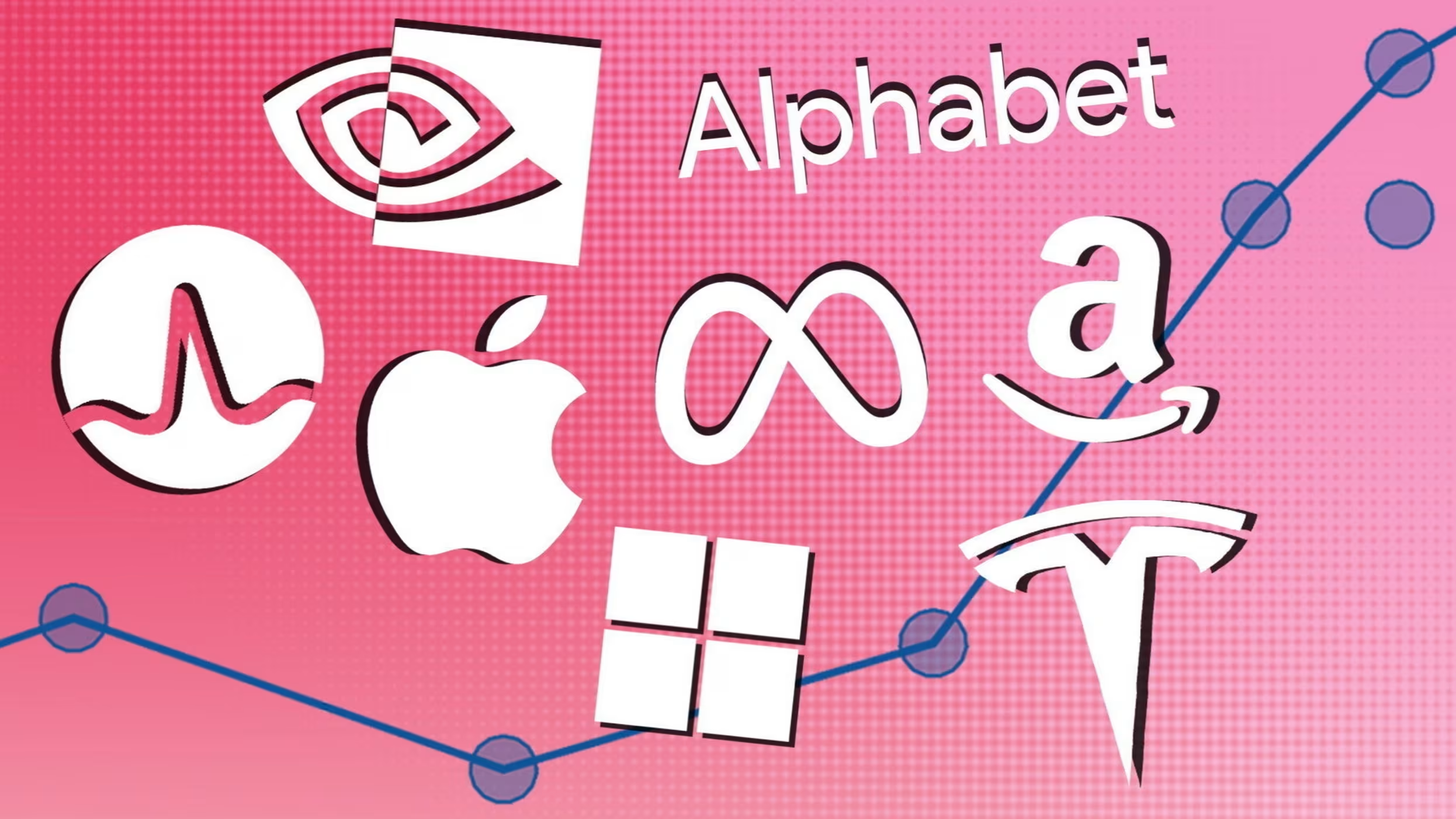
The article discusses the potential impact of a burst in the AI market bubble, warning that a correction could lead to significant declines in major tech stocks like Nvidia and Microsoft, potentially triggering a broader market downturn of 10-20%, affecting startups and investor portfolios, especially those heavily concentrated in AI-related assets.
The article discusses the rapid growth and investment in AI, highlighting concerns about a potential bubble driven by hype and financial speculation. It emphasizes the geopolitical race between the US and China for AI dominance, the risks of unregulated development, and the flawed nature of current AI systems. The author warns that when the bubble bursts, there will be an opportunity to steer AI development towards serving humanity rather than corporate or geopolitical interests.
The article discusses the concept of an 'AI bubble' in 2023, highlighting concerns about overhyped investments and speculative enthusiasm in artificial intelligence technologies, which may lead to a market correction or crash.