Investors may be underestimating the potential for stronger global economic growth in 2026, driven by pent-up demand and increased policy support, which could lead to higher inflation and pose risks to bond markets. Strategists suggest a shift towards cyclical stocks and caution against bonds unless yields are attractive, as higher growth may reignite inflation concerns and impact monetary policy.
The IMF warns of a potential sharp correction in US stock markets, which are heavily concentrated in tech giants, and expresses concern over bond market stability and the growing risks posed by non-bank financial intermediaries, urging stronger regulation and maintaining central bank independence to prevent a future financial crisis.
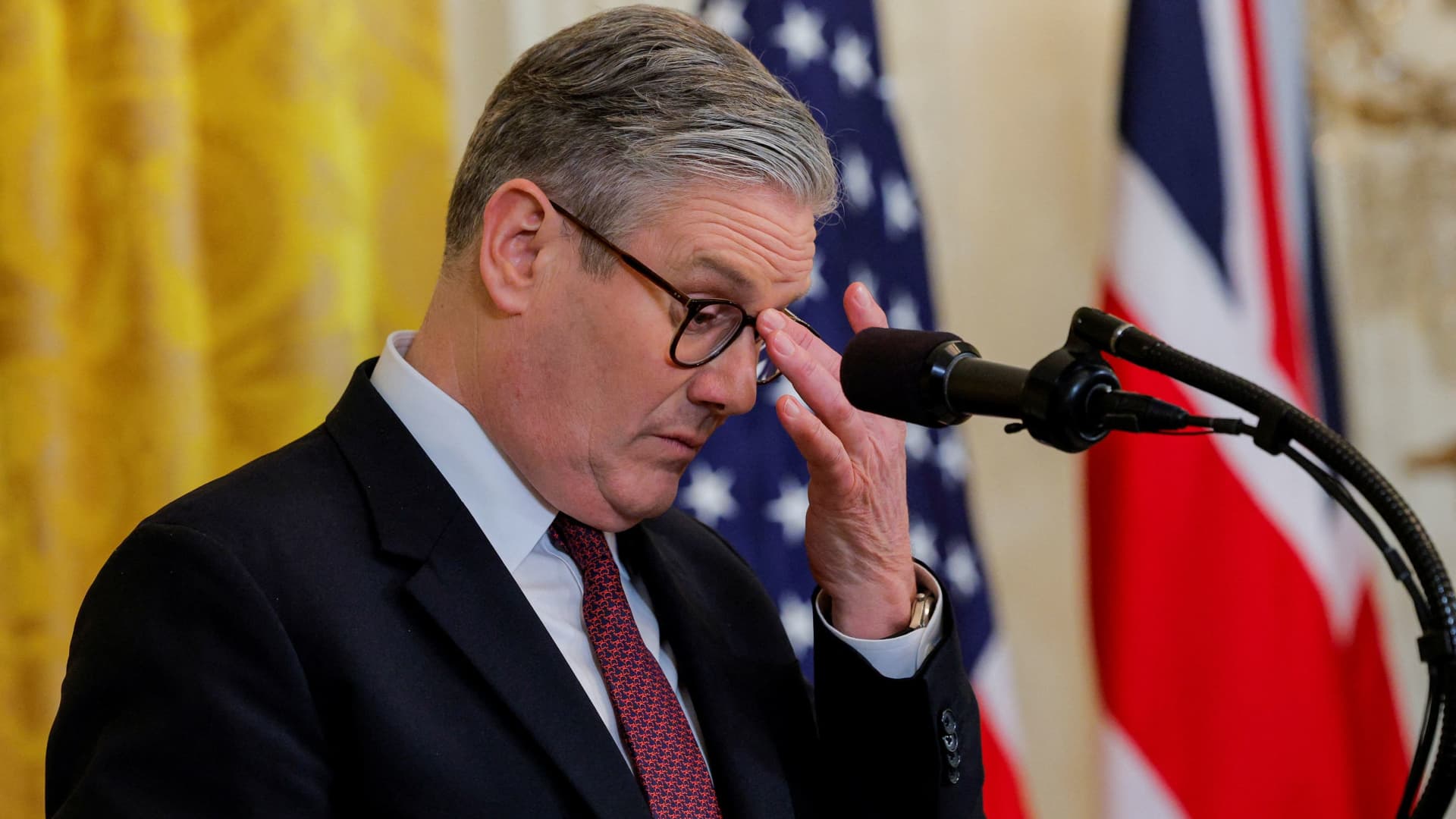
UK Prime Minister Keir Starmer faces a critical Labour conference amid internal party pressures, economic challenges, and market concerns, with key focus on reassuring businesses, managing fiscal discipline, and outlining long-term growth strategies.
The article discusses how recent comments by Fed officials, particularly Stephen Miran, suggest a potential shift in the Federal Reserve's focus towards actively managing long-term interest rates, beyond its traditional dual mandate of price stability and maximum employment, which could lead to more interventionist policies like quantitative easing or yield curve control.
France faces a worsening debt crisis exacerbated by political paralysis, high public spending, and a divided parliament, with bond markets signaling increased risk and potential for a market crisis if fiscal reforms are not implemented.
Global bond markets have temporarily stabilized after a sharp selloff, but yields remain high due to concerns over the fiscal health of major economies like Japan, the UK, and the US, with increased bond issuance and political uncertainties contributing to ongoing volatility.
Surprising US inflation data has caused a global sell-off in bonds, rising Treasury yields, and a cautious stock market, amid fears of stagflation and geopolitical tensions ahead of a US-Russia summit.
The upcoming Japanese elections could cause significant market turmoil similar to last summer, potentially leading to rising Japanese bond yields and a sell-off in U.S. Treasurys, due to concerns over fiscal policy, debt sustainability, and currency carry-trades, highlighting the interconnectedness of global financial markets.
The passage of Trump's large spending bill is expected to increase U.S. debt and deficits, prompting foreign investors to diversify away from Treasuries towards European bonds like German bunds, amid concerns over U.S. fiscal health and market volatility.
Treasury Secretary Scott Bessent dismisses concerns about US debt and bond market risks raised by JPMorgan Chase CEO Jamie Dimon, highlighting that such predictions have historically not materialized and emphasizing a gradual approach to reducing the deficit.
Wall Street warns that the GOP tax bill, which could add over $5 trillion to U.S. debt, may increase borrowing costs and cause investor anxiety, potentially impacting the broader economy.
Bill Gross, co-founder of Pimco, believes a Donald Trump win in the U.S. presidential election would be more bearish for bond markets than Joe Biden's re-election due to Trump's advocacy for continued tax cuts and expensive programs. Gross also criticizes the current deficit spending and suggests investors temper their expectations for stock market returns.
A recent surge in inflation has caused bond markets to react, with the US 10-year Treasury note yield reaching its highest level since November. The Federal Reserve had previously indicated potential rate cuts in 2024, but the latest inflation data has raised concerns about a repeat of the 1970s inflation era. The Fed aims to avoid the high and variable inflation that characterized that period, and historical lessons suggest that keeping policy rates relatively high, even as inflation declines, may be key to managing inflation without causing a recession.
Investor demand for corporate bonds has surged, with about $50 billion of bonds sold in the past two weeks to finance acquisitions and spinoffs, marking a steep surge in M&A financing after the slowest year for dealmaking in a decade. US corporate investment-grade bond sales are set to surpass $60 billion for the first time in nearly two years, with some $276 billion of pending M&A activity potentially needing financing.