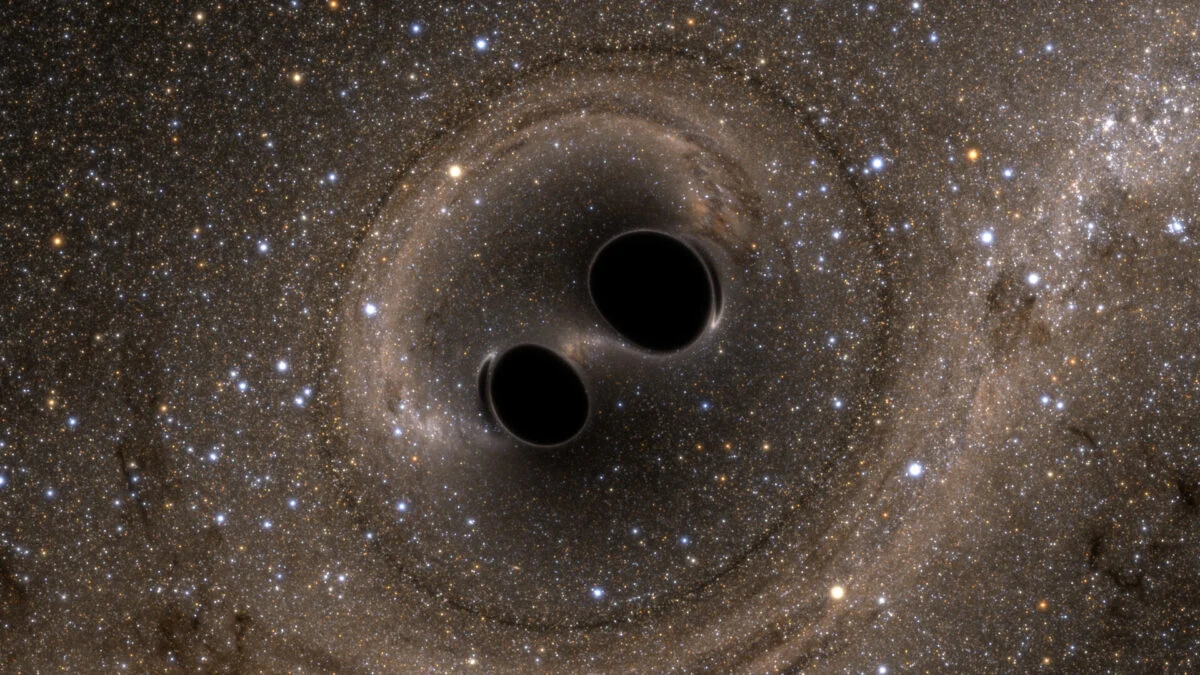
Scientists propose that magnetic fields during stellar collapse can eject mass from black holes, explaining the formation of unexpectedly large black holes within the 'mass gap' and potentially resolving the mystery of a recent, unusual black hole merger detected by LIGO.
New research suggests collapsing stars could reveal hidden neutrino interactions, which may influence whether a star ends as a neutron star or black hole, with potential to test these theories through upcoming neutrino experiments and gravitational wave observations.
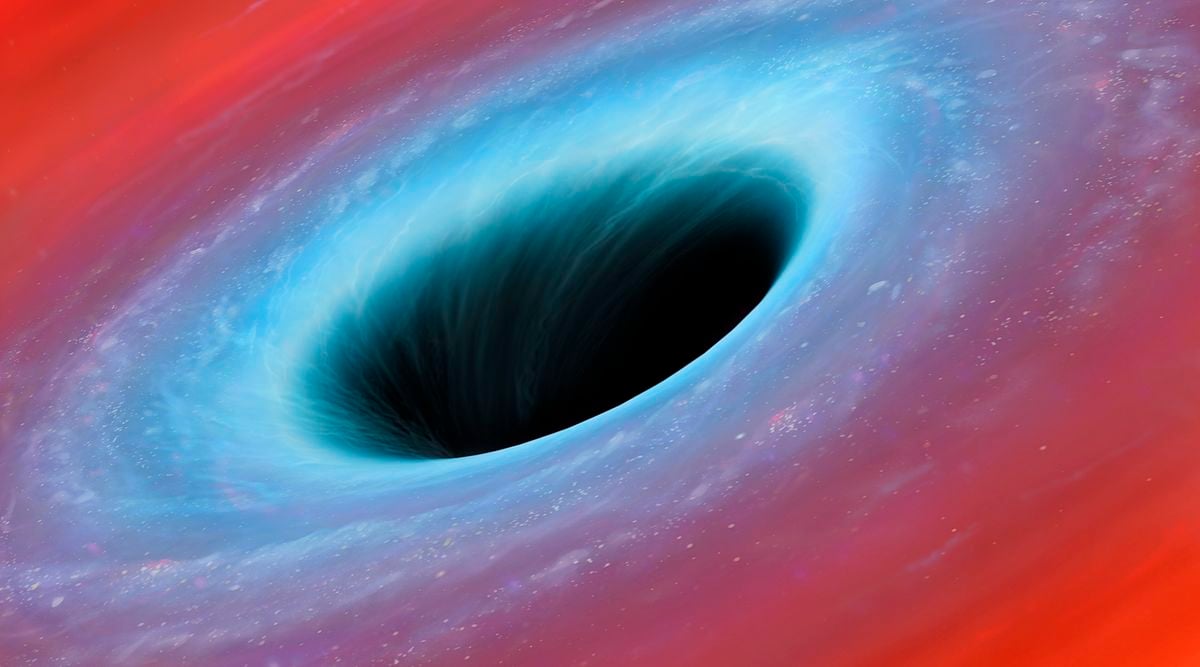
Astronomers have observed a rare 'failed supernova' event where the massive star M31-2014-DS1 in the Andromeda galaxy vanished without the typical supernova explosion, likely collapsing directly into a black hole. This phenomenon, where a star's mass collapses inward without an outward explosion, has been difficult to observe directly. The findings, yet to be peer-reviewed, suggest that 98% of the star's mass formed a black hole, similar to another candidate, N6946-BH1, in the Fireworks Galaxy. Further observations are planned to confirm these events.
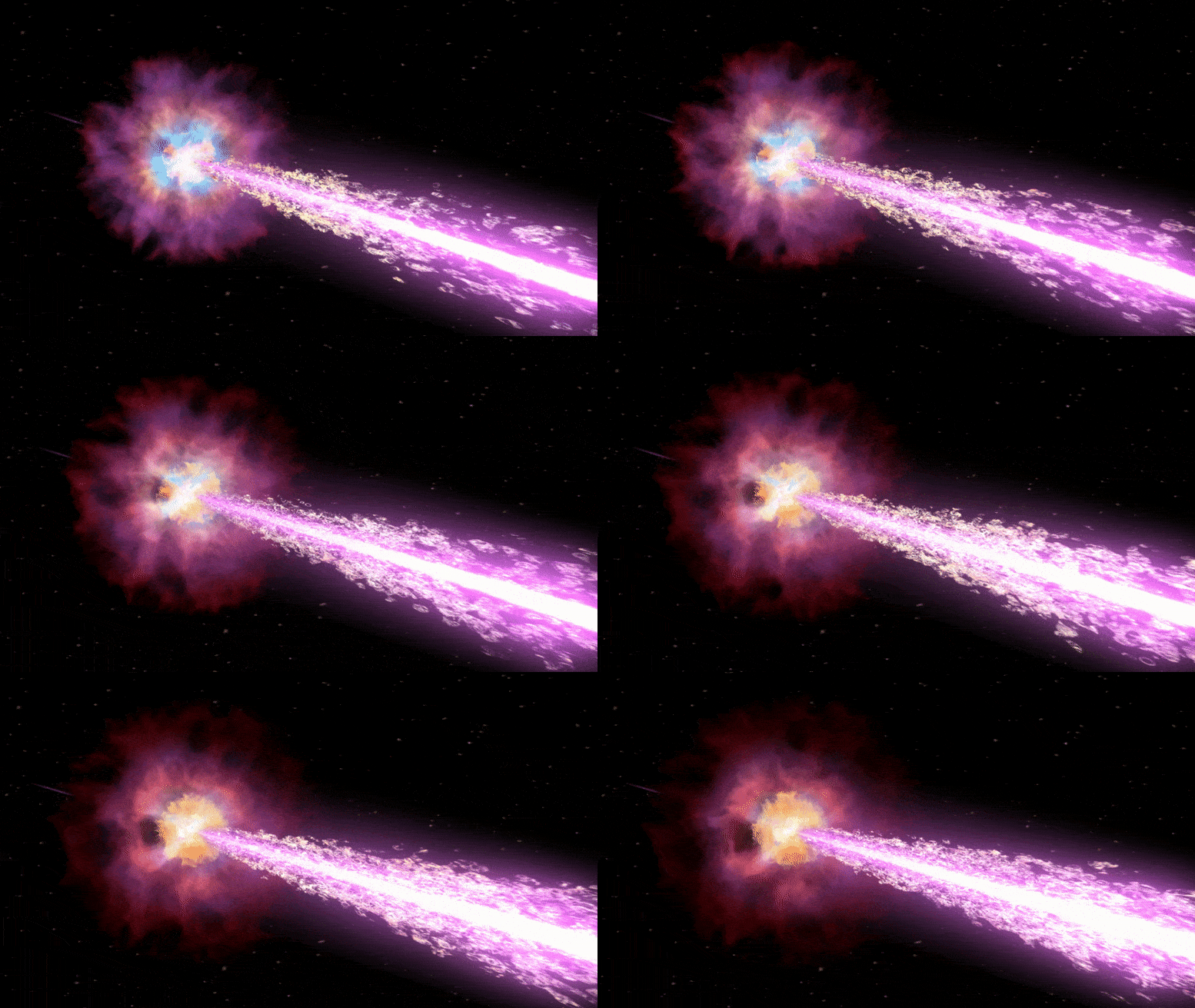
Astronomers have decoded the mystery behind the universe's brightest explosion, known as the Brightest of All Time (BOAT). The explosion, caused by the collapse of a massive star and the birth of a black hole, was angled directly at Earth and carried an unusually large amount of stellar material. The slow fade of the explosion's afterglow indicated a unique structure, with a narrow jet embedded within a wider gas outflow. The researchers believe that the mixing of stellar material and the jet contributed to the explosion's intensity. This discovery not only explains the BOAT but also sheds light on previous brightness record holders. Further study into the magnetic fields and massive stars involved in these events may reveal why they are so rare.