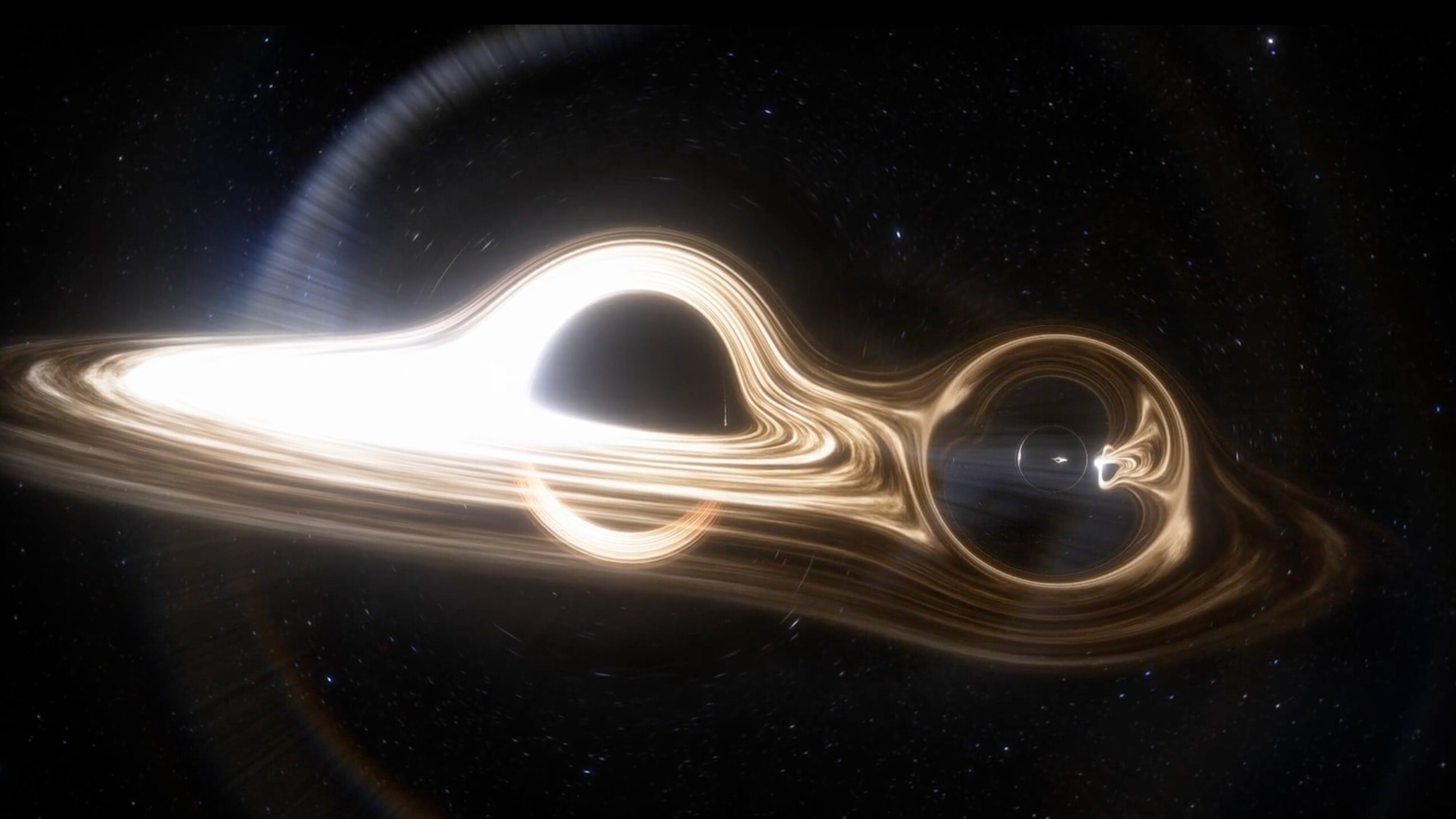
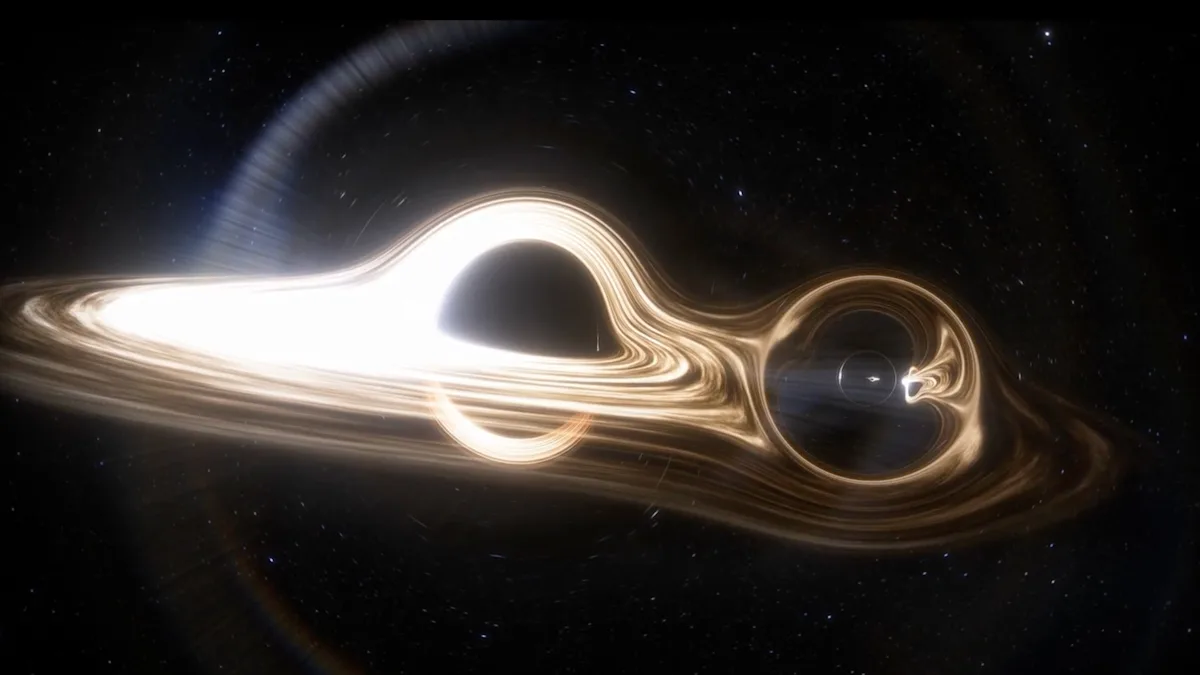
Scientists have explained the 'impossible' merger of massive, rapidly spinning black holes by considering the role of magnetic fields in the evolution of progenitor stars, revealing that magnetic forces can influence black hole mass and spin, and potentially produce black holes within the mass gap observed in previous theories.
Scientists propose that magnetic fields during stellar collapse can eject mass from black holes, explaining the formation of unexpectedly large black holes within the 'mass gap' and potentially resolving the mystery of a recent, unusual black hole merger detected by LIGO.
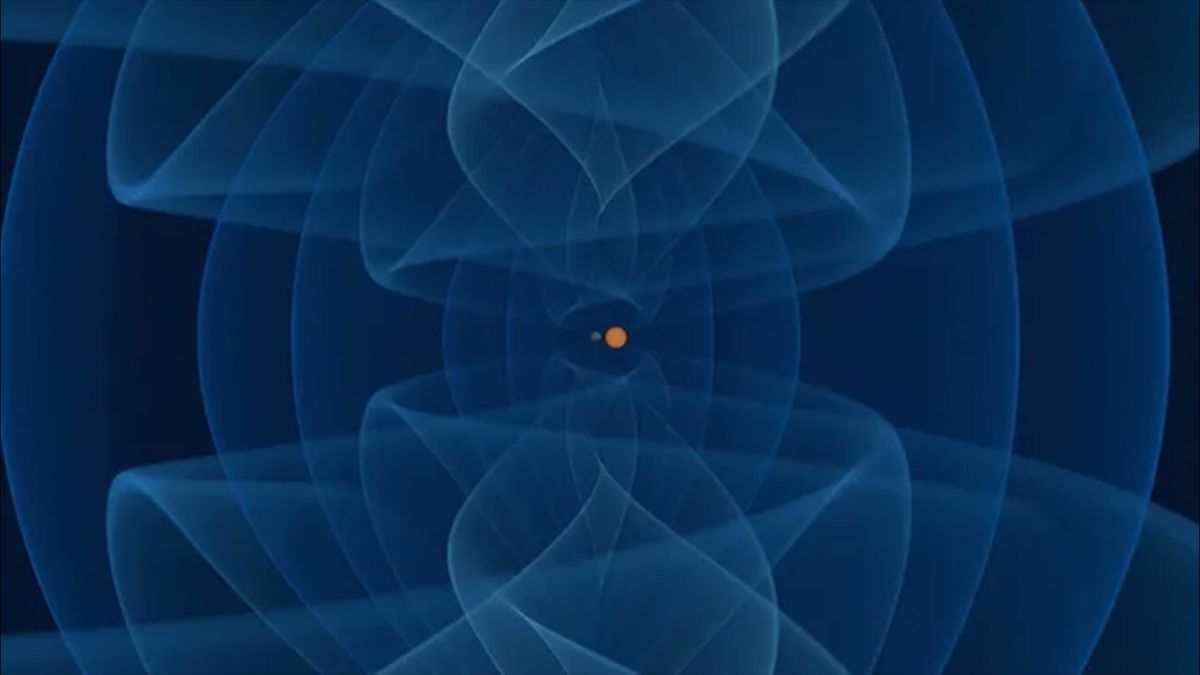
Scientists using the LIGO-Virgo-KAGRA network have detected a black hole merger resulting in a 255-solar-mass black hole, which challenges current understanding of stellar evolution and black hole formation, especially since such massive black holes are thought to be impossible to form directly from stars. The black holes involved were also spinning near the maximum limit, adding to the mystery and pushing the limits of current detection technology.
Astronomers observed the most massive black hole collision to date, GW231123, involving black holes likely formed through previous mergers, challenging existing theories of black hole formation and highlighting the rapid advancement of gravitational wave astronomy.
Scientists detected the largest black hole merger ever, resulting in a black hole 225 times the sun's mass, challenging existing theories about black hole formation, especially in the mass gap between stellar and supermassive black holes, using gravitational wave data from the LIGO-Virgo-KAGRA collaboration.
Scientists have detected the largest black hole merger ever, resulting in a black hole 225 times the mass of the sun, challenging existing theories about black hole formation, especially in the mass gap between stellar and supermassive black holes, using gravitational wave data from the LIGO-Virgo-KAGRA collaboration.
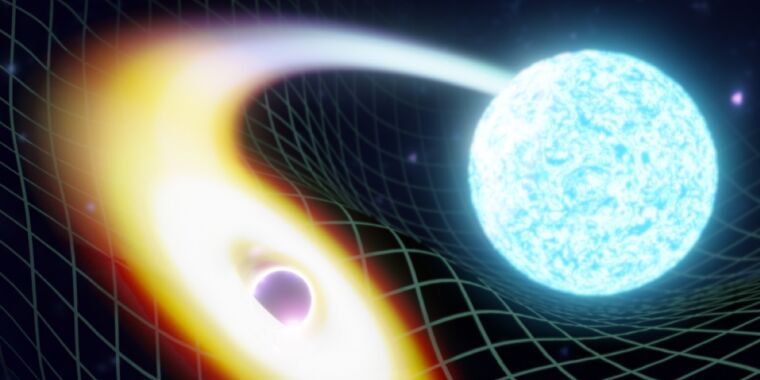
Astronomers have detected a rare merger between a neutron star and a lightweight mystery object, possibly a surprisingly lightweight black hole, shedding light on the existence of objects in the "mass gap" region. The signal was detected roughly 650 million light-years from Earth by the LIGO-Virgo-KAGRA (LVK) collaboration, indicating a collision that occurred about 650 million years ago. This discovery challenges previous assumptions about the mass gap and suggests a more complex evolution of heavy neutron stars into black holes. The finding was presented at the American Physical Society meeting and is awaiting peer review.
The LIGO/VIRGO/KAGRA collaboration has detected a gravitational wave signal indicating a merger between a neutron star and a mysterious intermediate-mass object, possibly a low-mass black hole, falling within the "mass gap" range. This finding challenges previous assumptions about the emptiness of the mass gap and has implications for the understanding of binary evolution and electromagnetic counterparts to compact-object mergers. The detection suggests an increase in the expected rate of neutron star–black hole mergers with electromagnetic counterparts, shedding light on the properties of compact objects like black holes and neutron stars.
Scientists have detected an "extremely exciting" gravitational-wave signal from the distant universe, believed to have been caused by the merger of a neutron star with a mystery object in the "mass gap" – an object between the heaviest known neutron star and the lightest known black hole. The nature of this mystery object, located 650 million light-years away, remains unknown, but researchers hope that further examination of similar events could provide insights into its formation and nature. This discovery, reported at the American Physical Society's meeting, suggests that the "mass gap" may be less empty than previously thought, with implications for understanding supernova explosions and potential light shows resulting from black hole interactions with neutron stars.