SpaceX is preparing for a historic test flight of its upgraded Starship spacecraft, featuring the new Version 3 design and a massive Super Heavy booster, marking a significant step toward its goal of Mars exploration despite recent setbacks and delays.
SpaceX's Starship tests near Texas have repeatedly caused safety concerns due to rocket failures and debris falling over busy airspace, with the FAA allowing continued testing despite risks to commercial flights, raising questions about regulatory oversight and safety measures in private space exploration.
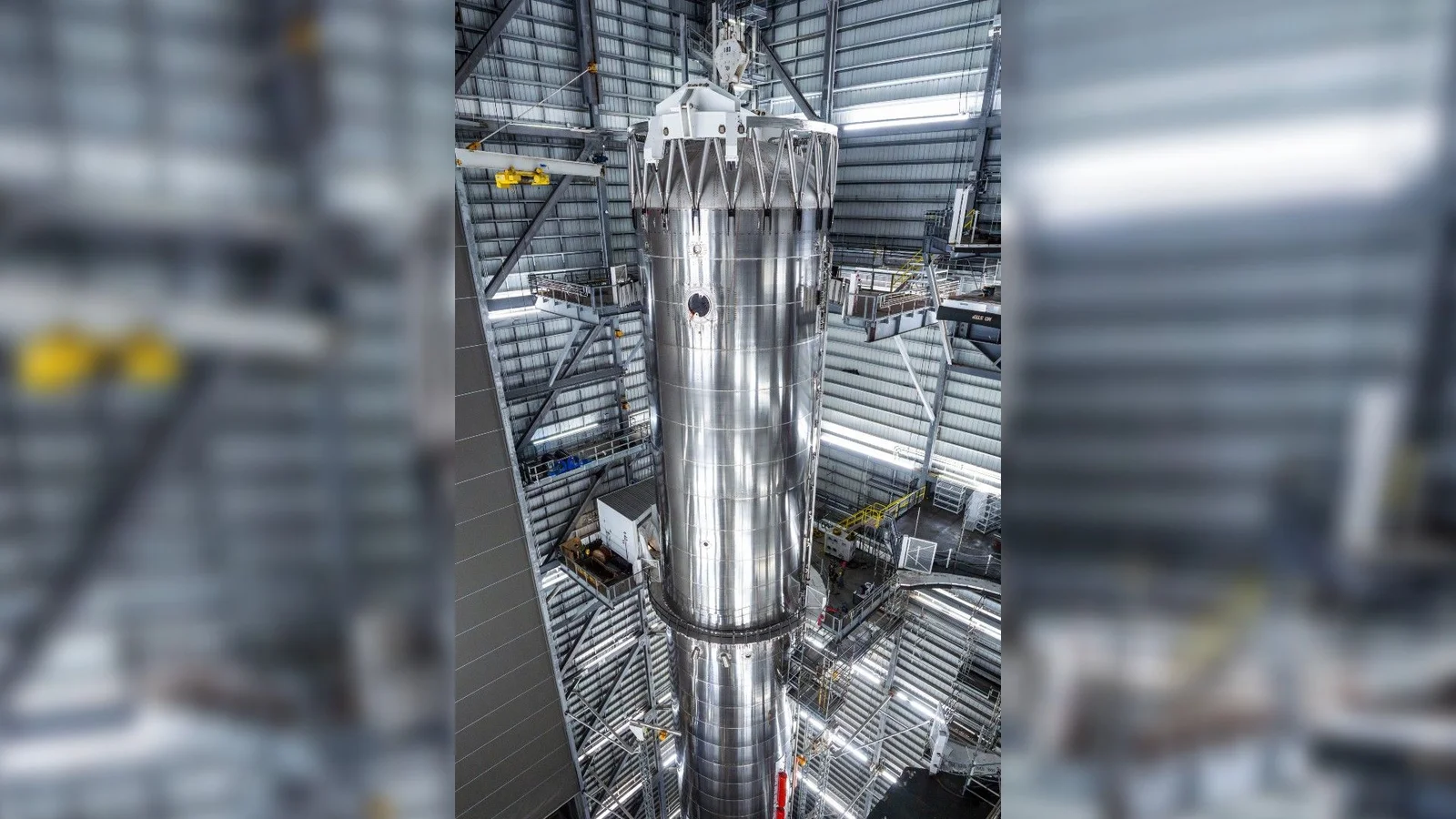
SpaceX has completed stacking its Super Heavy booster at Starbase in preparation for Starship Flight 12, aiming to test the latest version of its massive rocket, which could pave the way for future Mars missions, despite recent delays caused by booster testing issues.
Elon Musk claims his new rocket, Starship, is as significant as the origin of life in its potential impact on humanity's future, despite ongoing test failures and NASA's hesitations, positioning it as a revolutionary step towards multi-planetary civilization.
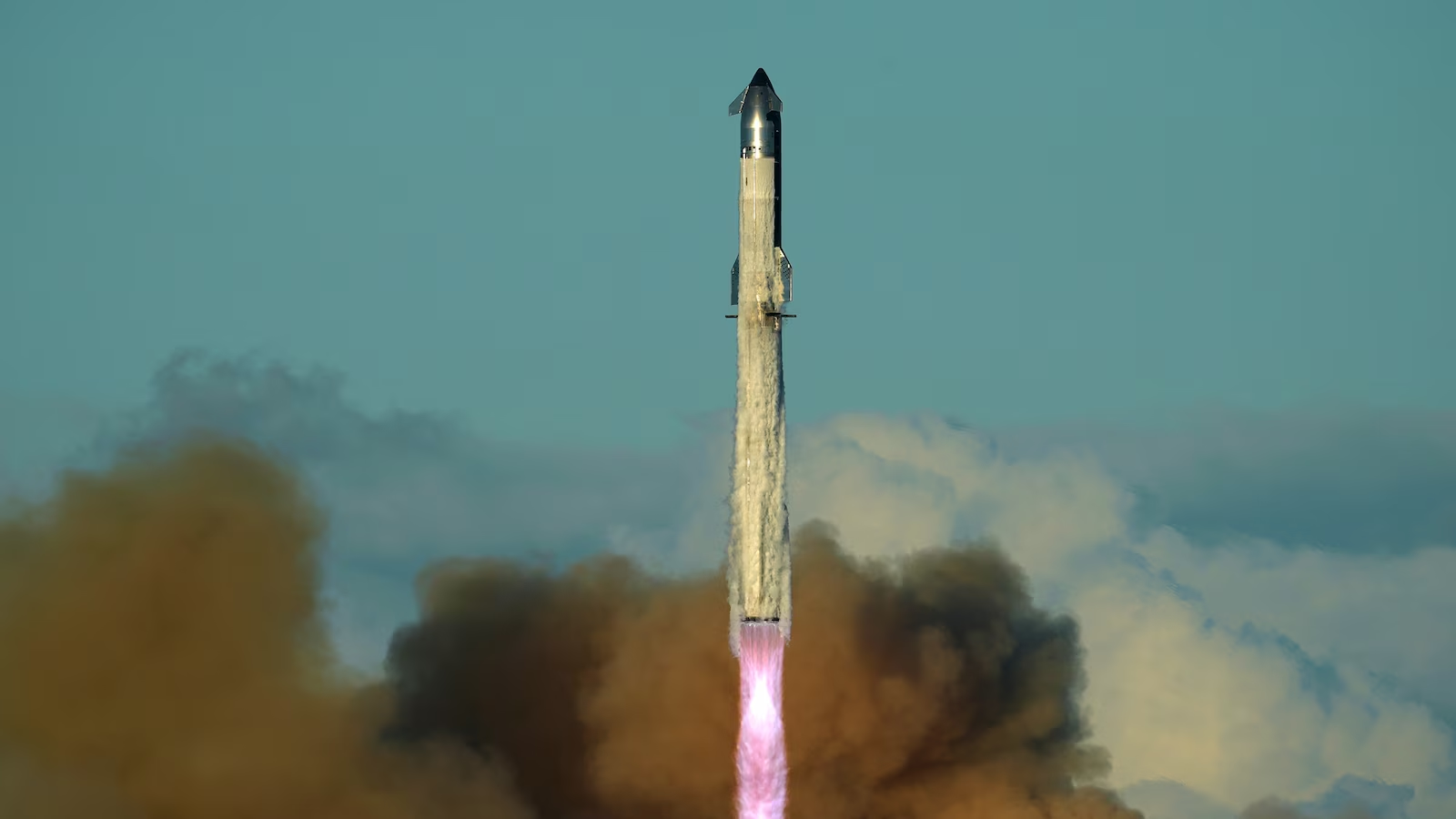
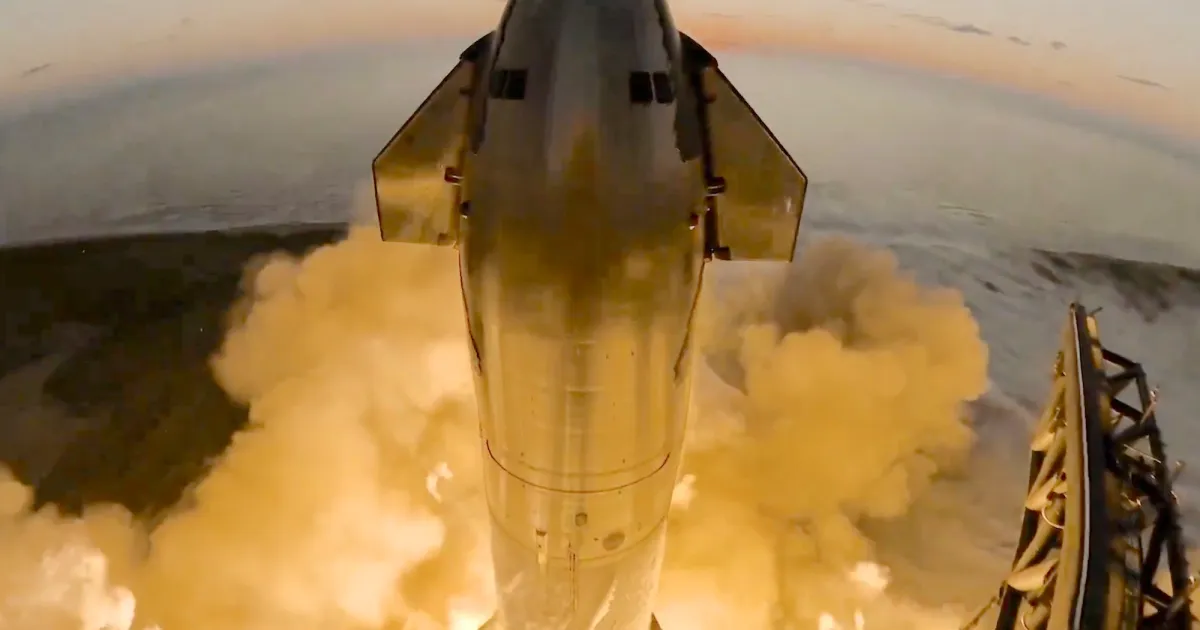
SpaceX's Starship Flight 11 was a high-risk, deliberate failure test that removed thermal tiles to stress the spacecraft's heat shield, successfully gathering critical data for future reentry and reuse. The mission also tested new booster descent strategies and in-space capabilities, marking the end of the second-generation Starship development before moving on to the more advanced Starship V3, which aims for orbital refueling and lunar missions.
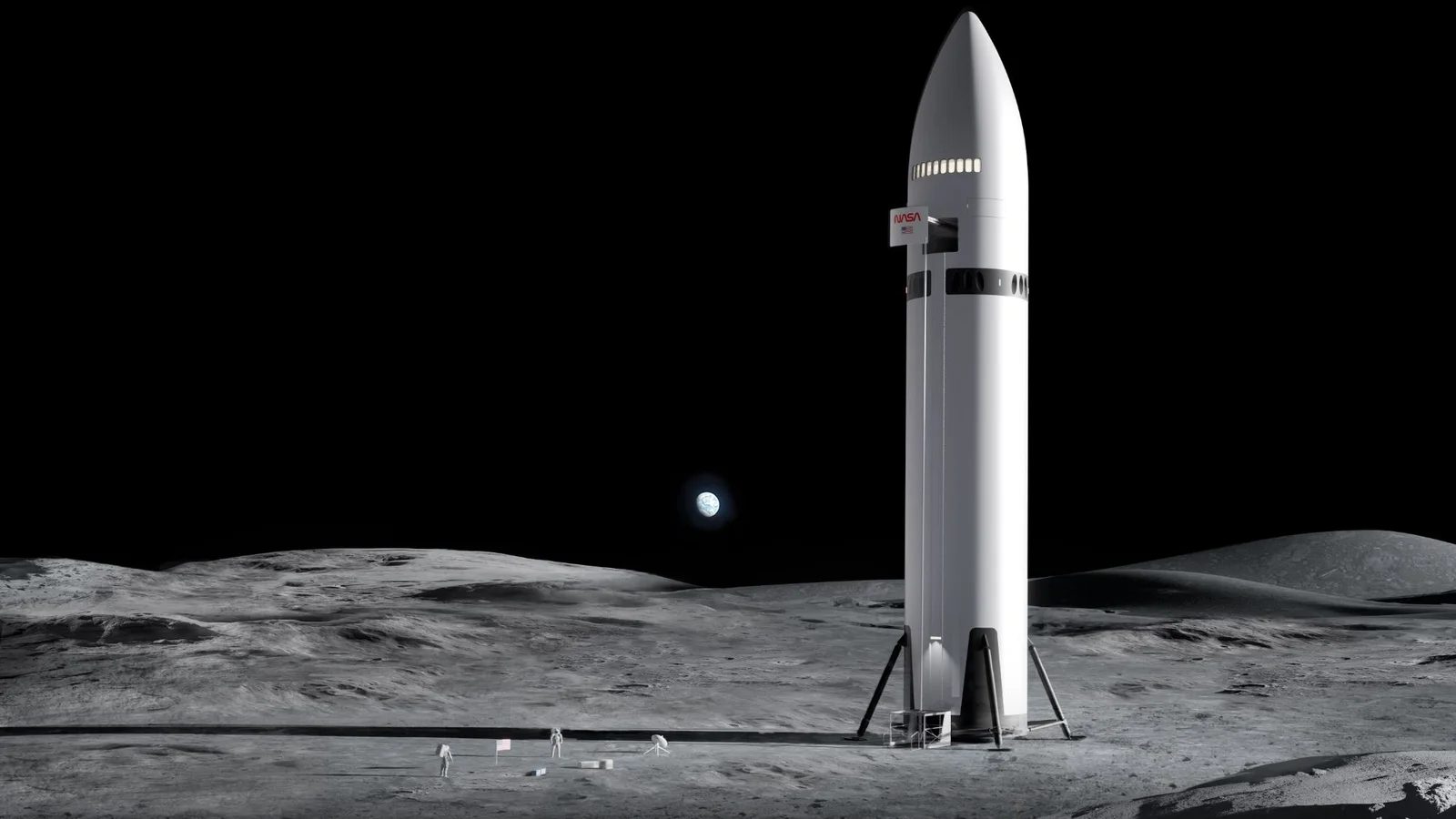
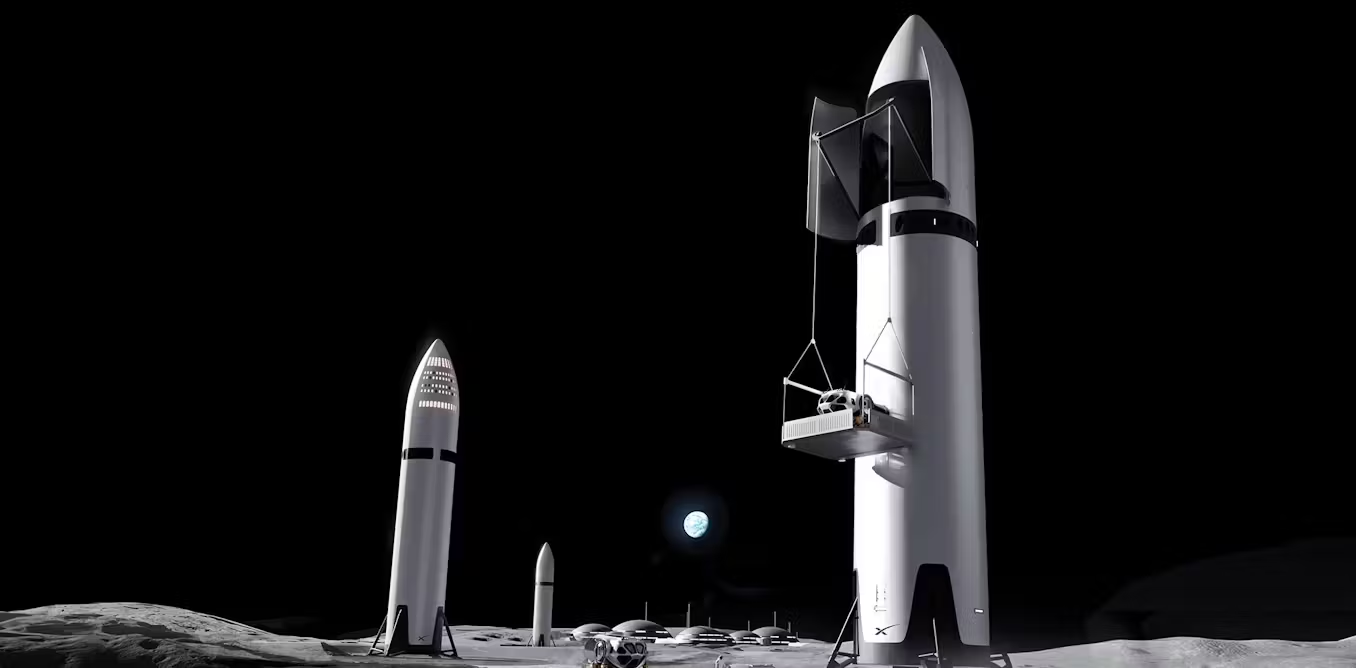
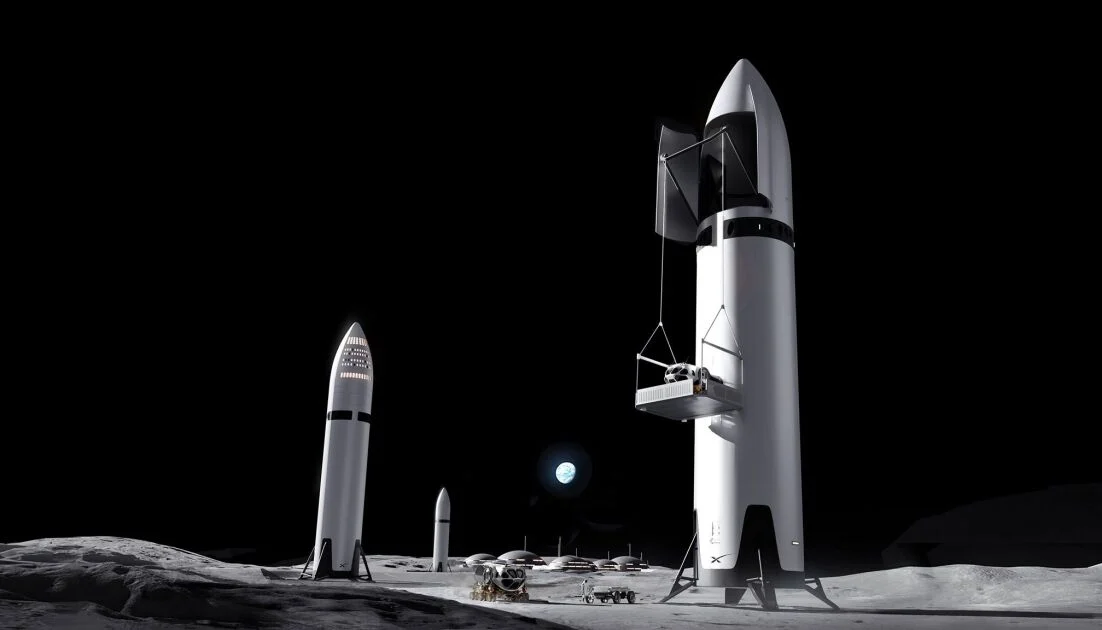
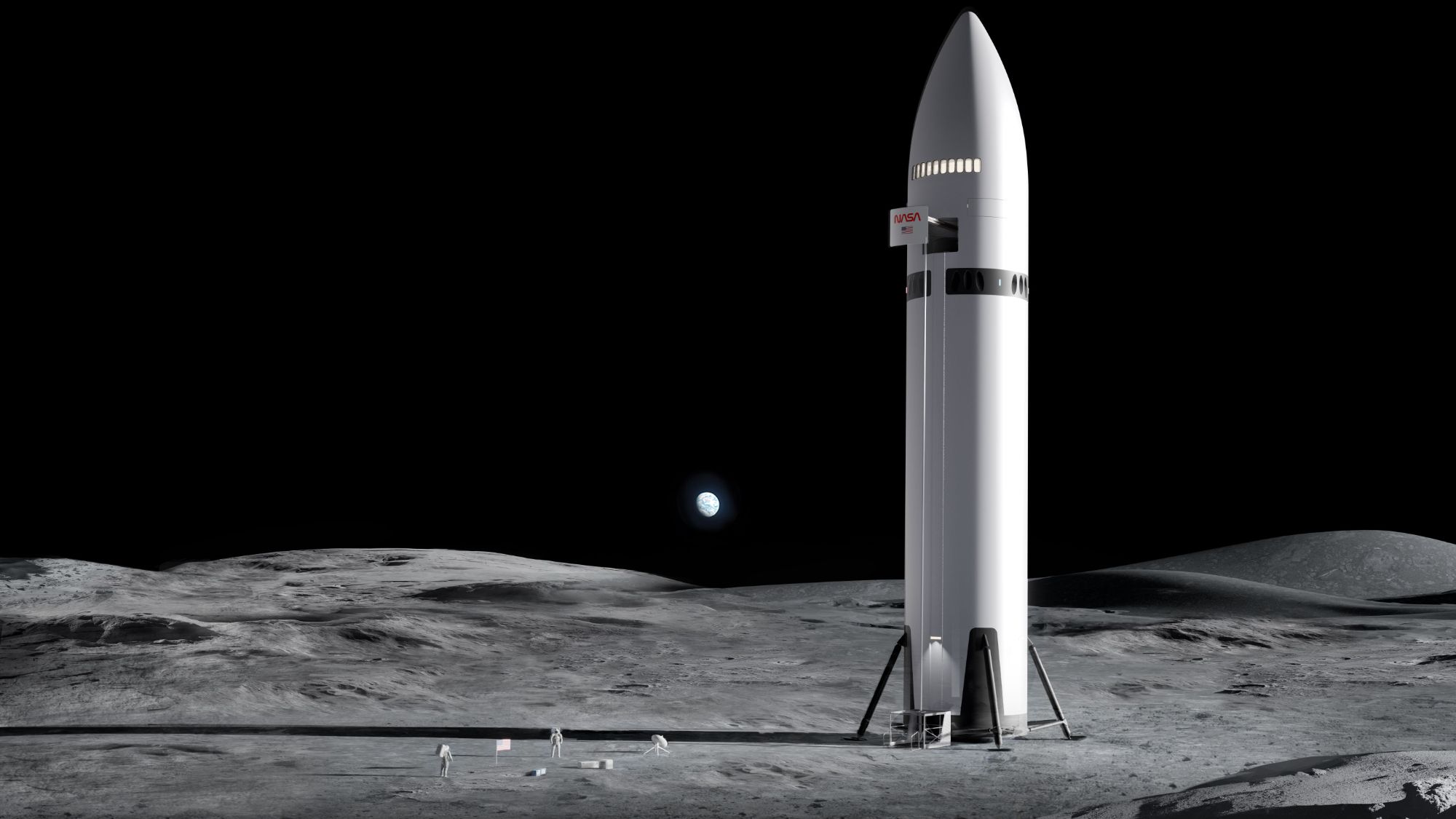
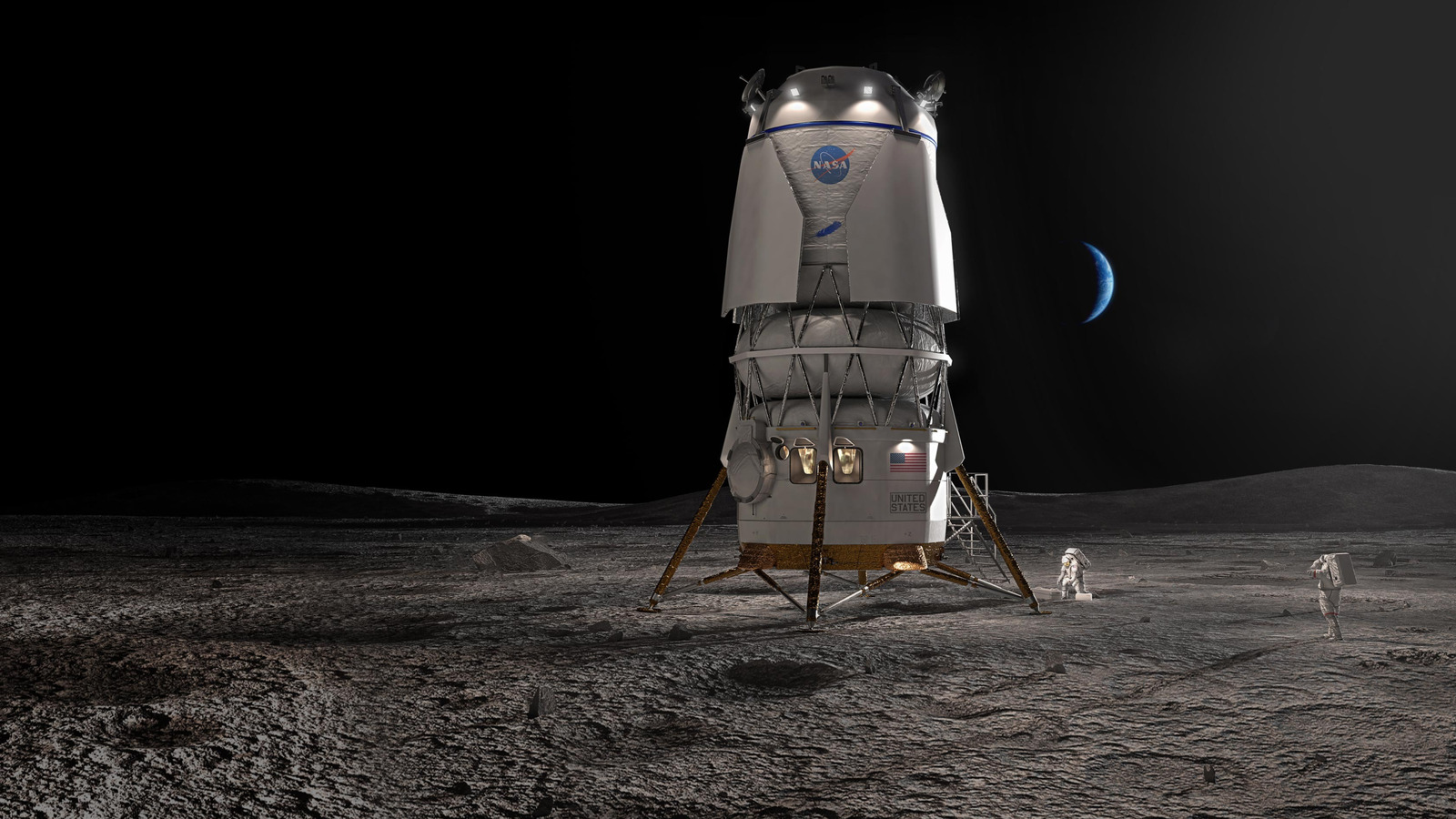
SpaceX has unveiled a simpler version of its Starship lander designed to land US astronauts on the moon, aiming to facilitate lunar missions with improved technology.
NASA's Artemis III lunar mission faces delays due to technical issues with SpaceX's Starship, which is designed to be a versatile but currently unproven super-heavy-lift vehicle. The development challenges, including multiple failed test flights and payload capacity concerns, have led NASA to reopen the lunar landing contract to competitors like Blue Origin. The broader context involves the US government's unstable space policy and budget, impacting international collaboration and long-term planning for lunar exploration.
SpaceX is developing a simplified version of its Starship-based lunar lander in response to NASA's concerns, aiming for a faster lunar return by 2026, amidst competition and delays in the Artemis program, with Blue Origin also proposing alternatives.
SpaceX advocates for leading the next lunar missions, emphasizing their Starship spacecraft's capabilities and progress, and highlighting their role in NASA's Artemis program to establish a permanent human presence on the Moon.
SpaceX is exploring a simplified approach to its Artemis 3 moon mission, aiming to accelerate lunar exploration using its Starship vehicle, amidst ongoing development and competitive race with China. The company is working on both the core Starship rocket and a lunar lander upper stage, with significant milestones achieved and plans for further testing in 2026. SpaceX emphasizes its commitment to supporting NASA's goal of establishing a sustained human presence on the moon, potentially using Starship for the entire mission.
NASA is reopening the contract for a crewed Moon lander for the Artemis missions due to delays with SpaceX's Starship, which is behind schedule. The agency is considering other companies like Blue Origin and Lockheed Martin to meet the 2027 lunar landing goal amid international competition, especially from China, in a race to the Moon.
SpaceX is preparing for its 12th flight of the Starship rocket, which is crucial for advancing its space exploration goals, including potential missions to the Moon and Mars. The 12th flight's timing is uncertain but likely in early 2026, following recent successful tests and upgrades to the rocket's design, especially the new Block 3 version of the Super Heavy booster. This milestone is vital for SpaceX's plans to launch crewed lunar missions and expand its launch cadence.
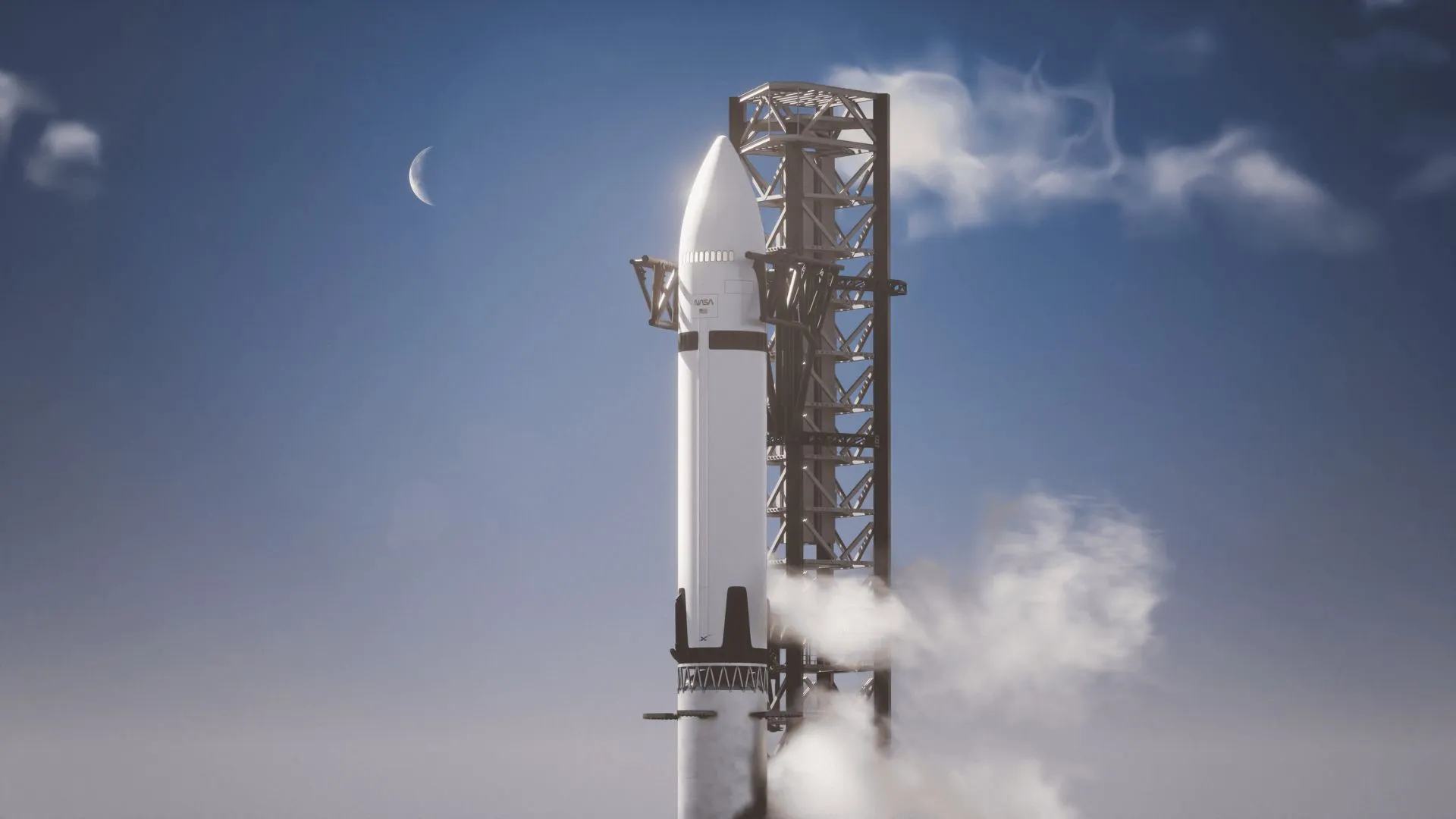
SpaceX is preparing to launch Starship Version 3 in 2026, an upgraded, larger, and more efficient rocket designed for orbital, lunar, and Martian missions. The new version features increased size, more propellant capacity, advanced engines, and docking adapters for in-space refueling, marking a significant step toward fully reusable space vehicles. Despite some teething pains, the company aims to demonstrate key capabilities like in-space propellant transfer, with plans for orbital flights and potential Mars missions.
SpaceX successfully completed its 11th Starship test flight, with the Super Heavy booster performing a mid-air hover before plunging into the Gulf of Mexico, marking progress toward reusable rocket technology and future Mars and lunar missions.
SpaceX has successfully launched two Starship prototypes without accidents, but significant technical challenges remain before the spacecraft can safely land astronauts on the Moon. NASA's ambitious plans involve complex refueling and rendezvous operations, with concerns about the current unproven capabilities of Starship for lunar landing and surface operations. Despite progress, the timeline for returning humans to the Moon has been pushed back, with 2027 now unlikely and a 2030 goal seeming distant.