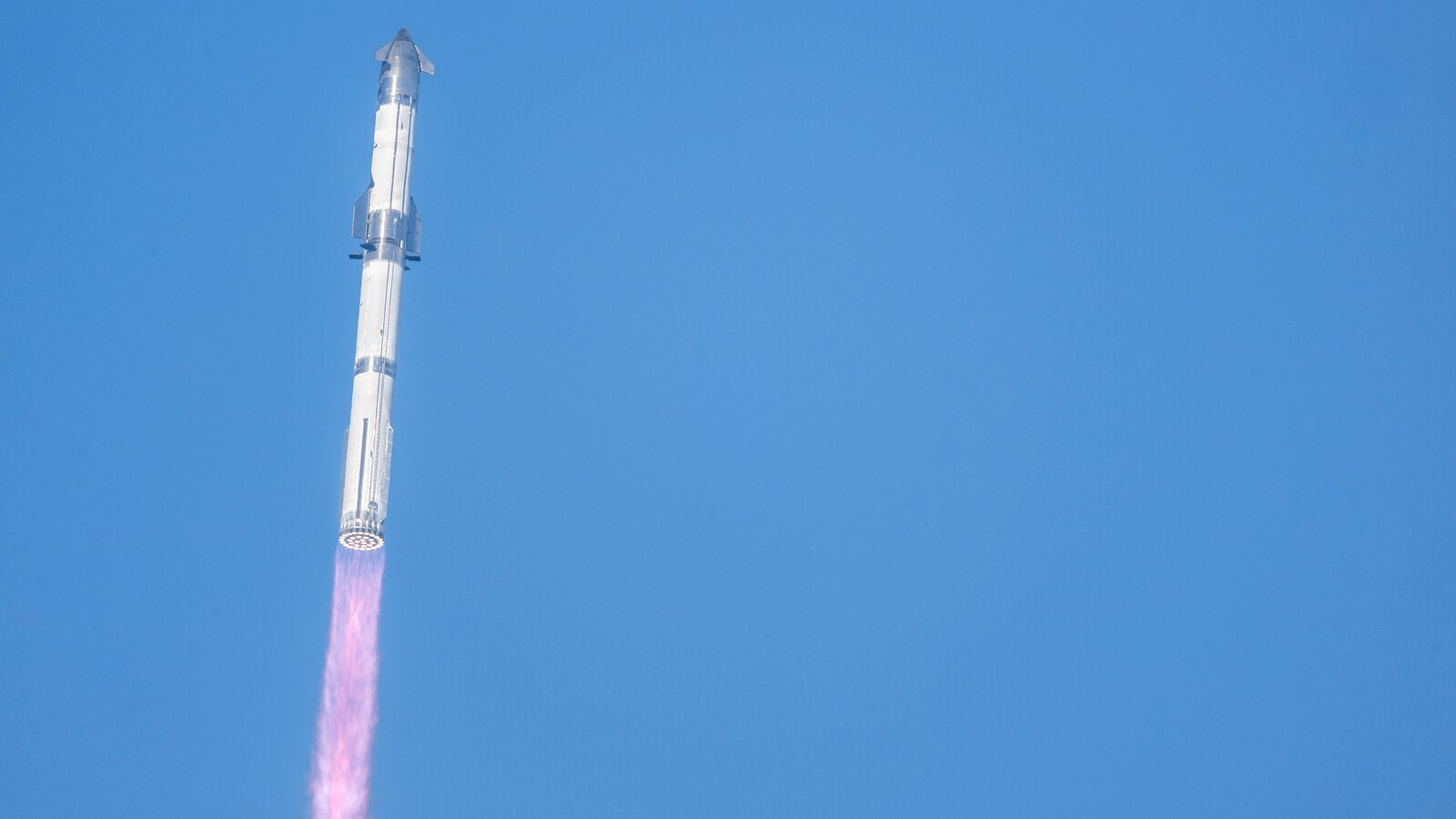
Elon Musk claims his new rocket, Starship, is as significant as the origin of life in its potential impact on humanity's future, despite ongoing test failures and NASA's hesitations, positioning it as a revolutionary step towards multi-planetary civilization.
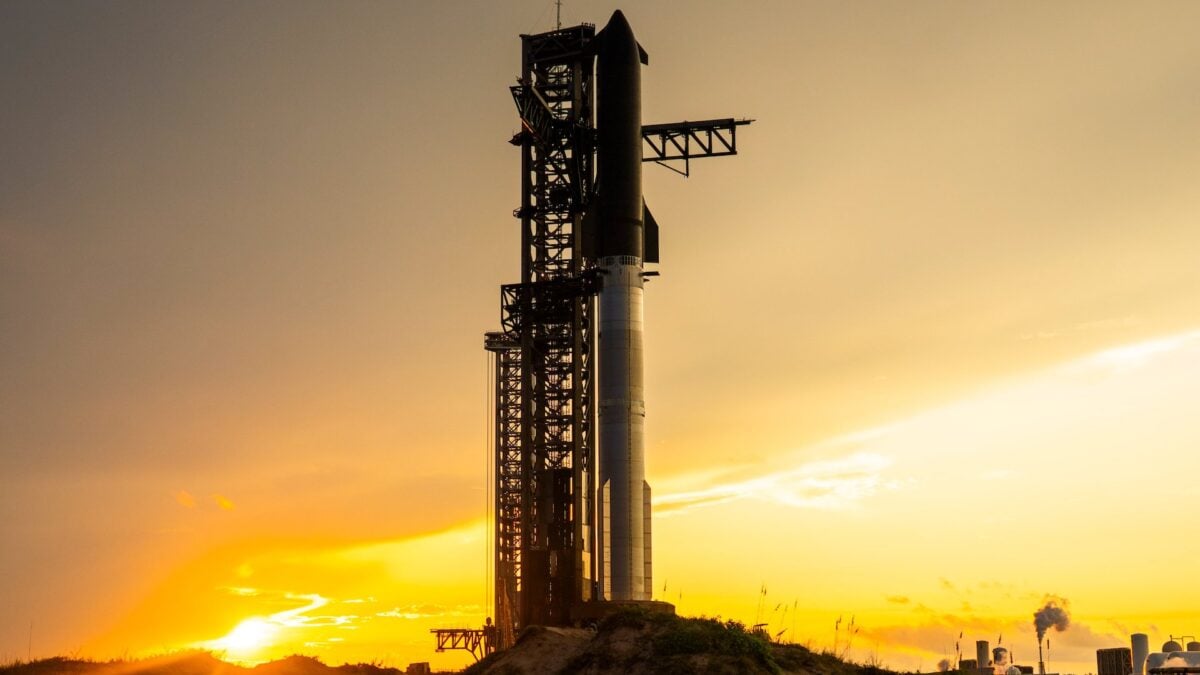
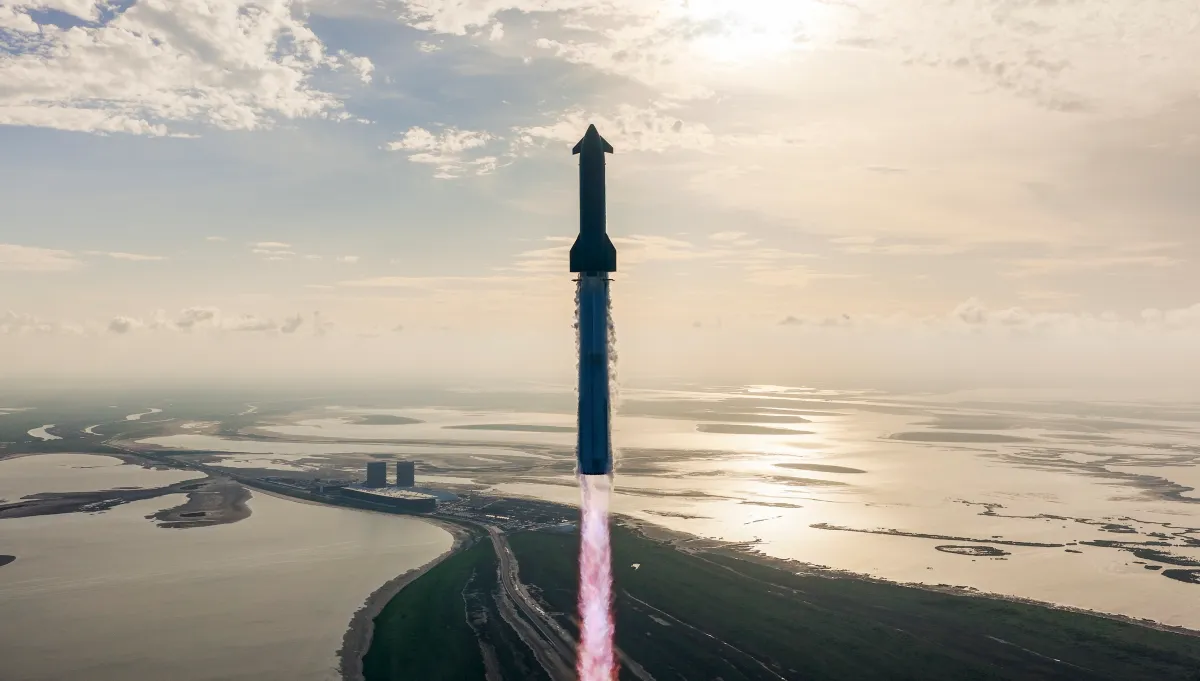
SpaceX's Starship is preparing for its final 2025 flight, featuring new maneuvers, a revised landing sequence for the Super Heavy booster, and stress-testing of the heat shield with some ceramic tiles removed, aiming to improve reusability and reliability.
SpaceX's 10th Starship test flight focused on testing fault tolerance by intentionally introducing faults to evaluate heat shield resilience, propulsion redundancy, and engine relight capabilities, emphasizing the company's shift towards resilient, reusable space vehicles for future missions including lunar landings and satellite launches.
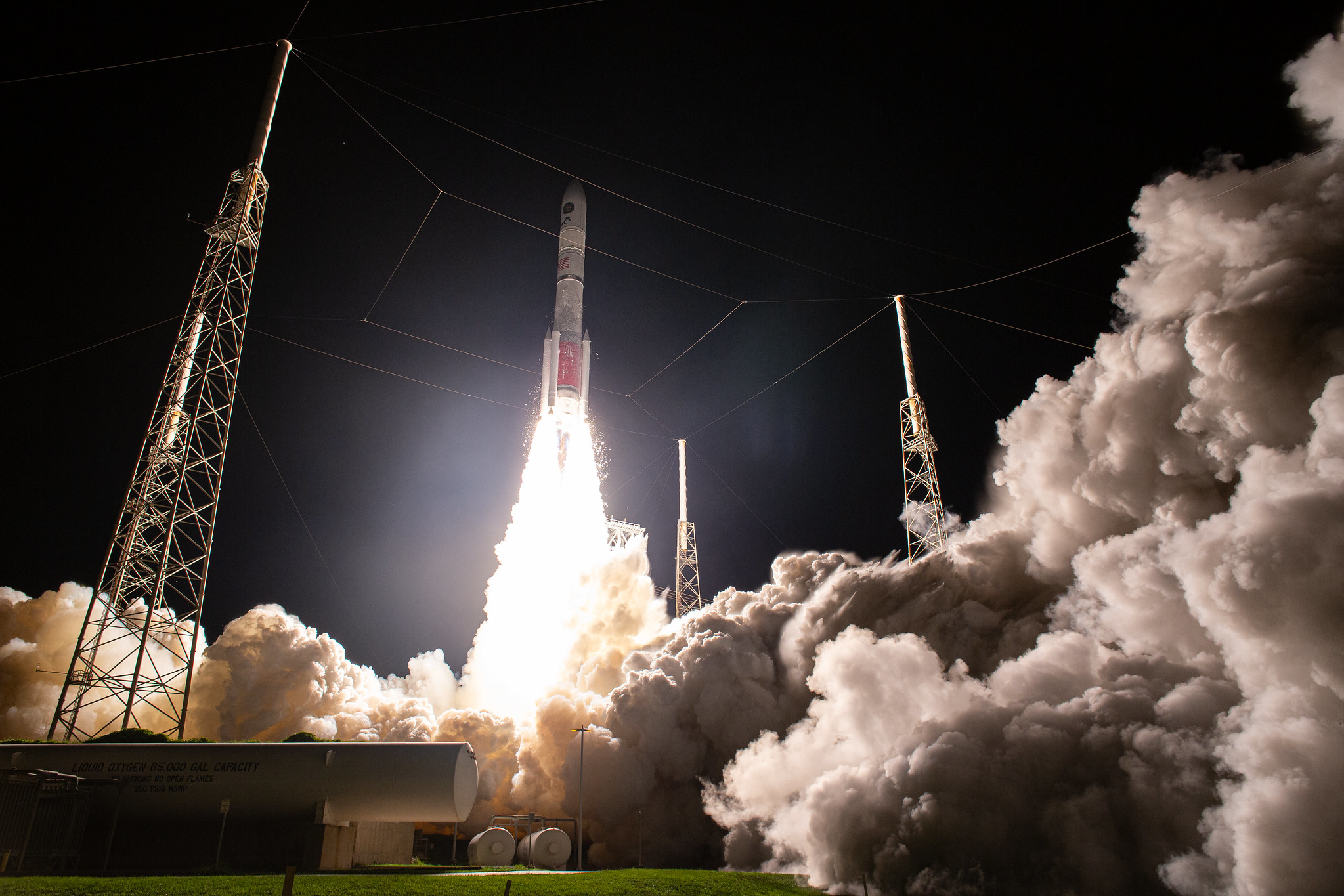
United Launch Alliance (ULA) is increasing its focus on reusability by working on recovering the engine section of its Vulcan rocket and pursuing new projects, as part of its efforts to enhance space launch capabilities for national security missions.
Elon Musk announced that SpaceX's Starship will be three times as powerful as NASA's Saturn V rocket, aiming for full and rapid reusability with key milestones like heat shield development and ship recovery expected soon, which could significantly reduce launch costs and enable advanced space missions.
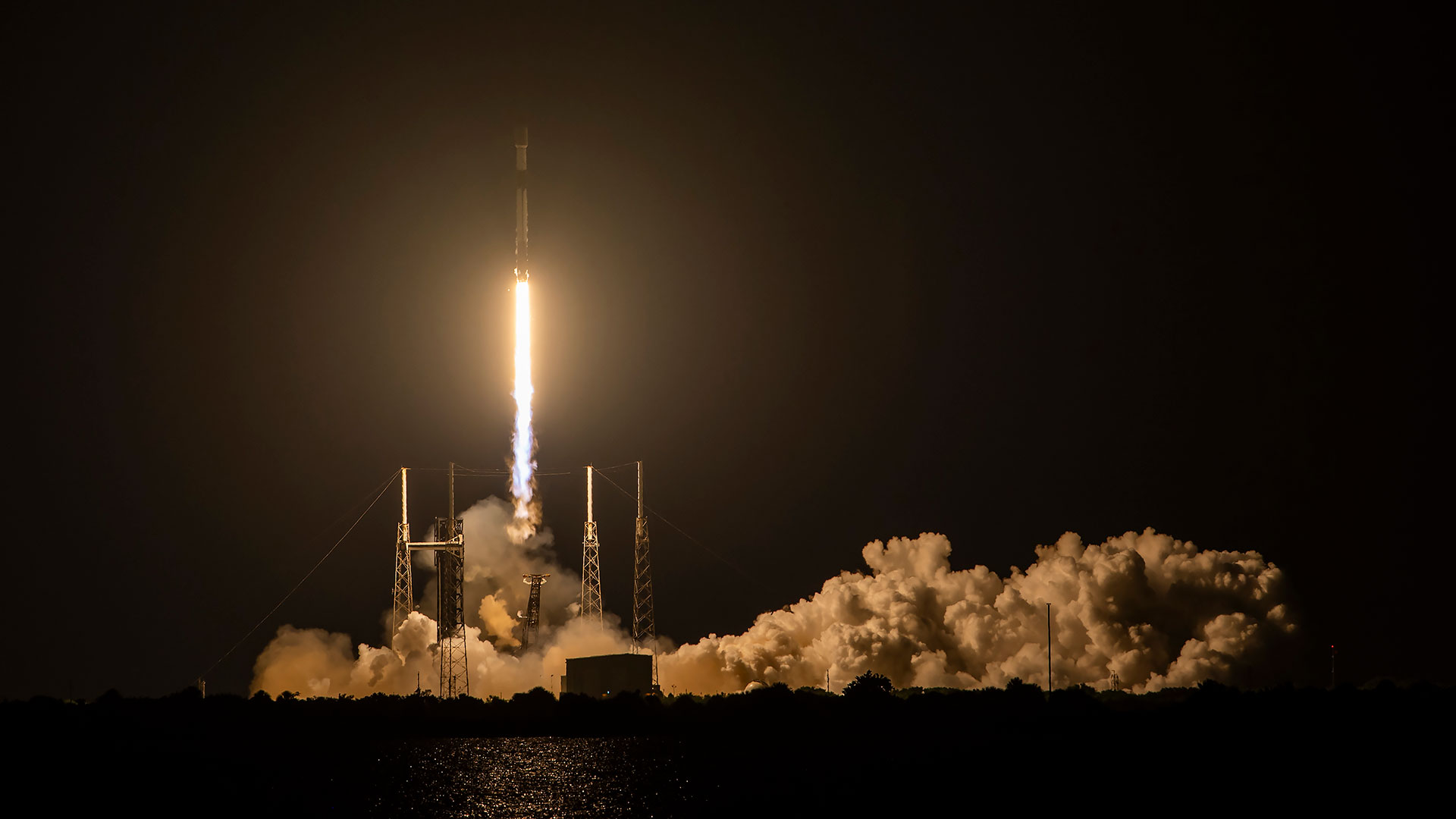
SpaceX launched its 500th Falcon 9 rocket, setting a reuse record with the 29th reuse of its most-flown first stage, Booster 1067, during a mission from Cape Canaveral that deployed 27 Starlink satellites, further advancing its satellite internet network.
SpaceX celebrated its 500th Falcon rocket launch, marking a major milestone in space technology with successful deployment of 26 Starlink satellites, emphasizing reusability and cost-effectiveness, and expanding global connectivity. The achievement highlights the company's evolution from early failures to industry dominance, with a focus on innovative, reusable rockets and ambitious plans for future space exploration.
SpaceX celebrated its 500th Falcon rocket launch, marking a milestone in commercial space travel, with a launch of Starlink satellites from California. Elon Musk shared a nostalgic throwback photo from 2006, highlighting the company's humble beginnings. The milestone underscores SpaceX's technological achievements, reusability, and its role in transforming space access and satellite internet, while also setting the stage for future missions like Starship and Mars exploration.
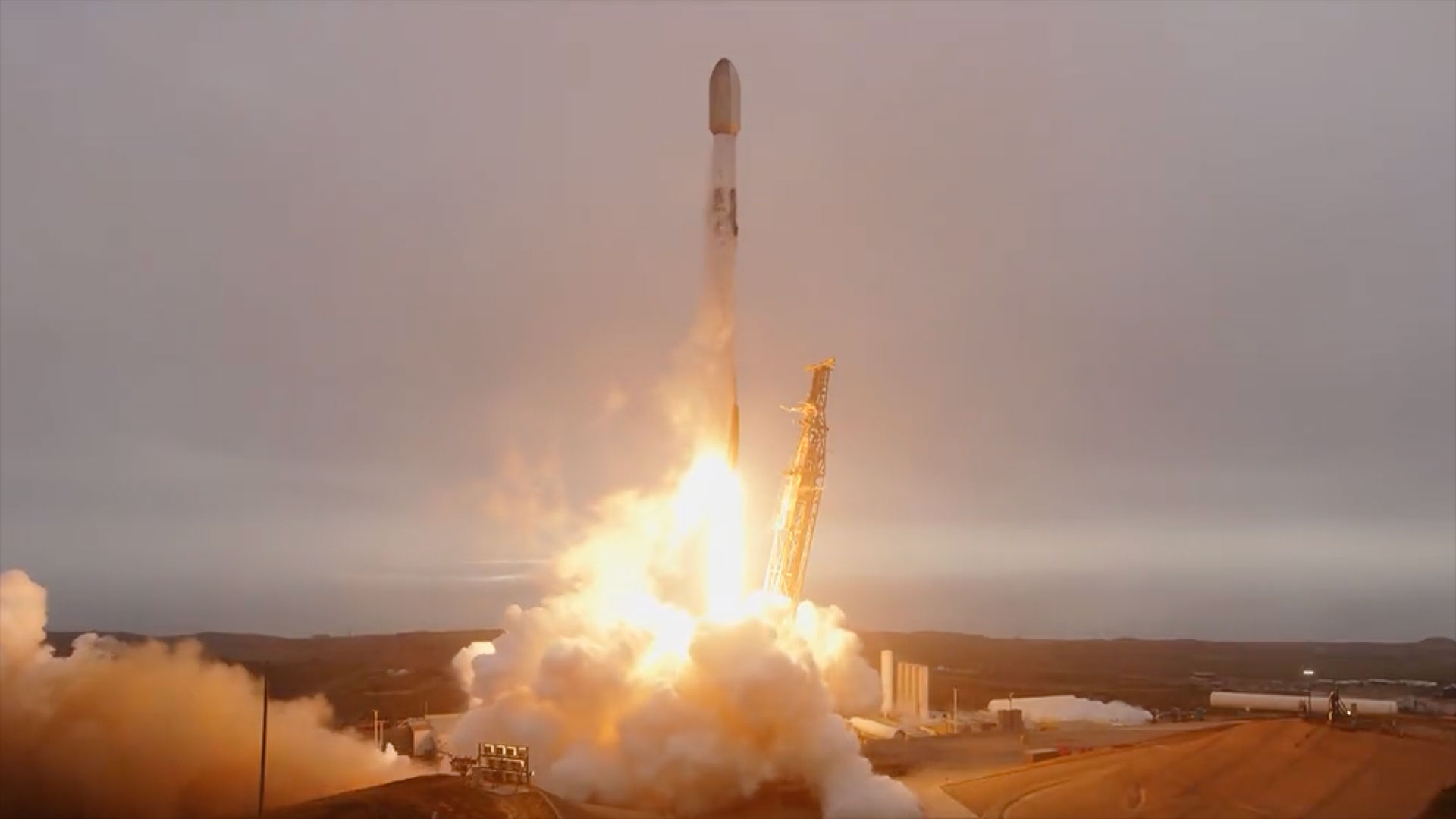
SpaceX achieved a significant milestone by launching its 500th Falcon mission, deploying 26 Starlink satellites from Vandenberg Air Force Base, and successfully landing the first stage booster for the 15th time, further advancing its satellite network and reusable rocket technology.
SpaceX's Starship has faced repeated failures, including explosions and structural issues, raising concerns about its reusability and payload capacity after nine tests and nearly $10 billion spent, with experts questioning whether the project can succeed given its engineering challenges.
Originally Published 7 months ago — by futurism.com
SpaceX's Starship has faced repeated failures, including explosions and structural issues, raising concerns about its reusability and payload capacity, with experts questioning whether the ambitious project can succeed given its ongoing technical challenges.
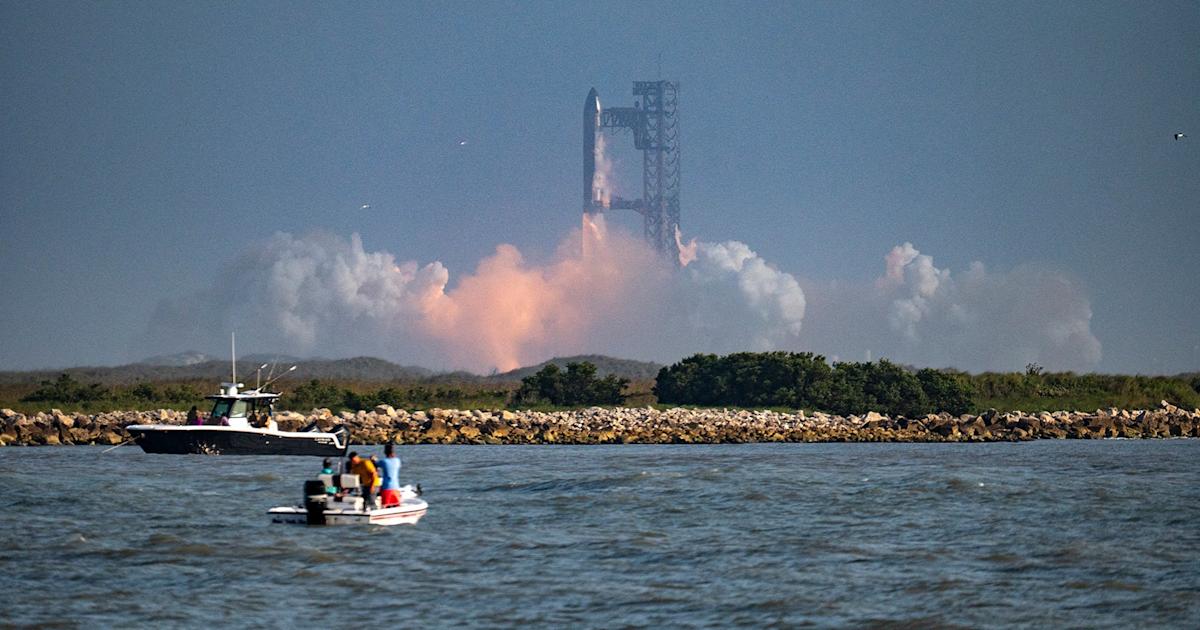
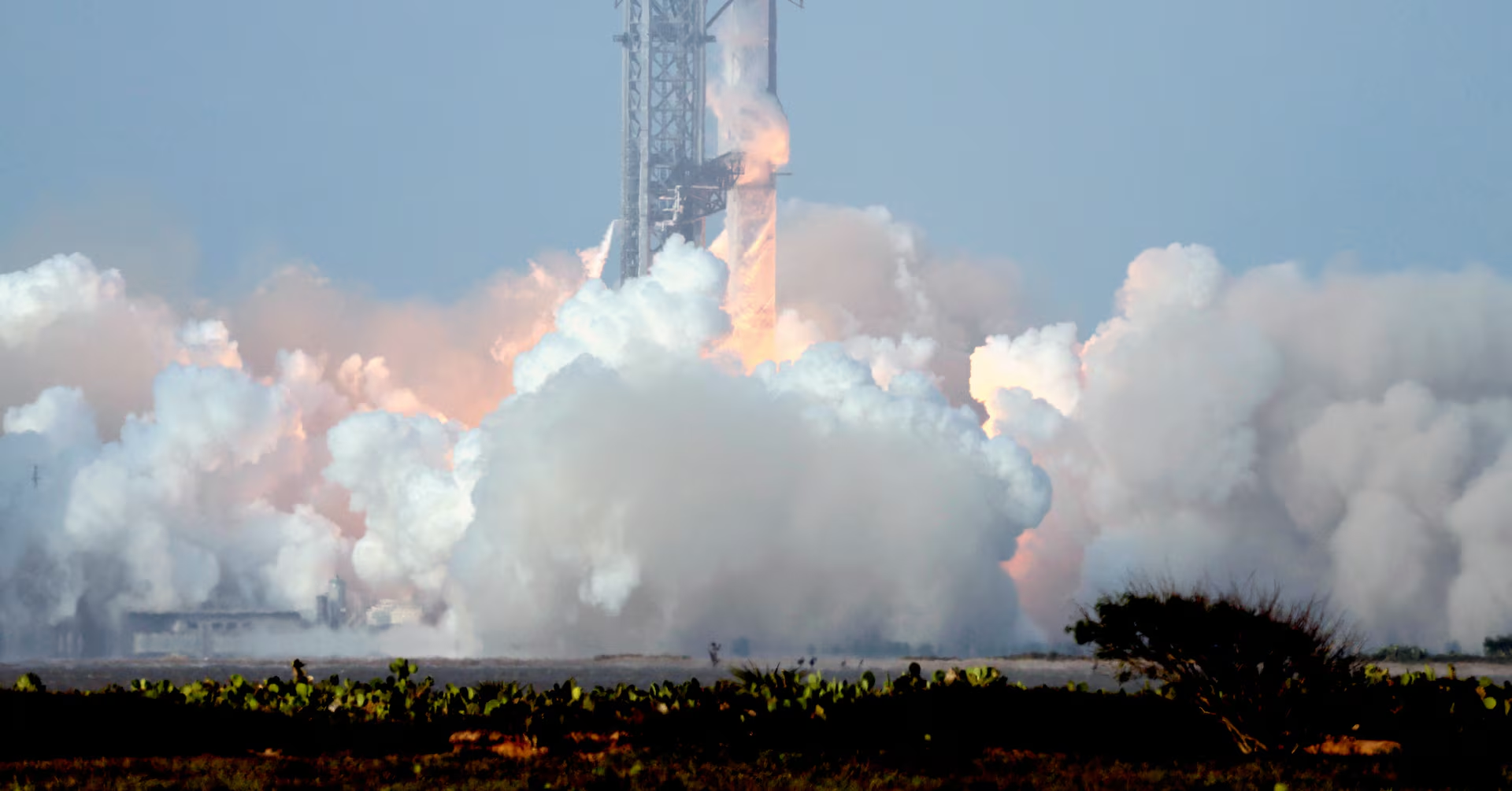
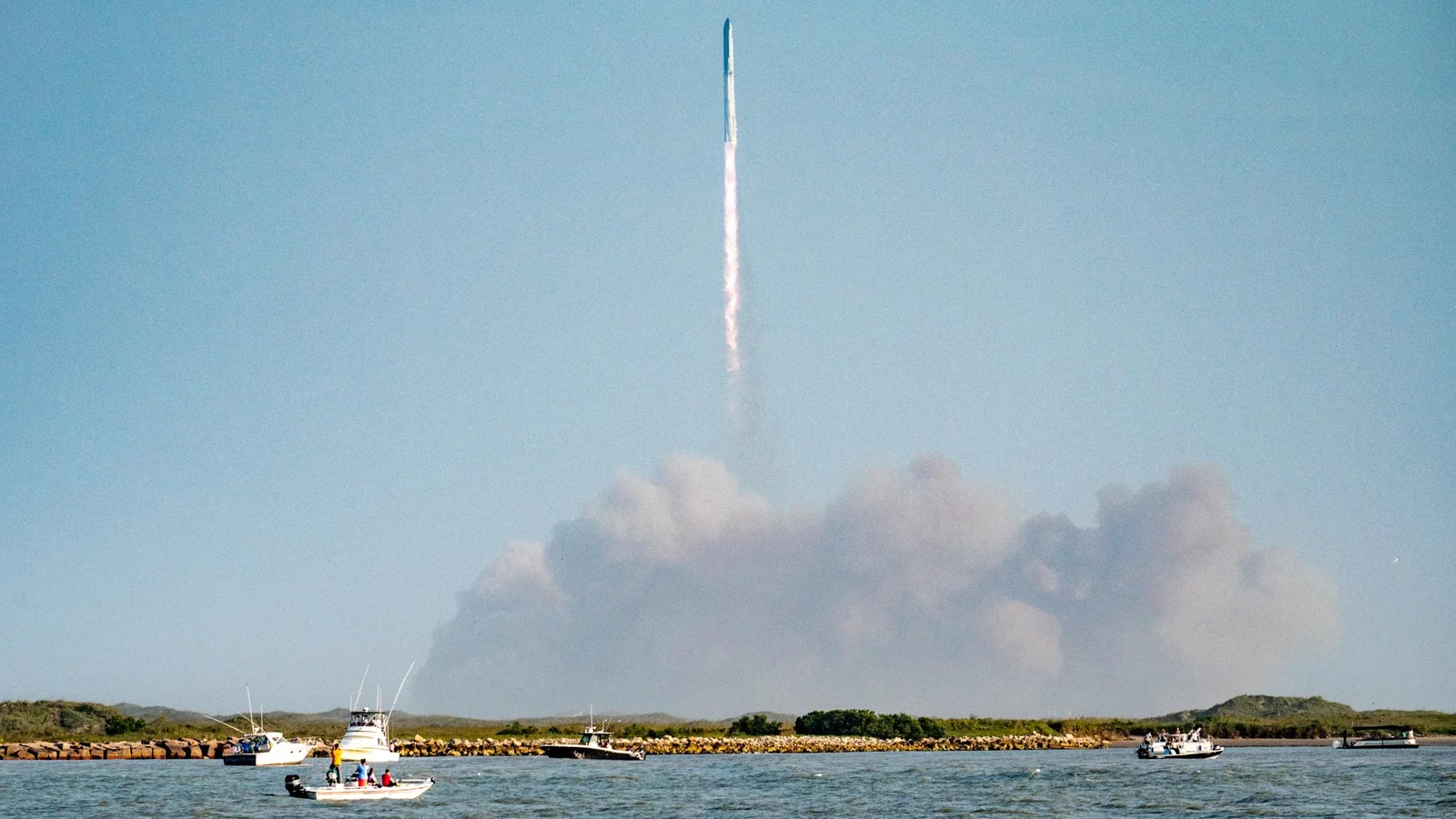
SpaceX successfully launched its ninth test flight of the Starship spacecraft from Texas, marking the first time using a re-used Super Heavy booster. The flight faced challenges, including loss of contact with the booster and attitude control issues with Starship, which ultimately led to the vehicle's spin and re-entry problems. Despite setbacks, the test demonstrates progress toward Musk's goals of Mars exploration and replacing Falcon 9 for commercial launches, with upcoming updates expected on future plans.
SpaceX's ninth Starship test flight successfully reached space and marked the first reuse of a Super Heavy booster, but both stages were lost before achieving full mission goals due to technical issues, providing valuable data for future improvements.
SpaceX is preparing for its ninth unmanned flight test of the Starship spacecraft, aiming to demonstrate its safety and reusability after previous tests ended with failures and debris falling back to Earth. The test will include the first launch of a flight-proven Super Heavy booster and aims to achieve objectives like deploying Starlink satellites and testing heat resistance, as part of SpaceX's goal to send humans to Mars.
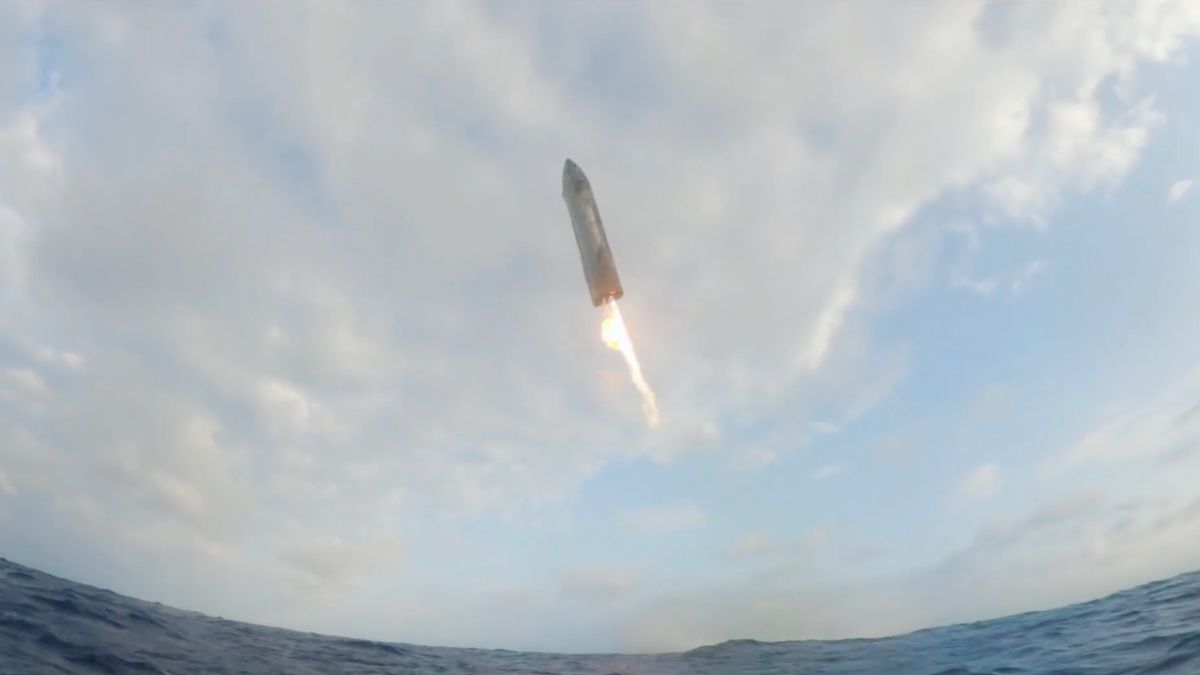
SpaceX's sixth Starship test flight successfully completed a suborbital journey, culminating in a controlled splashdown in the Indian Ocean, captured by a buoy-mounted camera. The mission, launched from Texas, aimed to improve reentry and landing observations by scheduling the splashdown during daylight. While the Super Heavy booster was intended to be caught by the launch tower's "chopstick" arms, a communication issue led to its controlled splashdown in the Gulf of Mexico instead. SpaceX's goal is to enhance the reusability of its megarocket for future lunar and Martian missions.