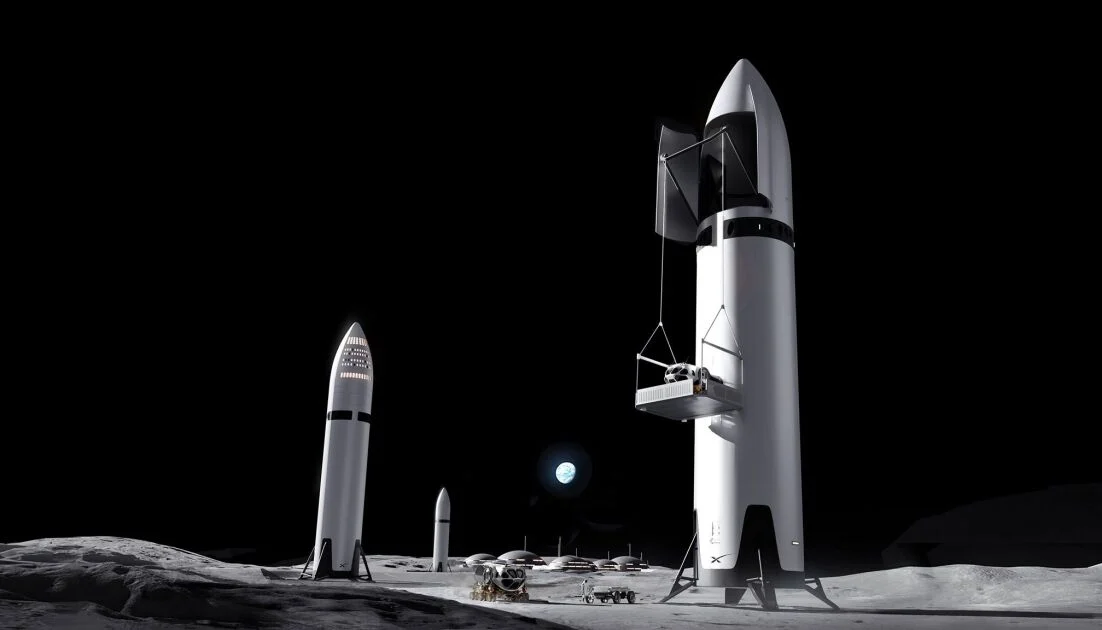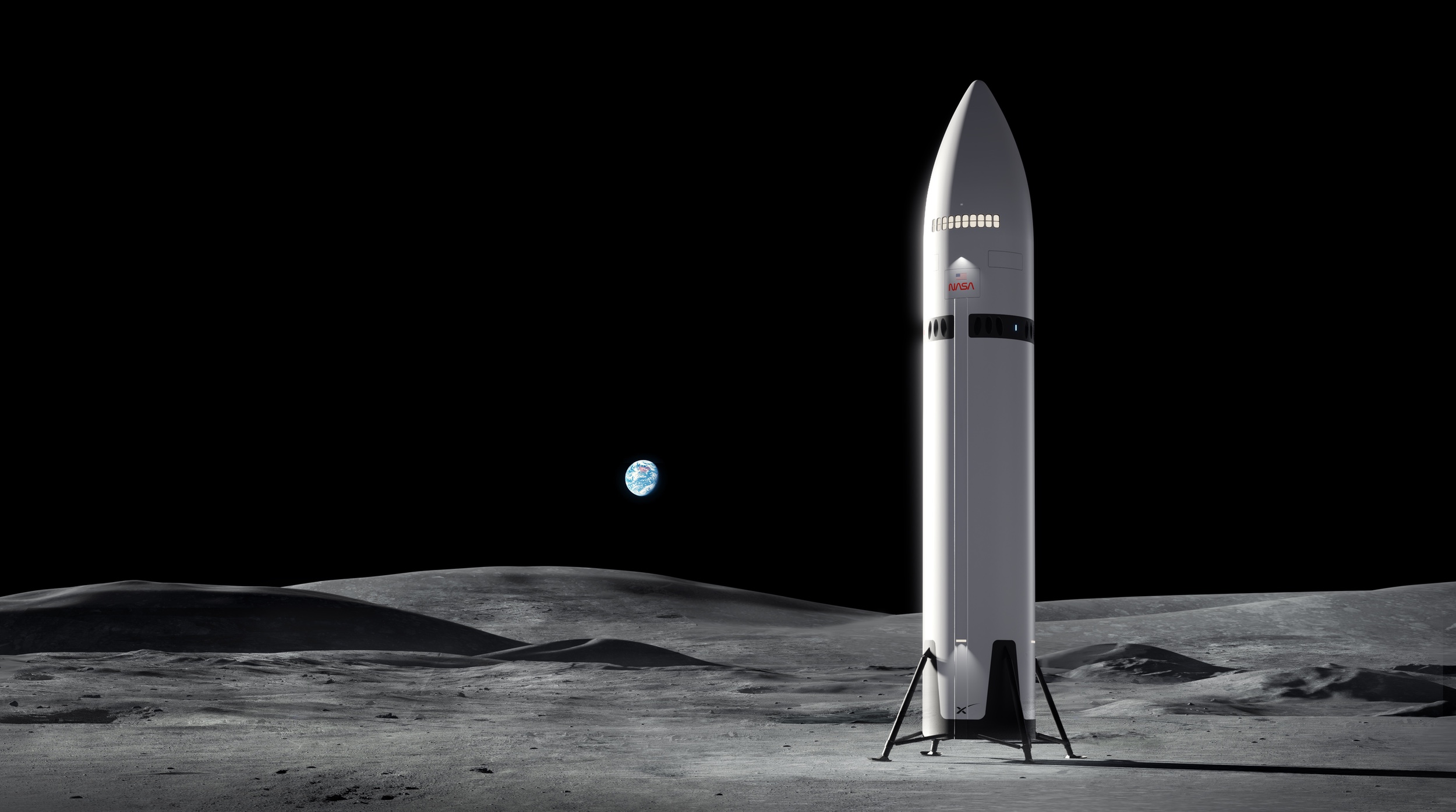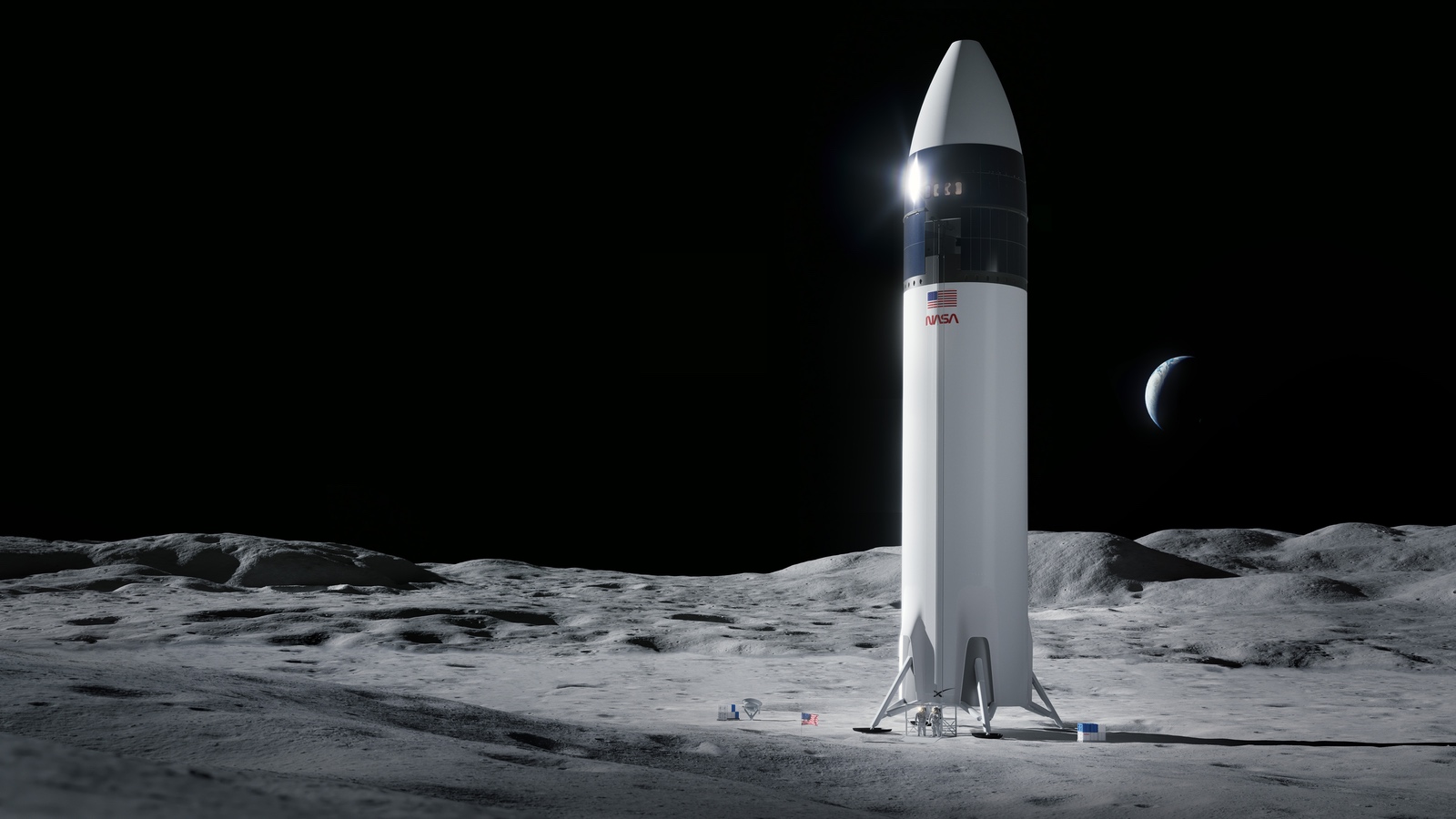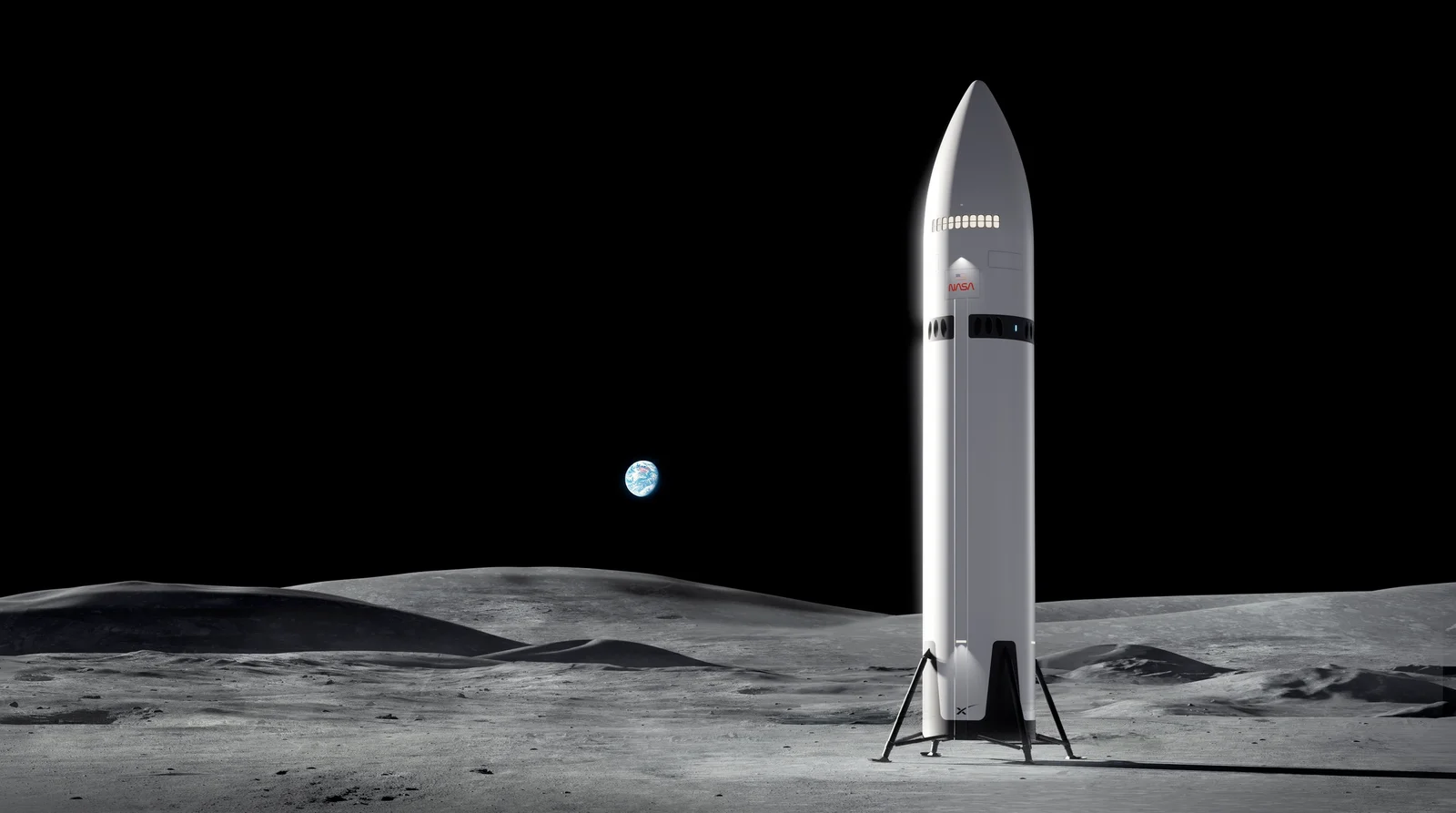
SpaceX is developing a simplified version of its Starship-based lunar lander in response to NASA's concerns, aiming for a faster lunar return by 2026, amidst competition and delays in the Artemis program, with Blue Origin also proposing alternatives.
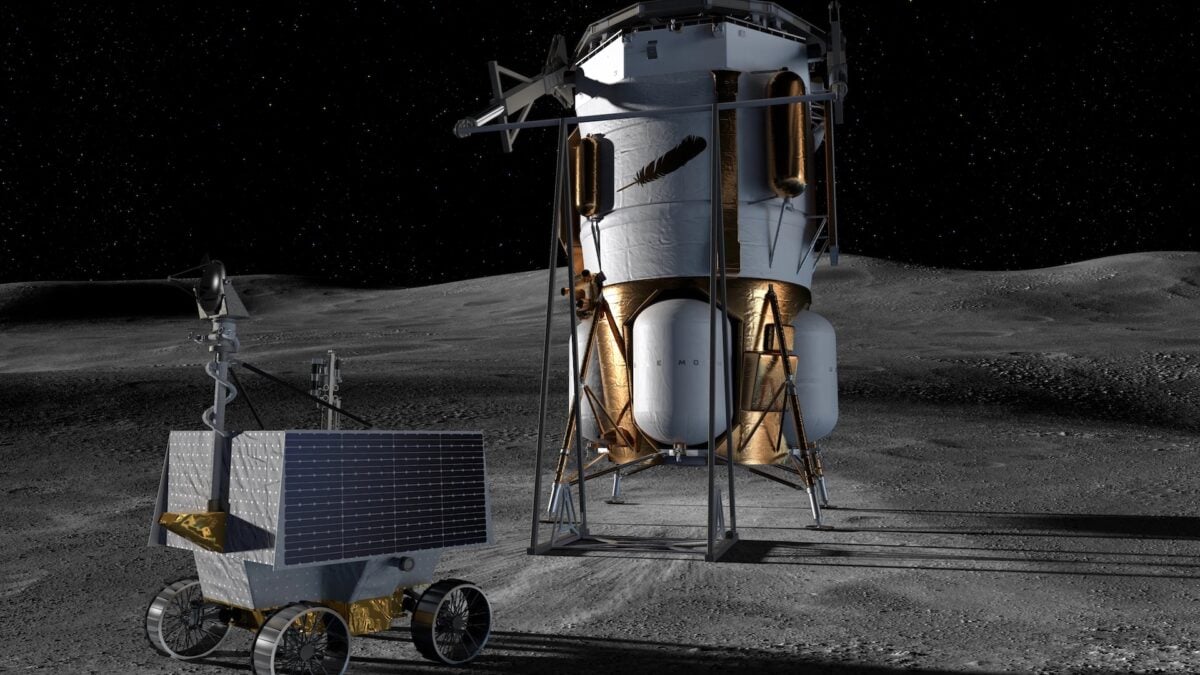
Blue Origin is advancing its lunar lander program and could potentially beat SpaceX to deliver a lunar landing system for NASA's Artemis 3 mission, especially as SpaceX faces delays with its Starship HLS. Blue Origin's MK1 demonstration mission is expected soon, and its more proven, smaller landers could offer a faster, more reliable alternative for lunar surface missions, possibly accelerating Artemis 3's timeline.
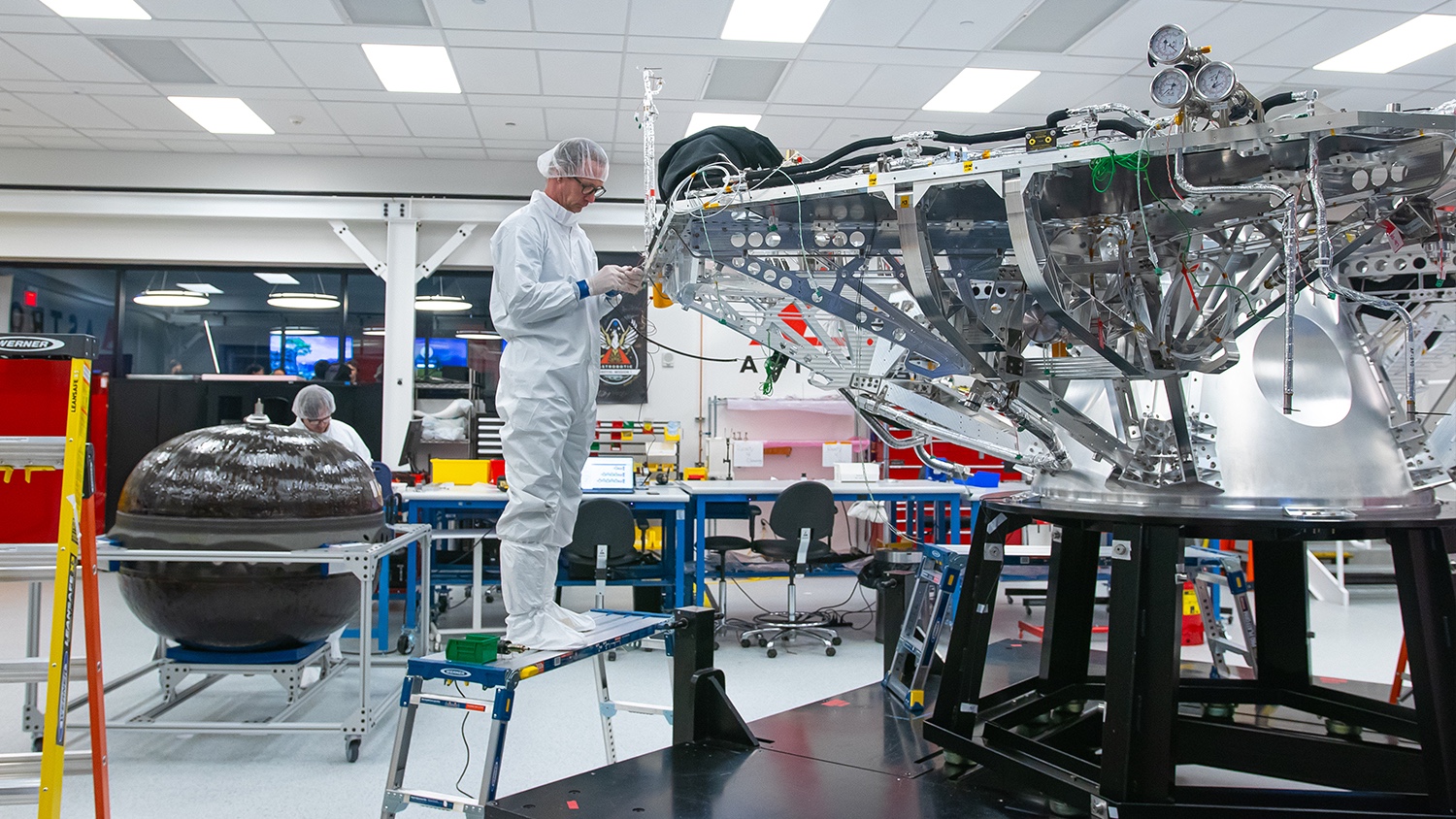
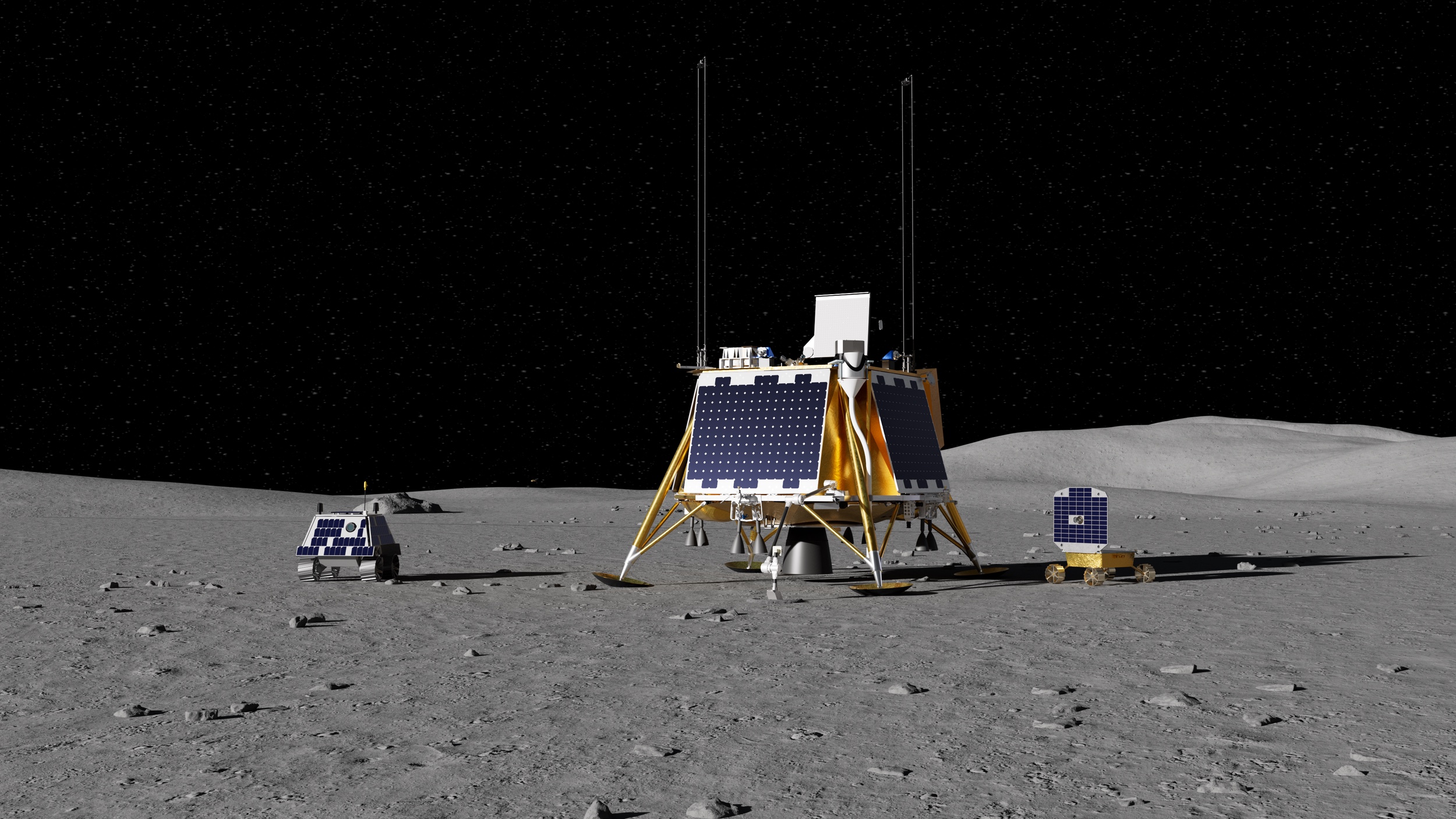
Astrobotic has delayed its Griffin-1 lunar lander mission to mid-2026, with the launch now scheduled for no earlier than July 2026, due to ongoing assembly and testing processes. The mission will carry the FLIP rover and other payloads, replacing the originally planned 2025 launch. The delay follows NASA's decision to cancel the VIPER rover's original mission, which will now be flown by Blue Origin in 2027.
NASA plans to open the Artemis 3 lunar lander contract to competition due to delays by SpaceX, allowing other companies like Blue Origin and Lockheed Martin to propose solutions, as NASA aims to beat China to the moon.
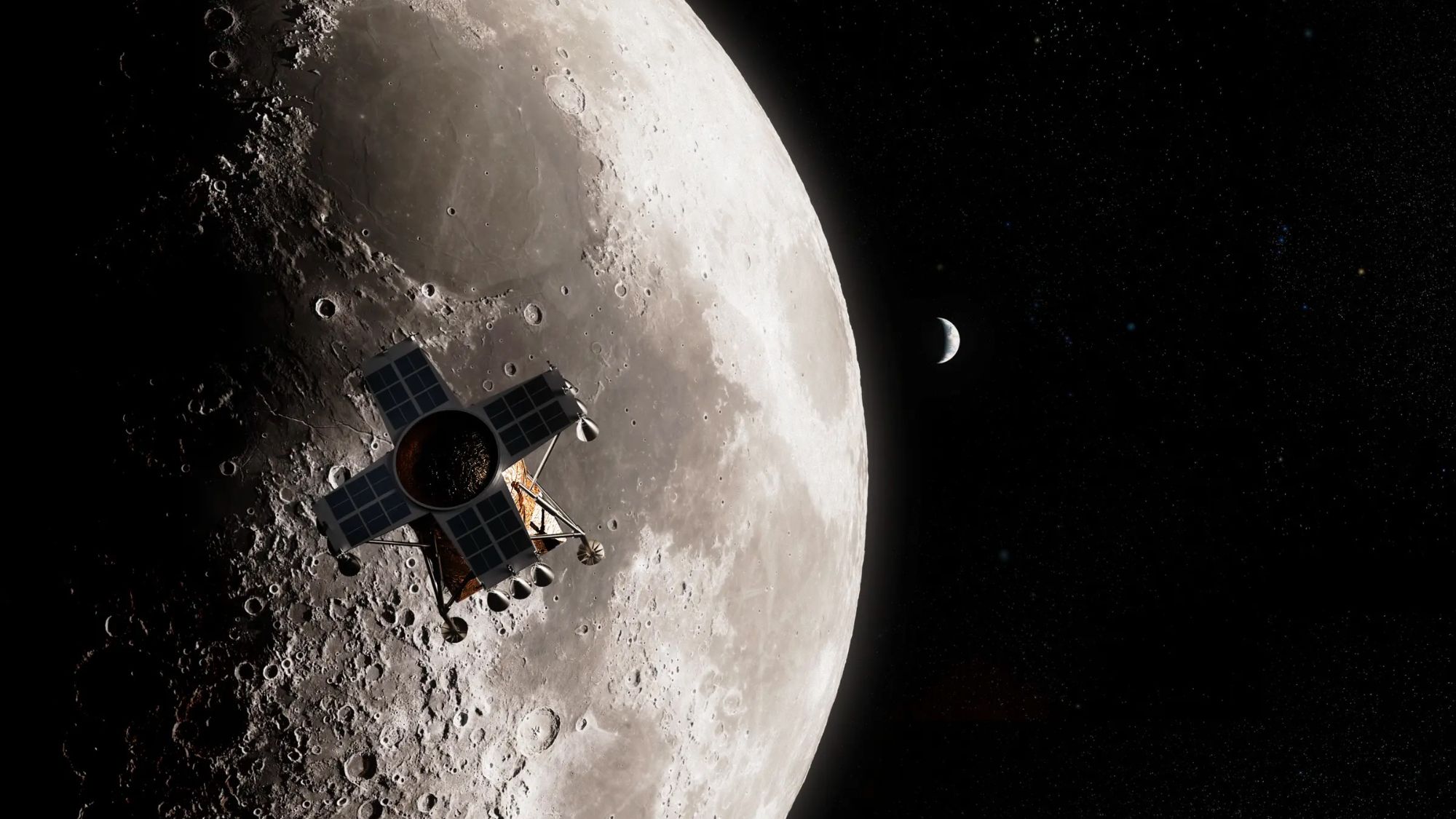
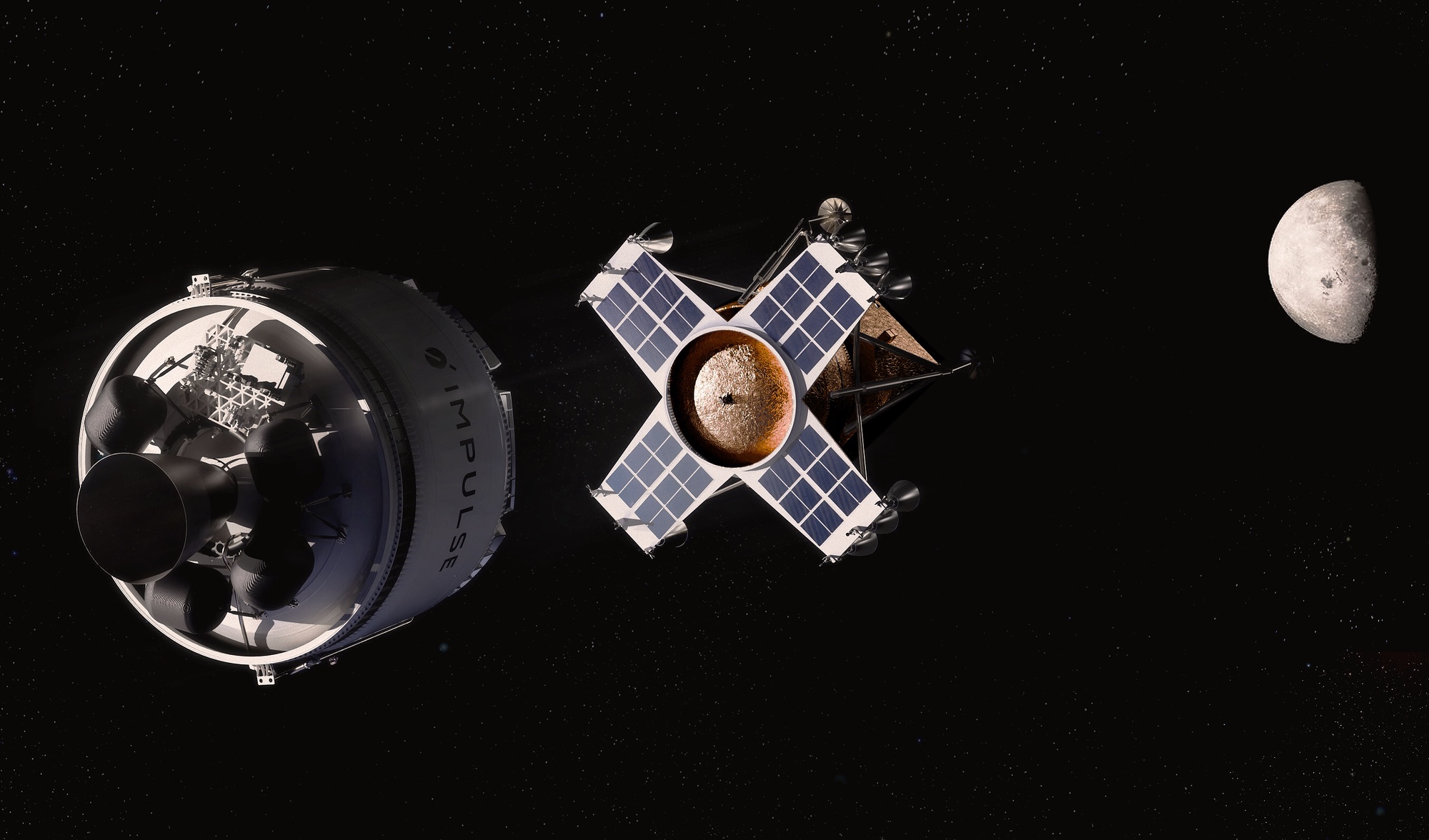
Impulse Space, founded by former SpaceX employee Tom Mueller, plans to develop a robotic lunar lander with a potential first mission as early as 2028, aiming to deliver up to 3 tons of payload to the moon using its Helios kick stage and in-house built lander, expanding private lunar exploration efforts.
Impulse Space plans to develop a lunar lander capable of delivering three metric tons of cargo to the moon starting in 2028, aiming to fill a gap in mid-sized payload delivery for lunar infrastructure development, using their Helios transfer vehicle and existing propulsion technology.
NASA safety advisers warn that SpaceX's Starship lunar lander may face years-long delays, potentially impacting the Artemis 3 moon landing planned for 2027, due to challenges in demonstrating cryogenic propellant transfer and ongoing development issues. Despite SpaceX's achievements in launch operations, broader program uncertainties and schedule risks for Artemis 3 and beyond are raising concerns about mission timelines.
China successfully tested its new lunar lander, Lanyue, in a simulated lunar environment, verifying its landing and takeoff capabilities, bringing China closer to its goal of landing astronauts on the moon by 2030 and establishing an international lunar research station by 2035.
NASA has awarded Firefly Aerospace a fourth lunar lander mission, which will deliver two rovers and three scientific instruments to the moon's south polar region, continuing its efforts in lunar exploration.
Firefly Aerospace has filed paperwork to go public, aiming to raise funds and continue its development in the space industry, including its lunar lander projects.
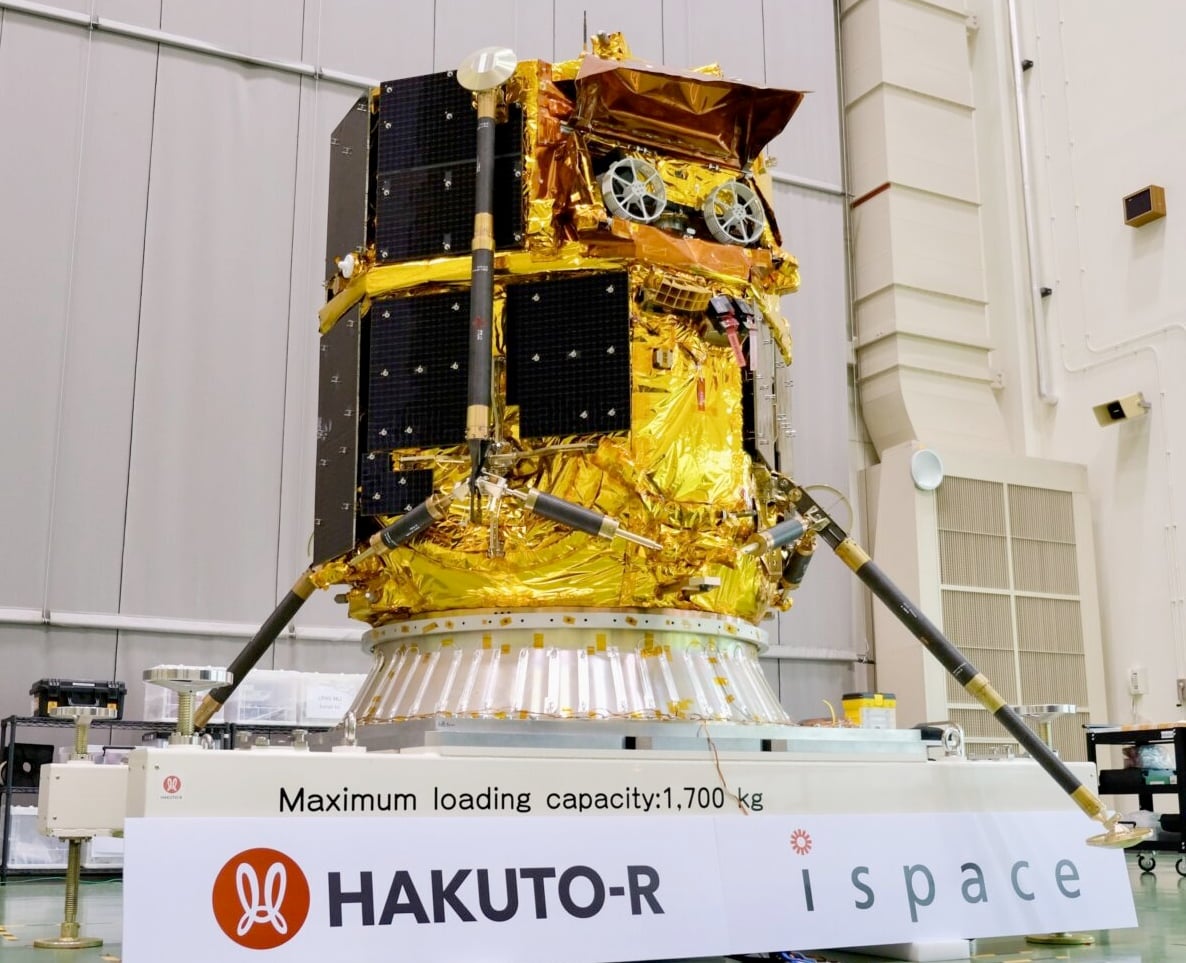
Japanese company ispace's second lunar lander, Resilience, crashed due to a hardware problem with its laser rangefinder, which failed to provide timely altitude data during descent, leading to a high-velocity impact near the planned landing site. The company plans to improve sensor testing and consider alternative technologies for future missions scheduled for 2027.
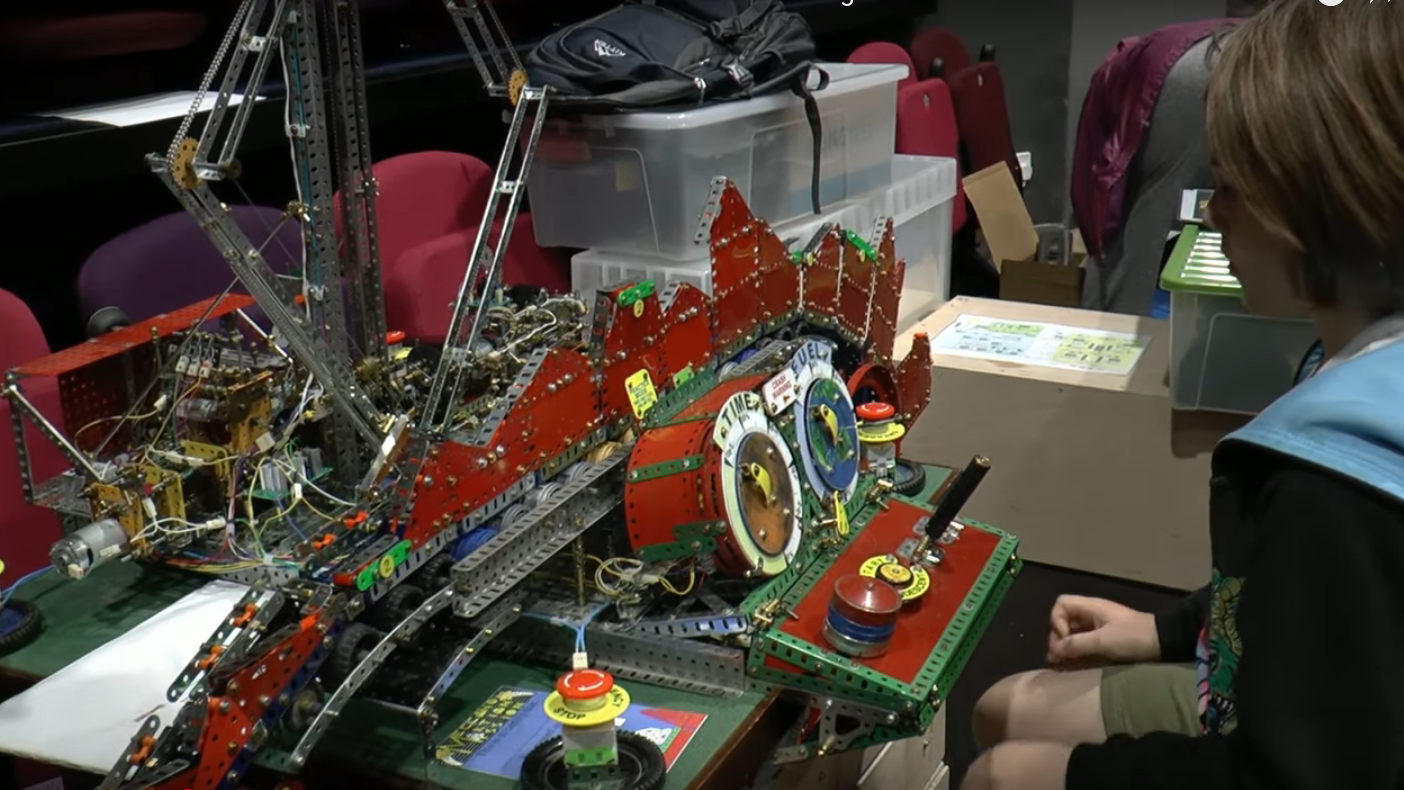
A London Meccano Club member built an impressive electromechanical homage to Atari's 1978 Lunar Lander, using vintage Meccano parts and mechanical techniques to create a steampunk-inspired arcade game that features realistic controls and scoring, demonstrating a nostalgic yet sophisticated craftsmanship that has taken a decade to perfect.
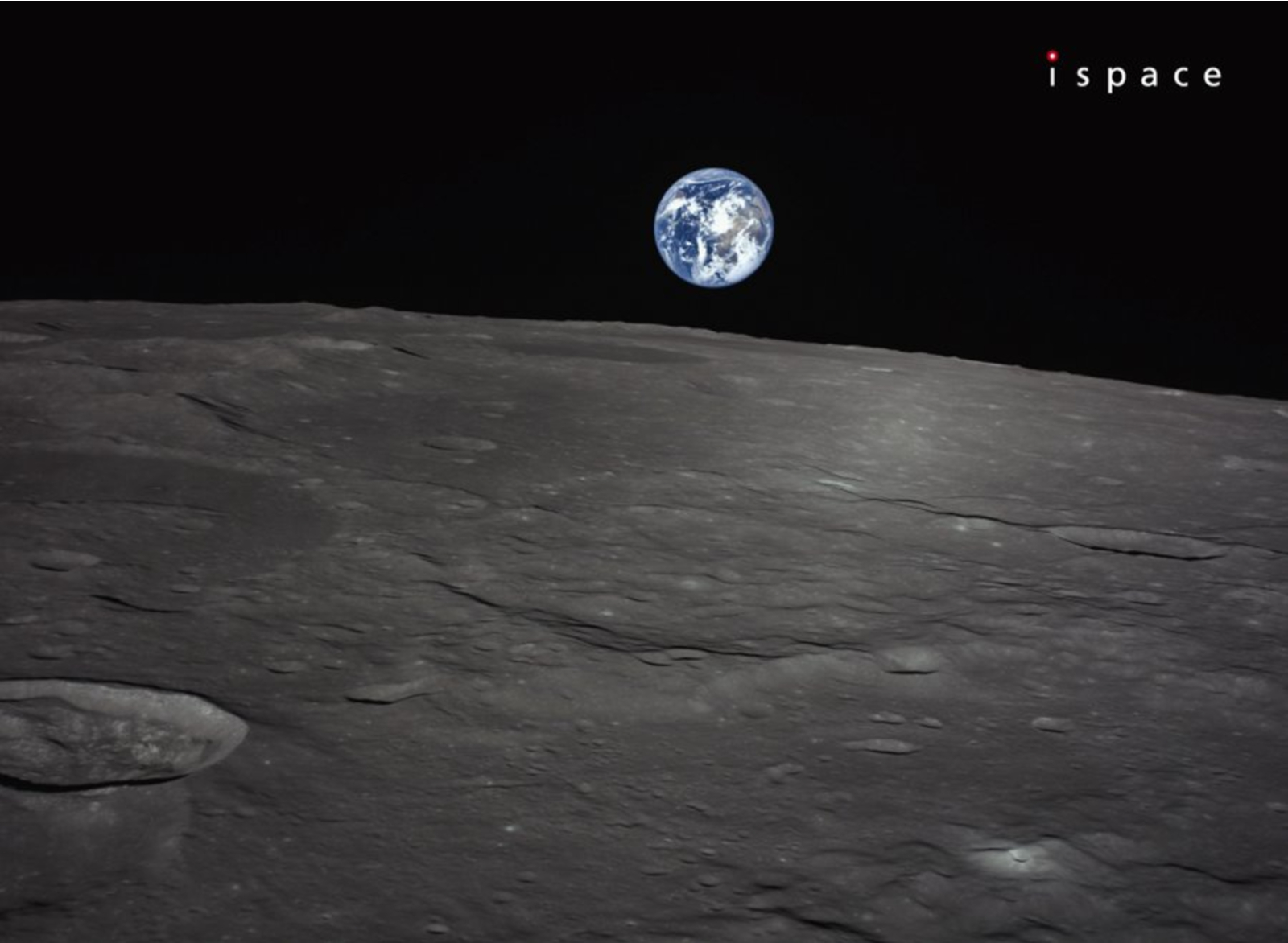
The Japanese company ispace's lunar lander Resilience, part of the Hakuto-R Mission 2, captured a stunning view of Earth from lunar orbit before likely crashing on the moon during its scheduled landing, marking a setback in private lunar exploration efforts.
NASA plans to award contracts to SpaceX and Blue Origin for cargo versions of their lunar landers to deliver a pressurized rover and a surface habitat to the moon in the early 2030s. SpaceX's Starship will deliver a rover developed by JAXA by 2032, while Blue Origin's Blue Moon will deliver a lunar habitat by 2033. These awards are part of NASA's strategy to ensure mission flexibility and regular moon landings, although the agency has not disclosed the value of these contracts or the reasons for selecting each company for specific missions.
NASA officials foresee an "operational need" for nuclear power on the Moon due to the extreme temperatures during the lunar night, which can damage sensitive spacecraft equipment and limit mission lifetimes to one or two weeks. The recent failure of the solar-powered lunar lander, Odysseus, highlights the need for alternative power sources for prolonged missions and a sustainable presence on the lunar surface. NASA aims to address this challenge by deploying nuclear systems on the Moon within the next five years to enable experiments and exploration that extend beyond one lunar day.