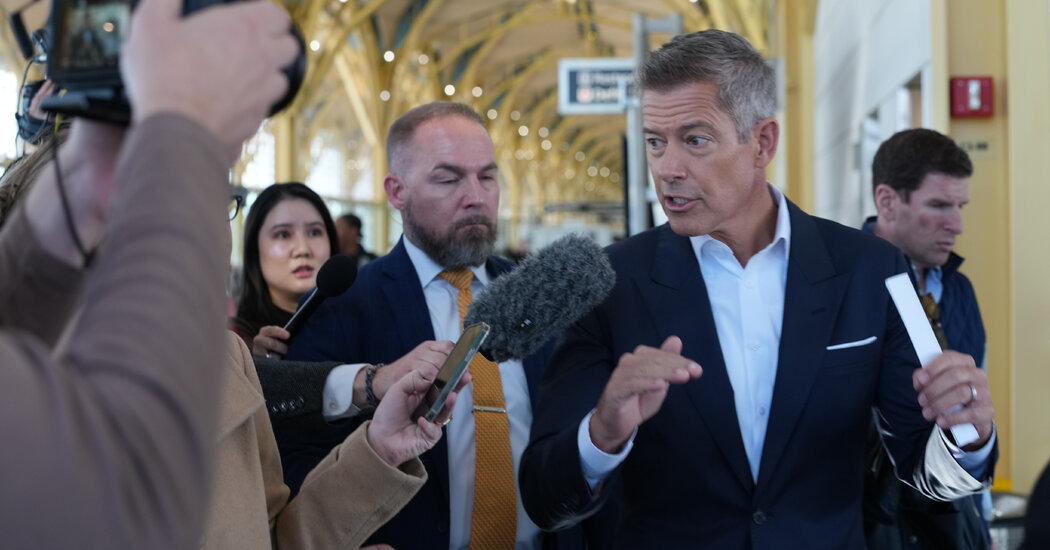
Relatives of the 67 people killed in last year’s Washington midair collision traveled to D.C. hoping the ROTOR Act would pass, aiming for stricter aviation safety rules; instead, the House did not advance ROTOR and backed an alternative, leaving the grieving families stunned and disappointed.
The House is poised to vote on the Senate-passed ROTOR Act, a major response to last year’s Washington midair collision, but a rift among top Republicans—House Transportation Chair Sam Graves and Armed Services Chair Mike Rogers—complicates the path as Speaker Johnson moves the bill forward. Graves and allies have expressed opposition to the ROTOR Act’s equipment mandates and favor the Graves-Rogers ALERT Act, which would address NTSB recommendations with more input from the House. The Defense Department has raised concerns about budgetary and operational security risks, while victims’ families and aviation groups push for strong safety standards; the outcome will have broad implications for aviation safety tech, military aviation constraints, and party dynamics in Congress.
Speaker Mike Johnson’s plan to bring the bipartisan ROTOR Act to a House vote drew private anger from Transportation Chair Sam Graves and Armed Services Chair Mike Rogers, who had pushed their own comprehensive air-safety bill. They argue Johnson moved to advance Senate-approved legislation before House input and the final NTSB findings on the Reagan National crash, signaling a leadership-driven process rather than a collaborative one. The ROTOR Act would implement safety technology and align with NTSB recommendations, with Cruz and Cantwell pressing for quick action and White House support.
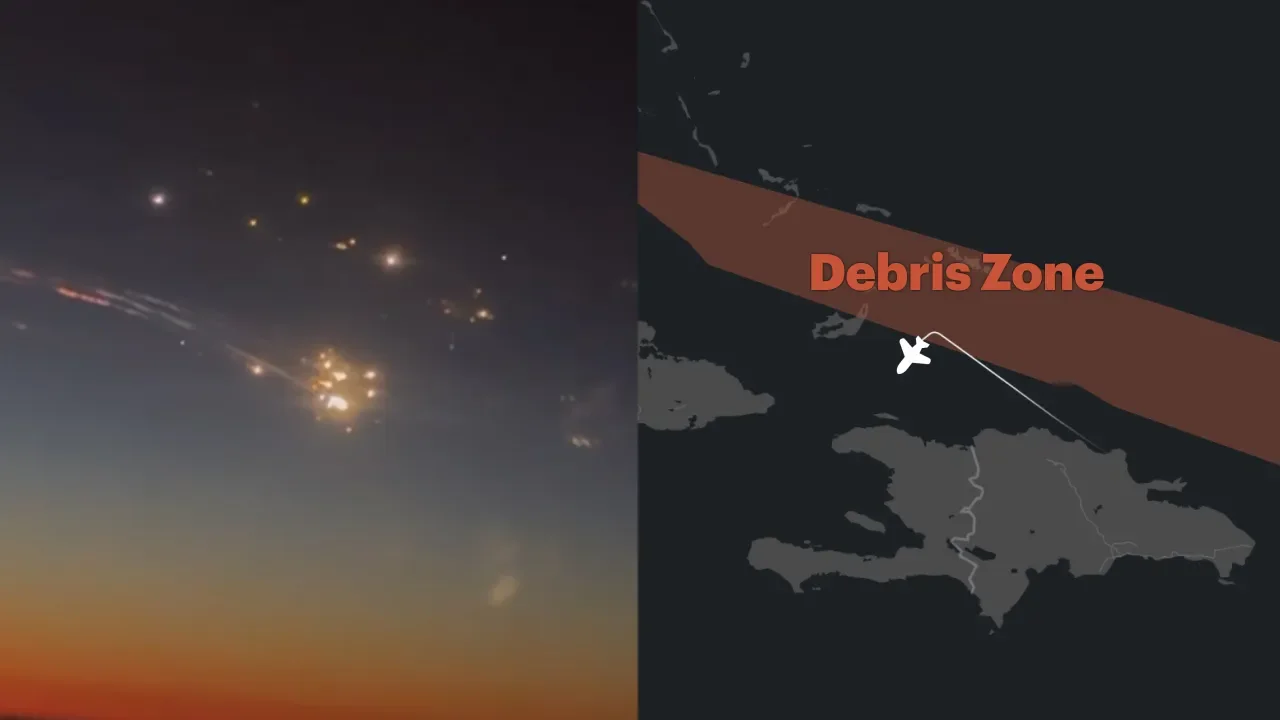
SpaceX's Starship tests near Texas have repeatedly caused safety concerns due to rocket failures and debris falling over busy airspace, with the FAA allowing continued testing despite risks to commercial flights, raising questions about regulatory oversight and safety measures in private space exploration.
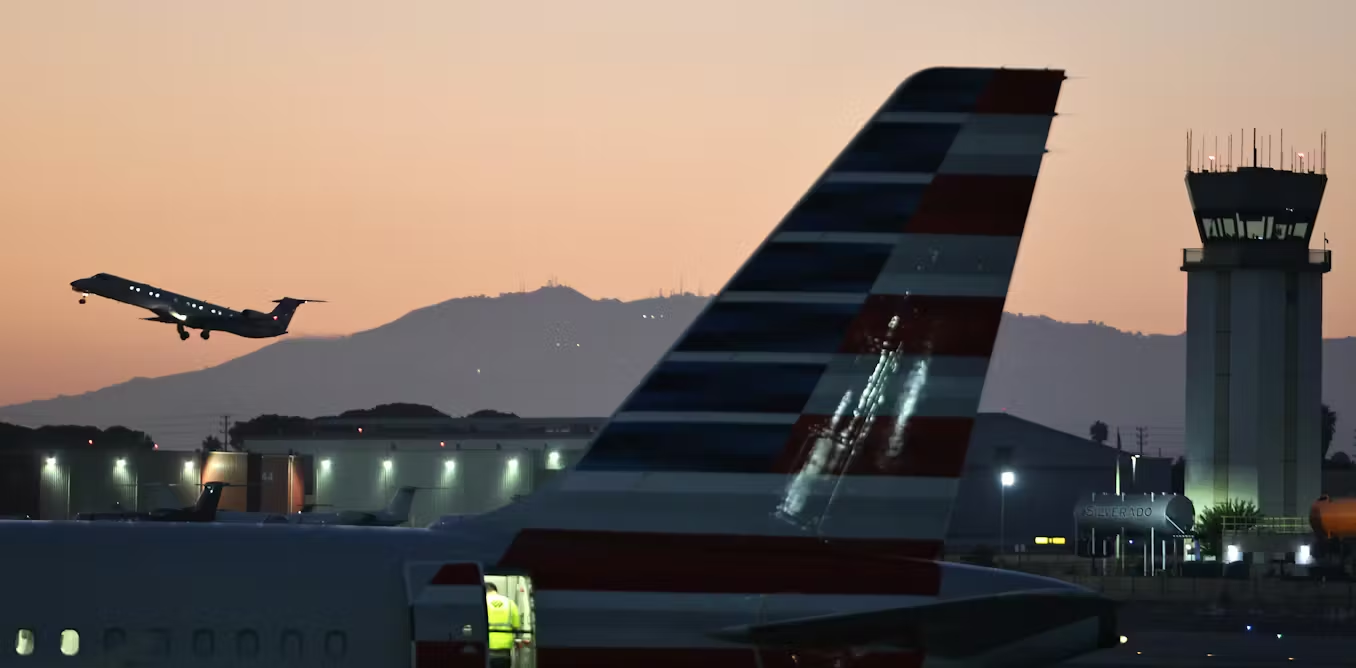
The FAA, funded by the One Big Beautiful Bill, is replacing outdated 1980s radars with modern systems to improve air traffic safety and efficiency, with contracts awarded to RTX and Indra to upgrade up to 612 radars by 2028, as part of a broader modernization initiative.
The Senate passed the bipartisan ROTOR Act via a fast-track process to improve air safety following the January midair collision in Washington, addressing concerns about military helicopter technology and aviation safety regulations, with support from key senators and the Pentagon.
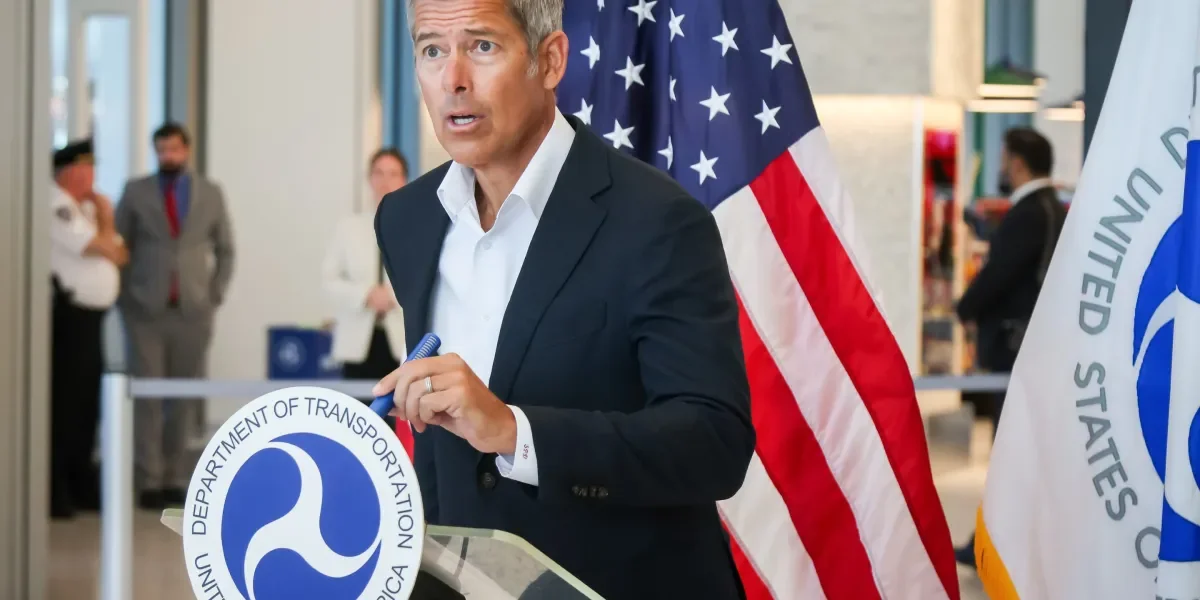
Transportation Secretary Sean Duffy has become a prominent figure during the government shutdown, taking decisive actions on air safety by threatening to reduce flights at airports, amid mixed reactions about his motives and the impact on aviation.
The U.S. is experiencing severe flight delays due to a shortage of air traffic controllers exacerbated by a government shutdown that has left essential workers unpaid, leading to increased sickouts and staffing issues, though safety measures and contingency plans are in place to mitigate risks.
The US government shutdown has worsened the existing air traffic controller shortage, leading to significant flight delays and potential safety concerns, as controllers work without pay and some call in sick, while efforts are underway to modernize the air traffic system with substantial funding.
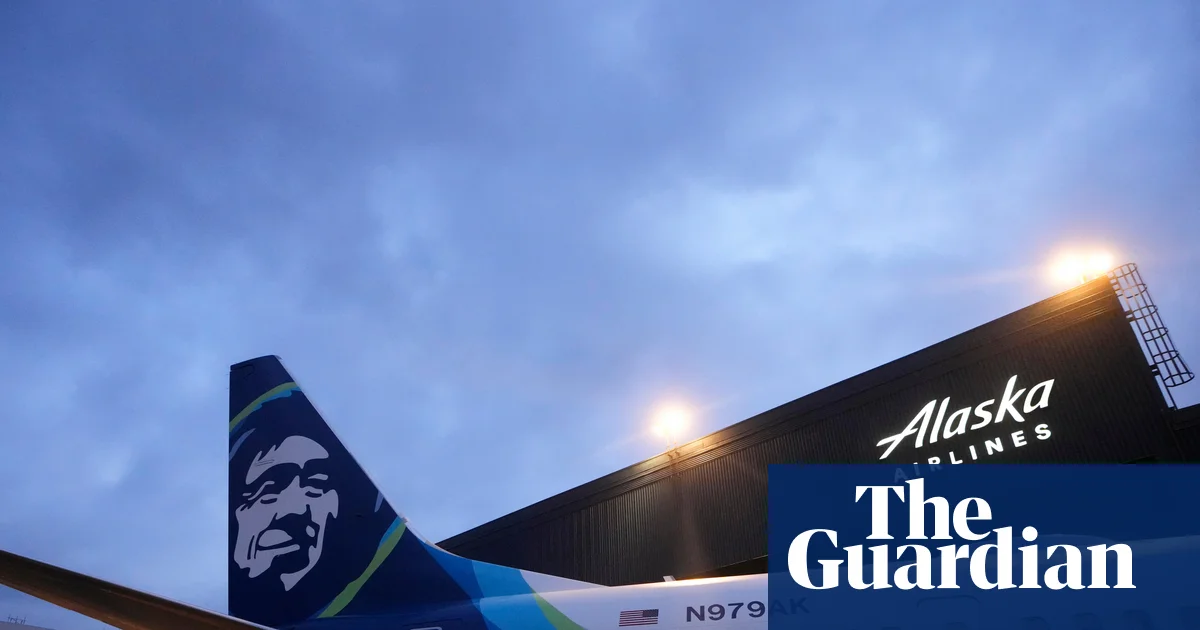
A former Alaska Airlines pilot pleaded guilty to attempting to cut the engines of a flight after taking psychedelic mushrooms, expressing remorse and facing sentencing for endangering passengers and damaging public confidence in air travel.
Russia has been extensively jamming GPS signals across Europe, causing disruptions to navigation systems used by aircraft and military, which raises serious safety and security concerns. Despite denials, evidence suggests deliberate interference as part of hybrid warfare, prompting EU sanctions and technological countermeasures, but more efforts are needed to enhance resilience and deter escalation.
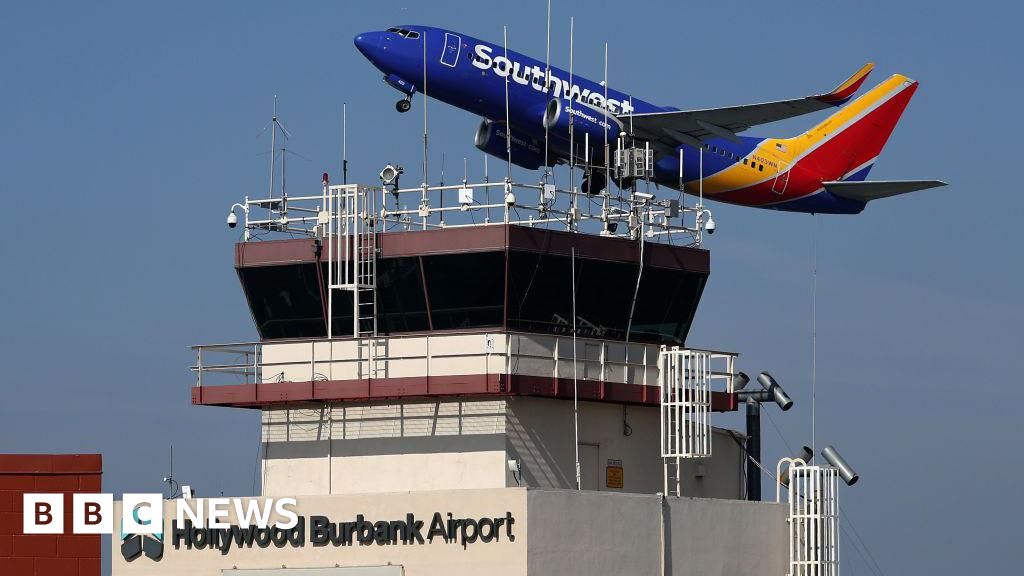
A Southwest Airlines flight from Hollywood Burbank to Las Vegas experienced a rapid descent and was involved in a near-miss with another aircraft, prompting an FAA investigation. The incident caused injuries to two flight attendants and panic among passengers, with the plane nearly intercepted by a fighter jet after losing contact with air traffic control. The airline confirmed the flight continued to Las Vegas and landed safely.
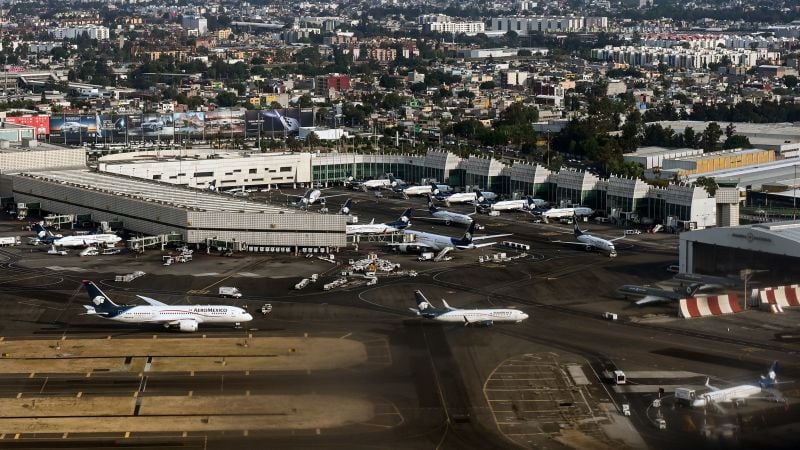
An AeroMéxico regional jet nearly collided with a Delta Air Lines Boeing 737 during takeoff at Mexico City airport, with the regional jet flying less than 200 feet over the Delta plane before landing in front of it, prompting the Delta flight to abort and return to the terminal. The incident is under investigation by authorities, and both airlines are cooperating.
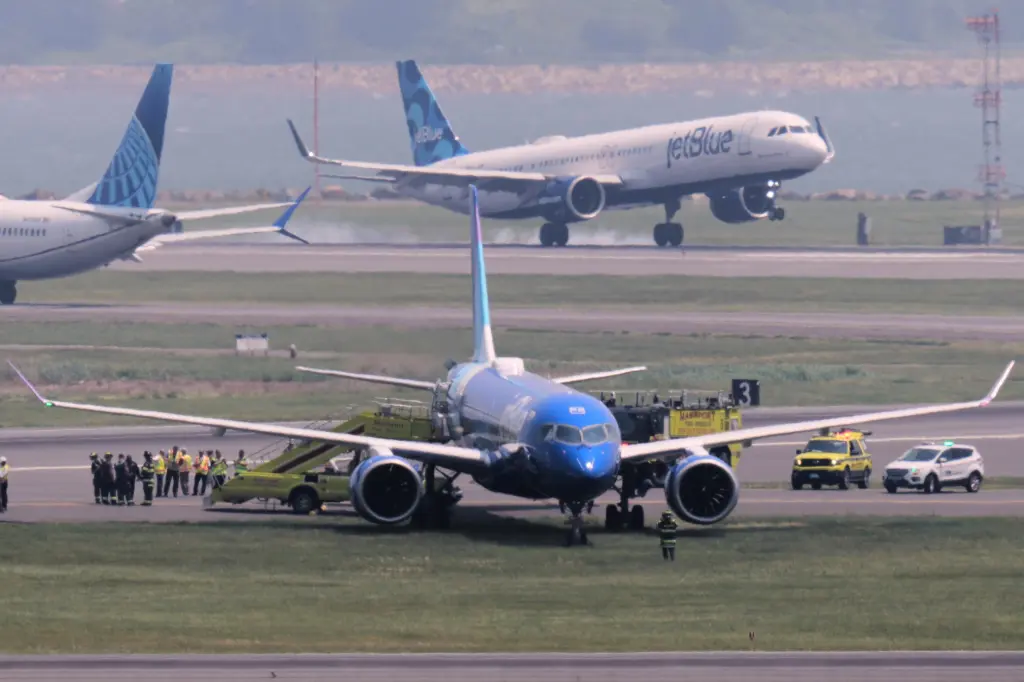
A JetBlue flight from Chicago to Boston veered off the runway and into the grass upon landing at Logan International Airport, with no injuries reported. The runway was closed, and passengers were bused to the terminal as crews assessed the situation. The airline announced a full investigation into the incident amid concerns over air safety, which have been heightened by recent aviation accidents and declining public confidence.
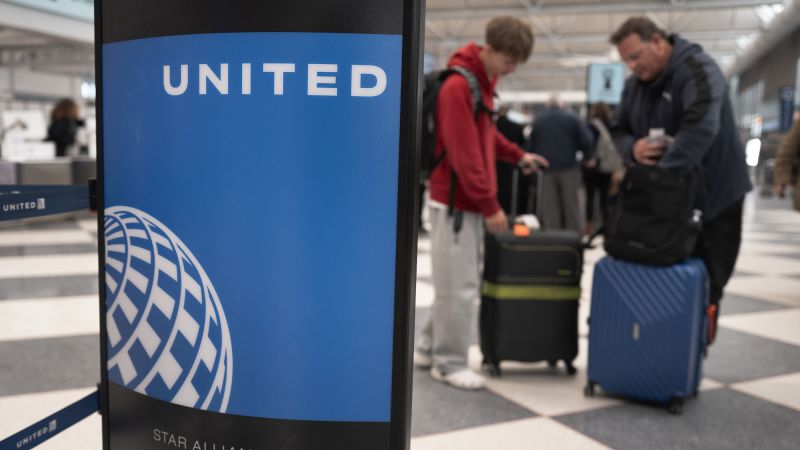
A United Airlines flight aborted takeoff at Chicago O'Hare International Airport due to a reported engine fire, leading to a 45-minute delay in arrivals. No injuries were reported, and the aircraft was safely towed back to the gate. This incident is part of a series of recent airline safety issues over the Memorial Day weekend.