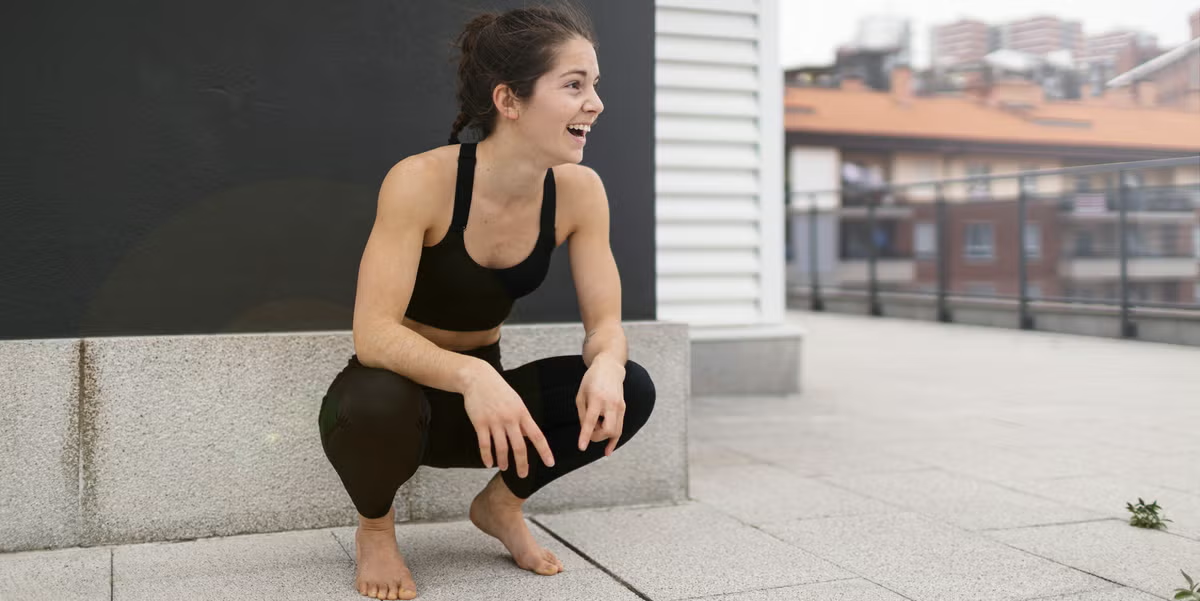
The article highlights the high-heeled squat as a simple daily exercise recommended by personal trainer Dr. Kate Ella to improve balance, strengthen leg and core muscles, and support mobility as we age, with easy modifications for beginners.
A personal trainer emphasizes the importance of resistance training, squats, and steady-state cardio for people in their 40s to combat muscle loss, improve mobility, and promote longevity, highlighting that starting these exercises early can help maintain health and independence into old age.
A neurologist recommends doing short exercise breaks, like 10 squats every 45 minutes, to better control blood sugar and reduce health risks associated with prolonged sitting, rather than relying on long workouts or walks.
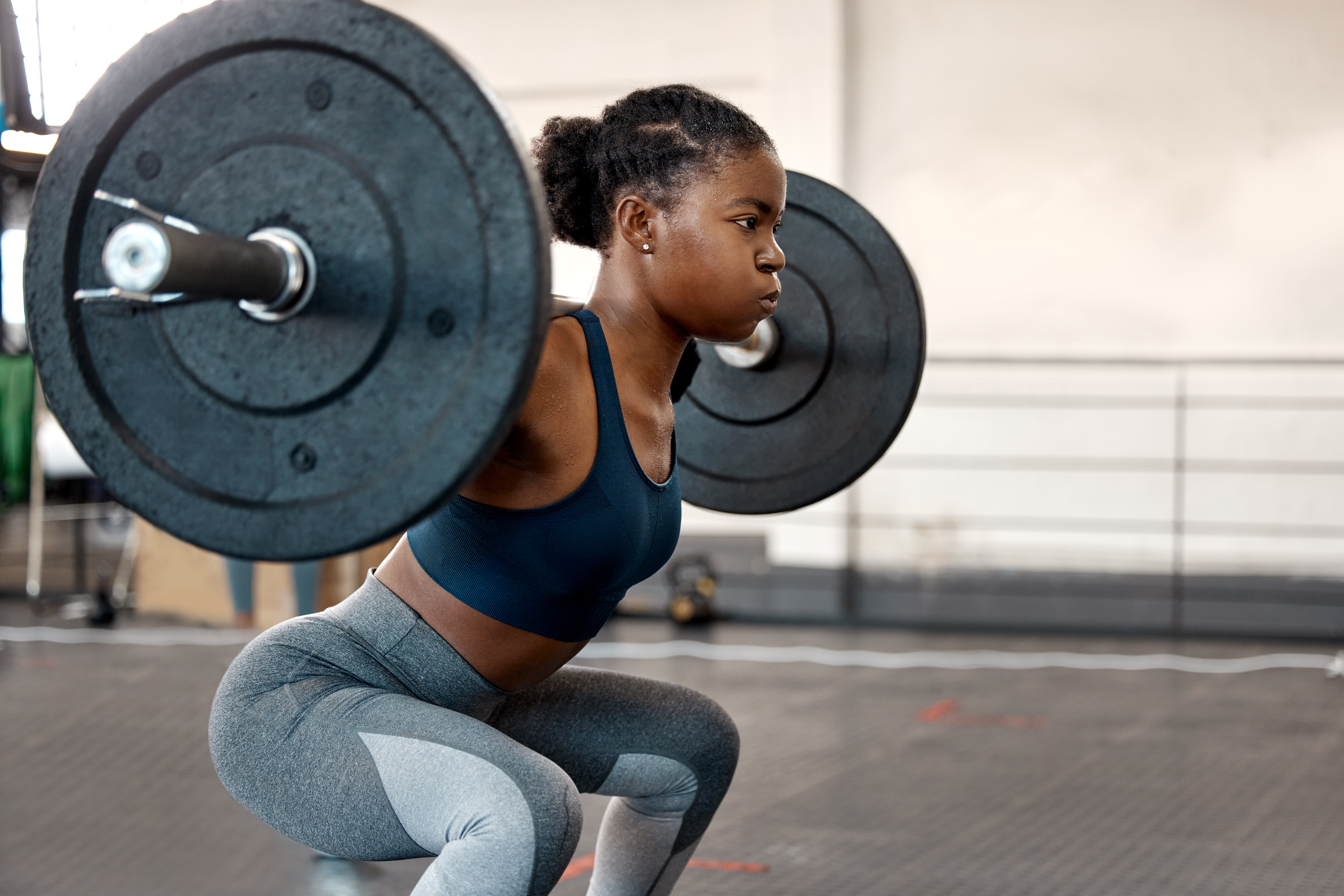
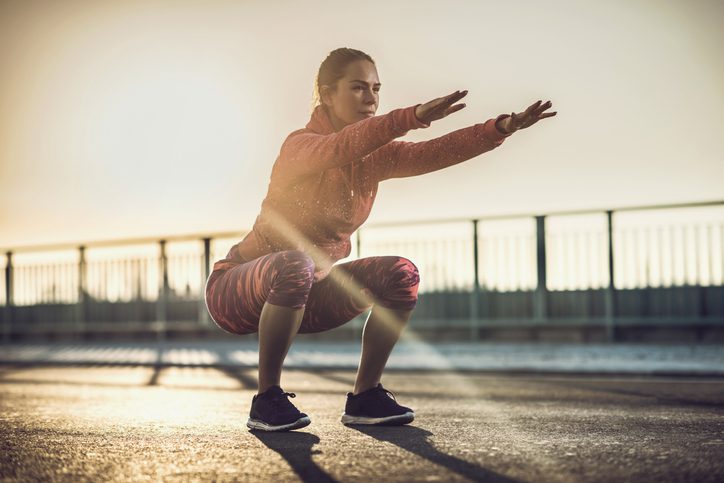
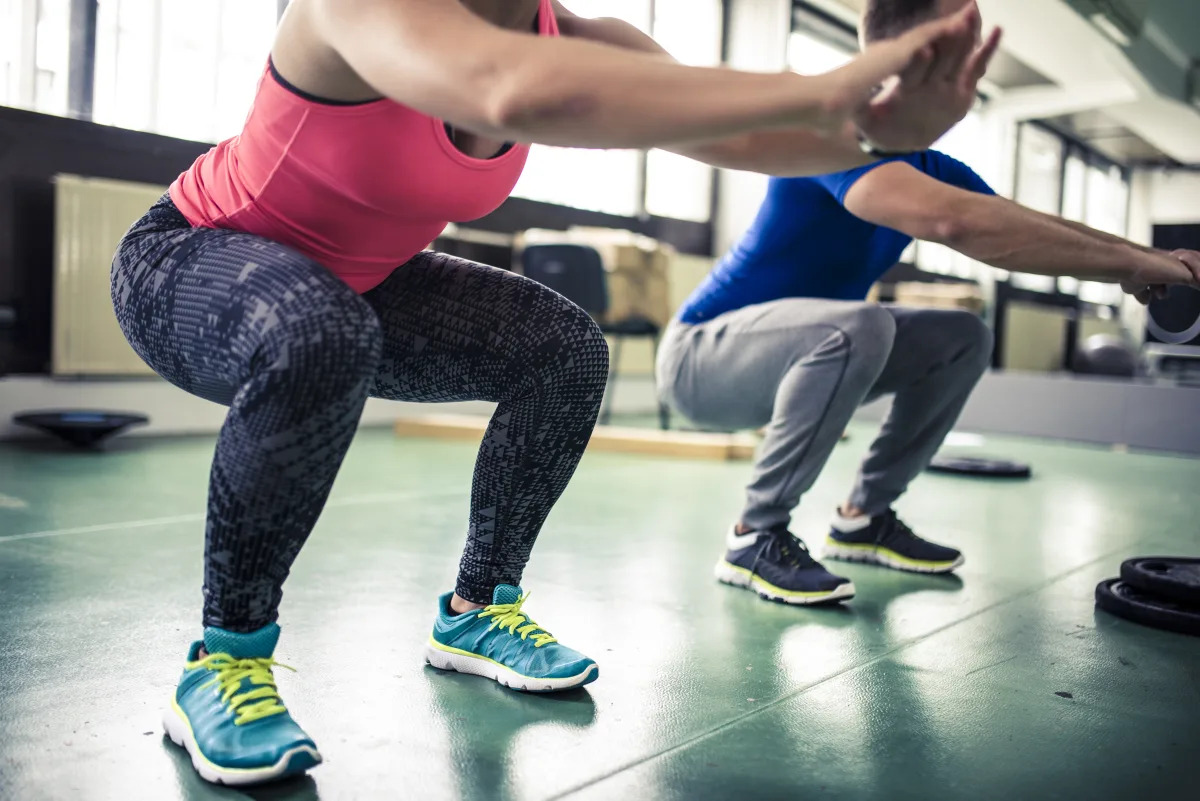
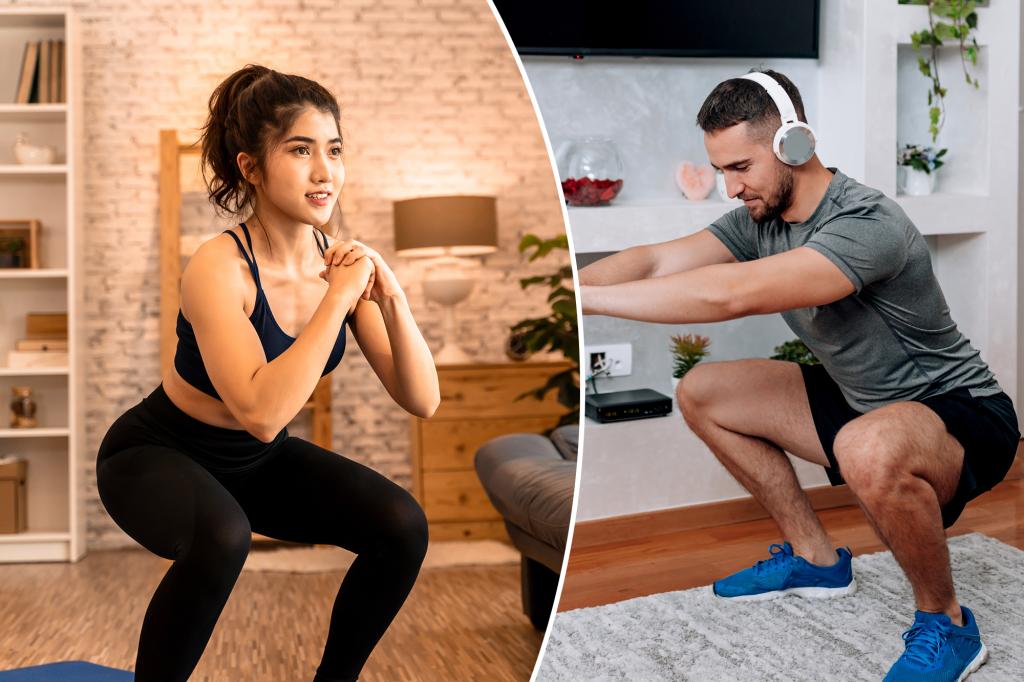
Strength training, especially body weight exercises like squats, can counteract age-related muscle loss, improve health, mobility, and potentially extend lifespan, making later years healthier and more independent.
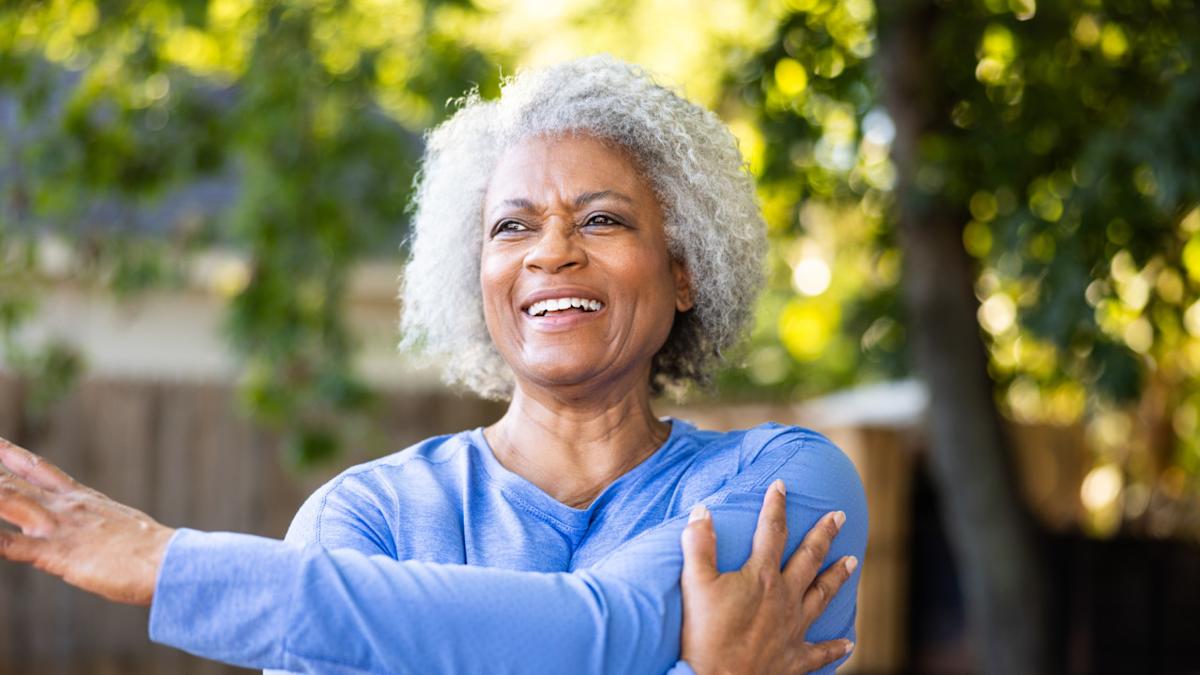
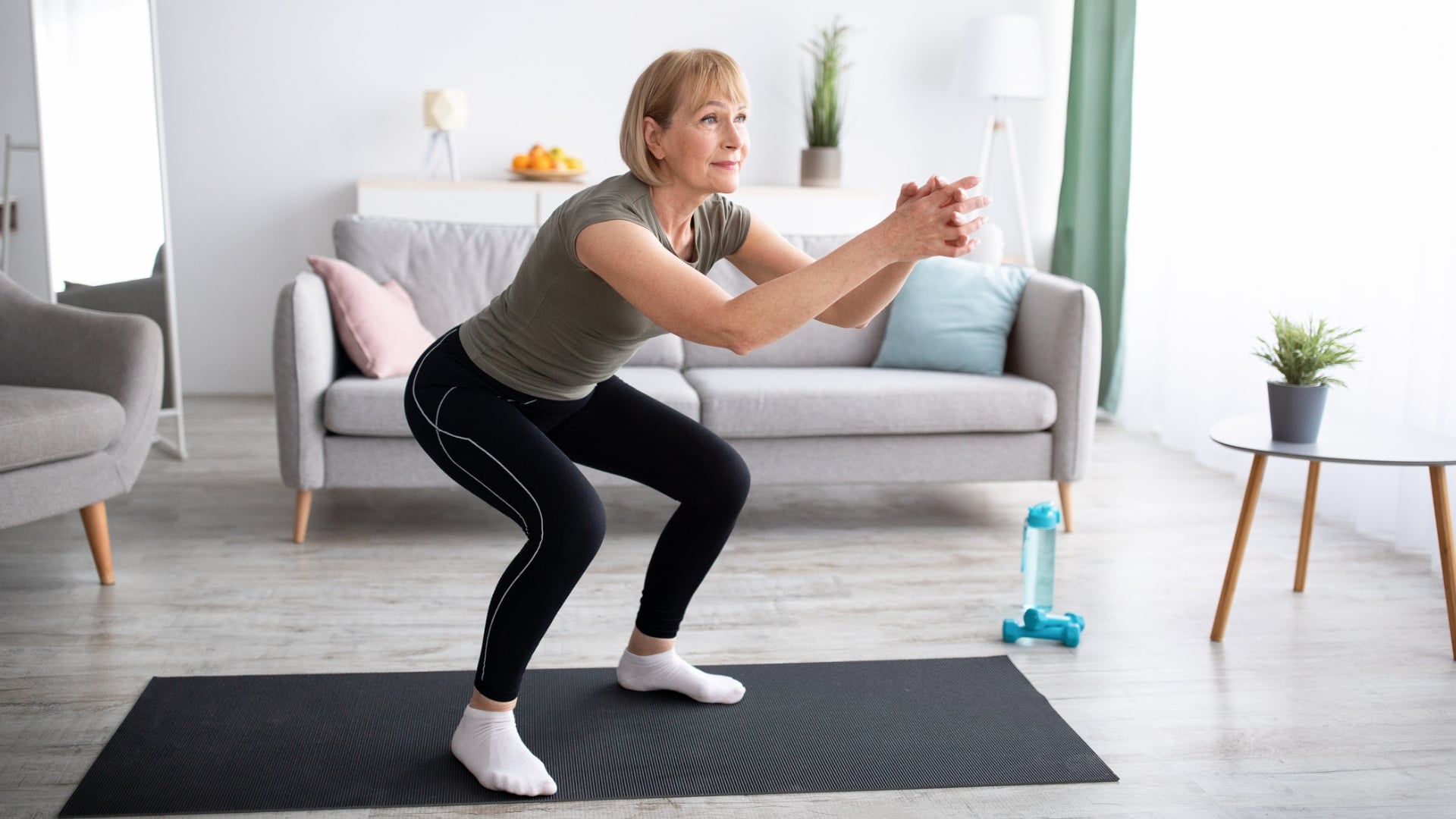
Regular squats are highly recommended for people over 60 as they help build lower-body strength, improve balance, strengthen bones, and boost heart health, all of which contribute to healthier aging and longer life.
A fitness trainer recommends starting lower body workouts from the ground up, beginning with calf raises to improve ankle stability and mobility, followed by squats and kettlebell swings to strengthen major muscle groups, enhance joint stability, and prevent injuries.
Weakness in the gluteus medius can cause knees to cave in during squats; strengthening this muscle with exercises like clamshells, single-leg deadlifts, and lateral band walks can improve pelvic stability and squat form.
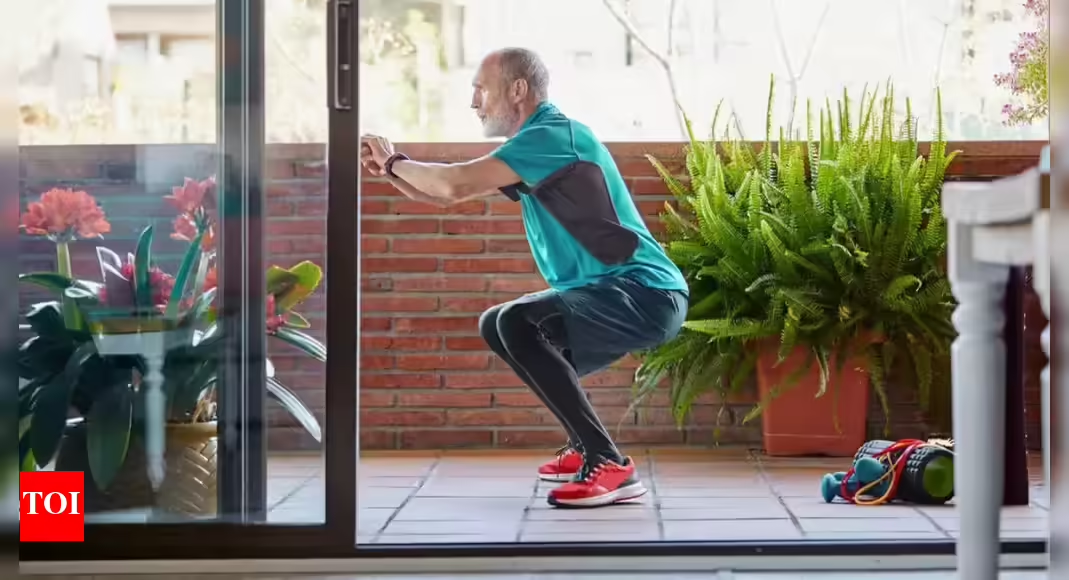
A simple exercise like squats, especially chair squats, can effectively maintain strength, flexibility, and independence in older adults without the need for a gym, supporting healthy ageing and functional mobility.
Adding strength exercises like squats to a running program can improve running economy, boost anaerobic and neuromuscular properties, and help prevent injuries while enhancing endurance. Variations like body weight squats, single-leg squats, sumo squats, and jump squats are recommended for runners to maximize lower body strength and balance. It's important to practice proper form and gradually increase intensity to avoid injury and enhance overall performance.
Muscle loss can result from aging, inactivity, rapid weight loss, and certain health conditions, posing concerns for future low muscle mass epidemics. To offset muscle loss, experts recommend hitting weekly exercise goals, increasing protein intake, trying rucking (walking with a weighted pack), and incorporating squats into workouts to stimulate muscles and maintain strength. Maintaining muscle mass is crucial for motility, energy levels, and supporting the immune system, making exercise and nutrition essential for preserving muscle over time.
Muscle loss can result from aging, inactivity, malnutrition, rapid weight loss, and certain health conditions, posing concerns for future low muscle mass epidemics. To offset muscle loss, experts recommend hitting weekly exercise goals, increasing protein intake, trying rucking (walking with a weighted pack), and doing squats to stimulate muscles and maintain strength. These simple strategies can help preserve muscle mass and support overall health and mobility.
New research suggests that performing just one minute of squatting exercises every 20 minutes during extended periods of sitting can help preserve brain power and improve cognition. A study found that young adults who performed squats periodically during a three-hour sitting session performed better on cognitive tests and reported increased focus. Blood flow to the brain also improved during the exercise. These findings suggest that incorporating exercises like squats into a sedentary lifestyle can help improve concentration and brain function.
YouTuber Kaizen took on the challenge of doing 200 squats a day for 30 days, relying solely on body weight. Initially challenging, the difficulty diminished over time as his legs acclimated. By day 30, his legs had grown by a modest two centimeters, showcasing a subtle but noticeable increase in size. Kaizen's experience highlights the benefits of squats, including muscle growth, leg strength, improved posture, and overall fitness. However, it is advised to approach the challenge with a measured approach and incorporate progressive overload for optimal results.
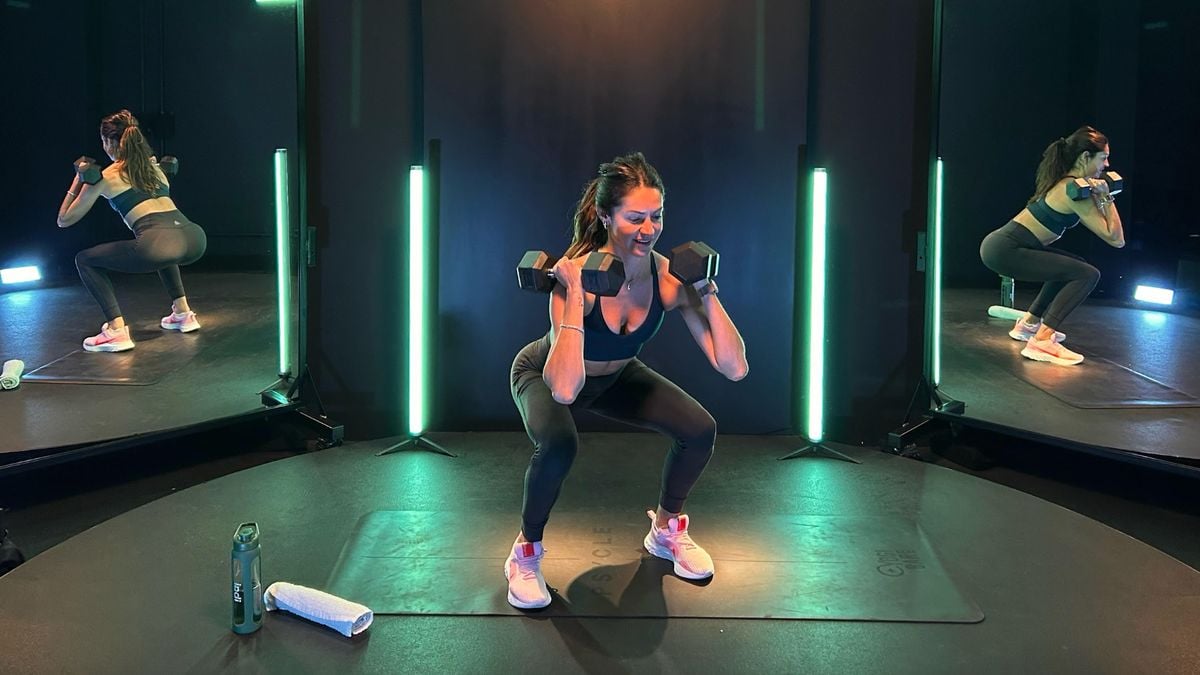
A personal trainer did 100 weighted squats every day for two weeks and found that it was an effective way to work the glutes, engage the core, and get a good cardio workout. However, maintaining proper form was crucial to avoid injury, and the challenge led to tight hamstrings and delayed-onset muscle soreness. The workout took about 10 minutes and is recommended for those looking to shake up their lower body routine.
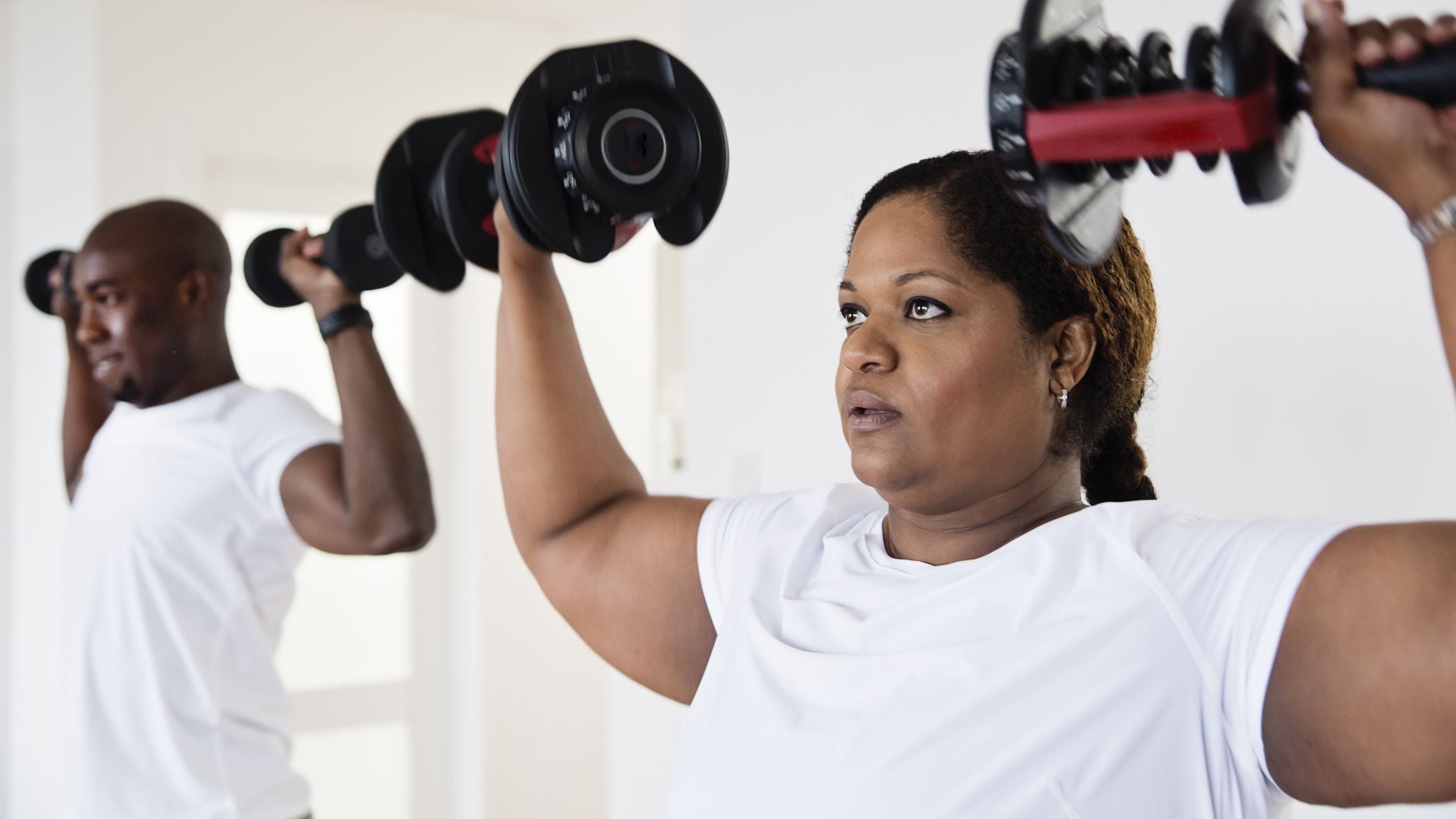
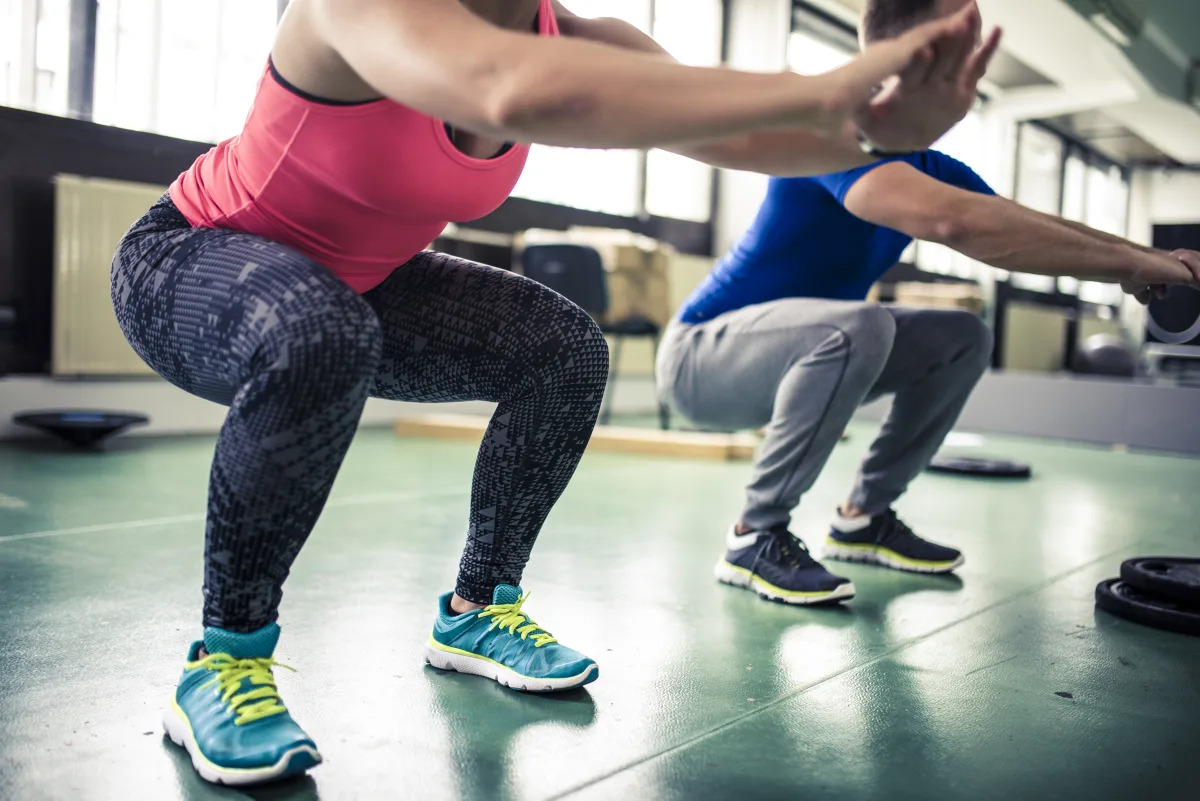
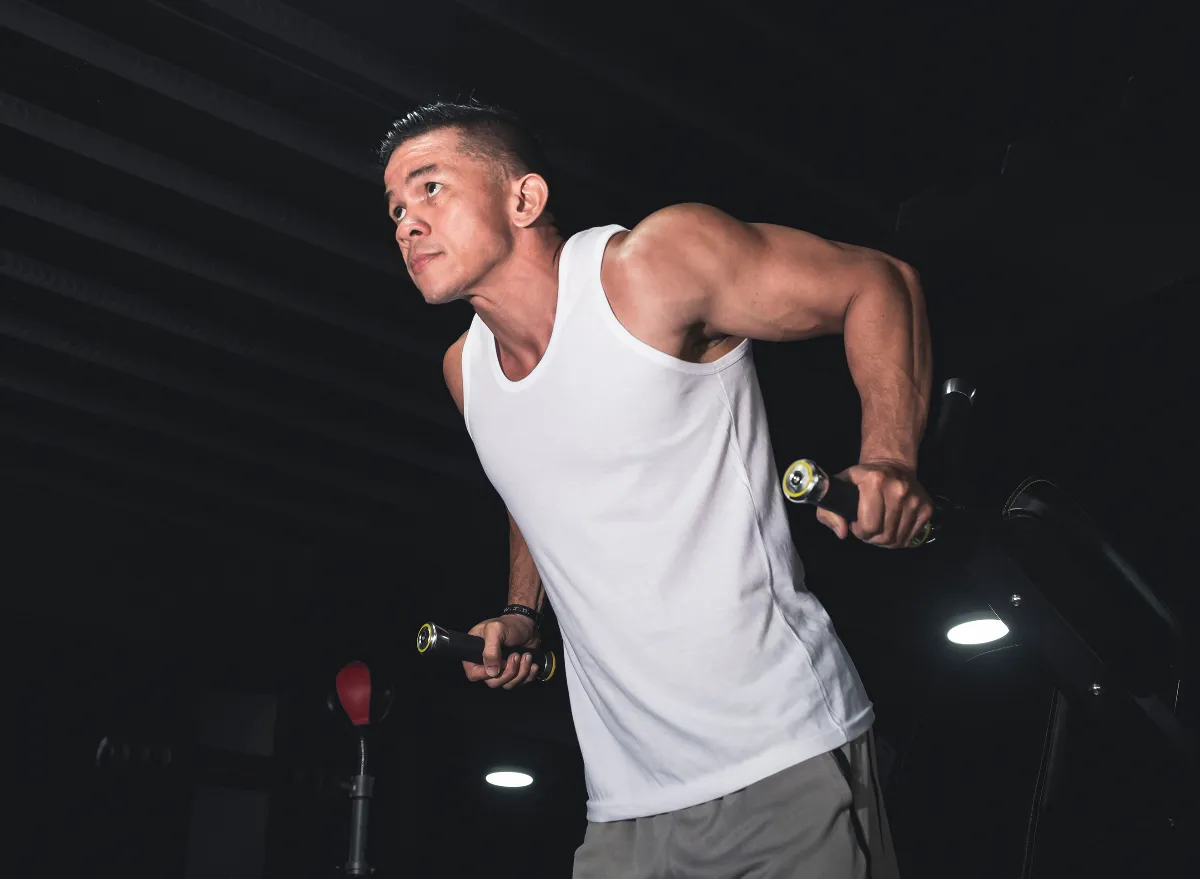
Bodyweight exercises can be an effective way to build strength and improve overall health. Here are seven bodyweight exercises for men to build strength: pushups, squats, pull-ups, tricep dips, planks, lunges, and side planks. Perform three sets of 10 to 20 repetitions of each exercise per day, split into two workouts or done together during a single session, with 60 to 90 seconds of rest between sets.