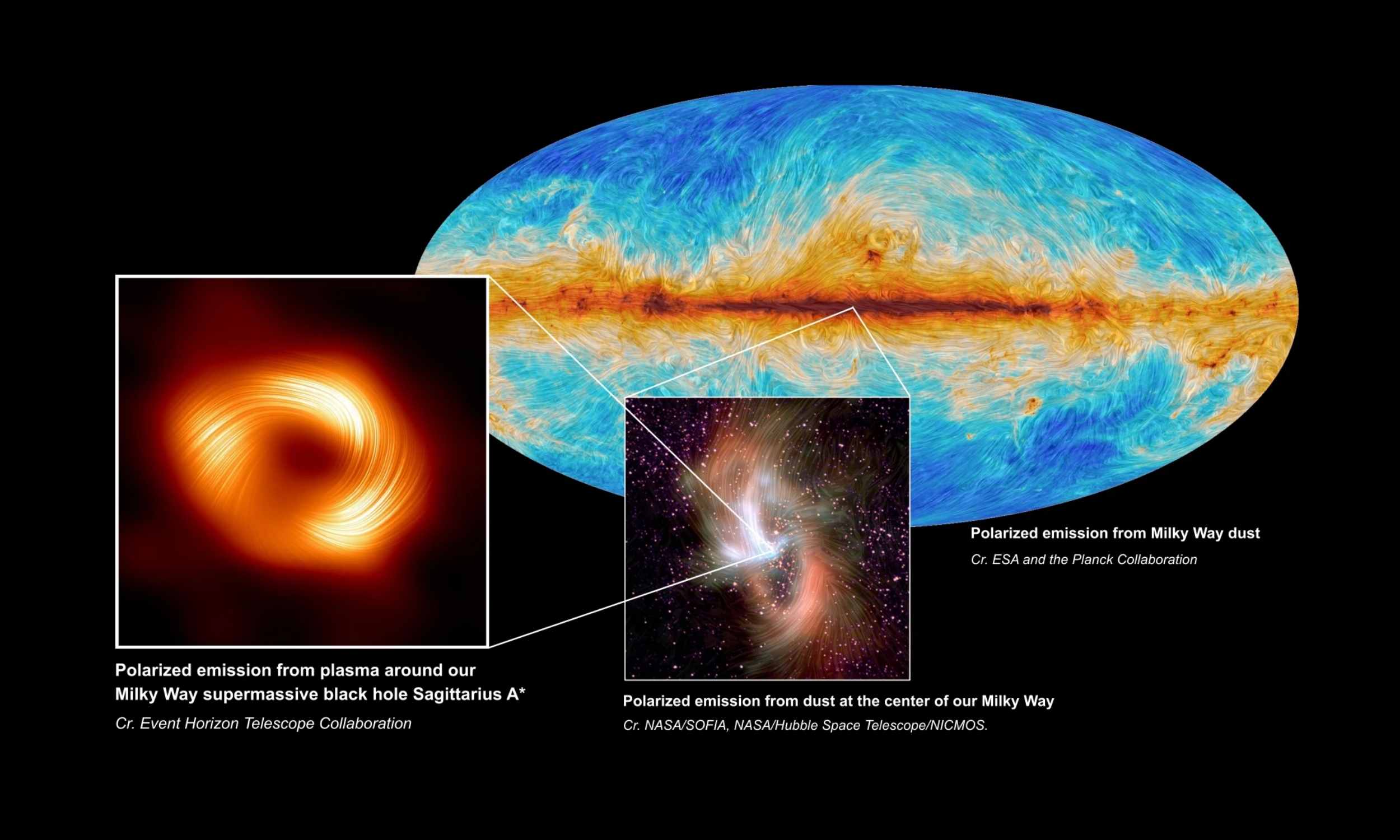
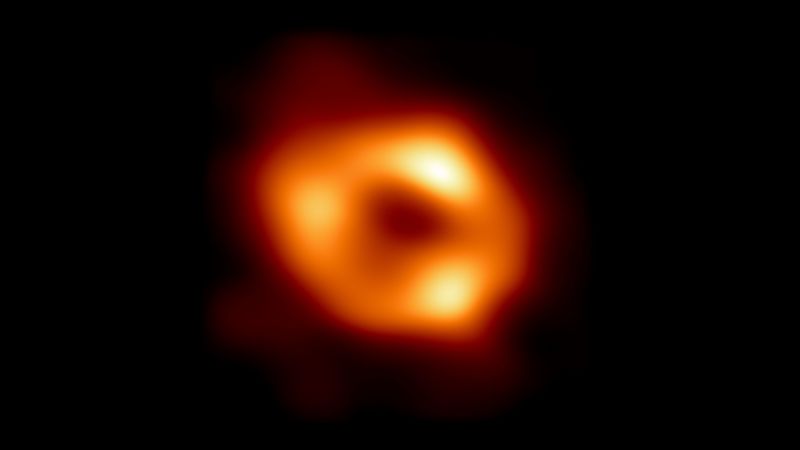
A new study using machine learning on Event Horizon Telescope data suggests that the Milky Way's central black hole, Sagittarius A*, is spinning at near maximum speed with its axis almost directly pointing at Earth, providing insights into its orientation and activity.
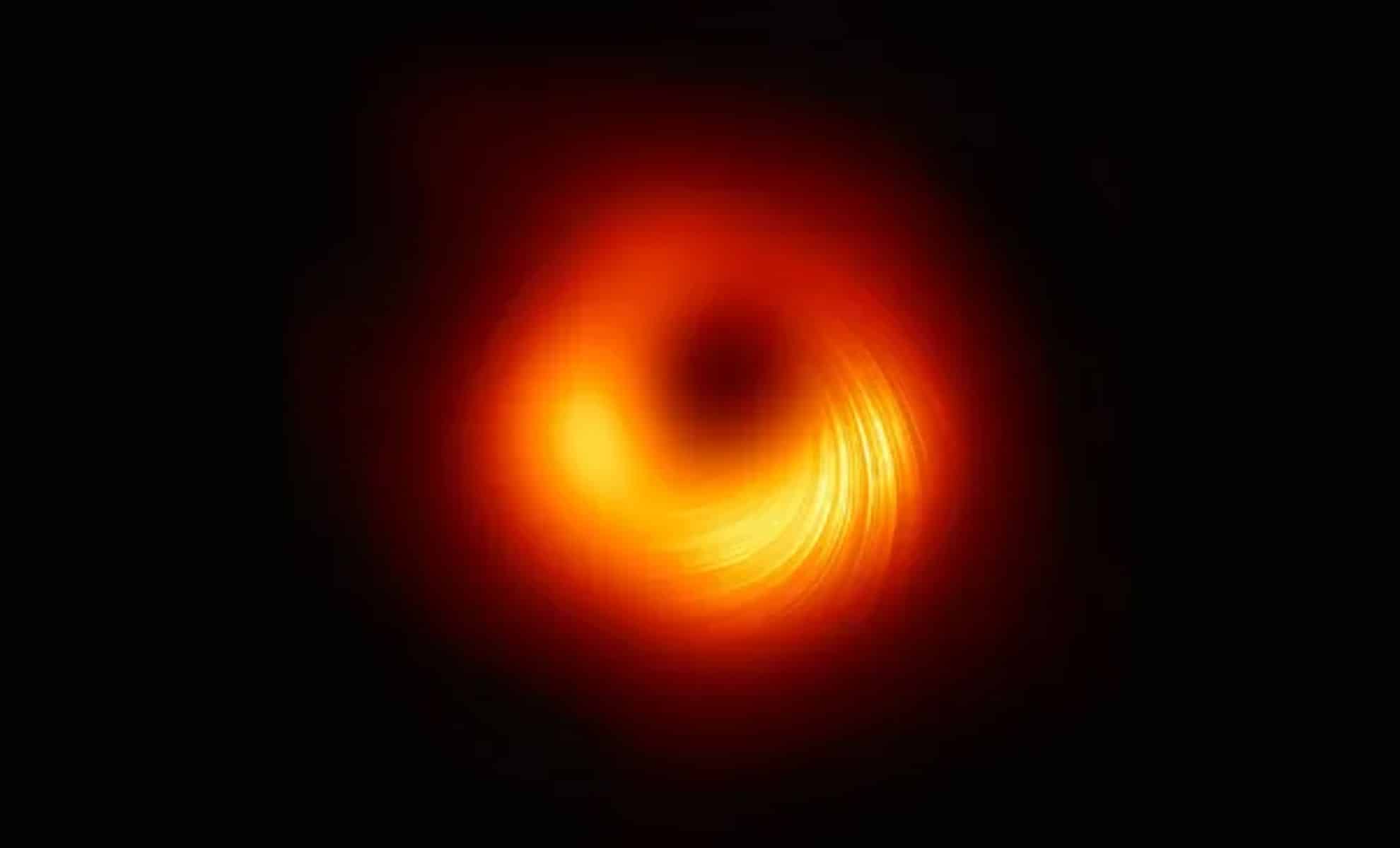
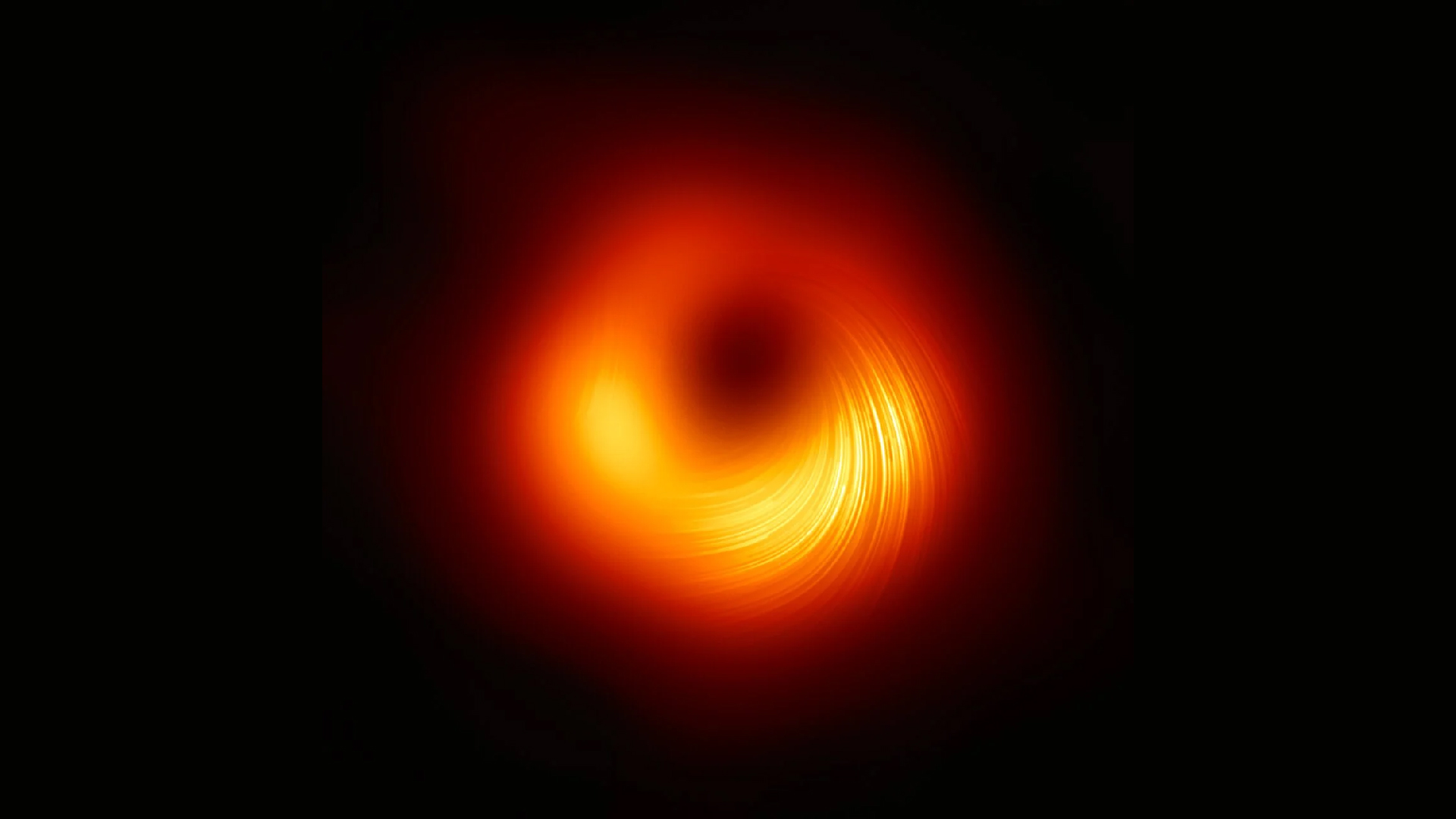
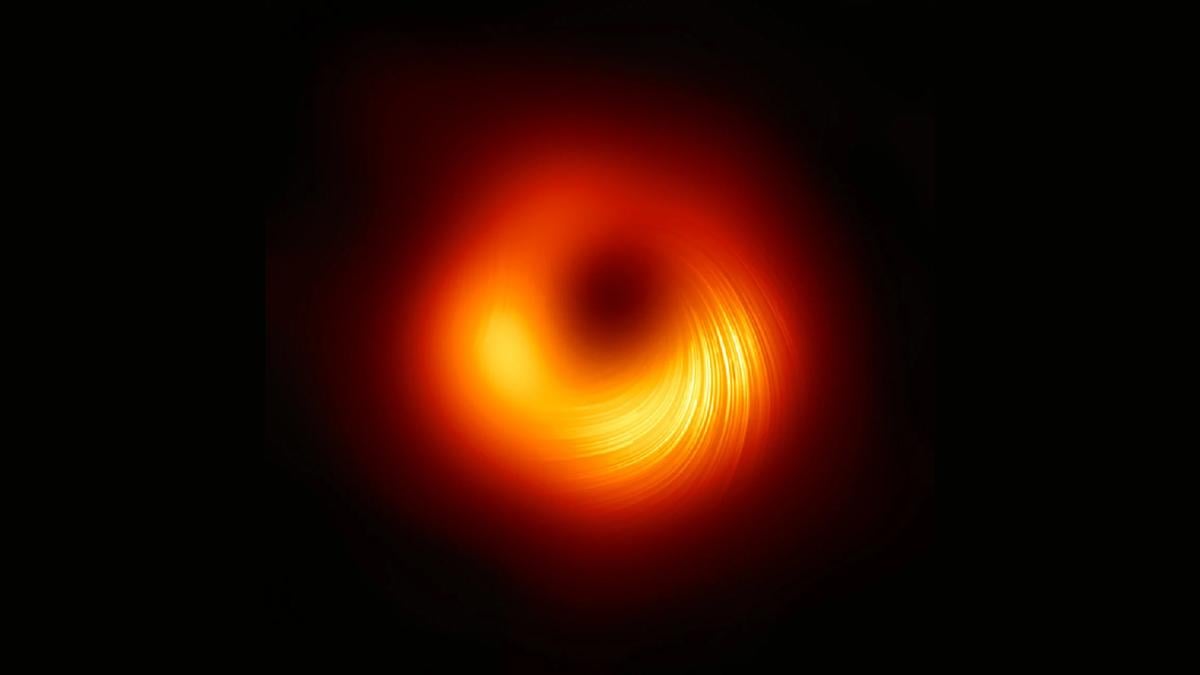
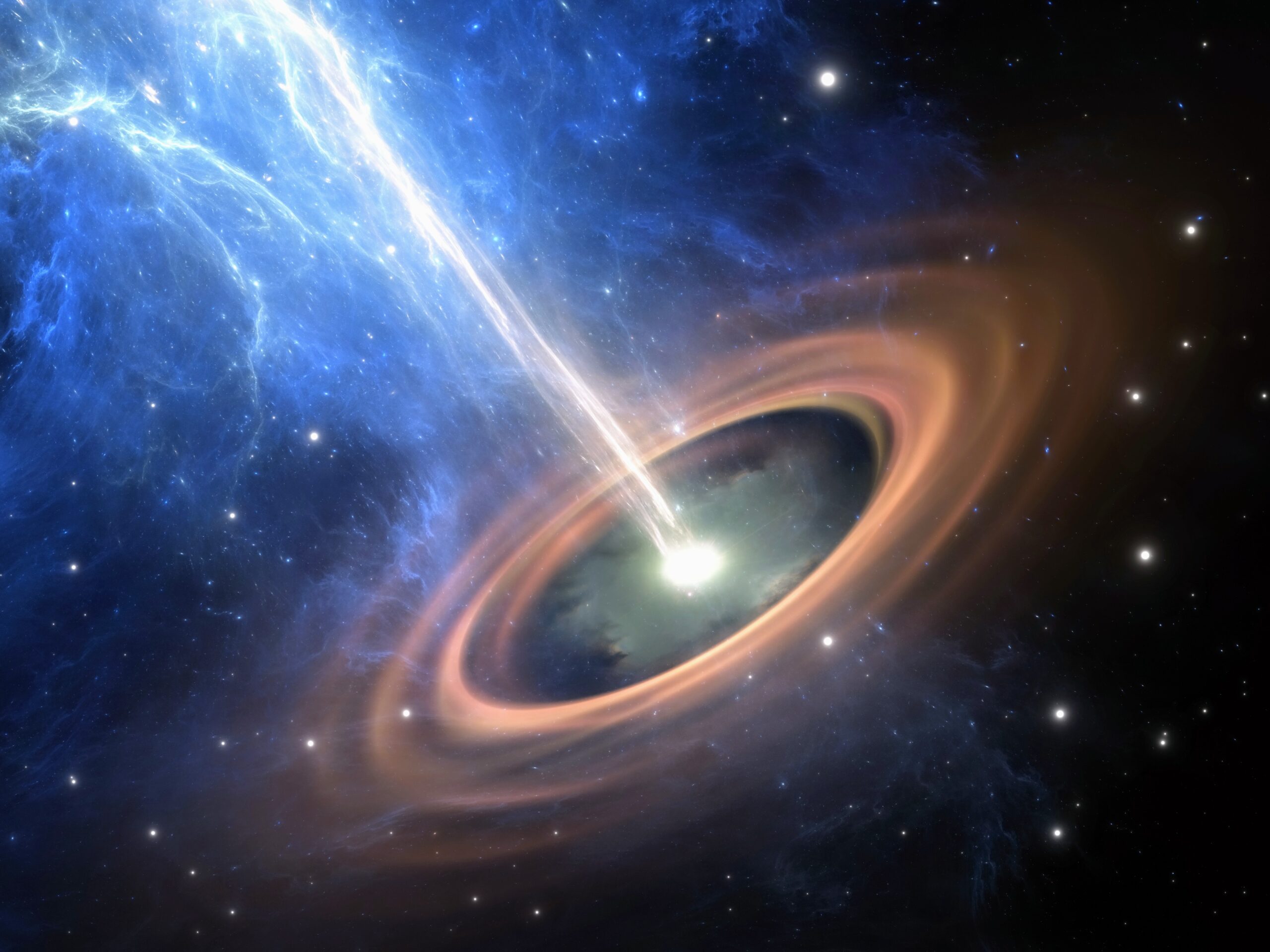
Scientists have discovered that the supermassive black hole at the center of galaxy M87 is spinning at 80% of the maximum possible speed, making it the fastest spinning black hole ever observed. Using Event Horizon Telescope imagery and relativistic physics, they measured its rapid rotation and the rate at which it consumes matter, which is about 23% of the speed of light. The black hole's intense activity powers a massive jet of plasma, influencing its galaxy's evolution.
Scientists have determined that the supermassive black hole at the center of galaxy M87 is spinning at about 80% of the maximum possible speed, consuming matter at a modest rate, and powering its famous jet, providing new insights into black hole physics and their role in galaxy evolution.
The supermassive black hole in galaxy M87 is spinning at about 80% of the maximum possible speed, with material falling into it at 23% of light speed, and it is consuming a modest amount of matter annually. These findings, derived from Event Horizon Telescope images, support the idea that the black hole's energy powers its jet, and provide new insights into black hole physics and their role in galaxy evolution.
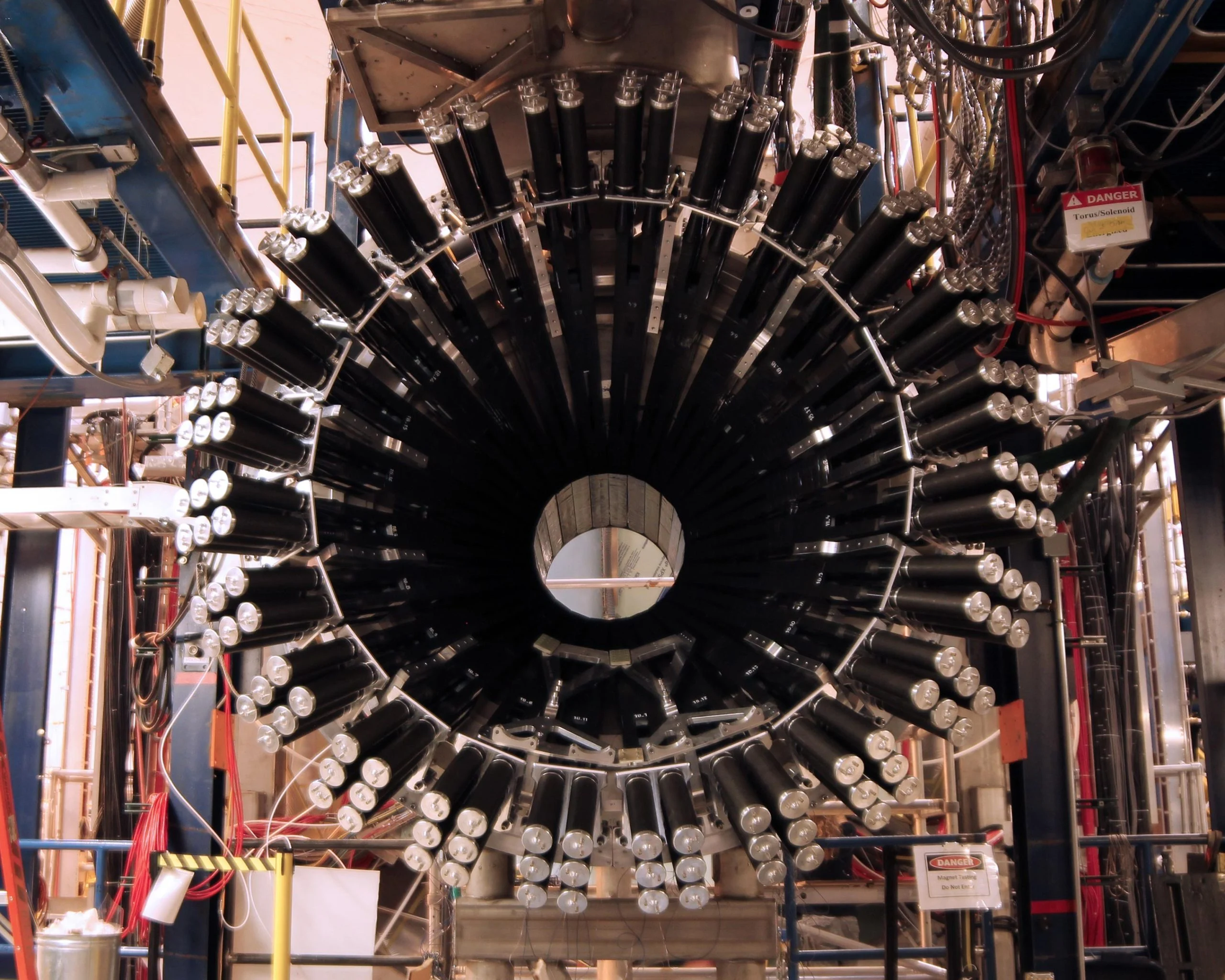
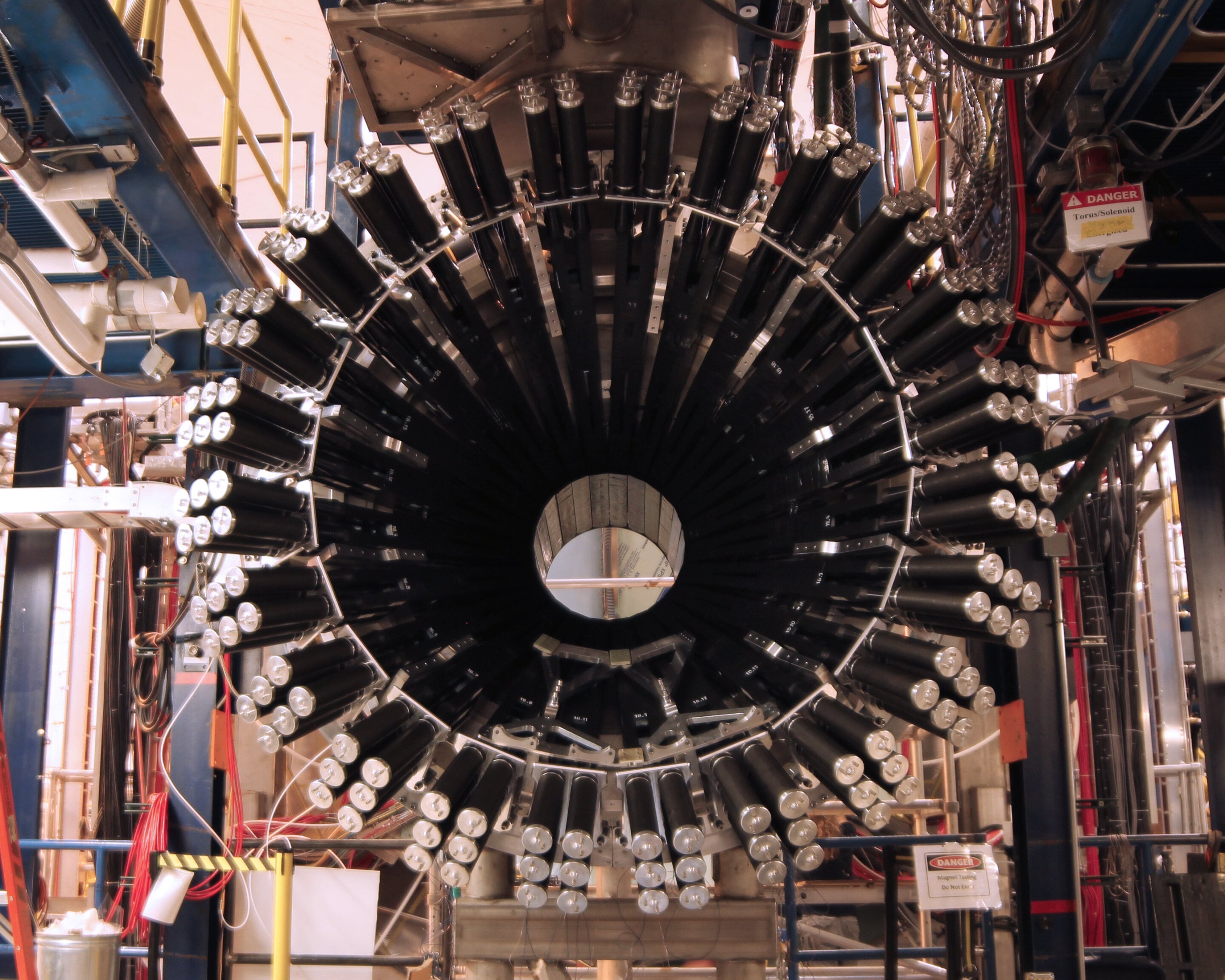
Scientists at the Thomas Jefferson National Accelerator Facility have made a breakthrough in understanding the internal structure of neutrons, revealing how quarks and gluons contribute to nucleon spin. This was achieved using a new Central Neutron Detector, developed over a decade, which allowed the first direct detection of neutrons in deeply virtual Compton scattering (DVCS) reactions. The findings, published in Physical Review Letters, advance nuclear physics by providing insights into the spin structure of nucleons and addressing the 'nucleon spin crisis.'
A new neutron measurement using the Central Neutron Detector at the Thomas Jefferson National Accelerator Facility has provided insights into the internal structure and spin of nucleons. This experiment, led by Silvia Niccolai and her team, marks the first time deeply virtual Compton scattering (DVCS) on the neutron has been directly detected, allowing researchers to access the generalized parton distribution (GPD) E. This advancement helps in understanding the contribution of quarks to nucleon spin, addressing the 'nucleon spin crisis.'
Scientists have discovered that the supermassive black hole at the center of our galaxy, Sagittarius A*, is spinning at an extremely high rate, influencing its surroundings in significant ways. The rapid spin affects the formation of powerful jets of material and warps the fabric of spacetime around it. This discovery has far-reaching implications for understanding how black holes form, grow, and interact with their surroundings, as well as for testing theories of gravity in extreme environments.
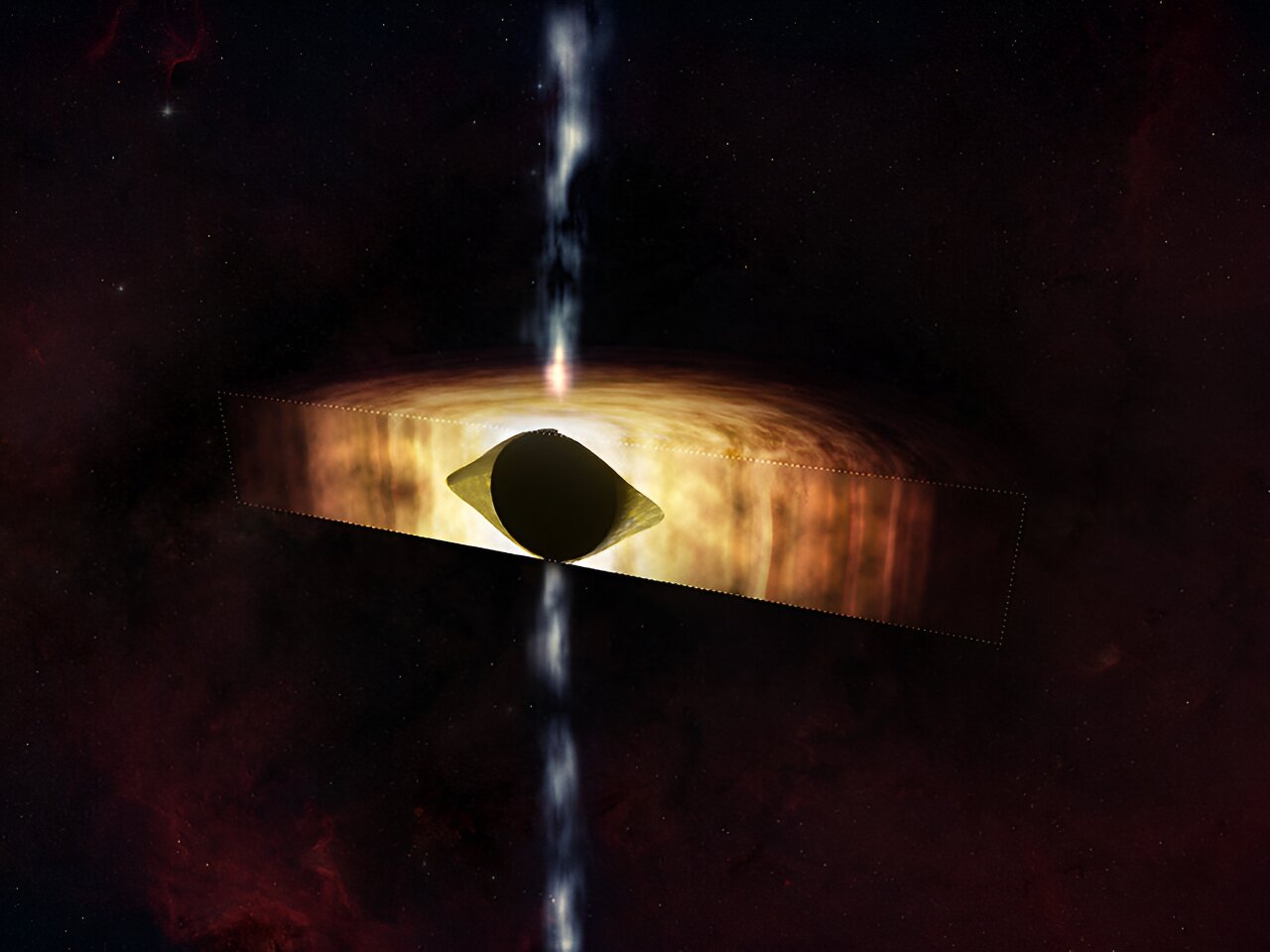
Telescopes have revealed that the supermassive black hole at the center of the Milky Way, known as Sagittarius A*, is spinning so rapidly that it is warping spacetime into a football-like shape. This discovery, made using data from NASA's Chandra X-ray Observatory and the National Science Foundation's Karl G. Jansky Very Large Array, suggests that the black hole is ready to produce more powerful outflows if the amount of material in its vicinity increases, potentially affecting the formation of stars in the galaxy. The study, published in the Monthly Notices of the Royal Astronomical Society, provides new insights into the behavior of supermassive black holes.
Researchers propose that Venus may have captured and then destroyed a moon, causing its unusual spin direction. The hypothetical moon's retrograde motion would have slowed down Venus's spin, but eventually, it was broken apart by Venus's gravity and fell onto the planet. This scenario could explain why Venus spins in the opposite direction compared to other planets. The study offers a new perspective on the peculiarities of Venus's orbit and is published in the journal Universe.
Scientists have discovered that the supermassive black hole at the center of our galaxy, Sagittarius A*, is spinning rapidly and causing the Lense-Thirring effect, which drags space-time along with its spin. Using the outflow method, researchers determined that Sagittarius A* has a spin angular momentum value between 0.84 and 0.96. Understanding the spin of black holes helps astronomers study galaxy formation and evolution, as well as infer the existence of intriguing objects like wormholes.
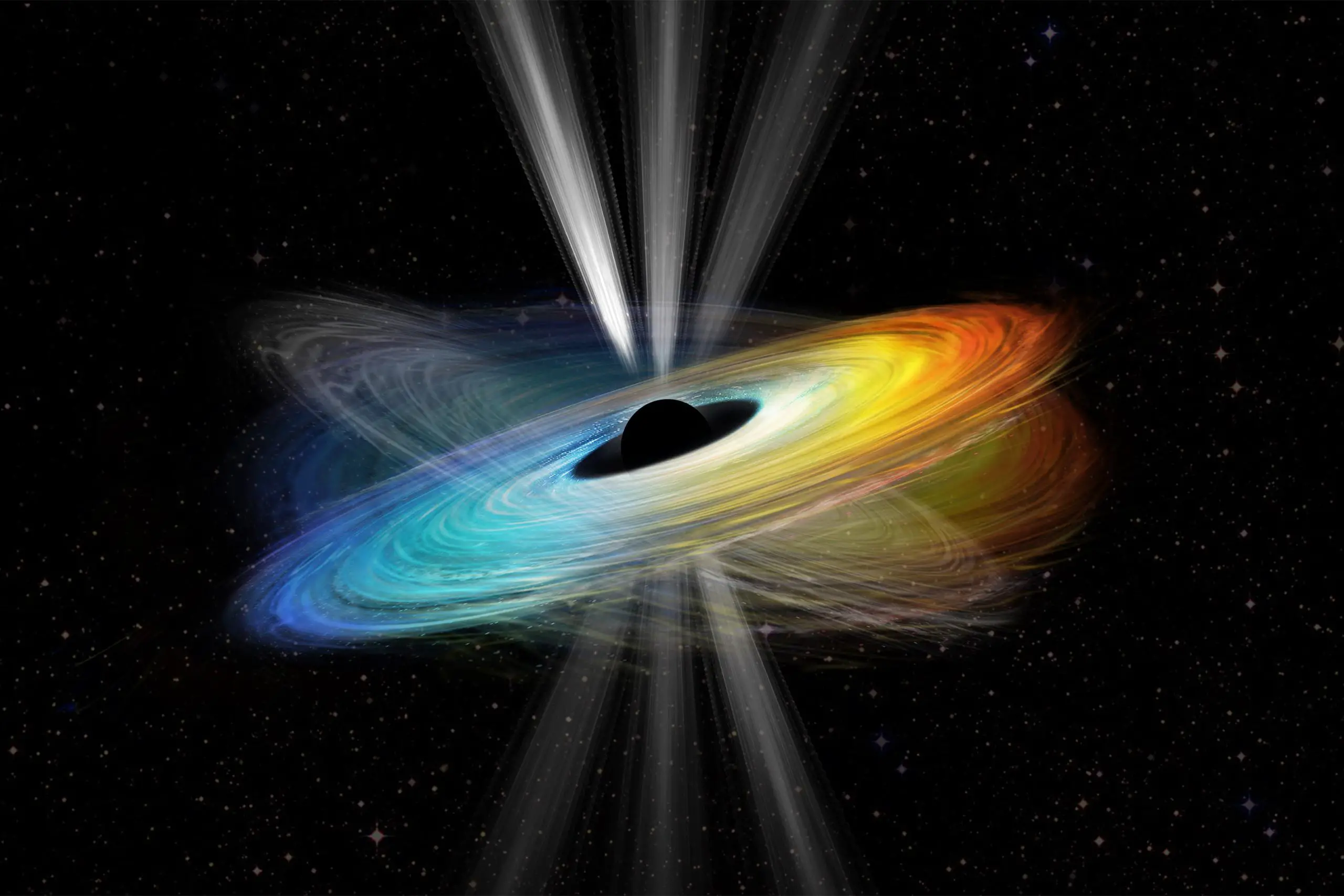
A two-decade study of the M87 galaxy's black hole, conducted by an international team using a global network of radio telescopes, has confirmed the black hole's spin, aligning with predictions from Einstein's General Theory of Relativity. The study revealed an oscillating jet with an amplitude of about 10 degrees, confirming the spin. The research team detected a recurring 11-year cycle in the precessional motion of the jet base, providing evidence that the supermassive black hole in M87 is indeed spinning. This finding enhances our understanding of supermassive black holes and their dynamics.
NASA's InSight Lander has discovered that Mars is spinning faster and faster each year, with its days gradually growing shorter. The acceleration in spin was detected through data from InSight's RISE instrument, which also revealed that the core of Mars is likely a molten metal. The exact cause of the increasing spin is still unknown, but it could be related to changes in the planet's ice caps or core-mantle coupling. Researchers are continuing to analyze the data to uncover more insights about Mars' rotation.
Only black holes and neutron stars can spin hundreds of times per second, usually by accreting material from a nearby companion. The objects need to be small and dense with strong surface gravity to maintain such high spin rates. Accretion of additional matter can speed up the spin, and the spin is maintained by the weak magnetic field of millisecond pulsars, which produces predictable pulsed emissions.
Pittsburgh officials have announced an indefinite pause for e-scooters in the city, marking the end of a two-year pilot program. The state is still working through the legislative process surrounding e-scooters, and without additional authorization, they are no longer permitted to operate. Spin e-scooters will be removed from the public right of way, while other transportation modes under the Move PGH program will continue uninterrupted. Residents have had mixed reactions to the e-scooters, with some finding them convenient and others considering them a nuisance. A study showed that many riders used the scooters for community, meeting family or friends, dining out, and running essential errands.
Physicists have created an exotic material by crystalizing fermions into bosons using an innovative technique. This results in the formation of an exciton, where a negatively charged electron becomes bound to a positively charged fermion, forming a bosonic particle with a full integer spin.