Tag

General Theory Of Relativity

All articles tagged with #general theory of relativity

physics1 year ago

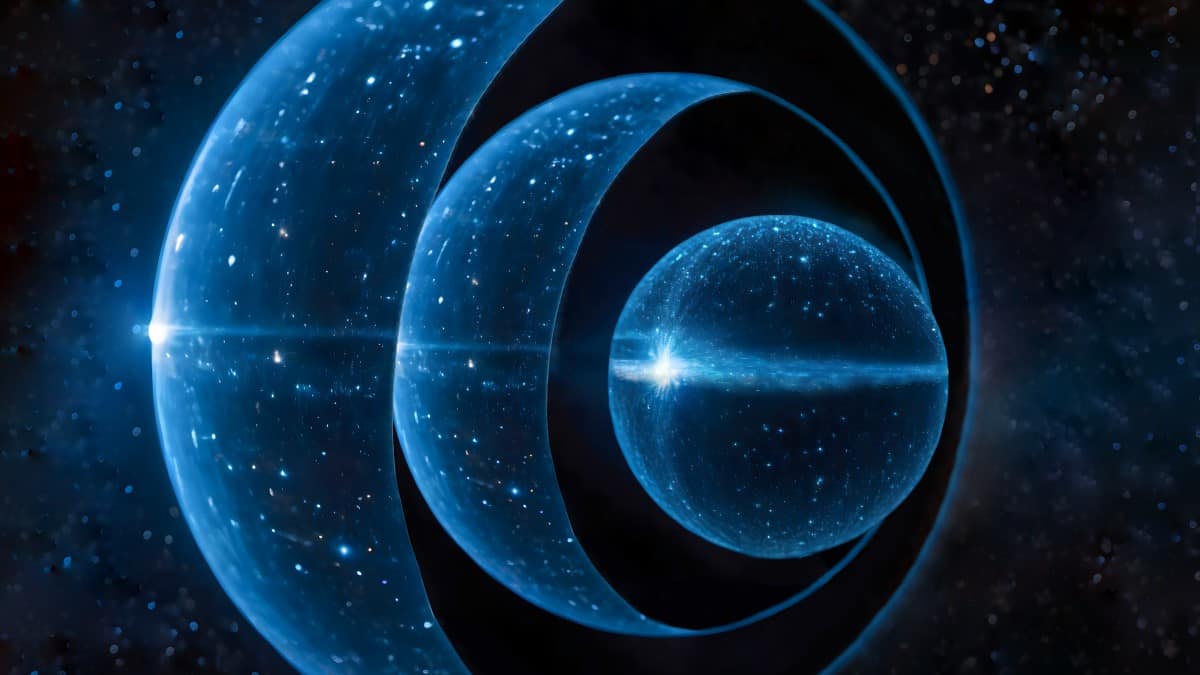
"Russian Doll Gravastars: Nested Phenomena in Physics"

Physicists have calculated that nested gravastars, hypothetical alternatives to black holes, could exist and resemble a Russian Matryoshka doll. These exotic objects, if they exist, could emit gravitational-wave signals and have distinctive ringdown signals when formed from compact binary systems. However, the existence of gravastars remains hypothetical with no observational evidence, and their formation process is still unknown. Nonetheless, they could potentially be detected through gravitational-wave observations or by accreting matter onto their surface, although a physical model for their existence in reality remains elusive.
science2 years ago

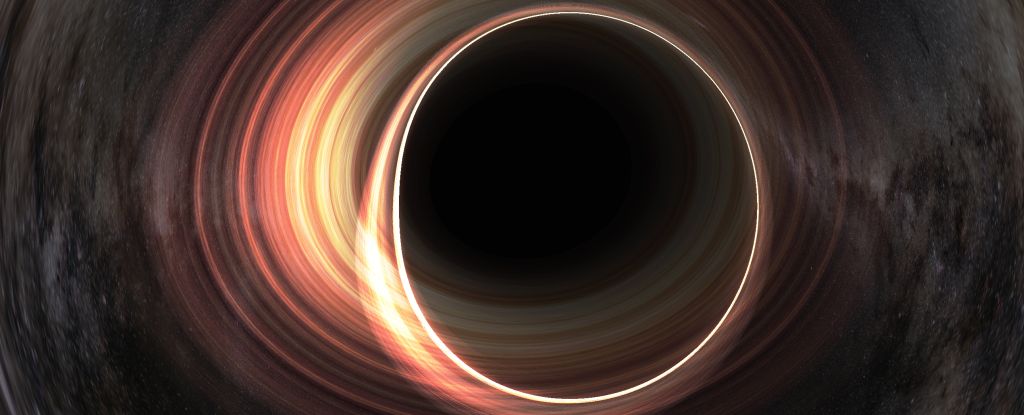
"Lab Simulation of Black Hole Reveals Startling Glow and Magnetic Fields"

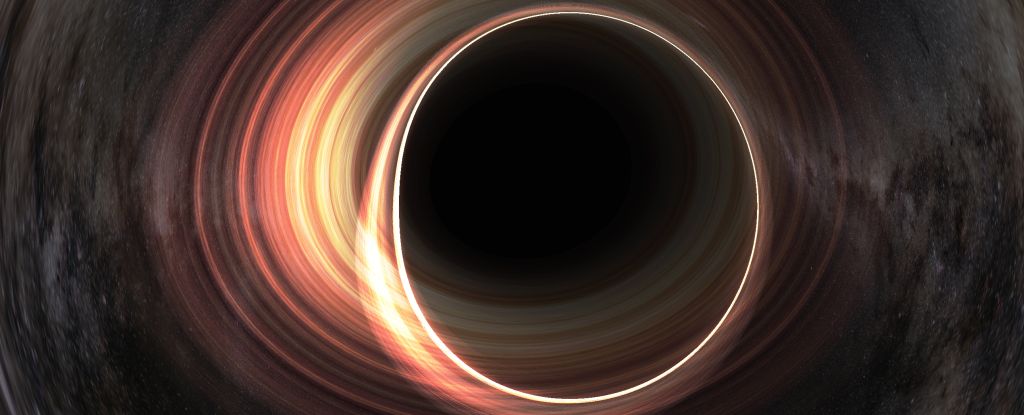
Physicists have successfully simulated a black hole in a laboratory setting using a chain of atoms to create an event horizon. By observing the equivalent of Hawking radiation, they hope to reconcile the discrepancies between the general theory of relativity and quantum mechanics. The simulated Hawking radiation matched theoretical expectations and suggests that entangled particles straddling the event horizon may play a role in its generation. This laboratory model provides a simplified way to study the emergence of Hawking radiation and explore quantum-mechanical aspects alongside gravity and curved spacetimes in various condensed matter settings.

science2 years ago

Scientists Create Glowing Black Hole Simulation in Lab

Physicists have successfully simulated a black hole in a laboratory setting using a chain of atoms to create an event horizon. By observing the equivalent of Hawking radiation, particles born from disturbances in quantum fluctuations caused by the black hole's break in spacetime, the researchers hope to reconcile the discrepancies between the general theory of relativity and quantum mechanics. The simulated Hawking radiation matched theoretical expectations and suggests that the entanglement of particles straddling the event horizon may be instrumental in generating this radiation. The model offers a simplified way to study the emergence of Hawking radiation and can be applied in various experimental setups.

physics2 years ago

Unveiling the Time-Forward Nature of Accelerating Waves and Relativity

Researchers at Tampere University and the University of Eastern Finland have derived a new wave equation that connects wave mechanics with the general theory of relativity and the arrow of time. This breakthrough offers solutions to long-standing physics debates and introduces applications for novel materials. The researchers discovered that the accelerating wave equation only allows solutions where time flows forward, establishing a well-defined direction of time. Additionally, the framework can be used to model continuous waves across interfaces, resolving the Abraham-Minkowski controversy regarding the conservation of momentum in light. The research has implications for everyday optical effects, laboratory tests of relativity, and the understanding of time's preferred direction.

science2 years ago

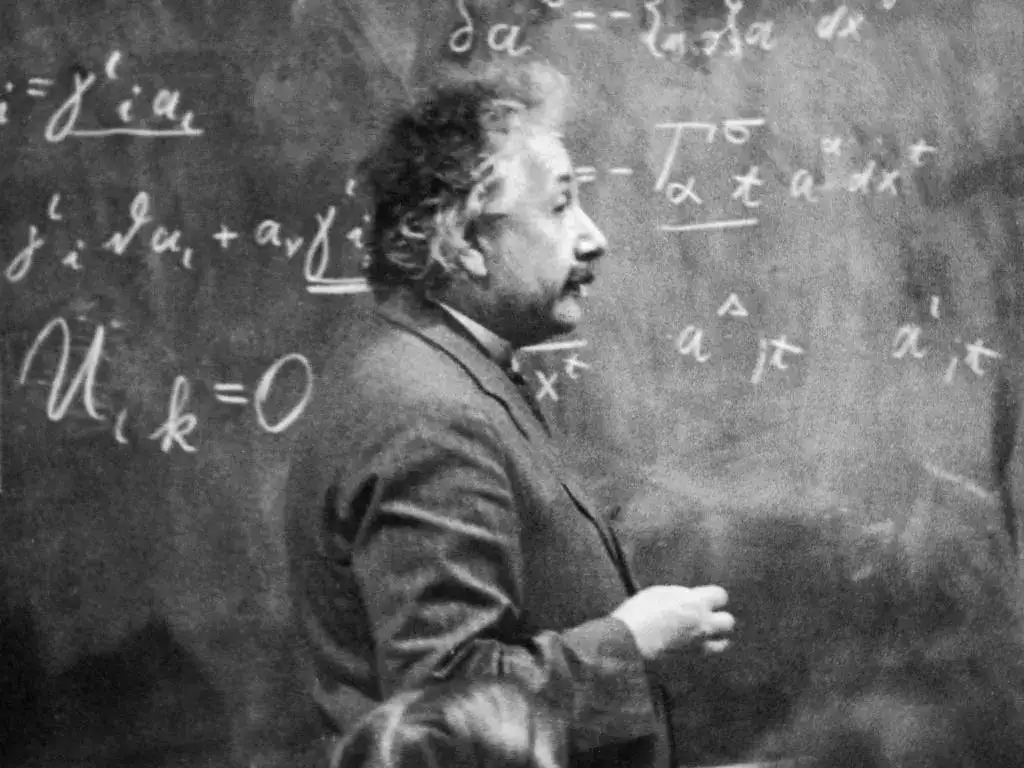
"Cracking the Enigma: Unraveling Albert Einstein's Mind-Bending Questions"

Albert Einstein, known for his groundbreaking theories of relativity, engaged in thought experiments to explore complex scientific concepts. Some of his mind-melting questions included pondering what would happen if one chased a beam of light, whether two people can experience the same event differently, how time dilation affects space-traveling twins, the equivalence of gravity and acceleration, and the phenomenon of quantum entanglement. These thought experiments contributed to Einstein's special and general theories of relativity and challenged conventional understanding of the physical world.

science2 years ago

"Cracking the Enigma: Unraveling Albert Einstein's Mind-Bending Questions"

Albert Einstein's thought experiments, known as Gedankenexperiments, helped him conceptualize complex scientific ideas. Some of his mind-melting questions included pondering what would happen if one chased a beam of light, whether two people can experience the same event differently, how space travel affects aging, the equivalence of gravity and acceleration, and the phenomenon of quantum entanglement. These thought experiments laid the foundation for Einstein's special and general theories of relativity and challenged our understanding of the physical world.

science2 years ago

Confirmed: First-Ever Photographed Black Hole Spins, Validating Einstein's Theory

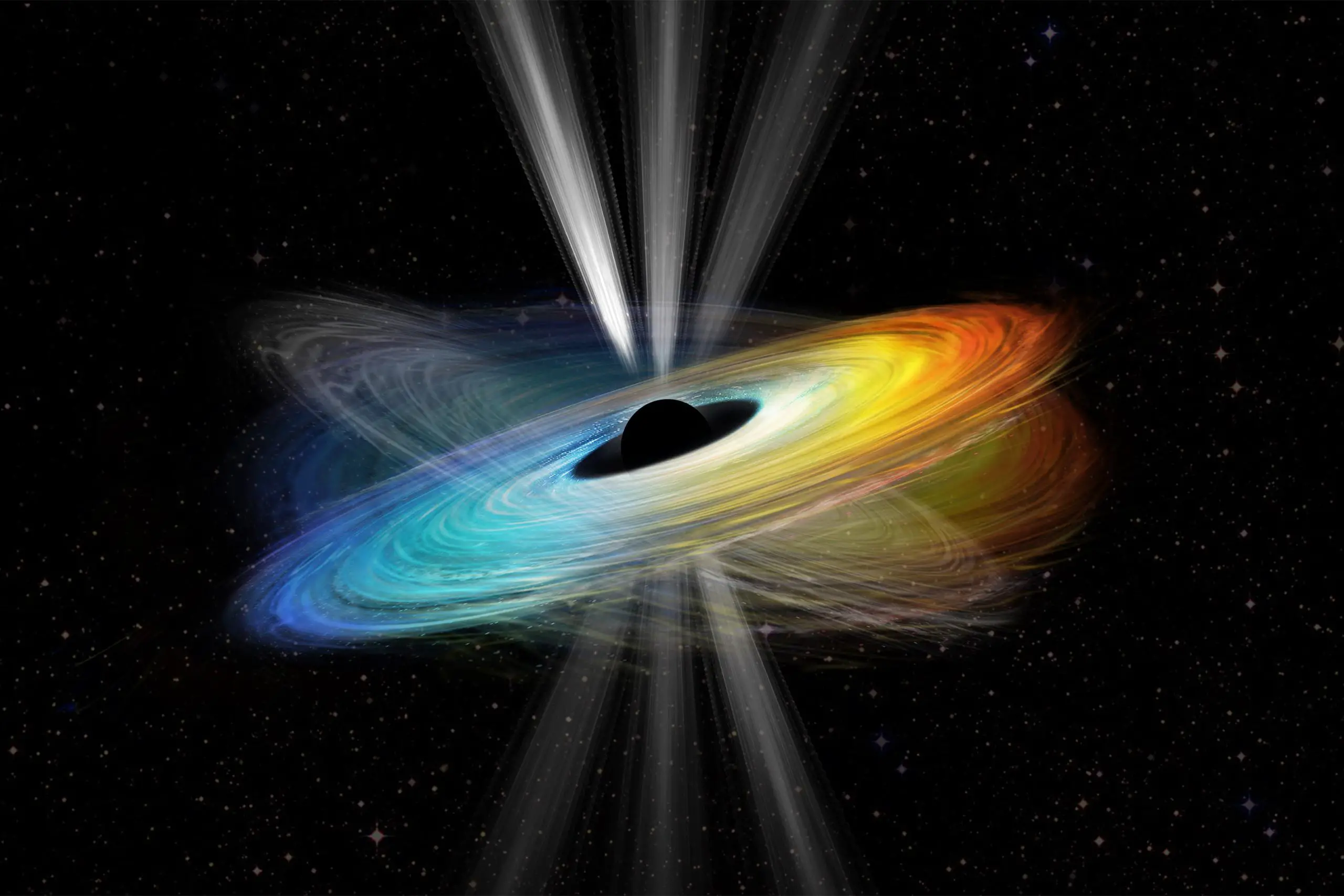
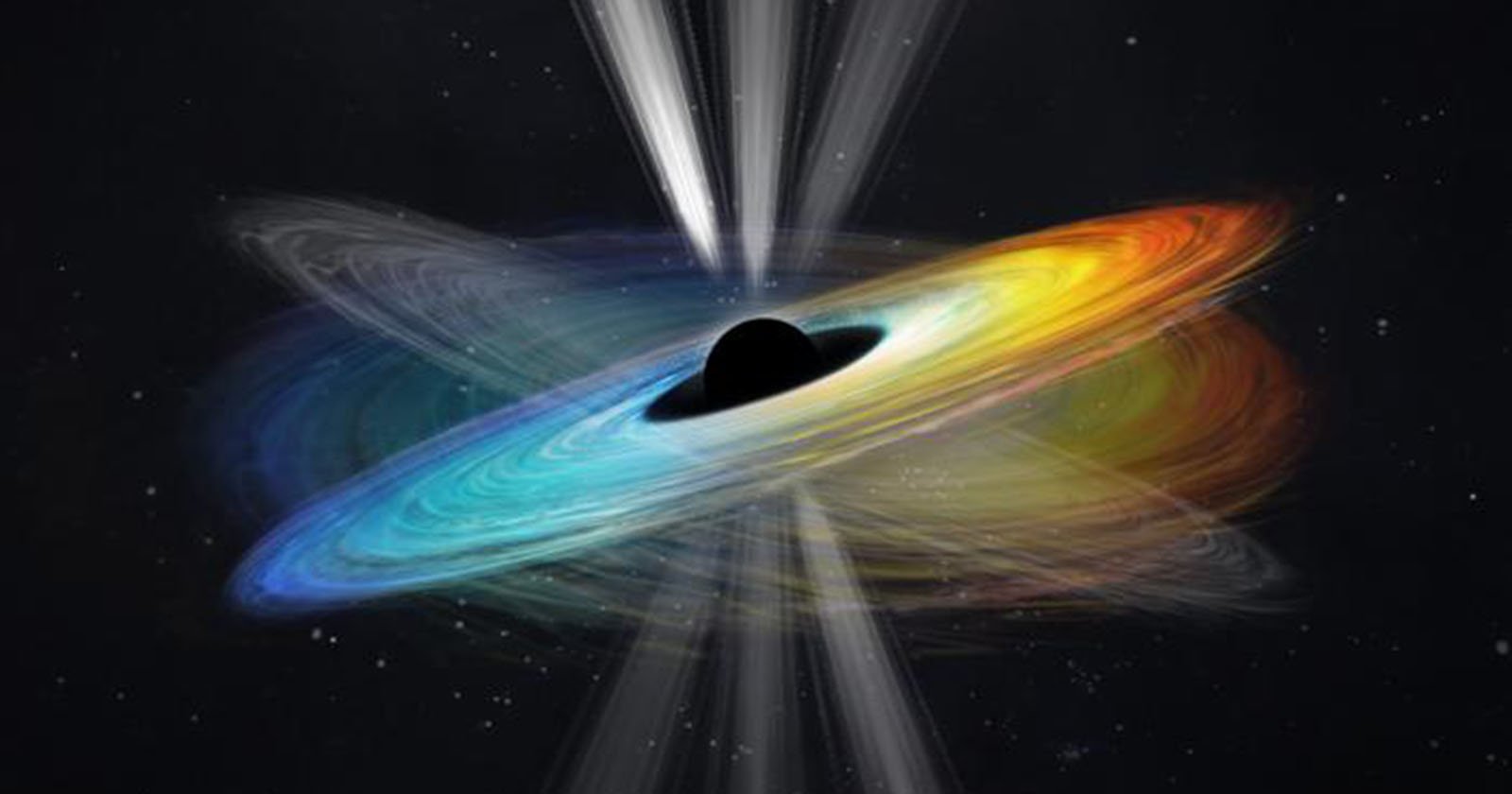
A two-decade study of the M87 galaxy's black hole, conducted by an international team using a global network of radio telescopes, has confirmed the black hole's spin, aligning with predictions from Einstein's General Theory of Relativity. The study revealed an oscillating jet with an amplitude of about 10 degrees, confirming the spin. The research team detected a recurring 11-year cycle in the precessional motion of the jet base, providing evidence that the supermassive black hole in M87 is indeed spinning. This finding enhances our understanding of supermassive black holes and their dynamics.

astronomy2 years ago

"Groundbreaking Confirmation: First Photographed Black Hole Spins, Validating Einstein's Theory"

Scientists have confirmed that the black hole at the center of the M87 galaxy, known as M87*, is spinning. Analyzing over two decades of observational data, the study links the motion of the jet base with the central supermassive black hole, providing evidence of its spin. This finding enhances our understanding of supermassive black holes and their accretion disk structures. However, there are still questions regarding the precise spin rate and the configuration of other black holes. M87* made history in 2019 as the first supermassive black hole ever photographed.

science2 years ago

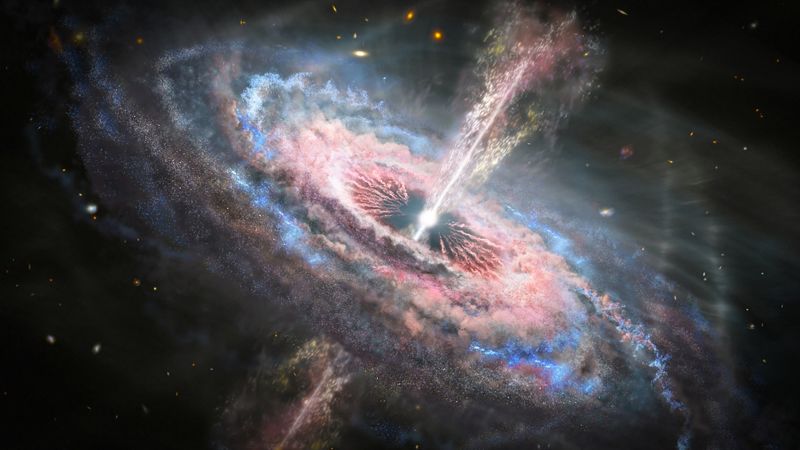
Time Dilation: Early Universe's Slow-Motion Secrets Revealed

Scientists studying the early days of the universe, when it was about 1 billion years old, have found evidence that time moved in slow motion compared to the present. This supports Albert Einstein's general theory of relativity, which suggests that the distant universe moved much more slowly in the past. By observing quasars, researchers were able to track time across the universe and see how it seemed to speed up as it aged. Understanding the early universe can help scientists unravel mysteries about its origin, evolution, and future.

science2 years ago

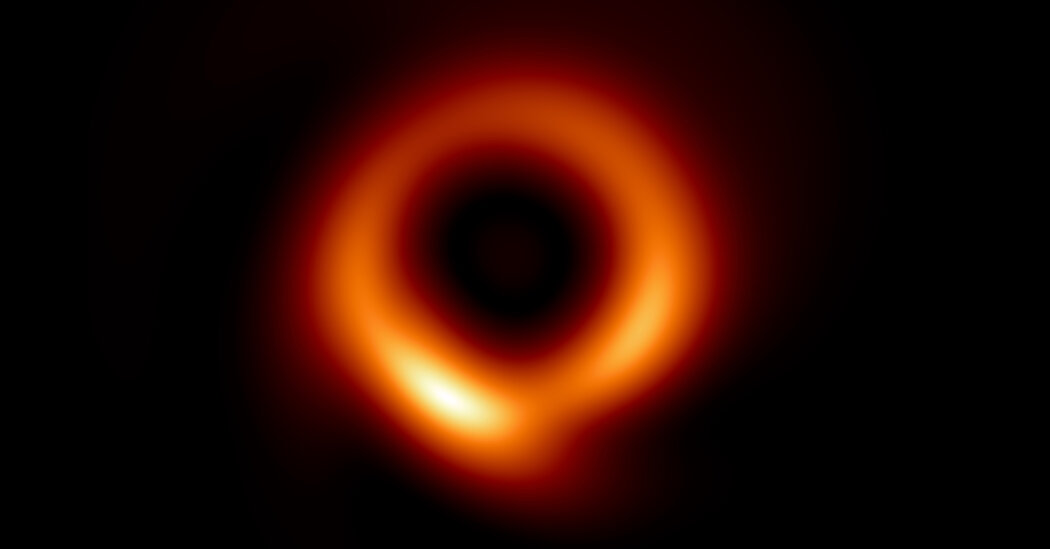
"New AI-enhanced image reveals even darker depths of famous black hole"

Astronomers have used artificial intelligence to produce an improved version of the first-ever image of a black hole captured by the Event Horizon Telescope in 2019. The new image, published in Astrophysical Journal Letters, will help sharpen constraints on how well the black hole in M87 fits with Einstein’s general theory of relativity. The team trained the neural network to recognize the black hole by feeding the A.I. simulations of all kinds of black holes consistent with Einstein’s equations. The doughnut of radiation surrounding the black hole is thinner than in the original image, and the empty spot in the center appears blacker and bigger, bolstering the idea that there really is a black hole there.