A recent study has found that Trigonelline (TG), a natural compound found in coffee and certain vegetables, has the potential to enhance spatial learning and memory in aged mice. The research suggests that TG modifies key molecular pathways and reduces neuroinflammation, indicating its potential in addressing age-related cognitive decline. This discovery highlights the importance of finding natural compounds that can promote healthy aging and counteract cognitive decline.
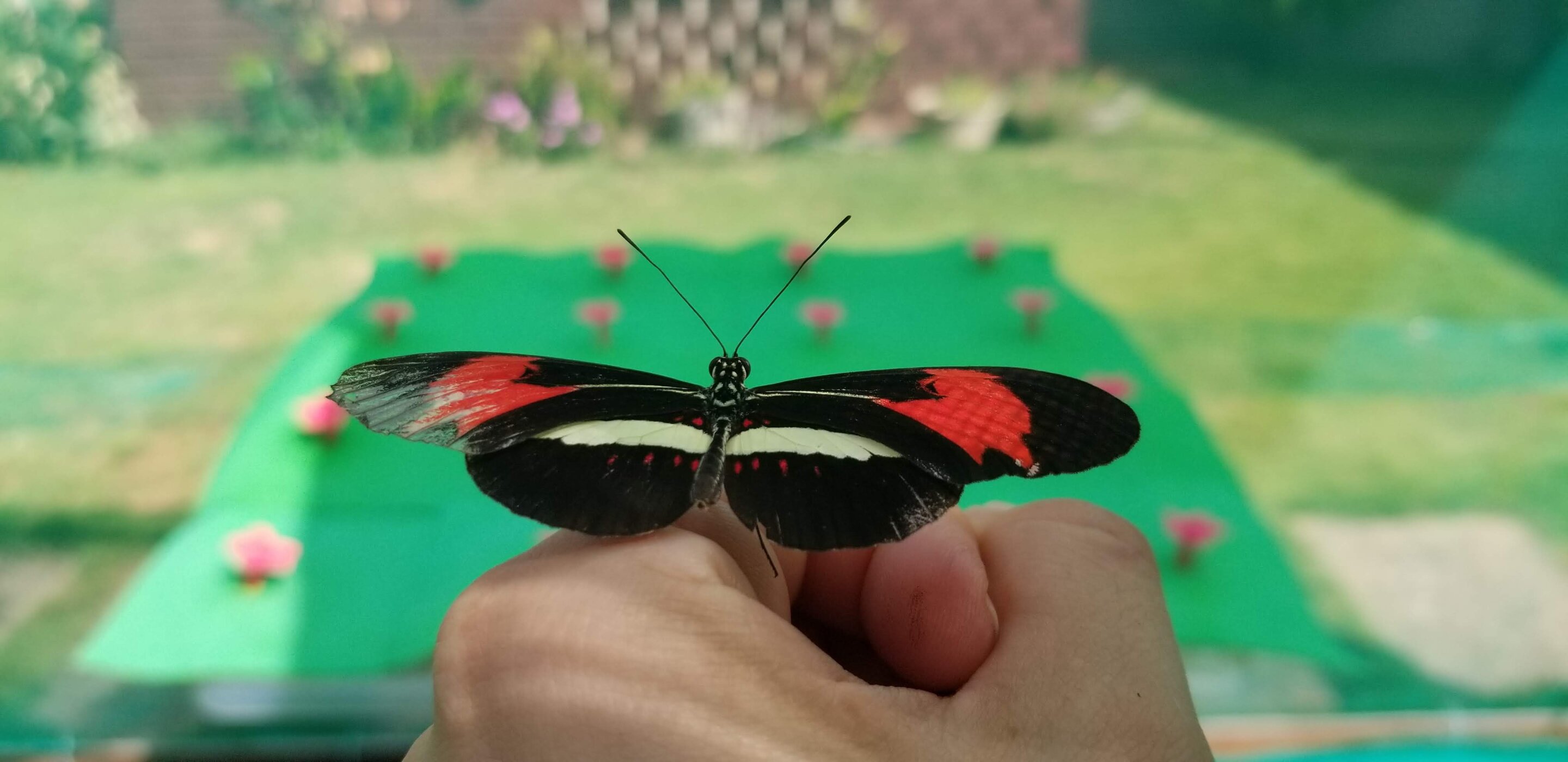
Researchers have discovered that Heliconius butterflies exhibit spatial learning, providing the first experimental evidence of such abilities in any butterfly or moth species. These butterflies can learn and memorize spatial information on large scales, which is important for their foraging behavior known as traplining. The study suggests that complex learning skills, including the use of spatial information, may be more common in insects than previously recognized. The findings highlight the possibility of widespread cognitive abilities in insects and open up avenues for further research on the mechanisms of navigation in butterflies.
A new study has found that Heliconius butterflies are capable of spatial learning, providing the first experimental evidence of this ability in any butterfly or moth species. The research suggests that complex learning skills, such as the use of spatial information, may be more common in insects than previously thought. The study conducted spatial learning experiments at different scales and plans to further investigate the cognitive abilities and navigation mechanisms of Heliconius butterflies.
Researchers built an artificial intelligence model to better understand the mechanisms underlying memory formation and consolidation in the brain during rest or sleep. The AI model emulates the replay process of neuronal sequences in the hippocampus, prioritizing familiar experiences and those associated with rewards. The AI agent was found to learn spatial information more effectively when replaying these prioritized sequences, offering valuable insight into the way our brains learn and process information.
A study has found that the key receptor regulating memory formation, α5-GABAARs, is located on interneurons rather than pyramidal neurons as previously thought. The general anesthetic etomidate and many drugs designed to enhance cognition target α5-GABAARs, making this discovery important for drug development. The study found that knocking out α5-GABAARs from interneurons impaired spatial memory and prevented etomidate from blocking memory formation, while knocking them out from pyramidal neurons did not alter memory. The authors conclude that interneuronal α5-GABAARs play a critical role in promoting spatial learning and serve as essential targets for drug modulation of contextual memory.