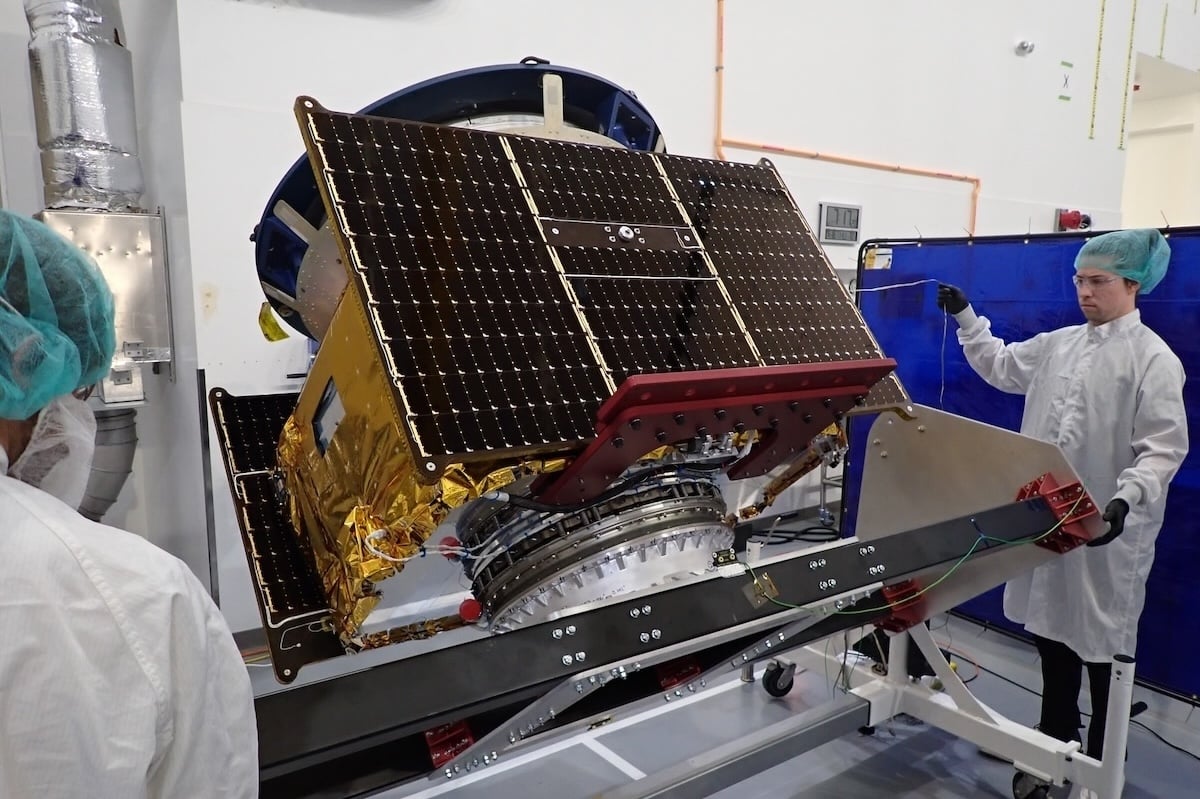
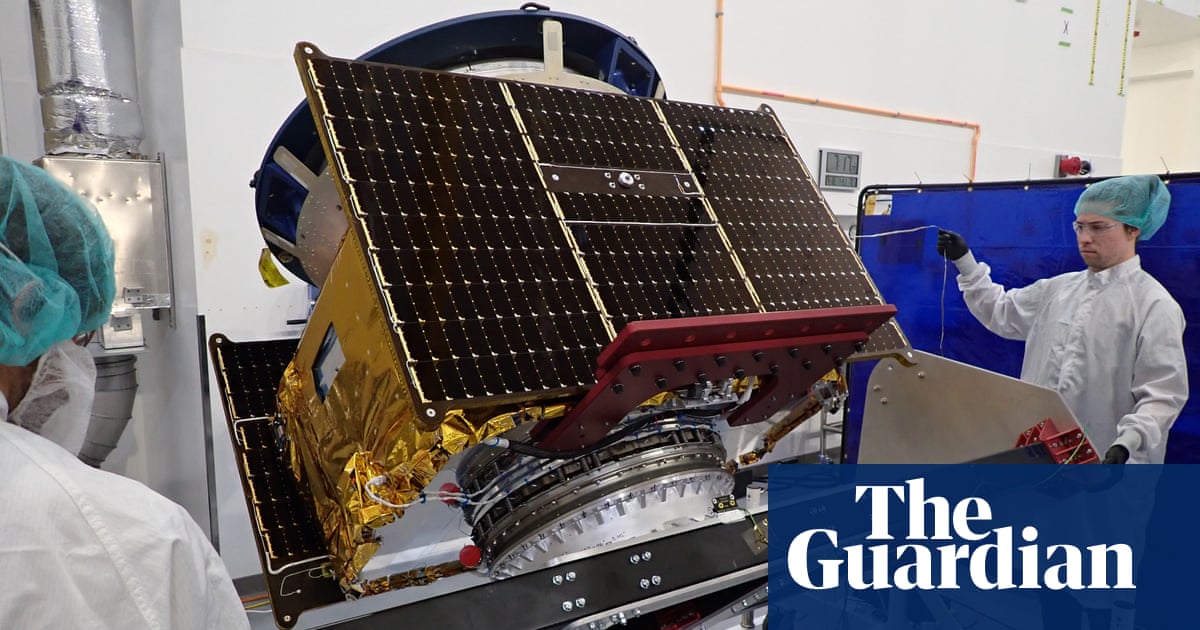
A Cardiff-based startup, Space Forge, has successfully sent a mini factory into orbit that can produce ultra-pure semiconductors in space, leveraging the vacuum and weightlessness to create higher quality materials than possible on Earth. The company plans to develop larger factories and test re-entry technology, opening new possibilities for manufacturing in space that could benefit electronics and other industries on Earth.
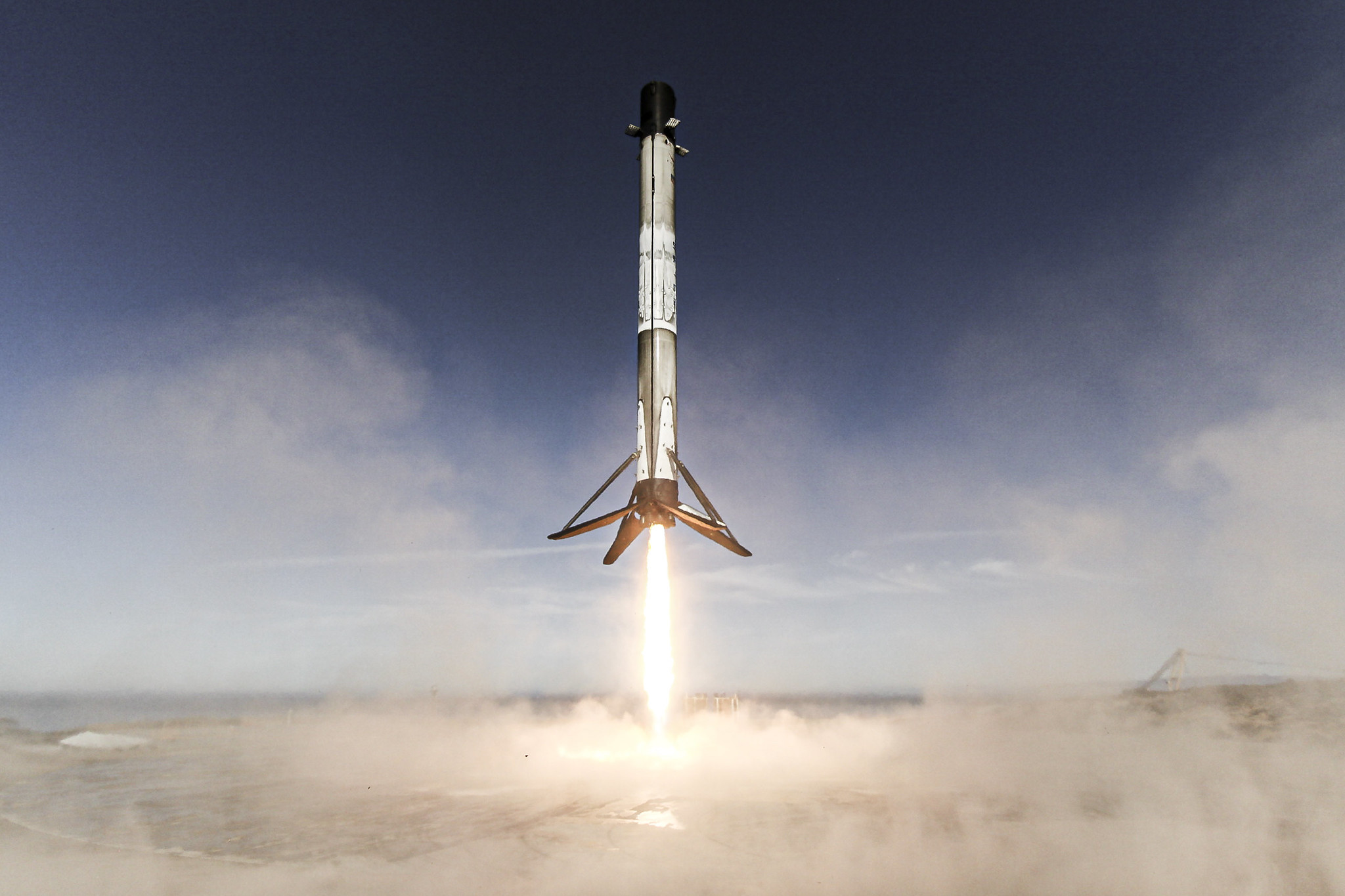
Besxar, a startup focused on space-based semiconductor production, plans to launch 12 Falcon 9 missions to test 'Fabship' payloads attached to boosters, aiming to produce semiconductors in the vacuum of space and improve manufacturing processes while reusing hardware for rapid iteration.
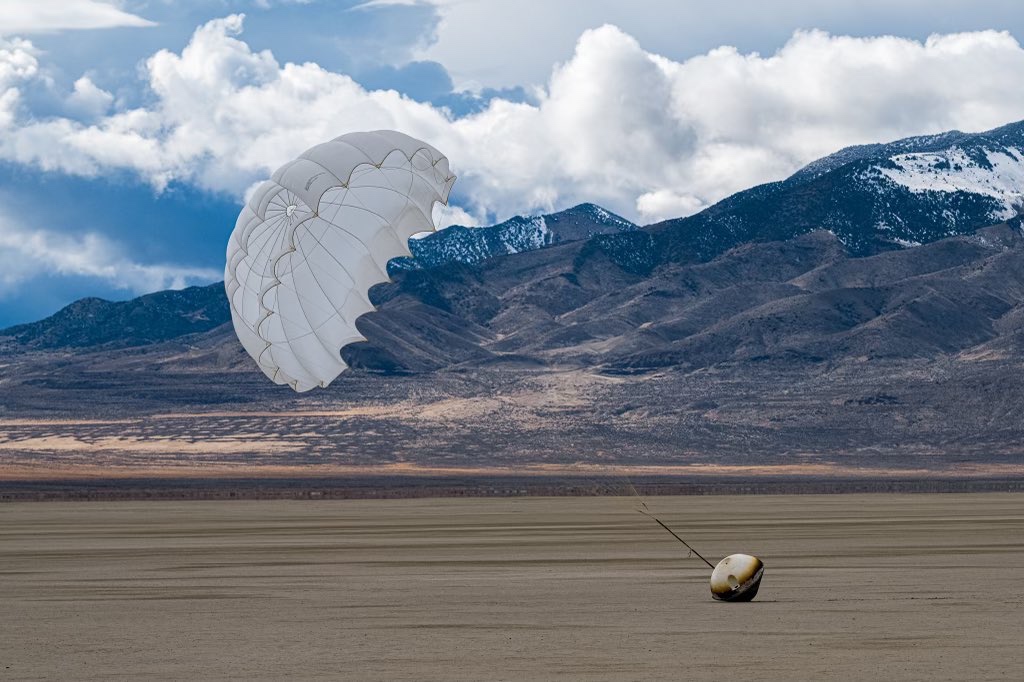
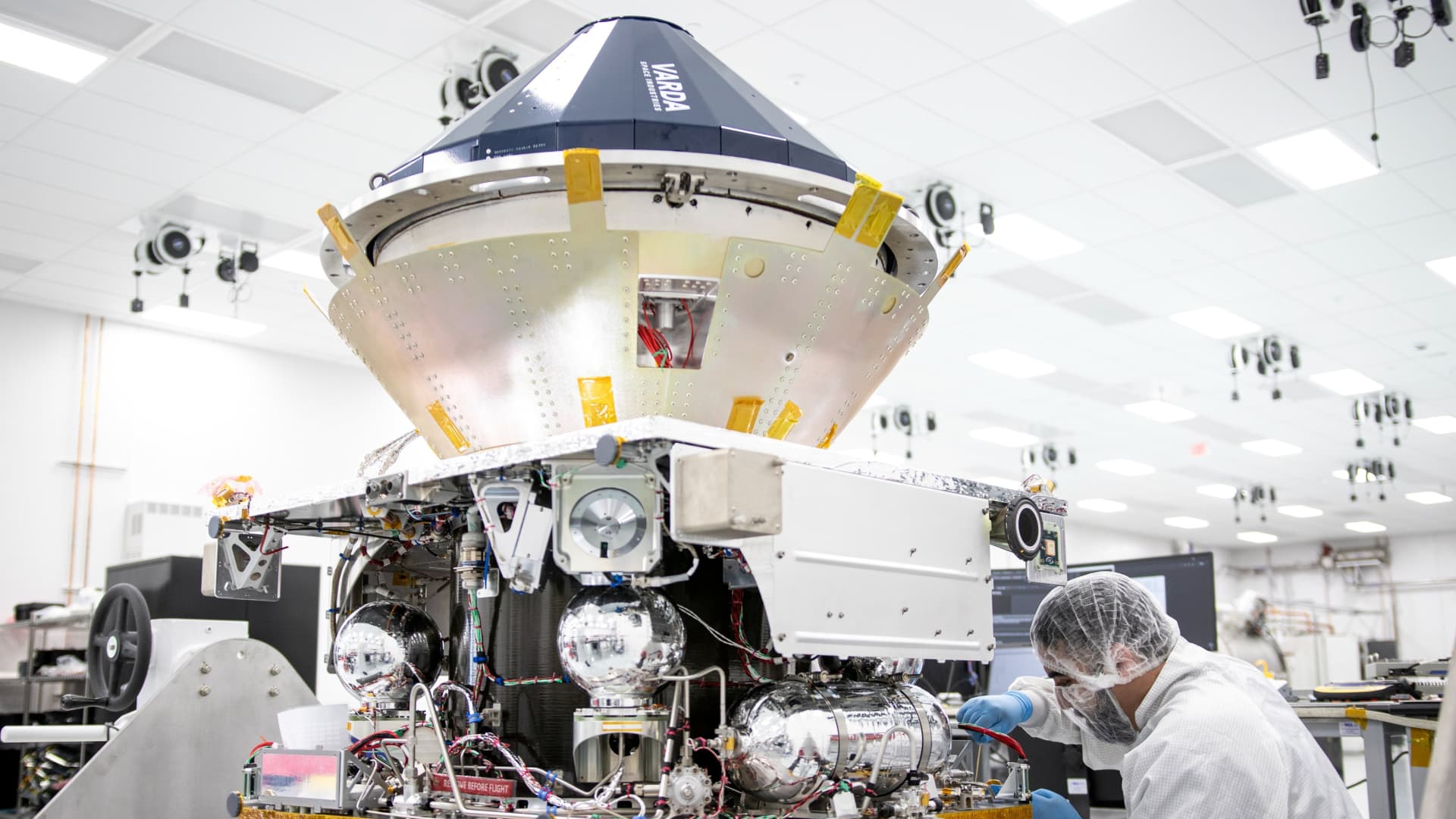
Varda Space Industries has raised $90 million in a Series B round to scale up production of systems for manufacturing pharmaceuticals in orbit and returning them to Earth. The funding follows the successful conclusion of its first demonstration mission, W-1, which landed a capsule in Utah on Feb. 21, showcasing the ability to produce pharmaceuticals in microgravity. The company plans to use the funding to increase its flight rate and serve commercial biopharmaceutical customers, with a next mission scheduled to launch this summer using its own capsule and a spacecraft bus built by Rocket Lab.
Varda Space Industries successfully demonstrated the potential for automated pharmaceutical drug manufacturing in space with the recent landing of a space capsule carrying a small batch of Ritonavir, an antiviral drug. Microgravity conditions in space have been found to improve the crystallization process, potentially leading to the creation of more effective medicines. While the economic challenges of manufacturing in space remain, Varda plans to make their spacecraft more versatile and reusable, paving the way for new applications of microgravity in drug development and other life sciences.
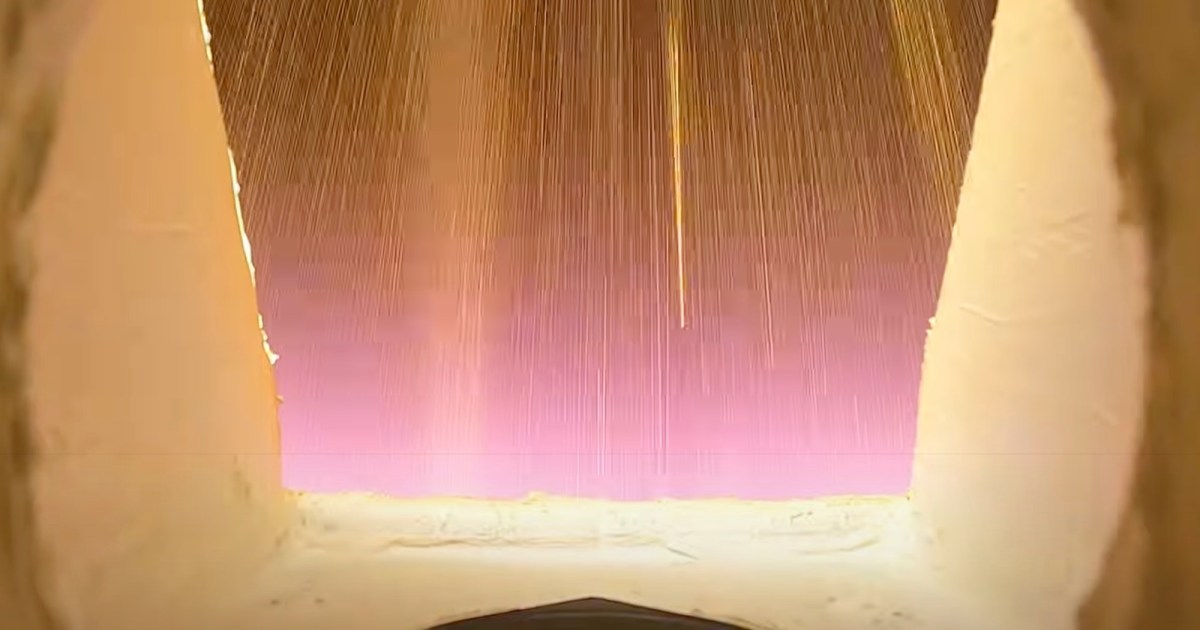
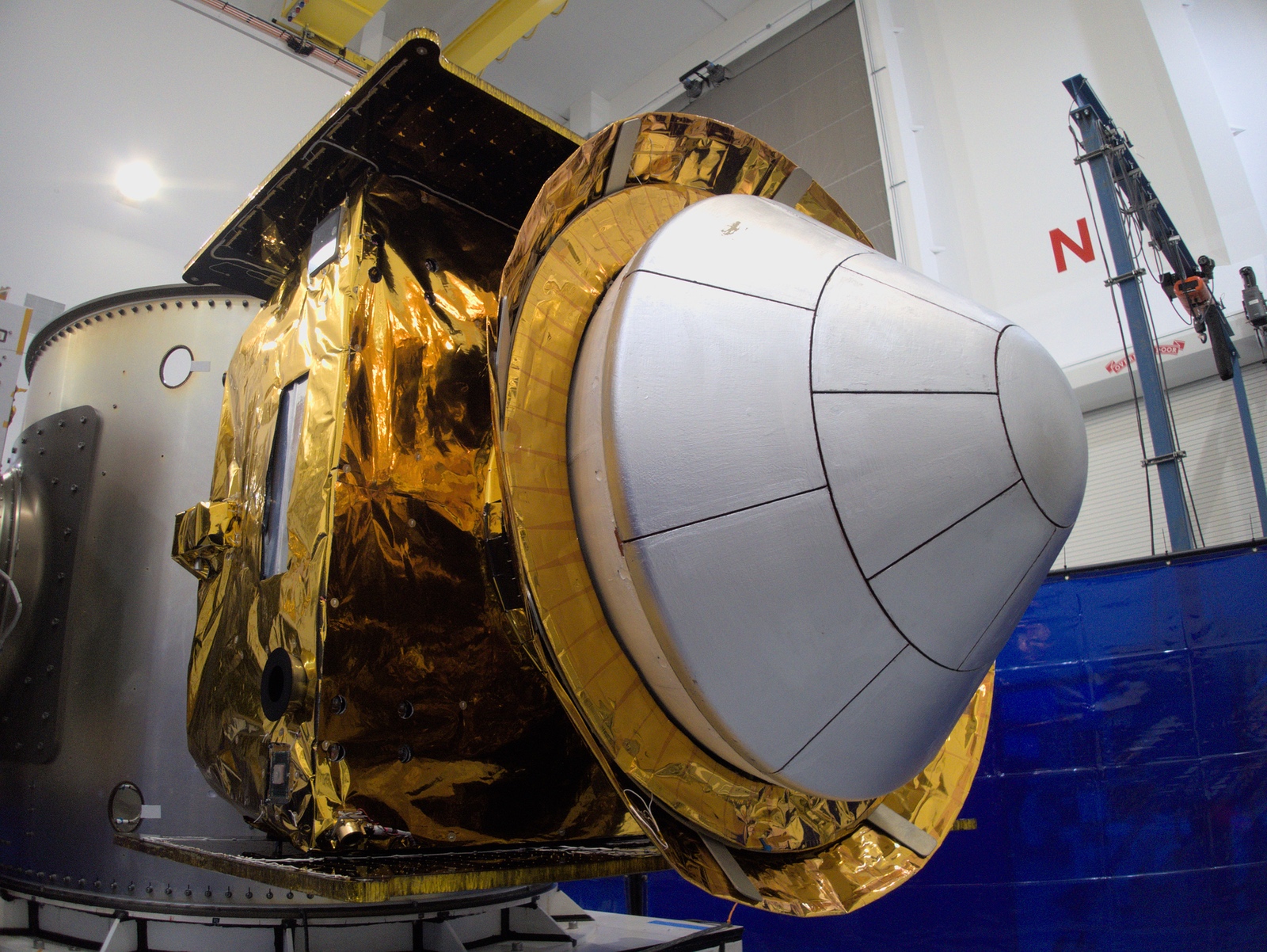
Varda Space Industries releases stunning footage of its W-1 capsule hurtling toward Earth at speeds of greater than Mach 25, showcasing the forces of Earth’s atmosphere and the spacecraft's special heat shield. The uncrewed capsule, which landed at the Utah Test and Training Range, carried crystals of an antiviral drug cultivated in space as part of Varda's efforts to become a leader in off-Earth manufacturing. The company highlights the unique benefits of processing materials in microgravity. NASA also successfully brought back a capsule containing samples gathered from an asteroid, marking a first for the space agency.
NASA has selected the American Center for Manufacturing and Innovation (ACMI) as the second approved facility at the Exploration Park in Houston's Johnson Space Center, leasing underutilized land for the development of facilities to enable commercial and defense space manufacturing. The agreement aims to increase commercial access and enhance the United States’ commercial competitiveness in the space and aerospace industries, fostering a collaborative environment for academia, industry, and government stakeholders. This initiative aligns with NASA's goals for a robust space economy and human exploration, leveraging the unique capabilities of Johnson Space Center to support the commercialization of space and address the challenges of future space missions.
Varda Space Industries' W-1 mission capsule, carrying antiviral drugs grown in microgravity, has returned to Earth from Low Earth Orbit. The company aims to develop pharmaceuticals and other products in space and return them to Earth via their proprietary reentry capsules, taking advantage of the declining cost of sending payloads to space. The drugs will undergo post-mission analysis, and the company is preparing for its second launch this summer, continuing its efforts in space manufacturing and microgravity research.
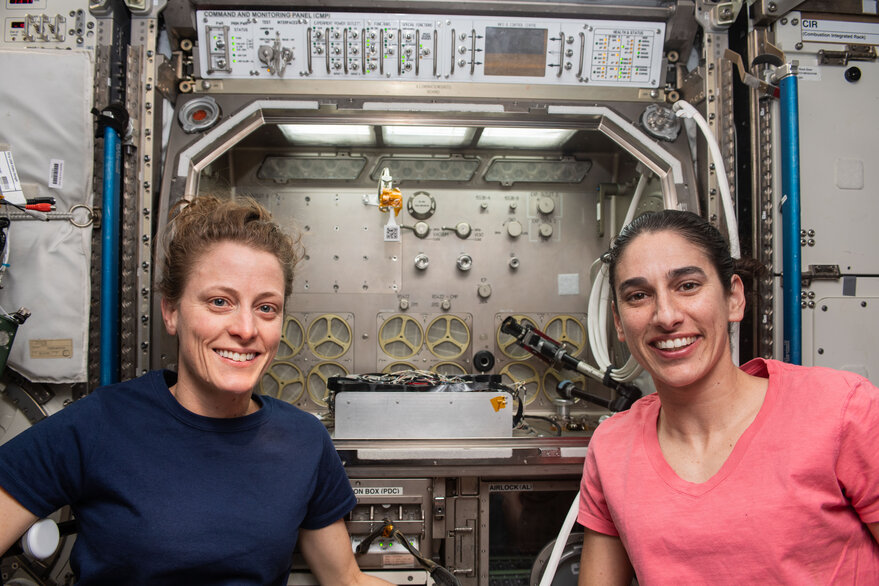
Flawless Photonics has successfully produced over 5 kilometers of ZBLAN optical fiber on the International Space Station, a feat that has eluded other companies attempting to manufacture fluoride glass in microgravity. This achievement has significant implications for energy savings and national security, as ZBLAN's improved transparency could revolutionize undersea communications cables. The European Space Agency and Luxembourg Space Agency funded Flawless Photonics' machine for drawing optical fiber in space, and NASA plans to study the quality and composition of the fibers upon their return to Earth in April. The company's next step is to manufacture preforms in space, leveraging microgravity to continue improving their products.
Varda, a space startup, has received FAA approval to bring back its first spacecraft, which has been stuck in orbit for 8 months after manufacturing drugs in space. The W-1 capsule will attempt to land in Utah on Feb. 21 as a demonstration of Varda's automated in-space manufacturing process, aiming to launch and return space-made products more quickly, such as fiber optic cables and pharmaceuticals, using Rocket Lab's Photon spacecraft as the backbone of its operation.
Startups and big tech companies are exploring the possibilities of manufacturing in space, taking advantage of zero-gravity conditions to produce high-quality products such as computer parts, stem cells, and pharmaceuticals. NASA has granted funding for research into stem cell and gene therapies in zero-gravity, while companies like Merck and Bristol Myers Squibb are testing the production of drugs in space. Advocates argue that space offers ideal conditions for certain industrial processes due to the lack of gravity, low temperatures, and near-perfect vacuum. The goal is to develop an off-Earth manufacturing economy, but challenges remain, as demonstrated by the recent denial of a re-entry license for a space drugs factory. However, with the decommissioning of the International Space Station in 2031 and the rise of privately owned shuttles, the opportunities for off-planet factories are expected to increase.
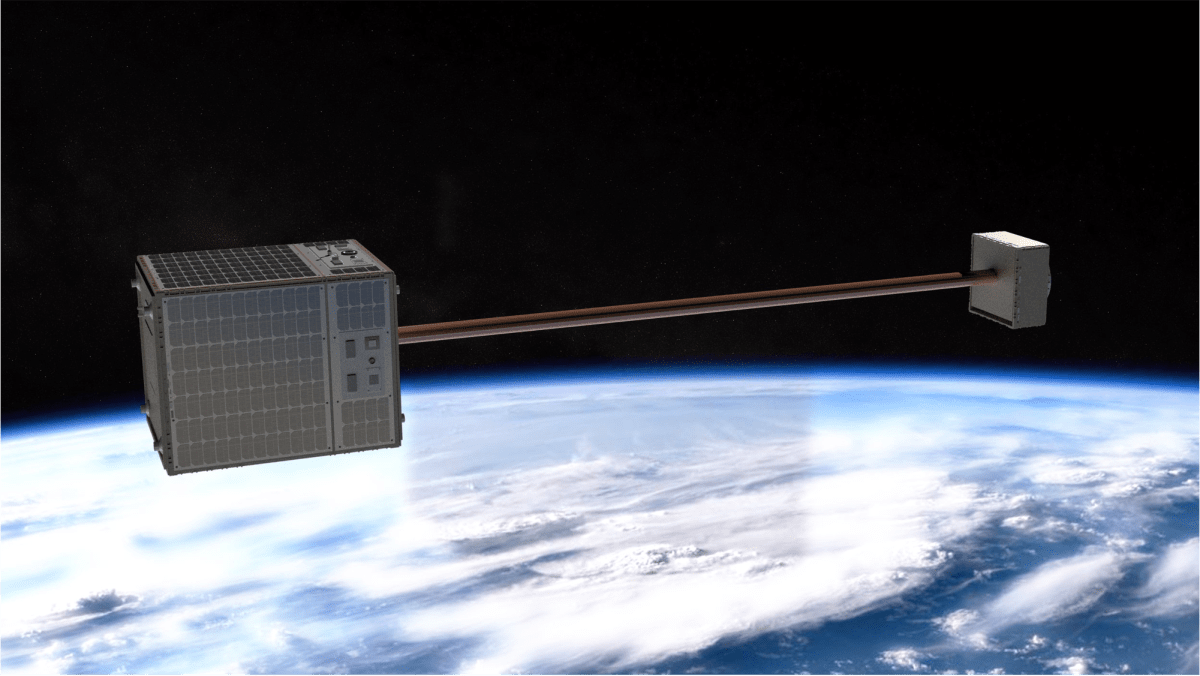
gravityLab, a Seattle-based startup, is developing a spinning spacecraft that can generate programmable gravity to study the effects of different levels of gravity on the human body, plants, organisms, and manufacturing processes. The company aims to understand the impact of gravity on long-term space presence and hopes to enable the production of items that cannot be made on Earth or in microgravity. gravityLab's first spacecraft will be compact but with enough space for experiments, and the retractable boom will simulate lunar gravity. The startup plans to demonstrate its technology in late 2024 or early 2025 and sees potential for future applications in commercial space stations.
Varda Space Industries is awaiting an FAA license to bring back its W-Series 1 spacecraft, which was launched to test space manufacturing technologies. The company aims to return a capsule containing pharmaceutical experiments conducted in microgravity. Varda is the first to seek a reentry license under new FAA regulations, and the process has taken longer than expected. The company is working with government partners to resolve the issues and hopes to set the standard for future reentry licenses. The capsule's return date is uncertain but is expected in early to mid-August.
California-based startup Varda Space Industries has launched its first test mission aboard a SpaceX rocket, with a 200-pound capsule designed to carry drug research into microgravity. The company hopes to scale its business rapidly, sending regular flights of satellites into orbit stuffed with experiments on behalf of pharmaceutical companies. The goal is to create key components of pharmaceuticals while in microgravity, which could lead to better, more effective drugs.
Ezinne Uzo-Okoro, assistant director of space policy in the White House’s Office of Science and Technology Policy, is responding to the rising demand among commercial, scientific, and security organizations for satellites that can be customized or manufactured quickly and cost-effectively. Setting up orbital factories could dramatically reduce development time and cost for satellites with the ability to sense and monitor natural or human-made disasters. Uzo-Okoro is the first Black woman to earn a doctorate in aeronautics and astronautics from MIT and is the first woman to run civilian space policy for the White House.