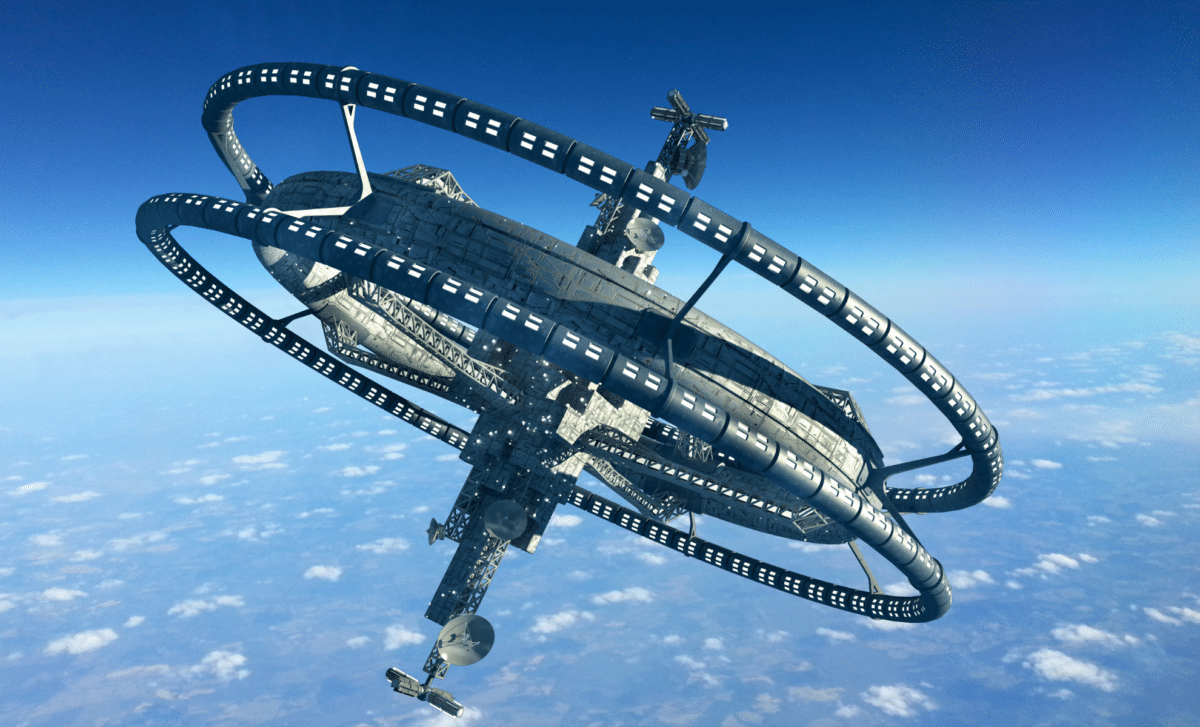
Russia's Energia has patented a space station design that could generate artificial gravity through rotation, potentially improving astronaut health during long missions by mimicking Earth's gravity and addressing microgravity-related health issues, though technical and logistical challenges remain.
Russia's Energia has patented a space station design capable of generating artificial gravity through rotation, potentially benefiting long-term crewed missions by mitigating microgravity effects, although no timeline or resources are specified for development.
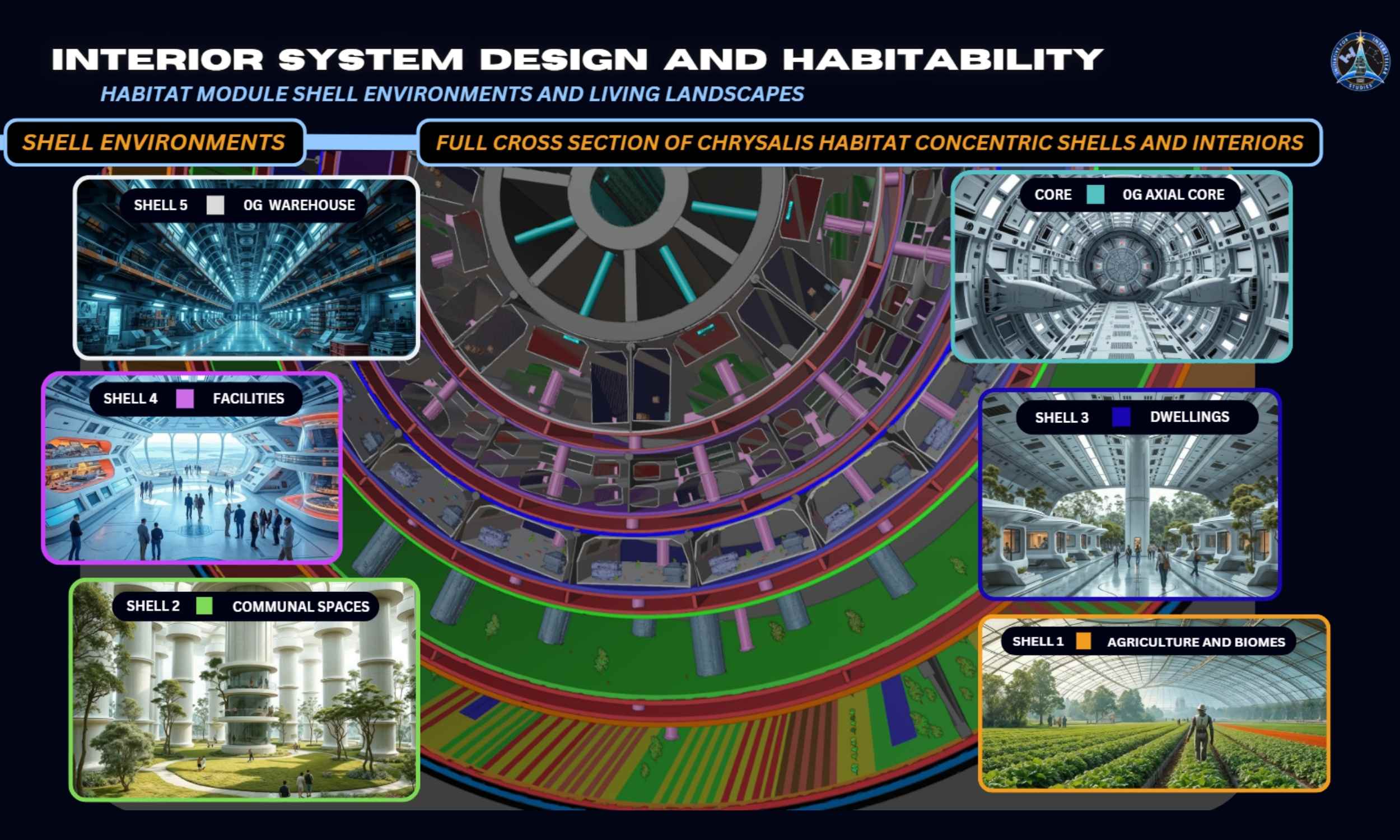
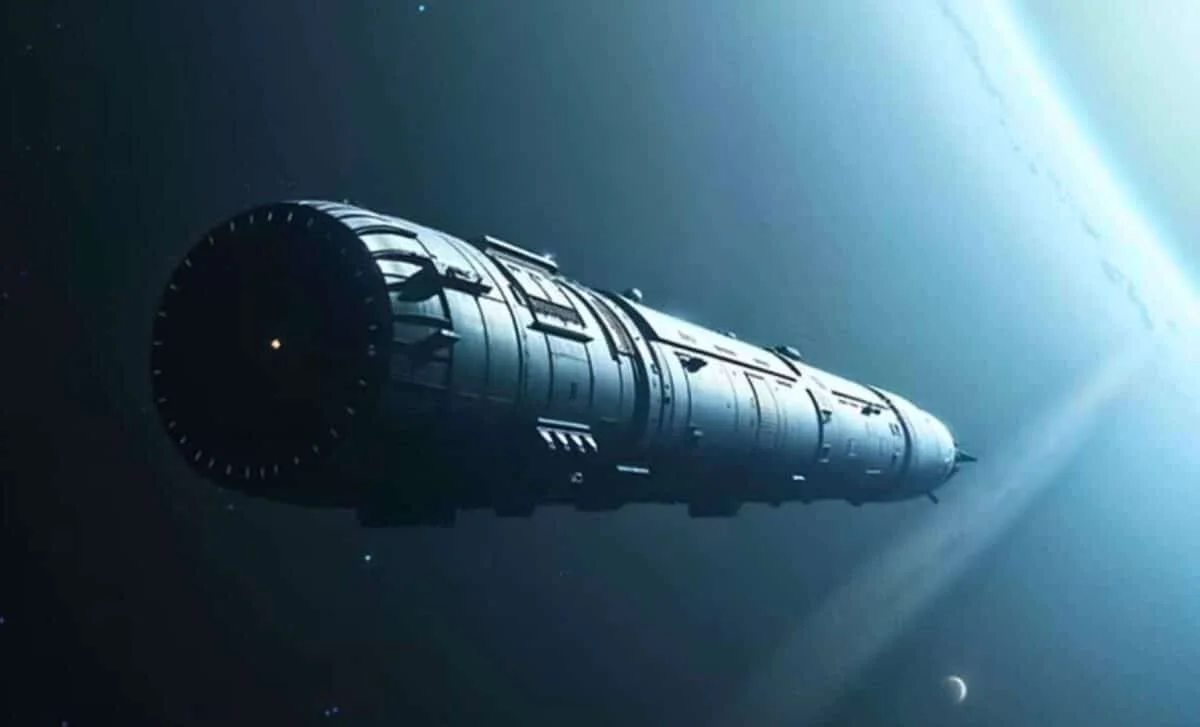
The Chrysalis concept proposes a 36-mile rotating habitat for a one-way, 400-year journey to Alpha Centauri, designed to sustain a self-sufficient society with layered habitats, artificial gravity, and onboard manufacturing, aiming to enable humanity's first multi-generational interstellar voyage.
The concept of antigravity, popular in science fiction, is not feasible under current physical laws, as it would require negative energy, which doesn't exist in our universe. General relativity shows that gravity is a result of spacetime curvature caused by mass and energy, and all known entities have positive energy. While antigravity remains impossible, artificial gravity can be achieved through constant acceleration, such as in a rotating spacecraft, to simulate Earth's gravity for long space journeys. Addressing the health issues from prolonged zero-gravity exposure should be prioritized for future space travel.
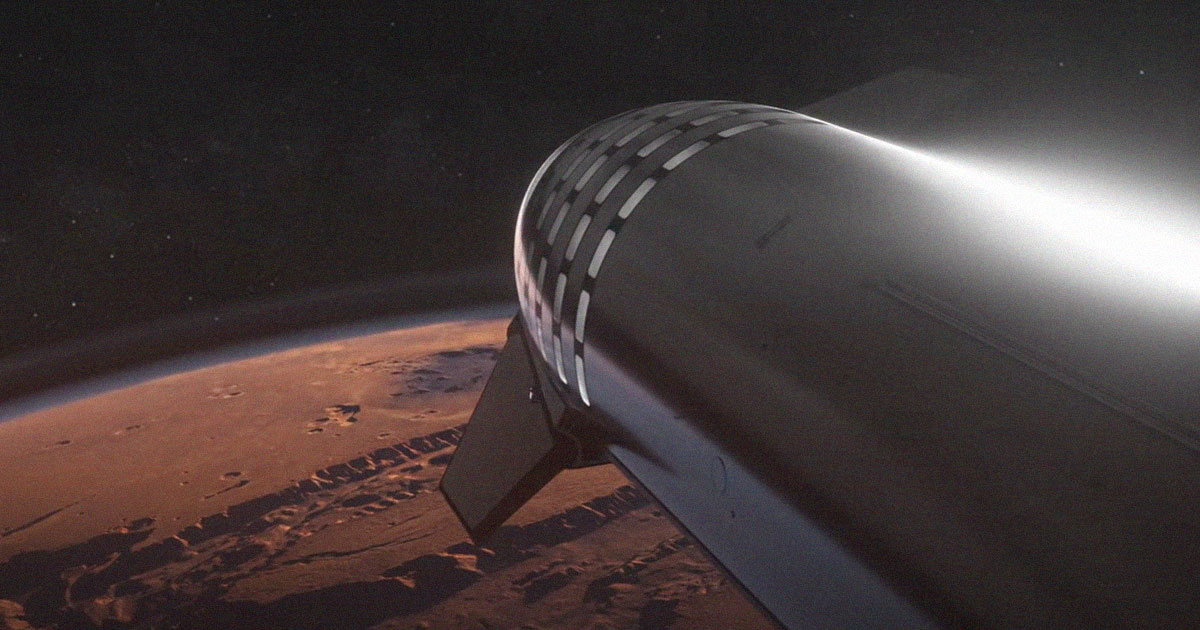
SpaceX CEO Elon Musk envisions using artificial gravity on the Starship spacecraft during its journey to Mars, potentially by spinning the spacecraft. This concept aims to mitigate the health risks associated with prolonged exposure to microgravity, such as bone density loss and vision changes. However, challenges such as spacecraft size, motion sickness, and energy capture need to be addressed. Other companies are also exploring artificial gravity for space missions. While Musk's predictions should be taken with caution, the idea of artificial gravity may be crucial for long-duration space travel.
Researchers from Harvard Medical School and the University of Rhode Island conducted a study on mice to simulate the effects of artificial gravity on the International Space Station (ISS). The study showed that exposure to artificial gravity through a centrifuge can mitigate the negative effects of zero gravity on bone density and muscle mass. This research could have implications for deep space exploration and the health of astronauts on long-duration missions.
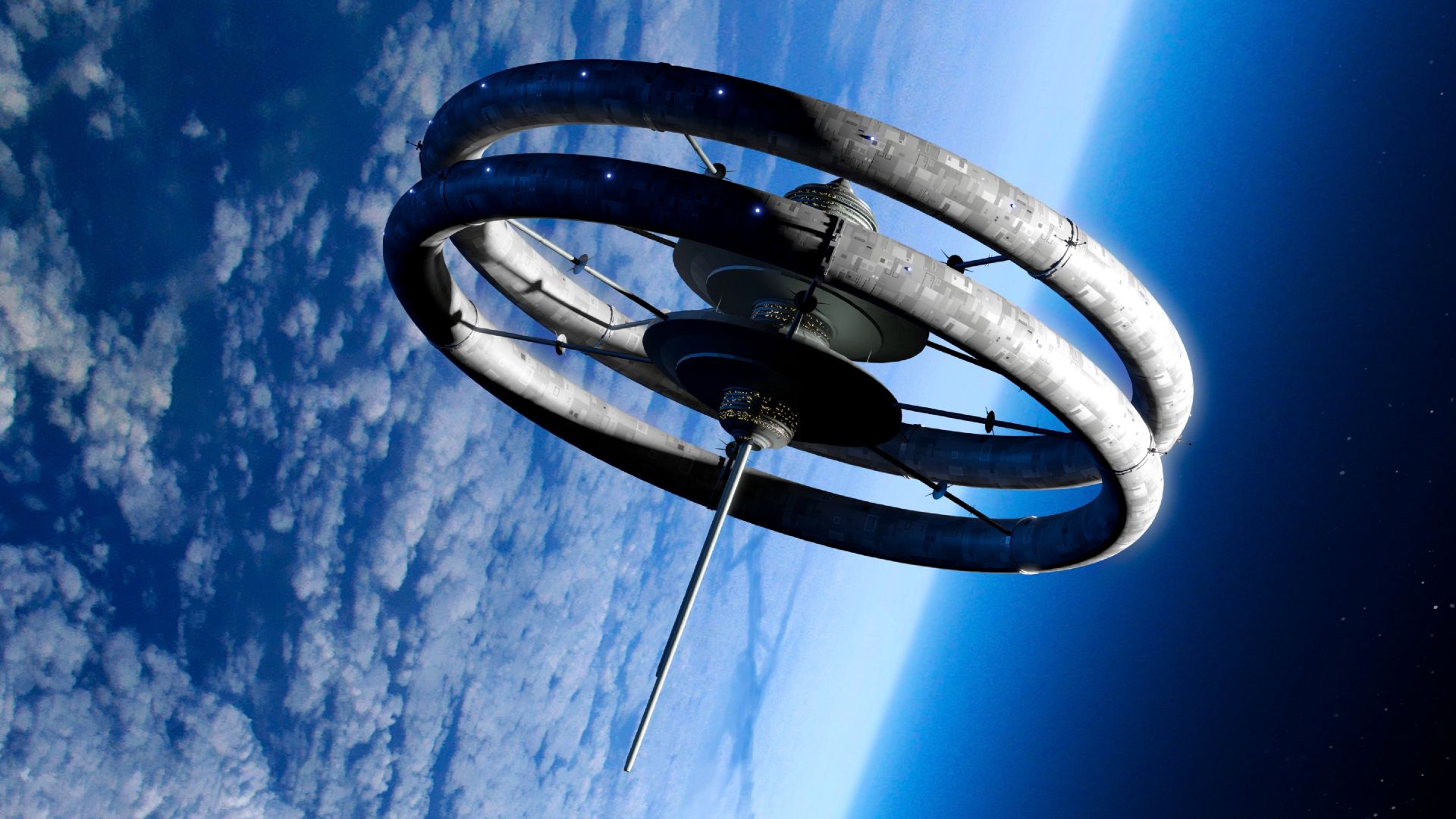
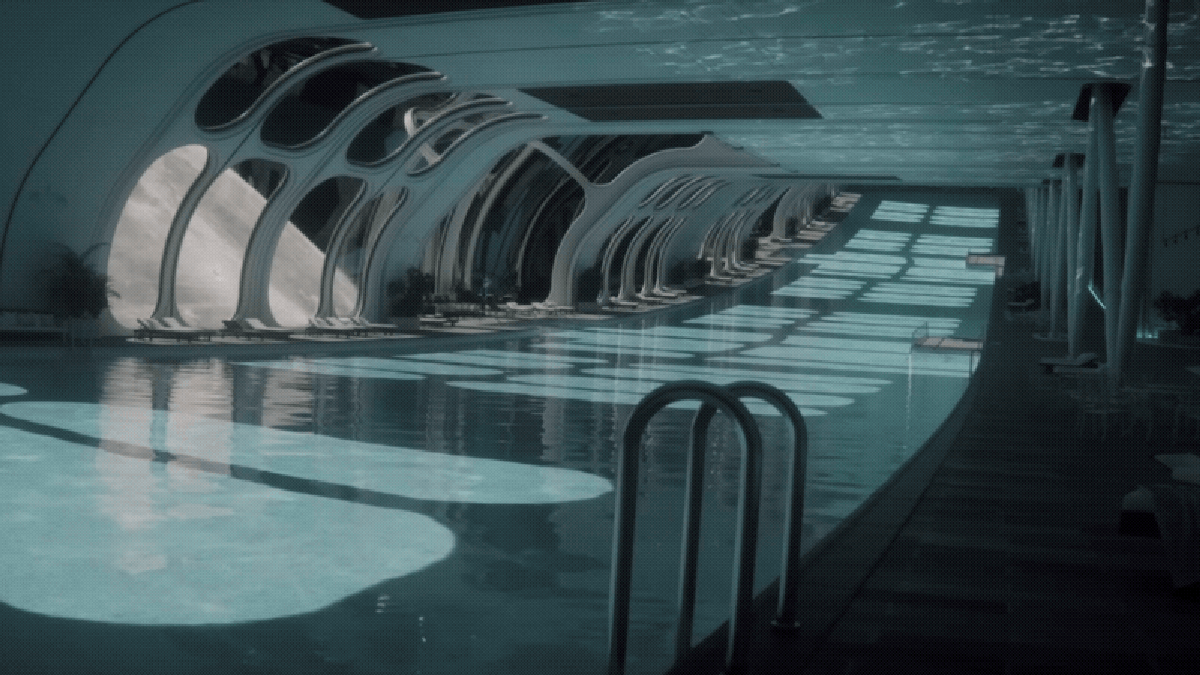
Erik Wernquist, the creator of Crazy Frog, has released a new short film titled "ONE REVOLUTION PER MINUTE," which showcases humanity's future in space. The film takes viewers aboard the SSPO Esperanta, a luxurious rotating space station that visits various celestial bodies in our solar system. Wernquist explores the concept of artificial gravity in space and creates a leisure-like environment with stunning visuals and natural lighting. The film concludes with the Esperanta embarking on an adventure beyond our solar system. Wernquist's portfolio includes other captivating sci-fi films and music videos.
Erik Wernquist's short film, "One Revolution Per Minute," explores the concept of artificial gravity in space through a large, rotating space station. While the idea is intriguing, the constantly spinning views and moving light and shadows could be nauseating and uncomfortable for human passengers. Despite the possibility of building such a structure, its practicality for long-term human habitation remains questionable.
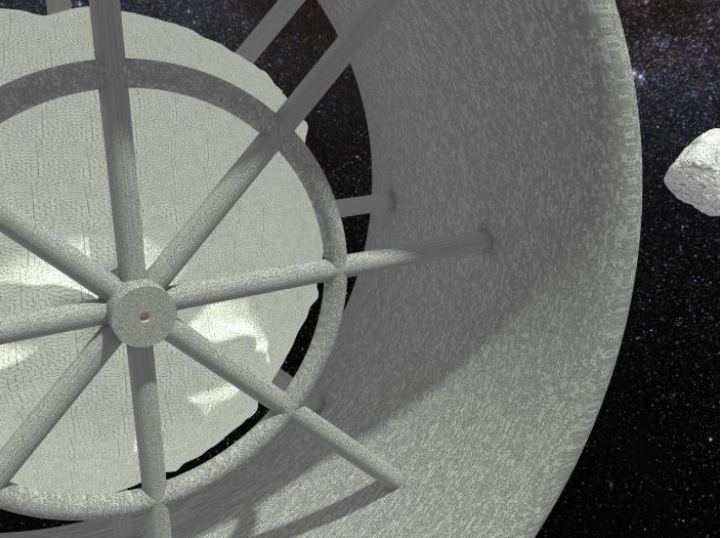
A retired Technical Fellow at Rockwell Collins, David W. Jensen, has released a detailed plan in a 65-page paper on how to turn an asteroid into a rotating space habitat. The paper covers asteroid selection, habitat style selection, and mission strategy. Jensen suggests using the Atira asteroid, which is stable in the "Goldilocks zone" of our solar system, and recommends a torus-shaped habitat for artificial gravity. He proposes using self-replicating spider robots and materials from the asteroid itself for construction. The estimated cost of the project is $4.1 billion, and the timeline for completion is estimated at 12 years.
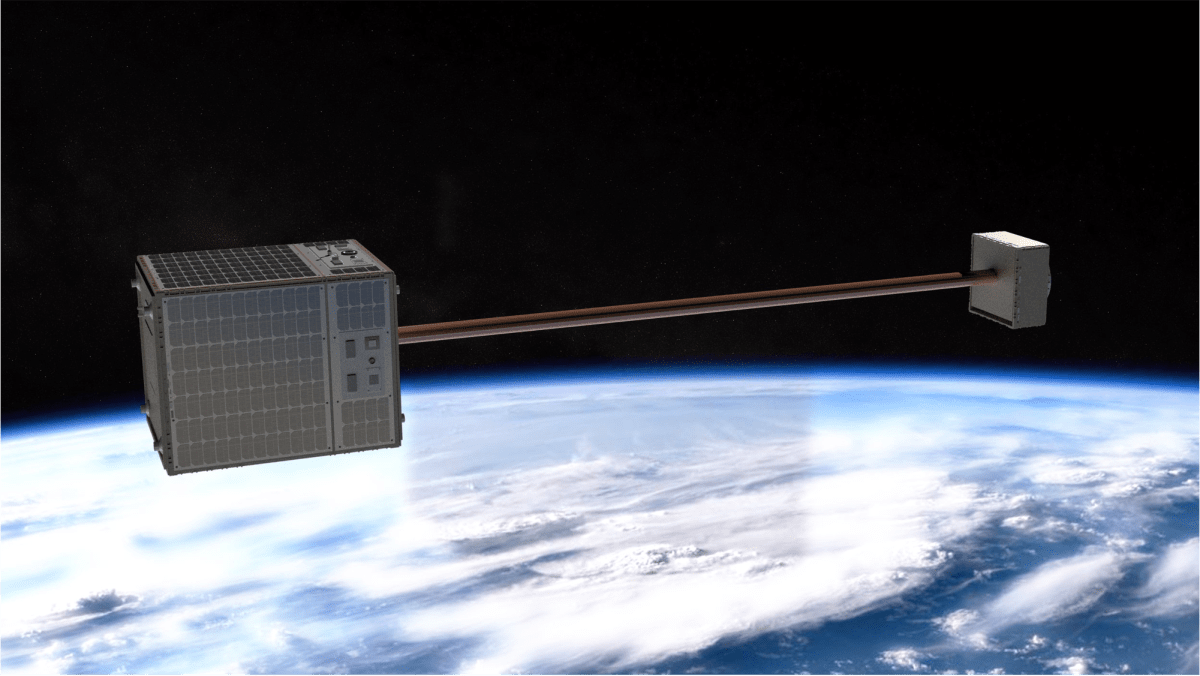
gravityLab, a Seattle-based startup, is developing a spinning spacecraft that can generate programmable gravity to study the effects of different levels of gravity on the human body, plants, organisms, and manufacturing processes. The company aims to understand the impact of gravity on long-term space presence and hopes to enable the production of items that cannot be made on Earth or in microgravity. gravityLab's first spacecraft will be compact but with enough space for experiments, and the retractable boom will simulate lunar gravity. The startup plans to demonstrate its technology in late 2024 or early 2025 and sees potential for future applications in commercial space stations.
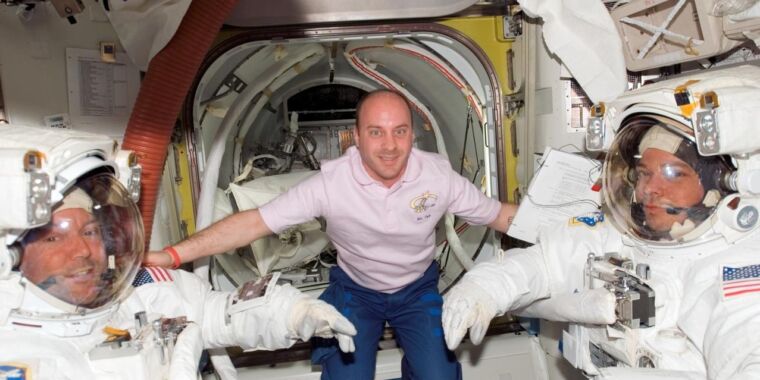
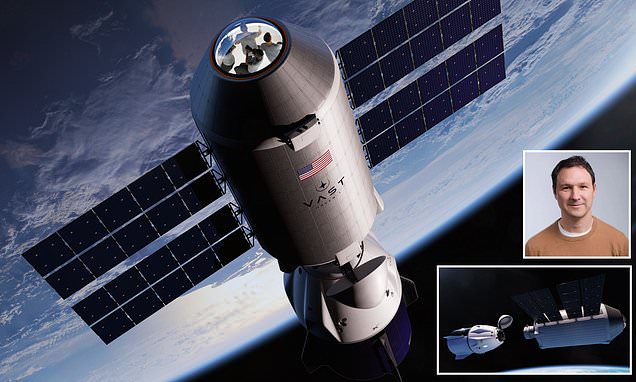
Former astronaut Garrett Reisman emphasizes the importance of studying artificial gravity in space. Reisman, who experienced the toll of microgravity on his body during his time on the International Space Station, believes that even a small application of gravity could help solve health problems faced by astronauts, such as bone loss, muscle atrophy, and vision impairment. He joined Vast Space, a company planning to launch space stations with artificial gravity, to further explore the effects of gravity on long-term human spaceflight. Reisman highlights the need for data between zero gravity and Earth's gravity, as current knowledge is limited in this regard.
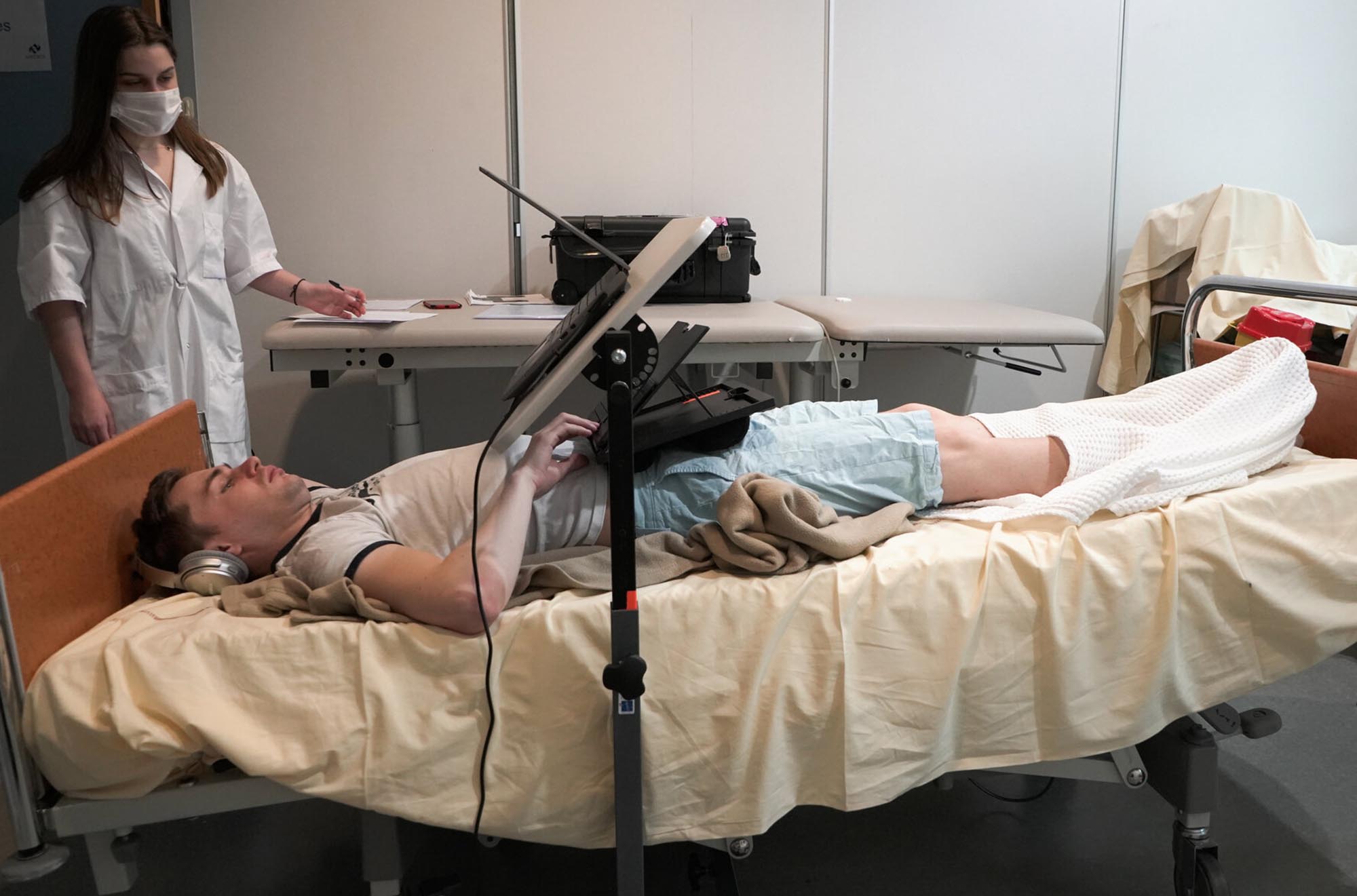
The European Space Agency has recruited 12 volunteers to spend 60 days lying on their backs tilted 6° below the horizontal with their feet up, to mimic the effects of space on the human body. The participants will also cycle while lying down to keep their blood flowing, and some will try cycling while spinning around in a centrifuge to create artificial gravity. The experiment aims to determine if certain exercises can help counteract the negative effects of weightlessness and could become an effective solution for a healthier body during long-duration space missions.
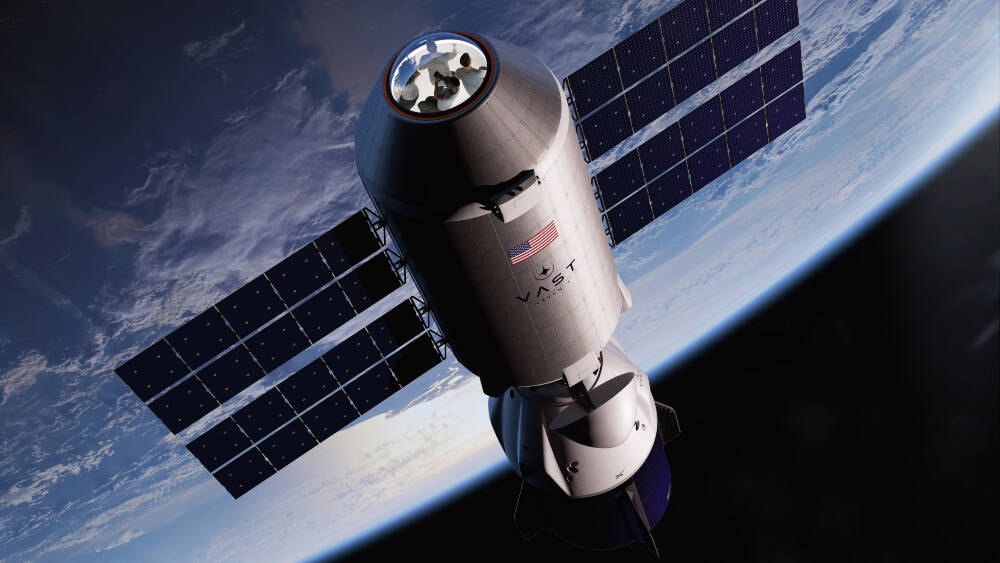
Crypto tycoon Jed McCaleb, CEO of Vast, is teaming up with Elon Musk's SpaceX to launch the first-ever commercial space station, Haven-1, in 2025. The bus-sized orbital outpost will be home to a four-member crew in 2026, which could include astronauts and private individuals. Vast will also conduct the world's first spinning artificial gravity experiment on a commercial space station. The inaugural 30-day mission will be in 2026, but the cost per seat has not been revealed. Space tourism will soon be a part of our lives as billionaires spend their money to send the average person into orbit.
Aerospace startup Vast plans to launch the world's first commercial space station, Haven-1, atop a SpaceX Falcon 9 rocket in 2025 at the earliest. The company, founded by cryptocurrency billionaire Jed McCaleb, aims to eventually launch and operate 2001-A-Space-Odyssey-style spinning space stations holding hundreds of people by the 2040s. Vast has started selling tickets for its first crewed mission and wants its customers to come from domestic or international space agencies or wealthy individuals involved in science and philanthropy. Visitors will stay for up to 30 days and receive training to execute emergency procedures inside SpaceX's rocket, the Haven capsule, and be provided with a spacesuit and rations for the trip.
Vast, a private space station company, plans to launch its first commercial space station, Haven-1, in low-Earth orbit in August 2025. The space station will be launched on a Falcon 9 rocket and four commercial astronauts will travel to the facility on board SpaceX's Crew Dragon vehicle. Vast has credibility due to its funding and technical advisers who had long careers at SpaceX. The company plans to develop the world's first space station with artificial gravity and has a roadmap of its plans all the way out to the 2040s.