Boeing has returned to cash-positive status for the first time since 2023 driven by increased aircraft deliveries, but it faces significant challenges including a massive charge related to delays in the 777X program and ongoing regulatory and labor issues.
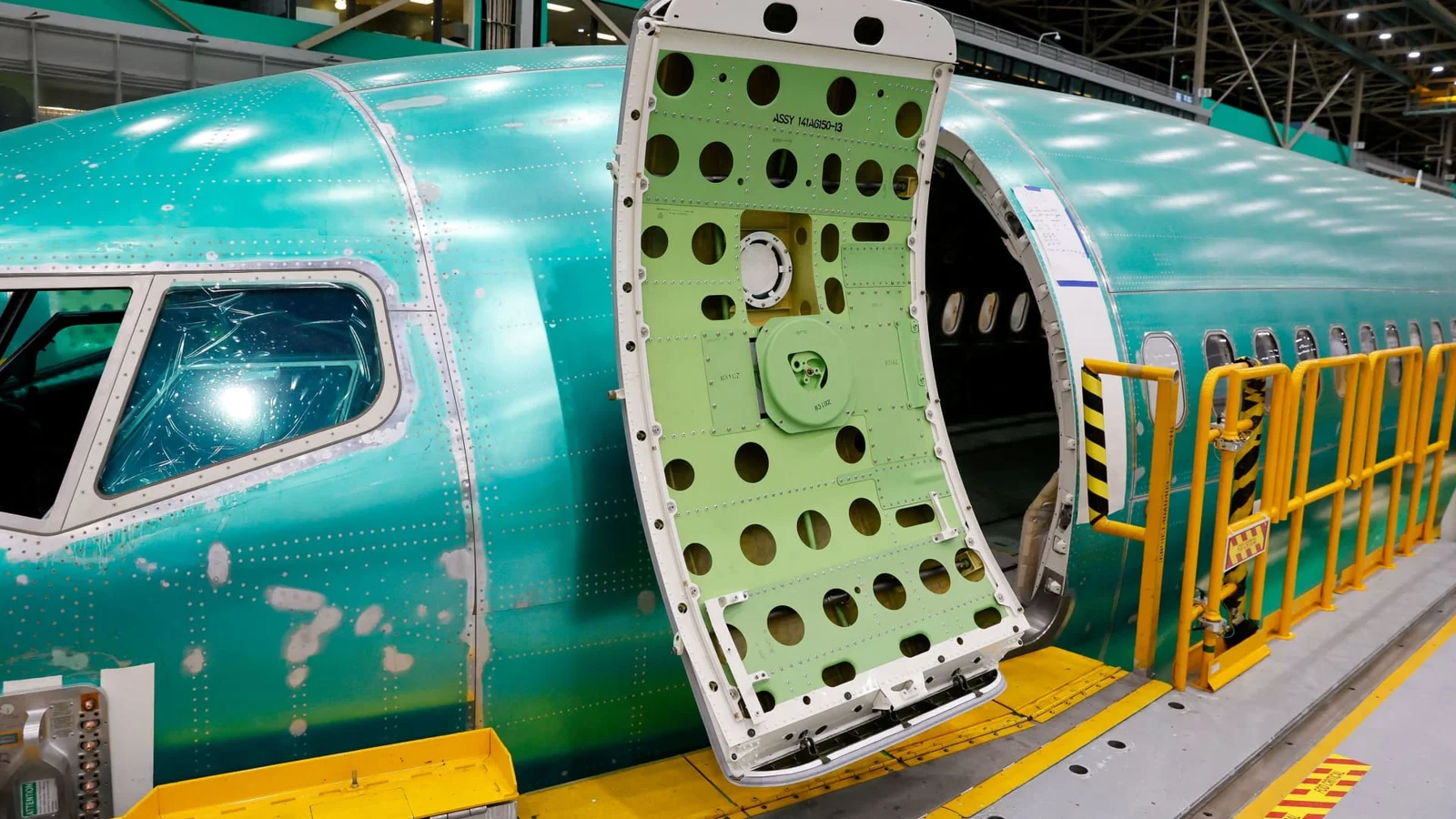
Boeing has received FAA approval to increase the production of its 737 Max jets to 42 per month, nearly two years after a safety crisis led to production restrictions following two fatal crashes and a subsequent grounding of the aircraft. The FAA conducted extensive reviews to ensure safety as Boeing plans further increases, signaling a recovery in confidence and a step towards stabilizing the company's production and financial performance.
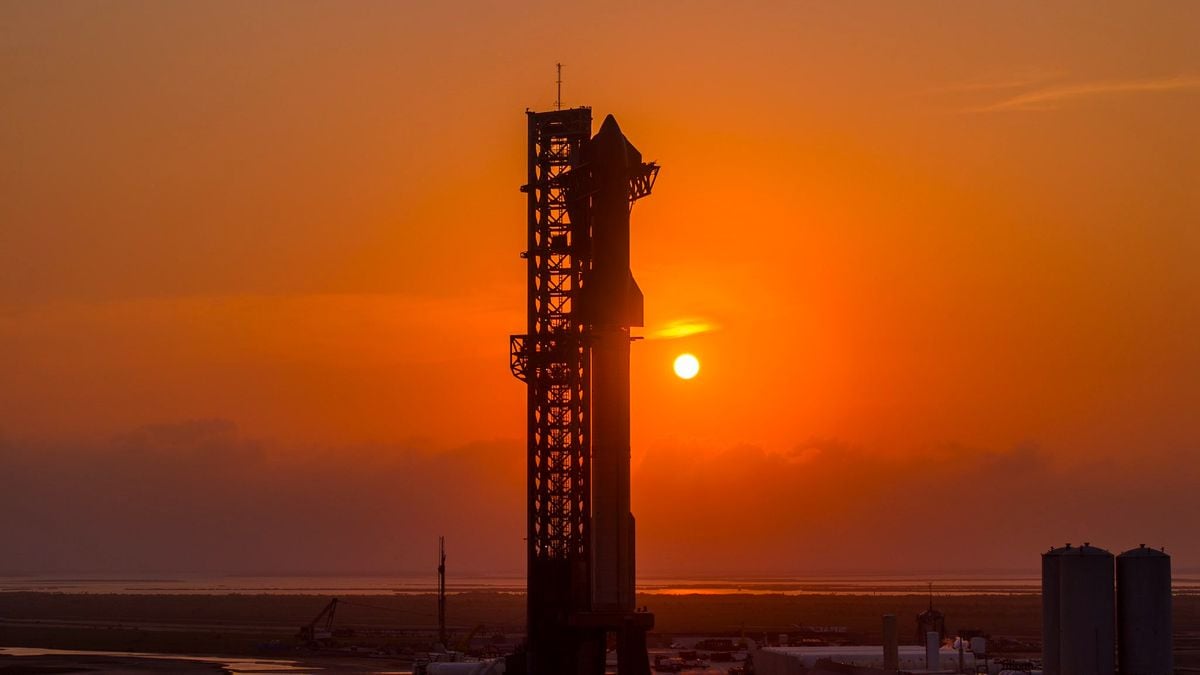
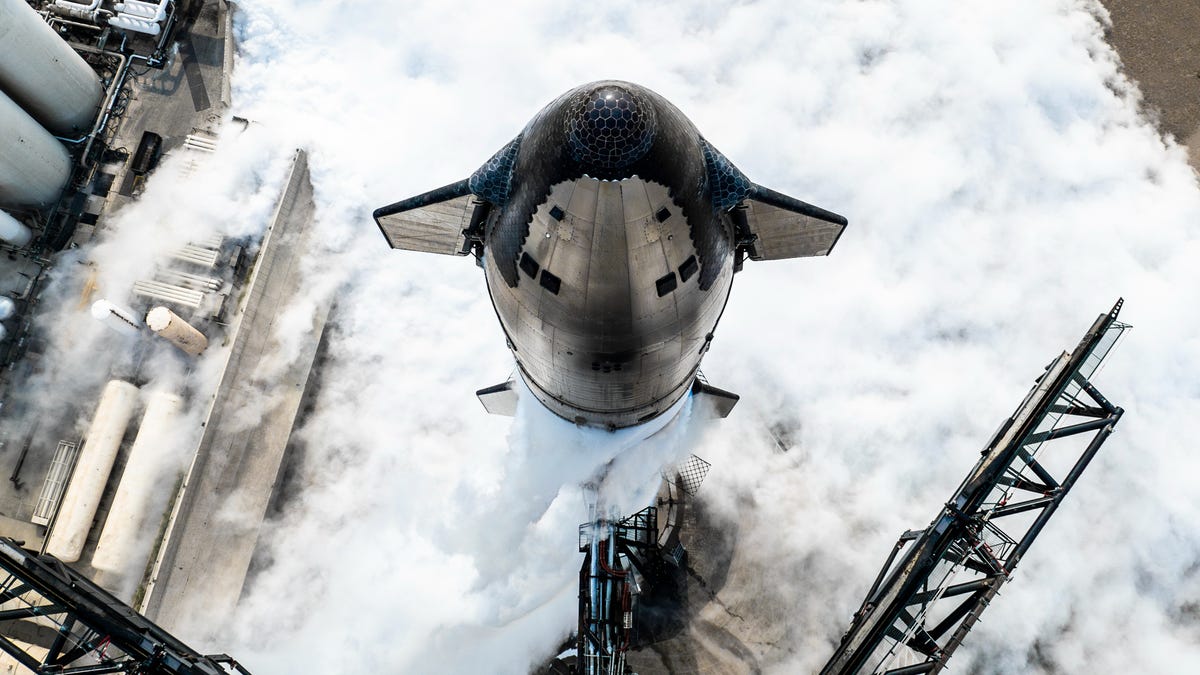
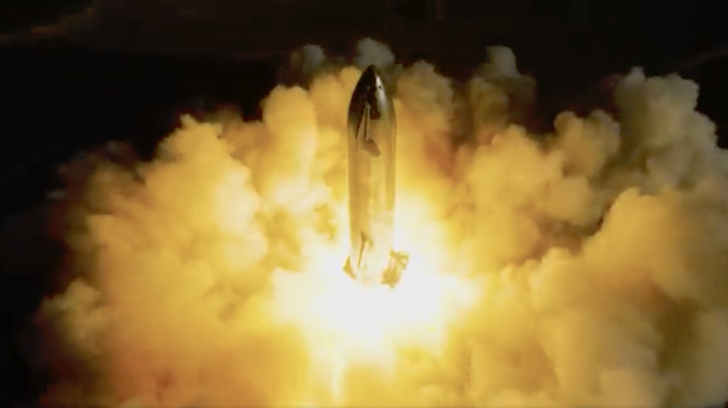
SpaceX is targeting June 6, 2024, for the fourth test flight of its Starship megarocket from its South Texas site, pending regulatory approval. The mission aims to demonstrate the ability to return and reuse the rocket's stages, with the Super Heavy booster targeting a Gulf of Mexico splashdown and the upper stage aiming for a controlled entry into the Indian Ocean.
SpaceX is preparing for its fourth integrated test flight of the Starship megarocket, focusing on reentry and landing. Pending FAA approval, the launch is set for June 5. The mission aims to demonstrate the ability to return both stages, with several software and hardware upgrades implemented to address issues from the previous flight. The primary objectives include a controlled entry and soft splashdown of the Super Heavy booster in the Gulf of Mexico and a splashdown of the upper stage in the Indian Ocean.
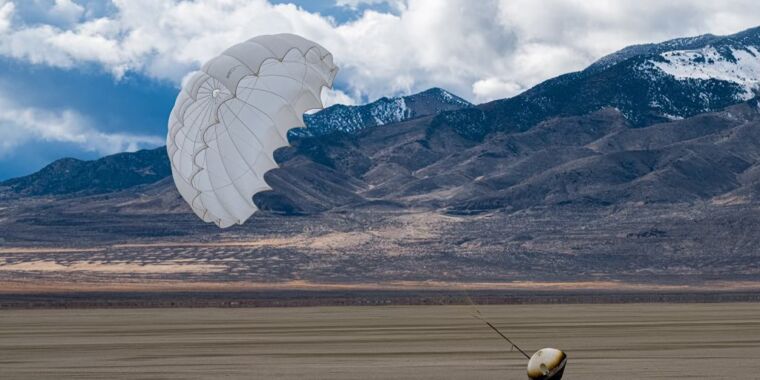
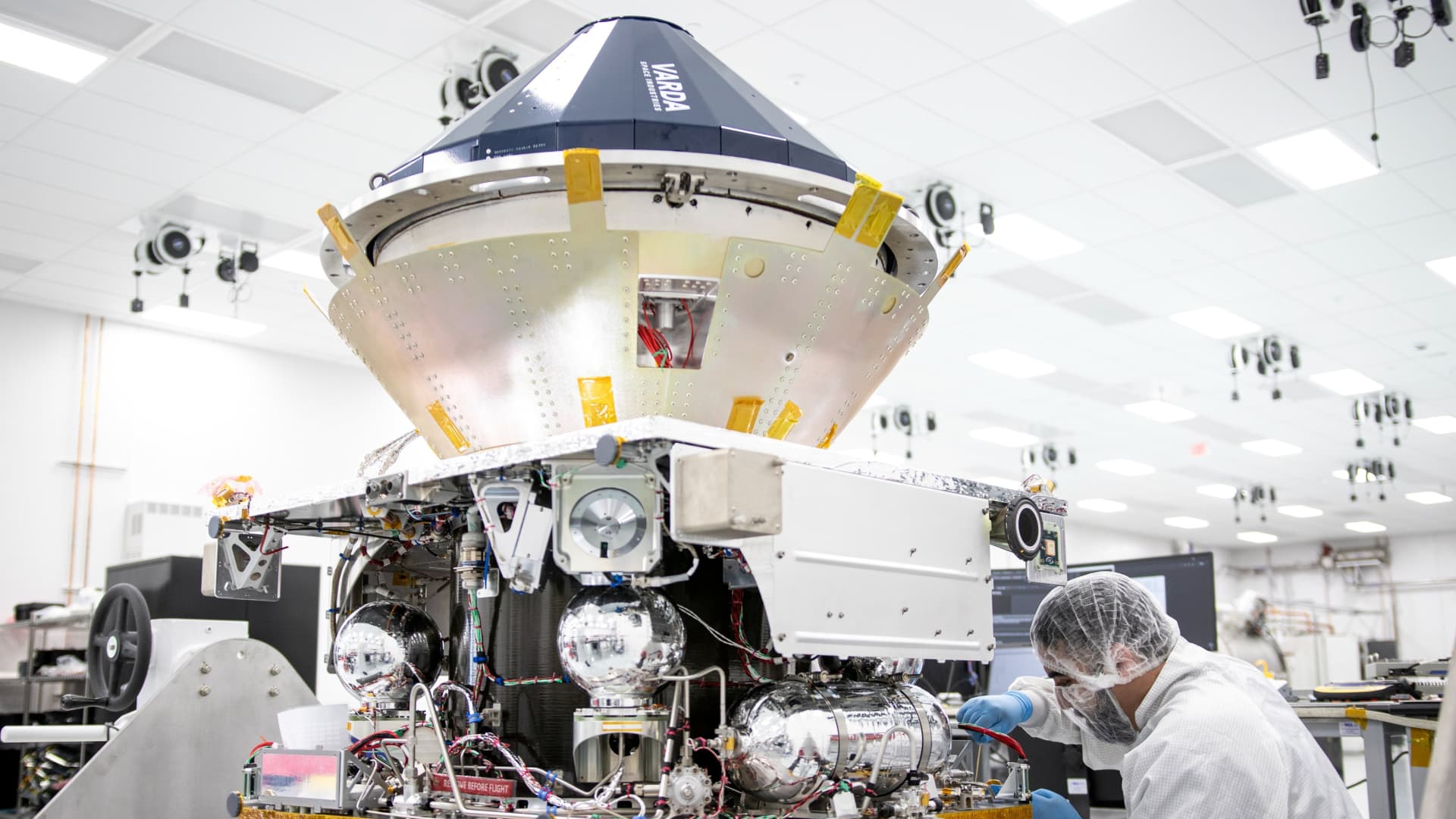
Varda Space Industries successfully obtained FAA approval for the reentry of its space capsule, marking the first commercial spacecraft landing at a military test range. The company's achievement was the result of navigating complex regulatory and bureaucratic processes, including securing a commercial reentry license and coordinating with government entities. The spacecraft landed in the Utah desert and was retrieved for transport back to Varda's headquarters, signaling a significant milestone for the in-space manufacturing company.
Varda, a space startup, has received FAA approval to bring back its first spacecraft, which has been stuck in orbit for 8 months after manufacturing drugs in space. The W-1 capsule will attempt to land in Utah on Feb. 21 as a demonstration of Varda's automated in-space manufacturing process, aiming to launch and return space-made products more quickly, such as fiber optic cables and pharmaceuticals, using Rocket Lab's Photon spacecraft as the backbone of its operation.
SpaceX's Starship system might undergo its third test flight in Texas as soon as next month, pending FAA approval in mid-February. The Starship rocket, designed to be a game-changer in astronautics, has garnered interest from the Pentagon and secured a contract to launch Airbus's space station. Frequent tests are crucial for meeting NASA's commitments, and the upcoming 2024 test campaign will focus on handling cryogenic fuel in space. SpaceX is making changes to the launch pad and site in Texas following previous test attempts, with the goal of progressing to operational flights relied upon by Starlink and NASA.
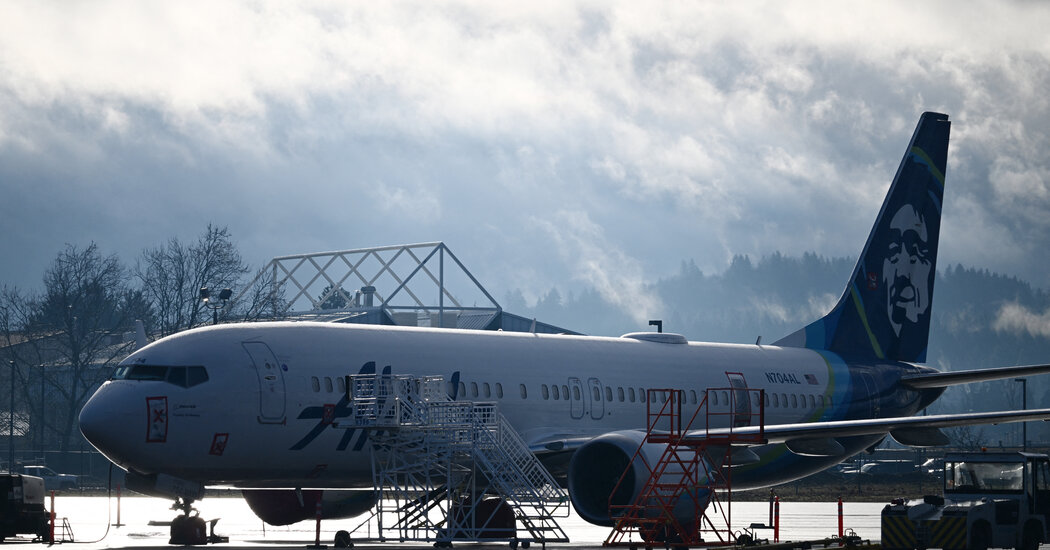
The Federal Aviation Administration has approved inspection and maintenance procedures for the grounded Boeing 737 Max 9 planes, allowing airlines to resume flying them this week. United Airlines and Alaska Airlines operate the majority of these planes, with other operators including Copa Airlines, Aeromexico, Turkish Airlines, FlyDubai, and Icelandair. Passengers concerned about flying on the Max 9 should check their airline's website for detailed fleet information and be aware of their rights if they wish to avoid flying on this aircraft.
Tampa International Airport hosted Florida's first air taxi test flight, conducted by Volocopter, marking the first urban air mobility test flight at a large U.S. airport. The demonstration showcased the potential of air taxis for short-to-medium-range flights within urban environments. While Volocopter still requires FAA approval to operate in the U.S., Tampa Bay is preparing for the moment the company receives federal approval, expected in 2025. Initially, Volocopter air taxis will transport one passenger at a time, with plans to build larger aircraft as battery technology advances.
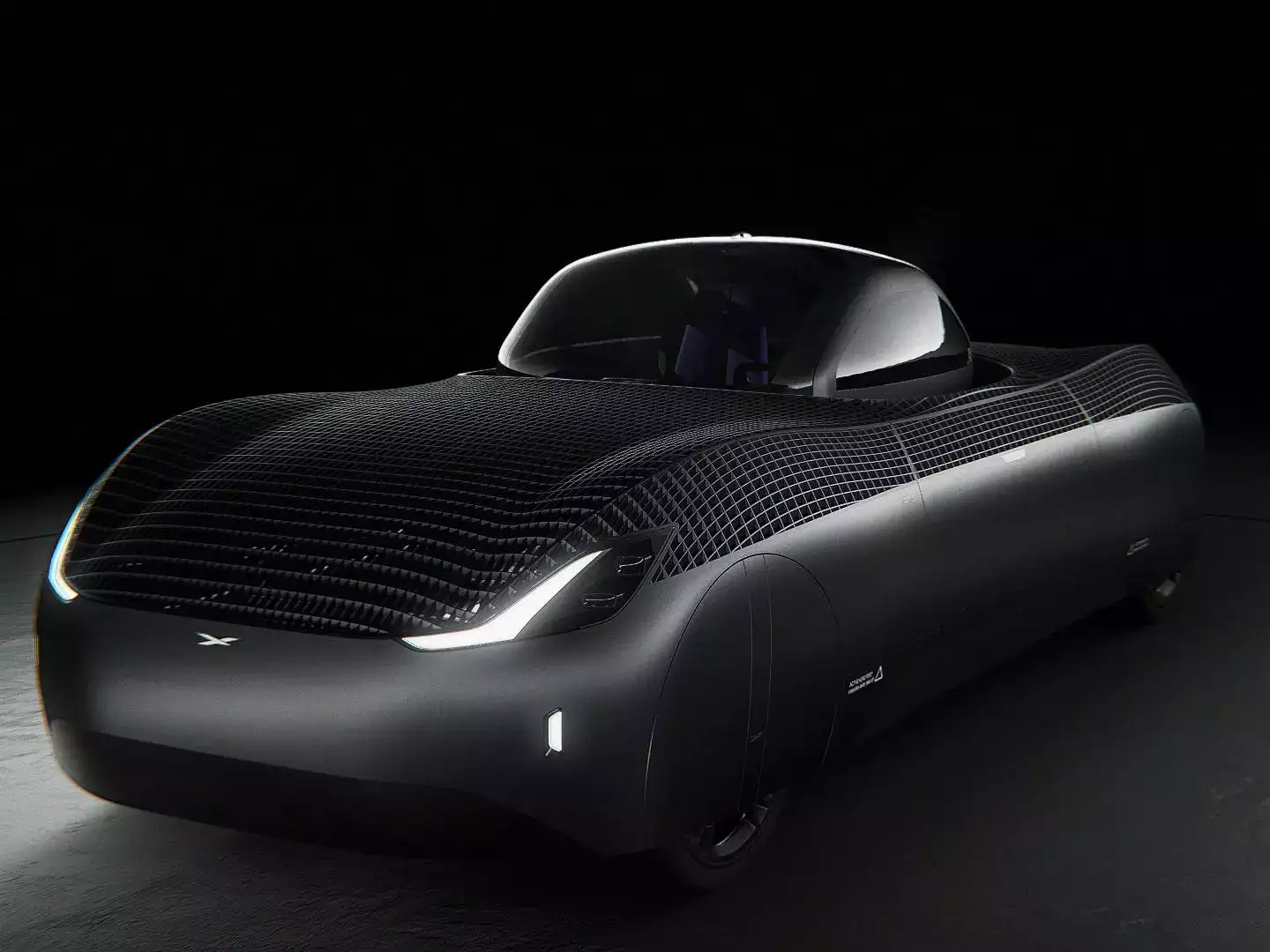
Alef Aeronautics, a SpaceX-backed startup, has received approval from the Federal Aviation Administration (FAA) for flight tests of its electric flying car, making it the first flight-capable car to receive such approval. The car, priced at $300,000, is designed for both street driving and vertical take-off, with a road range of 200 miles and a flying range of 110 miles. Pre-orders are already being taken, and deliveries are expected to start by 2025. Another flying car company, Joby Aviation, also received FAA approval, causing its shares to soar by 44%.
The Alef Aeronautics Model A has become the first all-electric vertical take-off and landing (VTOL) car to receive approval from the Federal Aviation Administration (FAA), allowing it to legally fly over the United States. Although still in the prototype stage, the wingless flying car claims a 200-mile driving range and a flight range of 110 miles. Alef Aeronautics has already received over 440 reservations for the Model A, which is priced at $300,000. The company is also developing other models, including the Model Z flying sedan.
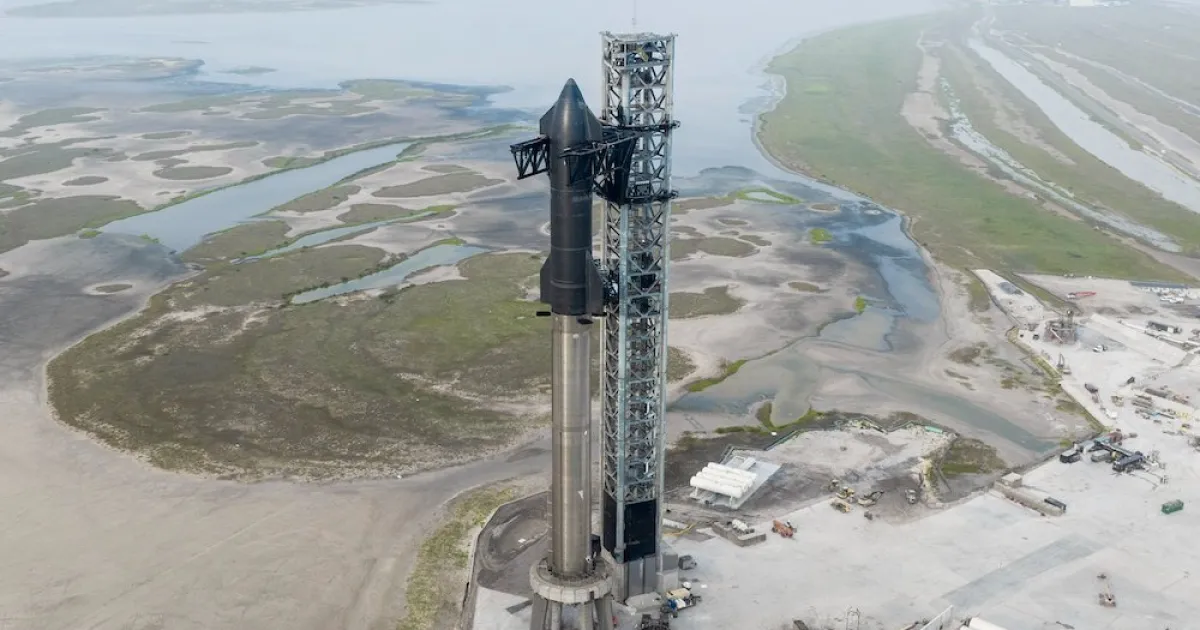
Elon Musk has confirmed that SpaceX's Starship rocket is fully stacked and ready to launch on its maiden orbital flight, pending regulatory approval from the Federal Aviation Administration. The rocket, comprising the Starship upper stage and Super Heavy first stage, will become the most powerful rocket ever to fly, with 33 Raptor 2 engines packing a colossal 17 million pounds of thrust. The upcoming test mission will see the Super Heavy booster and Starship come down in the ocean. NASA has already inked deals with SpaceX to use a modified version of the Starship to land astronauts on the moon.
SpaceX's Starship mega-rocket could launch as early as Monday, April 10, pending FAA approval. CEO Elon Musk has stated that there is a 50% chance of the rocket reaching orbit on its first attempt. If successful, Starship will be the world's most powerful operational rocket.