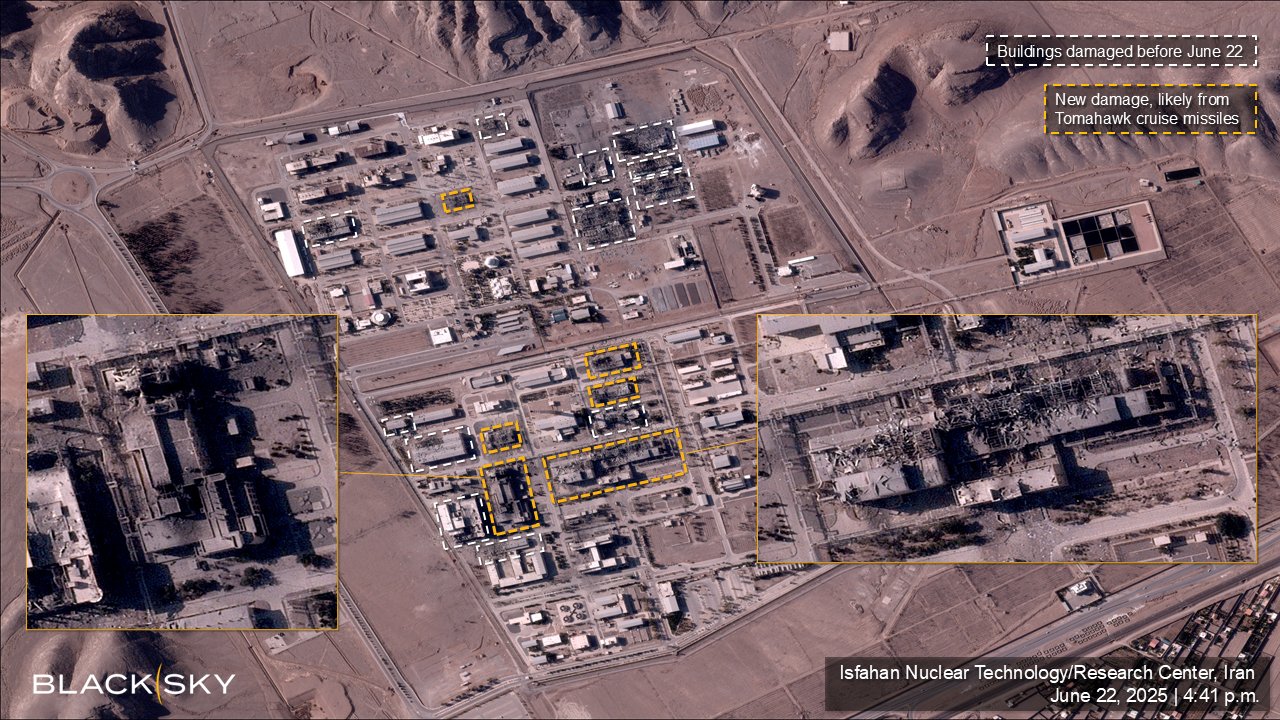
U.S. satellite imagery firms warn that proposed $130 million cuts to the NRO's commercial imagery budget could harm national security, industry stability, and ongoing satellite deployment plans, especially amid geopolitical tensions and the industry's transition to commercial markets.
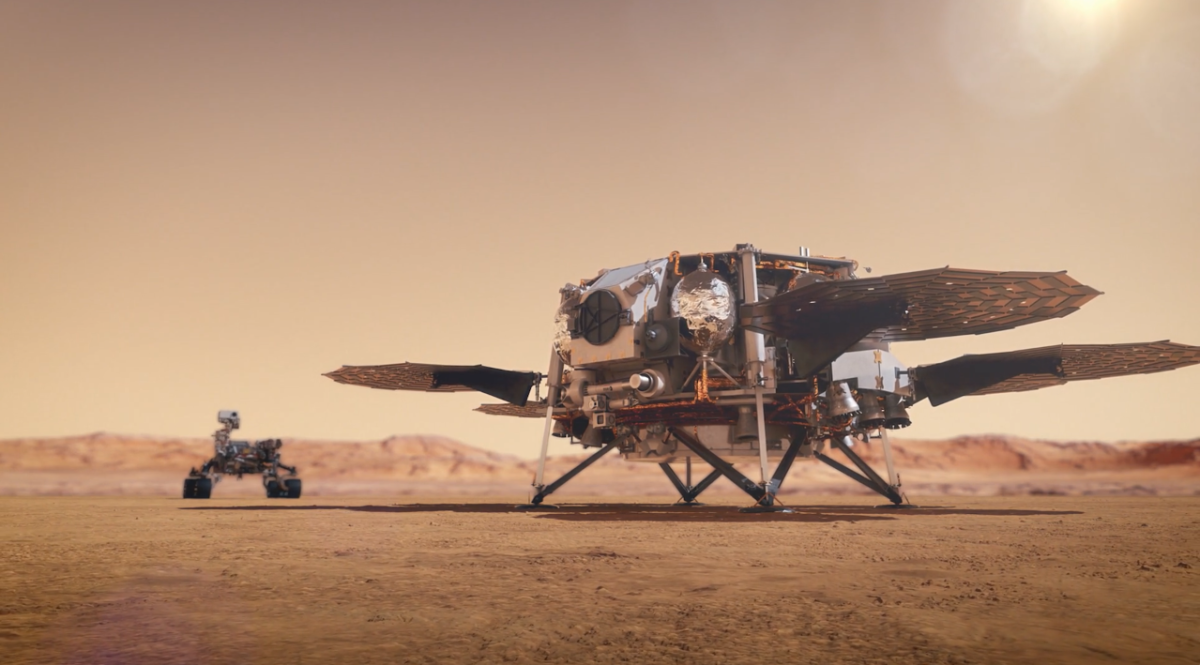
NASA has scrapped its $11 billion, 15-year Mars Sample Return mission due to cost and timeline concerns, opening the door for space startups and commercial providers to propose new, more affordable plans to return samples from Mars in the 2030s. This strategic shift presents a significant opportunity for the commercial space industry, potentially leading to multi-billion-dollar contracts and accelerating the development of interplanetary capabilities. The move signals a shift towards leveraging commercial services and hardware for ambitious space missions, similar to the impact of the Commercial Lunar Payload Services on lunar exploration.
The United States Space Force is planning a military exercise in orbit called Victus Haze, involving two spacecraft and two rocket launches from different spaceports, to prepare for rapid operations in response to on-orbit aggression. The mission, valued at approximately $92 million, aims to leverage the commercial space industry's innovations and demonstrate the ability to counter irresponsible behavior in space, particularly from adversaries like China. The exercise will involve a demonstration of satellite rendezvous and will test the ability to respond to maneuvering objects in low-Earth orbit with limited space domain awareness capabilities.
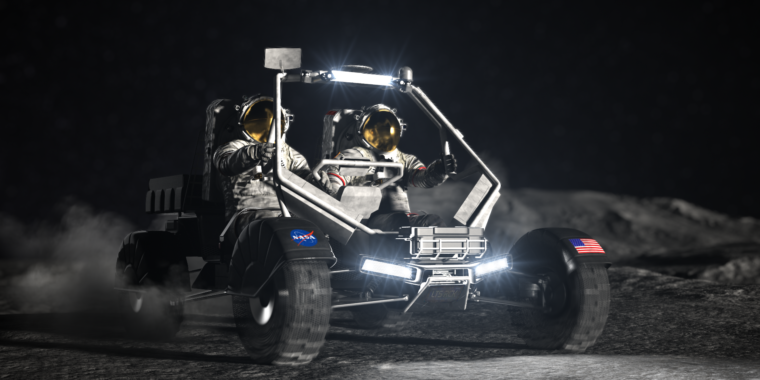
NASA has selected three private companies to design lunar rovers that can operate near the South Pole of the Moon for up to a decade, with a combined maximum potential value of $4.6 billion for all awards. The rovers will need to withstand harsh conditions and operate autonomously, and NASA aims to have them delivered prior to the Artemis V mission. This move reflects NASA's increasing reliance on the commercial space industry for services, following successes in cargo resupply and crew transportation to the International Space Station.
A Japanese company's 18-meter Kairos rocket, designed to carry a small government test satellite into orbit, exploded seconds after its launch in western Japan. The rocket, made by Tokyo-based Space One, experienced a solid-fuelled explosion, disappointing hundreds of spectators and causing burning debris to fall on surrounding slopes. The failure represents a setback for Japan's ambitions in the commercial satellite launch market, despite previous successful space missions by the country. Space One, established in 2018, is investigating the details of the incident, which occurred after multiple launch postponements due to parts shortages and other issues.
Lawmakers have relaunched the bipartisan Planetary Science Caucus in Congress, led by Rep. Judy Chu and Rep. Don Bacon, to focus on advancing policies and federal investment in space science, including supporting research and exploration of space, tracking and mitigating near-Earth objects, searching for life in the solar system and beyond, and raising awareness of the economic benefits of space science and technology development. The caucus will also address budgetary scrutiny of major NASA endeavors and support the commercial space industry, amid a growing global space economy and a new space race involving nations like China, Russia, and India.
NASA has selected the American Center for Manufacturing and Innovation (ACMI) as the second approved facility at the Exploration Park in Houston's Johnson Space Center, leasing underutilized land for the development of facilities to enable commercial and defense space manufacturing. The agreement aims to increase commercial access and enhance the United States’ commercial competitiveness in the space and aerospace industries, fostering a collaborative environment for academia, industry, and government stakeholders. This initiative aligns with NASA's goals for a robust space economy and human exploration, leveraging the unique capabilities of Johnson Space Center to support the commercialization of space and address the challenges of future space missions.
NASA's science division faces a quandary as it seeks to send experiments and payloads to the Moon within a limited budget. With the resurgence of interest in lunar exploration and the emergence of the commercial space industry, NASA is considering incentivizing private companies to develop small lunar landers. This approach presents risks due to the technical challenges of landing on the Moon and the need to accept potential failures, but it offers a cost-effective alternative to traditional, expensive missions.
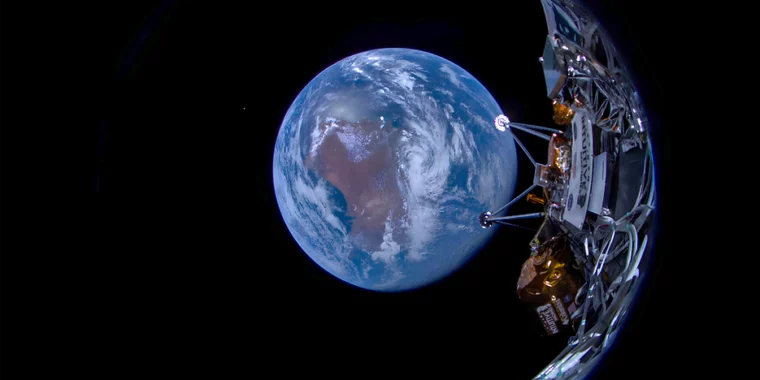
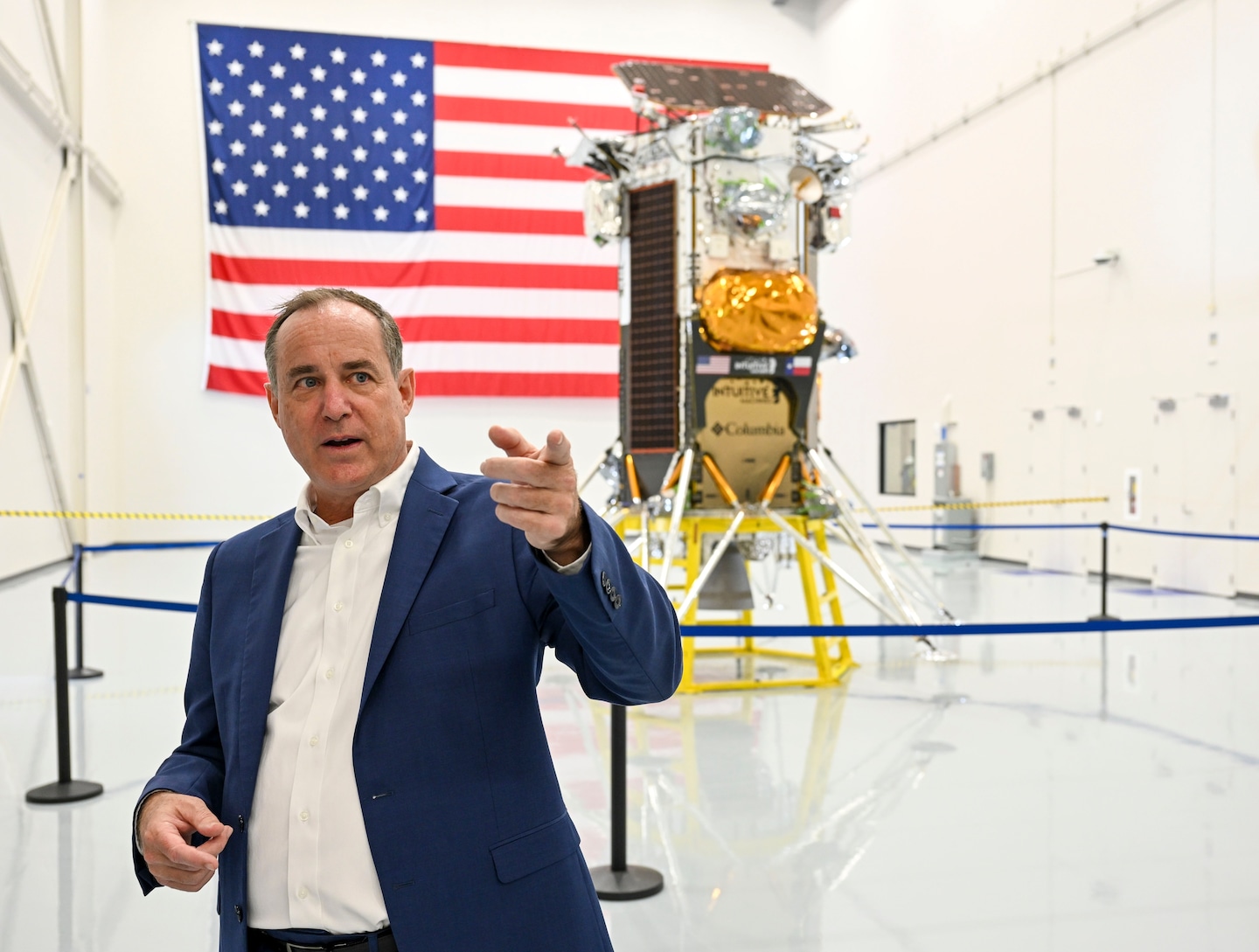
Intuitive Machines, a private company based in Houston, is set to launch its spacecraft to the moon, aiming for a historic landing near the moon’s south pole later this month. The spacecraft, carrying NASA science experiments, is part of a $2.6 billion space agency program to send commercial vehicles to the moon. This comes as NASA faces delays in its Artemis program, including a postponed crewed mission around the moon and a delayed lunar landing due to technical issues with spacecraft and spacesuit development. If successful, this mission would mark a significant milestone in space exploration by private enterprise and could pave the way for new economic and scientific activity on and around the moon.
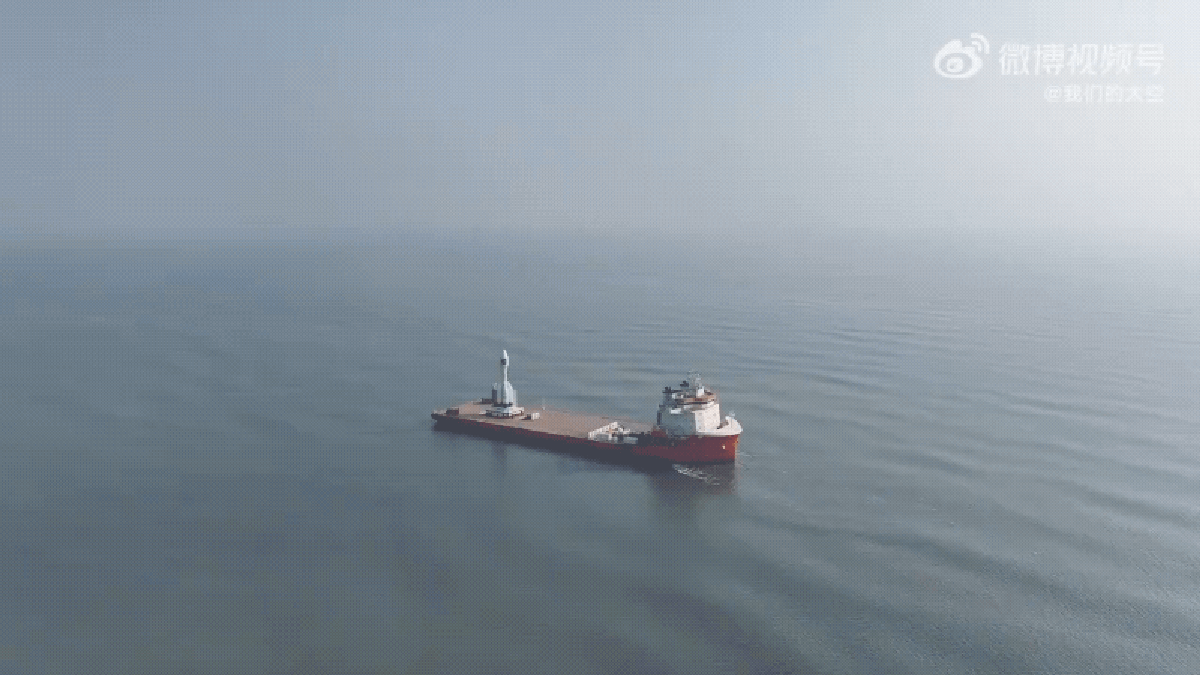
Chinese company Orienspace successfully launched its first-ever rocket, the Gravity-1, from a mobile platform in the Yellow Sea, carrying three commercial weather satellites to orbit and breaking the record for the largest payload capacity on a commercial rocket in China. The rocket, equipped with strap-on boosters, can lift around 14,330 pounds to low Earth orbit and is part of China's growing commercial space industry, which has seen significant growth since 2014. Orienspace is already working on two other vehicles, Gravity 2 and 3, with even larger payload capacities, marking a significant milestone in China's space exploration efforts.
Despite advancements in space technology, landing on the moon today remains challenging due to factors such as weight limitations, prototype spacecraft, and the absence of a mass production model. The lack of a common technology base and limited testing options for lunar landers contribute to the difficulty. Private companies, aiming to reduce costs and stimulate the space industry, are taking on lunar missions, but the increased risk of failure is expected as they learn from their mistakes.
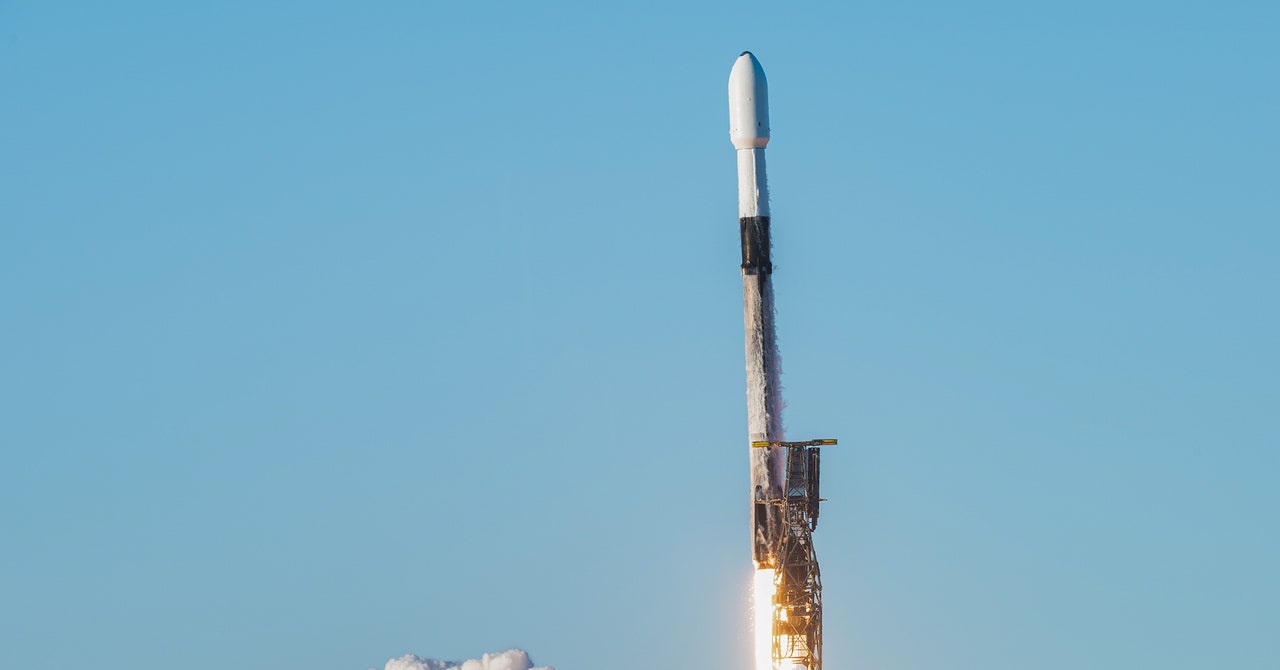
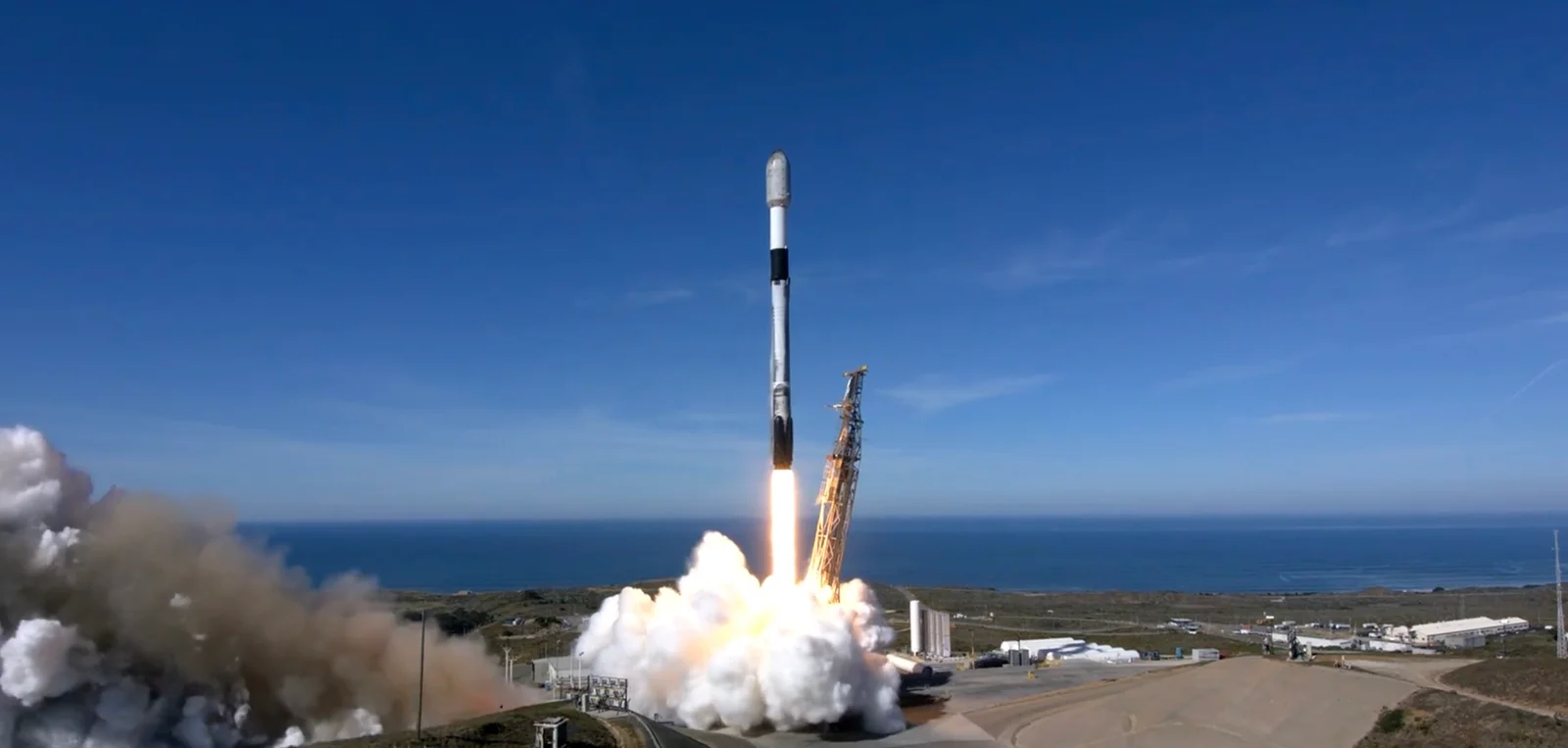
SpaceX successfully launched its ninth dedicated smallsat rideshare mission, Transporter-9, deploying over 100 satellites into orbit. The Falcon 9 rocket lifted off from Vandenberg Space Force Base in California and landed back at the launch site. The mission carried 90 payloads, including satellites from companies like Planet, Spire, Iceye, Umbra, and Foxconn. The Transporter missions have received mixed reactions, with some praising the regular and low-cost access to space while others argue it undermines small launch vehicle developers. SpaceX's Transporter services continue to see strong demand, with bookings extending into 2025 and plans for a new line of rideshare missions starting in 2024.
Retired NASA astronaut and chief astronaut at Axiom Space, Michael Lopez-Alegria, emphasizes the importance of Congress reauthorizing the "learning period" for commercial human spaceflight. This period, which allowed private companies to develop human spaceflight transportation systems without stifling regulations, is set to expire this year. Lopez-Alegria argues that continued collaboration between industry experts and government regulators, through the development of consensus standards, is crucial for enhancing safety in commercial spaceflight. He warns that premature regulation could hinder innovation and entrepreneurial success, urging Congress to support the flexible path to regulation that allows for technological advancements and maintains America's competitive edge in the global space industry.
In the book "From the Earth to Mars," author Jeffrey Manber explores the origins of spaceflight, delving into the history of rocket pioneers from the 1800s and early 1900s. The book highlights the absence of the United States in early space activities, which were primarily driven by Europe and Russia. Manber also discusses the influence of commercial and entertainment purposes on early space endeavors. The book offers insights into the development of rocket technology and its portrayal in films, such as Fritz Lang's "Woman in the Moon." Manber argues that government intervention during the 1930s sidetracked the commercial space industry, leading to the militarization of rockets and the subsequent space race.
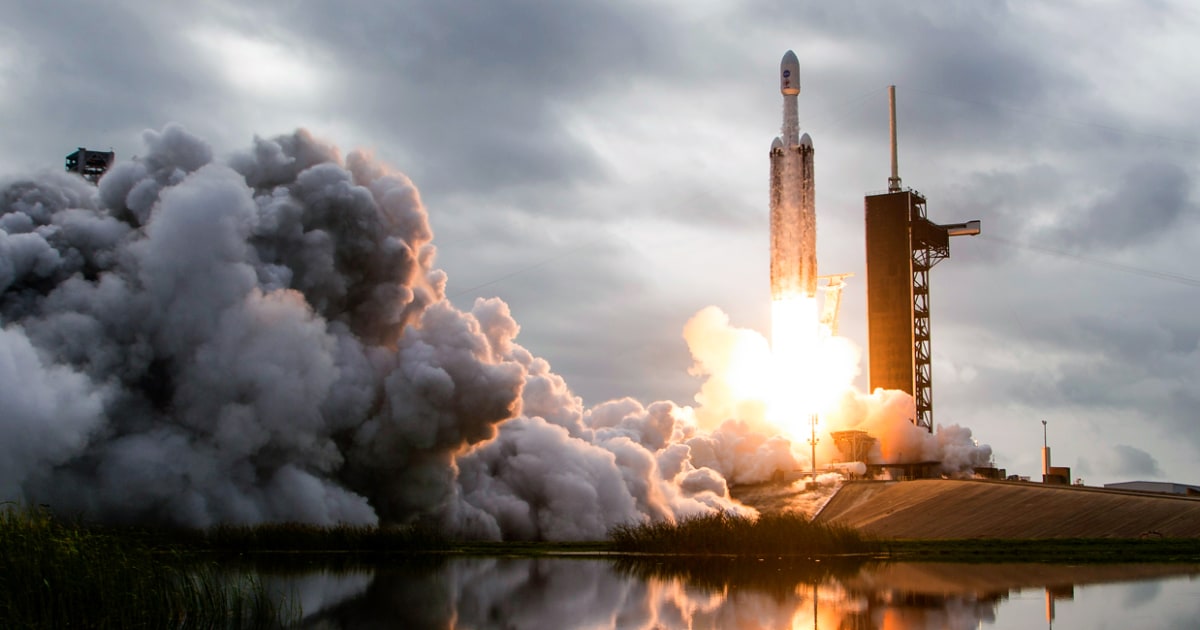
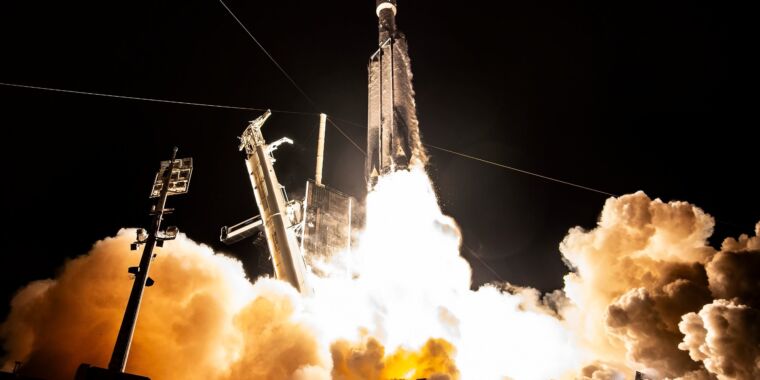
The Australian commercial space industry is facing challenges after the government cut a $1.2 billion Earth science program, leading to a loss of confidence and investment. Meanwhile, iRocket has signed an agreement with the Air Force Research Laboratory to develop rocket propulsion hardware, and Virgin Galactic expects limited revenues from its suborbital spaceplane flights. The development of Europe's Ariane 6 rocket lacks transparency, with the European Space Agency not planning to provide live video of its test-firing. Additionally, the timeline for Russia's "Amur" rocket has been pushed back to 2028-2030, and Sierra Space has won a contract to develop an upper stage engine. The Australian Space Agency has confirmed that an object found on a beach is part of an Indian rocket, and Aerojet Rocketdyne has been acquired by L3Harris. Lastly, SpaceX's Falcon Heavy successfully launched the heaviest commercial communications satellite ever built.