Tag

Space Explosion

All articles tagged with #space explosion

Ancient comet explosion may have drastically altered Earth's history and life

Originally Published 6 days ago — by Times of India

Featured image for Ancient comet explosion may have drastically altered Earth's history and life
Source: Times of India

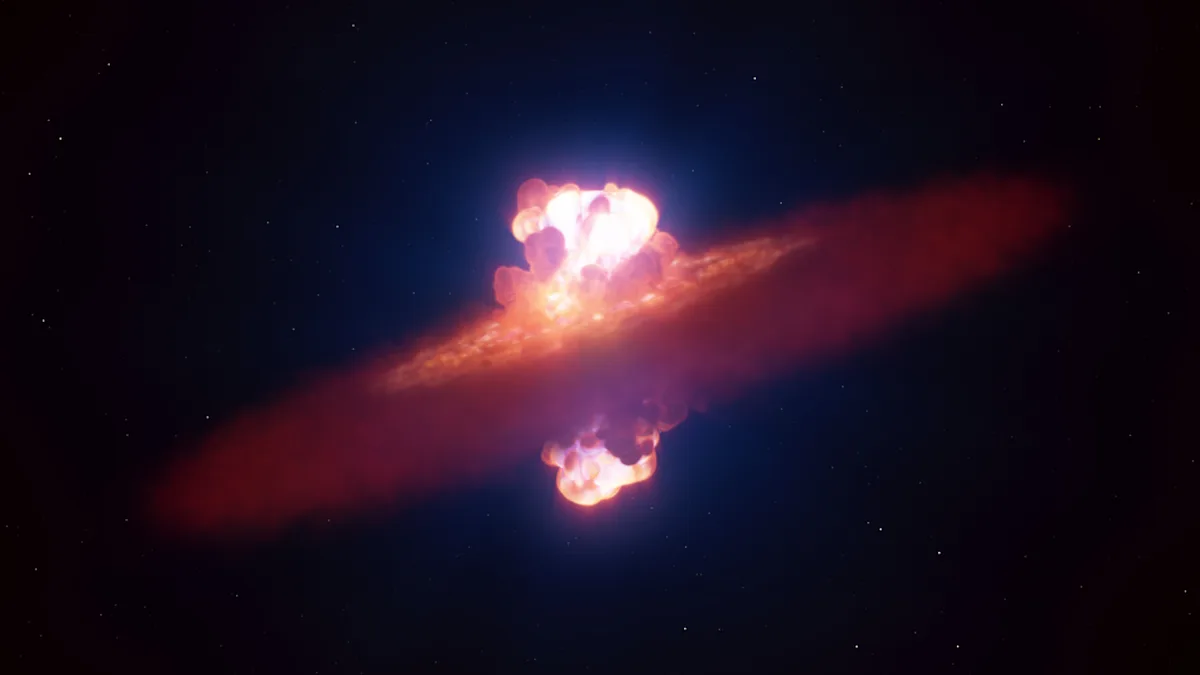
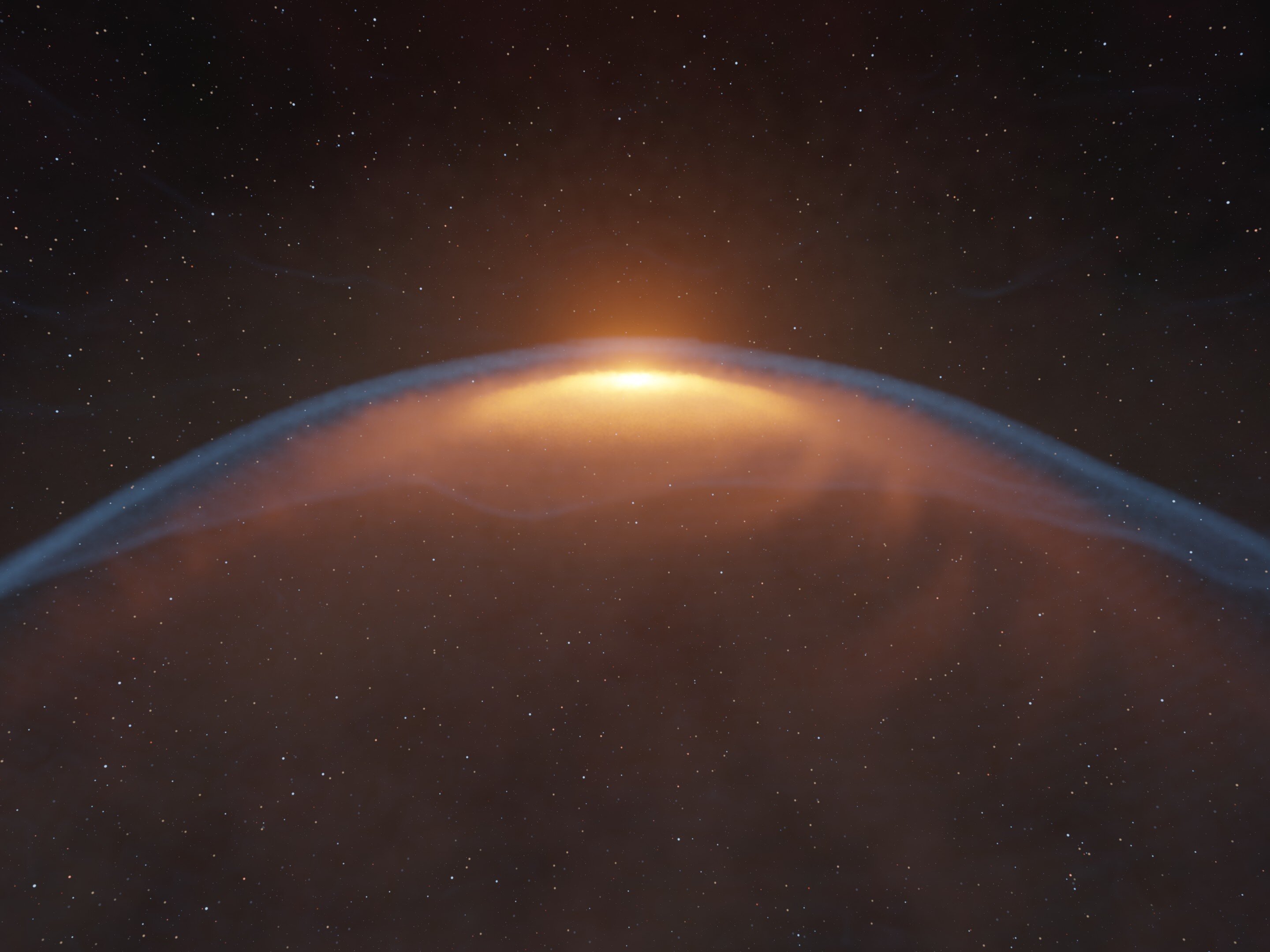
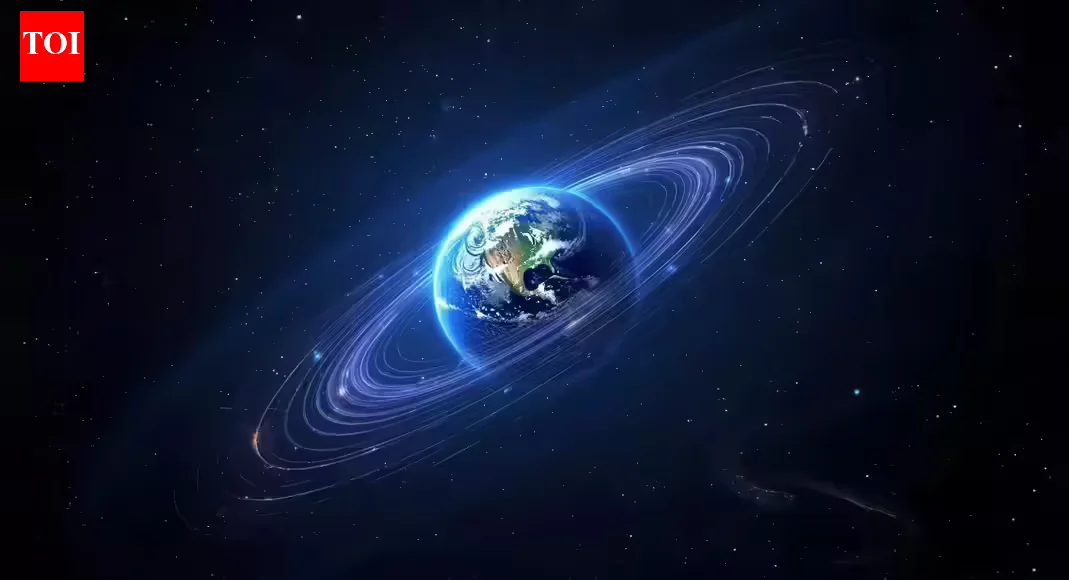
Scientists propose that a 13,000-year-old atmospheric explosion of a fragmented comet may have triggered the abrupt cooling and mass extinctions during the Younger Dryas period, providing a new explanation for rapid climate shifts and the disappearance of large North American animals and the Clovis culture.

This Week in Science: Japan's Laser Test, Comet Farewell, and AI's Math Breakthroughs

Originally Published 23 days ago — by Live Science

Featured image for This Week in Science: Japan's Laser Test, Comet Farewell, and AI's Math Breakthroughs
Source: Live Science

This week in science, advancements include a longer-lasting quantum processor, the departure of interstellar comet 3I/ATLAS, AI tackling complex math problems, pumas exhibiting new behaviors after conservation efforts, and a record-breaking gamma-ray burst, highlighting significant progress and discoveries across various fields.

Unprecedented Deep Space Explosions and Black Hole Mysteries

Originally Published 29 days ago — by Live Science

Featured image for Unprecedented Deep Space Explosions and Black Hole Mysteries
Source: Live Science

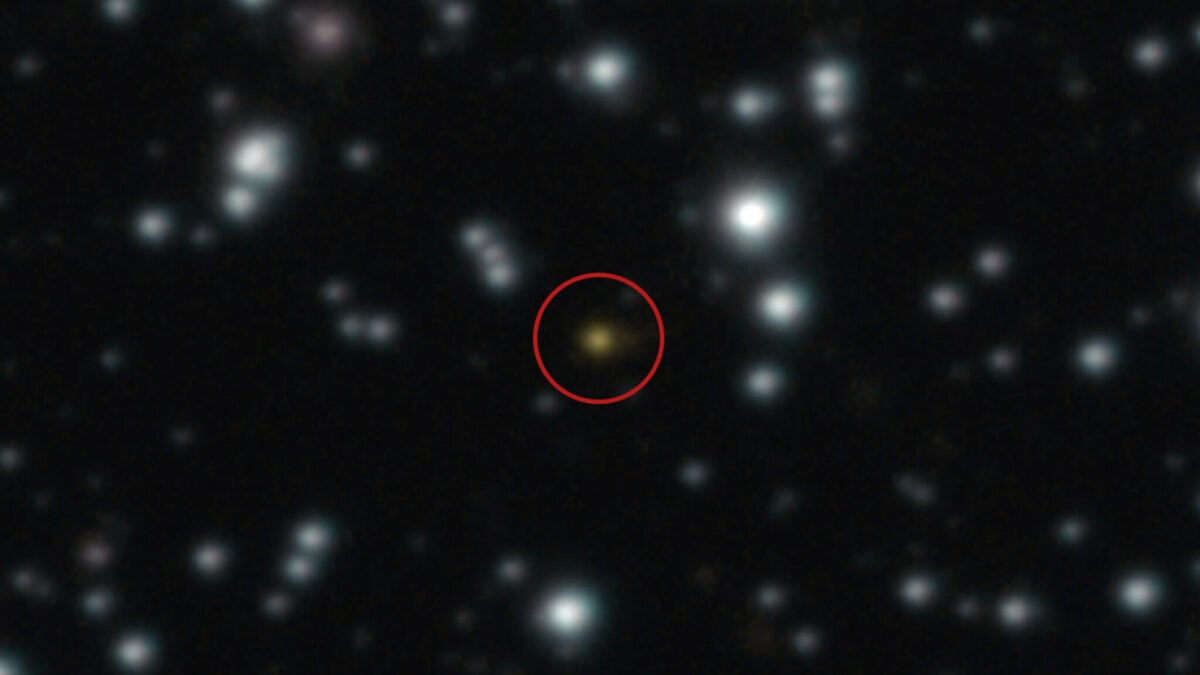
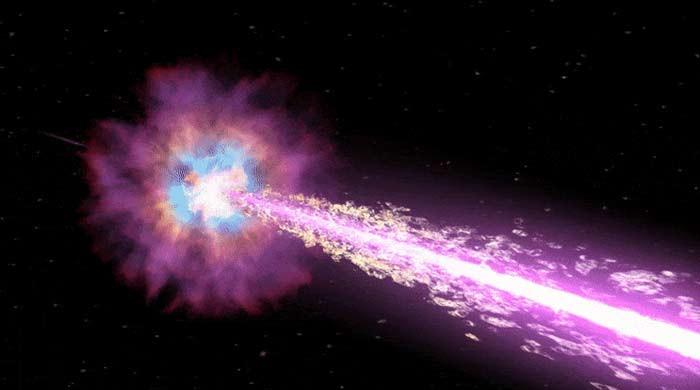
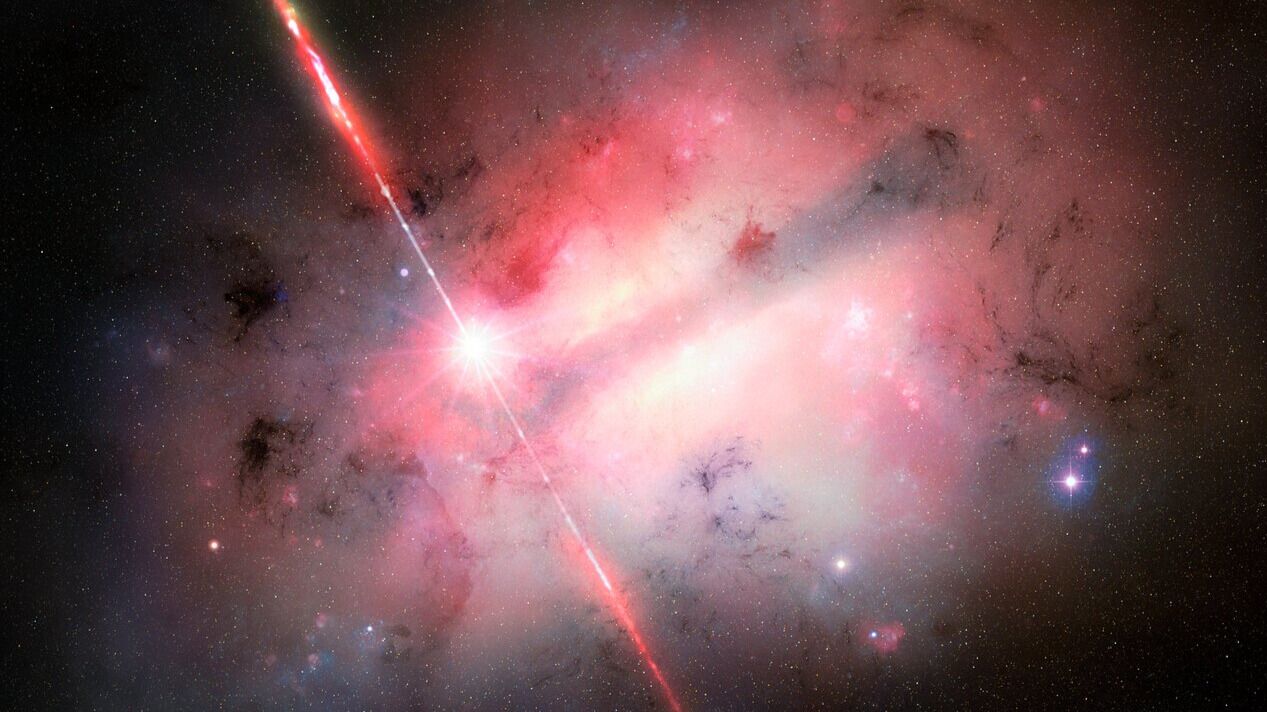
Scientists observed GRB 250702B, the longest gamma-ray burst ever recorded, lasting over seven hours and originating from a dusty galaxy 8 billion light-years away, challenging existing models of such explosions and possibly caused by a massive star's death, a black hole merger, or a helium star-black hole interaction.

Unprecedented 7-Hour Deep Space Explosion Baffles Scientists

Originally Published 29 days ago — by Yahoo

Featured image for Unprecedented 7-Hour Deep Space Explosion Baffles Scientists
Source: Yahoo

Scientists observed the longest gamma-ray burst ever recorded, GRB 250702B, which lasted over seven hours and originated from a dusty galaxy 8 billion light-years away, challenging existing models of such explosions and possibly caused by the death of a massive star, a black hole merger, or a related event.

Scientists Unveil First-Ever Shape of a Supernova, Defying Expectations

Originally Published 1 month ago — by Yahoo

Featured image for Scientists Unveil First-Ever Shape of a Supernova, Defying Expectations
Source: Yahoo

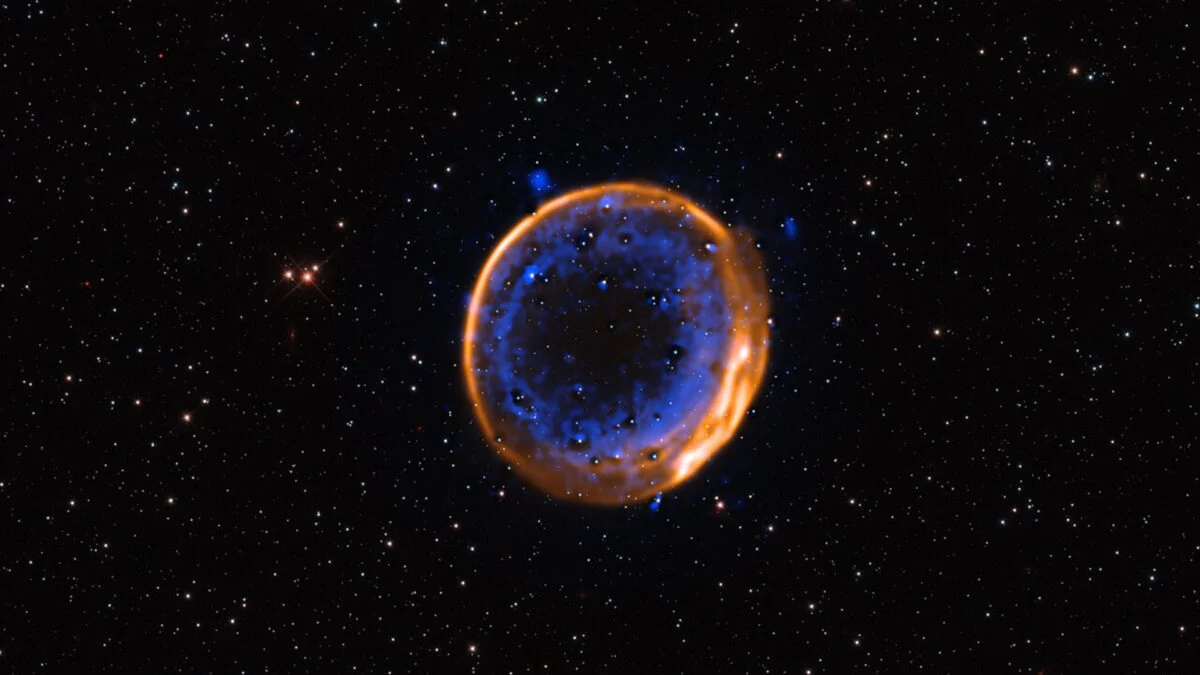
Scientists captured the first detailed image of a supernova's initial shape, revealing it was not perfectly spherical but stretched along one axis, challenging previous models of stellar explosions. The observation was made using the Very Large Telescope shortly after the explosion of SN 2024ggi in galaxy NGC 3621, providing new insights into the mechanics of star death.

Unprecedented Long-Lasting Gamma-Ray Burst Challenges Space Science

Originally Published 4 months ago — by ScienceAlert

Featured image for Unprecedented Long-Lasting Gamma-Ray Burst Challenges Space Science
Source: ScienceAlert

Astronomers observed the longest and most unusual gamma-ray burst ever, GRB 250702B, which repeated and lasted about a day, challenging current models and suggesting the involvement of an intermediate mass black hole or a unique stellar event, marking a significant breakthrough in understanding cosmic explosions.

Record-Breaking and Unprecedented Gamma-Ray Bursts Challenge Existing Theories

Originally Published 4 months ago — by Gizmodo

Featured image for Record-Breaking and Unprecedented Gamma-Ray Bursts Challenge Existing Theories
Source: Gizmodo

Astronomers have discovered a record-breaking, unusually long gamma-ray burst, GRB 250702B, which lasted about a day and originated from a galaxy billions of light-years away. Its peculiar duration and repeated signals challenge existing theories about such cosmic explosions, suggesting a possible involvement of an intermediate black hole and a white dwarf, but the exact cause remains unknown.

"Unraveling the Mysteries of Cosmic Explosions: From Origins to New Discoveries"

Originally Published 1 year ago — by The News International

Featured image for "Unraveling the Mysteries of Cosmic Explosions: From Origins to New Discoveries"
Source: The News International

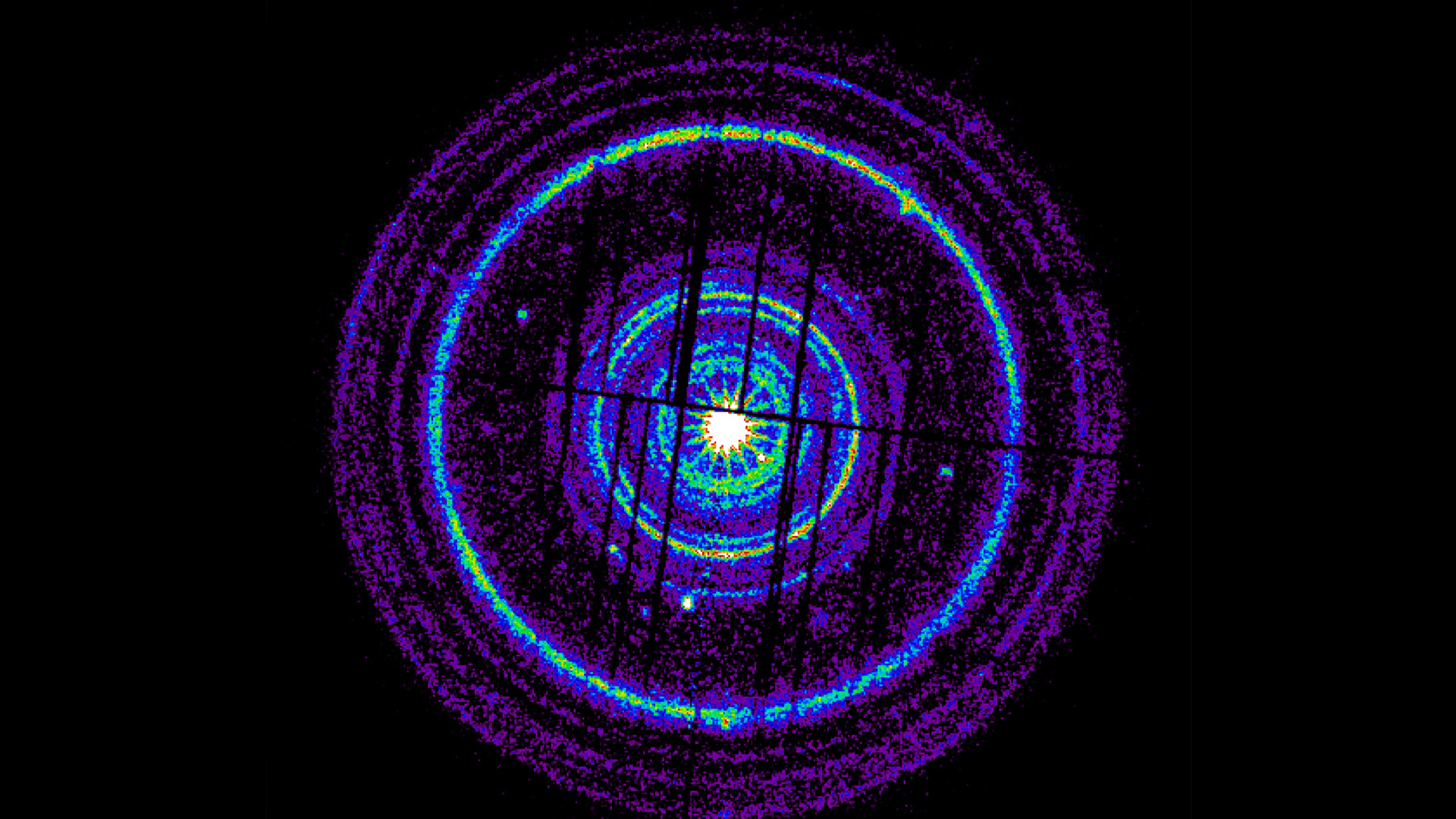
The most powerful space explosion, known as BOAT, emitted the largest blast of gamma radiation ever recorded and gave rise to a black hole 2.4 billion light-years away. Despite its unprecedented strength, new findings reveal that the event was surprisingly ordinary in terms of the resulting supernova, challenging previous assumptions about the relationship between gamma-ray bursts and supernovae.

"Unraveling the Origins of the Most Powerful Cosmic Explosions"

Originally Published 1 year ago — by The Sun

Featured image for "Unraveling the Origins of the Most Powerful Cosmic Explosions"
Source: The Sun

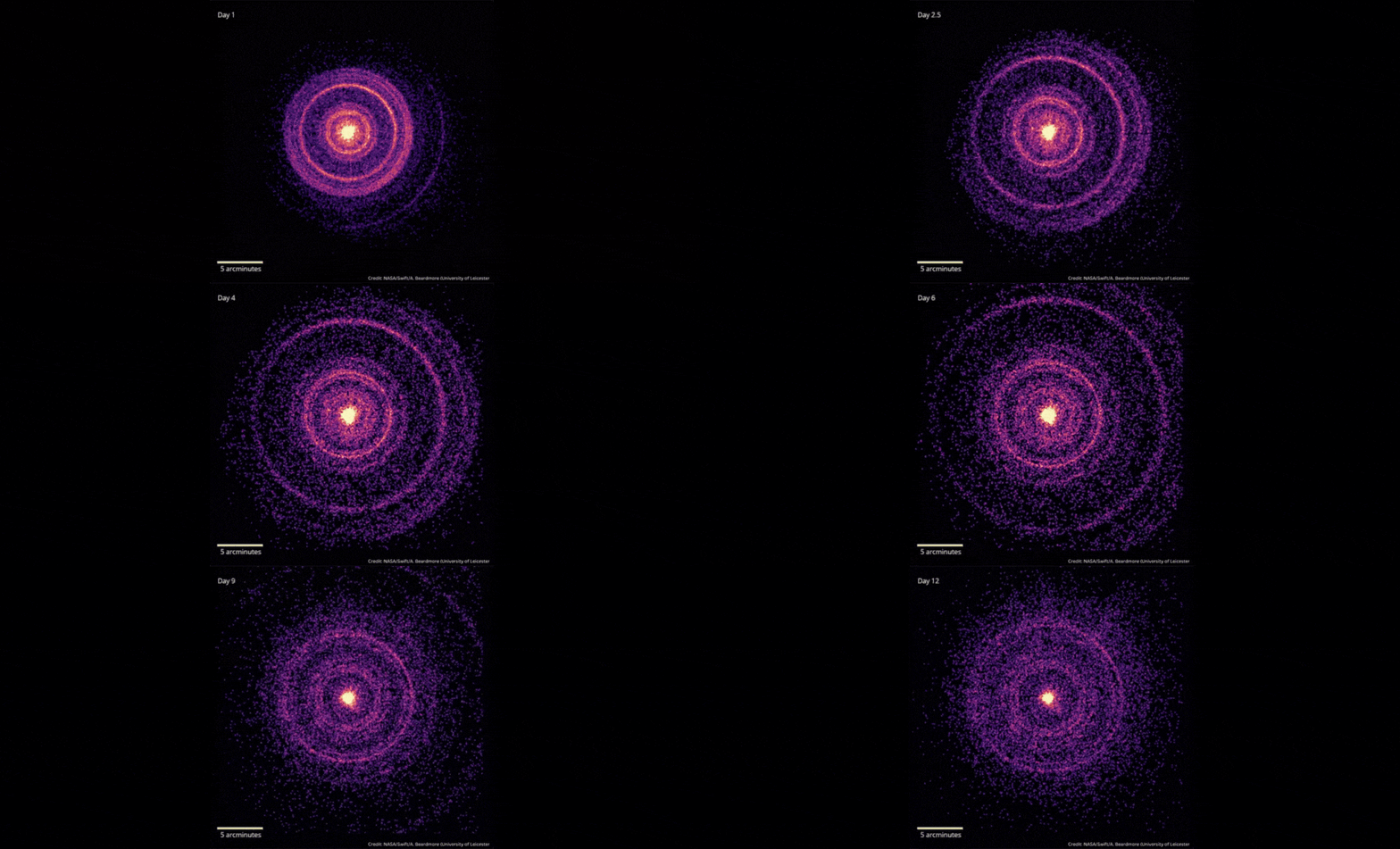
NASA's James Webb Space Telescope captured the most powerful space explosion ever seen, nicknamed the BOAT, which resulted in the birth of a black hole. The event, the biggest burst of gamma radiation ever recorded, was initially thought to be unusually bright, but new research suggests it was not any brighter than previous supernovae. Despite hopes of finding evidence of the supernova producing heavy elements like platinum and gold, no such evidence was found, leaving the origin of these elements still a mystery. The study has been published in the journal Nature Astronomy, and future observations with the James Webb Space Telescope will further explore the production of heavy elements by similar events.

"Unraveling the Origins of the Brightest Cosmic Explosion: New Insights and Mysteries"

Originally Published 1 year ago — by ScienceAlert

Featured image for "Unraveling the Origins of the Brightest Cosmic Explosion: New Insights and Mysteries"
Source: ScienceAlert

The most powerful space explosion ever recorded, GRB 221009A, was surprisingly ordinary in terms of its associated supernova, challenging previous expectations. Despite its extreme brightness, the explosion did not show signs of heavy element production, suggesting that extremely energetic gamma-ray bursts like the BOAT may not be responsible for creating these elements. Future observations with the James Webb Space Telescope will help determine if other gamma-ray bursts produce heavy elements.

"Get Ready: Spectacular Space Explosion Visible This Year"

Originally Published 1 year ago — by ScienceAlert

Featured image for "Get Ready: Spectacular Space Explosion Visible This Year"
Source: ScienceAlert

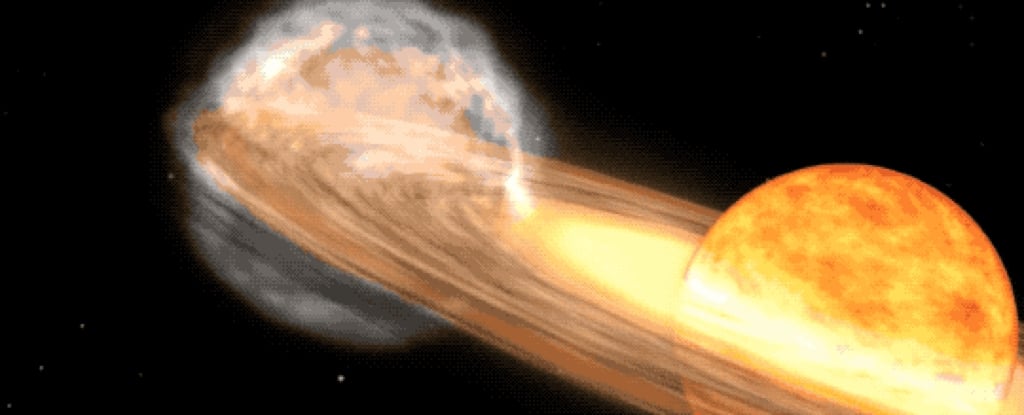
A massive explosion is expected to occur in a binary star system 3,000 light years from Earth, making it visible to amateur astronomers between now and September. The event, known as a recurrent nova, occurs every 80 years when a white dwarf and a red giant in the system trigger a runaway nuclear explosion, creating a temporary bright spot in the night sky. Astronomers are eagerly anticipating this rare event, which will provide valuable insights into the dynamics of these binary star systems.

Impending Doom: Rare Space Explosion Threatens Earth's Existence for Millennia

Originally Published 2 years ago — by Daily Mail

Featured image for Impending Doom: Rare Space Explosion Threatens Earth's Existence for Millennia
Source: Daily Mail

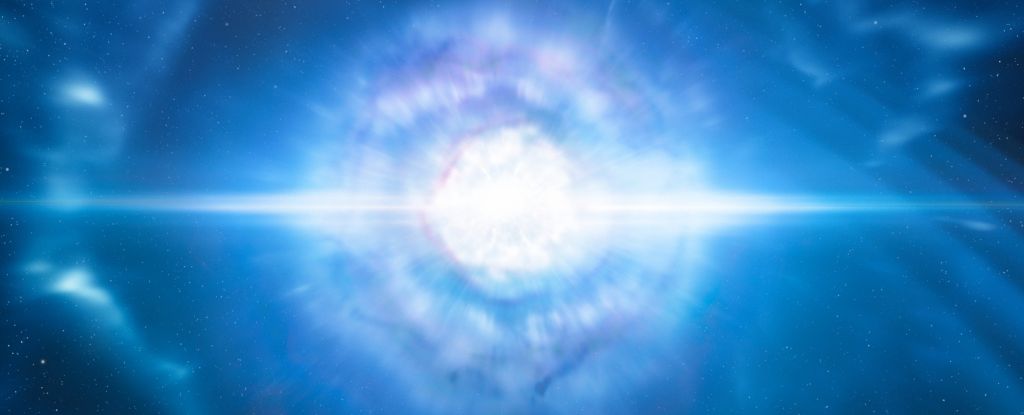
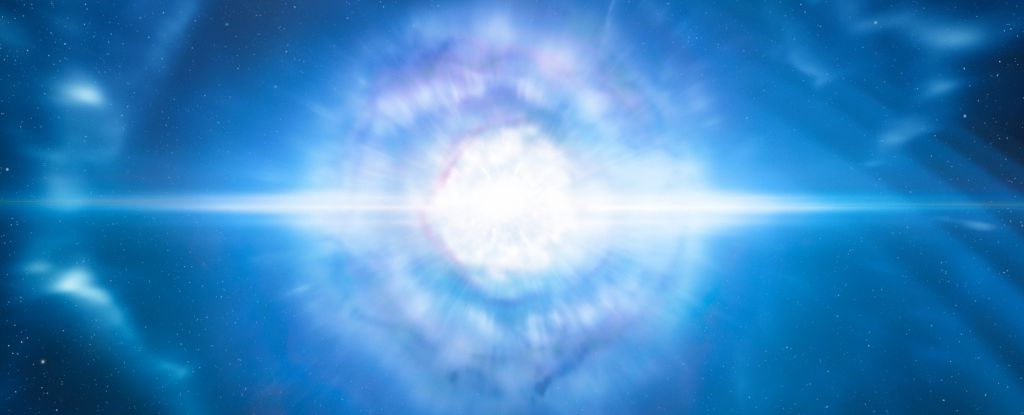
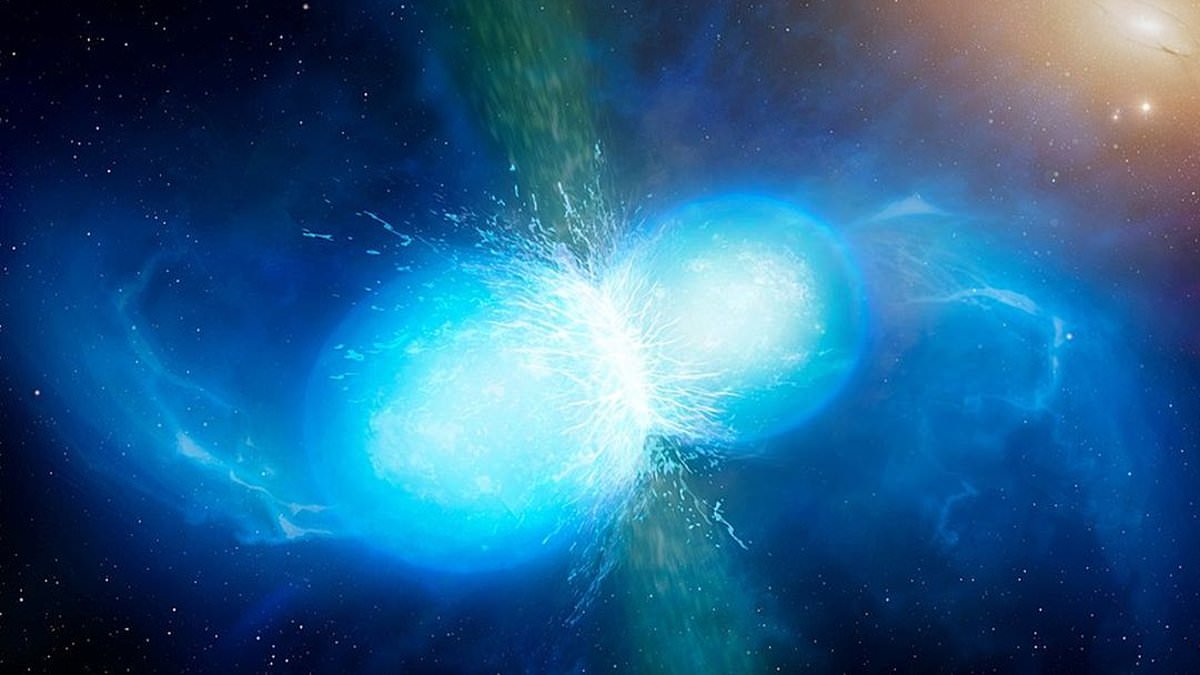
Scientists have warned that a rare type of space explosion known as a kilonova, which occurs when two neutron stars or a neutron star and a black hole collide and merge, could potentially eradicate life on Earth for thousands of years. The explosion would release gamma rays that could strip electrons from atoms, destroy the ozone layer, and expose the planet to lethal doses of ultraviolet radiation. However, the chances of such an event occurring within a dangerous distance of Earth are very low. Researchers are still studying kilonovas due to their rarity and rapidity.