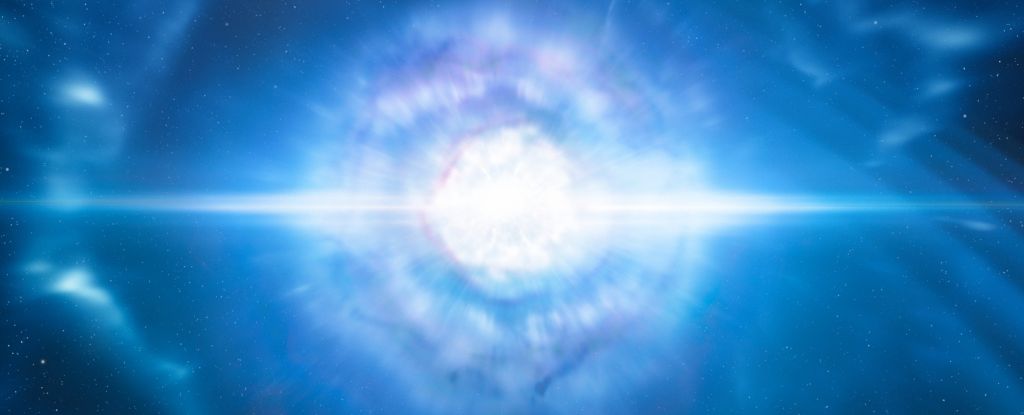
Astronomers observed the longest and most unusual gamma-ray burst ever, GRB 250702B, which repeated and lasted about a day, challenging current models and suggesting the involvement of an intermediate mass black hole or a unique stellar event, marking a significant breakthrough in understanding cosmic explosions.
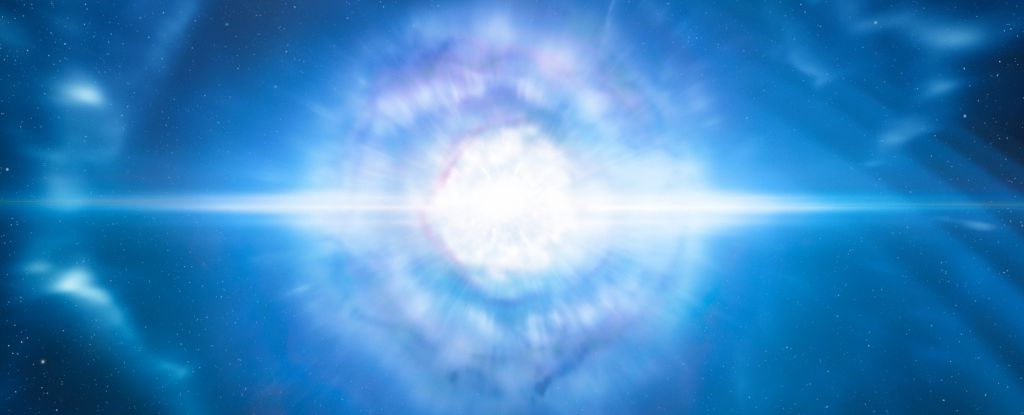
Astronomers observed a record-long, repeating gamma-ray burst, GRB 250702B, which challenges current understanding of such cosmic explosions, possibly involving an intermediate mass black hole or a unique star death, marking a significant breakthrough in astrophysics.
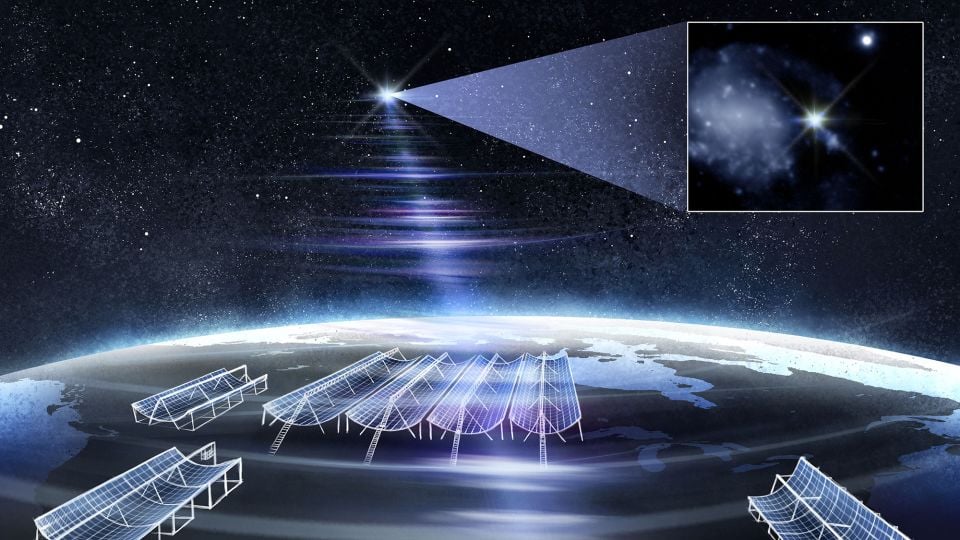
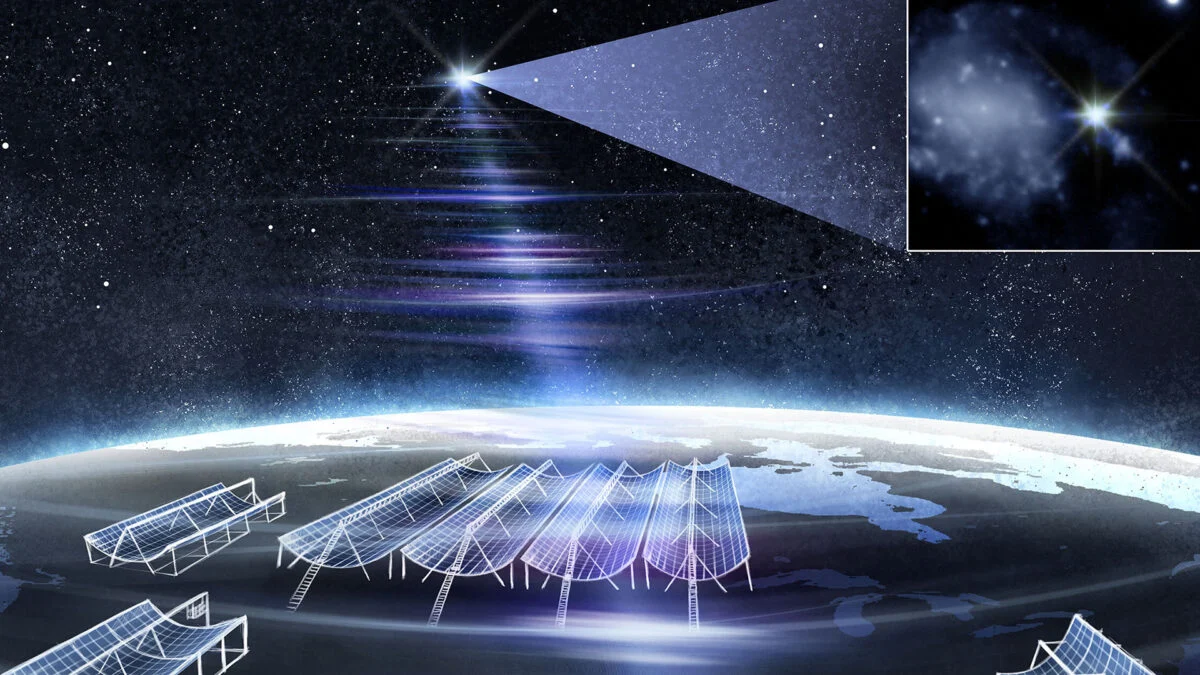
Astronomers detected the brightest fast radio burst (FRB) ever, called RBFLOAT, from a galaxy 130 million light-years away, using advanced telescopes including CHIME and Webb. This discovery helps pinpoint the burst's origin and supports the theory that magnetars could be the source, offering new insights into the nature and potential repetition of FRBs, which remain one of the universe's enduring mysteries.
Scientists have detected the brightest fast radio burst ever, named RBFLOAT, originating from a galaxy 130 million light-years away, and pinpointed its exact location, providing new insights into their origins, possibly linked to magnetars. The discovery was made using the CHIME telescope and its outriggers across North America, marking a significant advancement in understanding these mysterious cosmic phenomena.
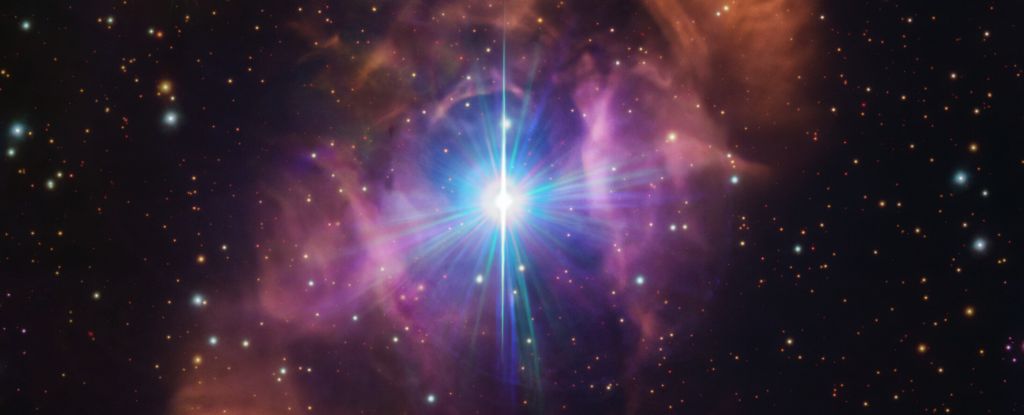
Astronomers have solved the mystery of the enigmatic 'Dragon's Egg' star system, finding that two of the original three stars merged violently, creating the unique nebula and two mismatched stars. The larger star's unexpected magnetic field led researchers to analyze the system, revealing the stars' different ages and unusual chemical composition. This evidence supports the theory that stellar mergers produce magnetic fields around massive stars, shedding light on the cosmic rarity of such phenomena.
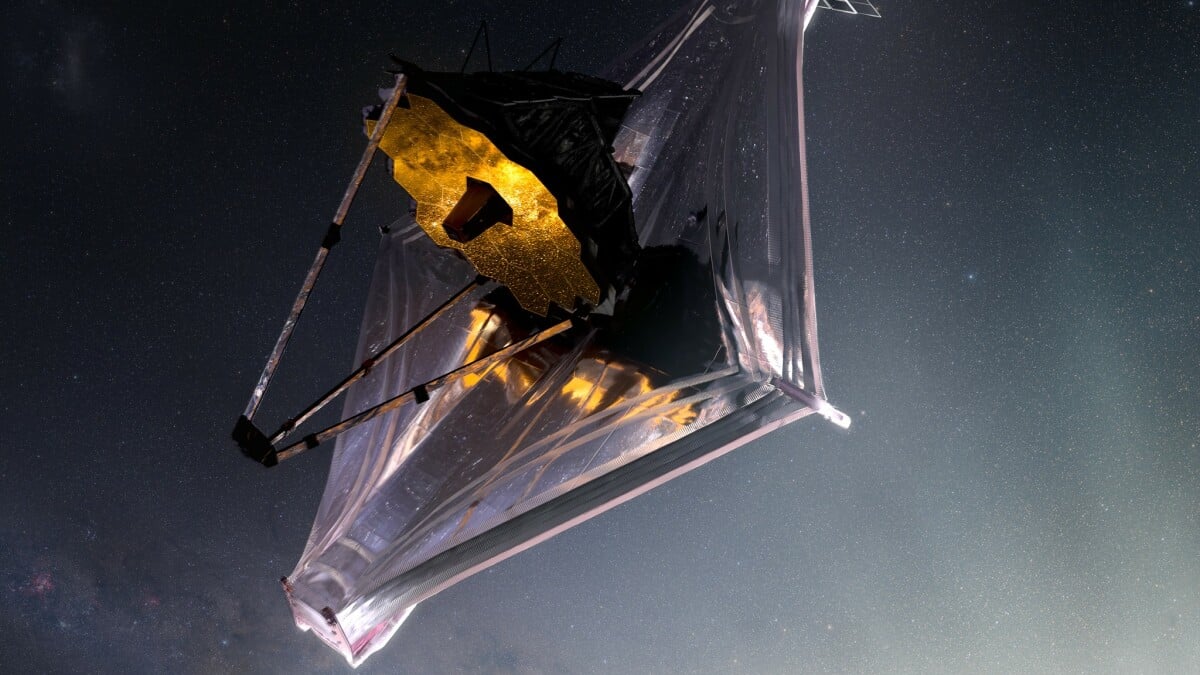
The James Webb Space Telescope has unraveled a cosmic mystery by revealing that the inexplicable light previously observed from early galaxies is actually emitted by groups of galaxies colliding and merging with one another, creating an active cosmic environment that allows the light to escape into space. This discovery challenges previous hypotheses and provides new insights into the formation of early galaxies. Equipped with a powerful mirror and infrared view, the Webb telescope is poised to revolutionize our understanding of the early universe and distant exoplanets.
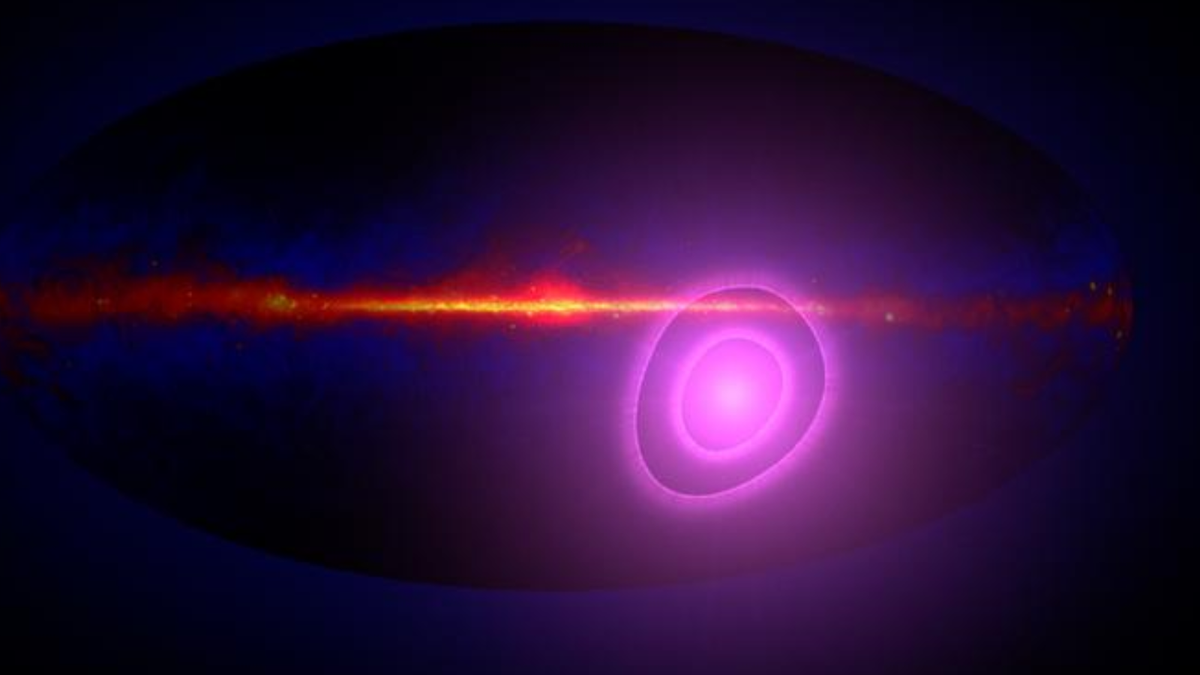
Astronomers have stumbled upon a mysterious gamma-ray signal outside the Milky Way galaxy, which may be related to the source of ultra-high-energy cosmic particles. This unexpected discovery challenges existing astrophysical theories and deepens the mystery surrounding the origins of these cosmic rays. The signal's correlation with the cosmic microwave background and its connection to the highest-energy cosmic rays suggest a potential link between the two phenomena, prompting astronomers to investigate further to unravel these cosmic mysteries.
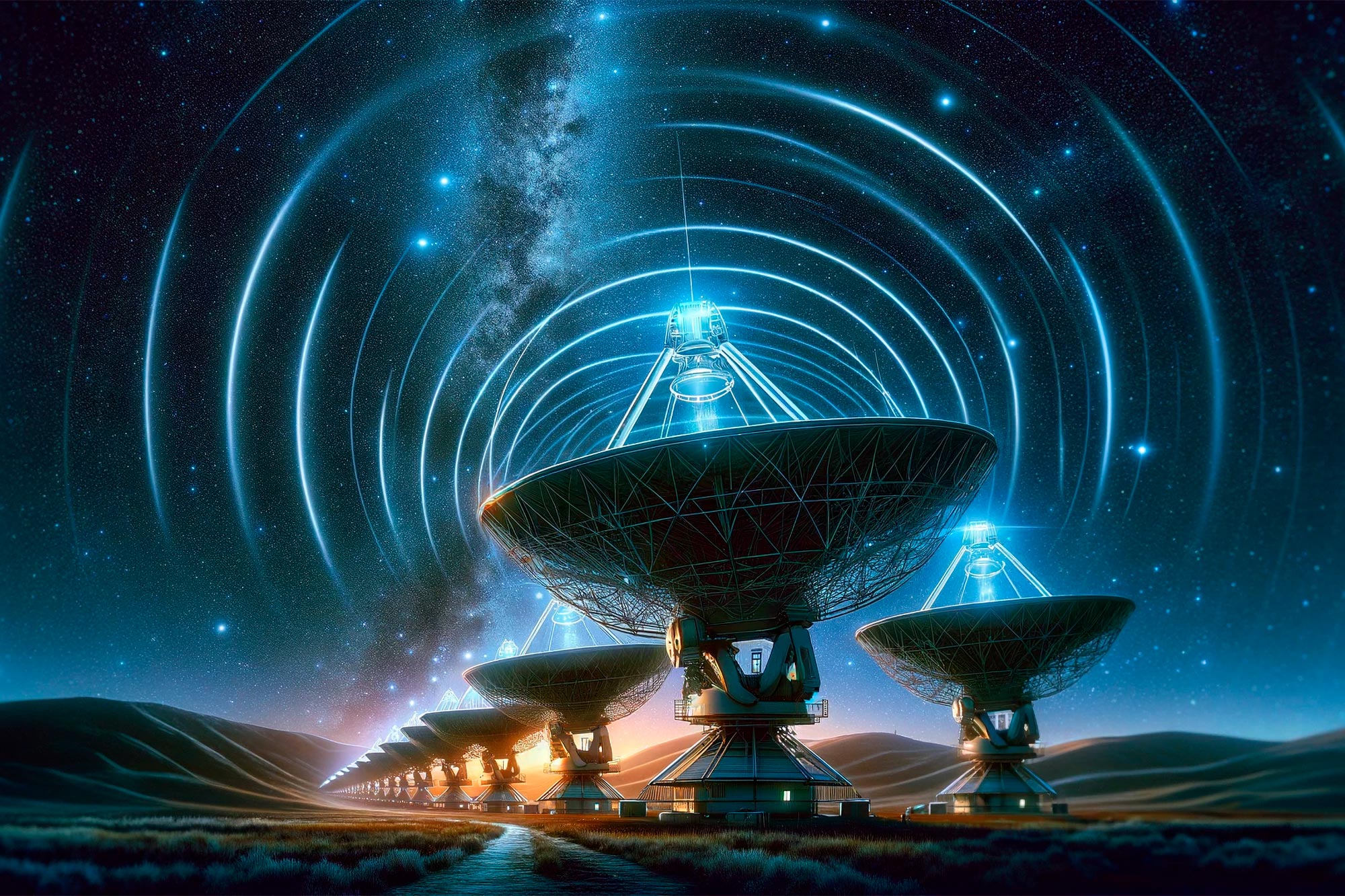
Researchers at the SETI Institute have observed 35 bursts from FRB 20220912A using the Allen Telescope Array, providing new insights into the nature of Fast Radio Bursts (FRBs). The observations revealed intriguing behaviors, including downward frequency drifting, changes in burst duration over time, and a noticeable drop in the center frequency of bursts. The study suggests that extreme cosmic objects like magnetars may be the source of FRBs, but existing models cannot explain all observed properties. The research highlights the important role of telescopes like the ATA in decoding the mysteries of FRBs and advancing our understanding of these cosmic signals.
Scientists at the SETI Institute have made significant progress in understanding Fast Radio Bursts (FRBs) through the detailed observation of a repeating FRB. The study, conducted using the Allen Telescope Array (ATA), detected 35 FRBs from the repeater FRB 20220912A, revealing intriguing patterns and behaviors. The observations suggest a connection between FRBs and extreme objects like magnetars, but existing models cannot explain all observed properties. The study also identified a noticeable drop in the center frequency of bursts over time, indicating an unexpected cosmic slide-whistle. The ATA's unique capabilities and ongoing upgrades play a crucial role in decoding the mysteries of FRBs and advancing our understanding of these captivating cosmic signals.
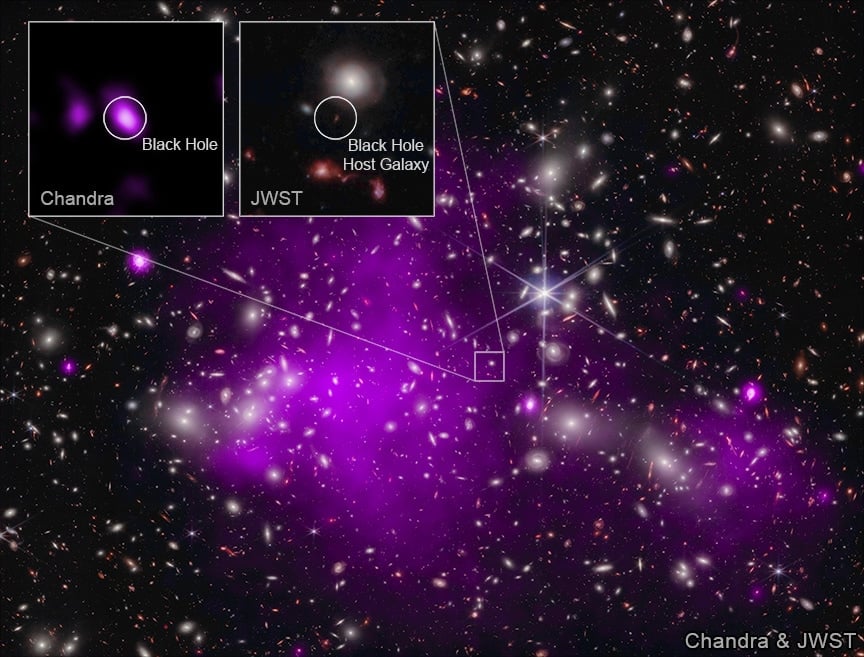
NASA's Chandra X-Ray Observatory and James Webb Space Telescope have discovered the oldest confirmed black hole, a supermassive black hole inside a galaxy that is over 13 billion years old. The discovery may help solve the mystery of the origin of supermassive black holes, as it suggests that at least for one galaxy, the black hole was supermassive from the beginning rather than growing gradually. The observations support the "heavy seed" theory, where a tremendous cloud of gas collapses to form the black hole at a supermassive scale. However, more data is needed to fully understand the formation of supermassive black holes and their prevalence in galaxies.
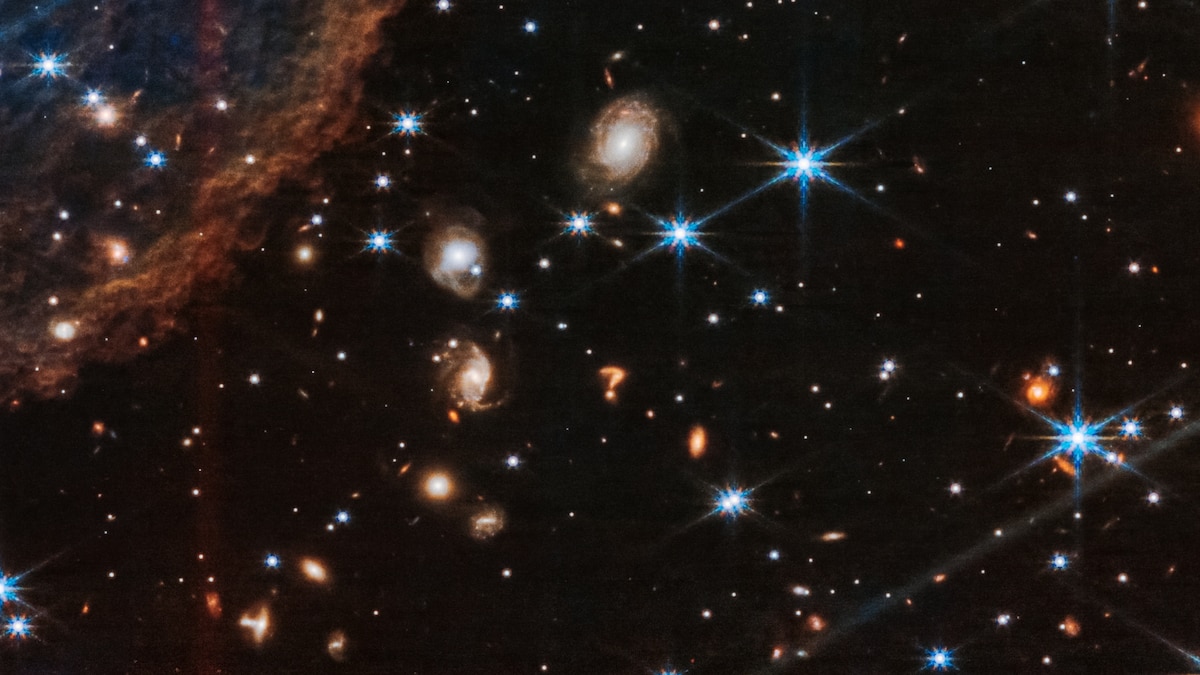
NASA's James Webb Space Telescope captured an image of two forming stars, Herbig-Haro 46/47, which were photobombed by a celestial question mark. The question mark is believed to be two galaxies merging, indicated by the shape of the object. However, it is unclear whether the two objects are related or if one is closer to Earth than the other. The distance of the question mark is difficult to determine, but further investigation could provide more insights. The source of this symbol in the sky remains a cosmic mystery.
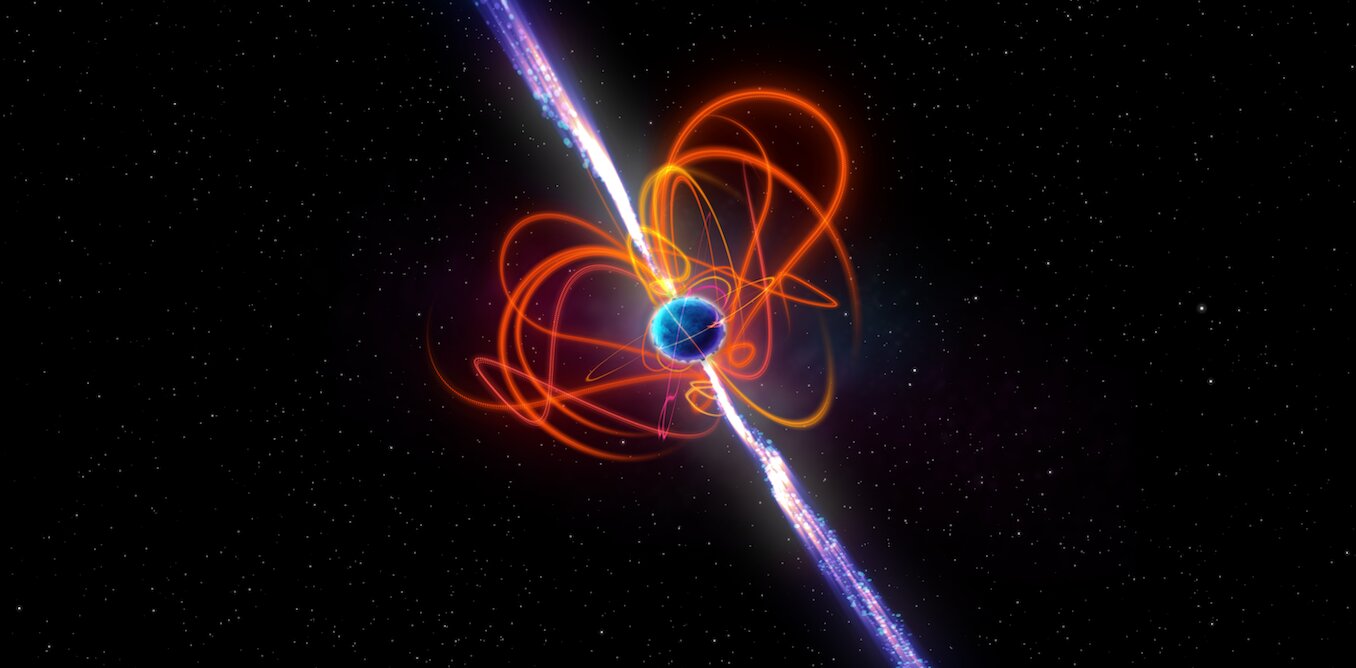
Astronomers have discovered a mysterious interstellar radio signal that has been blinking on and off every 22 minutes for over 30 years. The signal, which is repeating and lasts for five minutes with 17-minute gaps, resembles a pulsar but spins 1,000 times slower. The source has been observed since 1988 and is still active, challenging current theories about how neutron stars generate radio waves. While the possibility of extraterrestrial intelligence is tempting, further observations and analysis are needed to solve this cosmic mystery.