Tag

Astronomical Event

All articles tagged with #astronomical event

astronomy1 year ago

"Lyrid Meteor Shower: A Spectacular Celestial Event in April"

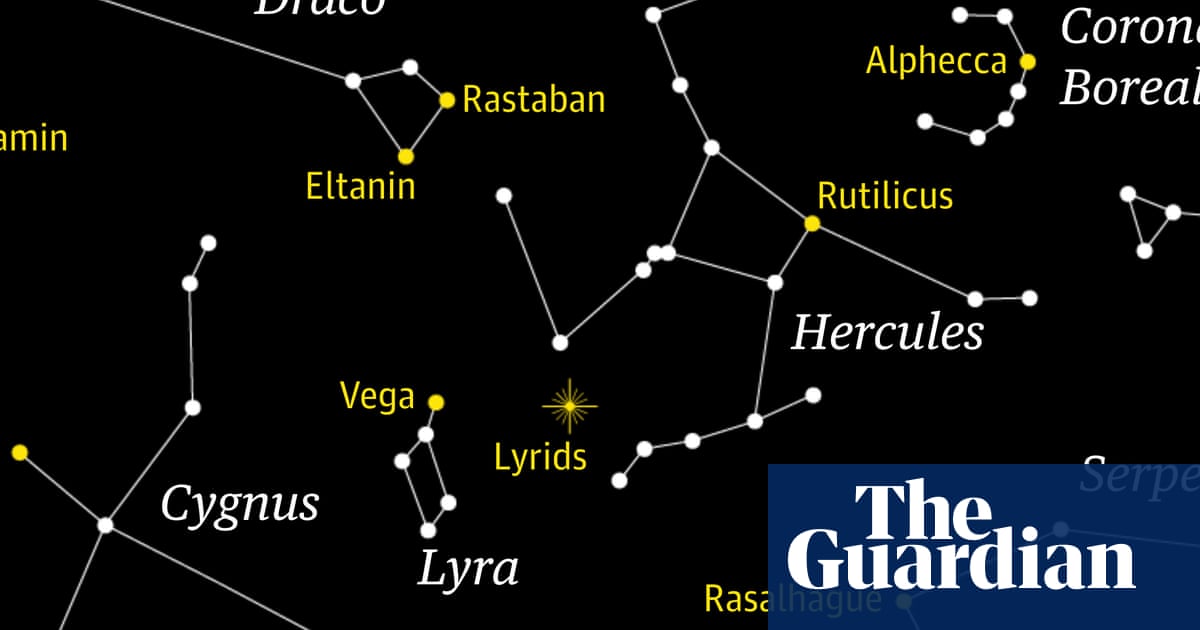
The annual Lyrids meteor shower, originating from the comet Thatcher, will peak on the night of April 22nd, offering between five and 20 meteors an hour, with the possibility of rare "fireballs". The Earth encounters the dust particles left behind by the comet every year between April 15th and 29th, with occasional outbursts of increased activity. The shower will be visible in the northern sky, with the constellation reaching its highest point around 2am from the southern hemisphere.

astronomy1 year ago

"Get Ready for a Once-in-a-Lifetime Nova: A Spectacular Space Explosion to Watch This Year"

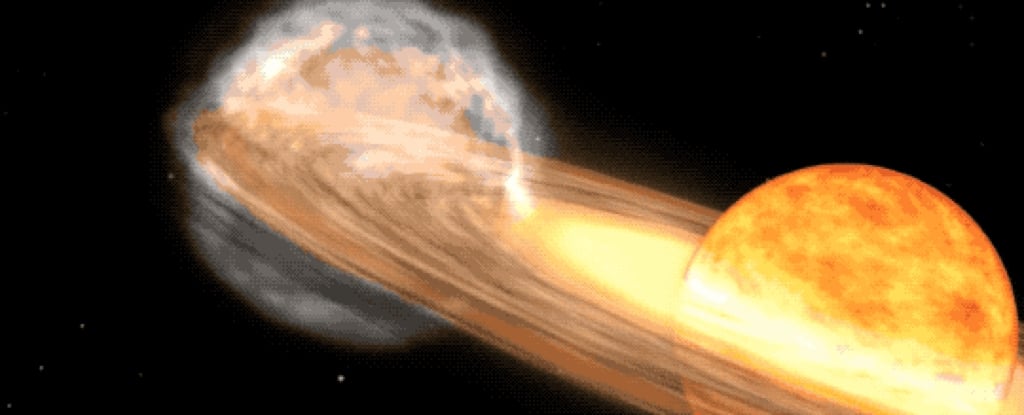
Astronomers predict that the recurring nova "T Coronae Borealis" will become visible to the naked eye in 2024, marking a rare stargazing opportunity in the constellation Corona Borealis. This event occurs when a white dwarf in a binary system gathers material from its red giant companion, leading to a massive explosion visible from Earth. The star is expected to erupt between February and September 2024, reaching a magnitude of +2 and remaining visible for several days with the naked eye and for at least a week with binoculars.

astronomy1 year ago

"Stunning 2024 Solar Eclipse Photos Captured by Our Readers"

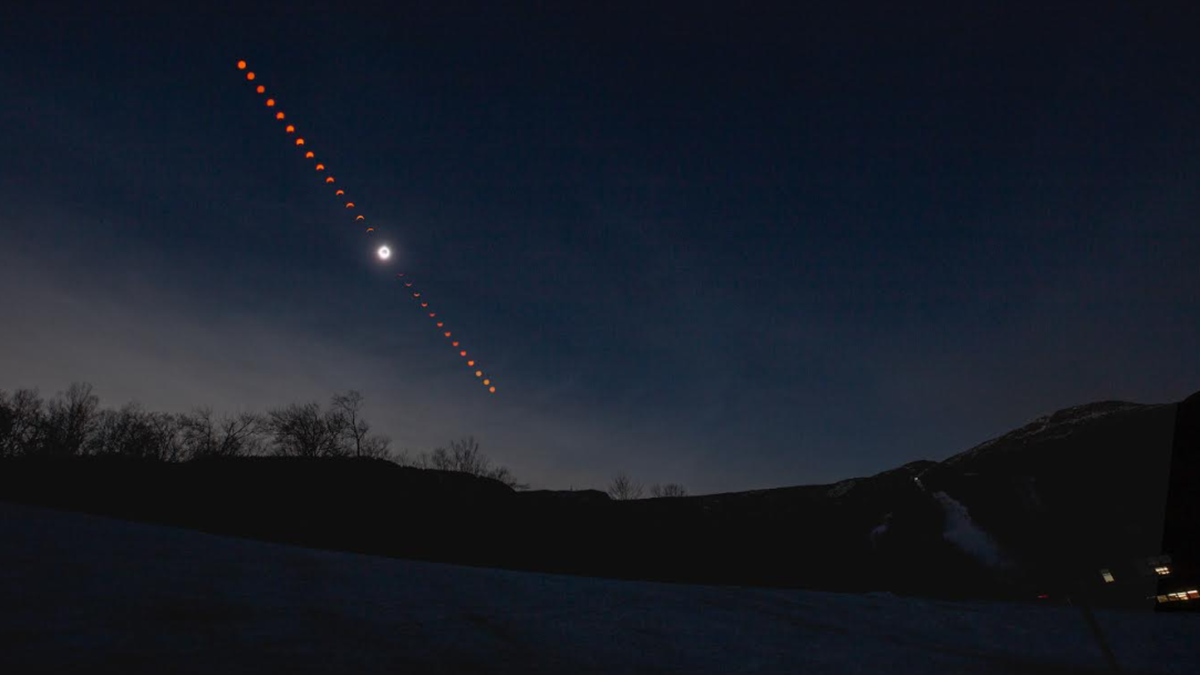
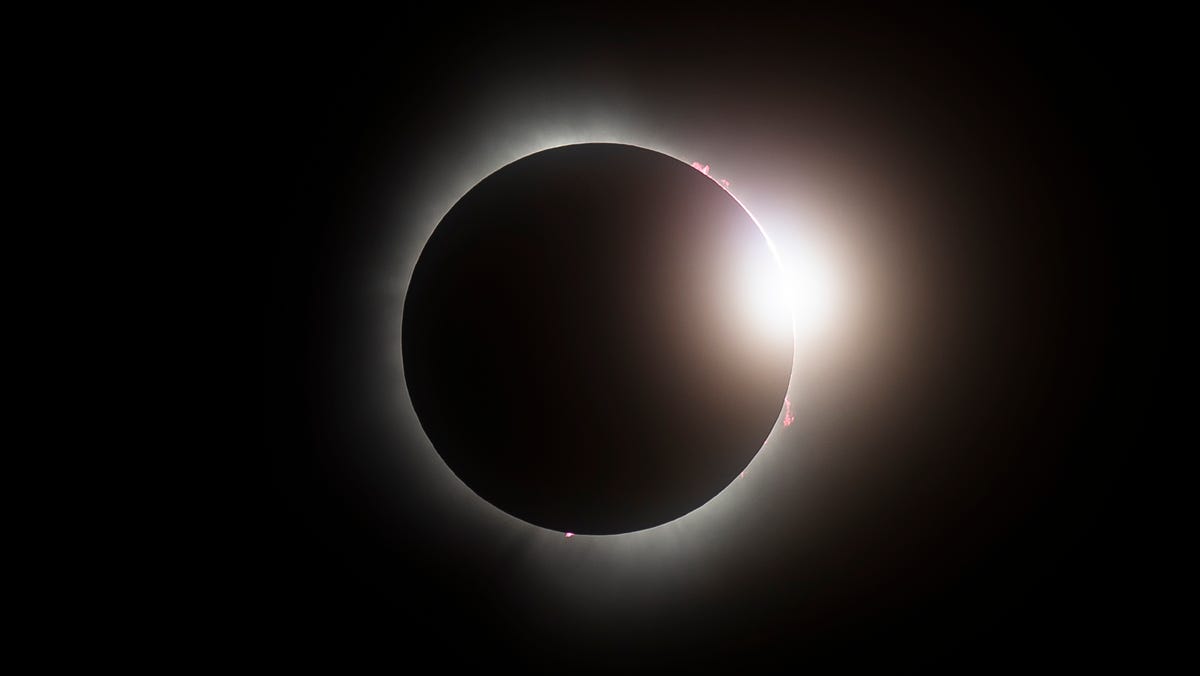
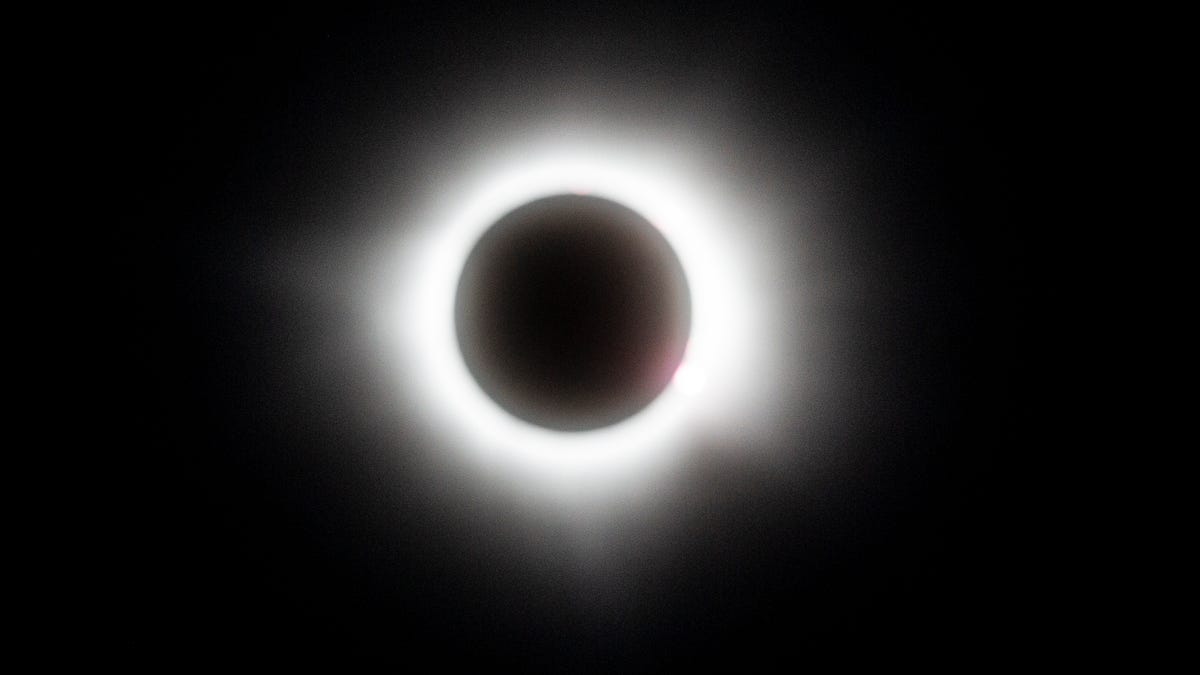
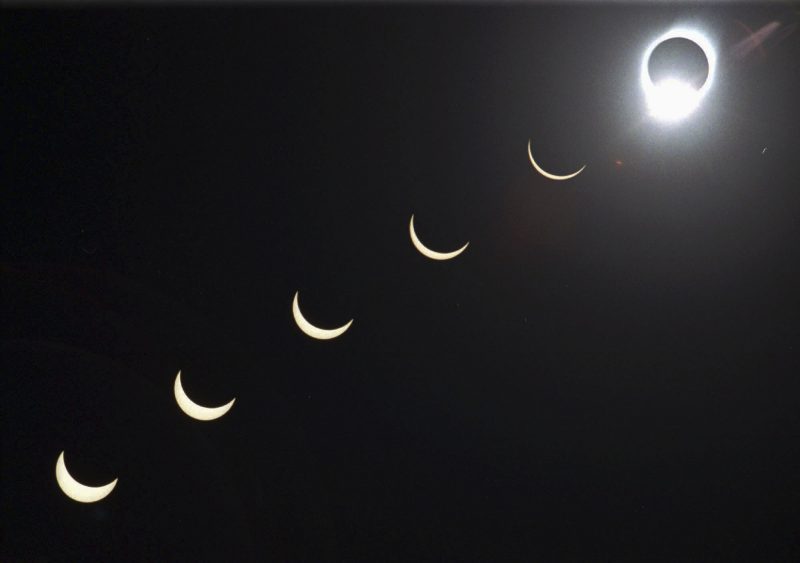
On April 8, 2024, a total solar eclipse swept through North America, captivating millions of onlookers along its path of totality. Spectacular images of the eclipse were captured by space enthusiasts, showcasing the moon obscuring the sun and revealing the corona and chromosphere. The eclipse was also witnessed from an airplane, imaged by the European Space Agency's satellite, and even observed from the International Space Station. The next solar eclipse visible from North America is in 2044, with other opportunities in 2033 and 2045.

astronomyweather1 year ago

"2024 Solar Eclipse: Unforgettable Moments and Rare Visibility Across North America"

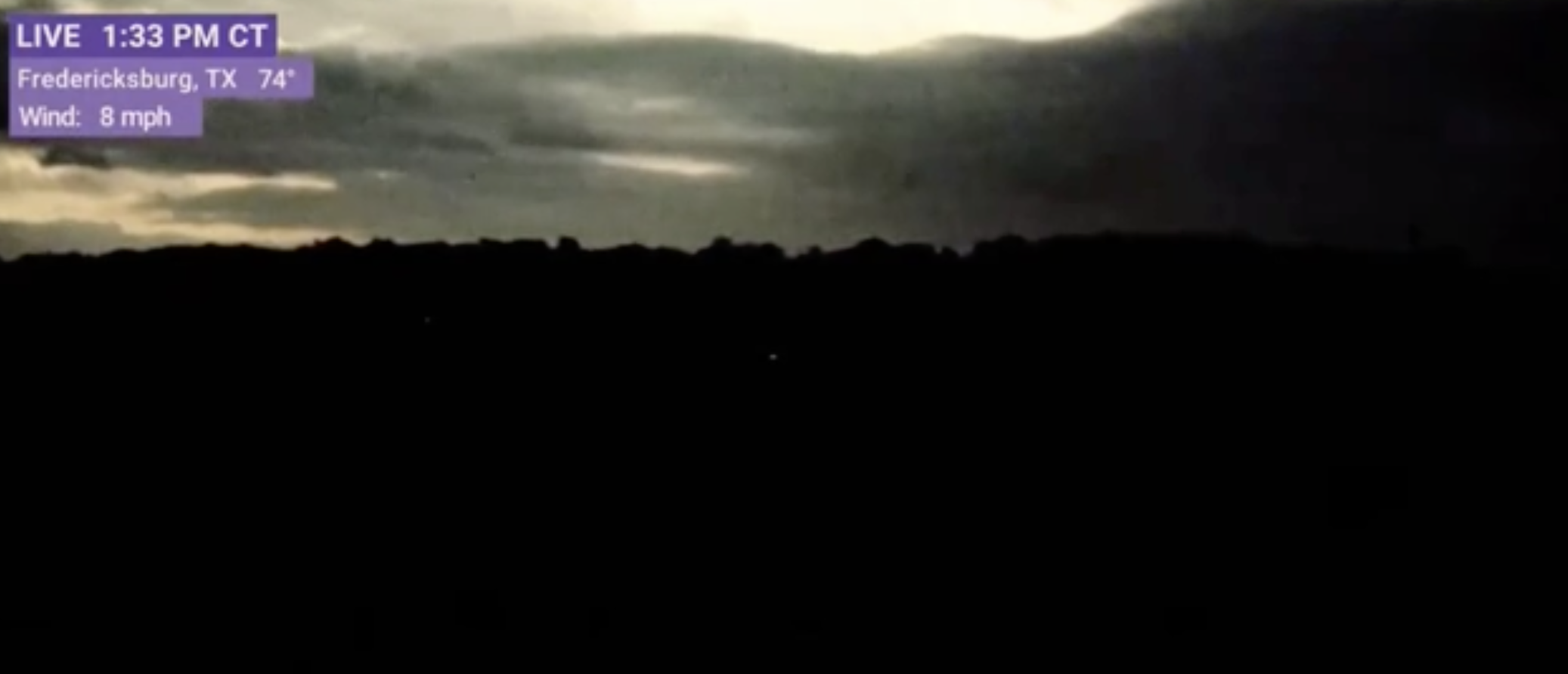
A Weather Channel reporter in Texas went into a frenzy of excitement as the solar eclipse reached totality, screaming and exclaiming about the darkness and temperature drop. The eclipse also reached areas of Mexico and several U.S. states, with the final totality in Caribou, Maine, before traveling through Canada. During totality, the skies turned twilight-dark, and the sun's outer atmosphere and visible light projection were completely hidden behind the moon. Crowds across the U.S., including prisoners in New York, gathered to witness the event.

astronomy1 year ago

"Get Ready: Spectacular Space Explosion Visible This Year"

A massive explosion is expected to occur in a binary star system 3,000 light years from Earth, making it visible to amateur astronomers between now and September. The event, known as a recurrent nova, occurs every 80 years when a white dwarf and a red giant in the system trigger a runaway nuclear explosion, creating a temporary bright spot in the night sky. Astronomers are eagerly anticipating this rare event, which will provide valuable insights into the dynamics of these binary star systems.

astronomy1 year ago

"Rare Celestial Event: Massive Star Explosion to Illuminate Sky"

The recurring nova T Coronae Borealis, located 3,000 light years from Earth, is expected to undergo a massive explosion visible in the night sky over the next five months, offering a rare opportunity for amateur astronomers to witness this extraordinary event. This binary star system, known as the "Blaze Star," experiences periodic outbursts due to interactions between its white dwarf and red giant stars, resulting in a runaway nuclear explosion and the temporary appearance of a new, bright star in the night sky. Astronomers are eagerly anticipating the event, which will be observable without advanced technology, and the James Webb space telescope will also be directed towards the phenomenon.

astronomy1 year ago

"800-Year-Old Supernova Remnants Reveal 'Zombie' Star and Medieval Cosmic Firework"

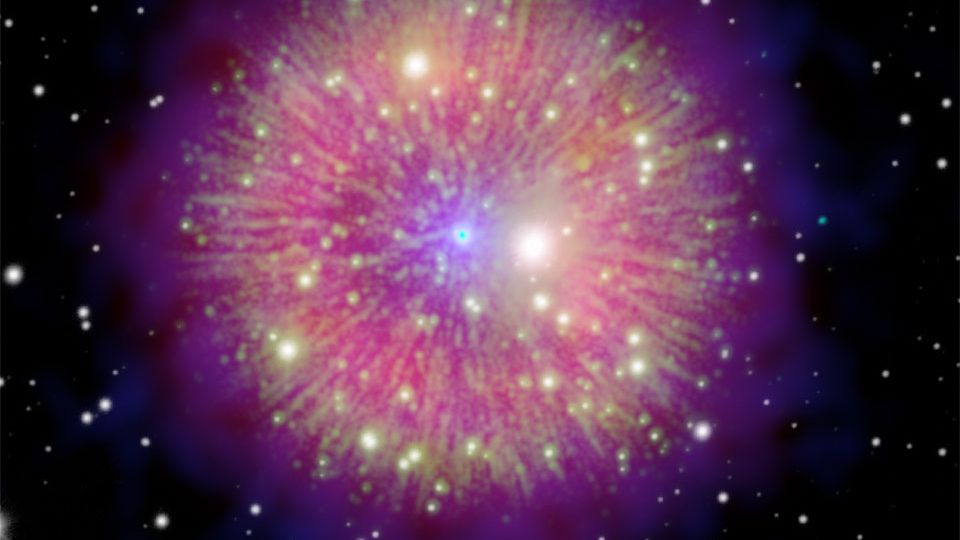
Astronomers have imaged the remnants of an 800-year-old supernova, known as SNR 1181, located in the constellation Cassiopeia. The composite image from NASA's Chandra X-ray Observatory shows a spherical nebula surrounding a hot white dwarf star, likely formed during the supernova. This "zombie" star, one of the hottest in the Milky Way, resulted from the incomplete explosion of two merging white dwarf stars. Despite being observed 800 years ago, the supernova actually occurred around 10,900 years ago due to its distance from Earth.

astronomy1 year ago

"Rare 'Devil Comet' to Share Sky with Solar Eclipse"

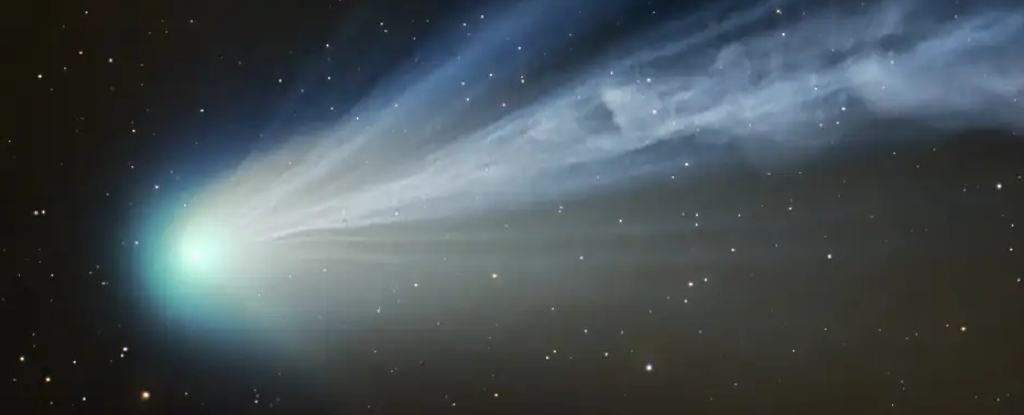
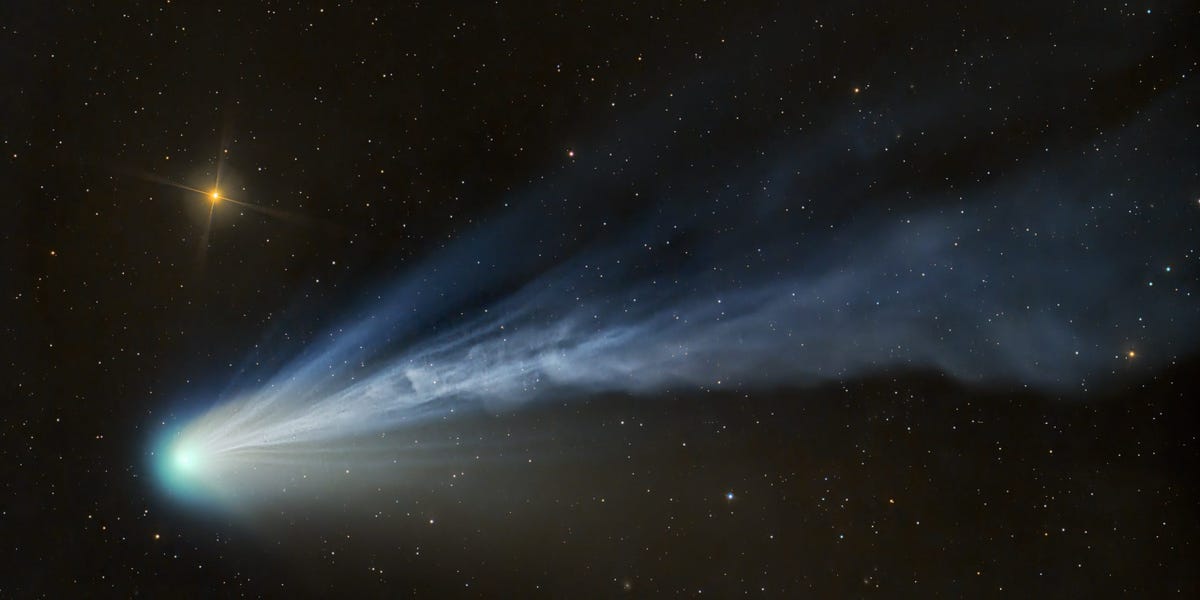
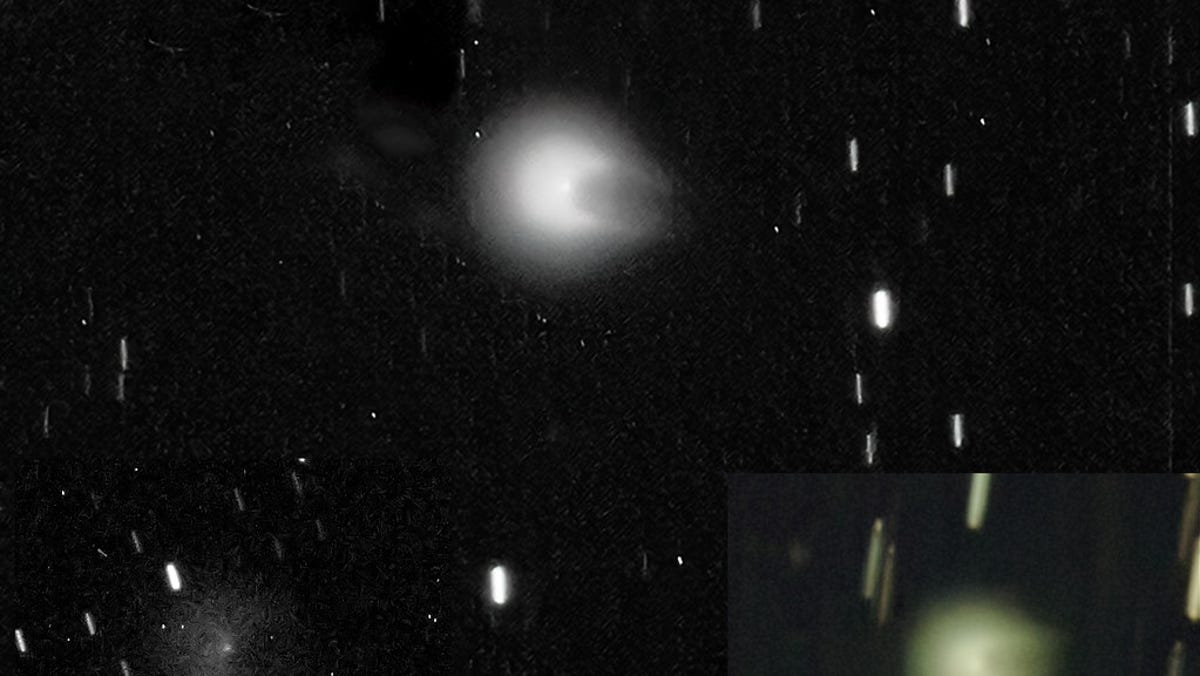
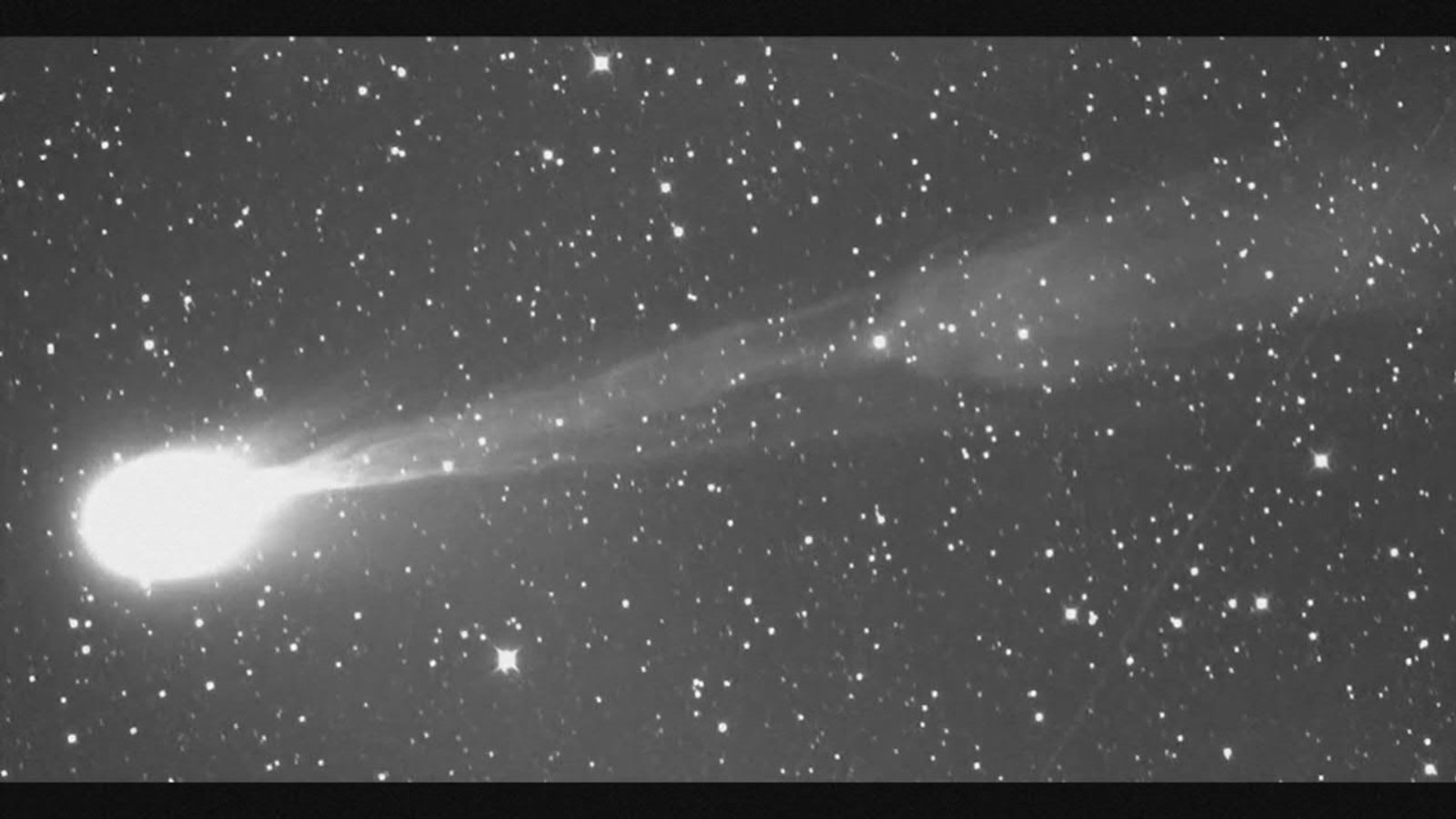
On April 8, a total solar eclipse will occur in the US, offering a chance to spot Comet 12P/Pons-Brooks, also known as the "Devil comet." This unusually large comet, with horn-shaped outbursts in its coma, may be visible near the eclipsed sun during totality. While its brightness is difficult to predict, it is estimated to have an apparent magnitude of about 4.9 during the eclipse. The comet's cryovolcanic nature means it could erupt and appear brighter. If not visible during the eclipse, it can be observed in the days leading up to April 21 when it will be nearest to the sun and brightest.

astronomy1 year ago

"2024 Solar Eclipse: Witness the Spectacular 'Devil Comet' and Planets in the Night Sky"

On April 8, a total solar eclipse will occur in the US, coinciding with the close approach of Comet 12P/Pons-Brooks, also known as the "Devil comet." This large comet, with horn-shaped outbursts in its coma, may be visible during the eclipse, appearing as a green streak due to its high dicarbon levels. While its brightness is difficult to predict, an eruption during the eclipse could make it appear brighter. To spot the comet, look for Jupiter during totality, but remember to use proper eye protection when observing the eclipse. If not visible on April 8, try again in the days leading up to April 21 when it will be nearest to the sun and brightest.

astronomy1 year ago

"Rare 'Devil Comet' Visible in Night Sky During April 8 Eclipse: How to View"

The "Devil Comet," officially known as 12/P Pons-Brooks, will be visible in Wisconsin for the first time in 71 years from mid-March to mid-April, with the best viewing time on April 21. This 10-mile-wide comet, known for its unique appearance resembling devil horns, is a Halley-type comet that flares up as it approaches the sun. It can be seen with binoculars or a telescope just after sunset, located south and to the left of Jupiter. Although not visible during the upcoming partial solar eclipse on April 8, the comet's visibility will diminish as the sun sets later, making early April the best time for viewing in Milwaukee.

astronomy1 year ago

"Rare 'Devil Comet' Returns During April Eclipse, NASA Confirms"

NASA reports that the rare and massive "devil comet" 12P/Pons-Brooks, known for its periodic explosions and devilish appearance, will pass by Earth for the first time in 71 years and may be visible during the April 8 total solar eclipse. The comet, with a diameter of at least 17 kilometers, will reach its closest point to the sun on April 21, coinciding with the eclipse. Skywatchers may have the opportunity to observe the comet as it travels through the solar system, with another chance for viewing during its closest approach to Earth on June 2.