Tag

Space Agriculture

All articles tagged with #space agriculture

Scientists Confirm Tea Can Be Grown on the Moon

Originally Published 3 months ago — by theregister.com

Featured image for Scientists Confirm Tea Can Be Grown on the Moon
Source: theregister.com

British researchers from the University of Kent successfully grew tea plants in lunar soil simulants under space-like conditions, marking a significant step in space agriculture and demonstrating potential for sustaining long-term lunar missions, although plants did not grow in Martian soil. The study also offers insights into growing crops in harsh environments on Earth, with implications for future lunar bases and climate resilience.

Scientists Develop Space-Resilient Crops for Long-Term Mars and Moon Missions

Originally Published 6 months ago — by Rude Baguette

Featured image for Scientists Develop Space-Resilient Crops for Long-Term Mars and Moon Missions
Source: Rude Baguette

The Moon-Rice project, led by the Italian Space Agency and involving Italian universities, is developing super-dwarf rice using CRISPR technology to support long-term space missions and improve agriculture in extreme Earth environments, with potential benefits for global food security.

Scientists Launch Cannabis Seeds into Space

Originally Published 6 months ago — by WIRED

Featured image for Scientists Launch Cannabis Seeds into Space
Source: WIRED

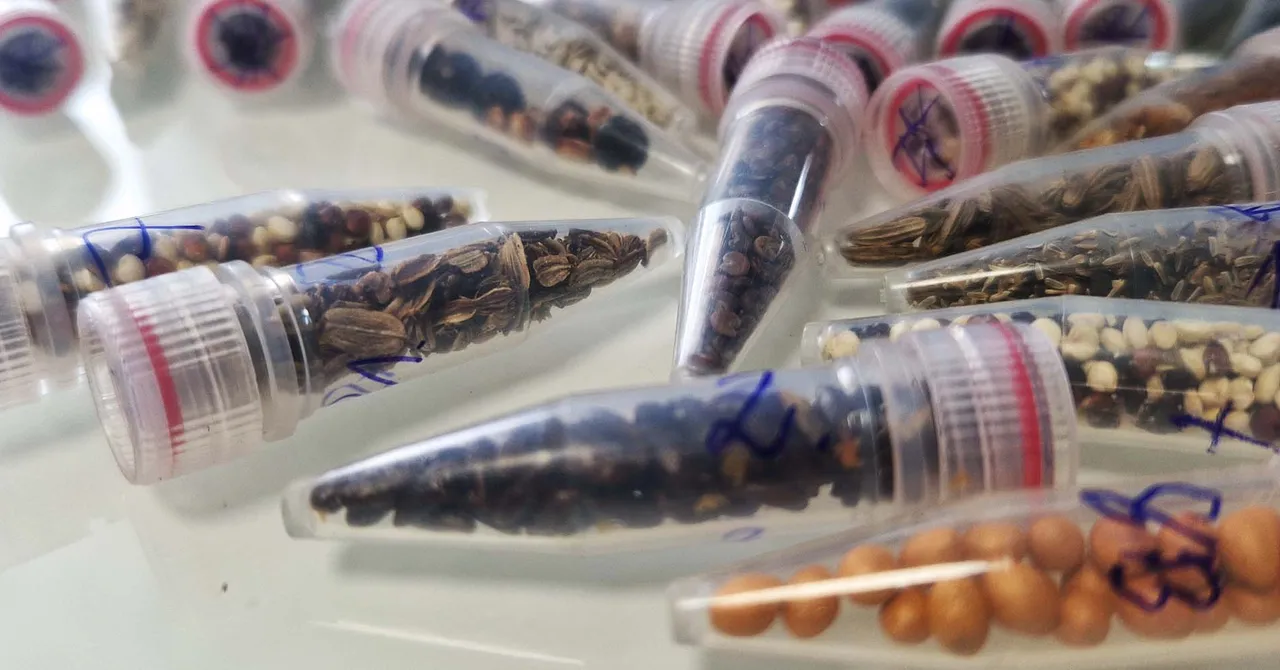
Scientists are launching cannabis seeds and other biological samples into space aboard a SpaceX Falcon 9 to study how cosmic radiation and space conditions affect plant genetics, with potential implications for future space farming and understanding plant resilience in extreme environments.

"NASA's Artemis Astronauts to Cultivate Crops on the Moon in 2026"

Originally Published 1 year ago — by The Telegraph

Featured image for "NASA's Artemis Astronauts to Cultivate Crops on the Moon in 2026"
Source: The Telegraph

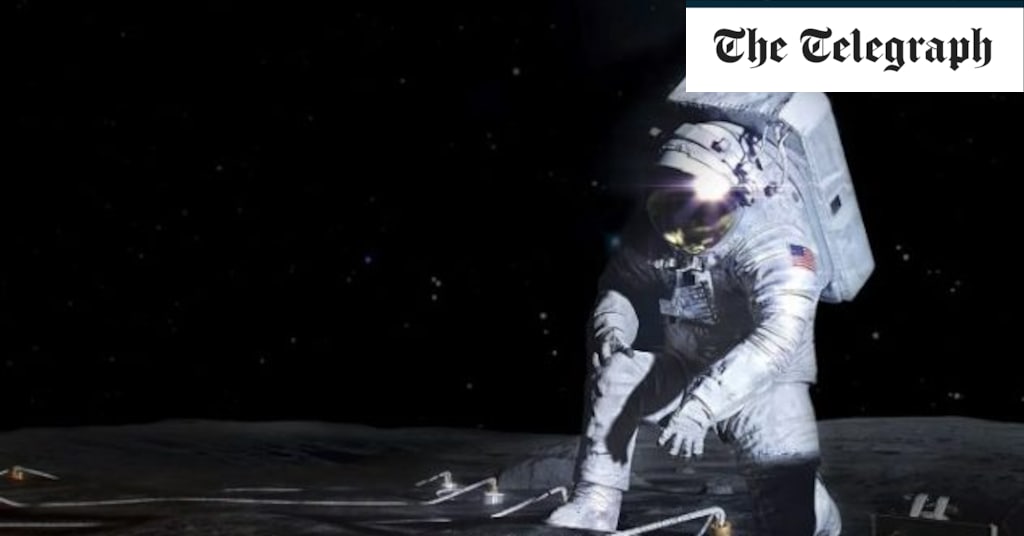
NASA plans to grow plants on the Moon for the first time during the Artemis III mission in 2026, aiming to study how plants fare in partial gravity and space radiation. The project, called Leaf, will deploy growth chambers containing thale cress and duckweed, with the goal of establishing a permanent base on the lunar surface and reducing the need to ship food from Earth. This initiative is part of preparations for sustained lunar exploration and future missions to Mars, and will involve studying the impact of the lunar environment on plant growth and DNA.

"Space-Grown Salads: A Deadly Risk for Astronauts"

Originally Published 1 year ago — by ScienceAlert

Featured image for "Space-Grown Salads: A Deadly Risk for Astronauts"
Source: ScienceAlert

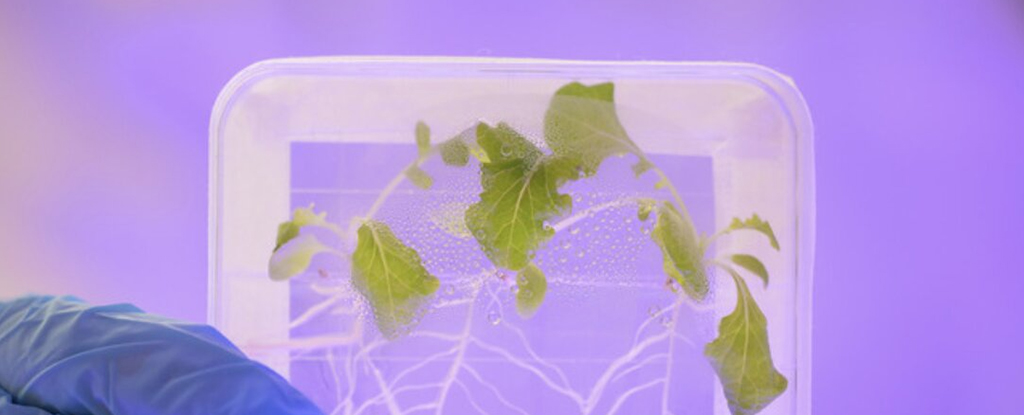
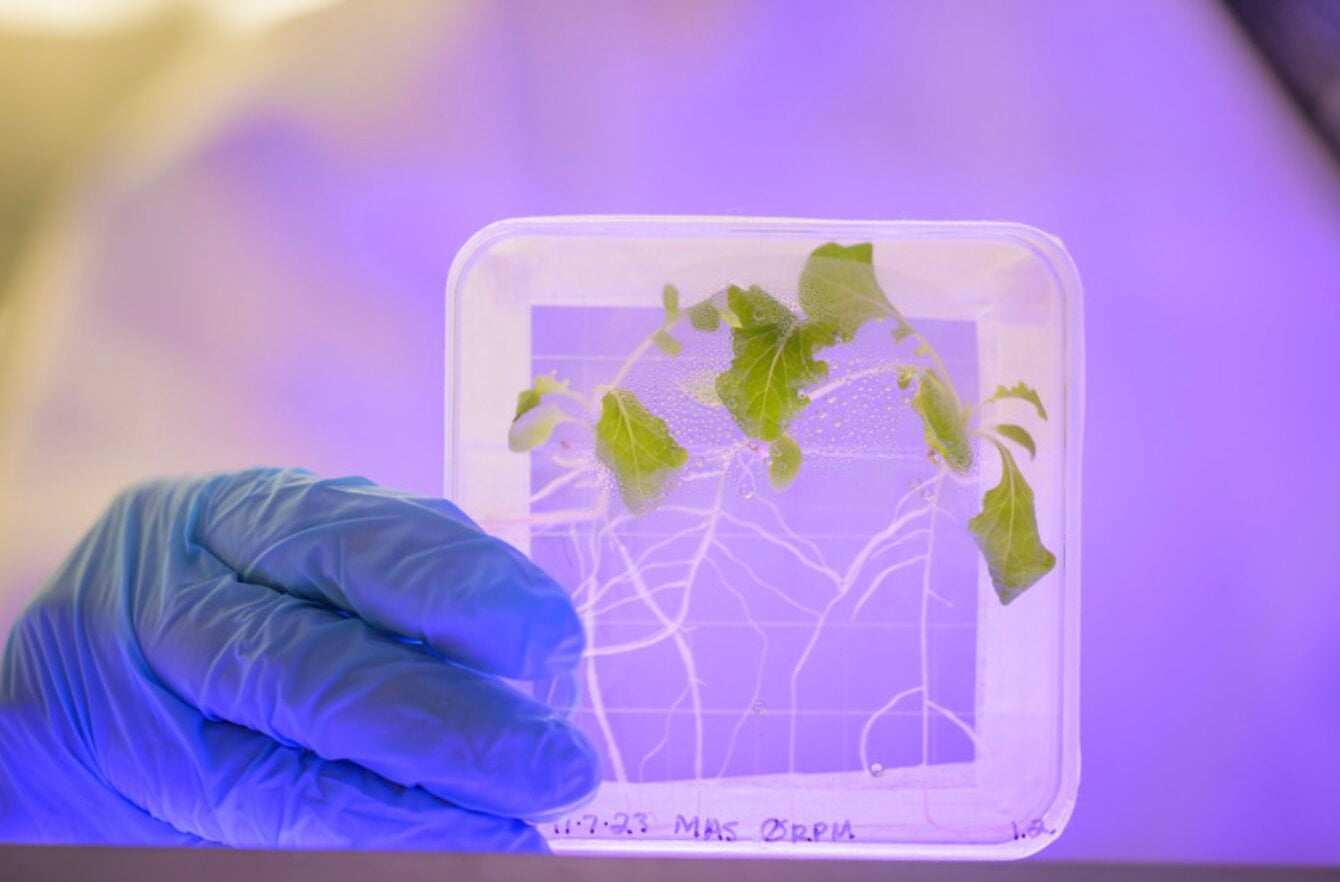
Research suggests that growing salad in space may pose a risk to astronauts, as lettuce plants grown in simulated microgravity were found to be more susceptible to the Salmonella enterica pathogen. The study revealed that the plants' defense mechanisms did not work effectively in microgravity, potentially leaving astronauts vulnerable to space-borne bacteria. The findings highlight the need for further research and potential genetic modifications to ensure food safety for astronauts living in space.

"Study Finds Eating Salad in Space May Not Be Healthy"

Originally Published 2 years ago — by Phys.org

Featured image for "Study Finds Eating Salad in Space May Not Be Healthy"
Source: Phys.org

New research from the University of Delaware suggests that growing lettuce in space may not be as healthy as previously thought, as plants grown under simulated microgravity conditions were found to be more prone to infections from Salmonella. The study revealed that the plants' stomata, tiny pores used for breathing, remained open when exposed to bacteria, making them vulnerable to invasion. This raises concerns about foodborne illness outbreaks on the International Space Station and highlights the need for further research and potential solutions, such as sterilized seeds and genetic modifications to prevent stomata opening in space environments.

Lost Space Tomatoes Found After 8 Months: NASA's Surprising Discovery

Originally Published 2 years ago — by NDTV

Featured image for Lost Space Tomatoes Found After 8 Months: NASA's Surprising Discovery
Source: NDTV

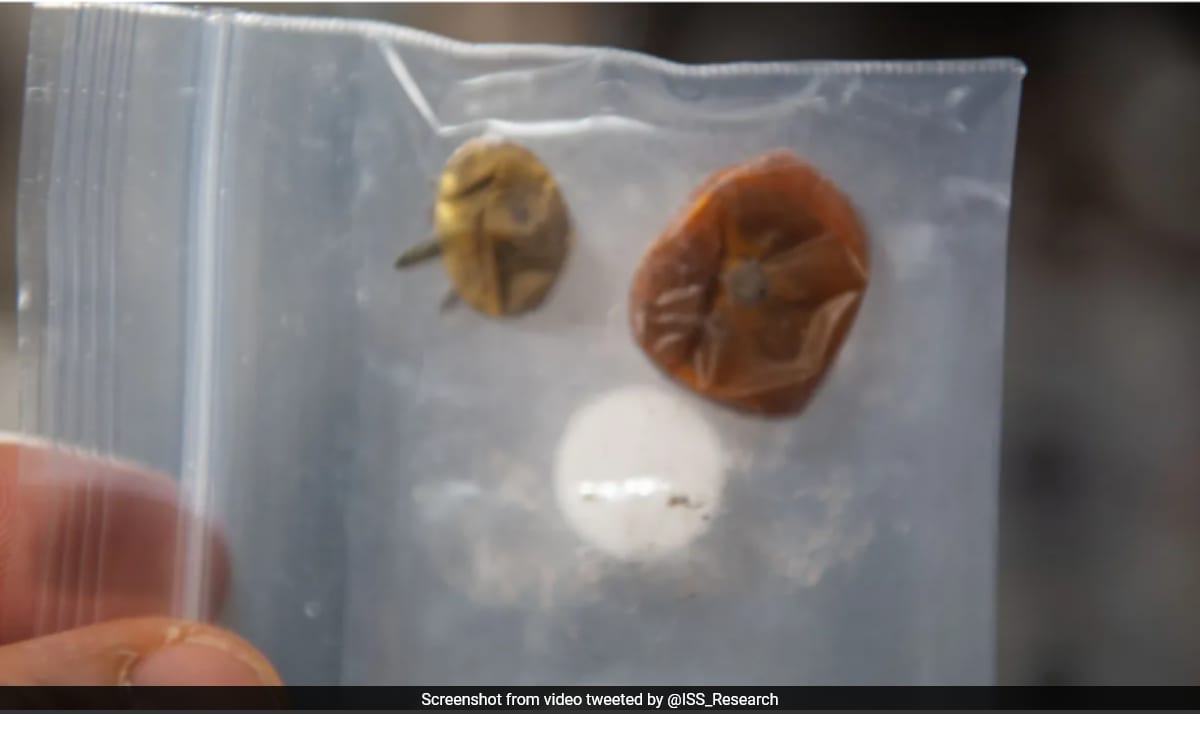
NASA has revealed the first image of two tomatoes that were lost in space for eight months. Astronaut Frank Rubio accidentally lost the tomatoes while harvesting for the XROOTS experiment, a soil-less plant experiment. The tomatoes were recently found by the ISS crew, dehydrated and slightly squashed but without any visible microbial or fungal growth. The XROOTS experiment aims to develop space agricultural methods to sustain crews on long-term space flights.

NASA Astronauts Crack Mystery of Lost Space Tomato

Originally Published 2 years ago — by The Telegraph

Featured image for NASA Astronauts Crack Mystery of Lost Space Tomato
Source: The Telegraph

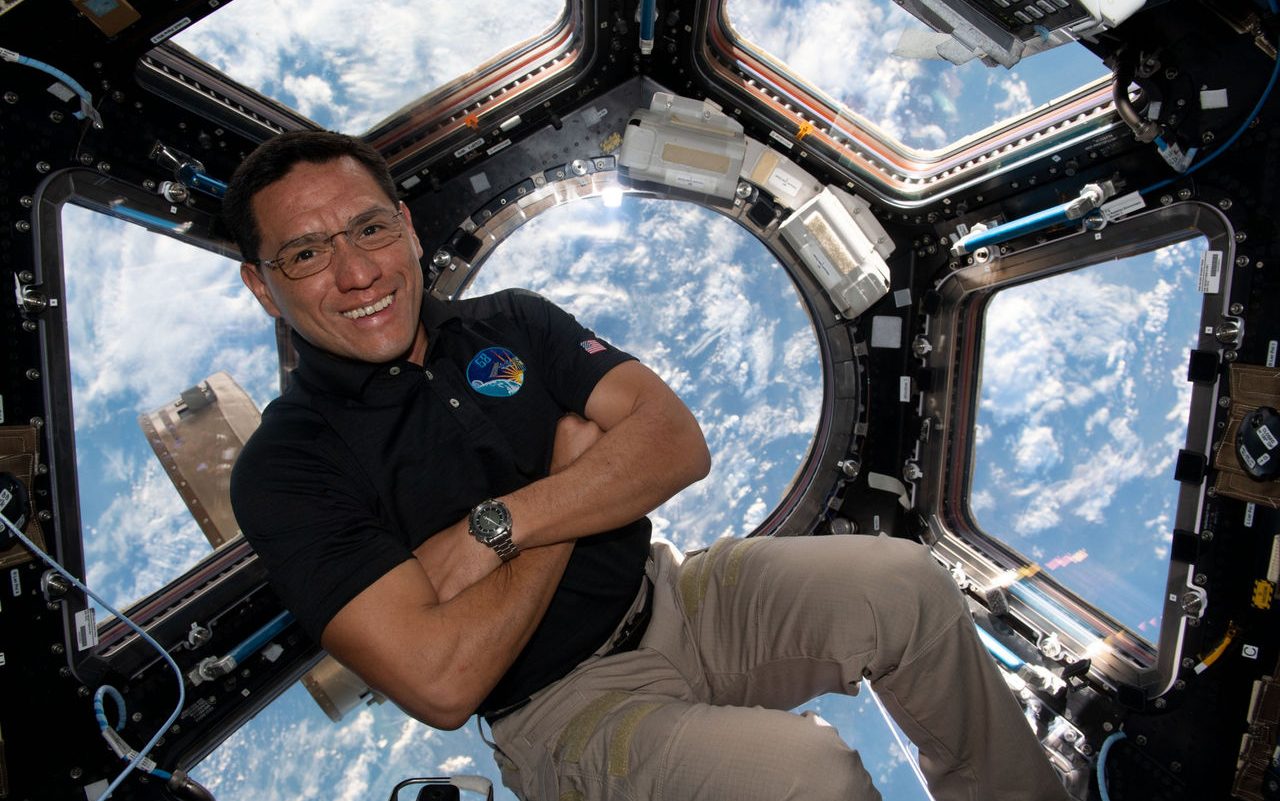
NASA astronaut Frank Rubio has been exonerated after being accused of eating the first space-grown tomato on the International Space Station (ISS). The tomato, grown as part of a NASA salad-growing experiment, went missing after Rubio took it out of a bag to show it off on a video call. Rubio spent 371 days in space and spent up to 20 hours searching for the tomato. The cultivation of plants in space aims to supplement astronauts' diets, which currently rely on rehydrated food.

NASA Astronauts Solve Mystery of Missing Tomato in Space

Originally Published 2 years ago — by UNILAD

Featured image for NASA Astronauts Solve Mystery of Missing Tomato in Space
Source: UNILAD

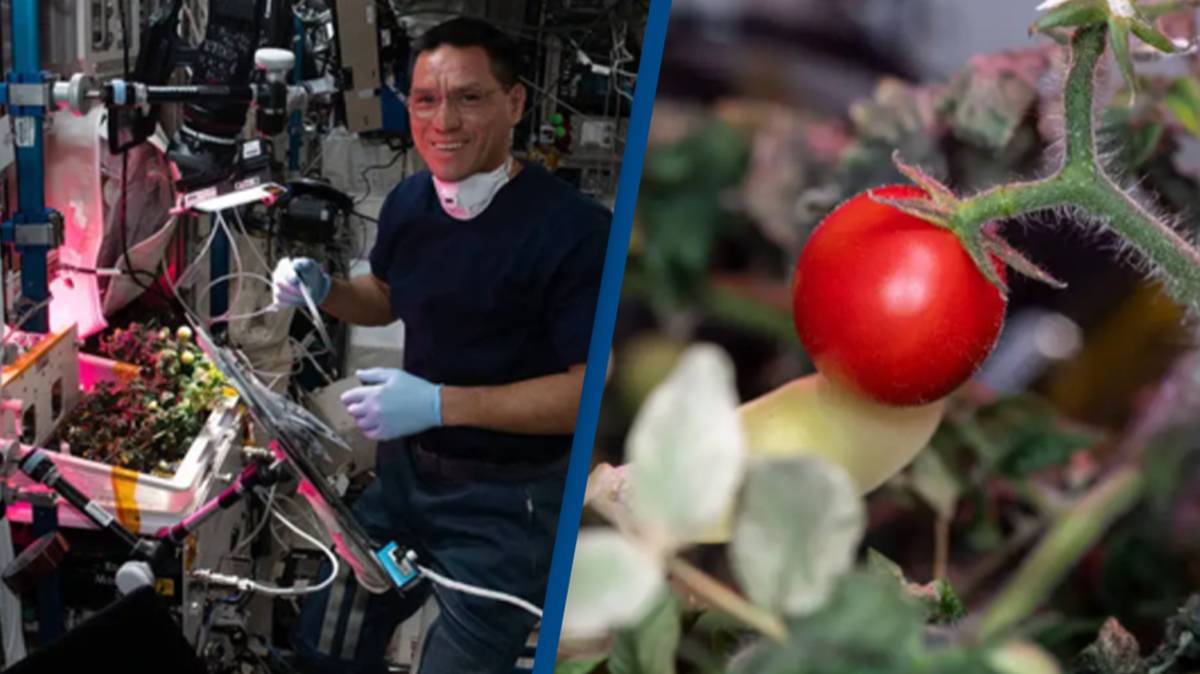
The mystery of the first tomato ever grown in space, which went missing earlier this year, has finally been solved. NASA astronauts discovered the rogue fruit while floating around the International Space Station on its 25th anniversary. The tomato was grown by American astronaut Frank Rubio as part of an experiment to grow produce in space. Rubio had initially misplaced the tomato after taking it out to show students. Speculations arose that he had eaten it, but the tomato has now been found and is back in the care of NASA.

"Watermeal: Earth's Tiniest Plant, Astronauts' Vital Lifeline"

Originally Published 2 years ago — by Phys.org

Featured image for "Watermeal: Earth's Tiniest Plant, Astronauts' Vital Lifeline"
Source: Phys.org

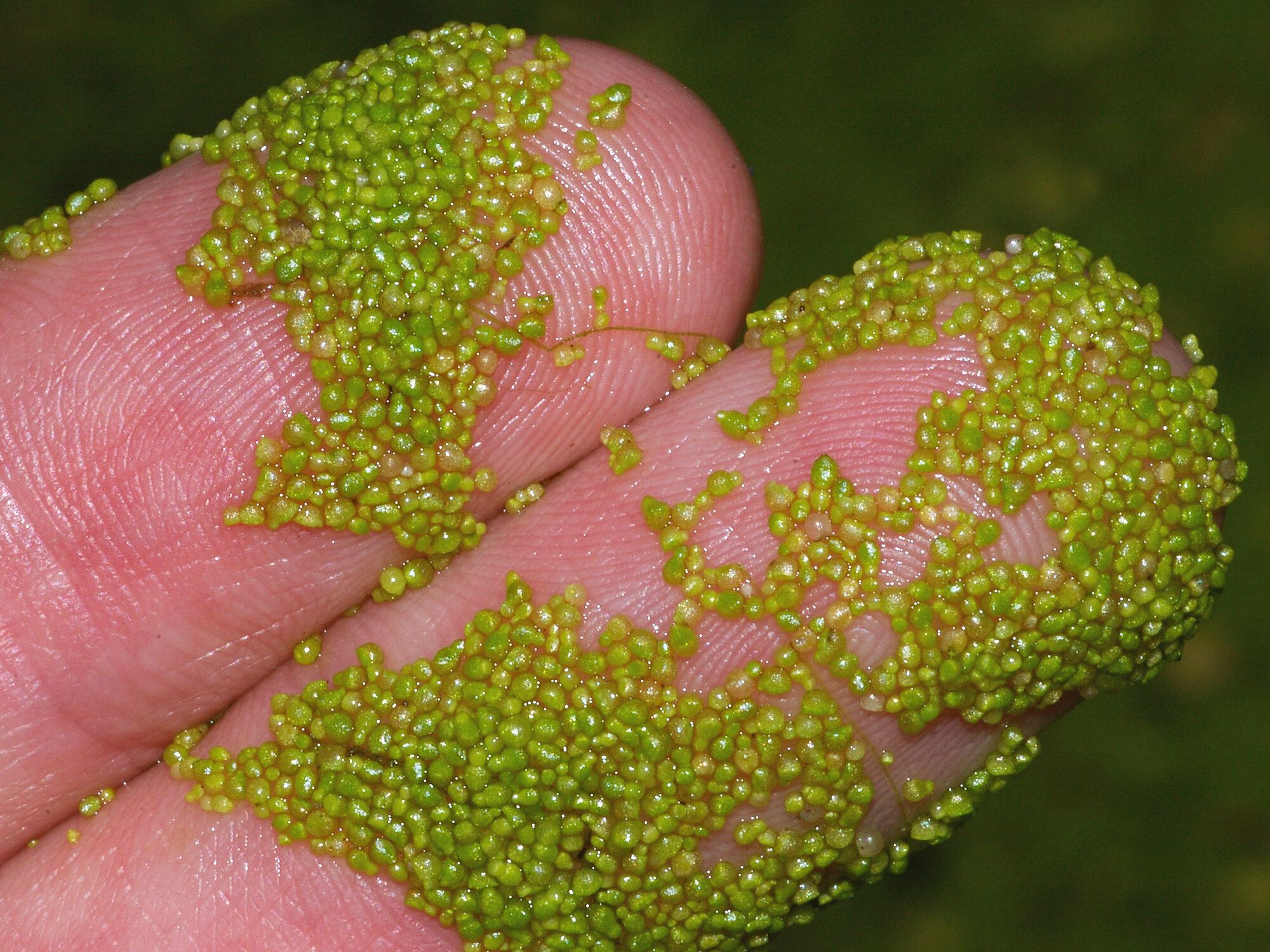
Researchers from Mahidol University in Thailand conducted experiments on watermeal, the smallest flowering plant on Earth, to study its growth and development under hypergravity conditions. Watermeal, which is smaller than duckweed, was subjected to 20 times normal Earth gravity using ESA's Large Diameter Centrifuge. The plant's ability to produce oxygen through photosynthesis and its potential as a nutritious food source for astronauts make it a promising candidate for space-based agriculture. The team aims to understand how watermeal adapts to different gravity environments and plans to conduct detailed chemical analysis on the plant's hypergravity response.