Tag

International Space Station Iss

All articles tagged with #international space station iss

space-exploration2 years ago

NASA's Saucy Discovery: Lost Space Tomatoes Found After 8 Months

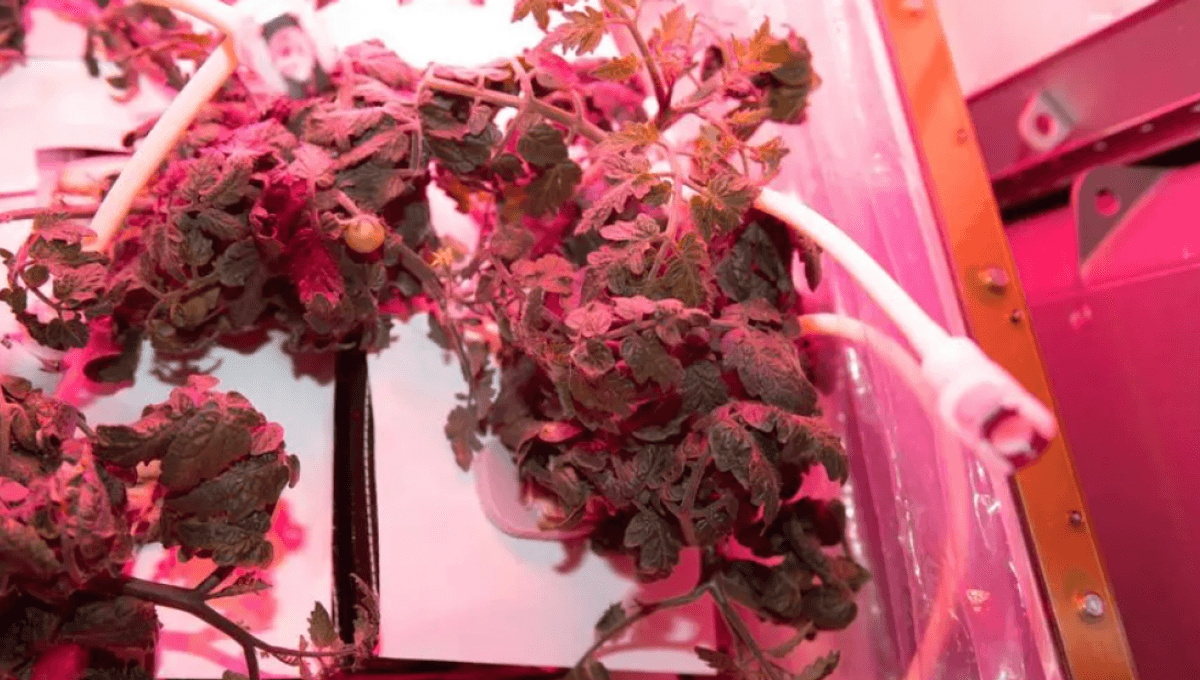
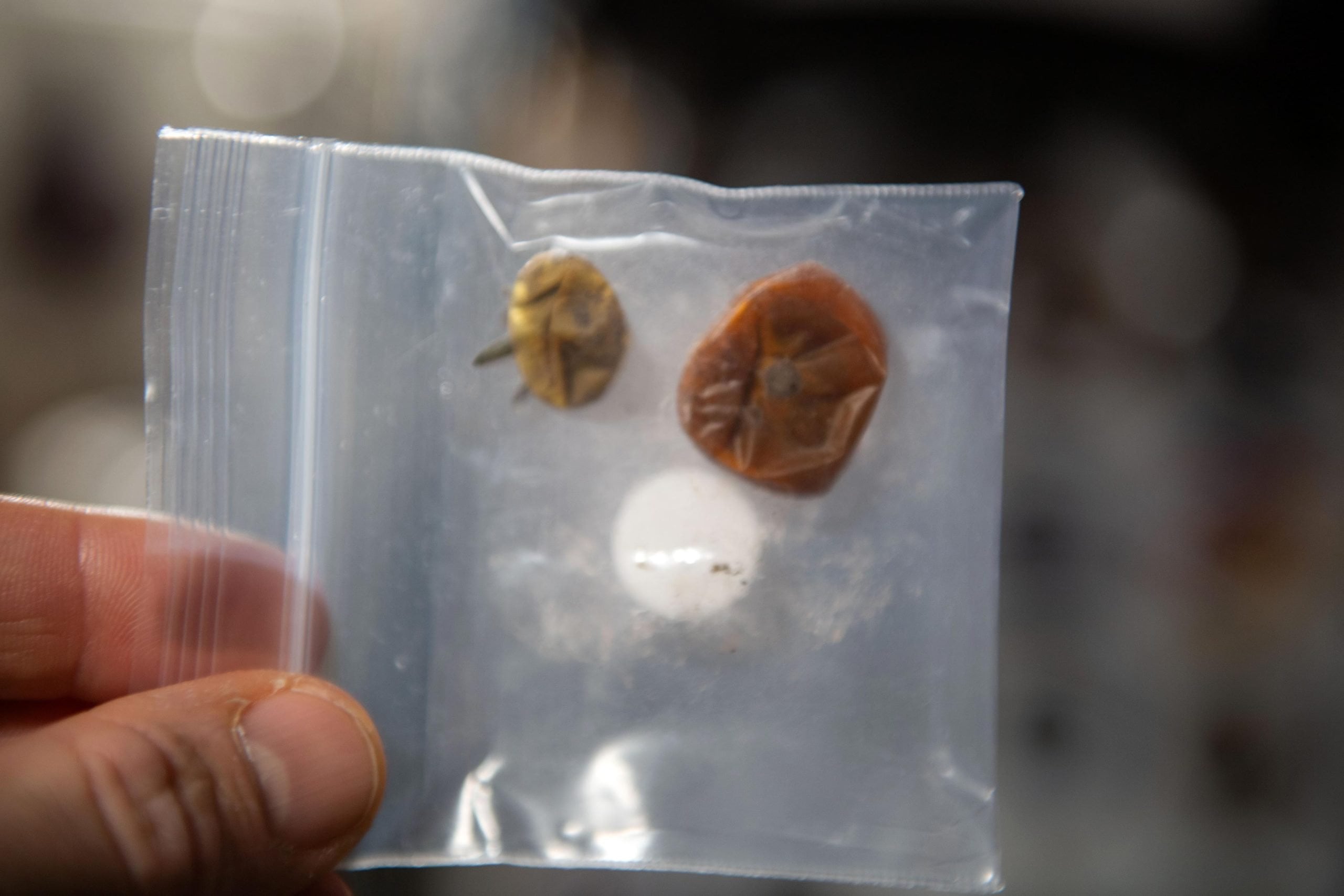
Two rogue tomatoes, lost by astronaut Frank Rubio during the XROOTS experiment on the International Space Station (ISS), have been recovered nearly a year later. The experiment focuses on growing plants without soil or other growth media, which could be crucial for future space exploration missions. The tomatoes were found dehydrated and slightly squished but showed no signs of microbial or fungal growth. Plant research aboard the ISS continues with studies like Plant Habitat-03, which aims to assess genetic adaptations in plants grown in space across multiple generations. Growing plants in space not only provides food but also has psychological benefits for astronauts.

space2 years ago

NASA Astronauts Crack Mystery of Lost Space Tomato

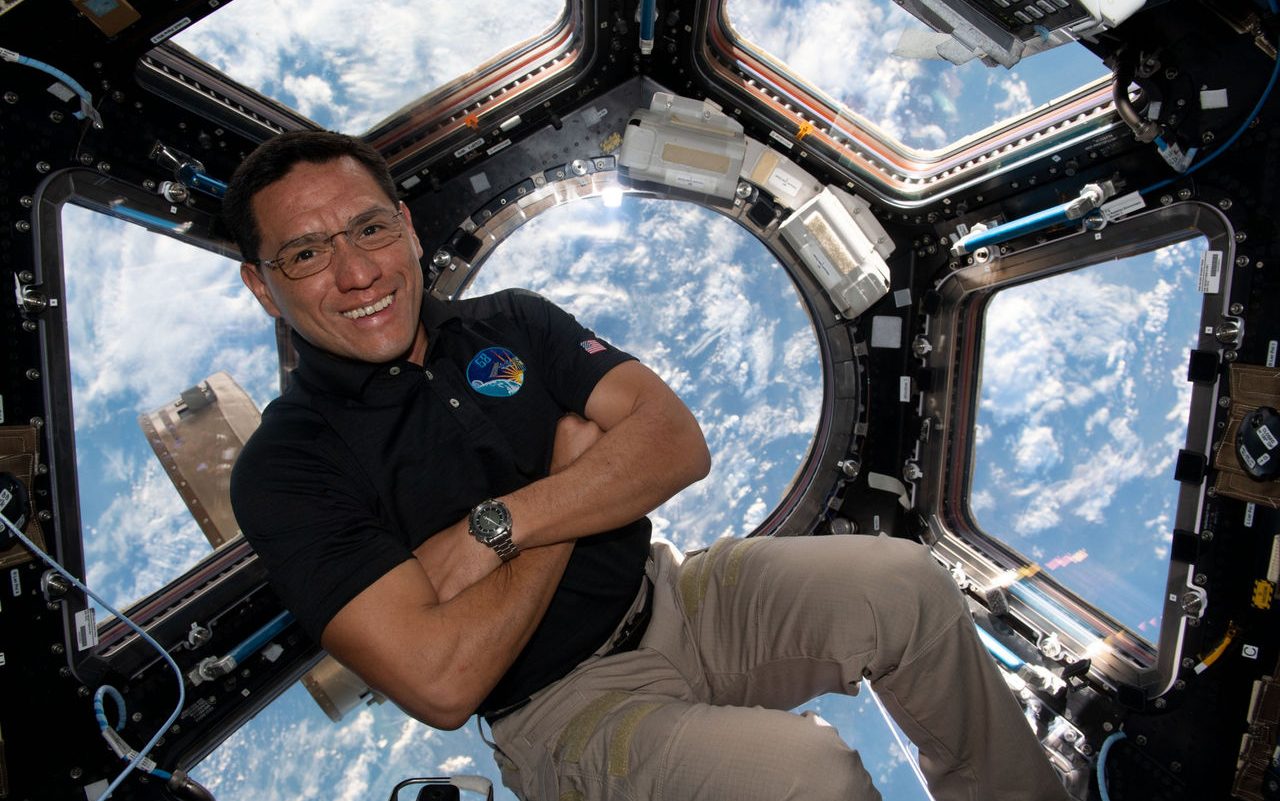
NASA astronaut Frank Rubio has been exonerated after being accused of eating the first space-grown tomato on the International Space Station (ISS). The tomato, grown as part of a NASA salad-growing experiment, went missing after Rubio took it out of a bag to show it off on a video call. Rubio spent 371 days in space and spent up to 20 hours searching for the tomato. The cultivation of plants in space aims to supplement astronauts' diets, which currently rely on rehydrated food.

space2 years ago

Lost Tomato Found: Astronauts Recover Missing Space Crop

Astronaut Frank Rubio, who spent a record-setting 371 days in space, inadvertently lost a tiny tomato during his mission on the International Space Station (ISS). The tomato, part of an experiment on growing red robin tomatoes in space, floated away in the low-gravity environment and remained missing until recently. Fellow astronauts on the ISS discovered the tomato, clearing Rubio's name from accusations of eating it. The details of who found the tomato and where it was located on the space station were not revealed.

space2 years ago

NASA Delays ISS Deorbit Vehicle Contract, Urges Preservation of Space Station

NASA has adjusted the timing and requirements for its procurement notice seeking a vehicle to deorbit the International Space Station (ISS). The agency extended the deadline for proposals to February 12, 2024, and updated the desired delivery and launch dates to August 1, 2028, and December 1, 2028, respectively. The required delivery date is now May 1, 2029, with a launch on September 1, 2029. NASA also added the option for both development and production of the vehicle under a cost-plus contract. The new dates align with the expected end of the ISS's life, and the contract award is expected in late May or early June 2024.

space2 years ago

Lost Tomato Found: ISS Astronauts Resolve Space Scandal After 8 Months

The missing tomato that caused a scandal on the International Space Station (ISS) has finally been found after eight months, clearing the name of the astronaut who was suspected of secretly eating it. The tomato was part of the Veg-05 experiment, studying crop growth and other factors in space. Losing objects in zero gravity is a common problem, and the tomato managed to evade detection for months before being discovered.

space2 years ago

NASA Collaborates with India to Train Astronauts for 2024 ISS Mission

NASA will assist in training two Indian astronauts, with one of them scheduled to fly to the International Space Station (ISS) in late 2024. The collaboration between NASA and the Indian Space Research Organisation (ISRO) aims to strengthen their partnership in various space projects, including planetary defense and joint efforts concerning the ISS. The Indian astronaut's trip to the ISS is expected to last two weeks, during which they will conduct scientific experiments of importance to India. The training of the astronauts will involve overseas training, with two shortlisted candidates receiving training at NASA. The collaboration also includes the joint launch of the NISAR Earth observation satellite in early 2022.

spaceflight2 years ago

Cosmonauts Successfully Dock Russian Progress Cargo Ship to ISS Amid Autopilot Glitch

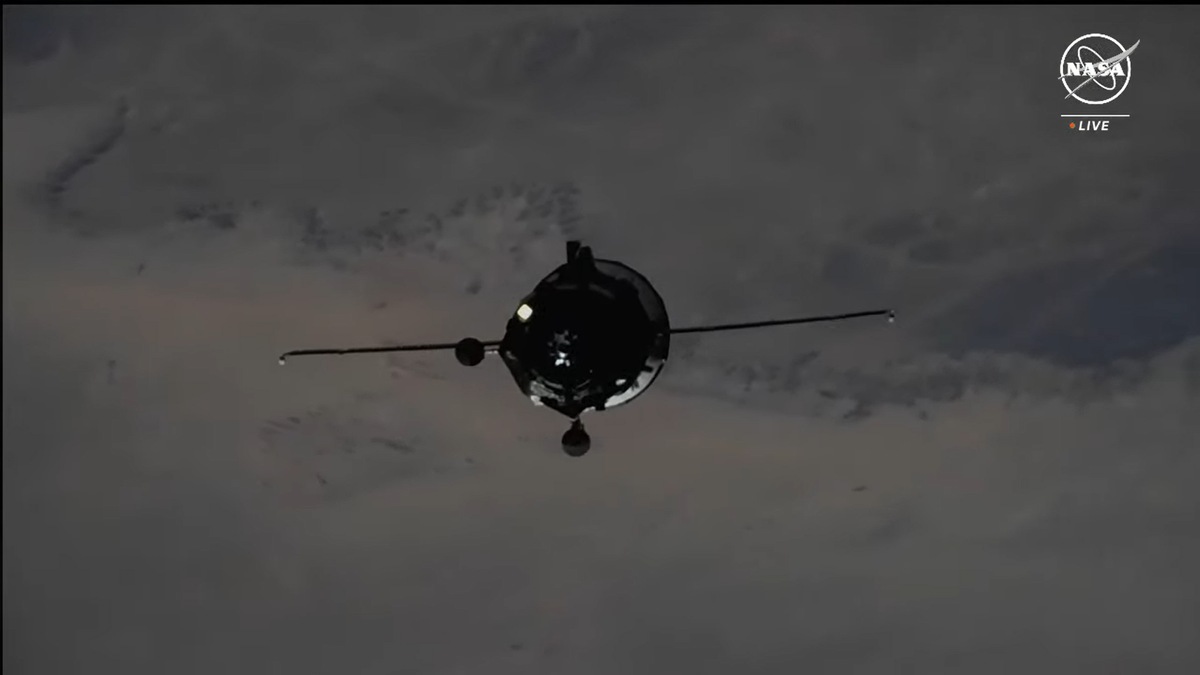
Russian cosmonauts on the International Space Station (ISS) manually docked the Russian Progress cargo ship, Progress 86, after its automated rendezvous system experienced a glitch. Using a remote control system called TORU, cosmonaut Oleg Kononenko took control of the cargo ship and successfully docked it with the ISS. The cargo ship was carrying 5,600 pounds of supplies for the crewmembers on the station.

space2 years ago

Axiom Space's 3rd private mission to pioneer microgravity experiments on ISS

Axiom Space's upcoming Axiom-3 mission, set to launch in January 2024, will conduct pioneering microgravity experiments on the International Space Station (ISS). The crew will spend 14 days docked at the ISS, conducting experiments in various scientific disciplines, including human health, medicine, cell biology, materials, and gastronomy. The mission will focus on advancing materials, robotics, and artificial intelligence for space exploration and infrastructure development. It will also study the impact of space on human health, including vascular health, protein folding, bone density loss, and psychological factors. The research conducted during the mission will have applications in cancer treatment, neurodegenerative diseases, and other areas of human health on Earth.

science-and-technology2 years ago

"Point Nemo: The Final Resting Place for the ISS and Satellites"

Point Nemo, also known as the "pole of inaccessibility," is a remote location in the Pacific Ocean where retired spacecraft, including satellites and space stations, are intentionally sunk. The International Space Station (ISS) is set to join the satellite graveyard in 2031. Sinking spacecraft into the ocean is done to prevent the accumulation of space debris in Earth's orbit, which poses a collision risk. Point Nemo is chosen due to its remoteness and wide area for safe landings. However, concerns about ocean pollution and the potential release of pollutants during re-entry have raised questions about the safety and environmental impact of this practice.

science-and-technology2 years ago

"Point Nemo: The Final Resting Place for the ISS and Satellites"

Point Nemo, also known as the "loneliest place on earth," is a remote location in the Pacific Ocean where retired spacecraft, including the International Space Station (ISS), are sent to be sunk. With the increasing risk of collisions in space due to the growing amount of space debris, sinking spacecraft into the ocean has become a safer alternative. Point Nemo's remoteness and uninterrupted stretch of ocean make it an ideal site for this purpose. However, concerns about ocean pollution and the potential environmental impact of sinking metal debris remain.

space2 years ago

India and US Collaborate to Send Indian Astronaut to International Space Station in 2024

India and the US will collaborate to send an Indian astronaut to the International Space Station (ISS) by the end of 2024, marking a significant milestone in India's space ambitions. The collaboration between NASA and ISRO was announced by US senator Bill Nelson, who stated that the two space agencies have formed a joint working group on human spaceflight collaboration. They will also work together on the Nasa-Isro Synthetic Aperture Radar (Nisar) satellite, which will help analyze terrestrial, atmospheric, and weather anomalies. This collaboration is part of the expanding cooperation between India and the US in the field of space technology.

science-and-technology2 years ago

"Concerns over British Astronaut's Prosthetic Leg's Potential Threat to ISS Crew"

Experts have raised concerns that British astronaut John McFall's prosthetic leg could release toxic gases in the confined environment of the International Space Station (ISS). McFall, the world's first parastronaut, had his right leg amputated following a motorcycle accident in 2000. The European Space Agency (ESA) is now conducting tests on his prosthetic leg to ensure it does not emit dangerous gases over time. The feasibility study aims to assess the impact of being an amputee in space and find solutions to any potential problems. A decision on McFall's participation in a space mission will likely be made after the study concludes in 2025.

space-exploration2 years ago

NASA's Plan to Address the Impending Gap in Human Space Station Missions

NASA is facing the challenge of a potential gap in human space missions as the International Space Station (ISS) approaches its retirement. The space agency's private partners are working on building space stations to replace the ISS, but there is uncertainty about whether they will be ready in time. NASA is considering various options to maintain its presence in low Earth orbit, including extending the lifespan of the ISS or relying on short trips to low Earth orbit on SpaceX's crew Dragon and Boeing's Starliner. The agency is also at risk of budget cuts that could affect funding for commercial space station designs. Maintaining a presence in low Earth orbit is crucial for NASA's future missions to the Moon and Mars, as the ISS enables critical research on human spaceflight.

space2 years ago

Europe's Space Ambitions Soar with Airbus, Voyager, and ESA Partnership

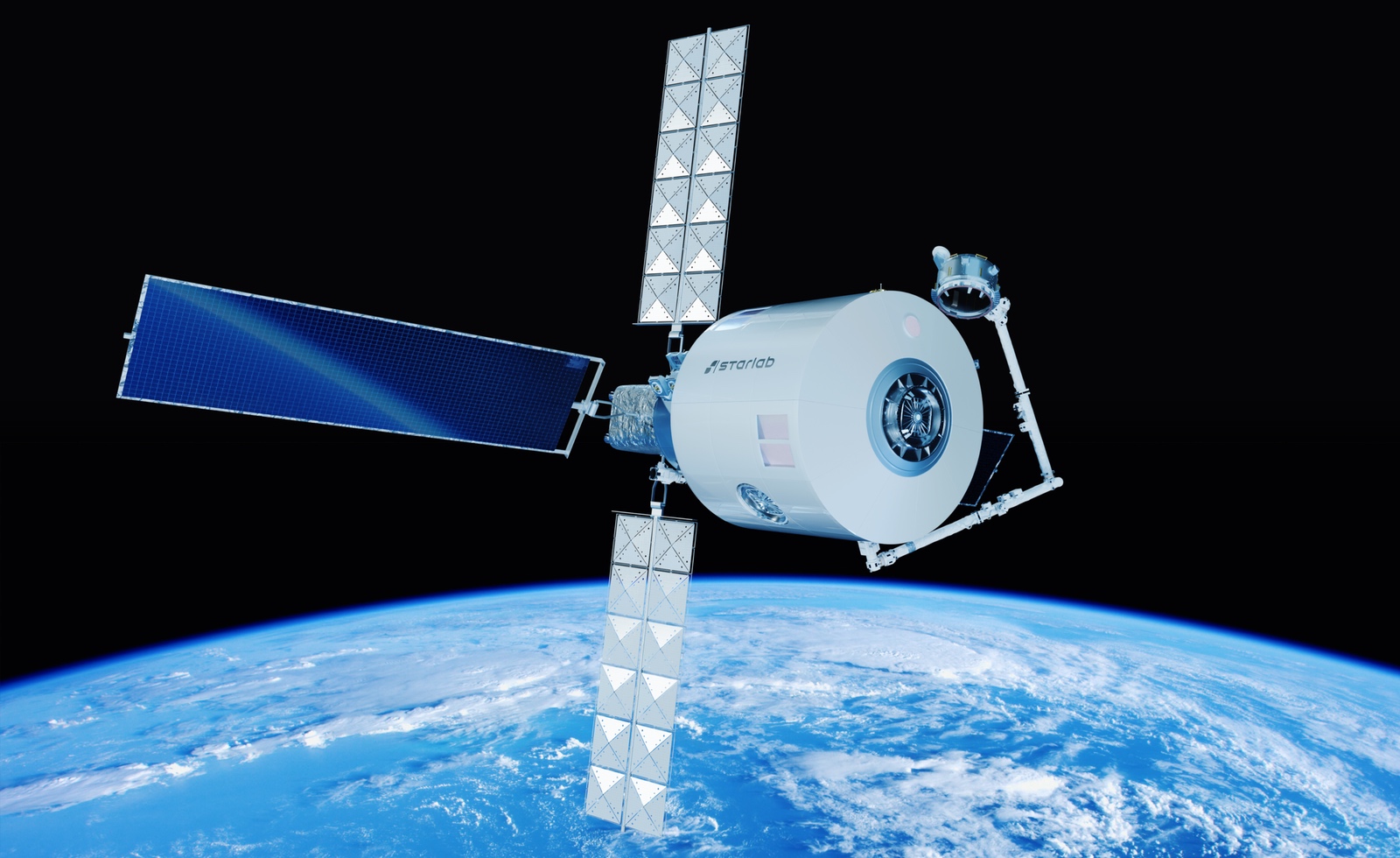
Airbus and Voyager Space have signed an agreement with the European Space Agency (ESA) to study the potential use of their Starlab commercial space station as a successor to the International Space Station (ISS). The agreement involves studying how Starlab can provide continued access to space for Europe after the retirement of the ISS, including ESA astronaut missions and research. ESA may also provide cargo and crew transportation for Starlab. This collaboration aims to extend Europe's footprint in space and ensure its leadership in the new generation of commercial space exploration.

science-and-astronomy2 years ago

Milestone in Space Reproduction: Mouse Embryos Successfully Grown, Paving the Way for Humans

Mouse embryos have been successfully grown aboard the International Space Station (ISS), marking the first-ever study showing that mammals can thrive in space. The experiment, led by researchers from the University of Yamanashi and National Research Institute Riken, aimed to determine if mammalian fetuses can develop normally in microgravity. The embryos were cultured under microgravity conditions for four days and developed into blastocysts with normal cell numbers. The study suggests that humans may be able to reproduce in space, which could become a reality as humanity prepares for long-duration space missions and potential colonization of the moon and Mars.