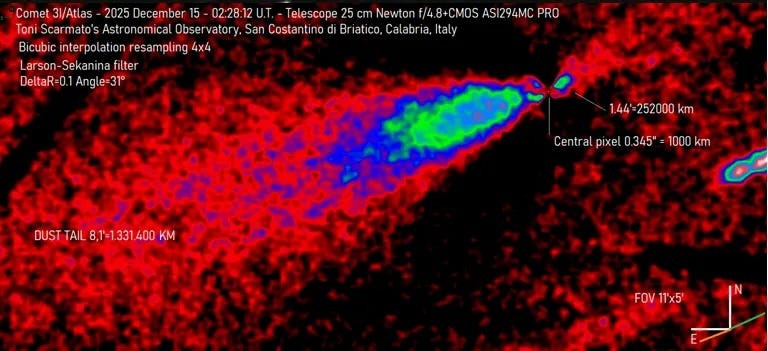
Recent observations of interstellar object 3I/ATLAS reveal a sunward jet with particles larger than typical dust, suggesting the presence of bigger particles than those usually found in comets, which explains the jet's unusual length and collimation.
A JetBlue Airbus A320 experienced a sudden loss of altitude possibly due to cosmic ray-induced electronic glitches, highlighting the impact of space weather on aircraft safety and prompting Airbus to update its software to mitigate such risks.
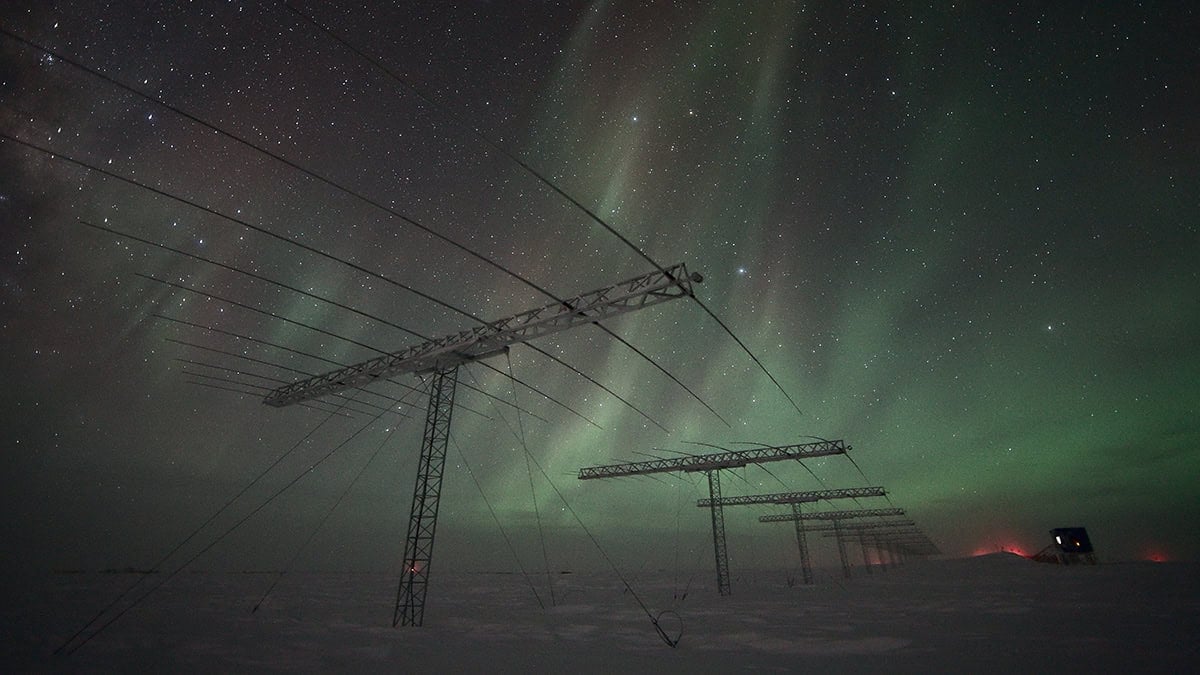
A growing weak spot in Earth's magnetic field over the South Atlantic, known as the South Atlantic Anomaly, is expanding since 2014, increasing exposure to solar radiation for satellites and astronauts, though no signs of magnetic reversal are detected. This change poses risks to space infrastructure and human spaceflight, emphasizing the need for hardened spacecraft and further study of Earth's magnetic dynamics.
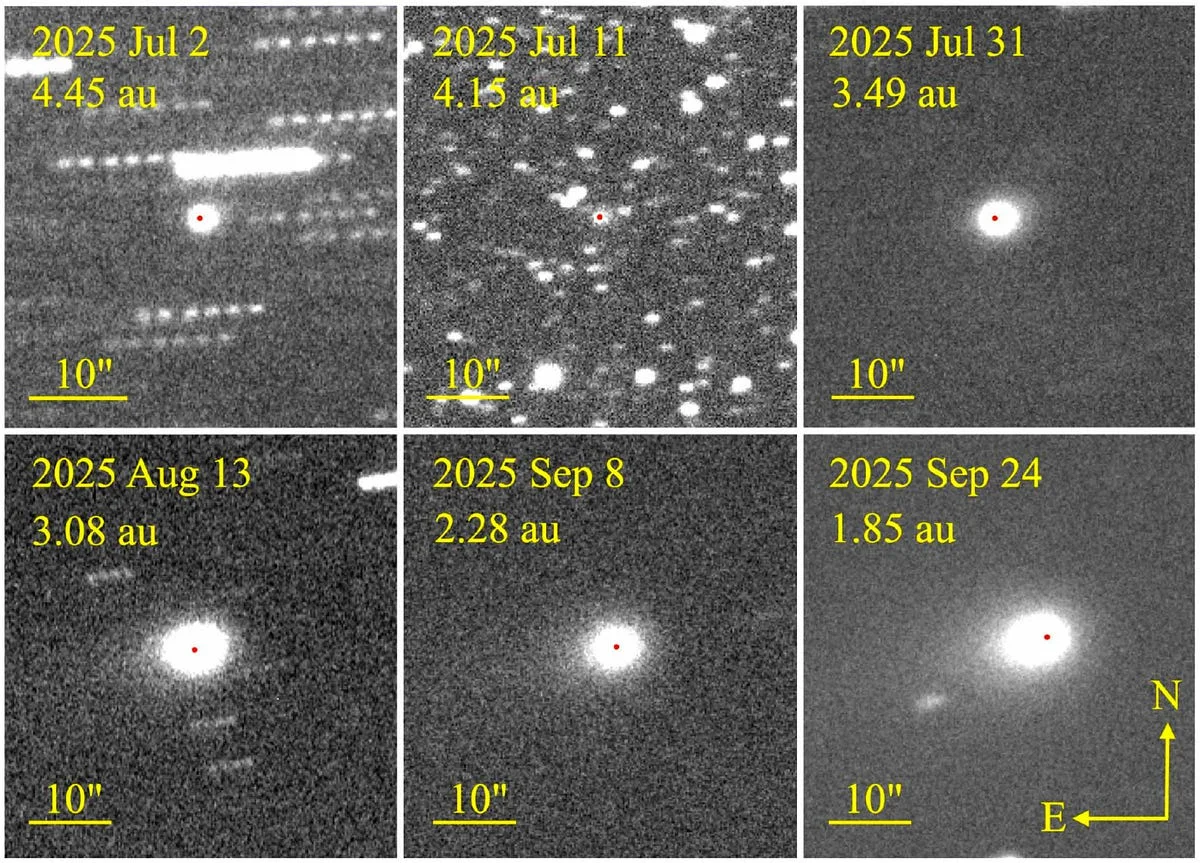
New observations and models reveal that the interstellar object 3I/ATLAS's anti-tail transitioned into a tail as it approached the Sun, driven by sublimation of CO2 and other volatiles, with significant mass loss and implications for its nature and composition.
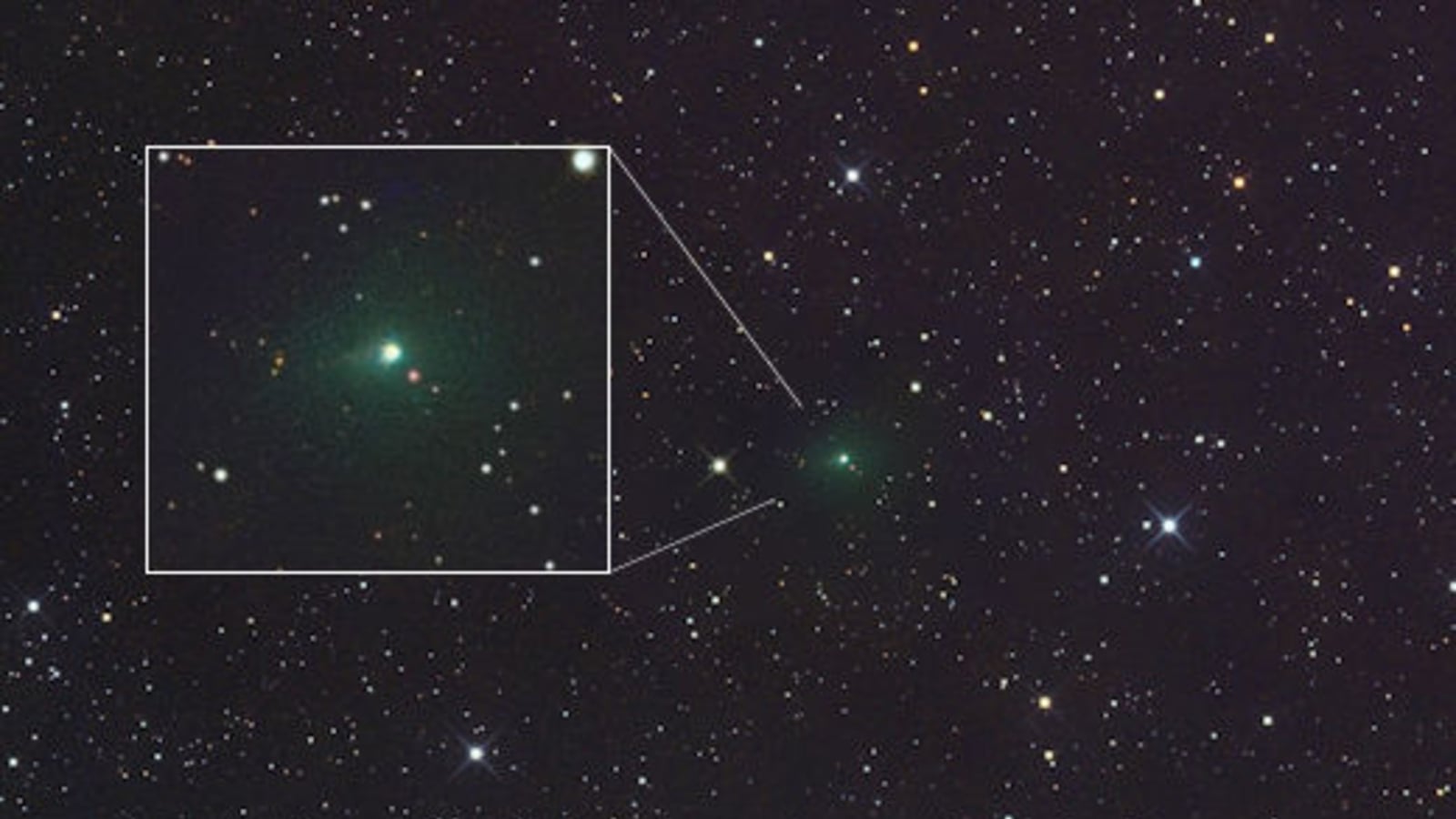
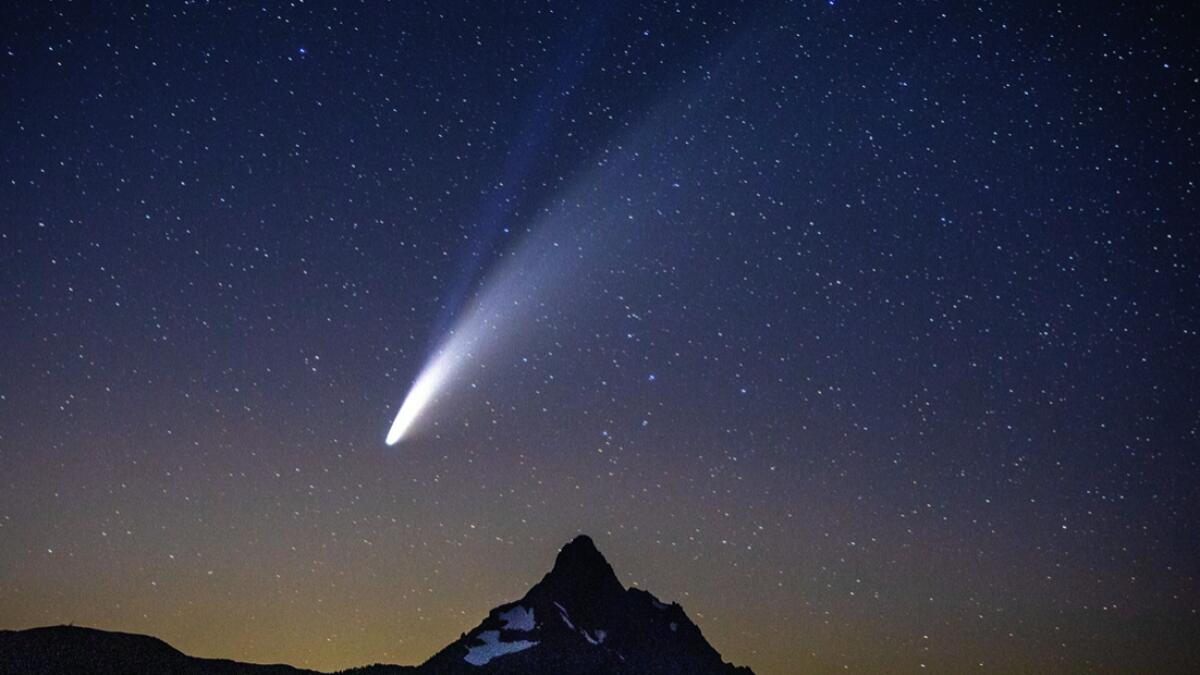
New photos of interstellar comet 3I/ATLAS suggest it may be turning bright green due to increased proximity to the sun, possibly caused by the release of rare chemicals like diatomic carbon or cyanide, but confirmation is pending as observations continue.
Approximately 41,000 years ago, Earth experienced a significant geomagnetic event called the Laschamps excursion, which weakened the planet's magnetic field for about 2,000 years, increasing radiation exposure and potentially influencing human evolution, with modern scientists recreating the event's sounds to better understand its impact and relevance today.
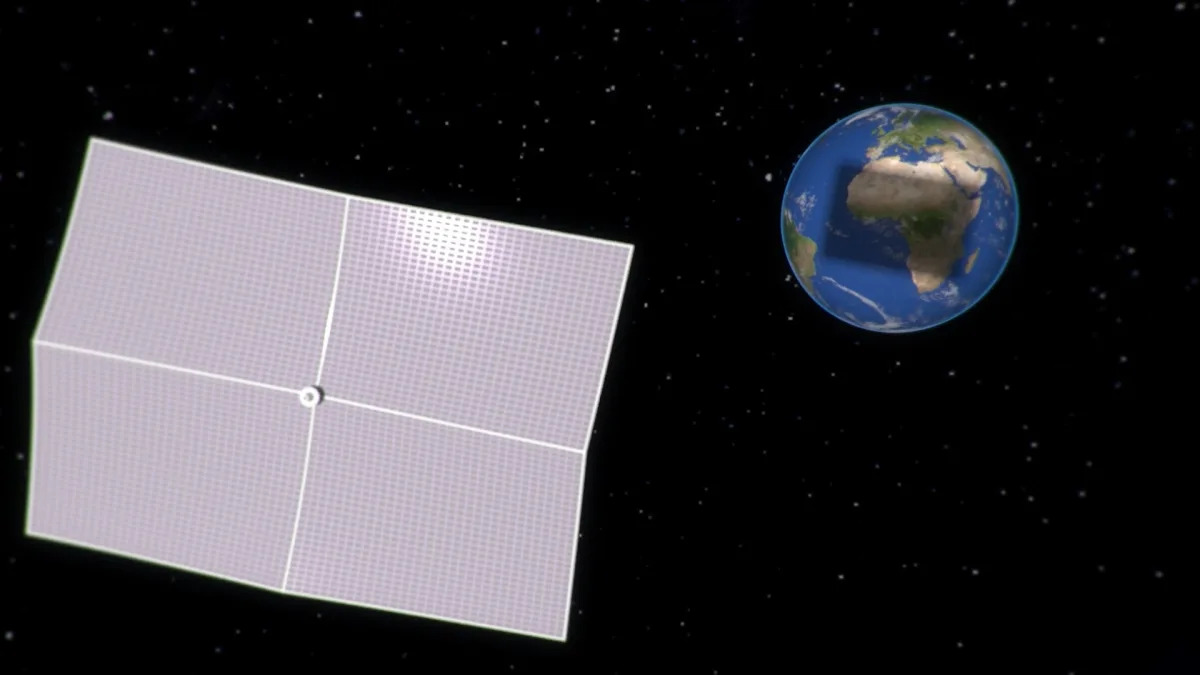
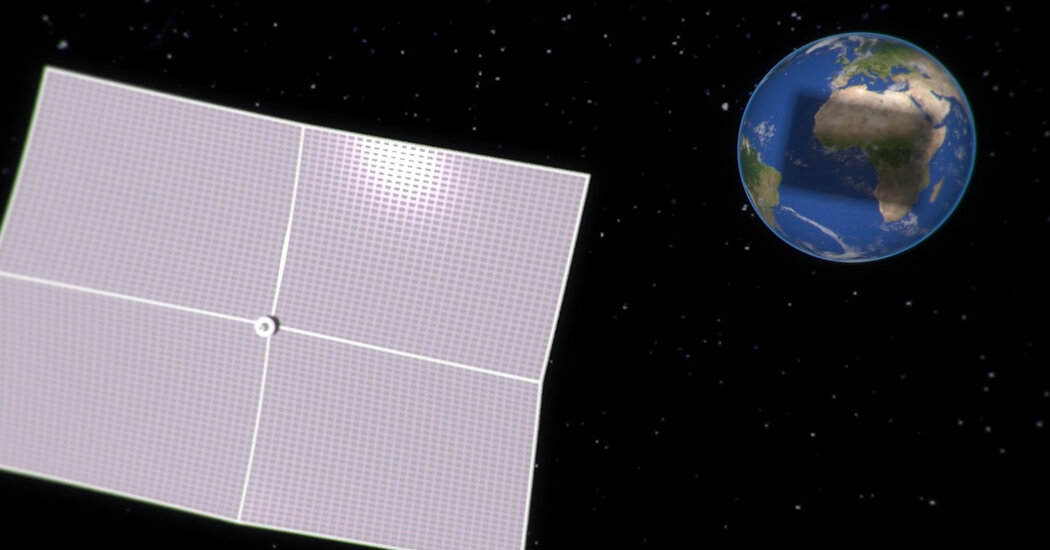
Scientists are proposing the construction of a massive space umbrella to deflect 1% to 2% of the sun's radiation in an effort to cool the Earth as a response to rising temperatures. The logistics and cost of such a project are immense, with estimates suggesting the need for a shield the size of Argentina. While the idea may seem far-fetched, similar proposals have been gaining traction as potential pieces of the puzzle in addressing climate change.
Scientists are proposing the idea of deploying a giant sunshade in outer space to counter global warming by blocking a small portion of solar radiation. Various approaches, such as scattering dust into space and creating shields made of "space bubbles," are being explored. Researchers are now ready to build a prototype shade to demonstrate the concept, seeking funding for a 100-square-foot model. While a full-size version would cost trillions, it could potentially reduce Earth's temperature by 1.5 degrees Celsius within two years, offering a potential solution to the climate crisis.
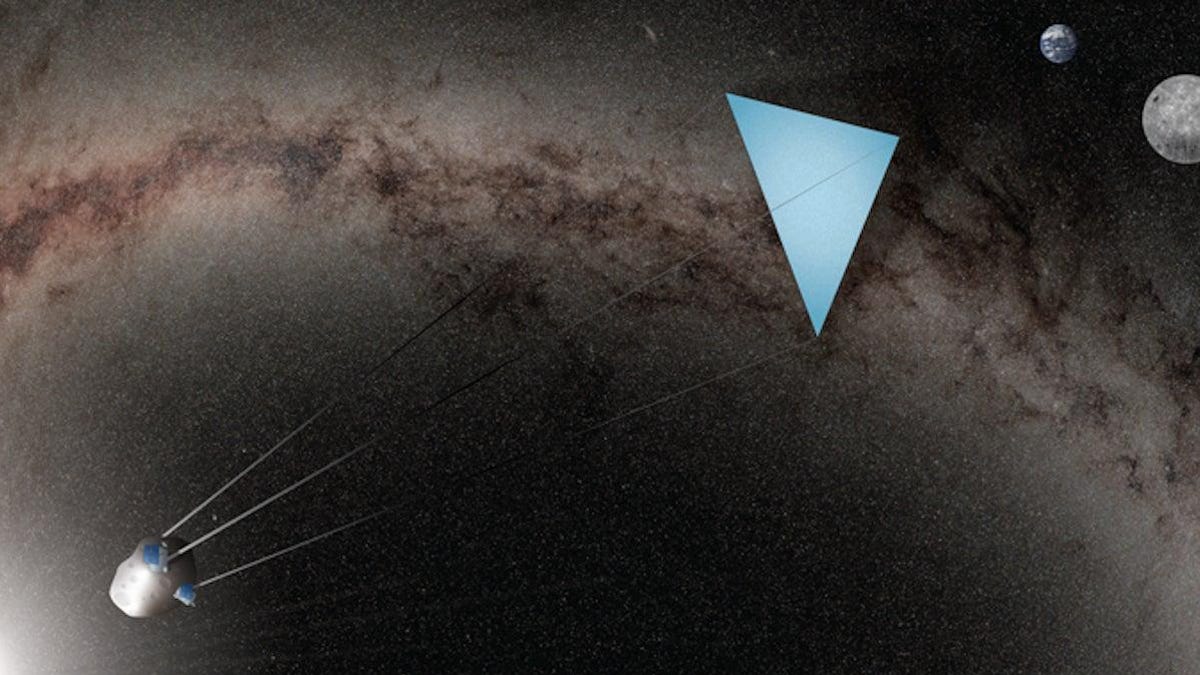
Scientists are proposing the idea of a giant sunshade in outer space to counter global warming by blocking a small but crucial amount of solar radiation. Various proposals include scattering dust deep into space, creating a shield made of "space bubbles," and tethering a solar shield to a repurposed asteroid. Proponents argue that while reducing greenhouse gas emissions and removing carbon dioxide from the atmosphere are important, a sunshade could help stabilize the climate while other climate mitigation strategies are pursued. Critics, however, argue that a sunshade would be astronomically expensive and could not be implemented in time, given the speed of global warming.
Scientists are proposing the idea of deploying a giant sunshade in outer space to block a small but crucial amount of solar radiation, enough to counter global warming. Interest in sun shields has been gaining momentum as the climate crisis worsens, with various research teams exploring different approaches such as scattering dust deep into space and creating shields made of "space bubbles." A team of scientists led by Yoram Rozen from the Asher Space Research Institute at Technion-Israel Institute of Technology is ready to build a prototype shade to demonstrate the feasibility of the concept, which would involve a series of smaller shades casting slightly diffused shade onto Earth.
A recent study reveals that a supernova explosion 1.9 billion light-years away caused a temporary depletion of ozone molecules in Earth's upper atmosphere, including a measurable change in ionized particles. Although the effect lasted only a few minutes and was not considered serious, scientists warn that if a similar event occurred closer to Earth, it could have catastrophic consequences. The discovery highlights how even distant cosmic explosions can impact our atmosphere and serves as a reminder of the importance of understanding the ionosphere's response to cosmic phenomena for potential threats closer to home.
A massive "horned" comet, three times the size of Mount Everest, is heading towards Earth after exploding due to solar radiation. The comet, known as 12P/Pons-Brooks, has a diameter of 18.6 miles, equivalent to the size of a small city. It is recognized for its cold volcanic activity and is one of only 20 comets known to have active ice volcanoes. The distinctive horn-like shape of the comet is believed to be caused by the expulsion of icy material through openings in its shell, possibly due to a peculiarly-shaped cryovolcanic vent.
Scientists are considering the idea of using moon dust as a potential geoengineering solution to combat rising global temperatures. The concept involves creating a dust cloud between the Sun and the Earth to reduce the energy input into the Earth from the Sun. However, there are significant challenges, including the massive amount of dust required and the logistical effort of launching it into space. Additionally, there are concerns about the potential unintended consequences of such a solution, including changes to sunlight distribution and climate patterns. Comprehensive studies and international cooperation are necessary to assess the feasibility and potential risks of using moon dust as a geoengineering method.
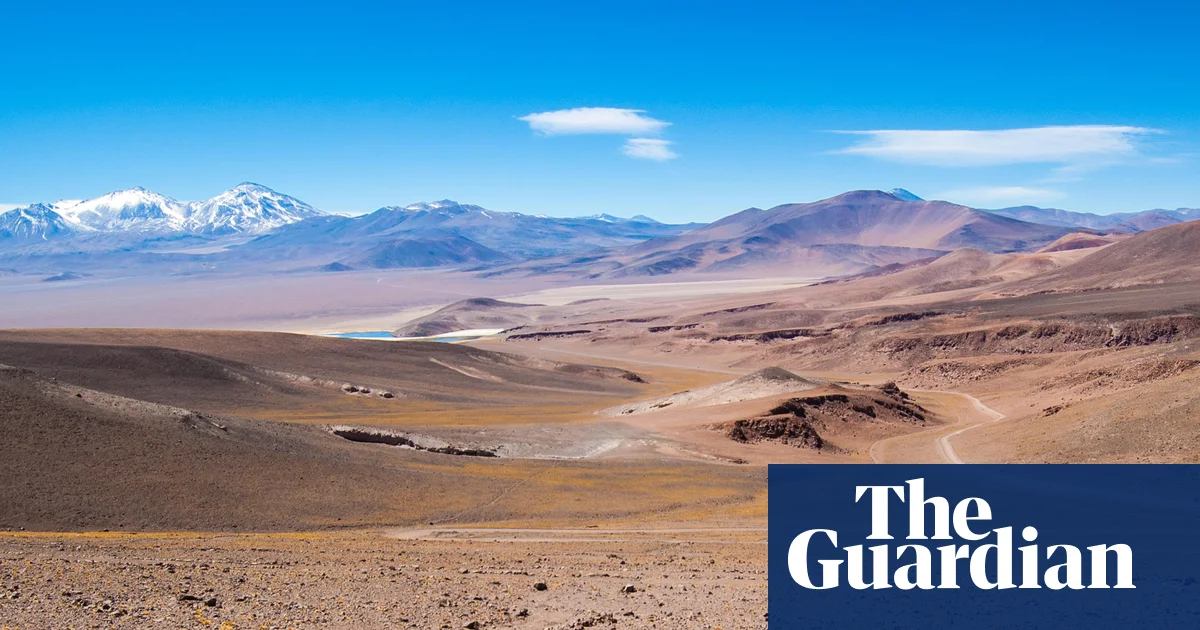
Scientists have identified the Altiplano in Chile's Atacama desert as the sunniest place on Earth, with sunlight intensity comparable to a summer day on Venus. The plateau's high altitude, thin atmosphere, and low concentrations of particles allow for clear skies and powerful solar radiation, making it an ideal location for solar power plants. Additionally, the Altiplano's position in the southern hemisphere during the Earth's closest point to the sun amplifies solar irradiance, making it 7% greater than in the northern hemisphere.
A researcher from the University of Hawai’i has proposed attaching an umbrella or shield to an asteroid in space to block some of the sun's rays and mitigate climate change. The shield could potentially block 1.7% of sun rays, slowing down planetary warming. However, current rocket technology is not capable of carrying a large shield into space, making the idea theoretical for now. Further research is needed to explore the feasibility of manufacturing and assembling the shield, as well as identifying asteroids that could be manipulated to block sunlight. This proposal is one of many geoengineering ideas aimed at mitigating climate change, and it emphasizes the need for multiple solutions to address the climate crisis.