Tag

Solar Maximum

All articles tagged with #solar maximum

Solar Max Sparks Southern UK Auroras
science23 days ago

Solar Max Sparks Southern UK Auroras

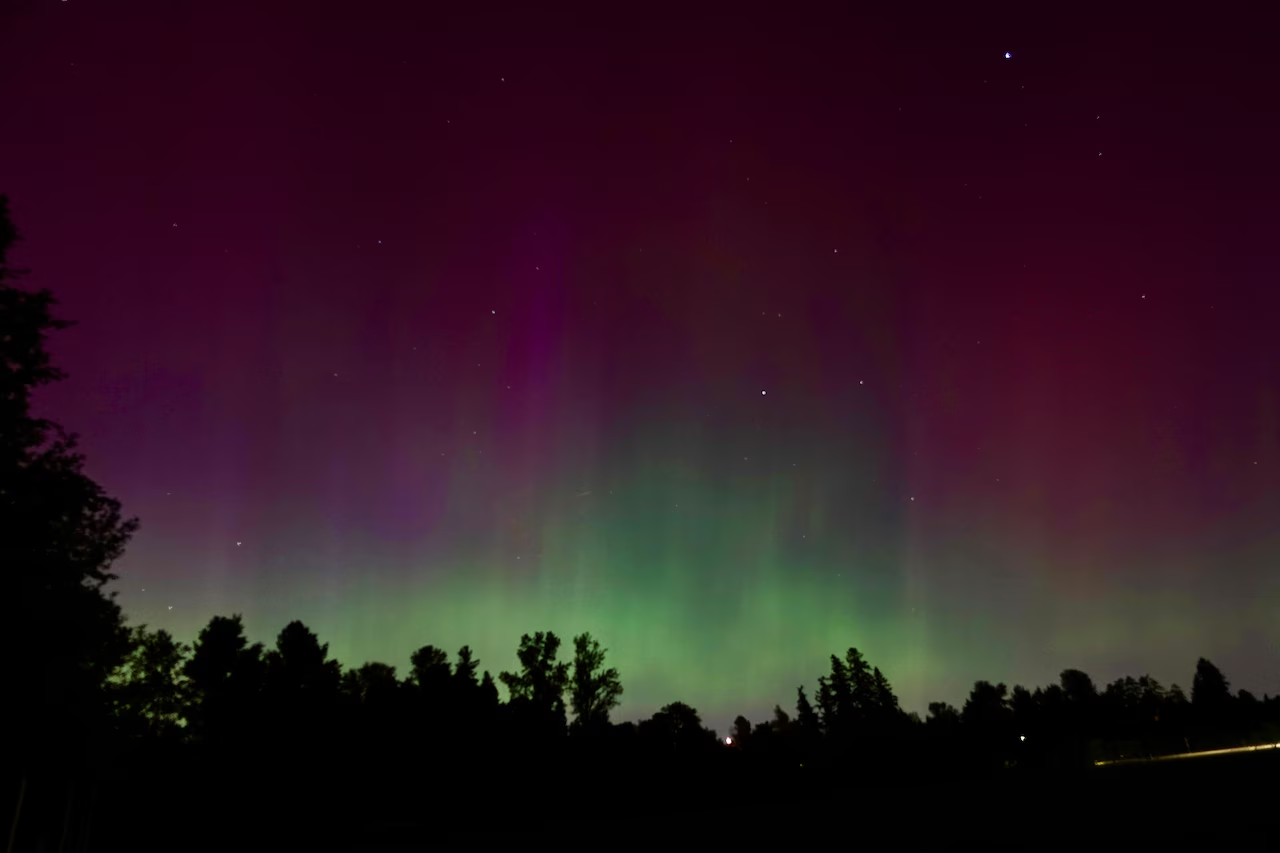
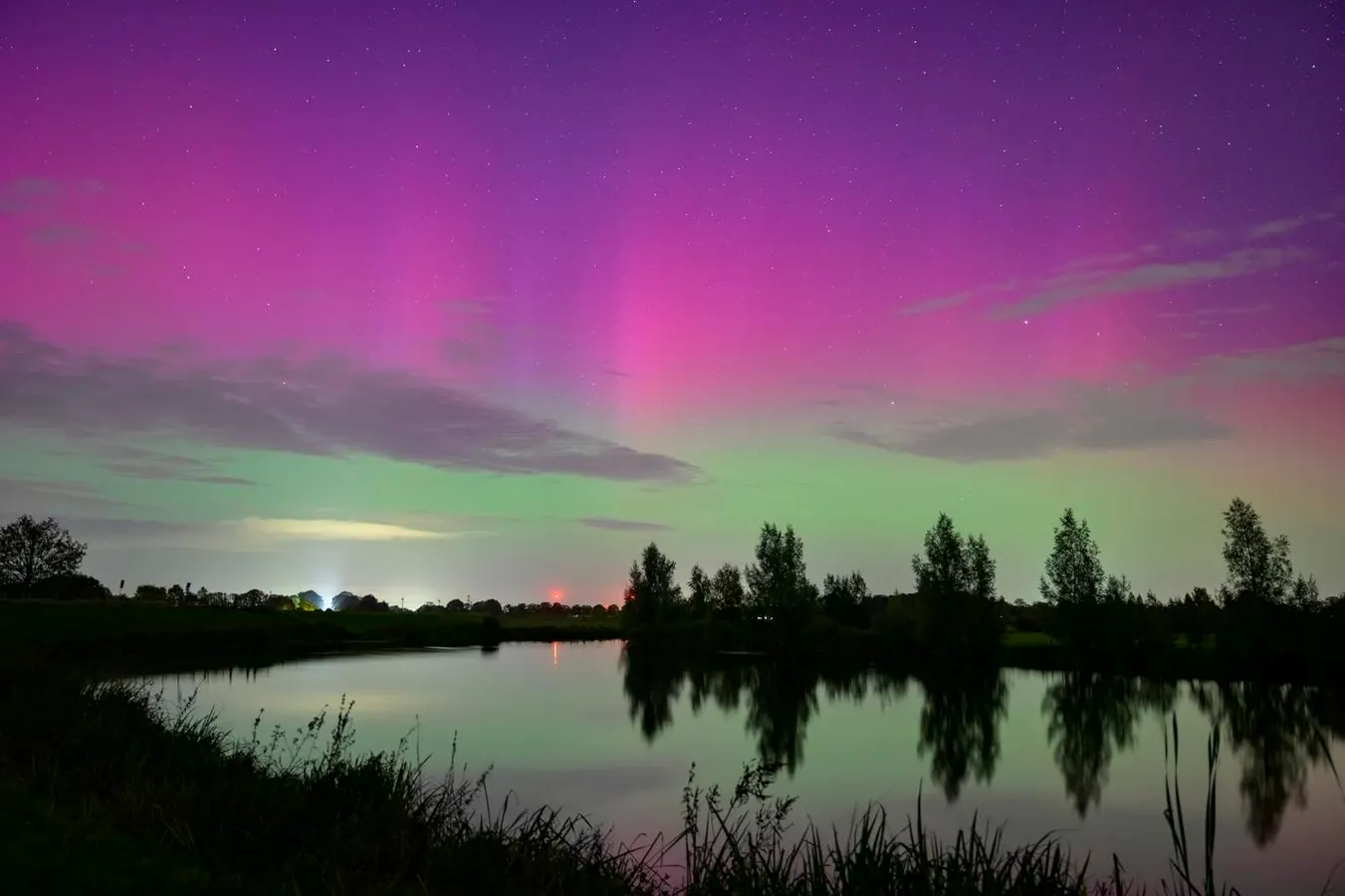
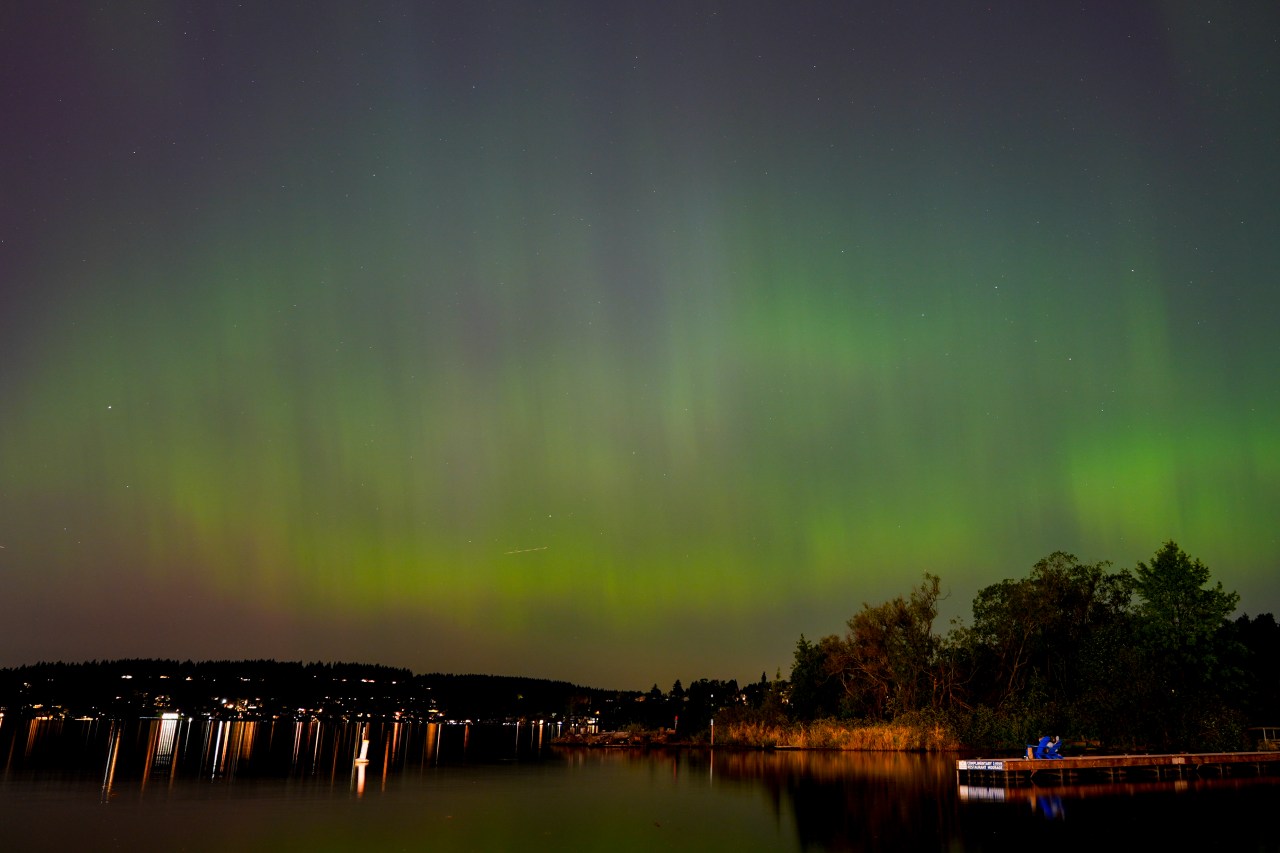
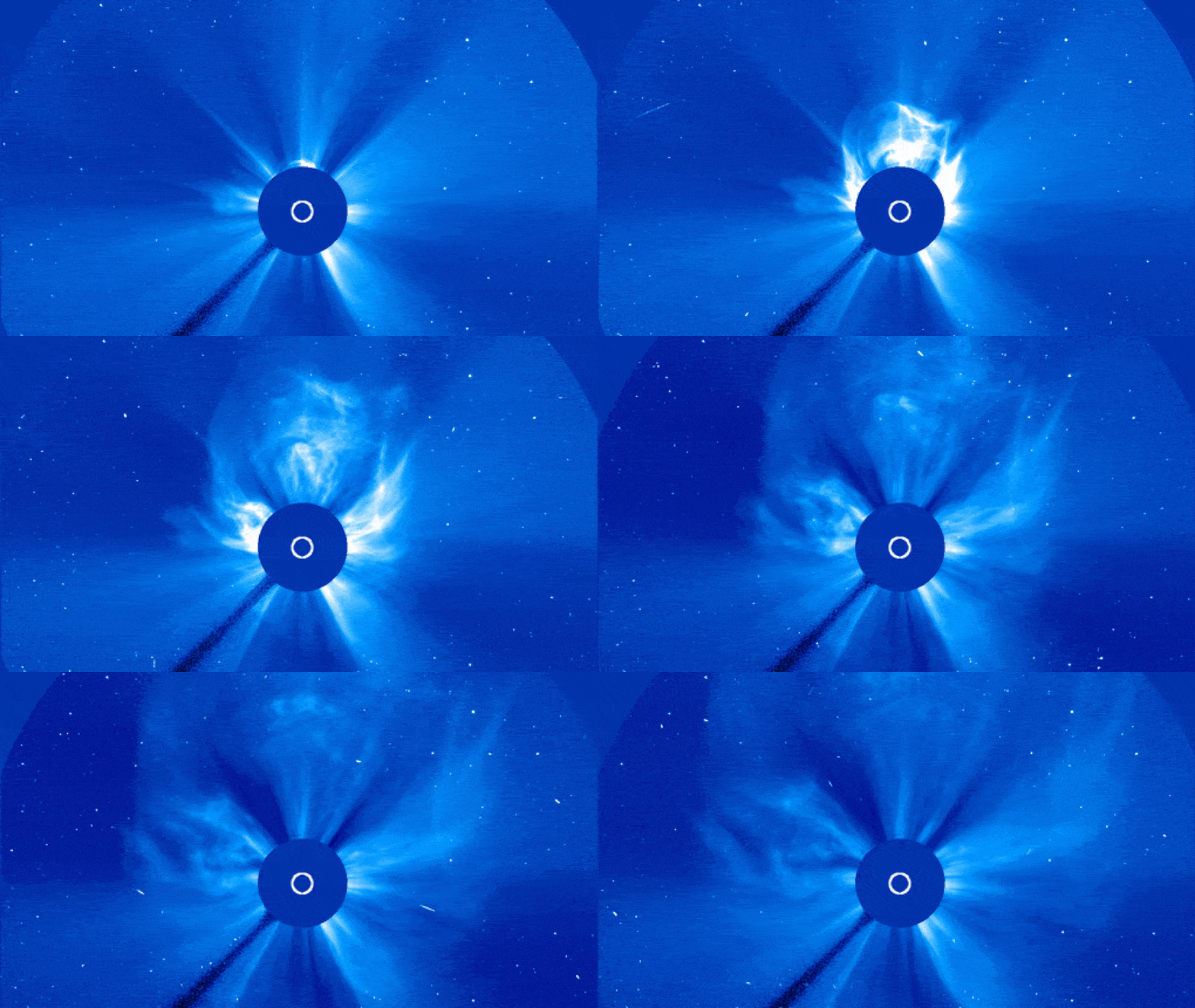
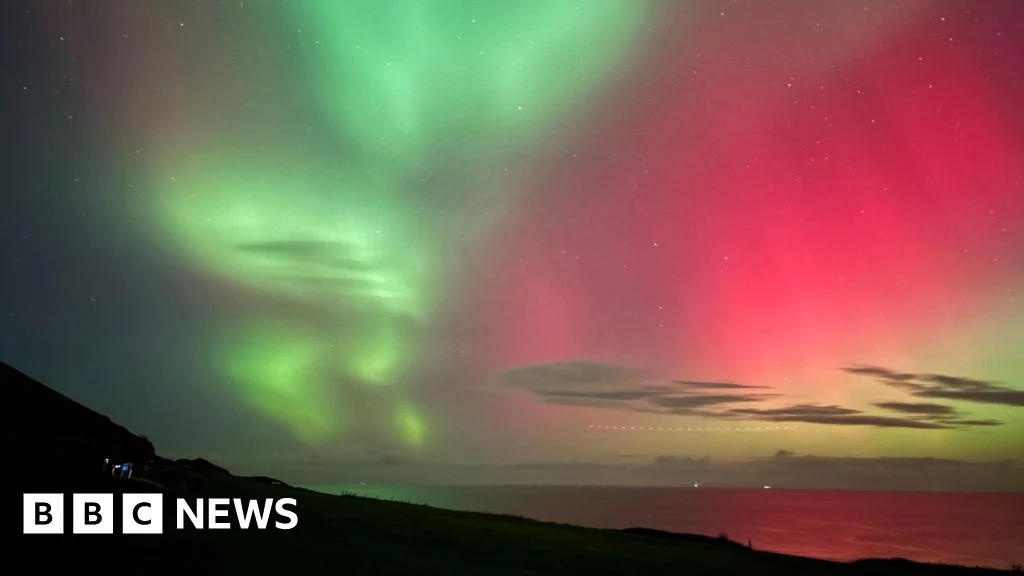
Auroras lit up the South West of the UK (Devon, Cornwall and the Channel Islands) due to coronal mass ejections from the Sun at the height of solar cycle 25. Experts say 2025–2026 is the likely peak, with some forecasts suggesting the next maximum could be as late as 2037. Strong geomagnetic storms push auroras farther south, but visibility depends on dark skies and viewing conditions. To see them, monitor Met Office Space Weather alerts and head to dark-sky sites away from light pollution, using long-exposure photography; the article notes several South West dark-sky locations.
Northern Lights Could Shine in Up to 18 States This Weekend
science6 months ago

Northern Lights Could Shine in Up to 18 States This Weekend

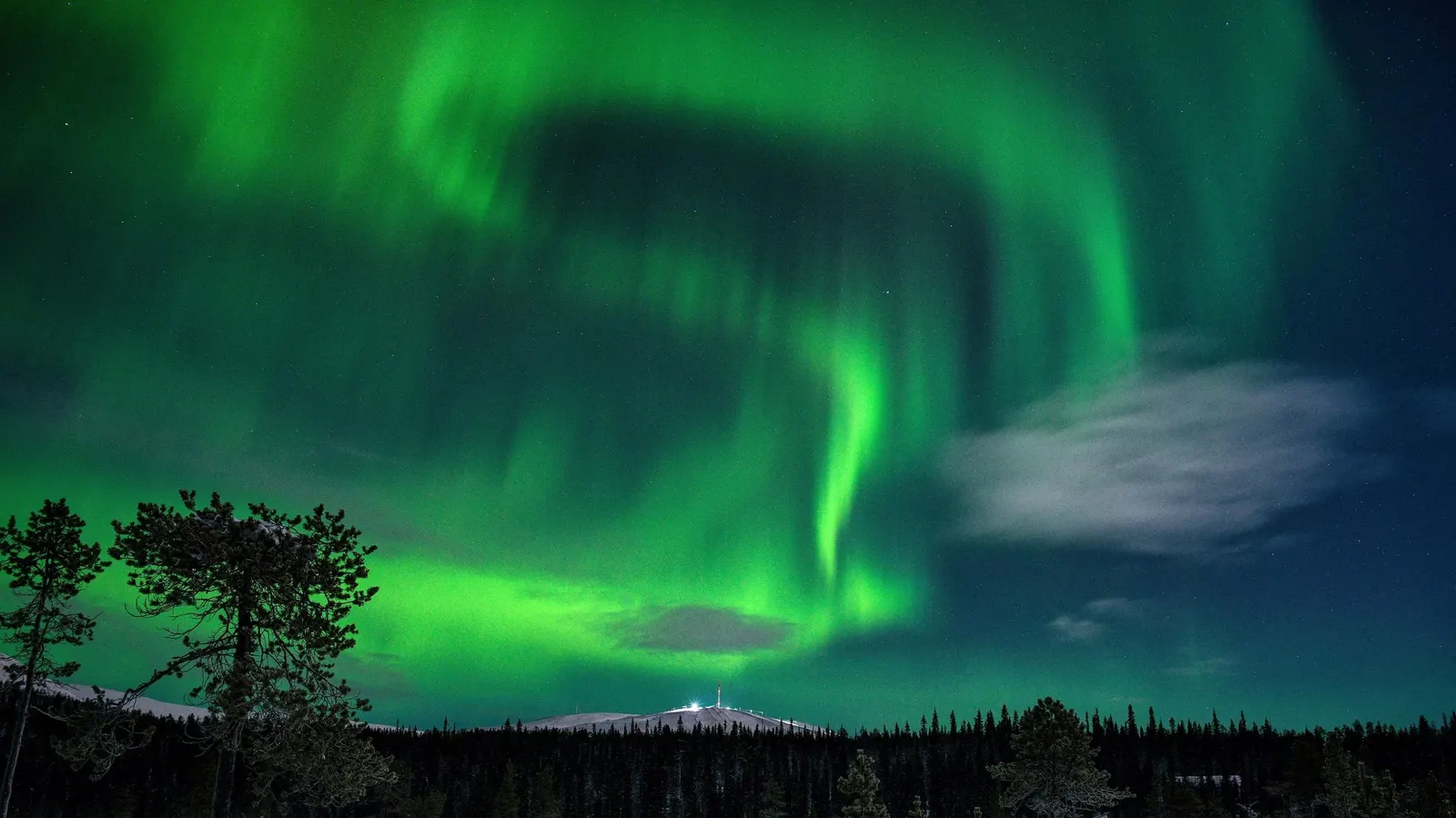
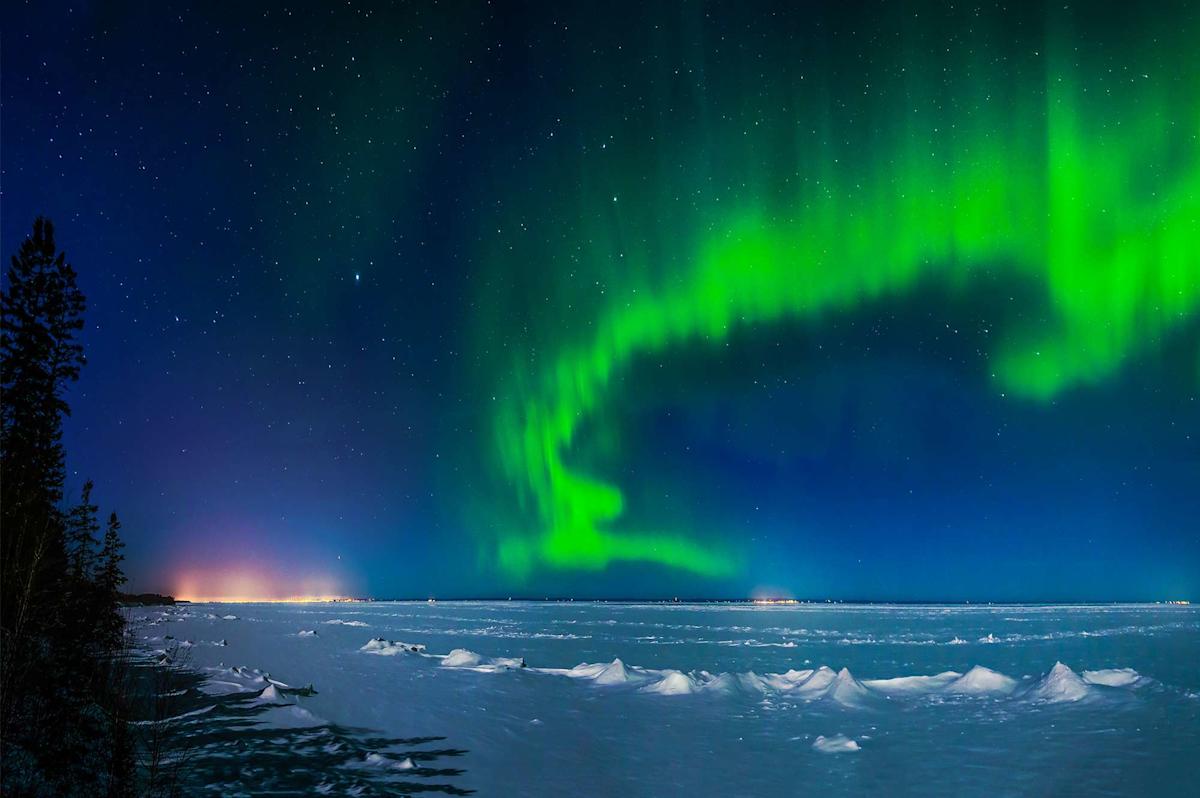
A recent coronal mass ejection from the sun is expected to cause geomagnetic disturbances, potentially allowing the northern lights to be visible in over a dozen northern U.S. states, especially along the Canadian border, with the best viewing times between 10 p.m. and 2 a.m. NOAA recommends traveling to high, dark vantage points for optimal viewing and provides tips for photographing the aurora.

Upcoming Northern Lights Sightings Across U.S. This Week
science7 months ago

Upcoming Northern Lights Sightings Across U.S. This Week

The northern lights may be visible in up to 8 northern U.S. states tonight, coinciding with the Perseids meteor shower, with better viewing chances in northern Canada and Alaska. NOAA forecasts a Kp index of 3-4, indicating brighter auroras, and recommends traveling to high, dark vantage points between 10 p.m. and 2 a.m. for the best viewing experience. The activity is linked to the solar maximum, which peaks in 2024, increasing auroral displays.

Solar Orbiter Captures First Images of the Sun's South Pole
science8 months ago

Solar Orbiter Captures First Images of the Sun's South Pole

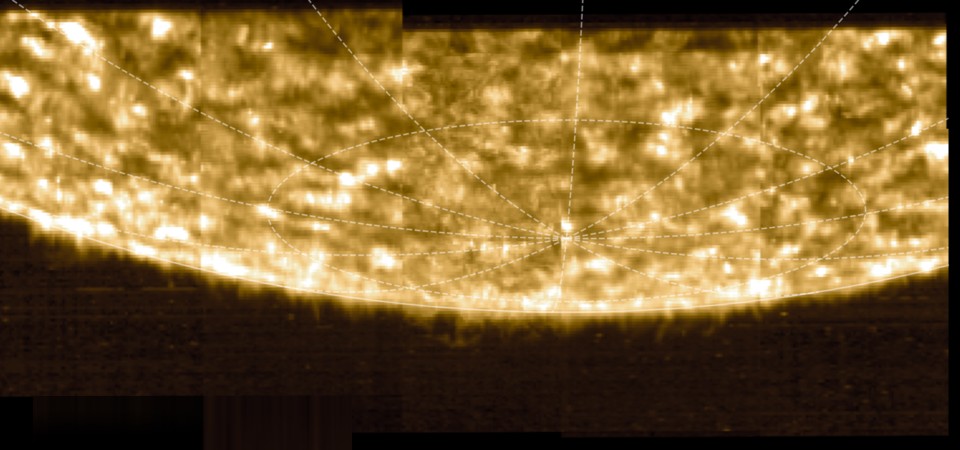
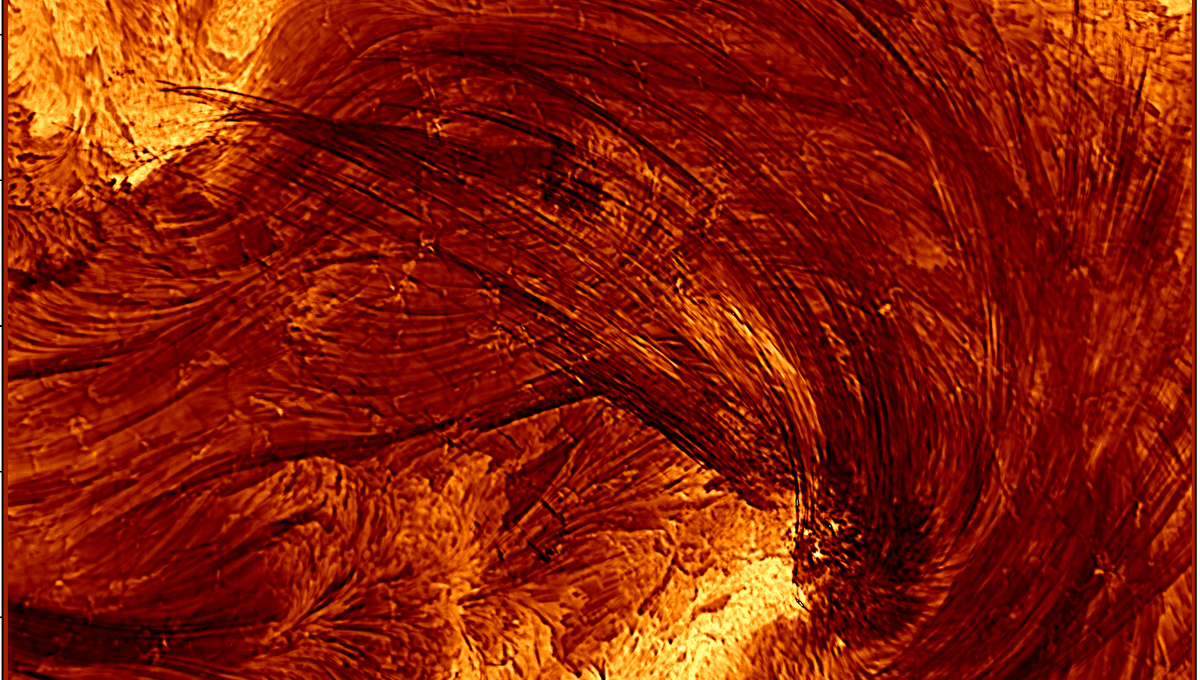
NASA/ESA's Solar Orbiter has captured the first images of the Sun's south pole, revealing that both magnetic poles are on the southern side, during a period of solar maximum when magnetic poles reverse. The spacecraft's high-latitude observations, made possible by gravitational assists from Earth and Venus, aim to improve understanding of solar magnetic activity and its impact on Earth, especially during solar storms. This marks a new era in solar science, providing insights into previously unobservable regions of the Sun.

Stunning Aurora Captures Highlight a Banner Year for Northern Lights
photography1 year ago

Stunning Aurora Captures Highlight a Banner Year for Northern Lights

The Capture the Atlas 2024 Northern Lights Photographer of the Year competition highlights an exceptional year for aurora photography due to increased solar activity as the Sun approaches its solar maximum. This year's competition features stunning images of auroras captured in unusual locations like Arizona, California, and Spain, as well as the Southern Hemisphere's Aurora Australis in New Zealand and Chile. The competition showcases 25 award-winning photos, selected for their quality, story, and inspirational value, from a year marked by spectacular solar storms.

"Returning Sunspot Cluster Promises More Northern Lights Tonight"
science-and-environment1 year ago

"Returning Sunspot Cluster Promises More Northern Lights Tonight"

A G2-level solar storm expected late Friday into early Saturday will make the northern lights visible in northern U.S. states, including parts of Wisconsin, Michigan, and Iowa. The aurora forecast shows the best chances along the U.S.-Canada border, and using phone cameras can help capture the lights even if they are not visible to the naked eye. Increased aurora activity is due to the sun approaching its solar maximum.

"Unveiling Solar Prominences: The Spectacular Sight During America's Total Solar Eclipse"
astronomy1 year ago

"Unveiling Solar Prominences: The Spectacular Sight During America's Total Solar Eclipse"

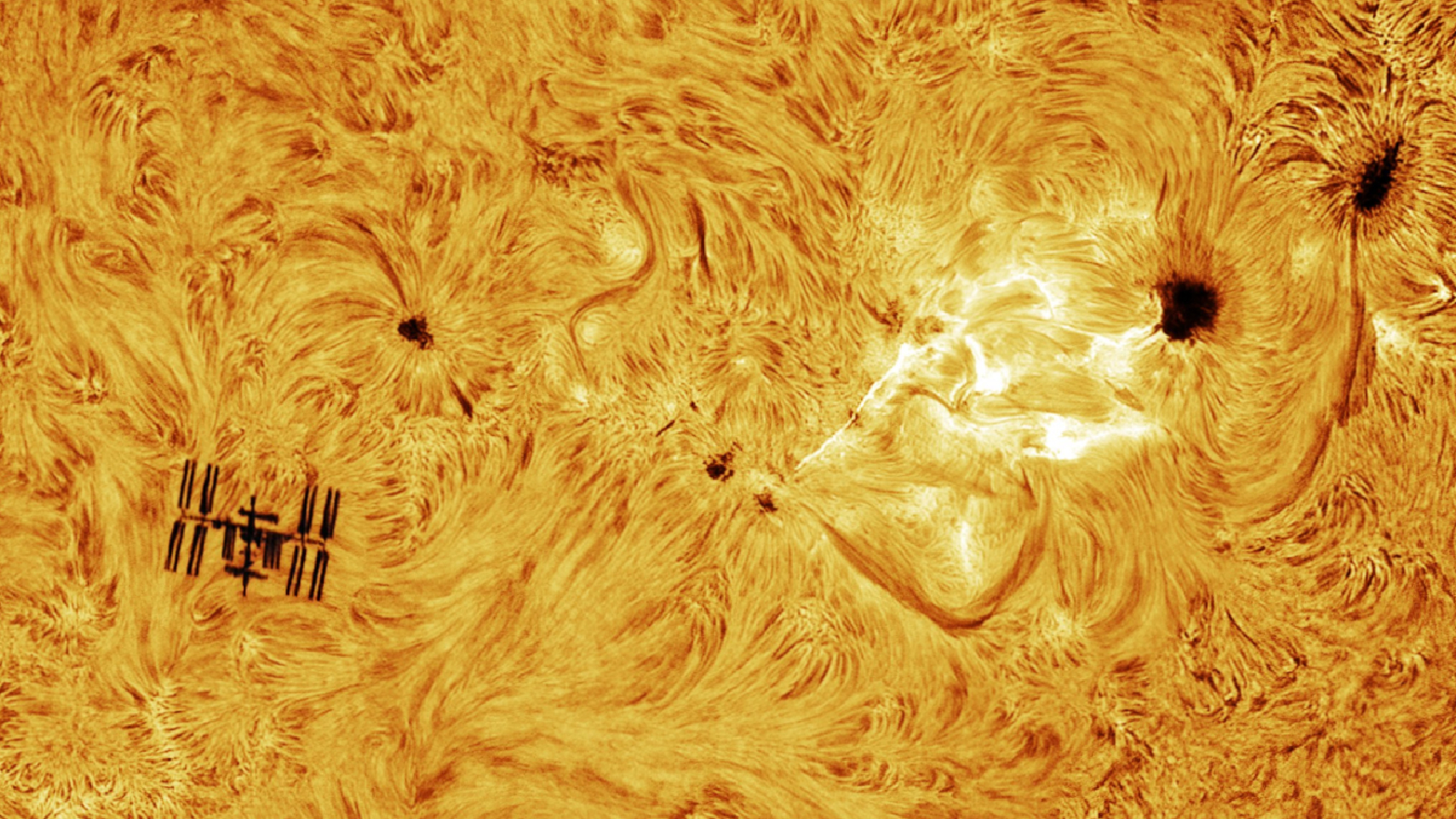
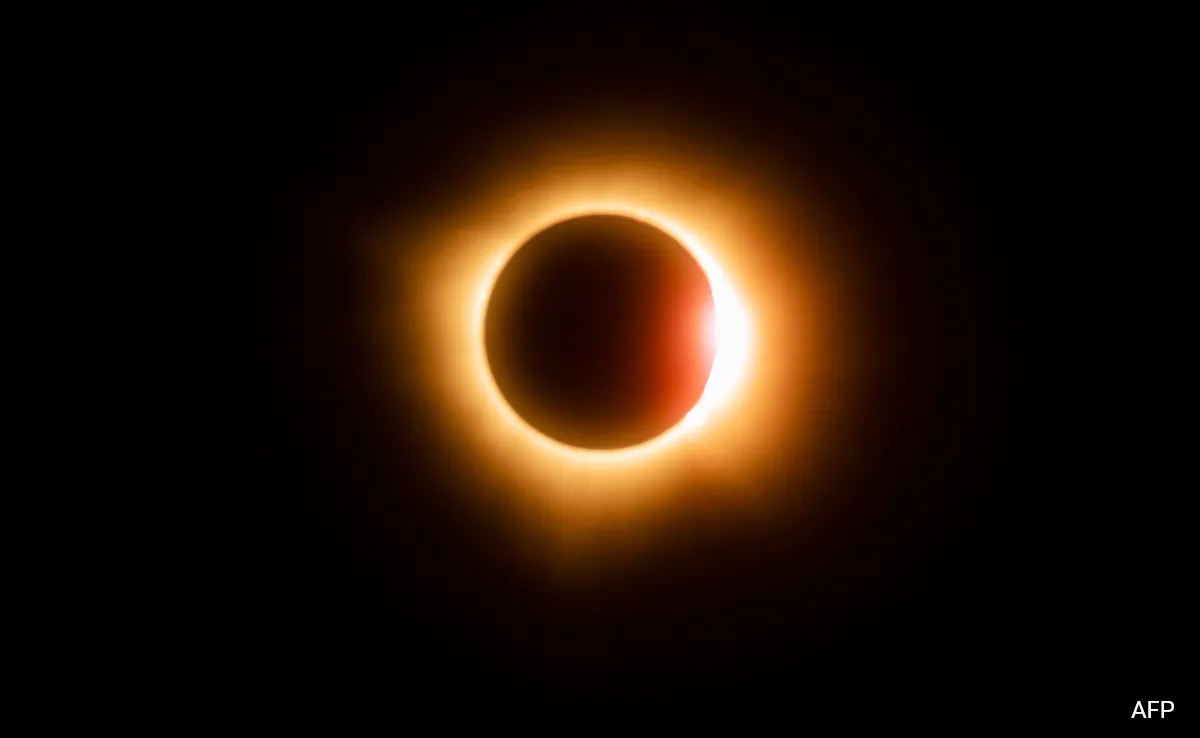
Millions of people witnessed a rare total solar eclipse on Monday, with some reporting sightings of solar flares. The event coincided with the sun's "solar maximum," a period of peak activity in its 11-year cycle, leading to increased solar flares and coronal mass ejections. Solar flares are massive explosions on the sun caused by the release of energy trapped in twisted magnetic fields, and they can have significant impacts on Earth's technology and space missions.

"Unraveling the Impact of Earth's Strongest Geomagnetic Storm in 6 Years"
science-and-technology1 year ago

"Unraveling the Impact of Earth's Strongest Geomagnetic Storm in 6 Years"

The Earth experienced its strongest geomagnetic storm in nearly six years, causing a major disturbance in the planet's magnetic field, with a geomagnetic storm watch issued through Monday. The storm, associated with a solar flare, could interfere with radio transmissions and create stunning auroras, but there is no need for public concern. While the storm may disrupt high-frequency radio and satellite operations, it is not expected to cause significant issues for power grids. This event is part of the sun's active phase, and such storms could occur a few times a year during this period.

"Rare 'Double' X-Class Solar Flare Triggers Most Powerful Geomagnetic Storm in 6 Years, Sparking Northern Lights in Unlikely Places"
spacescience1 year ago

"Rare 'Double' X-Class Solar Flare Triggers Most Powerful Geomagnetic Storm in 6 Years, Sparking Northern Lights in Unlikely Places"

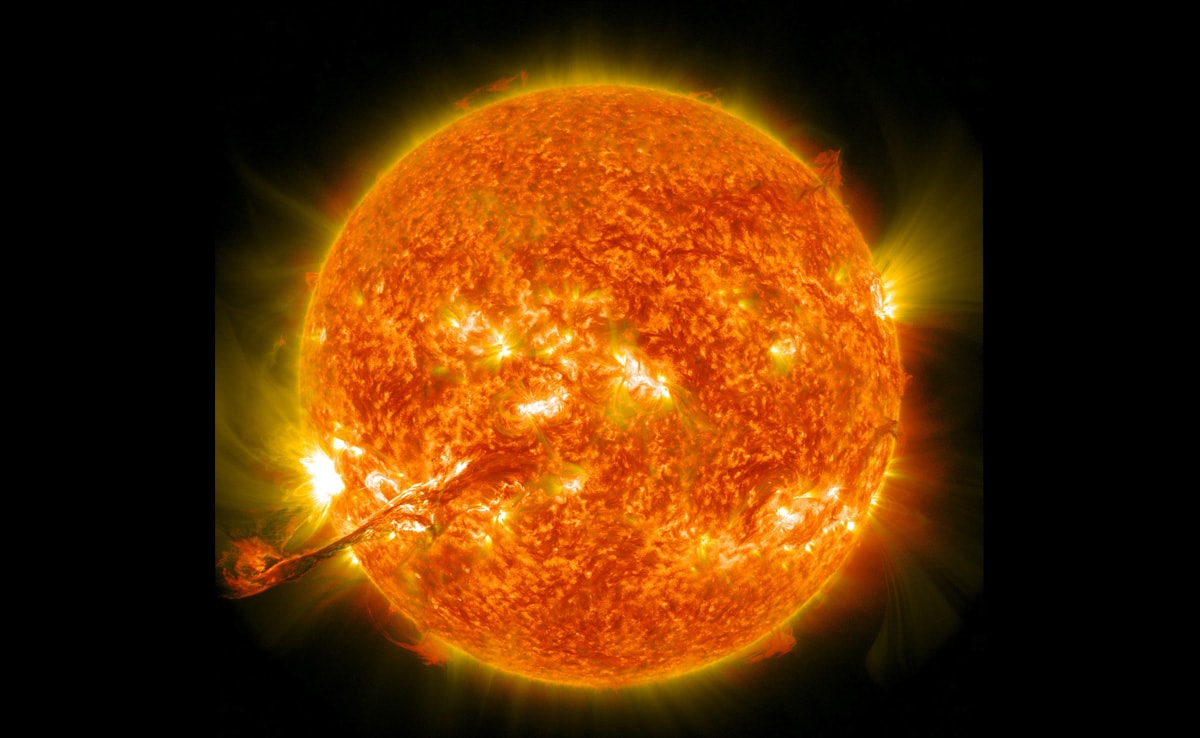
Earth experienced a powerful geomagnetic storm triggered by a rare "double" X-class solar flare, marking the most intense disturbance in over six years. The event, a sign of the sun's peak activity in its 11-year cycle, resulted in vibrant auroras and other luminous phenomena across the globe. Experts believe the sun may have entered its explosive phase earlier than expected, with increased frequency of X-class flares making strong geomagnetic storms more likely. The upcoming total solar eclipse on April 8 presents a rare opportunity for skywatchers to view the sun's corona, which may be especially beautiful given the recent solar activity.

"NASA Probe Prepares to Touch the Sun During Earth's Eclipse"
space-exploration1 year ago

"NASA Probe Prepares to Touch the Sun During Earth's Eclipse"

While Earth prepares for a total solar eclipse, NASA's Parker Solar Probe is set to make its closest pass to the sun on December 24, coming within 3.8 million miles of the surface at speeds exceeding 430,000 miles per hour. The $1.4 billion mission aims to study the sun's atmosphere and solar wind, with the hope of better understanding space weather and its potential impact on Earth. The probe's advanced heat shield and innovative technology will allow it to withstand the extreme conditions, providing valuable data to address longstanding mysteries about the sun, including the coronal heating problem.