Tag

Echinoderms

All articles tagged with #echinoderms

"Scientists Bring Extinct Fossil Creature Back to Life as a Robot"

Originally Published 1 year ago — by Ars Technica

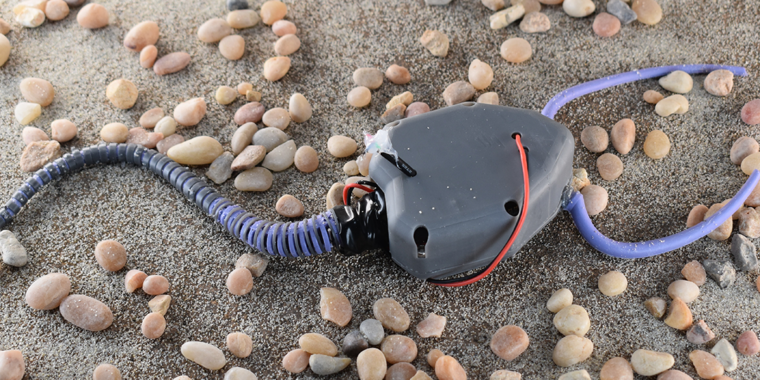
Featured image for "Scientists Bring Extinct Fossil Creature Back to Life as a Robot"
Source: Ars Technica

Researchers have created a soft-robot replica of the long-extinct pleurocystitid, an ancient sea creature, using principles of soft robotics and paleontology. The robot, named "Rhombot," has helped scientists understand the organism's movement and evolutionary mysteries. By combining fossil evidence with soft robotics, the study demonstrates the potential of paleobionics to study extinct organisms' locomotion and biomechanics, offering insights into the 99 percent of species that once roamed the Earth.
"Starfish: Are Their Bodies Just Heads?"

Originally Published 1 year ago — by DOGOnews

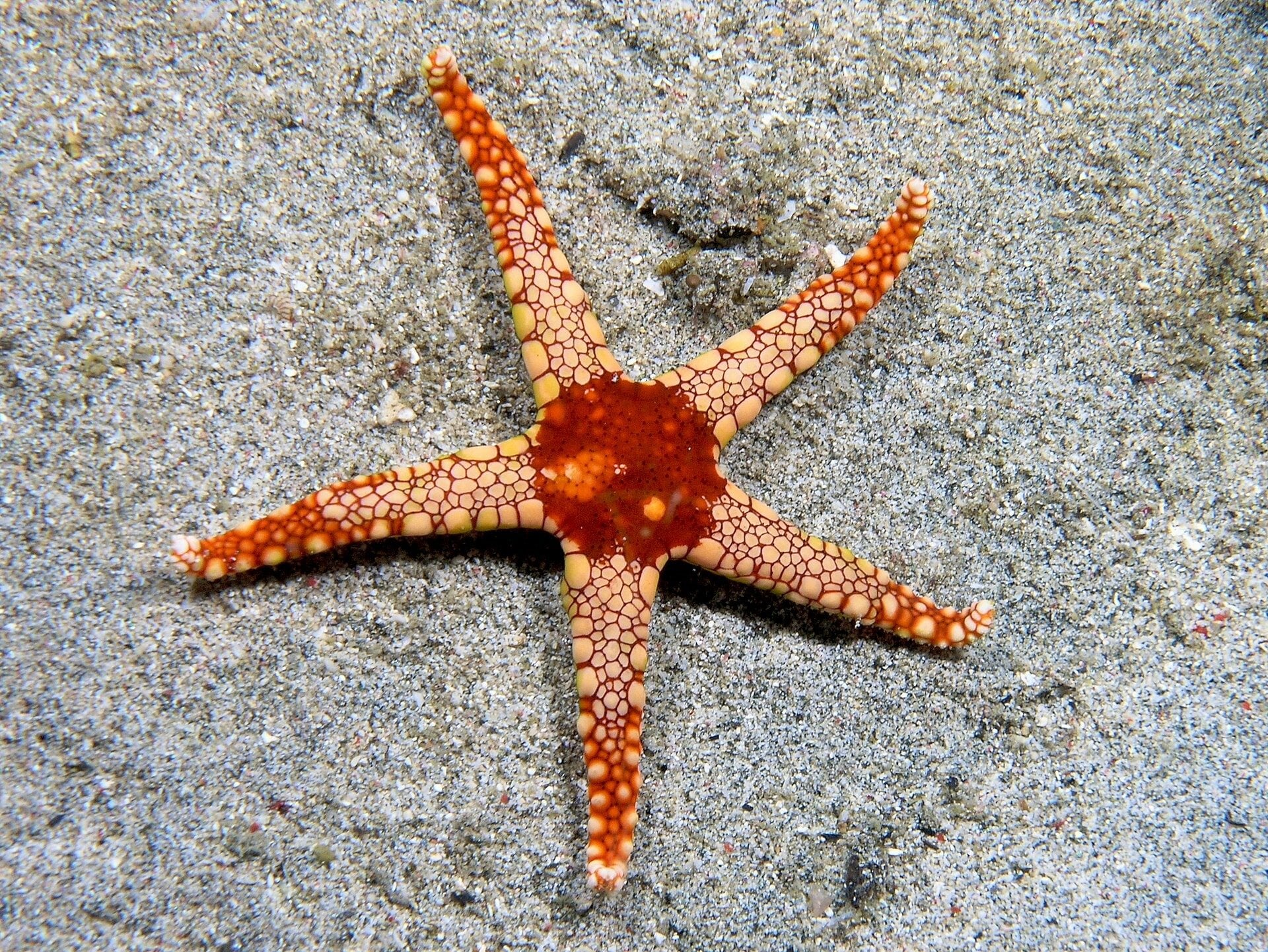
Featured image for "Starfish: Are Their Bodies Just Heads?"
Source: DOGOnews

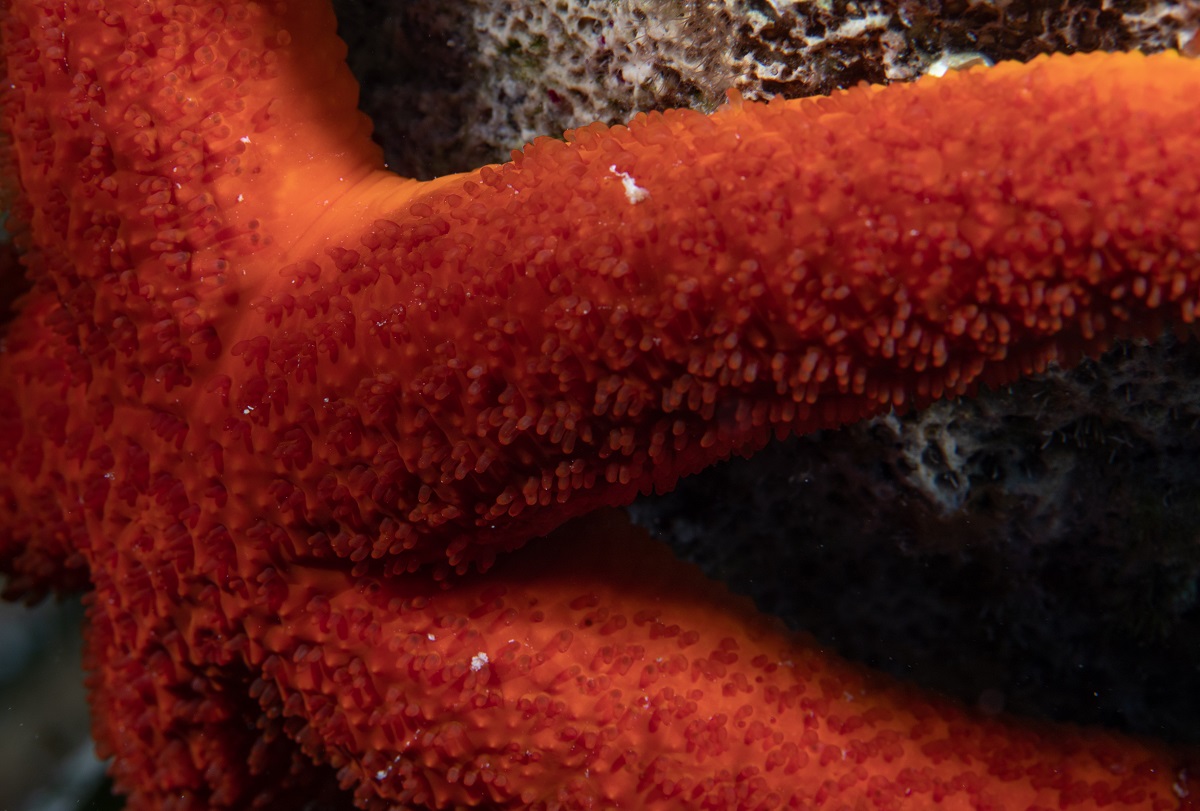
New research using HIFI sequencing suggests that starfish bodies are essentially just one giant head with no discernable trunk or torso, contrary to previous assumptions. The study found gene expressions corresponding to a head all over the sea stars, especially in the center of the body and each arm, but no signs of genes associated with a trunk. This challenges the traditional understanding of starfish anatomy and raises questions about the evolution of echinoderms.

Starfish: More Head than Arms, Scientists Discover

Originally Published 2 years ago — by Yahoo! Voices

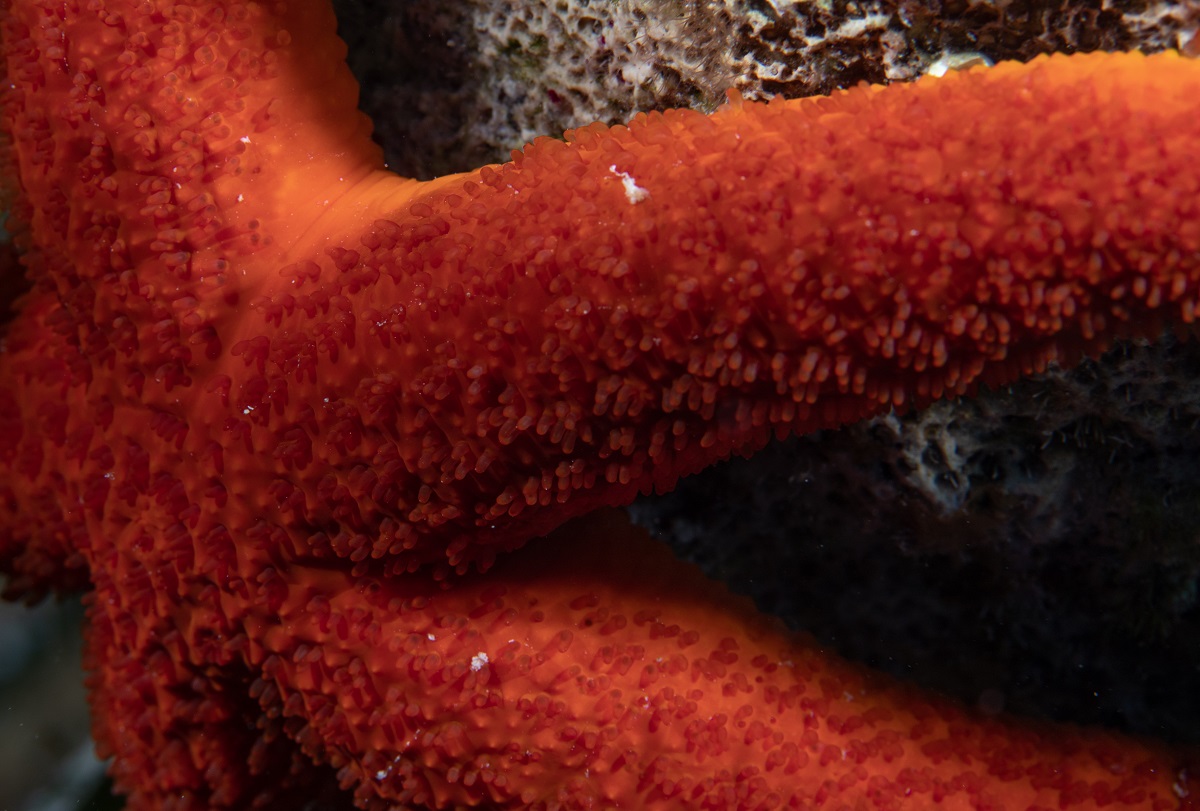
Featured image for Starfish: More Head than Arms, Scientists Discover
Source: Yahoo! Voices

A new study published in the journal Nature reveals that starfish don't just have a head, they are a head, and their "arms" are also heads. The research, which used RNA tomography to map gene expression, suggests that starfish have a decoupling of the head and trunk regions, challenging previous assumptions about their anatomy. This discovery may provide new insights into the evolution of echinoderms and raises questions about their unique body plan.

Starfish "Arms" Actually Something Else, Scientists Discover

Originally Published 2 years ago — by Yahoo News

Featured image for Starfish "Arms" Actually Something Else, Scientists Discover
Source: Yahoo News

A new study published in the journal Nature reveals that starfish don't just have a head, they are a head, and their "arms" are also heads. The research, which used RNA tomography to map gene expression, suggests that starfish have a decoupling of the head and trunk regions, challenging previous assumptions about their anatomy. This discovery may provide new insights into the evolution of echinoderms and raises questions about their unique body plan.

Ancient Marine Organism Resurrected as Soft Robot

Originally Published 2 years ago — by IFLScience

Featured image for Ancient Marine Organism Resurrected as Soft Robot
Source: IFLScience

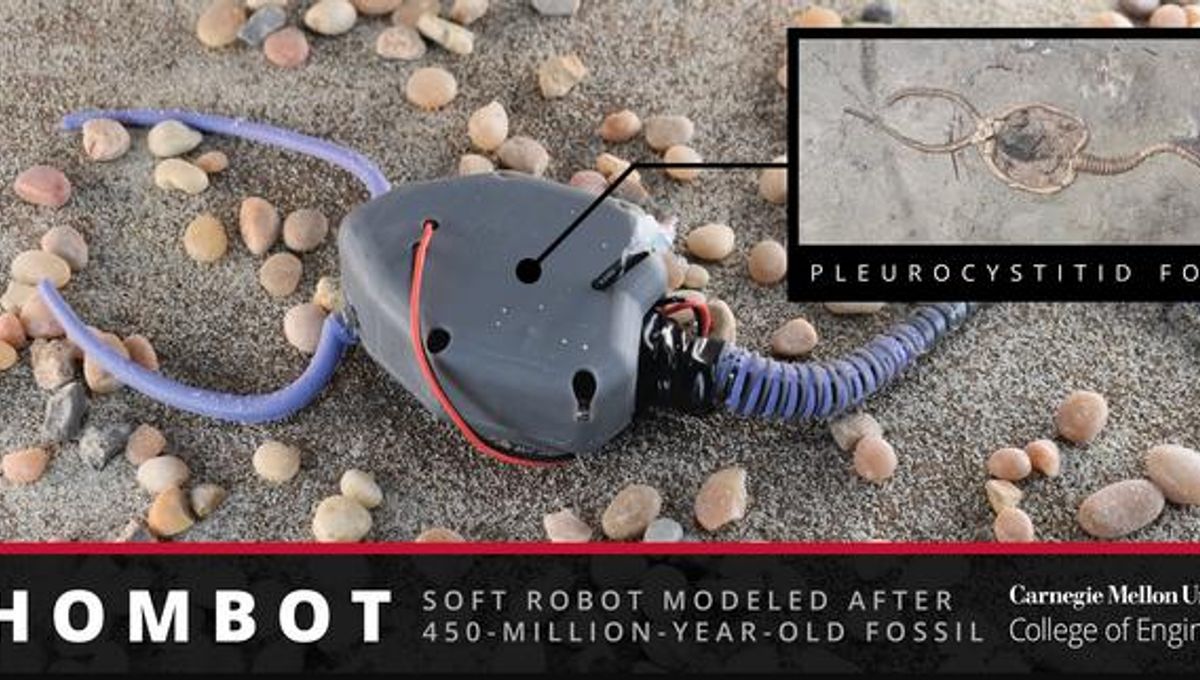
Researchers have recreated a 450-million-year-old extinct marine organism, known as a pleurocystid, as a soft robotic replica. The robot, made from a combination of 3D-printed elements and polymers, mimics the flexible nature of the creature's tail-like muscular stem. By studying the robot's movements, researchers hope to gain insights into how extinct organisms moved and how this contributed to the evolution of animals. This breakthrough in paleobionics opens up possibilities for replicating more extinct creatures and understanding the biomechanical factors that drove evolution.

Ancient marine organism revived as a soft-bodied robot

Originally Published 2 years ago — by Futurity: Research News

Featured image for Ancient marine organism revived as a soft-bodied robot
Source: Futurity: Research News

Researchers have created a soft robotic replica of pleurocystitids, a marine organism that lived 450 million years ago, using fossil evidence. This new field of study, called paleobionics, aims to understand the biomechanical factors that drove evolution by using soft robotics. The team used computational simulations and 3D printed elements to mimic the flexible structure of the organism's appendage. They discovered that pleurocystitids likely moved by sweeping motions and that increasing the length of their stem increased their speed without requiring more energy. This breakthrough opens up possibilities for studying extinct organisms and learning more about the history of life on Earth.

Decades-Long Mystery Solved: Starfish Revealed as Walking Heads

Originally Published 2 years ago — by Livescience.com

Featured image for Decades-Long Mystery Solved: Starfish Revealed as Walking Heads
Source: Livescience.com

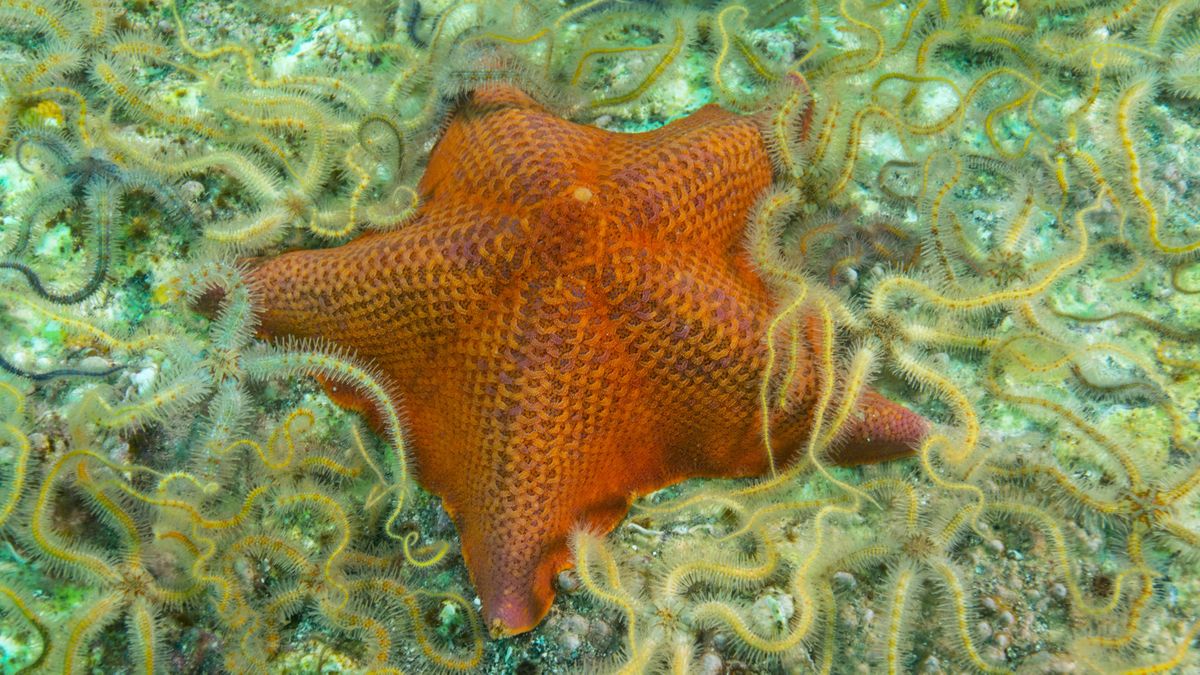
Scientists have discovered that starfish and other echinoderms are essentially walking heads with little to no body. Through genetic tests on bat stars, researchers found that the head of a starfish is its body, with anterior genes expressed all the way to the tips of its arms. This challenges previous hypotheses that suggested a duplication or stacking of the bilateral body plan. The study also suggests that seemingly bilateral echinoderms, like sea cucumbers, have a radial body plan, resembling a stretched-out head on its side. The reasons behind this unique body plan remain unclear.

Decoding the Enigma: Unveiling the True Nature of Starfish

Originally Published 2 years ago — by The Guardian

Featured image for Decoding the Enigma: Unveiling the True Nature of Starfish
Source: The Guardian

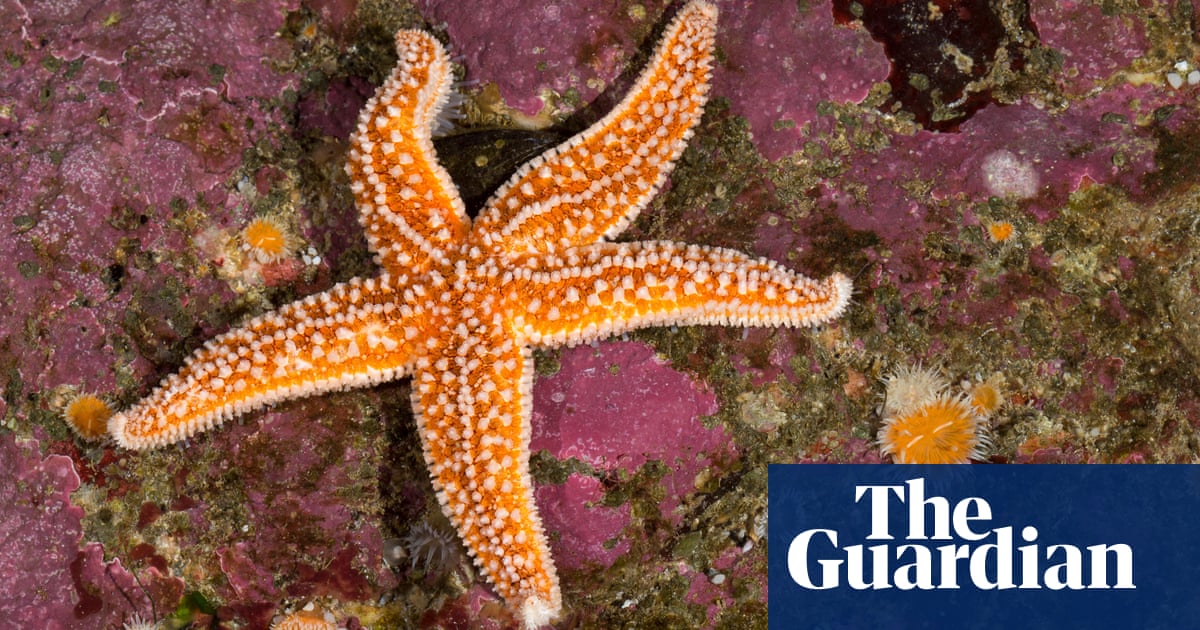
Scientists have discovered that starfish and other echinoderms have an unusual body plan where their "arms" are actually extensions of their head. Through gene analysis, researchers found that the majority of genes switched on in the outermost layers of the starfish body corresponded to those activated in the heads of acorn worms and vertebrates. This suggests that the trunk genes were lost in the evolution of echinoderms. The study sheds light on how adult echinoderms acquired their unique five-fold body plan and provides insights into the evolution of these creatures from their bilateral ancestors.