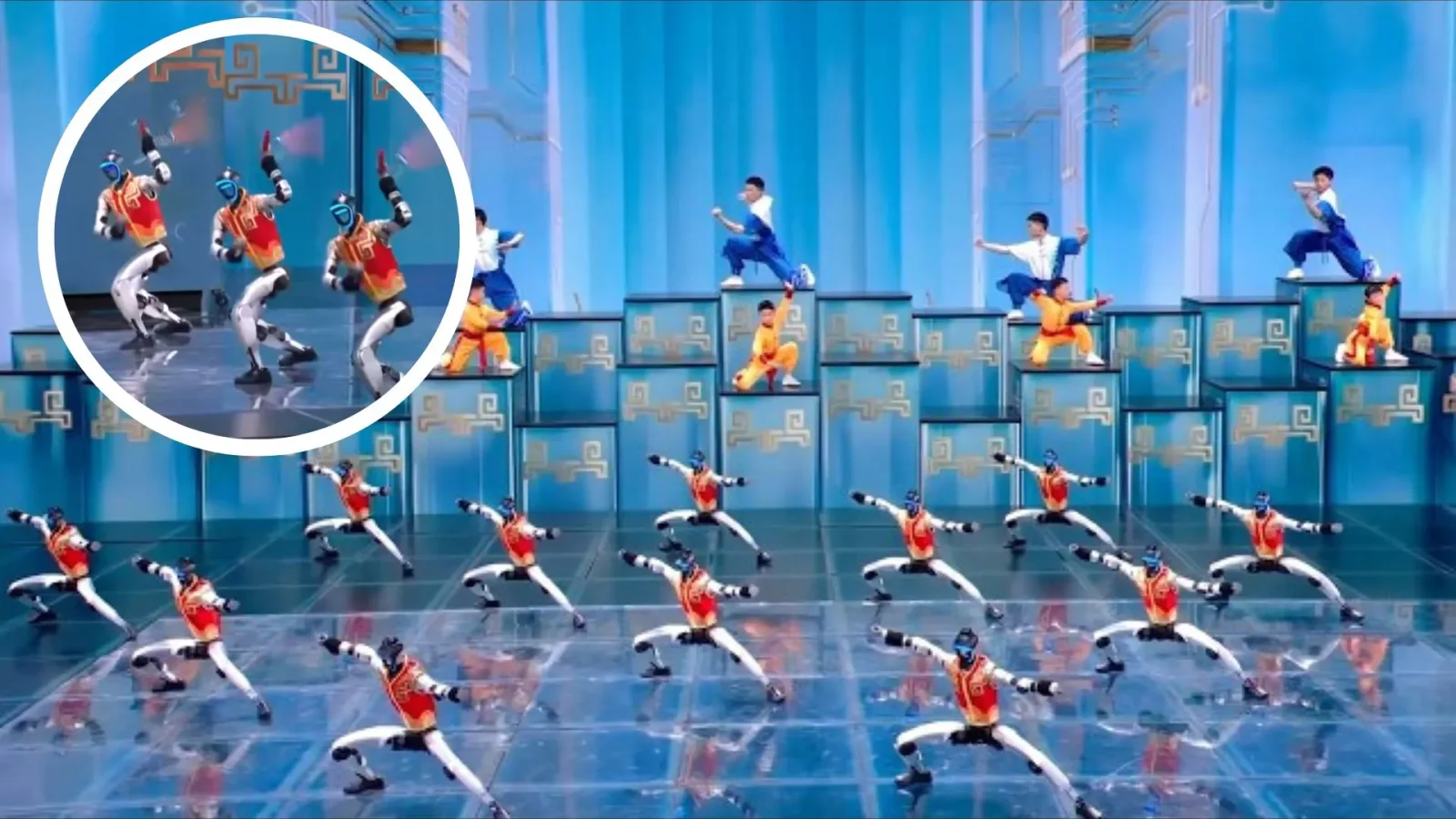
Humanoid Unitree robots (G1/H1) wowed millions during China’s 2026 Spring Festival Gala with synchronized Drunken Fist routines using weapons and parkour-style stunts, showcasing advanced multi-robot coordination and signaling Beijing’s push to deploy humanoids in factories and logistics, backed by major investments from top firms.
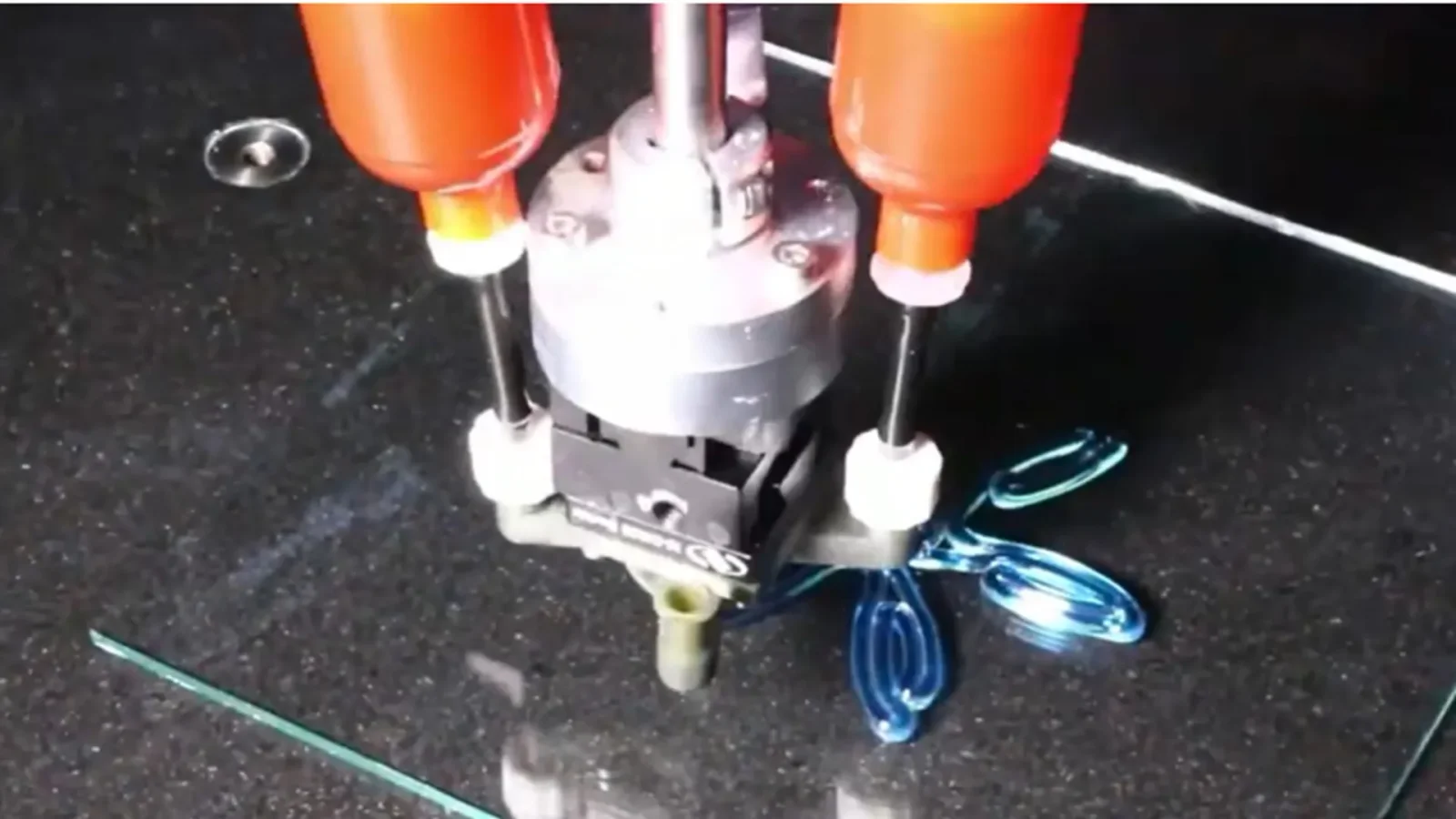
Harvard engineers embed motion directly into soft robots with a rotational multimaterial 3D‑printing process that creates hollow pneumatic channels inside flexible filaments. When inflated, these channels cause the structures to bend, twist, or grasp in preprogrammed ways, removing molds and assembly steps and enabling rapid design changes. Demonstrations include a flower-like actuator and a hand-shaped gripper, with potential applications in surgical robotics and delicate-object handling.
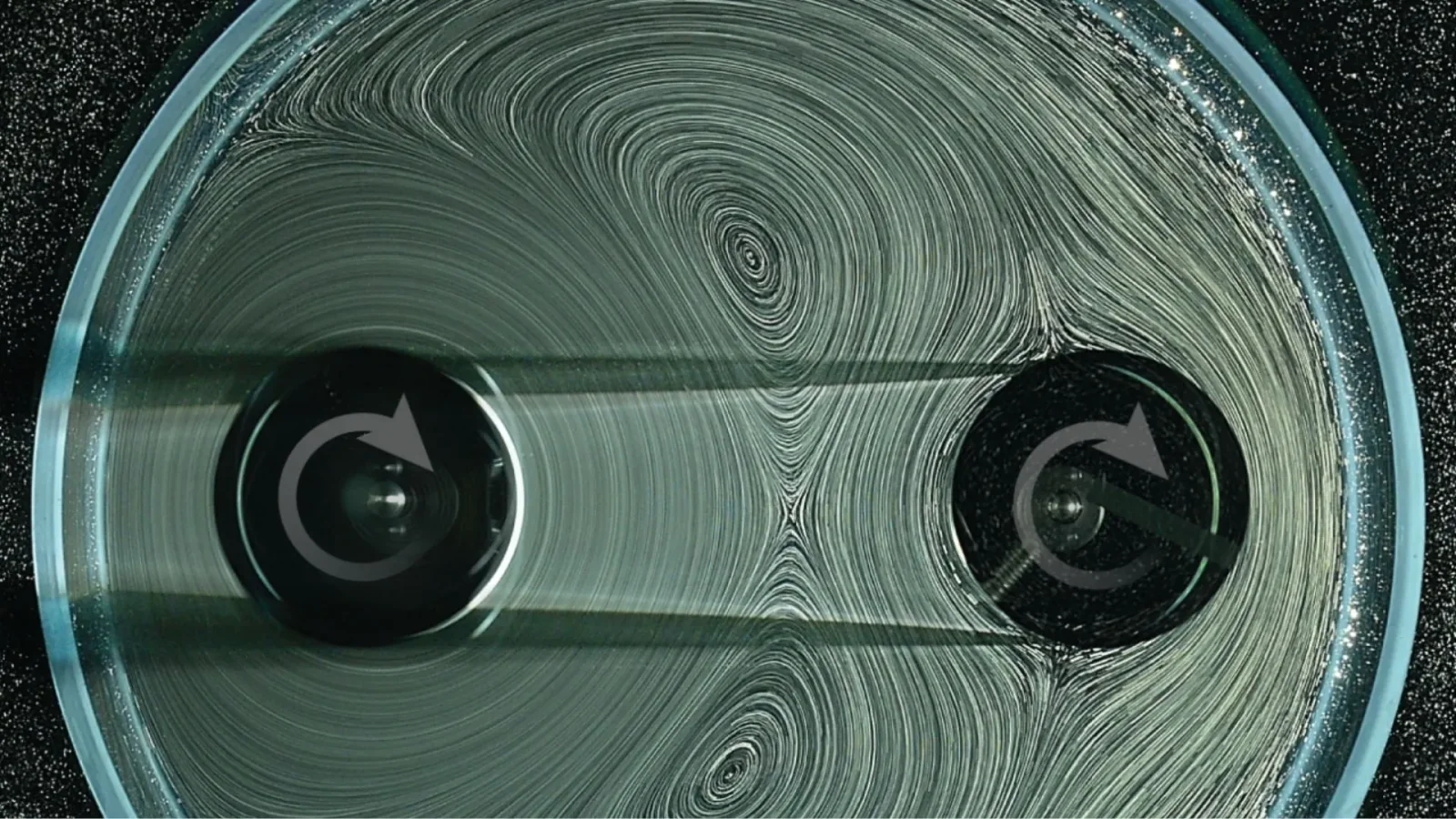
NYU researchers developed a fluid-based gear system that transmits motion via directed fluid flows instead of interlocking teeth, enabling non-contact transmission and reducing wear and jam risks. Demonstrated with two submerged cylinders in a water–glycerol mix, the approach could inform soft robotics and instantly tunable gear ratios, with findings published in Physical Review Letters.
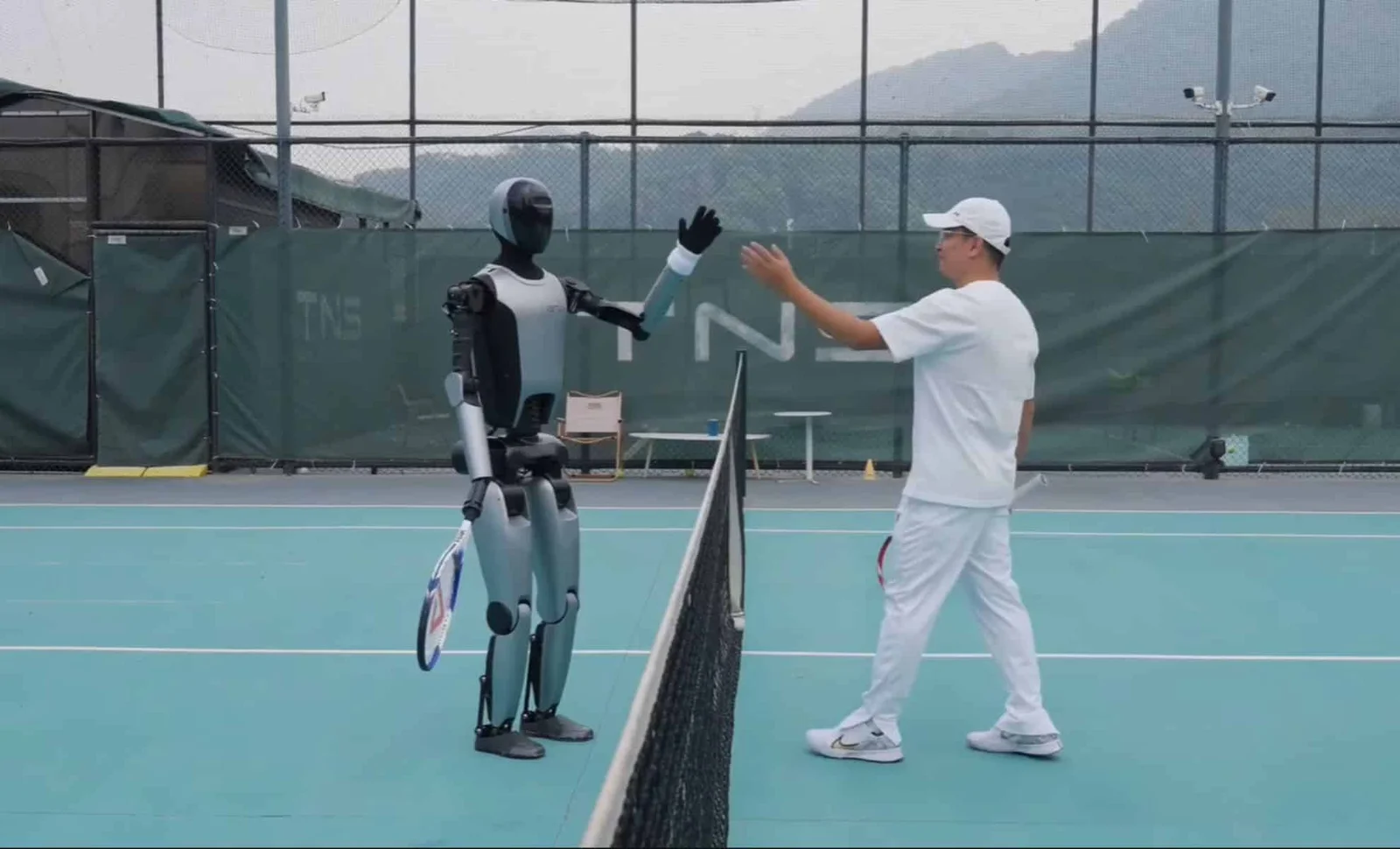
UBTech Robotics has demonstrated its Walker S2 humanoid robot playing live tennis, showcasing advanced real-time coordination, perception, and adaptability, marking a significant step toward practical, scalable humanoid robots for industrial and service applications.
Tesla's stock has reached a new high, surpassing its previous peak from December 2024, driven by advancements in AI, robotics, and strategic plans for autonomous vehicles, despite earlier setbacks related to political controversies and sales declines. The company's valuation has increased significantly, making it one of the top seven largest U.S. companies for the first time since May 2025.
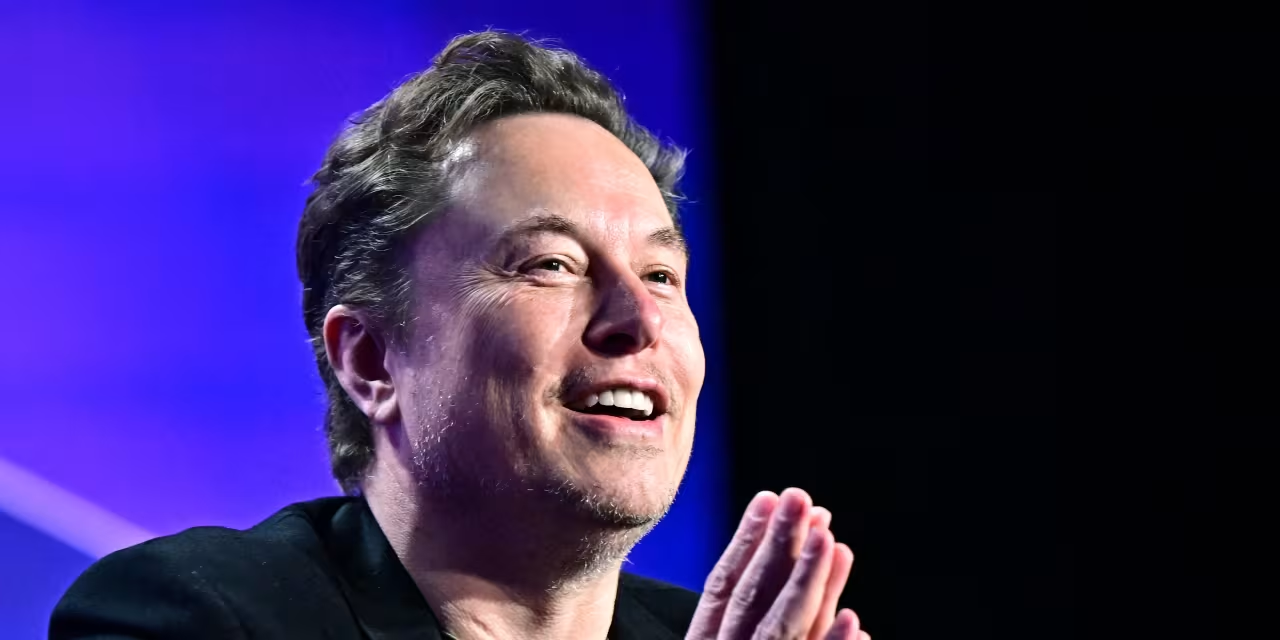
Elon Musk envisions Tesla's Optimus robot transforming the economy by eliminating poverty and making work optional through AI and robotics, while also receiving shareholder approval for a $1 trillion pay package.
Tesla's recent earnings report revealed declining sales and profits, but the company's leadership focused on future AI and robotics innovations during the call, leading to a significant stock drop as Wall Street remains skeptical about the company's current financial health and the timeline for its ambitious future plans.
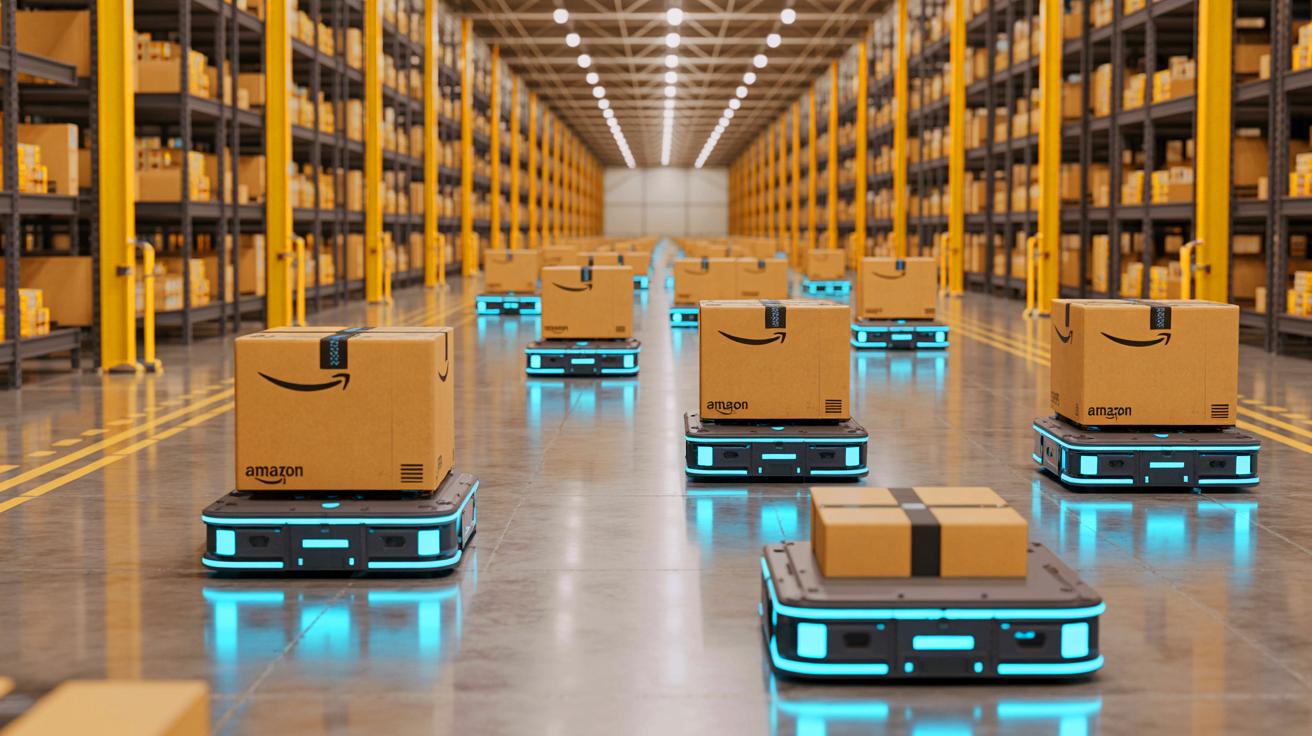
Amazon has deployed its one millionth robot, showcasing its leadership in warehouse automation and AI integration with the new DeepFleet system, which optimizes robot efficiency and reduces delivery times, while also investing in workforce upskilling to complement technological advancements.
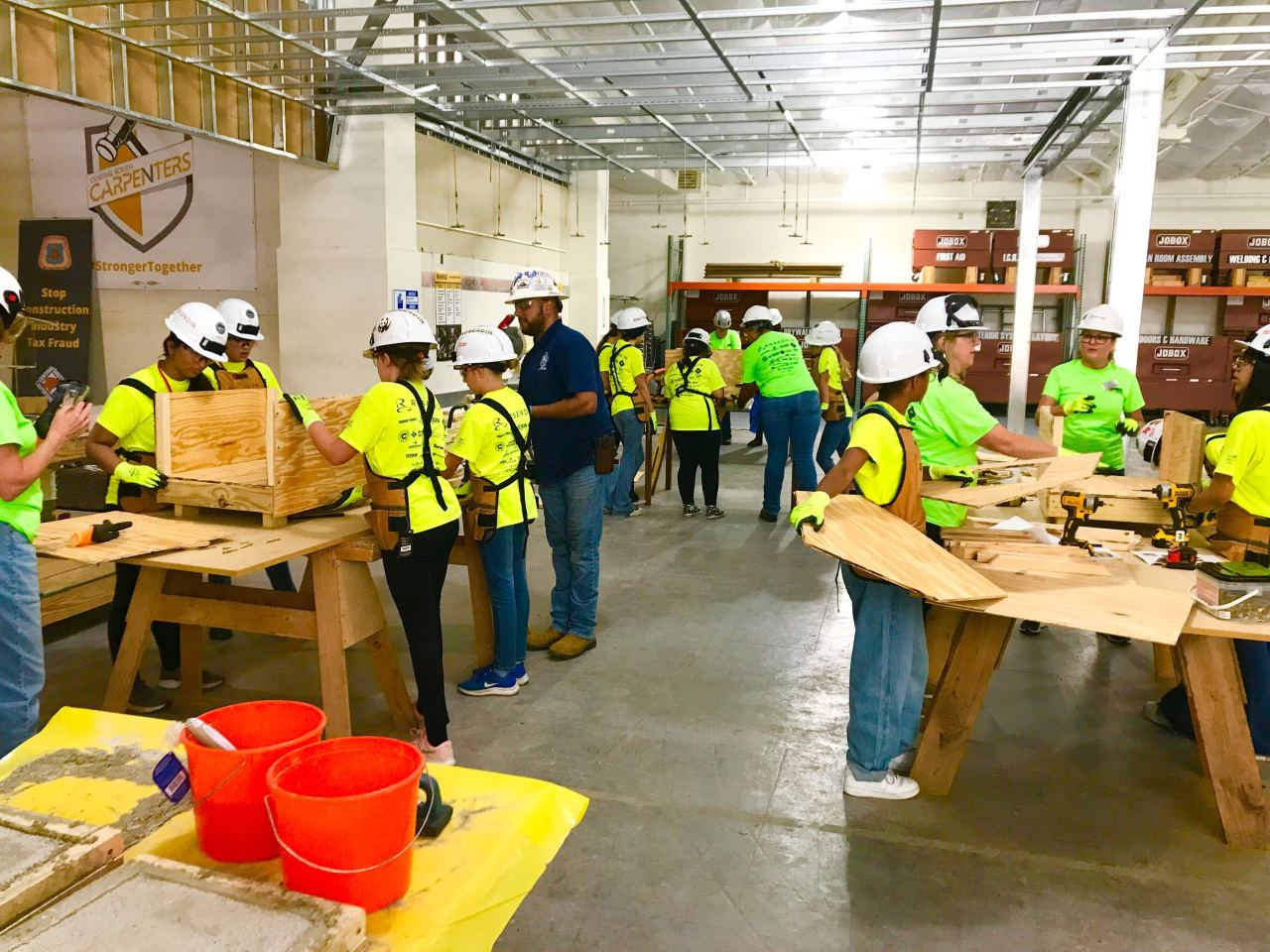
A national survey conducted by the Associated General Contractors of America (AGC) reveals that 88% of U.S. contractors are struggling to fill open positions, leading to labor shortages and supply chain disruptions in the construction industry. The survey also highlights that half of the respondents had projects canceled or scaled back due to cost increases, while 22% experienced setbacks due to delays. In Texas, 92% of firms faced difficulty filling open positions, with the highest demand for basic laborers, heavy equipment operators, and truck drivers. AGC leaders emphasize the need for investment in education and a path to citizenship for undocumented workers. Additionally, there is optimism about the potential of AI and robotics to address the labor gap, with 44% of respondents believing these technologies will have a positive impact on the industry.