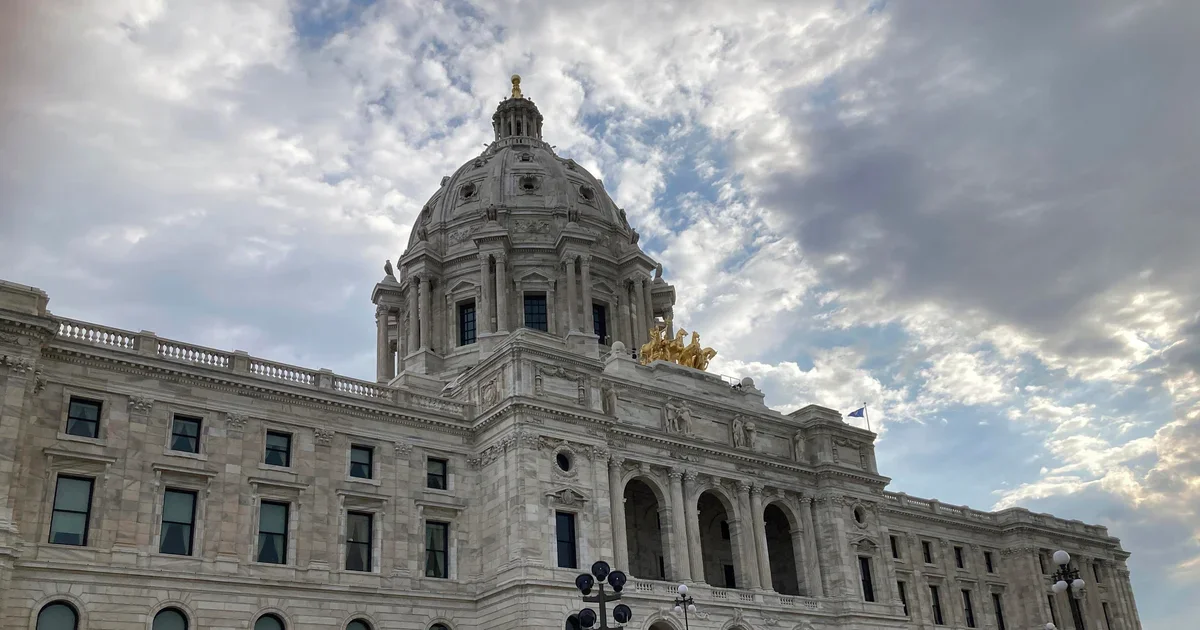
Federal prosecutors in Minnesota have indicted six individuals, including two from Philadelphia, for allegedly siphoning over $3.5 million from state-funded social programs through fake claims, highlighting a broader issue of fraud and 'fraud tourism' in the state, with investigations ongoing into billions of dollars spent on social services.
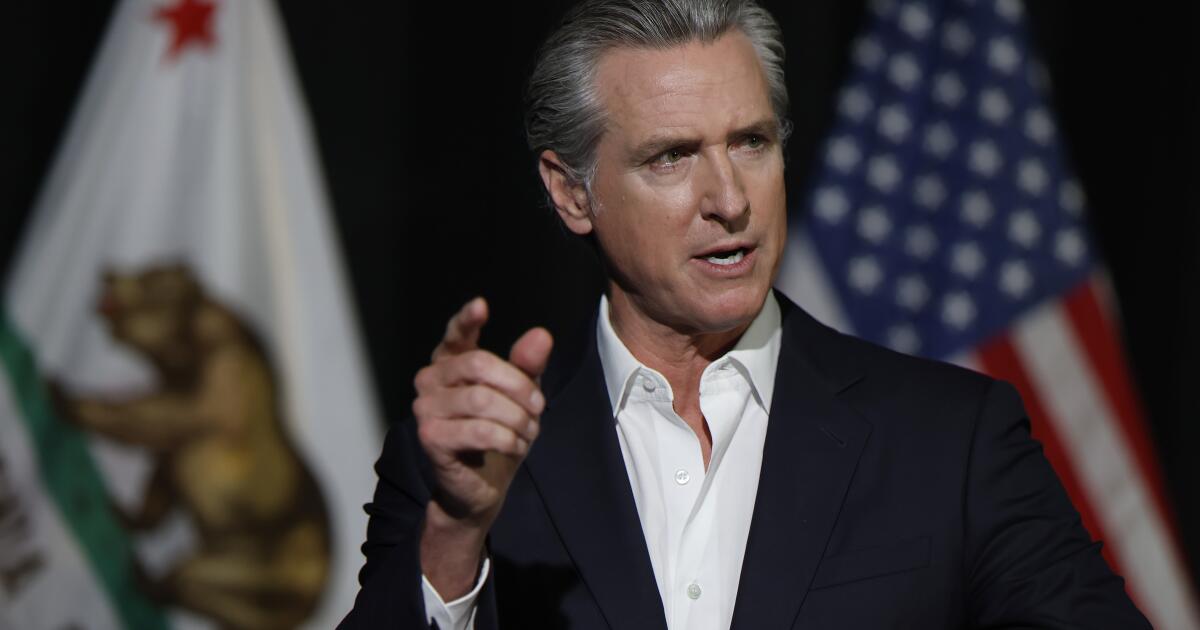
The article suggests that Gavin Newsom can stay relevant and potentially become a presidential contender by adopting a bold, inclusive, and transformative approach similar to Franklin D. Roosevelt's New Deal, emphasizing tangible benefits like healthcare, jobs, and social equity, and making these initiatives highly visible to inspire trust and support among Americans.
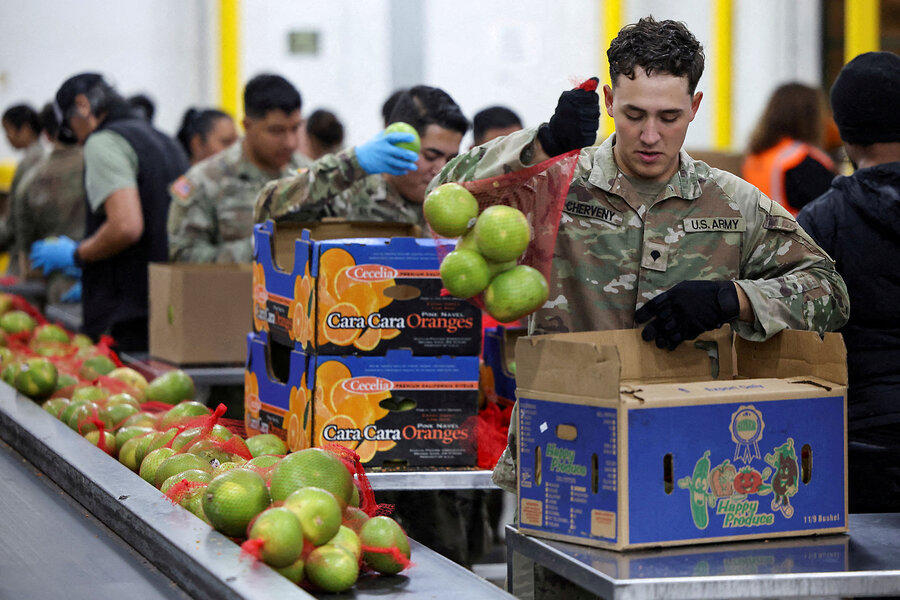
The US government shutdown, initially limited in impact, is now affecting essential programs like food assistance, military pay, and energy aid, with potential long-term economic and political consequences as delays and funding gaps grow, especially with upcoming elections and critical services at risk.
The US Conference of Catholic Bishops expressed concern over the final passage of the 'One Big Beautiful Bill Act,' criticizing its cuts to healthcare, food assistance, and programs protecting the environment, which they believe will harm the poor and vulnerable, despite some initial provisions aimed at supporting families and restricting funding for abortion and gender-transition procedures. Archbishop Broglio called for increased efforts to aid those at risk and advocated for future legislative improvements.
The House has passed a bill impacting Oregon through significant changes to Medicaid, food assistance, climate funding, and higher education, with potential increases in uninsured residents, reduced federal aid, and environmental program cuts, all expected to raise the federal deficit and strain state resources.
The article discusses the mixed reactions to Donald Trump's proposed tax and spending bill, which aims to make tax cuts permanent, fund deportations, and cut social programs like Medicaid and Snap, with supporters praising its fiscal responsibility and critics warning it will increase the deficit and harm social safety nets.
The US Senate is conducting a marathon vote on Trump's 'big, beautiful bill,' a comprehensive budget package with significant tax cuts and welfare reductions, expected to increase the national debt by $3.3tn and face opposition from Democrats and some Republicans. The bill includes controversial provisions like a debt ceiling increase, AI regulation changes, and funding adjustments for social programs, amid political tensions and ongoing debates.
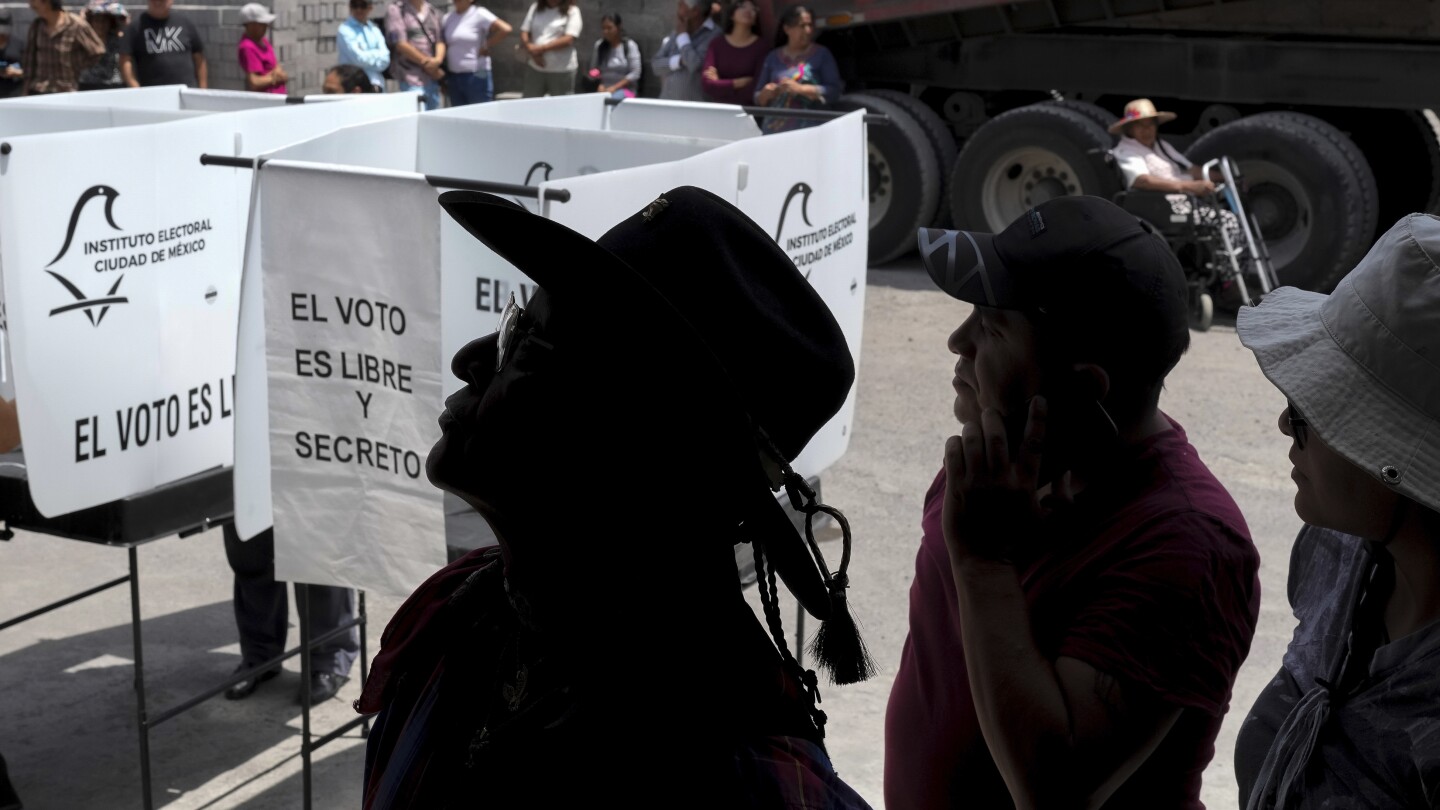
Claudia Sheinbaum, Mexico's first female president, faces significant challenges including cartel violence, a divided nation, and financial constraints on social programs. Her administration's success may hinge on fiscal reforms, navigating the influence of outgoing President López Obrador, and the outcome of the U.S. presidential election, which could impact Mexico's security, trade, and immigration policies.
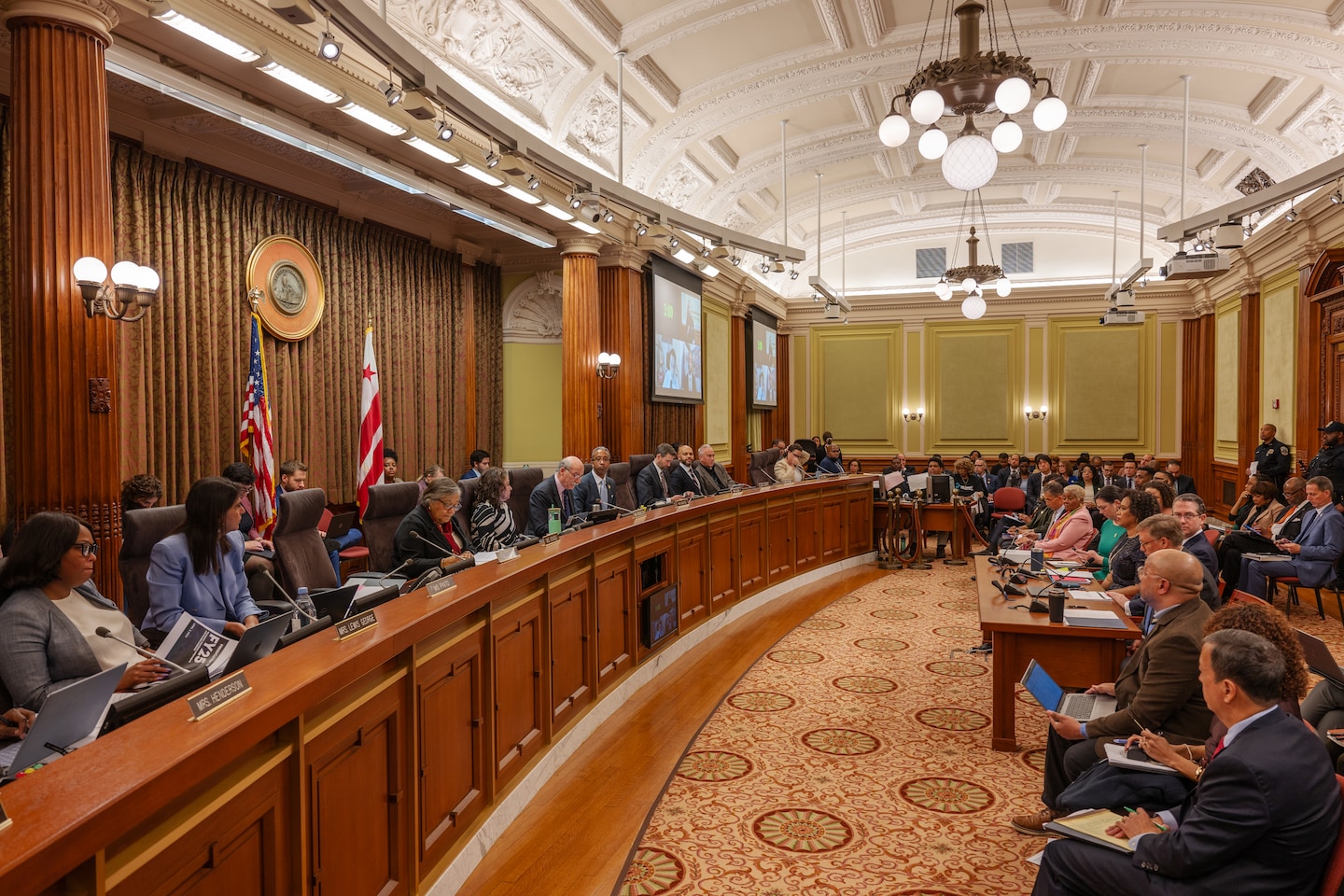
The D.C. Council approved a $21 billion fiscal 2025 budget with tax hikes to mitigate cuts proposed by Mayor Muriel Bowser, focusing on protecting low-income residents and funding high-demand programs. The budget includes increased property and business taxes, reallocations for schools, and enhancements to social programs. Mayor Bowser expressed concerns over the tax hikes and some budget cuts, while council members debated various amendments and funding priorities. The budget will undergo further revisions before a final vote next month.
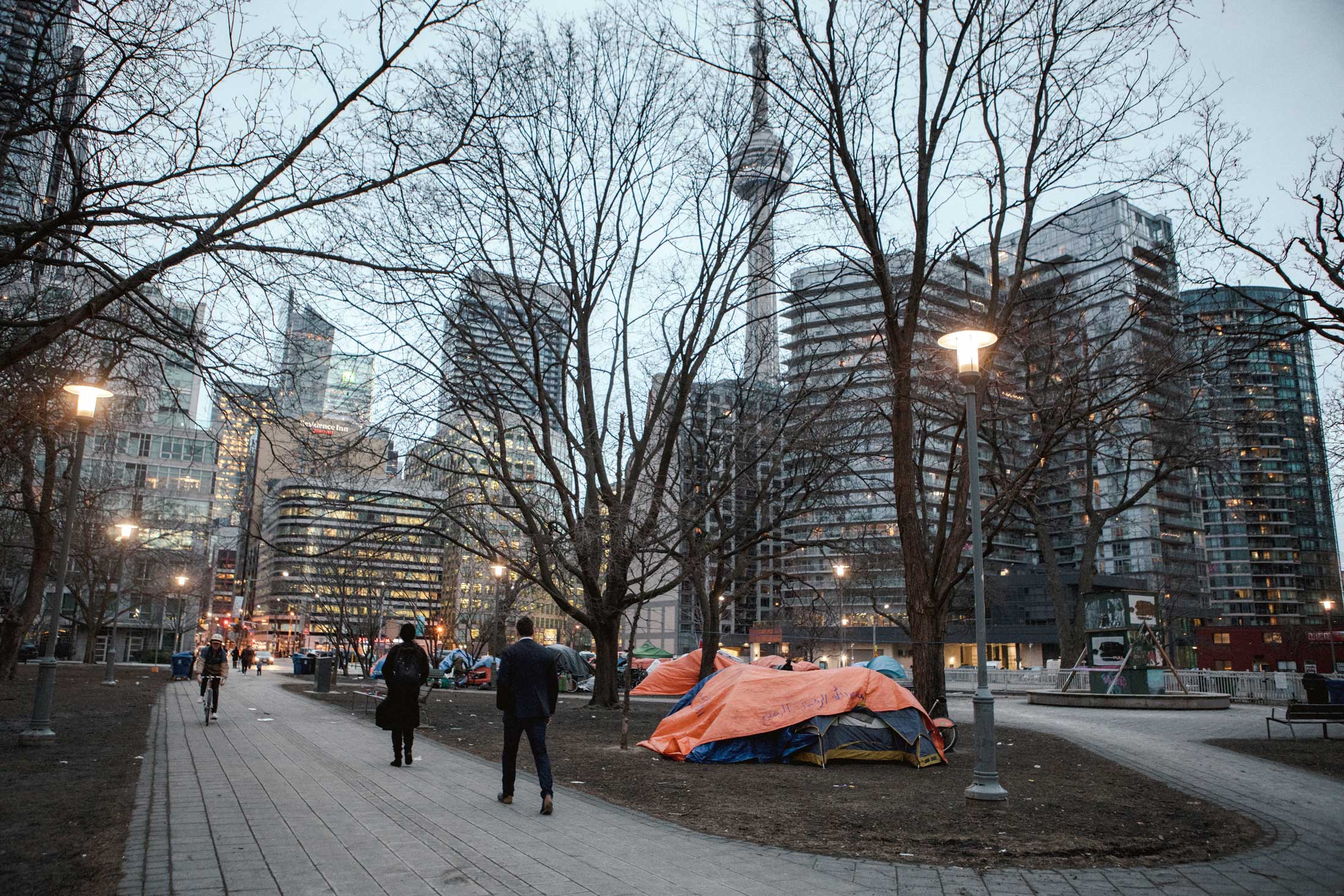
Canada's social safety net, once a source of pride, is showing signs of strain as affordable housing, healthcare access, and food insecurity become increasingly prevalent issues across the country. The housing crisis is particularly acute in cities like Toronto, where international students and low-income residents struggle to find affordable accommodations. In Calgary, rising food prices have led to a 40% increase in food bank usage, while in Montreal, a shortage of general practitioners has resulted in long wait times for medical care. Vancouver is grappling with a growing opioid crisis, with more than six people dying daily from toxic drug use. Despite government efforts, the challenges facing Canada's social programs are complex and multifaceted.
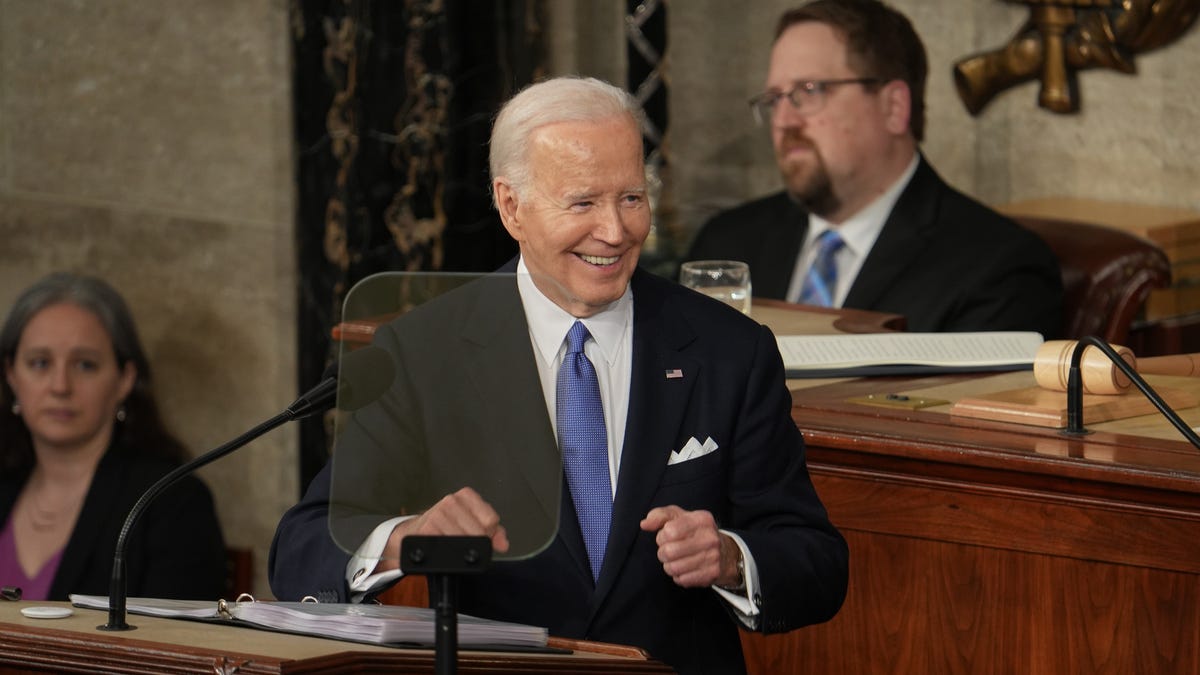
President Biden's proposed federal budget for the 2025 fiscal year aims to cut the deficit by $3 trillion over the next decade through tax hikes on corporations and the wealthiest Americans, while introducing new social programs for housing, health care, and child care. The budget also includes measures to protect Medicare and Social Security, allocate billions for border security, and offer cost-cutting measures for struggling families. However, the budget faces opposition from House Republicans and is expected to undergo significant changes during negotiations in Congress.
President Biden unveils a $7.3 trillion budget proposal for fiscal year 2025, featuring major new spending initiatives for health care, child care, and housing, alongside higher taxes on corporations and the wealthy to offset the costs and reduce the national debt. The budget includes universal prekindergarten education, paid family and medical leave, anti-poverty tax credits, and a new tax break for first-time home buyers. While facing opposition from Republicans, Biden's administration aims to build the economy from the middle out and bottom up, with a focus on addressing inflation through investments in affordable child care and eldercare.
Mexico's poverty rate has decreased by 5.6% from 2018 to 2022, lifting 5.1 million people out of poverty. The income gap has also narrowed, and the poverty level is at its lowest point in a generation. President AMLO's social programs, along with wage increases and labor legislation, have contributed to these positive outcomes. However, access to healthcare remains a challenge, and the government's transition to a new healthcare model has faced difficulties. Despite the progress, Mexico still has a significant number of people living in poverty, and further efforts are needed to achieve the goal of zero poverty in the next decade.
Christian Zurita, who is running in place of assassinated candidate Fernando Villavicencio, has promised to improve policing and implement intelligence protocols to combat crime in Ecuador. He also plans to use international loans to support social programs. Zurita, an investigative journalist, emphasized the need to thoroughly investigate Villavicencio's death and address the corruption he exposed. He called for equipping the police with necessary technology and implementing well-regulated intelligence protocols. Zurita also highlighted the importance of social investment and reducing taxes on businesses that hire young people to address unemployment and insecurity. He suggested renegotiating existing oil contracts and ensuring small businesses can operate without fear of extortion. However, his candidacy is being contested, which may hinder his chances of approval before the election.
President Joe Biden's team trolled Rep. Marjorie Taylor Greene by posting a 30-second clip of her speech on his Twitter account with the caption "I approve this message." In the clip, Greene compares Biden's policy accomplishments to former President Lyndon B. Johnson's social programs and praises his investments in social infrastructure and environmental programs. While Greene criticizes the government as a "bloated machine," Democrats see her list of social investments as opportunities for the American dream. The clip was suggested as a campaign ad by Rev. Al Sharpton, and Biden's team seemingly took the advice.