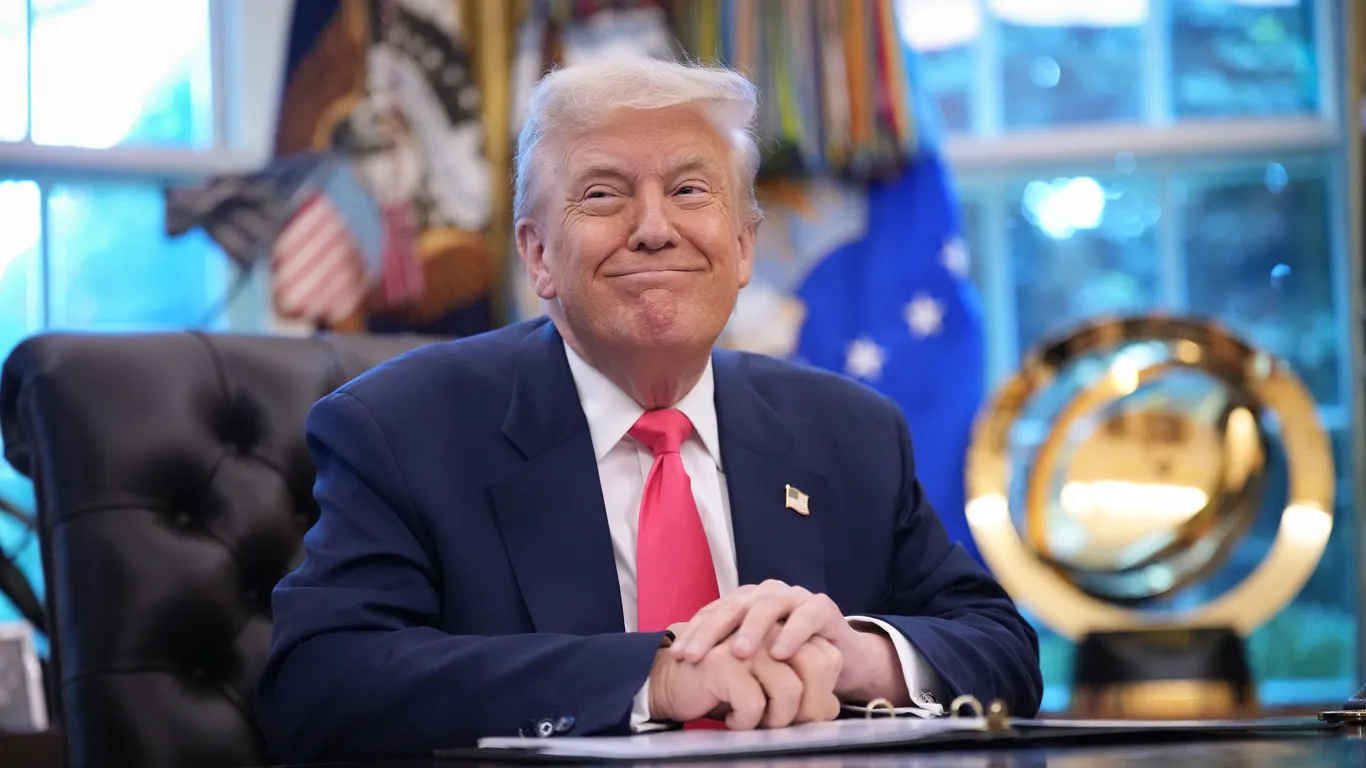
The Congressional Budget Office reports that U.S. tariffs will reduce deficits by $4 trillion over the next decade, mainly through increased revenue, despite concerns about their negative impact on economic growth and investment.
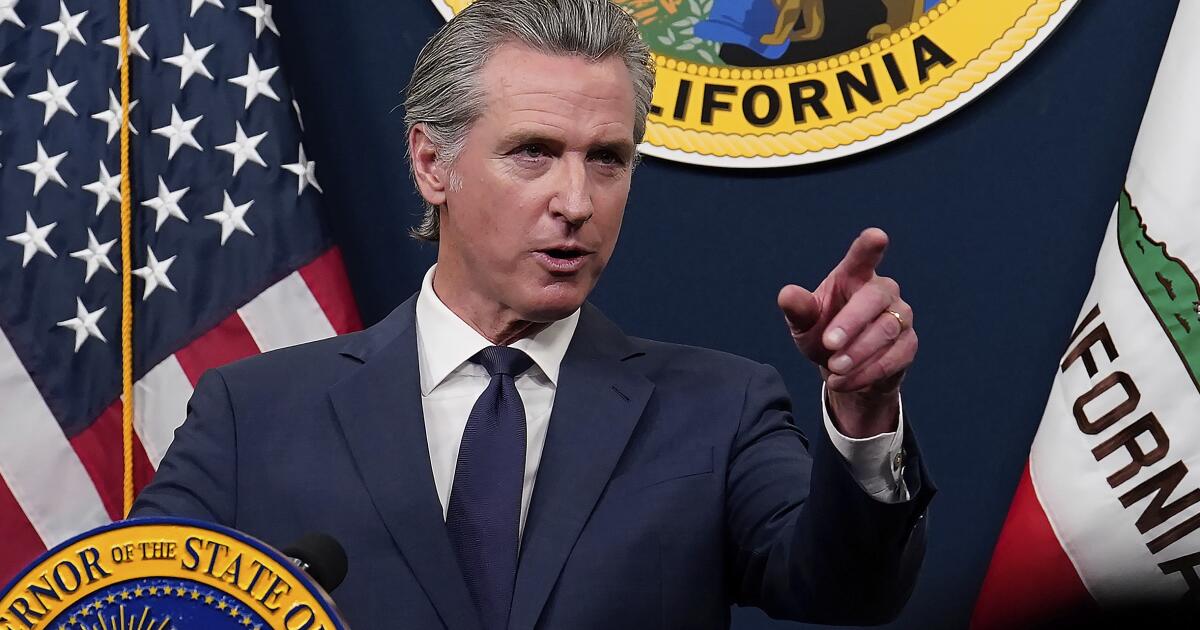
California Governor Gavin Newsom signed a budget to close a $12 billion deficit, which includes cuts to immigrant healthcare access, such as stopping new enrollments for undocumented adults in Medi-Cal from 2026 and introducing premiums in 2027, while also maintaining funding for other safety net programs and environmental initiatives. The budget faces criticism from Republicans and some Democrats for its impact on vulnerable populations and future fiscal stability, amid ongoing federal and economic uncertainties.
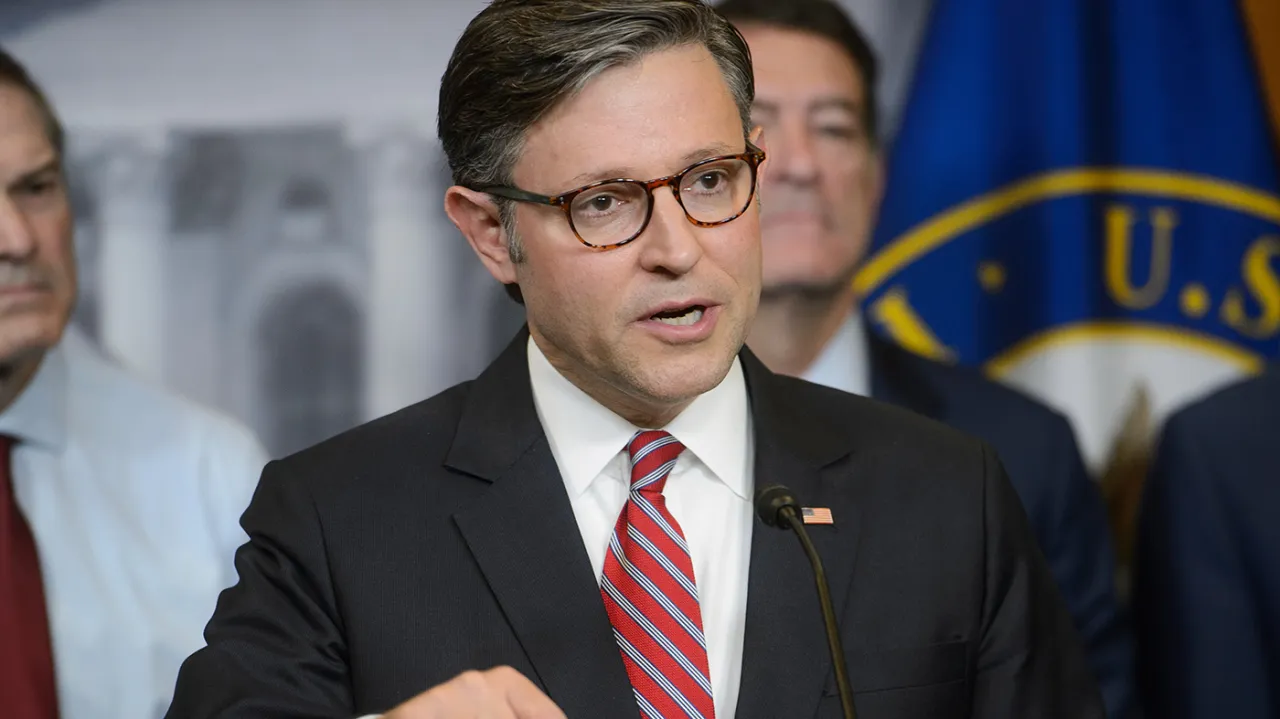
House Republicans approved a bill to cut $9.4 billion from federal programs including public broadcasting and foreign aid, aiming to reduce the national deficit, though its passage in the Senate remains uncertain due to internal disagreements and political considerations.
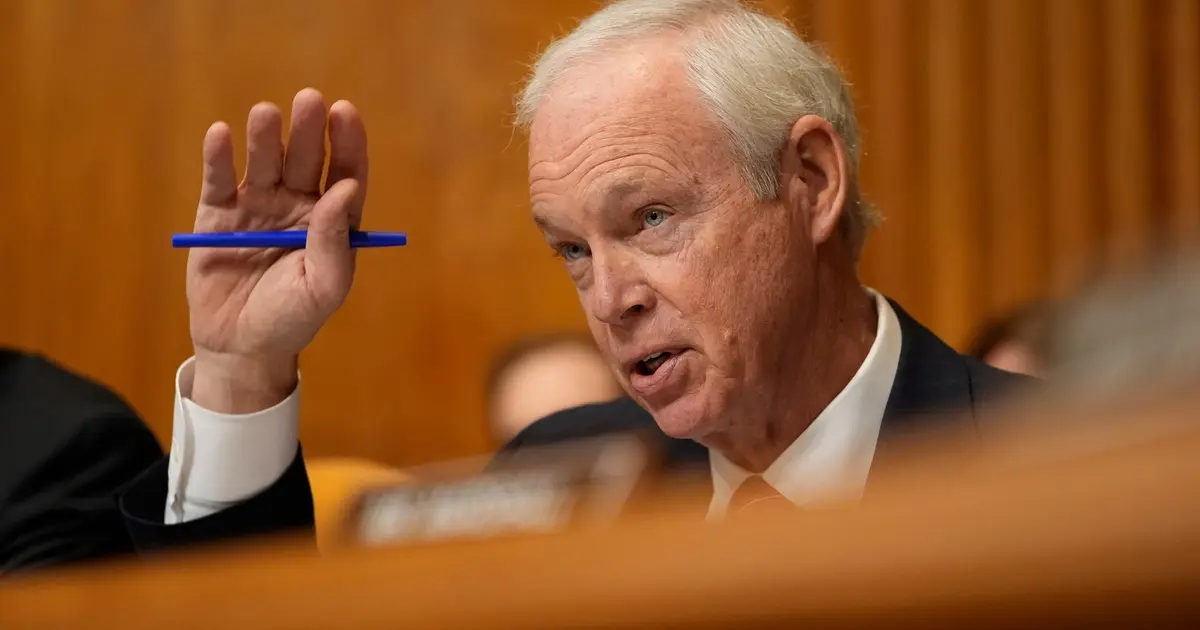
Senator Ron Johnson is leading a conservative push against President Trump's expansive tax and spending bill, citing concerns over increased deficits and fiscal responsibility, and highlighting internal Republican disagreements that could impact the bill's passage.
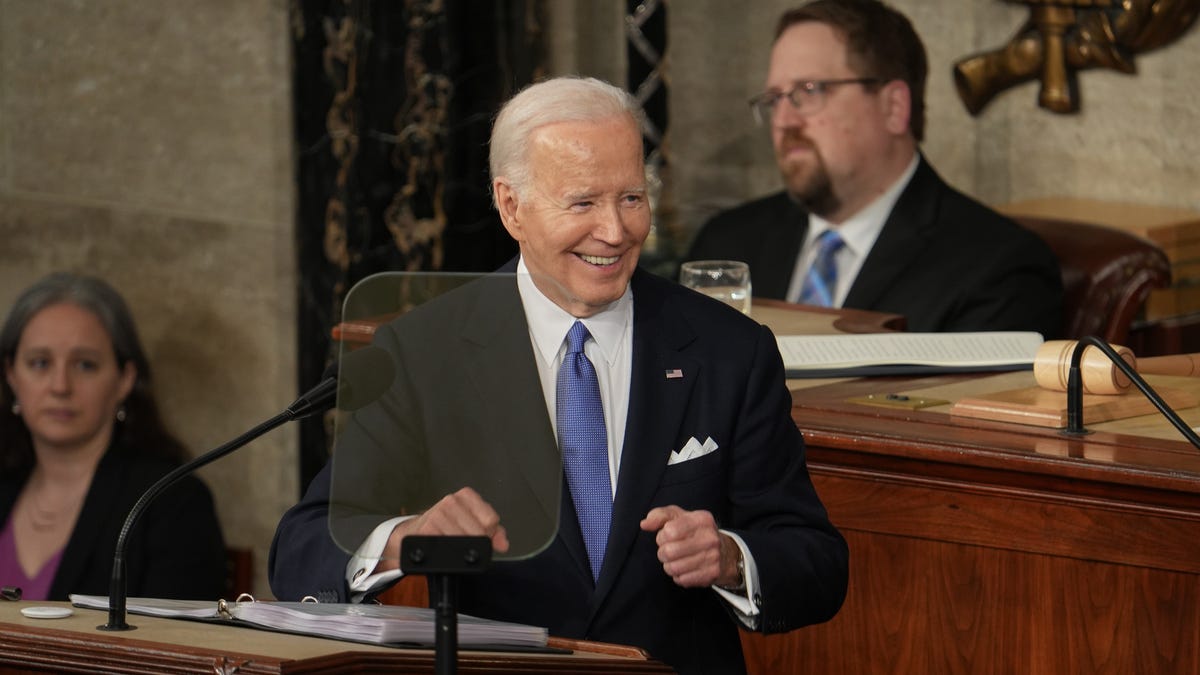
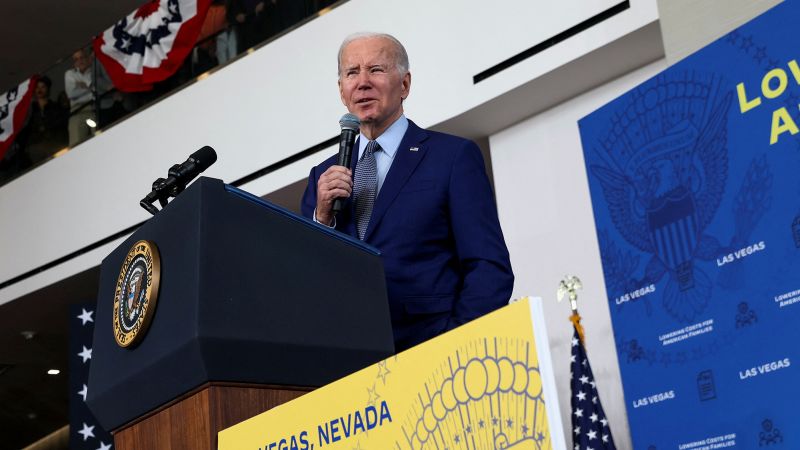
President Biden's proposed federal budget for the 2025 fiscal year aims to cut the deficit by $3 trillion over the next decade through tax hikes on corporations and the wealthiest Americans, while introducing new social programs for housing, health care, and child care. The budget also includes measures to protect Medicare and Social Security, allocate billions for border security, and offer cost-cutting measures for struggling families. However, the budget faces opposition from House Republicans and is expected to undergo significant changes during negotiations in Congress.
Warren Buffett proposed a plan to address America's deficit by passing a law that would make sitting members of Congress ineligible for reelection if the deficit exceeds 3% of GDP. The plan aims to increase accountability and incentivize lawmakers to prioritize fiscal responsibility. While the idea is intriguing, its practicality and potential consequences remain uncertain.
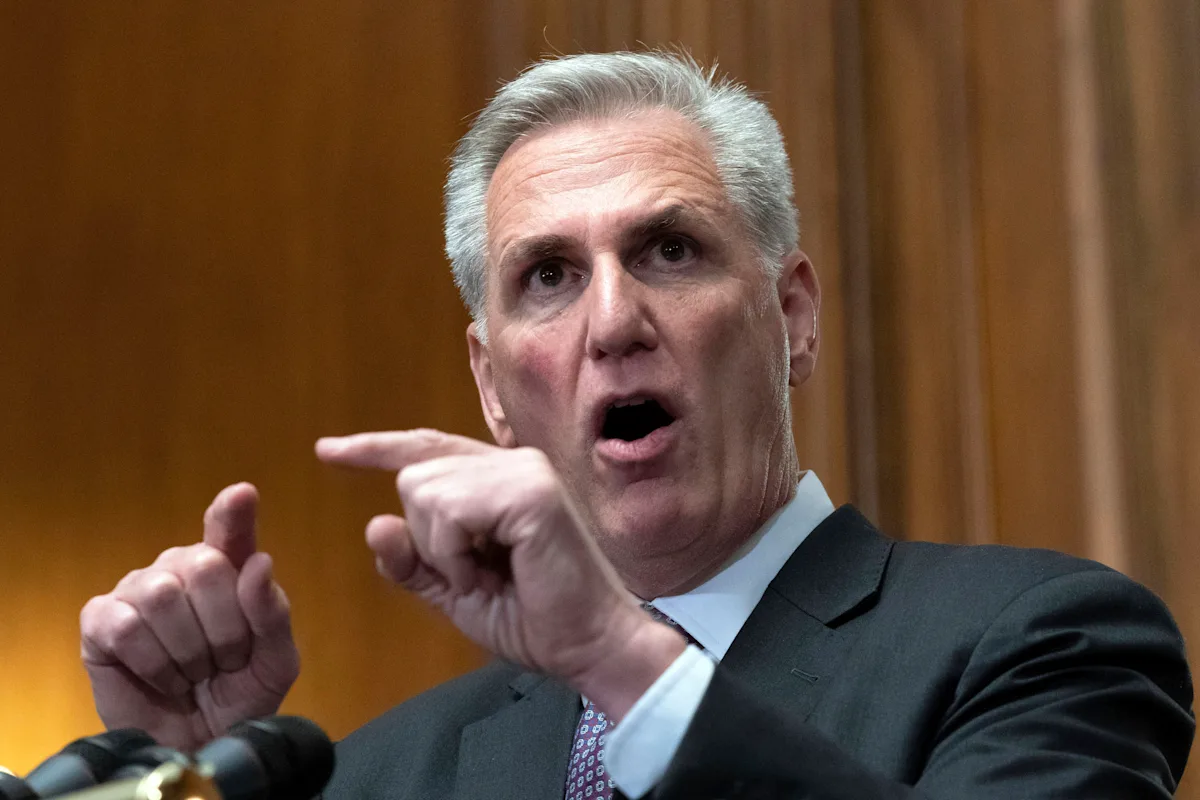
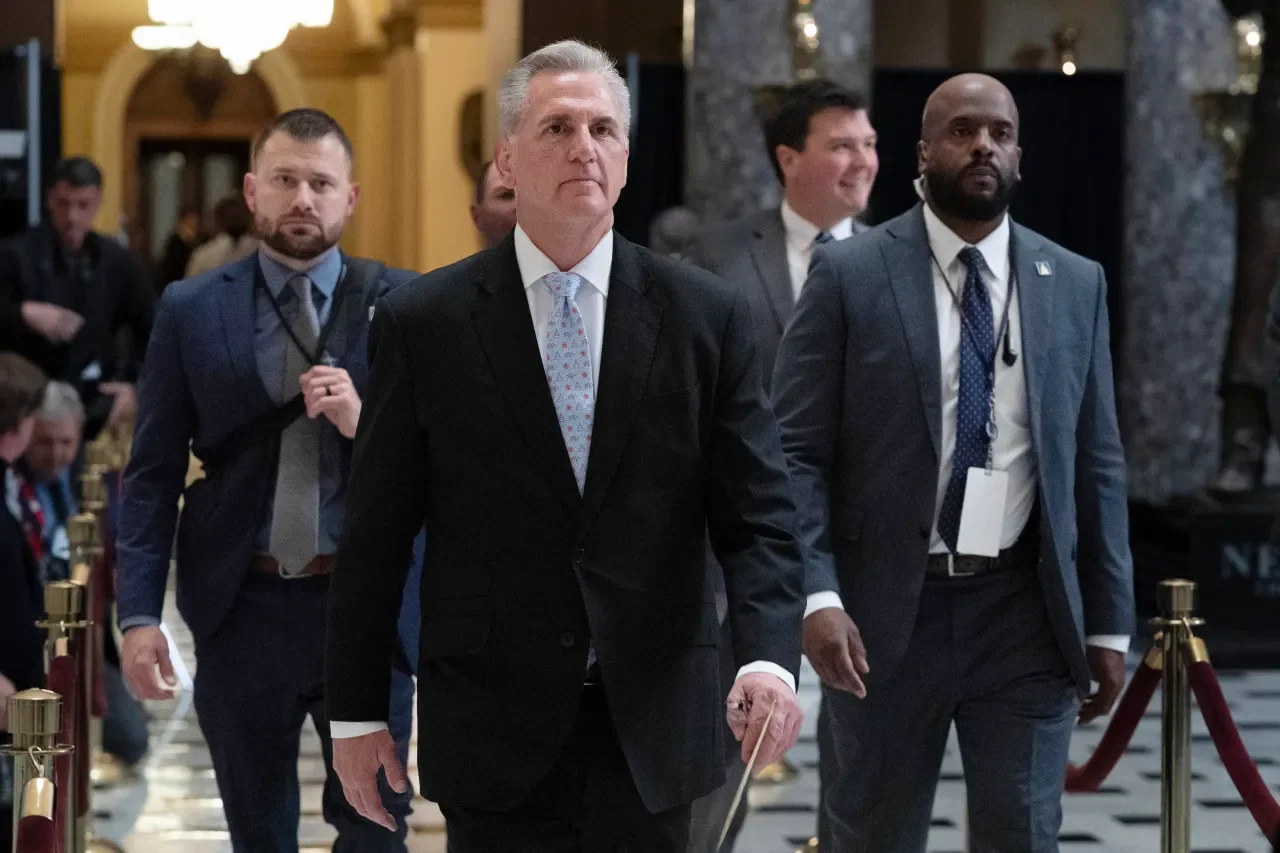
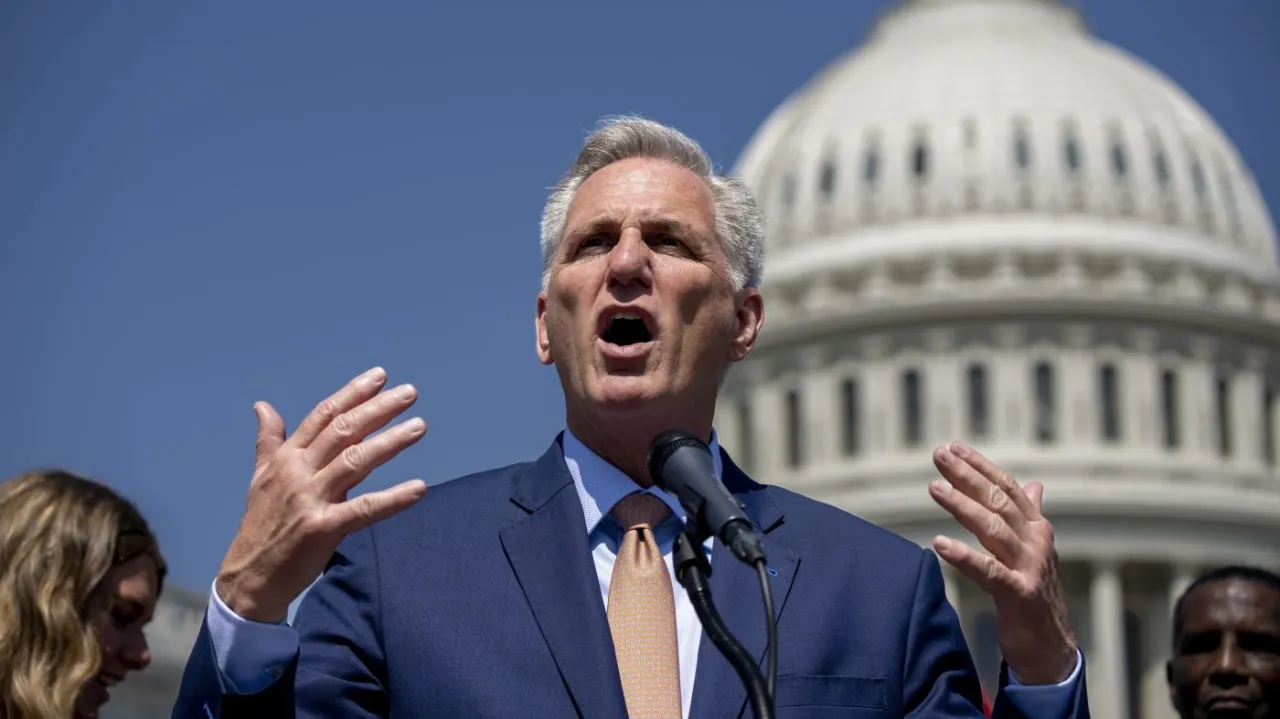
House Speaker Kevin McCarthy is considering the appointment of lawmakers and business leaders to establish a new fiscal commission to tackle the nation's growing debt. However, many Democrats are wary of the idea, and the commission's clout would be diminished without Senate participation and White House buy-in. The commission's findings could also come during a presidential election year, making it an unfavorable political climate for a proposal that is likely to ask for some sacrifice from the voting public.
Speaker Kevin McCarthy faces a tougher challenge in finding a debt ceiling bill that can win support from House Republicans and President Biden by the June 1 deadline set by Treasury Secretary Janet Yellen. McCarthy must work across the aisle to prevent a government default while keeping the confidence of conservatives in his conference who expect him to hold a hard line on federal spending and deficit reduction. Biden is demanding a "clean" hike, and the Republican proposal is dead on arrival in the Democratic-led Senate, where legislation to lift the borrowing cap to prevent a default will require bipartisan buy-in.
House Speaker Kevin McCarthy achieved a major victory by passing a debt ceiling bill that would lift the federal borrowing allowance by $1.5 trillion over the next year in return for nearly $5 trillion of deficit reduction over the next ten years. This forces President Biden to the negotiating table sooner than he and his team think, even if they don't agree with the Speaker's bill. McCarthy also engineered H.R.1, the "Lower Energy Costs Act," that will reopen the fossil fuel spigots that are so important to reducing inflation and increasing growth.
The Congressional Budget Office estimates that the GOP-backed "Limit, Save, Grow Act of 2023" could save about $4.8 trillion towards deficit reduction over the next 10 years. The package includes a debt limit increase and various partisan proposals aimed at curbing government spending, such as capping future discretionary funding and rolling back portions of Democrats' signature economic bill. The bill faces resistance from within the Republican party, and its chances of passage are uncertain. Republicans see the measure as an opening position for debt limit talks with Democrats, who have pressed for a "clean" measure to raise the debt ceiling.
President Biden falsely claimed that his new corporate minimum tax is the reason for the decline in the federal budget deficit in 2021 and 2022. The tax did not come into effect until January 1, 2023. Experts say the deficit fell in 2021 and 2022 primarily because of expiring pandemic spending, not Biden’s own policies, which had the net effect of worsening the deficit. Biden's claim is inaccurate and misleading.