The article discusses five key economic themes for 2026, including the impact of AI on the labor market and growth, the effects of recent tax cuts, potential changes in trade policy depending on court rulings, the future leadership of the Federal Reserve amid inflation concerns, and the political focus on affordability and inflation ahead of the midterm elections.
America's economy is expected to accelerate in 2026, driven by the effects of the recent tax-cutting law (BBB), which will provide Americans with refunds and lower levies, potentially boosting growth by approximately $191 billion.
Japan plans to raise the tax-free income threshold and expand deductions for middle-income earners as part of a tax reform deal to ease inflation pressures, benefiting about 80% of taxpayers with significant tax reductions, and including measures to boost corporate investment and fund higher defense spending.
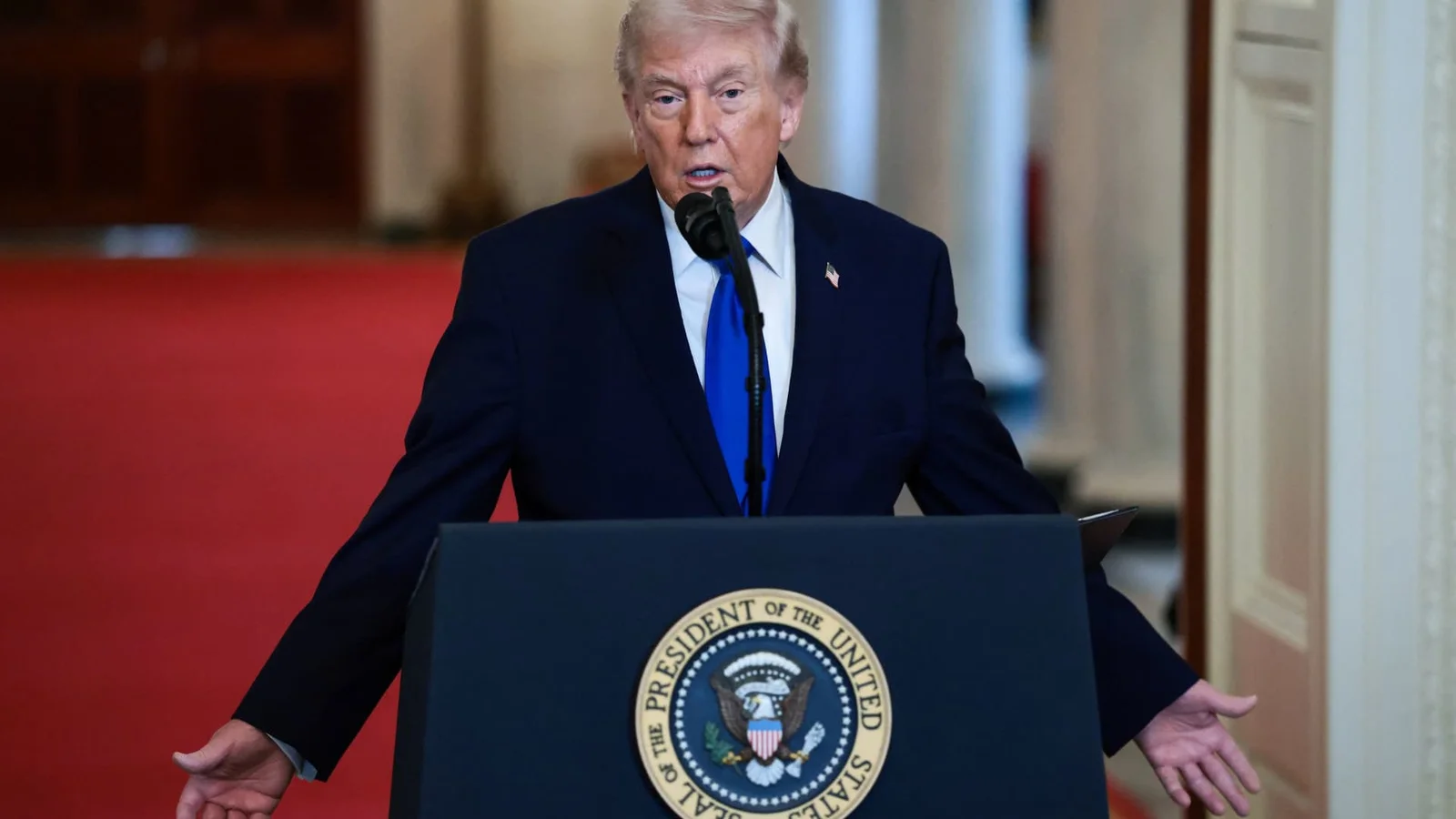
White House officials emphasize that President Trump prioritizes affordability, highlighting policies like tax cuts and tariffs aimed at boosting American manufacturing, though some benefits will take years to materialize, amidst ongoing political debates about economic concerns.
Treasury Secretary Scott Bessent indicated that the $2,000 'dividend' promised by President Trump could be delivered through various tax cuts, including reductions on tips, overtime, and Social Security, as part of the administration's economic policies. The discussion comes amid ongoing debates over tariffs and their impact on the US economy and debt reduction efforts.
President Trump is shifting his messaging to focus more on affordability and economic improvements, emphasizing new tax breaks and efforts to combat inflation, despite mixed economic indicators and ongoing debates about tariffs and inflation's causes. He aims to bolster his image ahead of the 2024 election by highlighting drug price reductions and economic achievements, while critics question the effectiveness of his policies on inflation and public perception.
The article discusses six tax provisions extended or introduced under the 'Beautiful Bill' that primarily benefit high-income and wealthy Americans, including permanent tax rate reductions, expanded deductions, higher estate and gift tax exemptions, and increased capital gains exclusions, favoring the affluent over middle-income households.
Since Trump's reelection, the top 10 richest Americans have gained nearly $700 billion, highlighting a significant increase in wealth concentration among the ultra-rich, driven by policies like tax cuts that have widened economic inequality and undermined the financial stability of working-class Americans. Experts call for reforms such as wealth taxes, higher corporate taxes, and social safety net expansions to address this growing disparity.
A surge in tax refunds is expected in 2026 due to retroactive tax cuts from 2025, potentially increasing average refunds by $557, which could impact the US economy, though uncertainties remain due to political and fiscal issues.
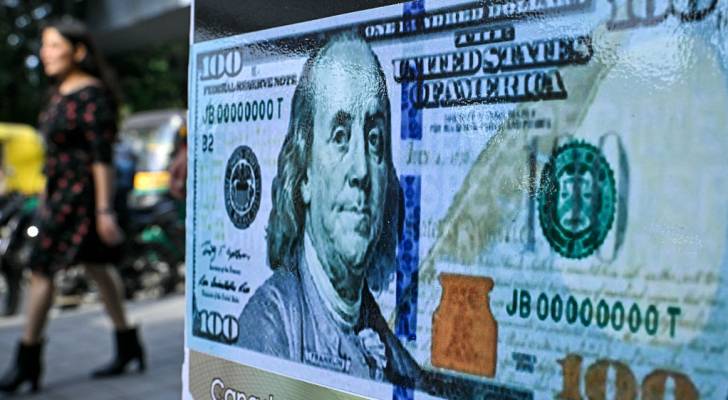
Prime Minister Narendra Modi's recent GST cuts in India, reducing taxes on essential goods and consumer products, are expected to boost household spending during the upcoming festive season, despite potential revenue losses and implementation challenges among small businesses.
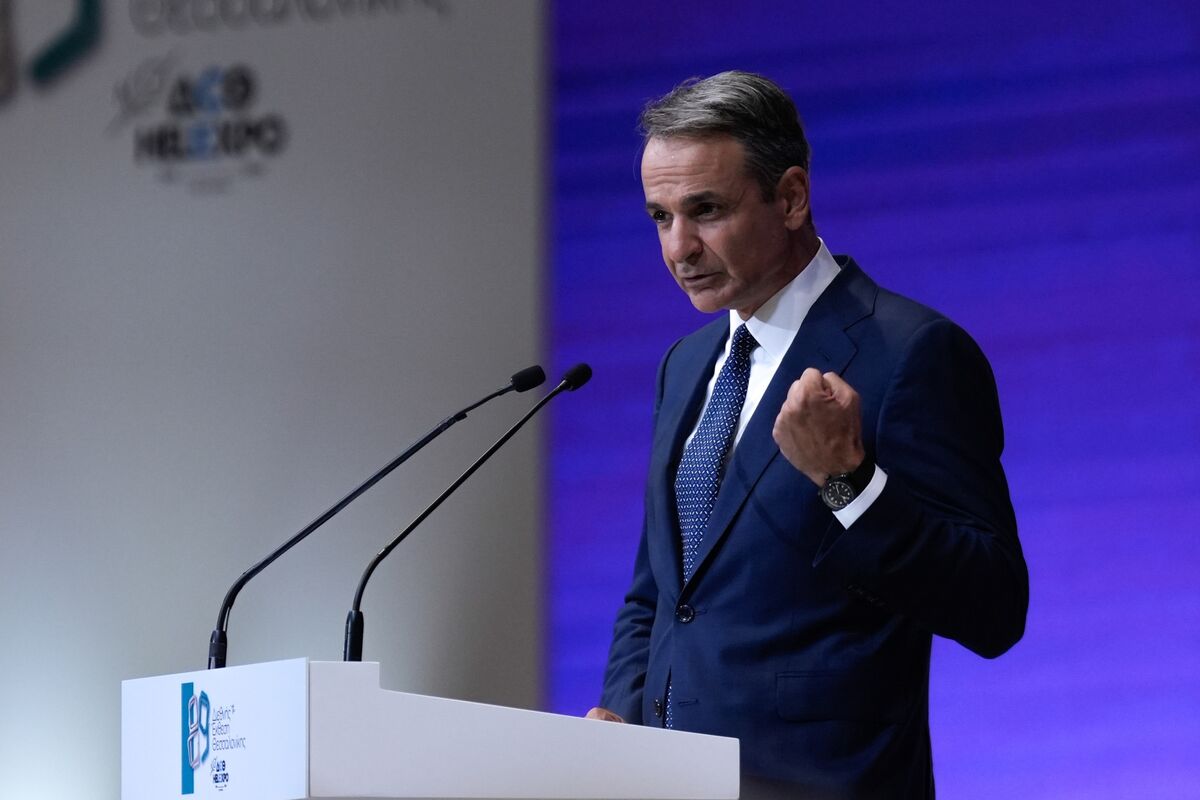
Greek Prime Minister Kyriakos Mitsotakis announced a €1.6 billion tax reform aimed at boosting the middle class, including tax cuts for families with children and benefits for pensioners, funded by Greece's strong budget performance and efforts against tax evasion.
India has simplified its Goods and Services Tax (GST) into two slabs, reducing taxes on many goods like food, school supplies, and insurance to boost consumption and counteract the impact of US tariffs, with the new rates taking effect on September 22. The move aims to stimulate economic growth, especially during the festive season, despite potential revenue shortfalls for states reliant on GST revenue.
President Trump expressed regret over the name of the large domestic policy package, which includes tax cuts, social programs, and military funding, as Republicans and Democrats debate its messaging and branding, with Democrats criticizing it and Republicans trying to promote it to voters.
President Trump and his administration celebrated various economic and social successes ahead of Labor Day, highlighting job growth, wage increases, tax cuts, and initiatives supporting American workers and rural communities.
President Donald Trump announced his intention to rebrand his controversial 'big, beautiful bill' to better communicate its contents, amid ongoing criticism and low public support, especially ahead of the 2026 midterm elections. The bill, which includes significant tax cuts for the middle class and increased spending on immigration and military, faces opposition for its impact on the deficit and social programs.