politics-economy3.565 min read
"Biden Faces Mounting Challenges with Inflation and Fees"
1 year ago•Source: Newsweek

The latest politics economy stories, summarized by AI

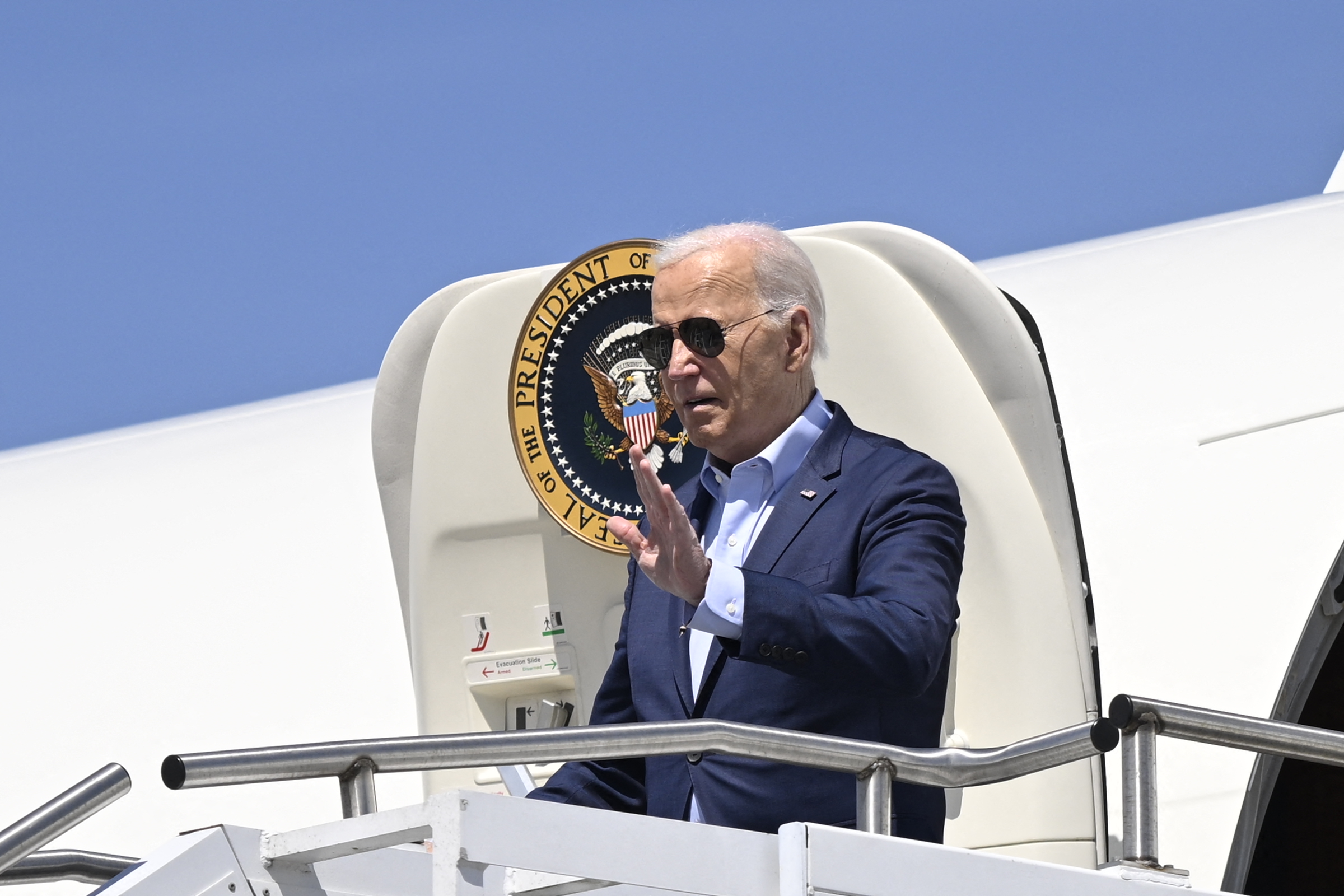
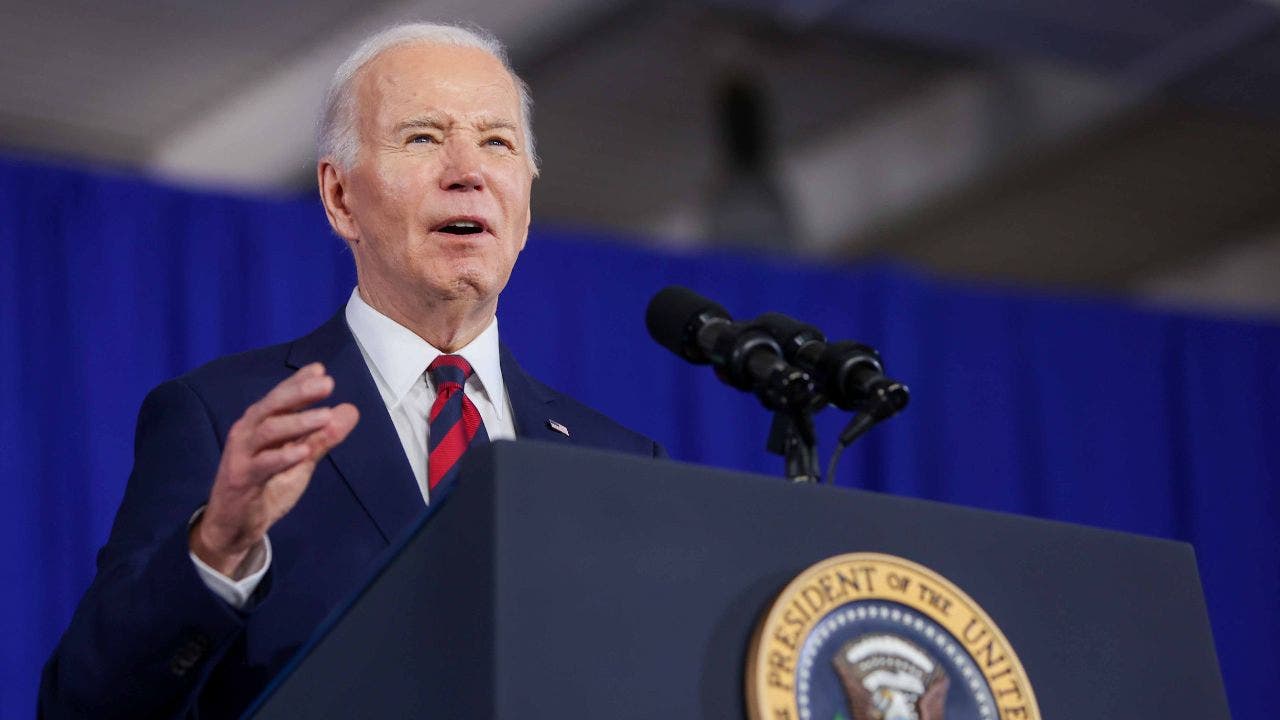
The booming economy is driving up inflation and interest rates, posing a challenge for President Biden as he heads into the height of campaign season. Rising inflation and gas prices could persist until late in the year, potentially impacting the election. Biden's administration is facing criticism for its economic messaging and struggles to gain credit for legislative accomplishments amid concerns about affordability. The Federal Reserve's plans for rate cuts may be delayed due to the election, and Democrats are focusing on abortion rights as a key issue for voters.
New York Post •1 year ago
Mish Talk•1 year ago
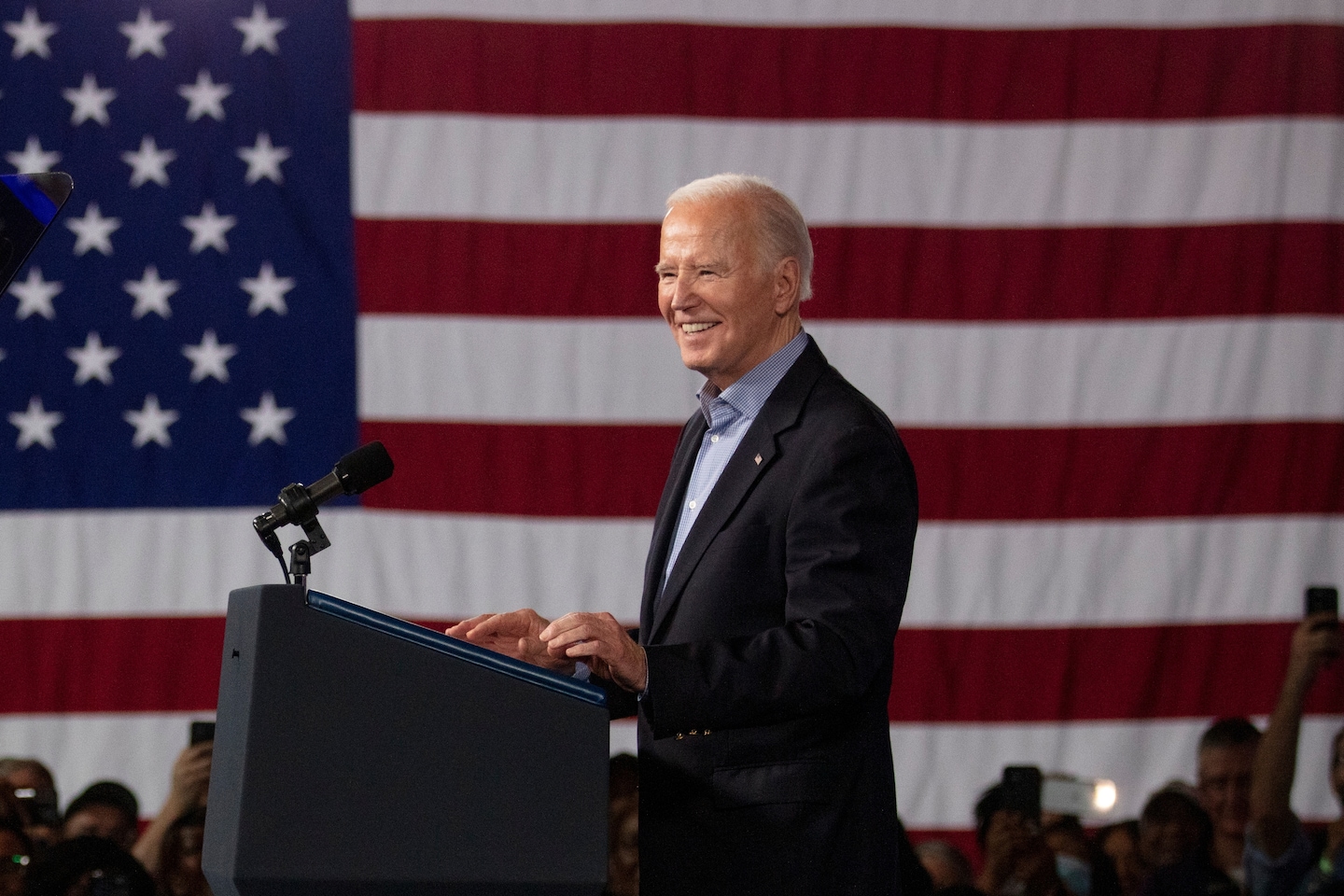
President Biden is set to unveil a $3.3 billion federal grant program aimed at removing or retrofitting highways that have historically divided minority neighborhoods from essential services. This initiative is part of a broader effort to revitalize communities left behind by previous economic strategies, with a focus on addressing racial inequity and spreading prosperity more evenly. The administration's "place-based" approach to economic development marks a significant shift in U.S. policy, with Biden aiming to consolidate support in critical battleground states like Wisconsin while also cementing his economic legacy through a series of geographically focused initiatives.
A recent poll shows that 63% of respondents blame large corporations for price increases, while 38% attribute them to Democratic policies, indicating a shift in blame away from President Biden. Despite this, Biden's handling of the economy still faces disapproval from 59% of voters, although consumer confidence has seen a significant rebound. Biden continues to emphasize his crackdown on corporations raising prices, while also facing criticism from former President Trump, who remains a strong contender in the upcoming election.
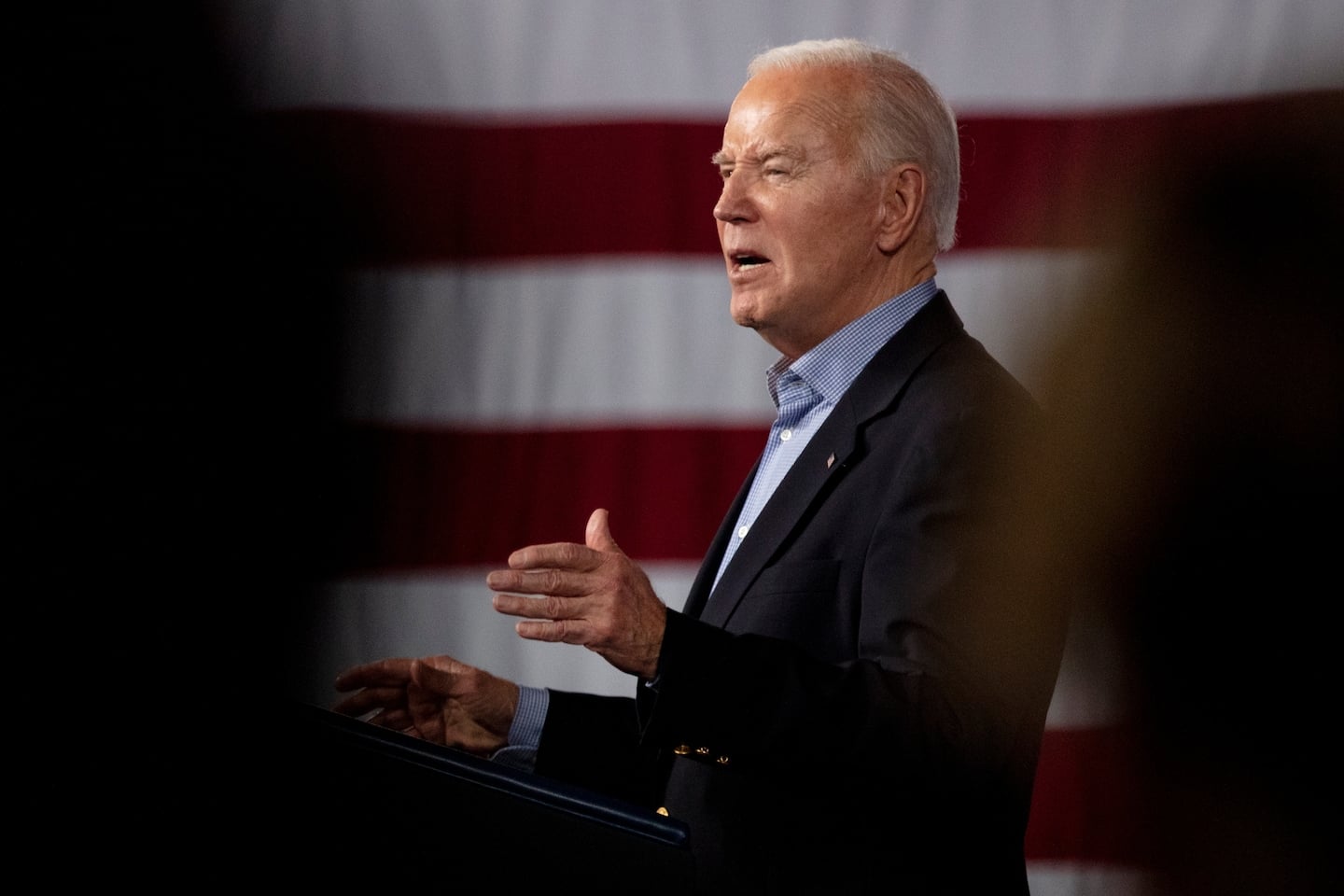
President Biden unveils a $7.3 trillion budget proposal for fiscal year 2025, featuring major new spending initiatives for health care, child care, and housing, alongside higher taxes on corporations and the wealthy to offset the costs and reduce the national debt. The budget includes universal prekindergarten education, paid family and medical leave, anti-poverty tax credits, and a new tax break for first-time home buyers. While facing opposition from Republicans, Biden's administration aims to build the economy from the middle out and bottom up, with a focus on addressing inflation through investments in affordable child care and eldercare.
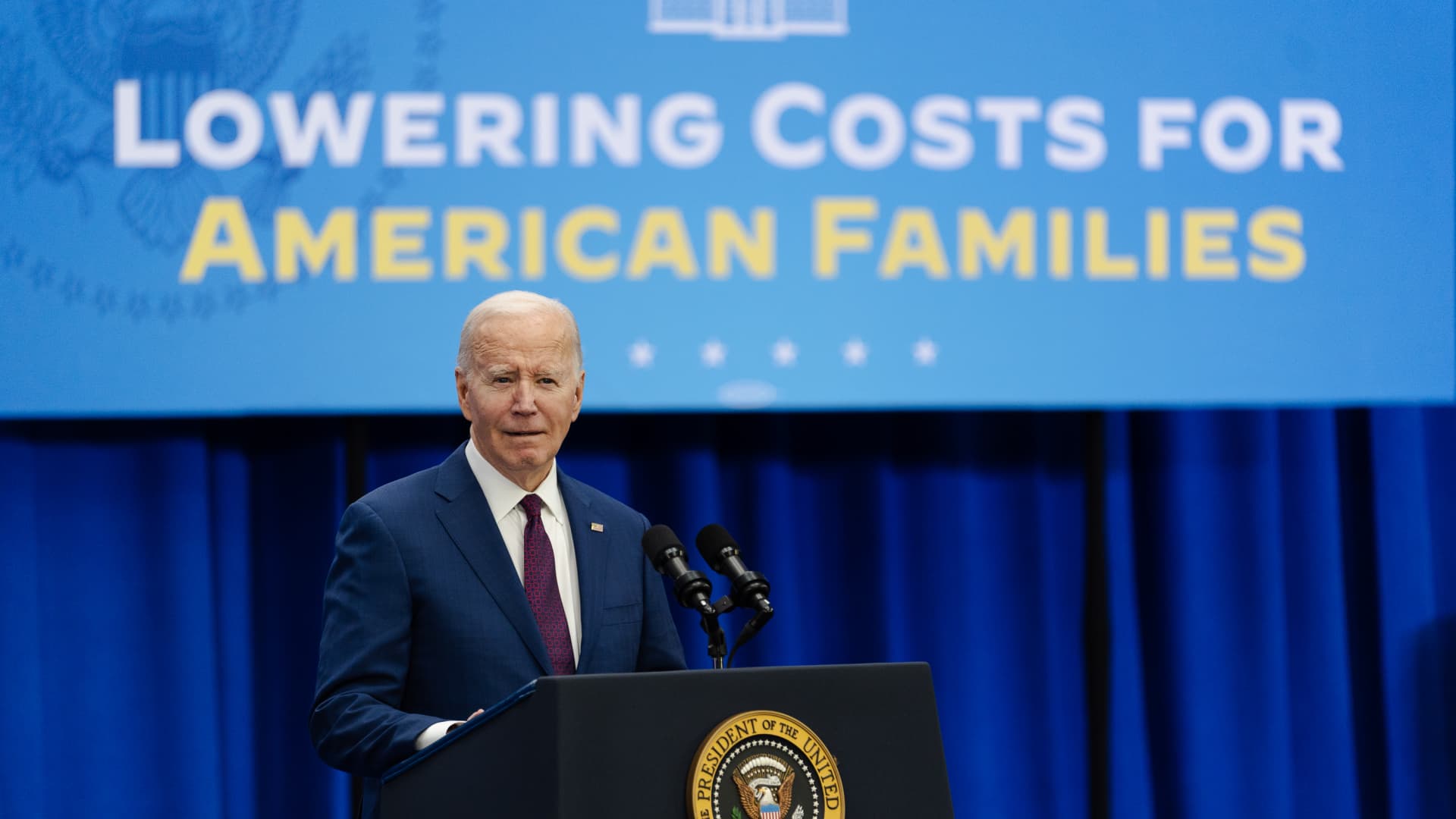
President Biden announces new actions to lower costs for Americans by launching a Strike Force on Unfair and Illegal Pricing, slashing credit card late fees, combating high internet costs, and supporting small farmers. The administration's efforts to eliminate junk fees are projected to save over $20 billion annually, with various agencies implementing rules and regulations to promote competition, protect consumers, and lower prices across sectors such as healthcare, finance, agriculture, and communications. These actions aim to hold corporations accountable, eliminate hidden fees, and ensure fair and competitive markets, ultimately benefiting consumers and small businesses.
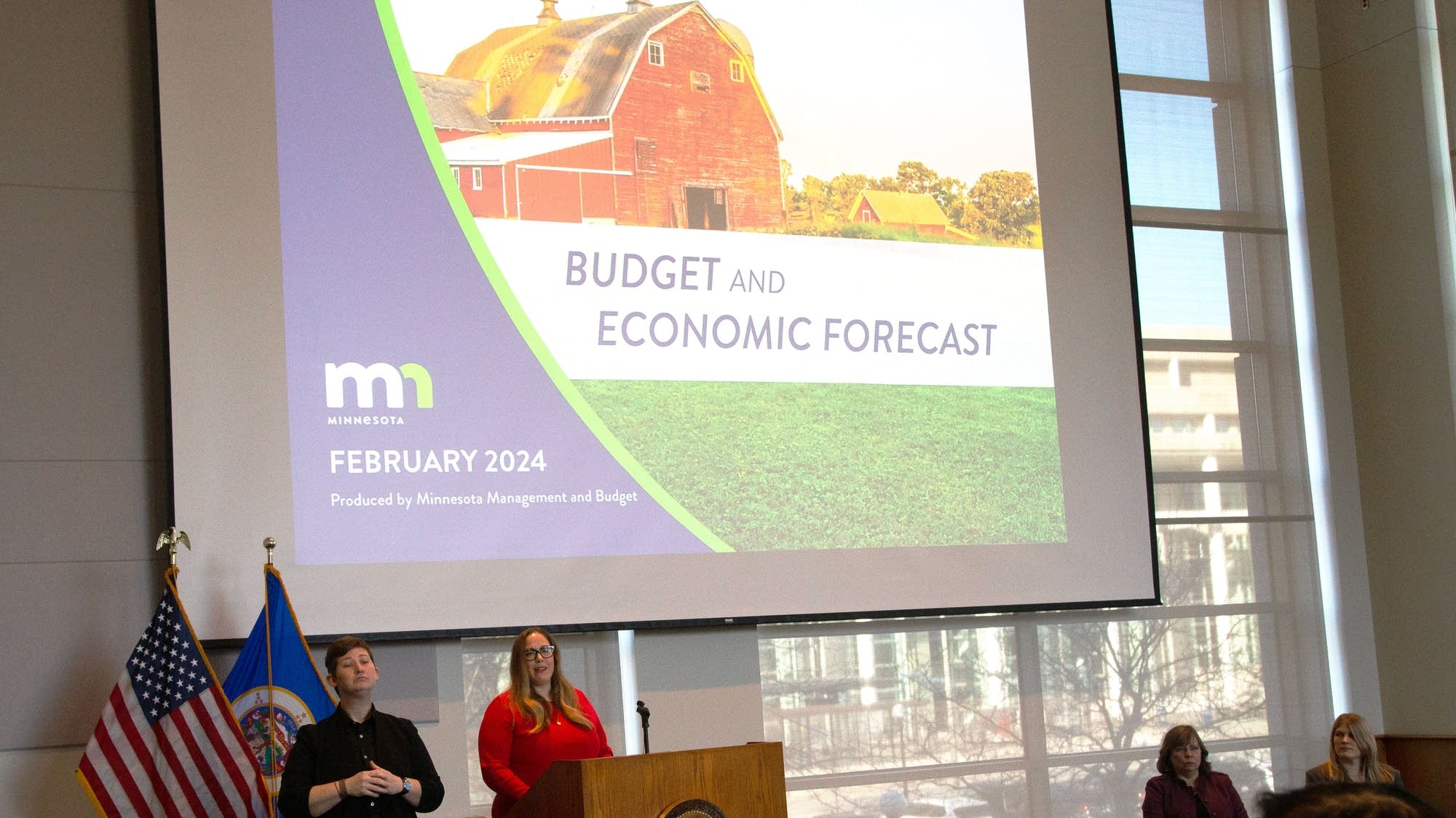
Minnesota announces a $3.7 billion budget surplus for the two-year budget ending in 2025, attributing the increase to higher consumer spending and corporate profit growth. However, officials caution that future financial pressures loom, with potential shortfalls approaching $1.5 billion by 2027. While DFL lawmakers plan a more modest approach to spending, Republicans call for tax rebates and state spending cuts to mitigate the impact, as the state's rainy day reserves approach $3 billion.
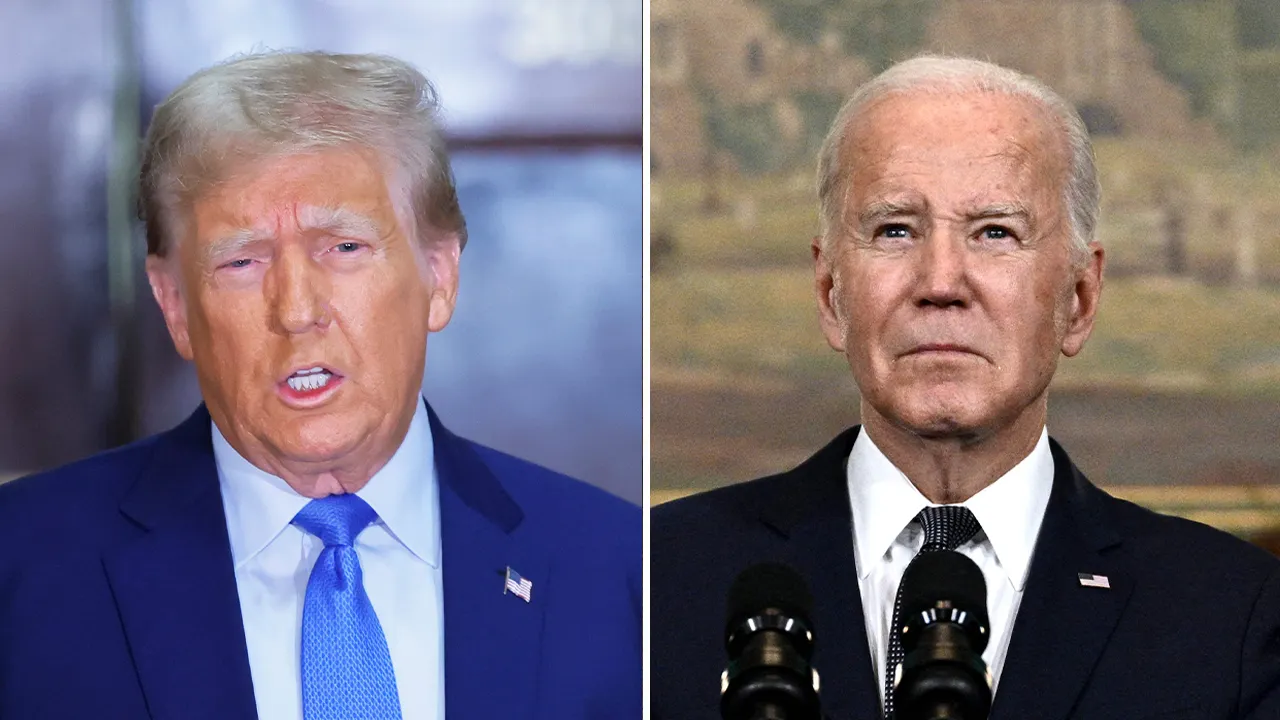
Despite strong economic indicators, President Biden's low ratings may be due to the economy not benefiting most Americans, with rising household debt and disproportionate job growth in government positions. Polls show negative views on the economy, and experts are puzzled by voters' concerns, with some suggesting that the administration should focus on addressing cost-of-living increases and supply chain issues to improve public perception.

The cancellation of the northern leg of the HS2 rail project has left the town of Crewe in northwest England feeling neglected and has raised concerns for the Conservative Party's support in the upcoming election. The loss of the HS2 link has impacted local businesses and residents, leading to a shift in support away from the Conservatives in the "Red Wall" constituencies. The failure to deliver on the promise of "levelling up" and the economic disparity between London and the rest of the UK are contributing factors to the party's declining popularity in the north.

Ukrainian President Volodymyr Zelensky faced a tough time at the World Economic Forum in Davos as he sought private sector investment to rebuild his country's economy. Despite a positive pitch and interest from Wall Street bigwigs, Zelensky left empty-handed as no hard commitments were made. While there is interest in investing in Ukraine, the ongoing war with Russia remains a major obstacle for significant capital raise. However, there is hope as Zelensky's efforts to root out corruption and revive the economy have garnered some support, and there are potential investments from figures like Robert Kraft on the horizon.

The Congressional Budget Office (CBO) has warned of significant automatic cuts to nonmilitary federal spending if Congress fails to pass full-year government funding bills for 2024, as required by the Fiscal Responsibility Act (FRA). House Republicans, led by Speaker Mike Johnson, are pushing for lower spending levels and stringent anti-immigrant policies, risking cuts that would reduce nondefense spending from $777 billion to $736 billion, while military spending would slightly decrease from $860 billion to $850 billion. Democrats, including Rep. Brendan Boyle, criticize this approach as harmful and irresponsible, emphasizing the need for Congress to fulfill its duty to pass appropriate funding bills and avoid unnecessary austerity measures.