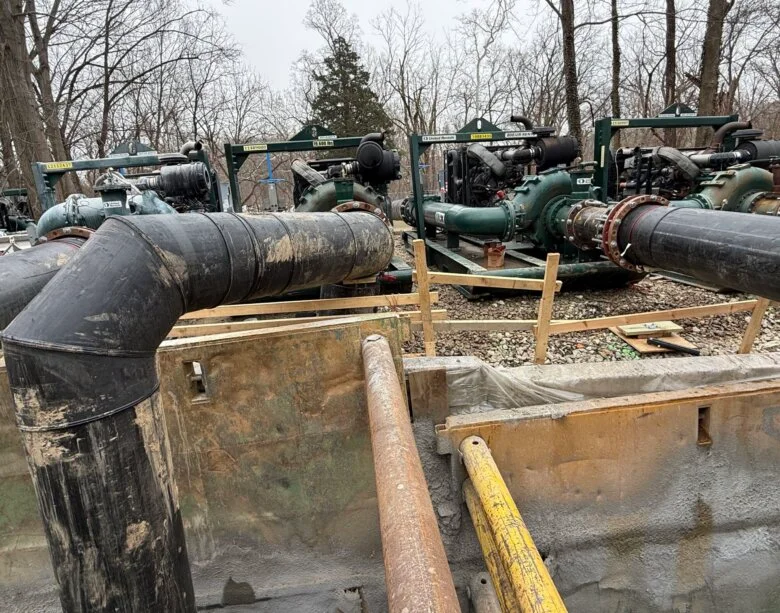
Mayor Bowser declared a public emergency after a ruptured sewer line dumped more than 200 million gallons into the Potomac, seeking 100% federal reimbursement for repair and cleanup and coordinating with FEMA, EPA, and other agencies as DC Water pumps and diverts sewage while work continues toward restoring normal flow in 4–6 weeks.
The Department of Transportation is drafting language to bar federal transit funds from being used by state and local governments that provide free transportation to unauthorized migrants, as part of the highway bill reauthorization. The proposal would apply to all Federal Transit Administration programs (buses, subways, ferries, etc.) and could extend to any free transit for migrants, aiming to prevent transit use to evade immigration enforcement. Supporters see it as enforcing federal law, while critics note enforcement details are unclear and some DOT staff question the need for the measure. The plan accompanies other proposals and comes as Congress must reauthorize surface transportation funding by fall.
President Trump reiterates opposition to the Hudson River Gateway rail tunnel between New York and New Jersey and threatens to withhold federal funds over projected overruns; a federal judge had allowed funds to flow again after a freeze, with New Jersey and New York lawmakers pushing to restore support and noting thousands of jobs and commuter benefits (about 1,000 layoffs occurred when work paused). He also denied reports that funding was tied to renaming Penn Station.
Trump’s DOT proposal to curb transit funding for cities that offer free bus service tests the fragile détente between President Trump and New York City Mayor Zohran Mamdani. The move highlights how federal dollars underpin NYC services and big projects—from education and housing to the Gateway tunnels—and could force serious tradeoffs if funding is reduced. Mamdani has benefited from private communication with the White House, but the administration’s pressure shows how quickly federal leverage can reshape the city’s policy agenda and finances.
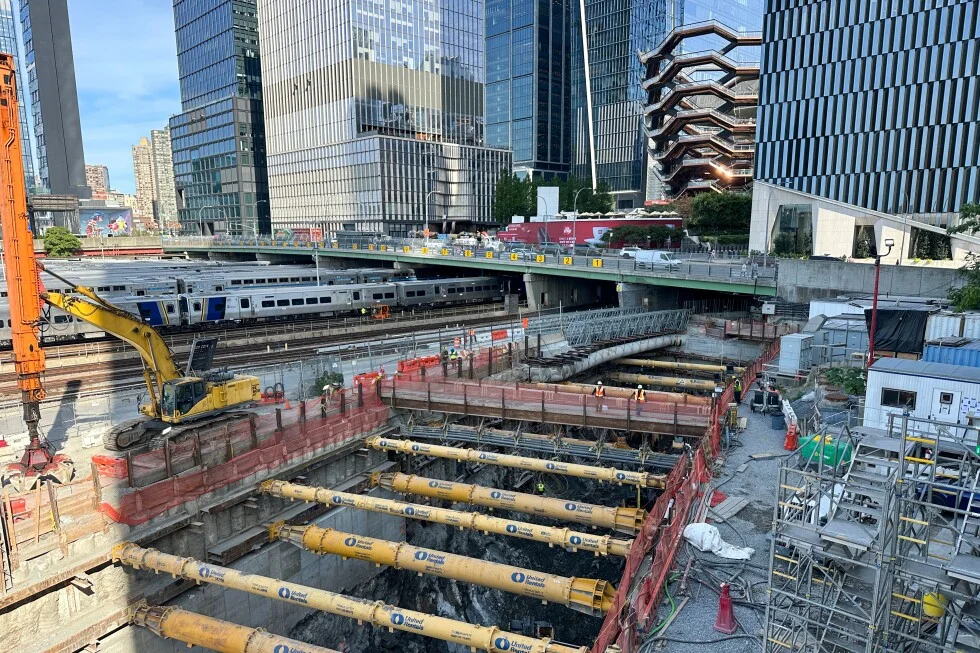
A federal judge has ordered the government to restore funding for the $16 billion New York–New Jersey rail tunnel project, with construction already underway in Manhattan and the goal of expanding bi-state rail capacity.
A New York federal judge ordered the Trump administration to unfreeze more than $16 billion for the Hudson River rail tunnel project, saying delaying funding would irreparably harm a critical cross-state infrastructure effort and allowing construction to continue.
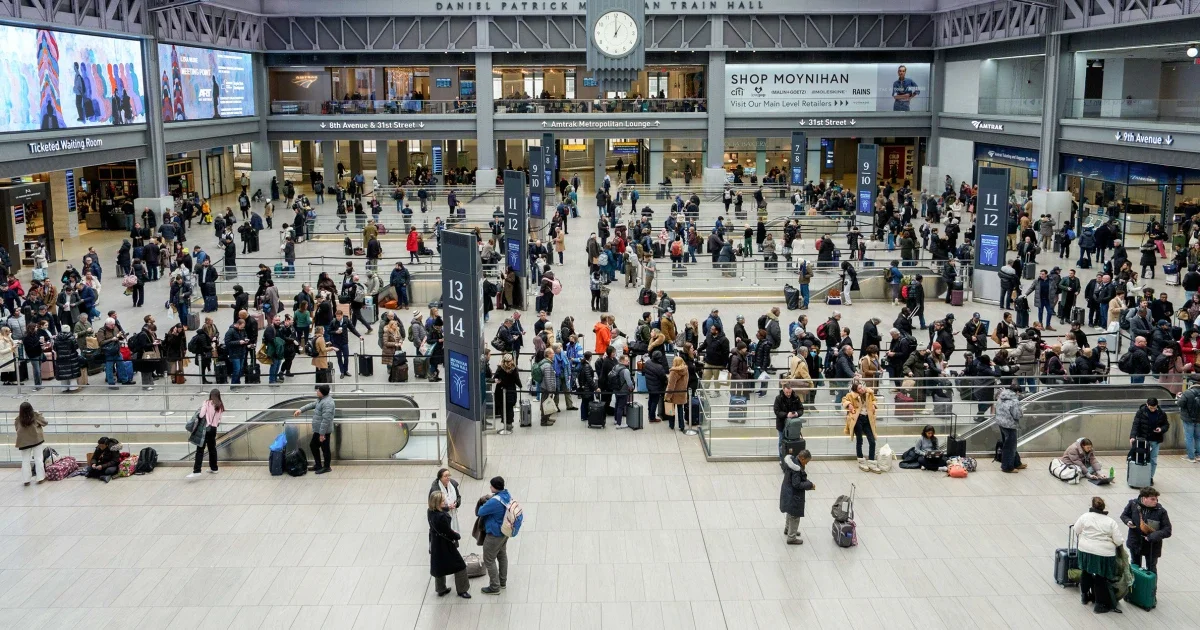
NBC News reports the Trump administration allegedly offered to rename Washington’s Dulles International Airport and New York’s Penn Station after President Trump in exchange for releasing the $16 billion in federal funds for the Hudson River Gateway tunnel. Funding has been stalled since the government shutdown and, despite other packages passing, remains unavailable amid lawsuits by New York and New Jersey and warnings that construction could halt without money. White House declined to comment and critics say renaming leverage is inappropriate, while supporters emphasize the project’s economic benefits.
On National Women and Girls in Sports Day, the White House celebrates female athletes, reaffirms Title IX protections, and pledges to uphold fair, safe opportunities for women in athletics at all levels, citing executive orders to enforce Title IX and preserve scholarships while restricting participation of men in women’s sports in programs receiving federal funds.
The Trump administration is restricting cities from using federal road-safety grants for automated speed cameras and other traffic-enforcement technologies, signaling a shift away from safety measures that may impede driving.
The Gateway Development Commission filed a lawsuit against the Trump administration after it withheld about $15 billion—nearly 90% of the Hudson Tunnel project's funding—alleging breach of contract as federal support remains paused for a DEI-related review. Construction has continued with reserves, but if funding is not resumed soon the project risks shutting down, threatening about 11,000 jobs and delaying the Northeast Corridor's busiest rail line.
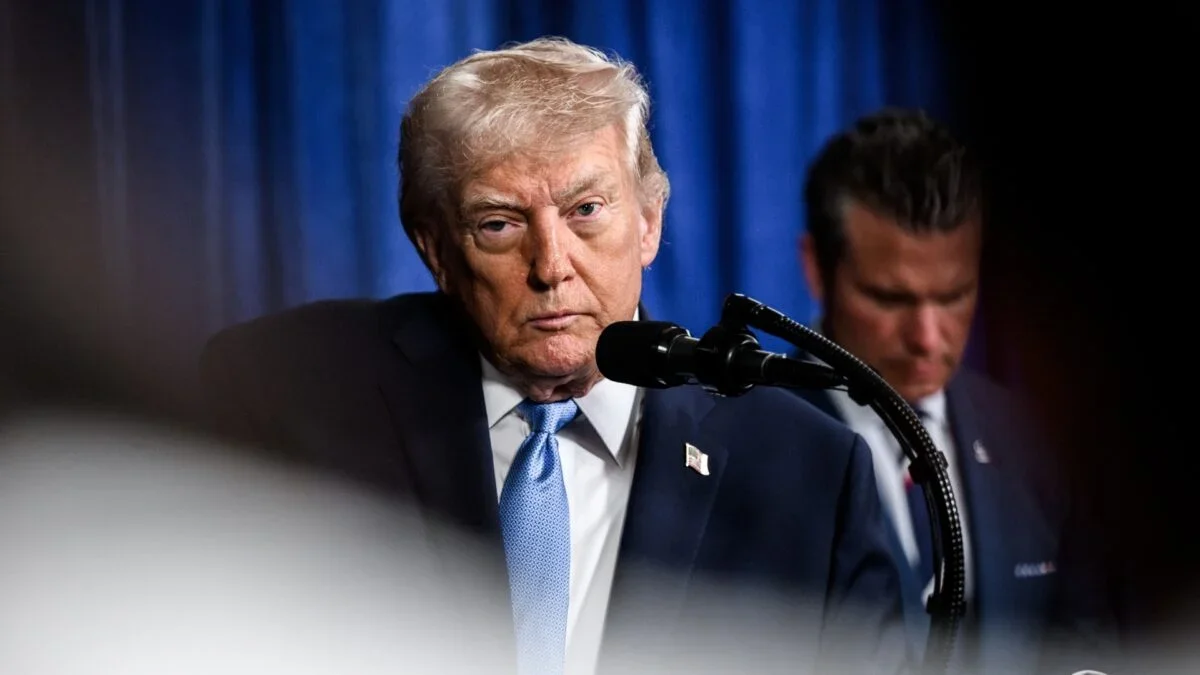
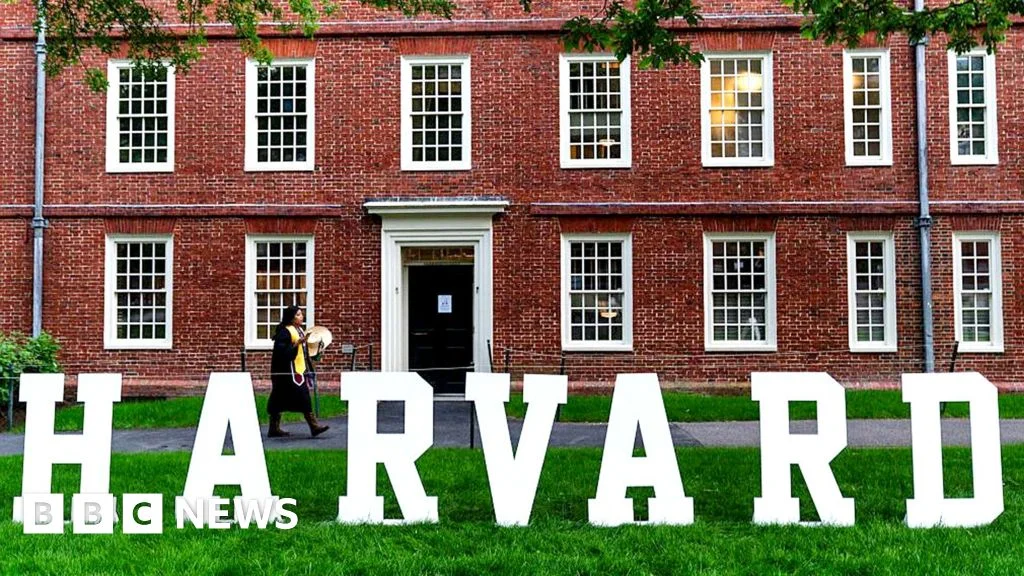
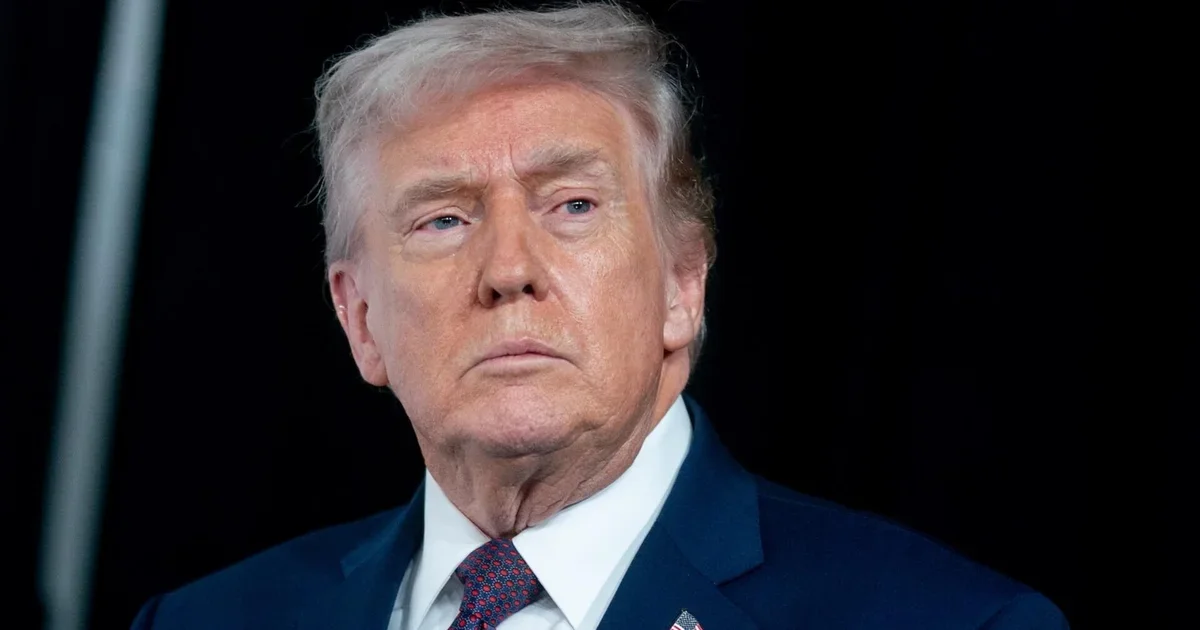
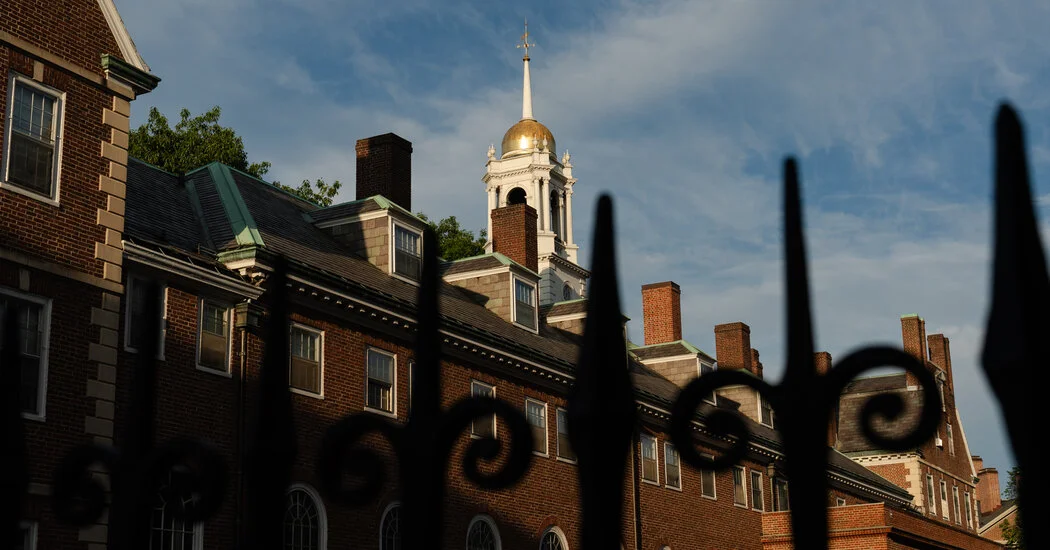
President Trump said he will seek $1 billion in damages from Harvard in a long-running funding feud tied to his administration’s efforts against what it calls woke campus ideology. The move follows reports that the administration backed off a $200 million demand, and comes after a federal court partially overturned the previous $2 billion funding cuts Harvard challenged in court, with the White House vowing to continue challenging the ruling; other Ivies have struck deals to preserve funding rather than fight in court.
The Transportation Department is proposing to block federal funding for large transit systems that keep fare-free bus service, tying it to a forthcoming surface transportation bill and applying to agencies in areas with populations over 200,000 and fleets over 100 buses. Exemptions exist for seniors, people with disabilities, children, students, and veterans, but the plan would affect fare-free programs in cities such as Kansas City, Richmond, and Albuquerque—and notably New York City, where Mayor Zohran Mamdani campaigned on eliminating bus fares. Critics warn the rule could undermine affordability and sustainability, while supporters say user fees improve safety and funding. Major events like the World Cup or Olympics would be exempt, and the policy still requires congressional approval before final passage, not expected before the events.
President Trump says his administration is seeking $1 billion in damages from Harvard in a long-running federal-funding dispute tied to antisemitism concerns and ongoing settlement talks, a move following reports that Harvard won concessions and after earlier discussions of a smaller payout; a federal judge previously ruled the funding freeze violated Harvard’s First Amendment rights.
President Trump escalates his dispute with Harvard University by seeking $1 billion in damages over the school’s handling of campus antisemitism, part of a broader federal pressure campaign that has frozen billions in federal funding, threatened the university’s tax-exempt status, and aimed to limit enrollment of international students. Harvard has sued to reinstate federal research money and protect international students, while negotiations continue amid scrutiny of 60 universities for campus antisemitism issues; the case could influence how colleges respond to federal probes.
The Trump administration has dropped its demand for a $200 million payment from Harvard as part of talks over civil-rights enforcement and federal research funding, signaling a concession to close a deal while Harvard weighs potential backlash and its reliance on federal grants.