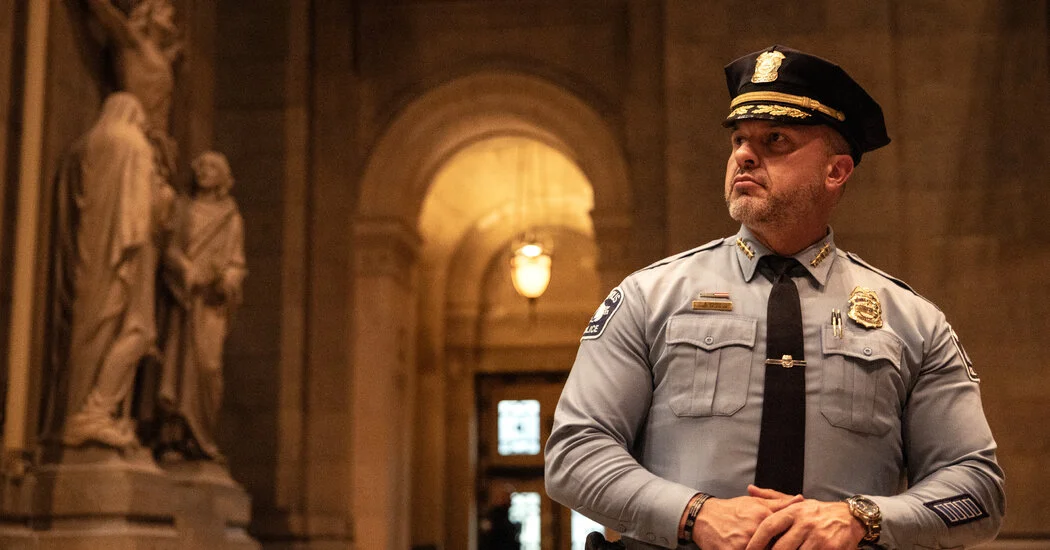
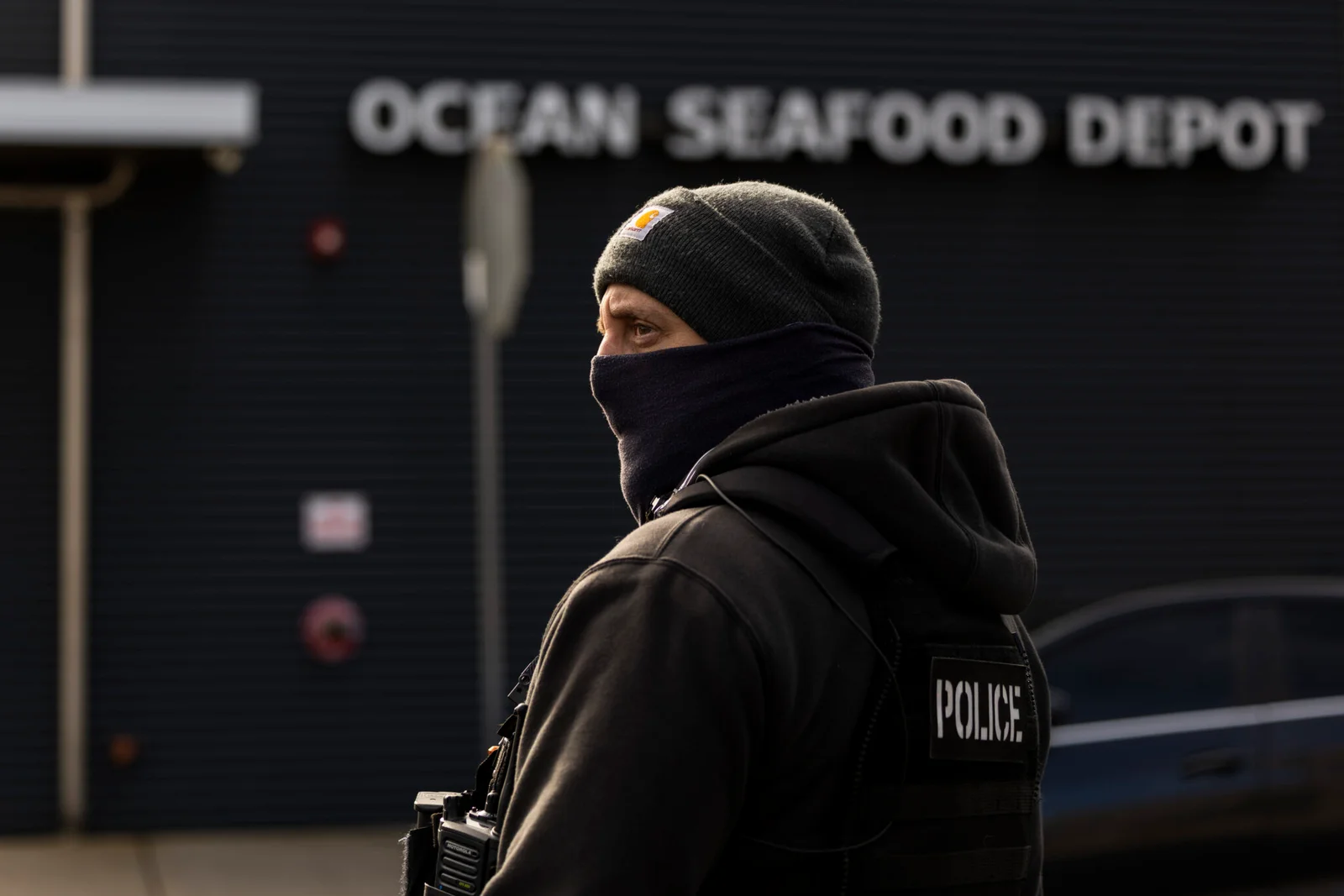
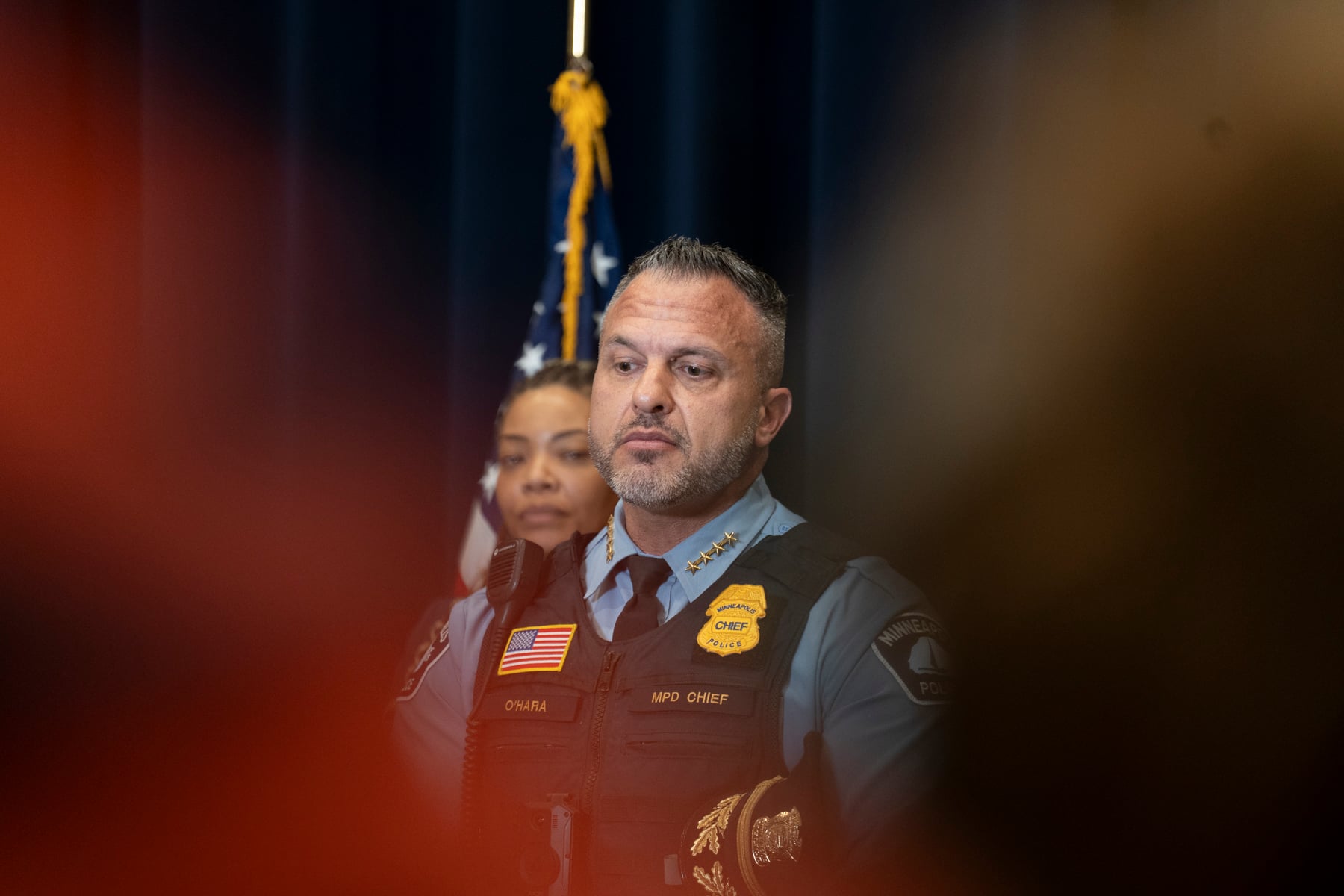
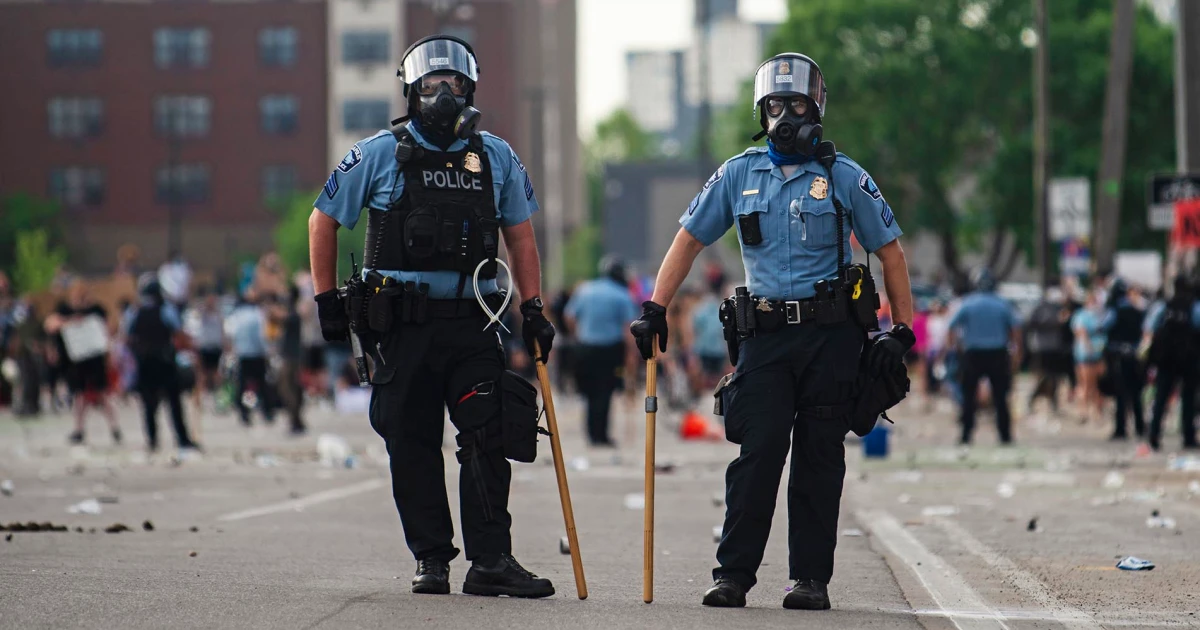
As federal immigration actions surge in Minneapolis, Police Chief Brian O'Hara says the crackdown risks undoing years of reform and trust built since George Floyd's death, leaving a fragile department struggling with staffing and mounting tensions between federal agents and residents.
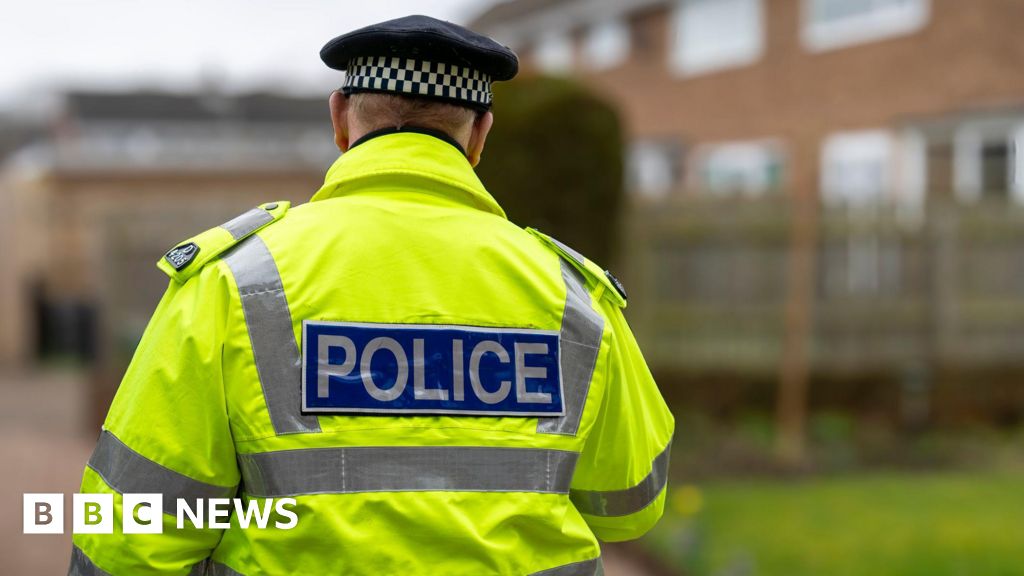
Labour, led by Home Secretary Shabana Mahmood, outlines a plan to overhaul policing in England and Wales, proposing a sharp reduction in forces (from 43 to around a dozen), professional licences for officers, and ministers gaining power to sack chief constables. A centerpiece would be forming a national mega-force by merging the NCA, Counter Terrorism (and other national policing elements), aiming to better tackle organised crime and modern threats. The changes, argued to reflect a tougher crime landscape, would take years and provoke fierce political and institutional debate over local ties, accountability, and cost. Critics, including Conservatives and the Police Federation, warn about morale, practical impact, and the erosion of local policing links, while some senior officers see potential benefits if implemented with evidence and buy-in.
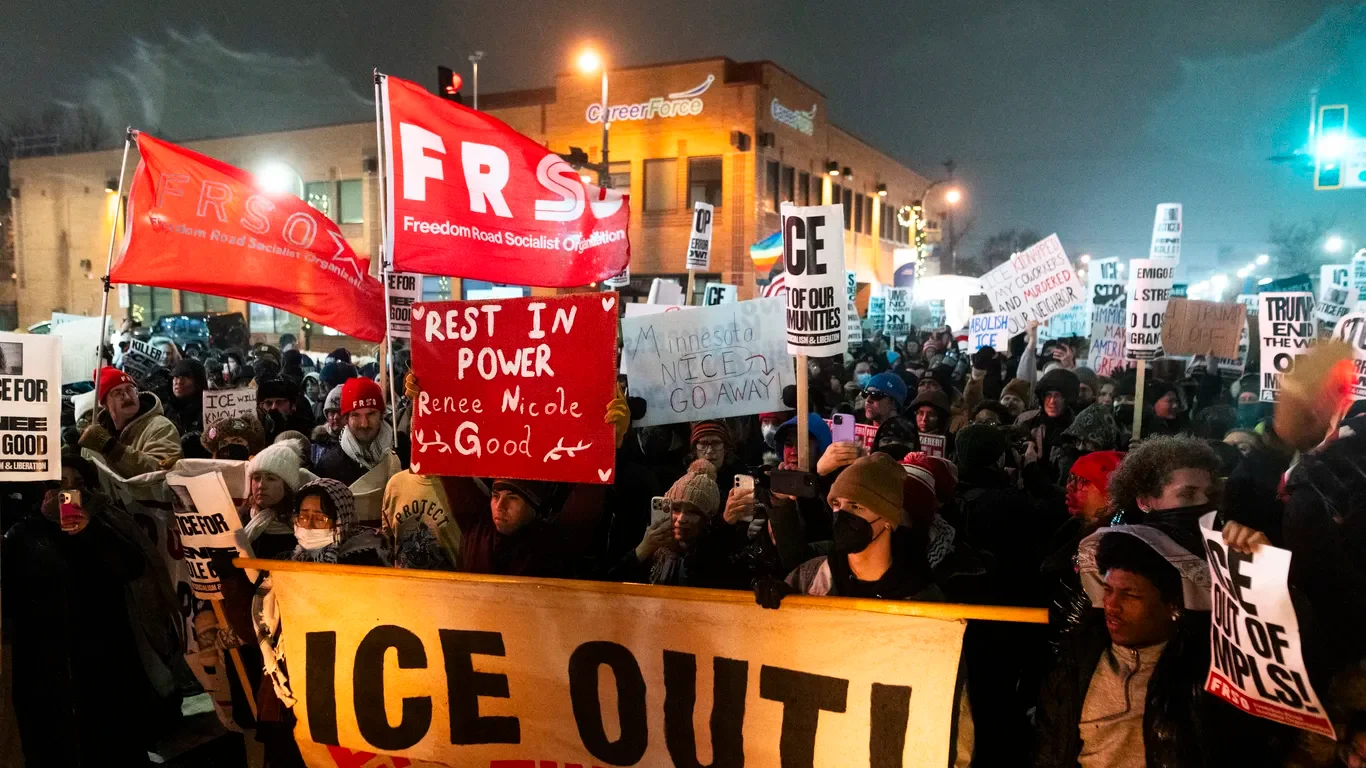
Over more than a decade, Minneapolis has repeatedly become a national flashpoint for protests over police violence and immigration enforcement, from Jamar Clark to George Floyd, with the latest demonstrations sparked by the fatal shooting of Renee Nicole Good by an ICE agent. President Trump threatened to deploy troops, while local leaders urged peaceful protest. The article frames the Twin Cities as a long-running focal point of civil unrest, notes historical DOJ findings of discriminatory policing, and cites polling suggesting momentum for racial justice has waned by 2025.
New Jersey lawmakers approved a package of anti-ICE bills to curb local police cooperation with federal immigration agents, codify the Immigrant Trust Directive, bolster privacy protections, and require training and annual reporting. The measures, passed by the Assembly and Senate, head to Gov. Murphy, who issued a conditional veto on one data-collection provision and has not yet said whether he will sign them before leaving office on Jan. 20.
Police leaders are set to recommend eliminating non-crime hate incidents (NCHIs), which are non-criminal acts motivated by hostility but recorded by police, arguing they divert resources and infringe on free speech, especially in the social media age. The review aims to focus policing on more serious threats, with the final decision resting with the Home Secretary.
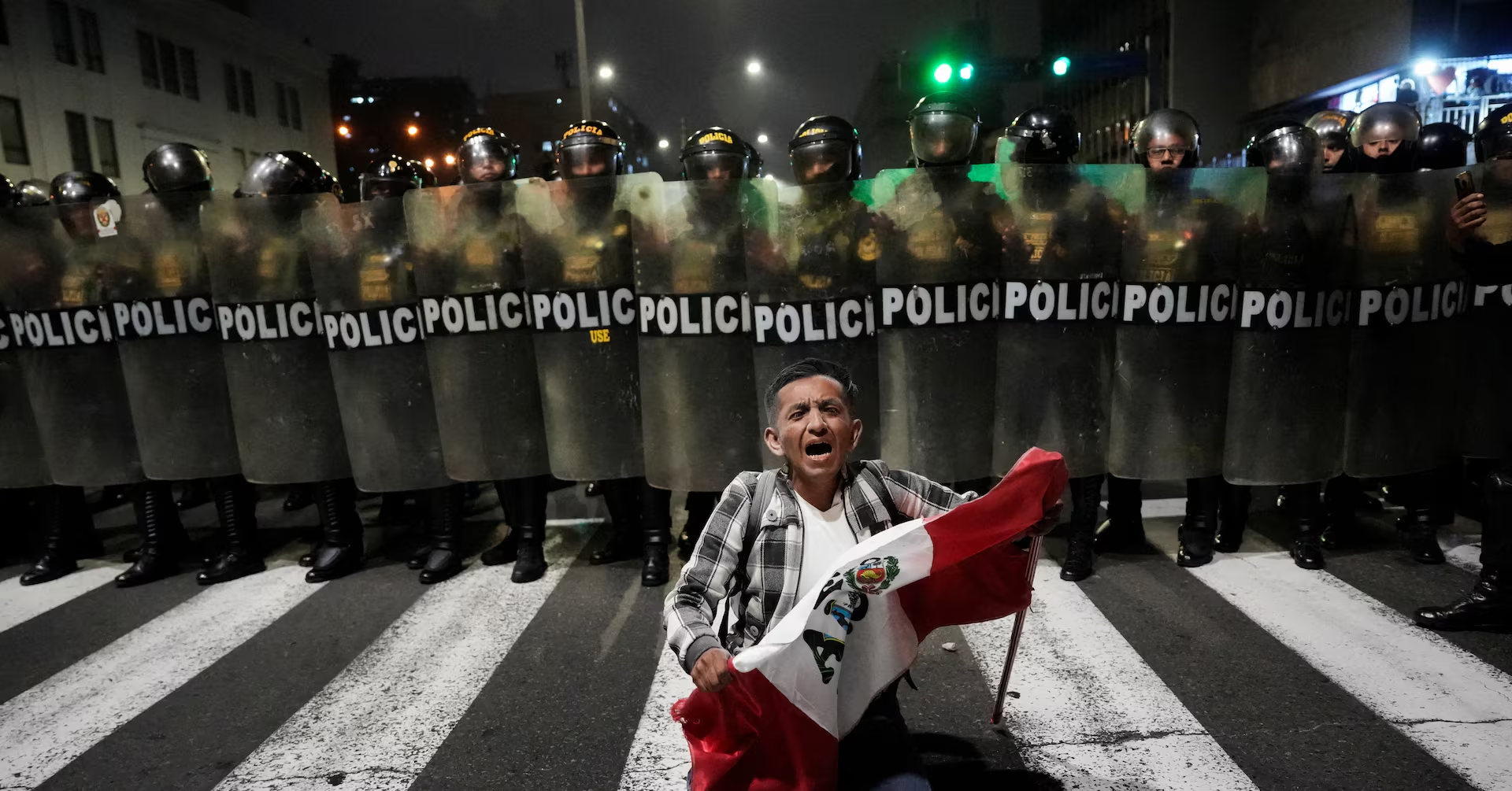
Protests in Peru against President Jose Jeri's government have resulted in at least one death and numerous injuries, with clashes between protesters and police over issues like corruption and crime, amid political instability following the recent ousting of former President Boluarte.
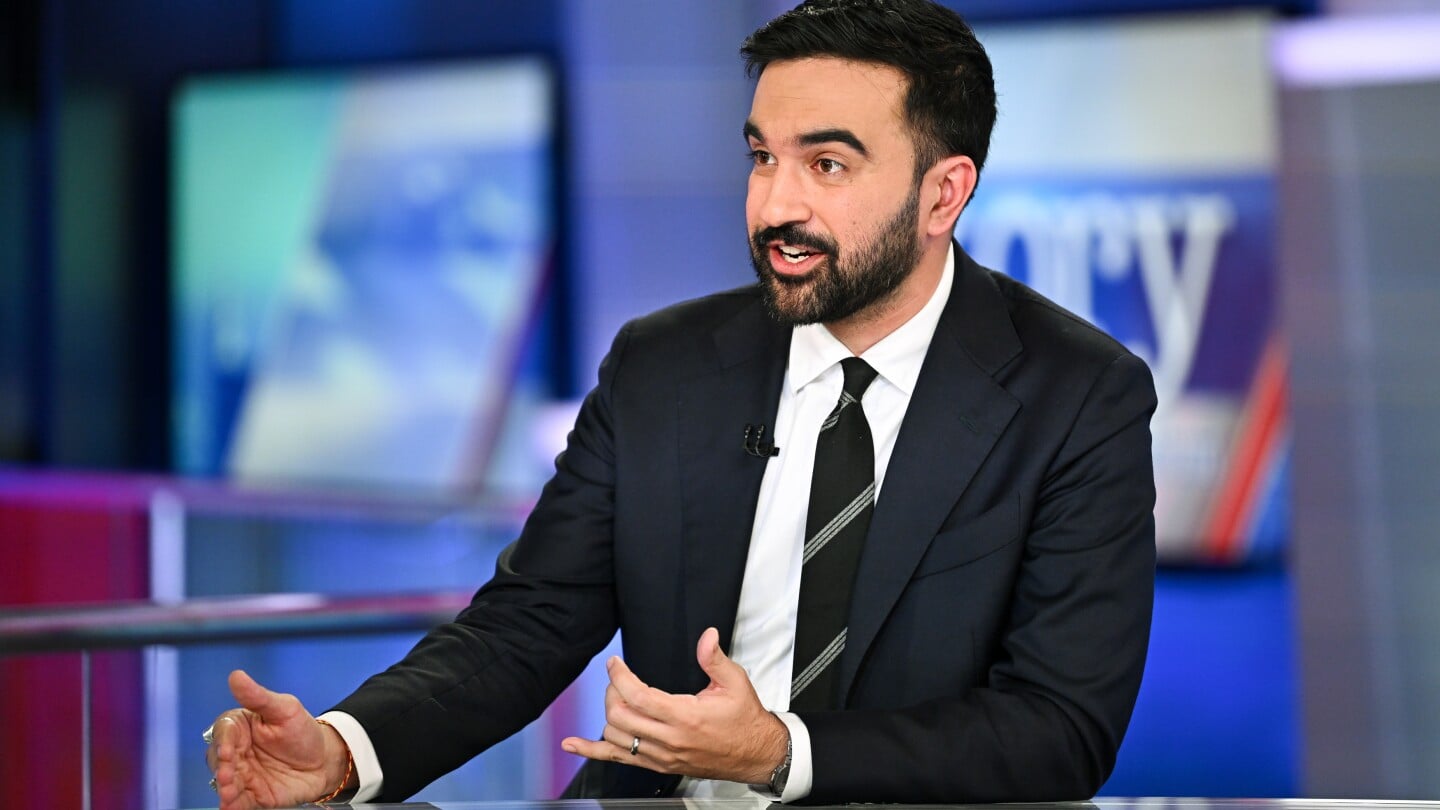
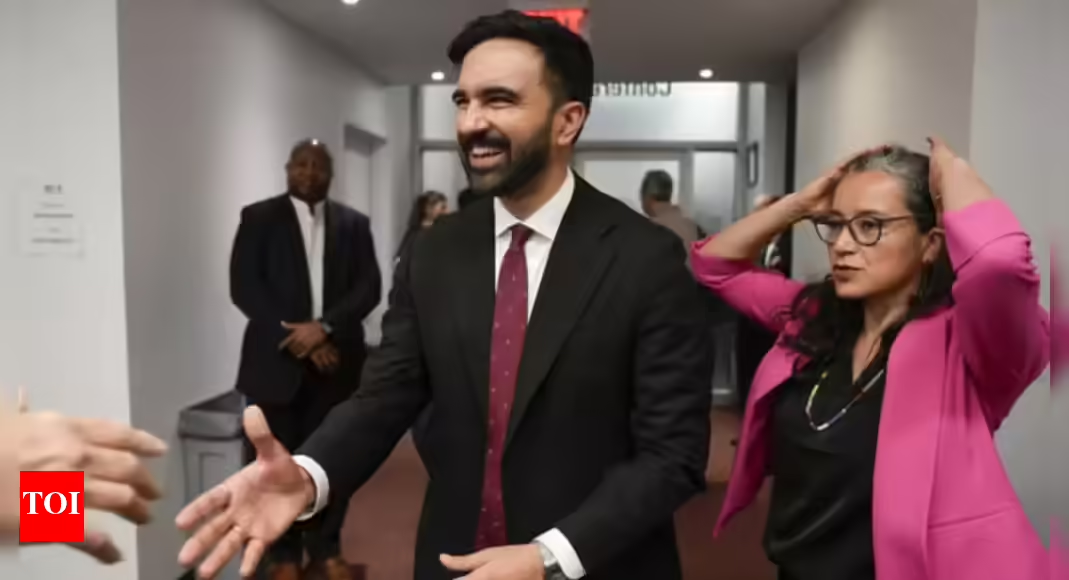
Zohran Mamdani, a Democratic NYC mayoral candidate, publicly apologized on Fox News for past criticisms of the NYPD, expressing a desire to work with officers and repair relationships, while also addressing broader political issues and his stance on police reform.
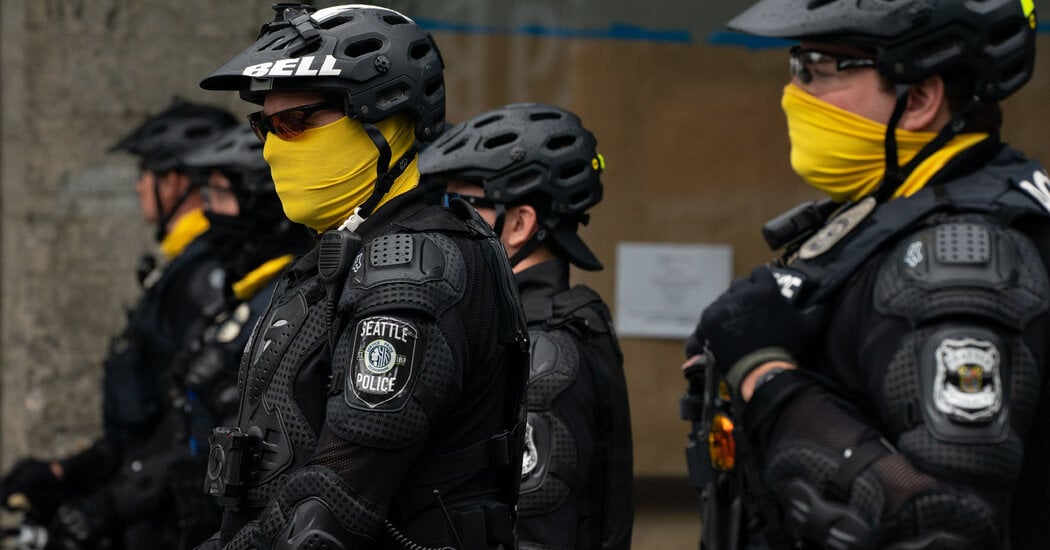
A federal judge ended over a decade of federal oversight of the Seattle Police Department, citing significant improvements in officer accountability, use-of-force policies, and community relations since the implementation of reforms following allegations of excessive force and racial bias.
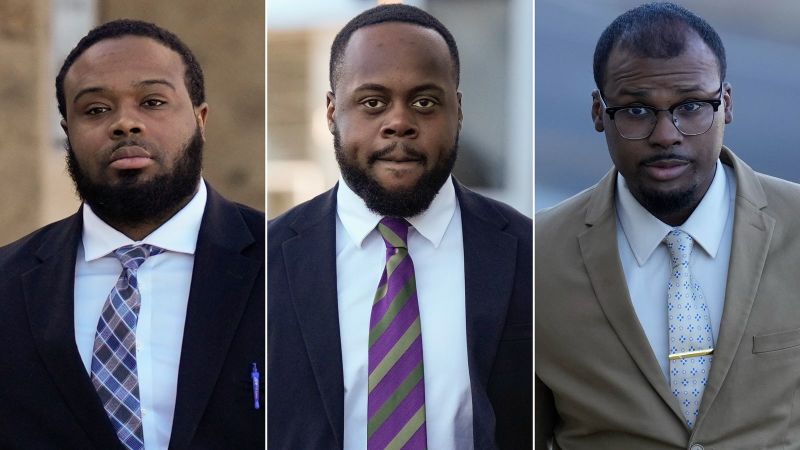
A judge has ordered a new trial for three Memphis police officers convicted of federal charges related to the beating death of Tyre Nichols, citing potential judicial bias in the original trial. The officers were previously found guilty of obstruction of justice after the incident, which sparked nationwide protests and calls for police reform.
Zohran Mamdani faces a complex balancing act as he navigates managing the NYPD and maintaining support amid tensions over policing and reform, drawing lessons from Bill de Blasio's tenure which saw a delicate and often contentious relationship between the mayor and police unions, highlighting the challenges of balancing law enforcement support with reform efforts.
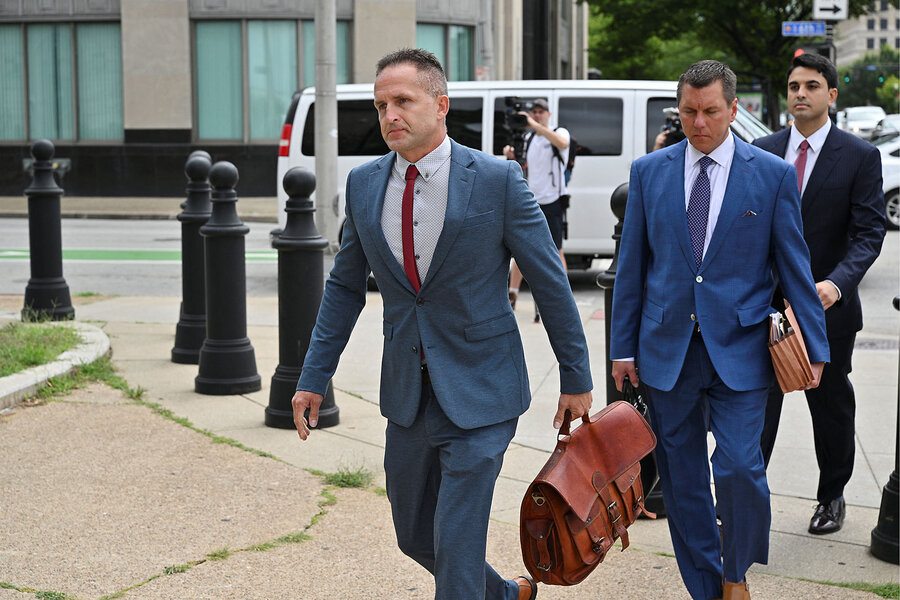
A former Louisville police officer involved in Breonna Taylor's death was sentenced to 33 months, highlighting ongoing debates over police accountability and reform in the US, especially under the polarized policies of the Trump and Biden administrations. The case underscores challenges in prosecuting police misconduct and the shifting federal approach to policing, with recent moves by the Trump administration to end consent decrees and reduce civil rights enforcement, raising concerns about the future of systemic police reforms.
Republican candidate Curtis Sliwa criticized Democratic primary winner Zohran Mamdani for his police reform proposals, claiming Mamdani's ideas to redirect NYPD funds and create a separate Department of Community Safety show a lack of understanding of policing, raising concerns about public safety if Mamdani becomes mayor.
A federal judge approved the DOJ's request to dismiss a consent decree aimed at police reforms in Minneapolis, citing concerns over costs and data, but city officials and community activists remain committed to implementing reforms independently, amidst ongoing accountability efforts.
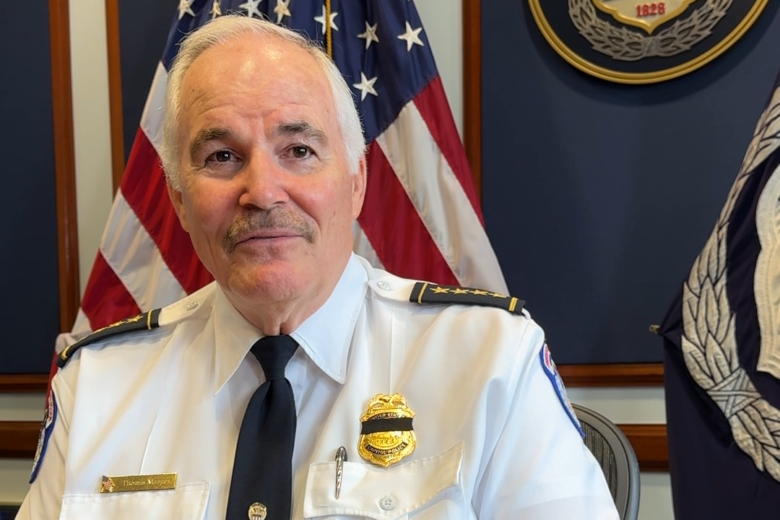
US Capitol Police Chief Thomas Manger, after nearly 50 years in law enforcement and leading the agency since 2021, is retiring at the end of May. He focused on addressing issues highlighted by the January 6 insurrection, improving staffing, and implementing new technology and training. Manger reflects on the evolution of policing since the 1970s, emphasizing accountability and community service, and plans to step down with a sense of accomplishment and ongoing commitment to police reform.
The DOJ's decision to drop oversight and accountability agreements with several police departments could weaken efforts to curb excessive use of force, potentially reversing progress made since high-profile incidents like George Floyd's death, while some local officials plan to continue reforms independently.