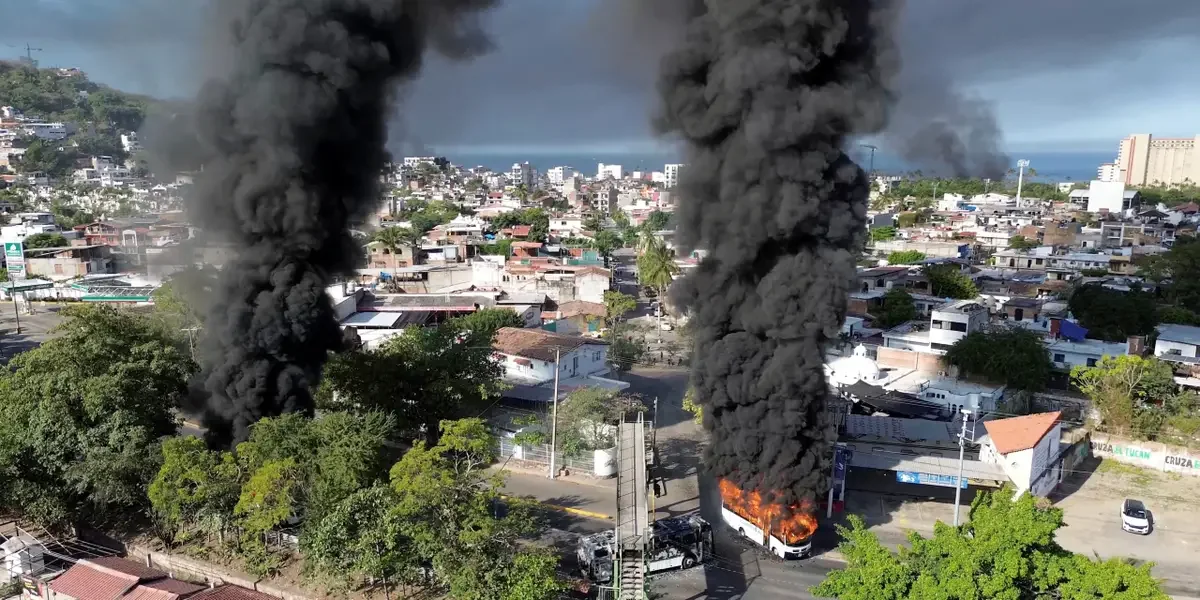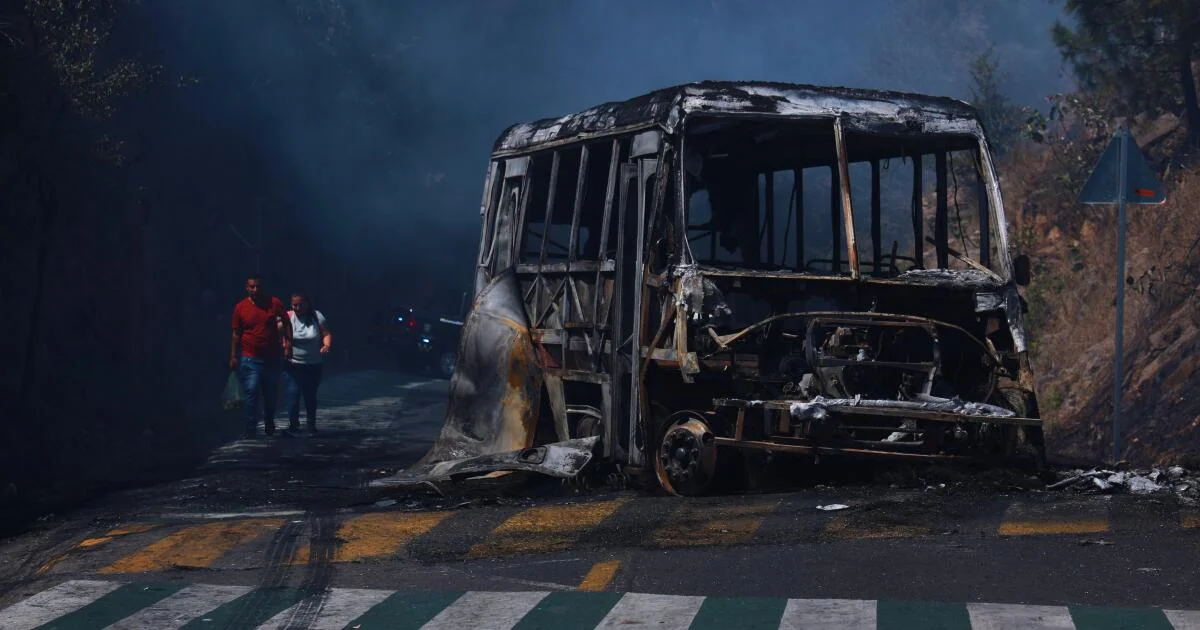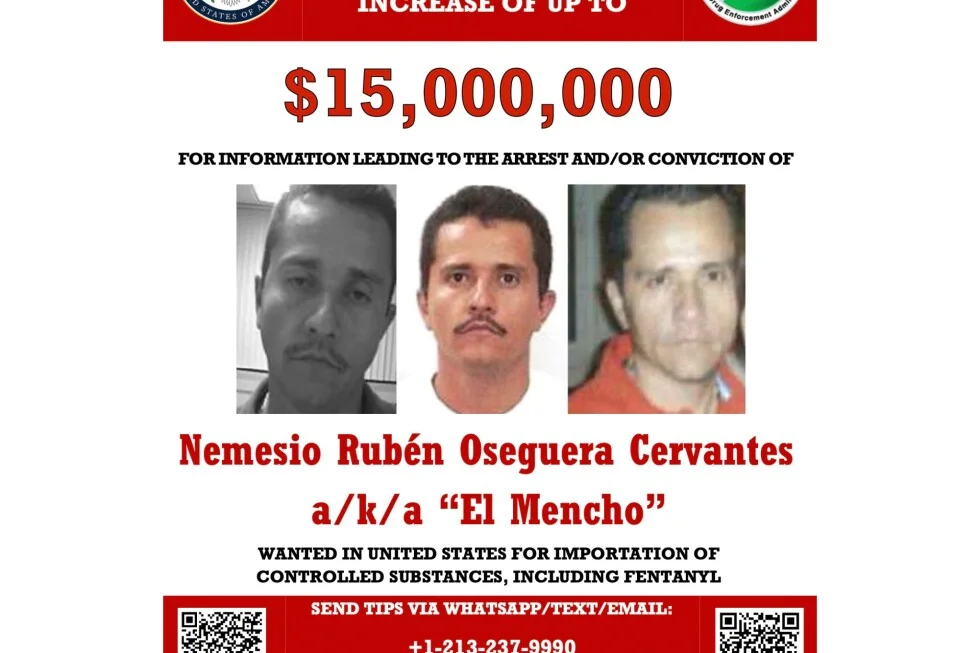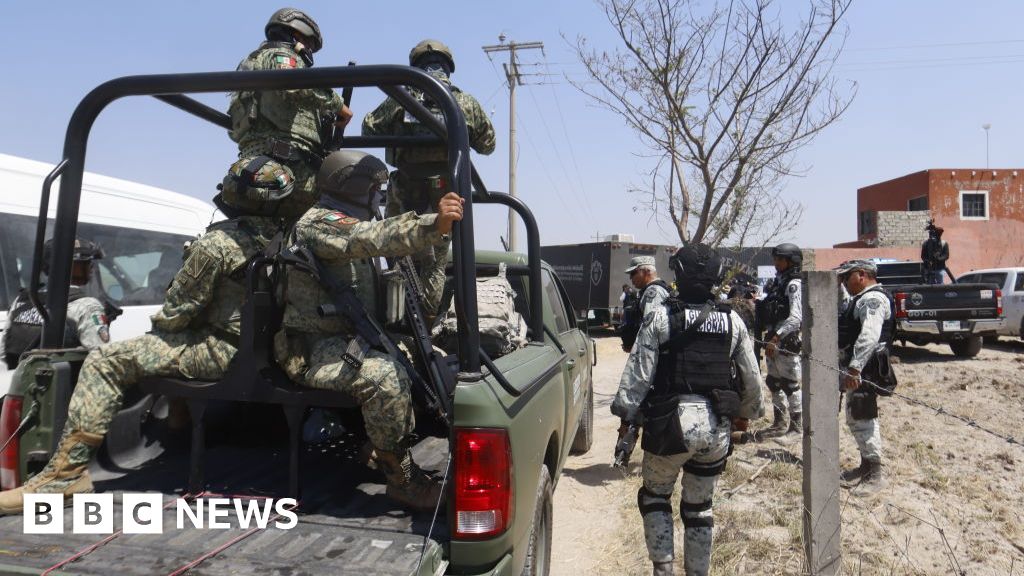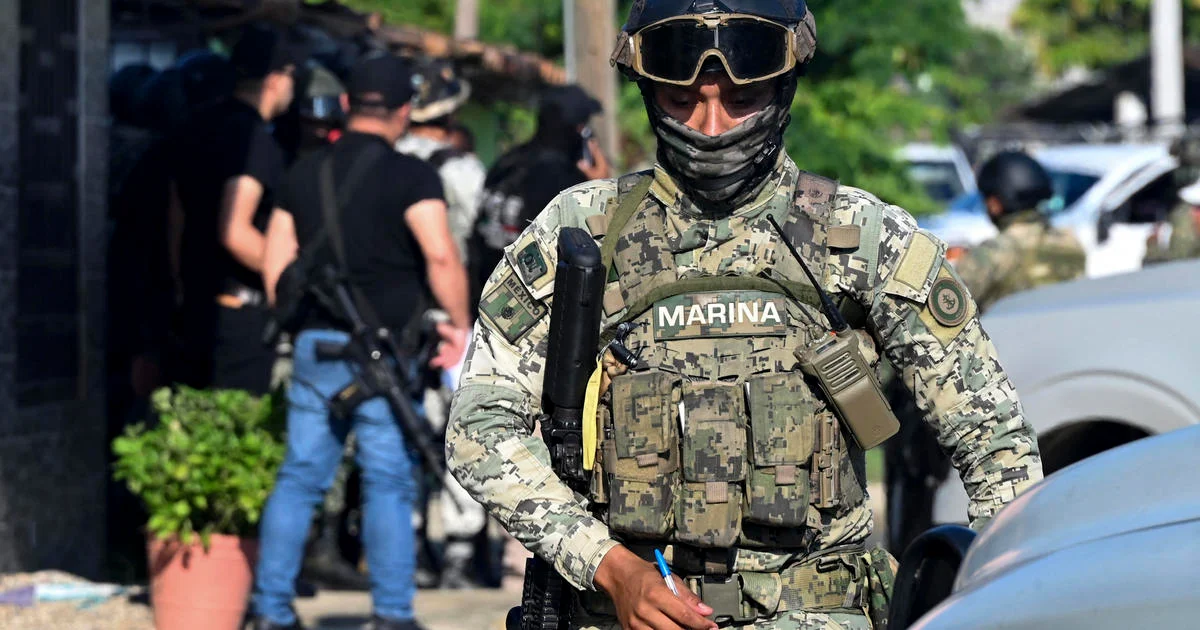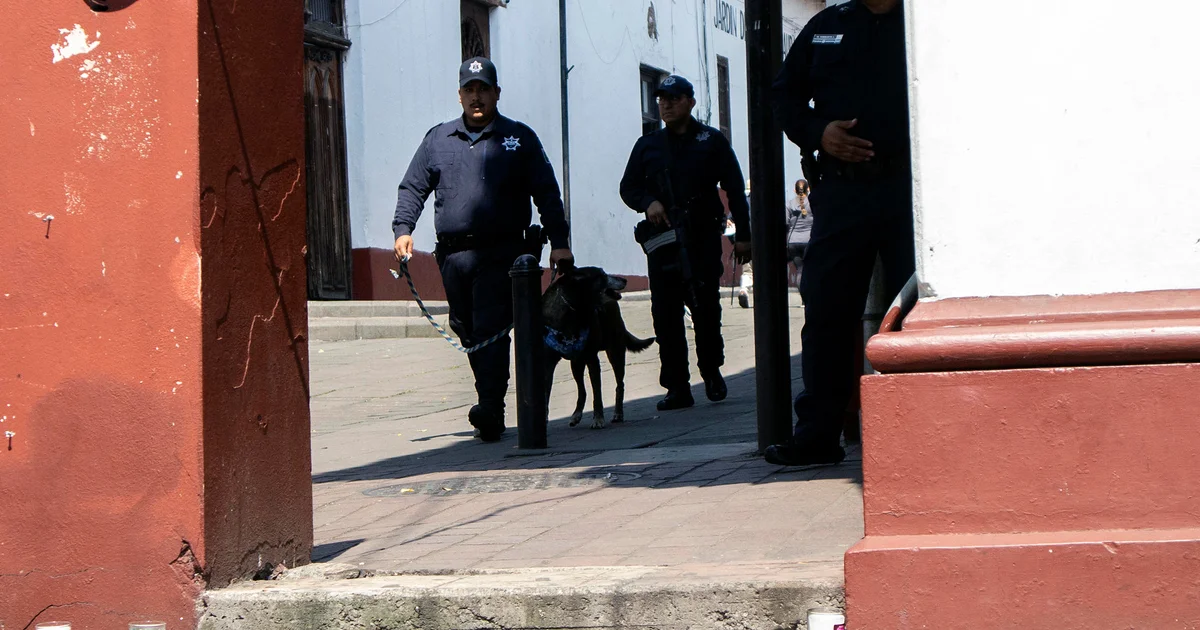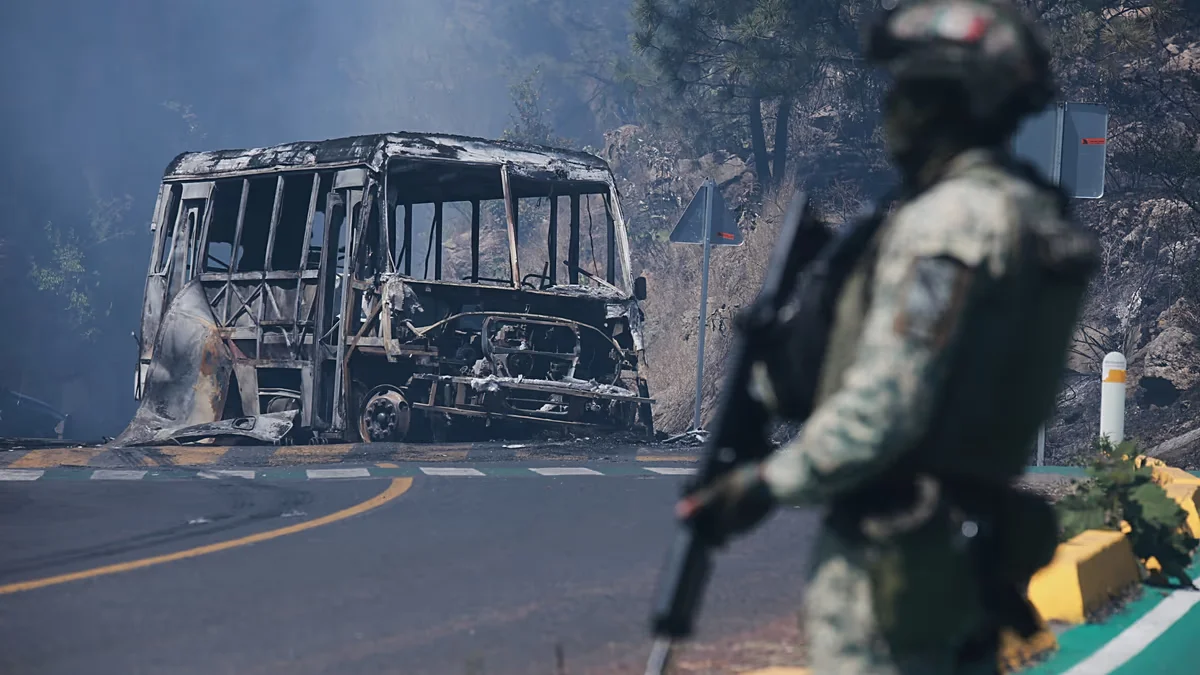
Mexican authorities in Sinaloa state engaged in a clash with an armed group, resulting in 13 attackers killed, four detained, and nine kidnapping victims rescued amid ongoing cartel-related violence.
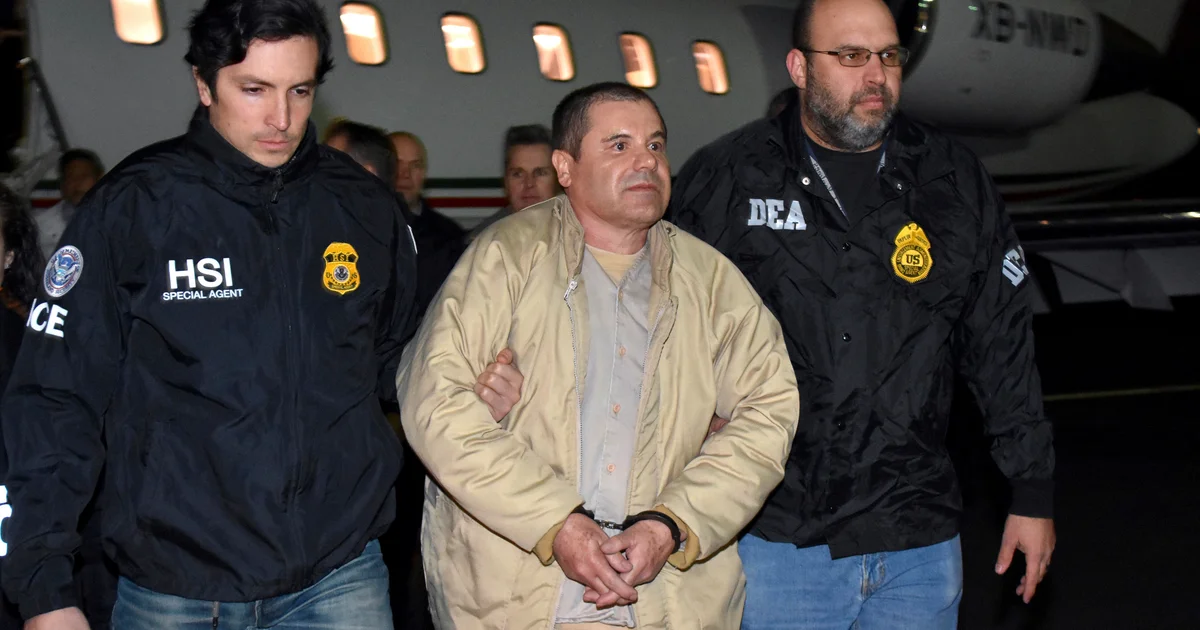
The hometown of Joaquín 'El Chapo' Guzmán in Sinaloa, Mexico, has been targeted by explosive drone attacks, leading to the displacement of dozens of residents. These attacks, believed to be carried out by criminal organizations like the Jalisco New Generation Cartel, have increased in frequency and severity, involving threats, property damage, and violence, highlighting the ongoing use of drones in cartel conflicts.
Victims of cartel violence in Ecuador, like Gabriela and Maria, are fleeing to the US and facing complex asylum challenges due to strict immigration laws and backlogs, with many living in fear and limbo while seeking safety from threats and violence.
Six severed heads were discovered on a road in central Mexico, an area not typically associated with cartel violence, with no clear motive or responsible group identified, amid ongoing cartel conflicts and law enforcement crackdowns.
A judge, Edmundo Roman Pinzon, was shot dead in his car outside a courthouse in Acapulco, Mexico, amid ongoing cartel violence in the region. This incident is part of a broader pattern of violence in Guerrero state, which has seen numerous attacks linked to organized crime, including the recent murder of a federal congressman and the discovery of dismembered bodies. Despite the escalating violence, President Claudia Sheinbaum has maintained a strategy focused on social policy rather than a renewed "war on drugs."
Gunmen opened fire in a bar in Queretaro, Mexico, killing 10 people, including three women, and injuring at least seven. The attack, carried out by assailants in a pickup truck, marks a rare instance of violence in the city, which is generally considered safer compared to other regions plagued by cartel violence. One suspect has been detained, and the vehicle used was found abandoned and burned. This incident highlights the ongoing challenge of cartel-related violence in Mexico, which has resulted in over 450,000 murders since 2006. President Claudia Sheinbaum is focusing on social policies and intelligence to combat crime.
Claudia Sheinbaum, Mexico's first female president, faces significant challenges including cartel violence, a divided nation, and financial constraints on social programs. Her administration's success may hinge on fiscal reforms, navigating the influence of outgoing President López Obrador, and the outcome of the U.S. presidential election, which could impact Mexico's security, trade, and immigration policies.
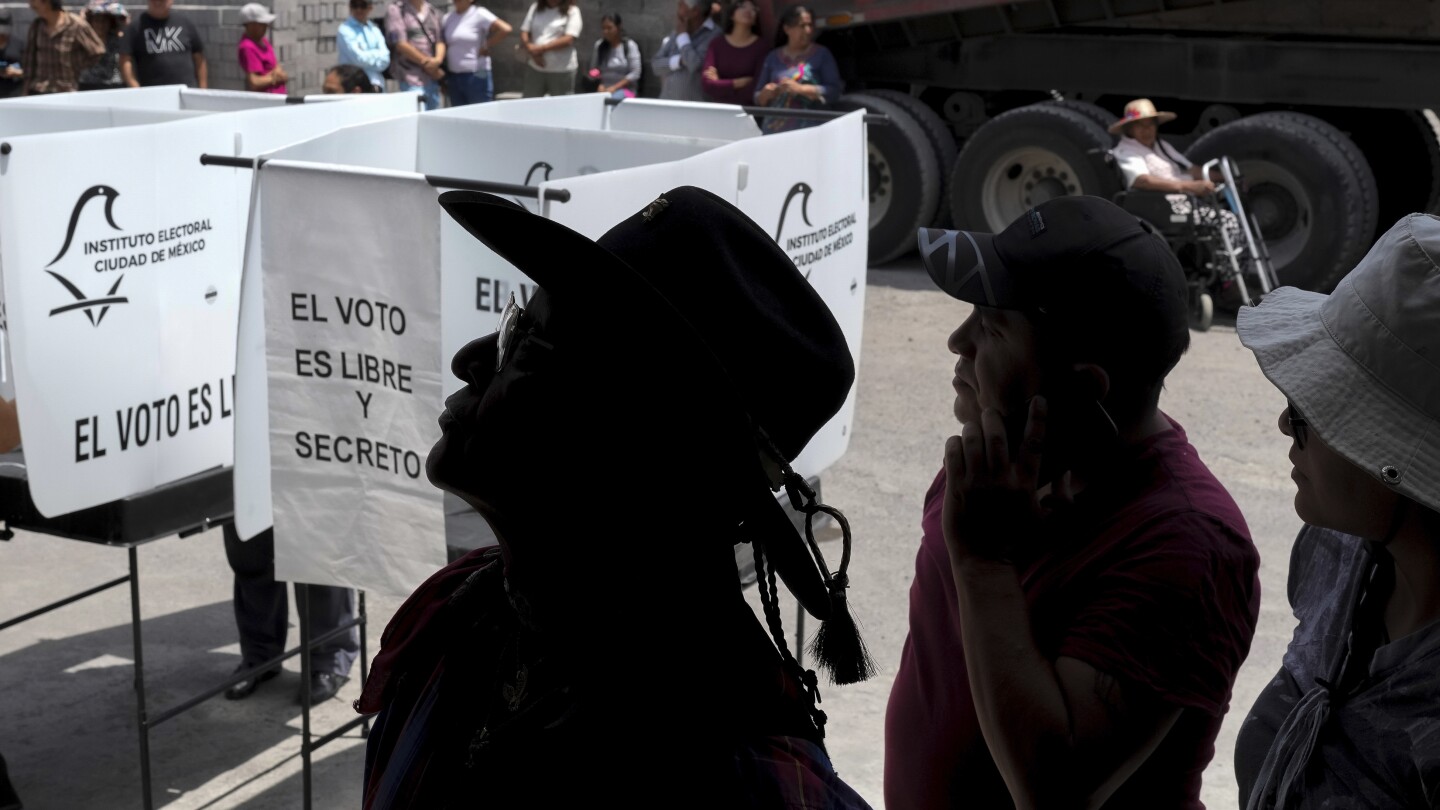
Claudia Sheinbaum has won the 2024 Mexican presidential election, becoming the first woman and first Jewish person to hold the office. She secured 59% of the vote, representing the Morena and Allies coalition. The election, marked by high voter turnout and concerns over cartel violence, is the largest in Mexico's history. Preliminary results show Sheinbaum leading in most states, with final results expected from June 5 to June 8.
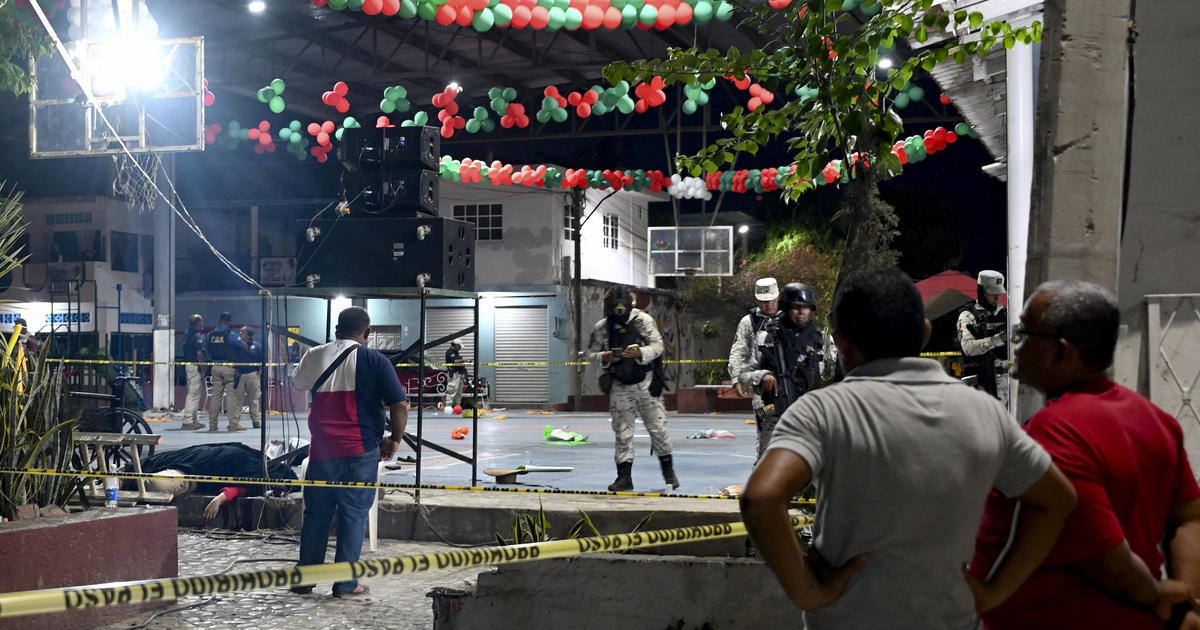
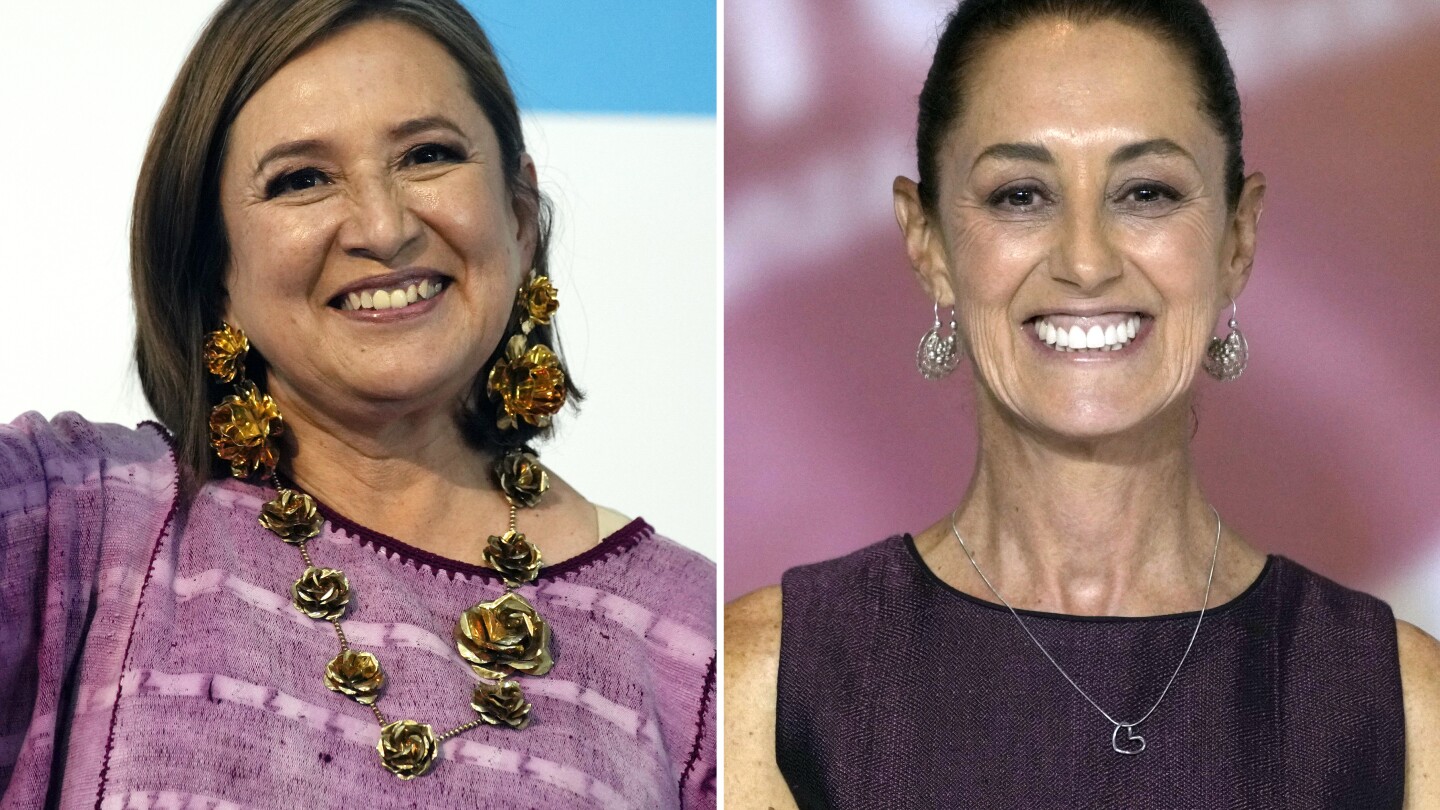
Mexico's campaign season ended violently with the murder of mayoral candidate Alfredo Cabrera, the 23rd candidate killed before the elections. Cabrera was shot at a rally in Guerrero, and the assailant was killed at the scene. The violence underscores the severe cartel-related challenges facing the country as it prepares to elect its first woman president. Frontrunner Claudia Sheinbaum and her opponent Xochitl Galvez have differing approaches to tackling crime, with Sheinbaum advocating for social programs and Galvez promising a tougher stance on cartels.
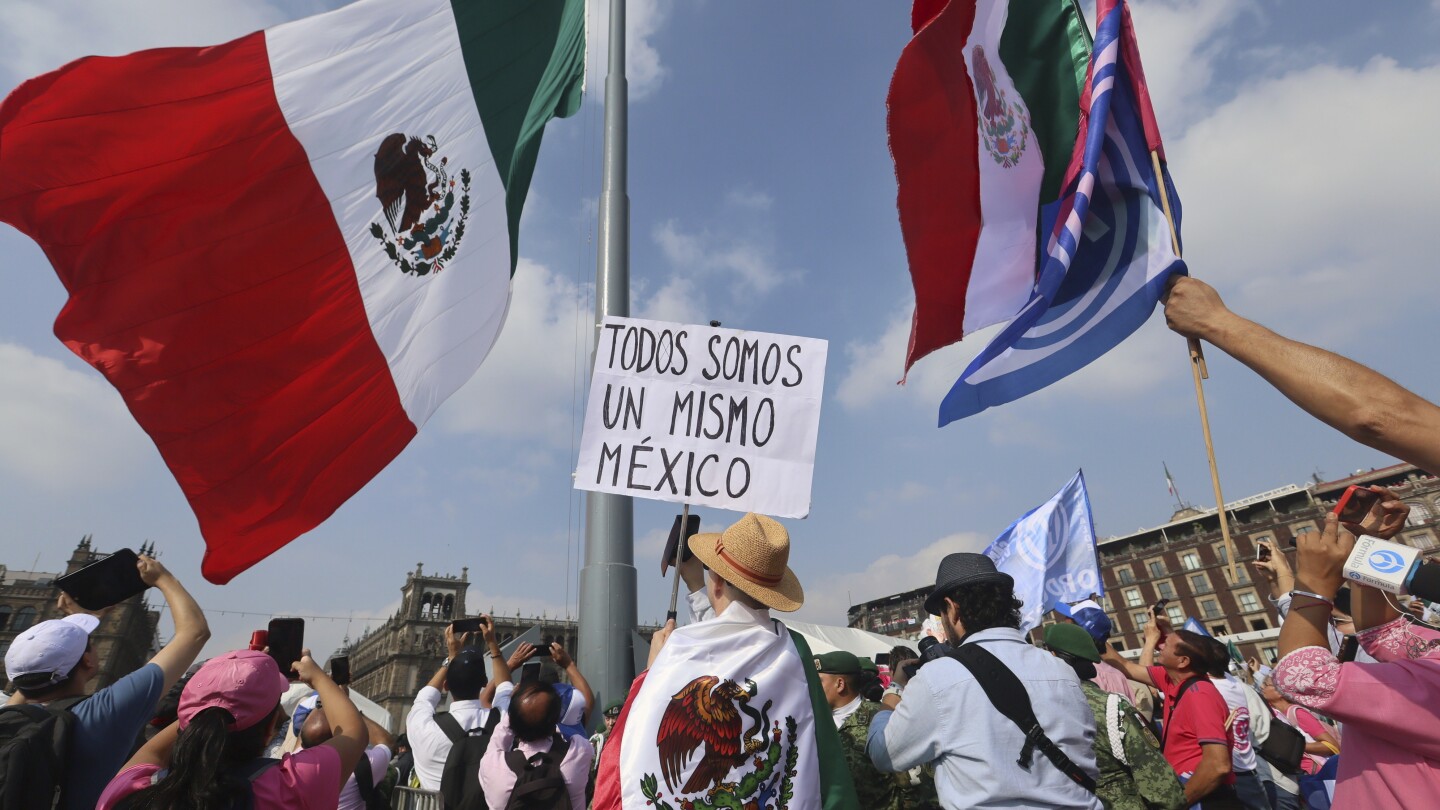
Mexico's historic elections on Sunday are set to likely elect the country's first female president, with Claudia Sheinbaum and Xóchitl Gálvez leading the race. The election, the largest in Mexico's history, is marked by cartel violence and the political legacy of President Andrés Manuel López Obrador. Over 20,000 positions are up for grabs, and the campaign has seen significant bloodshed, with criminal groups vying for power. The election also highlights issues of gender-based violence and gender disparities in a country with a strong "macho" culture.
Mexico is gearing up for its largest election ever, with voters set to choose the president, 628 seats in Congress, and numerous local positions. The leading presidential candidate, Claudia Sheinbaum, is poised to become the country's first woman president, while concerns about cartel violence and democratic issues loom large. The election, scheduled for June 2, comes amid a backdrop of gender-based violence and deep gender disparities in a country with a historically "macho" culture.
Four warring Mexican drug cartels are now targeting popular resort areas along the Caribbean coast, previously considered off-limits, resulting in gruesome violence and an increase in American and international visitors becoming collateral damage. The cartels, including the Sinaloa Cartel and the Jalisco New Generation Cartel, are vying for control of the $30 billion tourism revenue, leading to a surge in violence and a shift away from the old code of conduct. The escalating violence has turned resort areas into war zones, posing a threat to tourists and impacting the tourism industry in Mexico.
Mexican soldiers killed 12 gunmen in a shootout near the Texas border in the township of Miguel Aleman, with 12 rifles seized at the scene. The area has been a site of ongoing turf battles and violence involving the Cartel of the Northeast and the Gulf cartel. No group has claimed responsibility for the attack, and the Mexican army has not provided further details.
Jim and Sue Chilton, ranchers in Arizona, are grappling with the impact of the U.S.-Mexico border crisis on their property, which spans along a corridor for a record wave of undocumented immigration. They have encountered drug smuggling, witnessed migrants stranded in the desert, and campaigned for border security measures. The Chiltons' efforts to navigate the complexities of the crisis reflect the challenges faced by ranchers living in border regions.
An undetermined number of hacked-up bodies were found in two vehicles abandoned on a bridge in Mexico’s Gulf coast state of Veracruz, with a banner left on the side of one truck suggesting the victims might be Guatemalans and claiming authorship of the crime to the Jalisco New Generation Cartel. The killings are believed to involve a "settling of scores" between gangs, and the state has seen an increase in violence as cartels battle for turf. Authorities have reinforced security in the region and are pursuing those responsible for the criminal acts.