Research shows that between 2008 and 2010, as people's close social circles expanded from two to four or five friends, societies worldwide became more polarized, likely fueled by social media, leading to societal fragmentation and decreased tolerance, which threatens democratic processes.
The article explains how online social networks facilitate the spread of bizarre behaviors and conspiracy theories, such as the false belief linking 5G to COVID-19, due to complex interactions of cognitive biases, group dynamics like groupthink and polarization, and the rapid dissemination of misinformation, which is difficult to combat and can lead to social unrest.
A study from Brown University reveals that humans instinctively use mental maps based on social distance and popularity to strategically spread gossip, minimizing risks and maximizing reach, with these processes resembling algorithms used in social media virality.
A study of over 700,000 Finnish ninth-graders found that mental disorders can spread within school social networks, with the risk of diagnosis increasing if classmates have similar conditions. This effect is most pronounced for mood, anxiety, and eating disorders, highlighting the need for preventive measures and early intervention in schools.
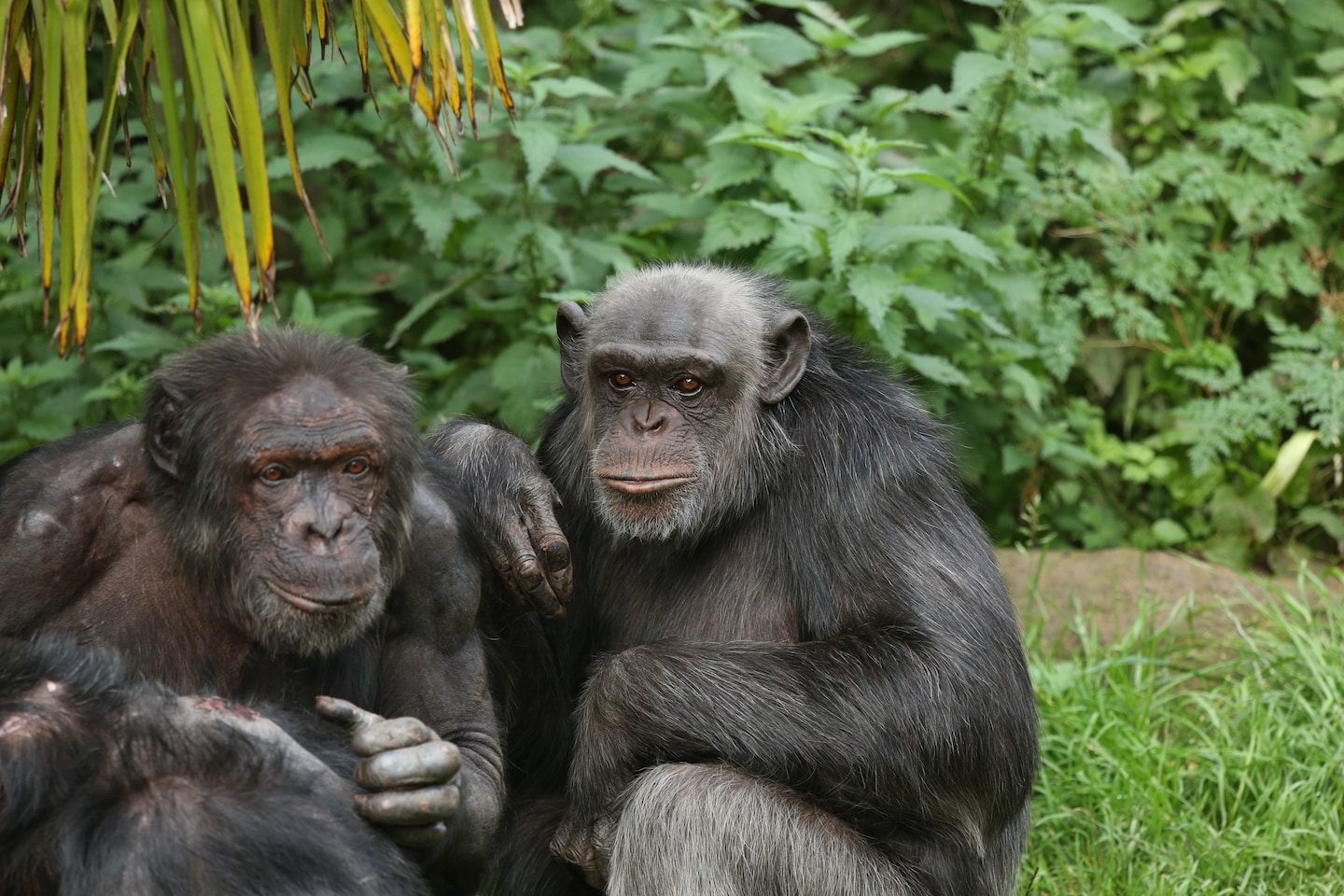
A study published in the Proceedings of the National Academy of Sciences reveals that bonobos and chimpanzees have the ability to remember old friends, family members, and groupmates even after decades of separation. The research suggests that long-term memory is a trait shared by humans, chimps, and bonobos, indicating deep evolutionary roots in complex social networks. Using eye-tracking technology, the study found that the apes showed a greater interest in images of familiar individuals compared to strangers. The results provide insight into the cognitive abilities and social relationships of our closest living relatives.
Amo, a Paris-based team of former Zenly members, has launched a new social app called ID that aims to bring back the social aspect of social networks. ID provides users with an empty canvas and creative tools to express themselves, allowing them to create personalized profiles and interact with their friends' profiles. The app focuses on fostering creativity and community engagement, offering a unique and visually appealing experience. Amo, backed by an $18 million funding round, aims to prioritize scale and create an indestructible company by addressing the loneliness epidemic and providing a more meaningful social experience.
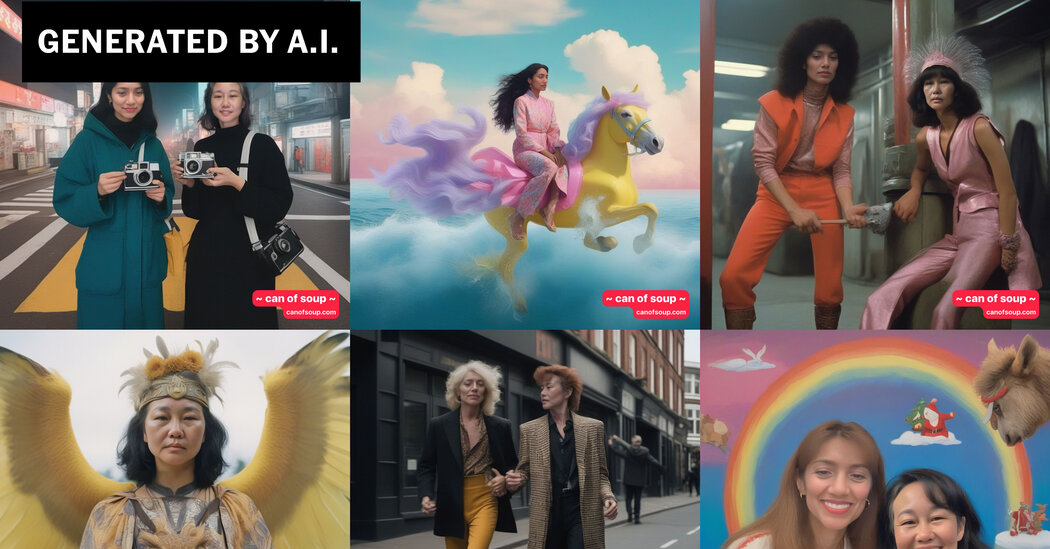
Social networking apps like Instagram, Facebook, Snapchat, and new platforms are incorporating artificial intelligence (A.I.) into their image capabilities to bring back the fun and interactivity of creating and sharing images. By using A.I. imagery, these apps aim to rejuvenate the social aspect of their platforms and encourage meaningful connections among users. Features such as A.I. selfies, image transformation filters, and A.I.-generated stickers are being introduced to make social media more engaging and whimsical. The integration of A.I. into image-sharing apps is seen as the future of social media, allowing users to interact with each other and create personalized content.
A study on strategy evolution in dynamic networks explores the impact of network structure on cooperation. The research examines various factors such as burstiness, tie strengths, and temporal patterns in spreading processes. It highlights the importance of understanding the hidden structure of dynamic ecological networks and the co-evolution of behavior and social network structure. The study also emphasizes the role of partner selection, switching costs, and the ability to alter ties in promoting cooperation. Overall, the findings contribute to our understanding of how strategies evolve and cooperation prevails in complex and changing network environments.
A study published in the Personality and Social Psychology Bulletin suggests that extraversion and agreeableness are key personality traits that predict larger social networks in older adults. The research, based on data from the English Longitudinal Study of Ageing, found that individuals who are more outgoing and kind tend to have more friends, family members, and close relationships. Verbal communication skills were not significantly related to social relationships. The study highlights the importance of considering individual differences in social network research and understanding the factors that predict network size in later life.
Meta's new social media platform, Threads, has gained significant traction as a competitor to X (formerly known as Twitter), but it remains uncertain which platform will emerge as the dominant force in the social media landscape.
Twitter Blue subscribers can now download videos posted on X, unless the poster opts out or the account is under the age of 18. However, if an account is set to private, only allowed subscribers can see and download the videos. This move aligns X with other shortform social networks like TikTok and Instagram, but it may also pose legal challenges regarding copyrighted materials. X CEO Linda Yaccarino will discuss the platform's transformation and advertiser engagement at the upcoming Code Conference.
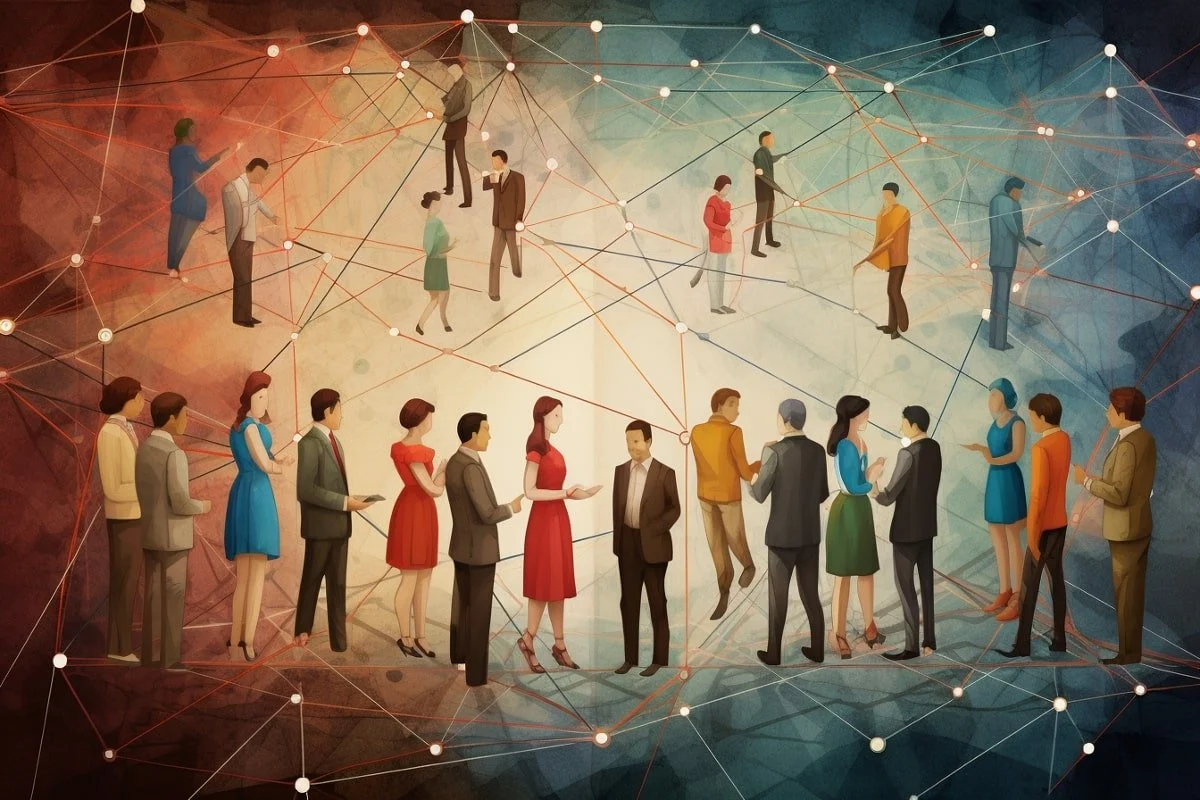
A recent study explains the social phenomenon of six degrees of separation using mathematics. The balance between the cost and benefit of maintaining social connections shapes the global human social network, resulting in an average of six steps between any two people. This explains why ideas, trends, and even diseases can spread globally within a few transmission steps. The study shows that our connected world enables rapid spread of information and diseases, but also creates a platform for global collaboration.
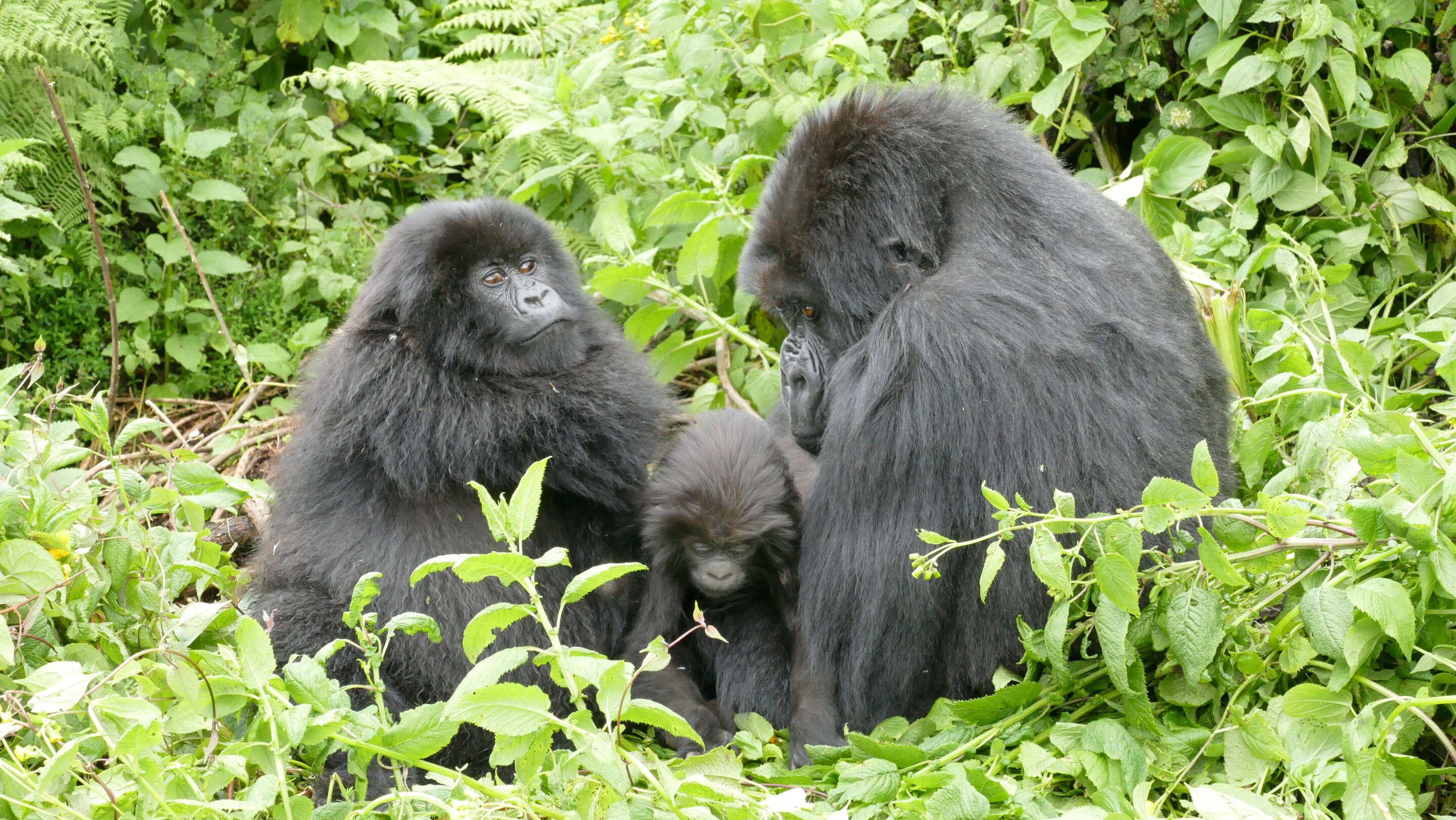
Gorillas who experienced early life adversities but survived until the age of 6 did not suffer long-term consequences in adulthood, in contrast to what has been observed in other species. Researchers from the Dian Fossey Gorilla Fund and the University of Michigan found that gorillas who survived past age six were largely unaffected by difficulties they encountered as infants or juveniles. Gorillas have very tight-knit social groups and live in a resource-rich environment, which may contribute to their resilience to early life adversity. The study suggests that species similar to humans can have significant resilience to early life adversity.
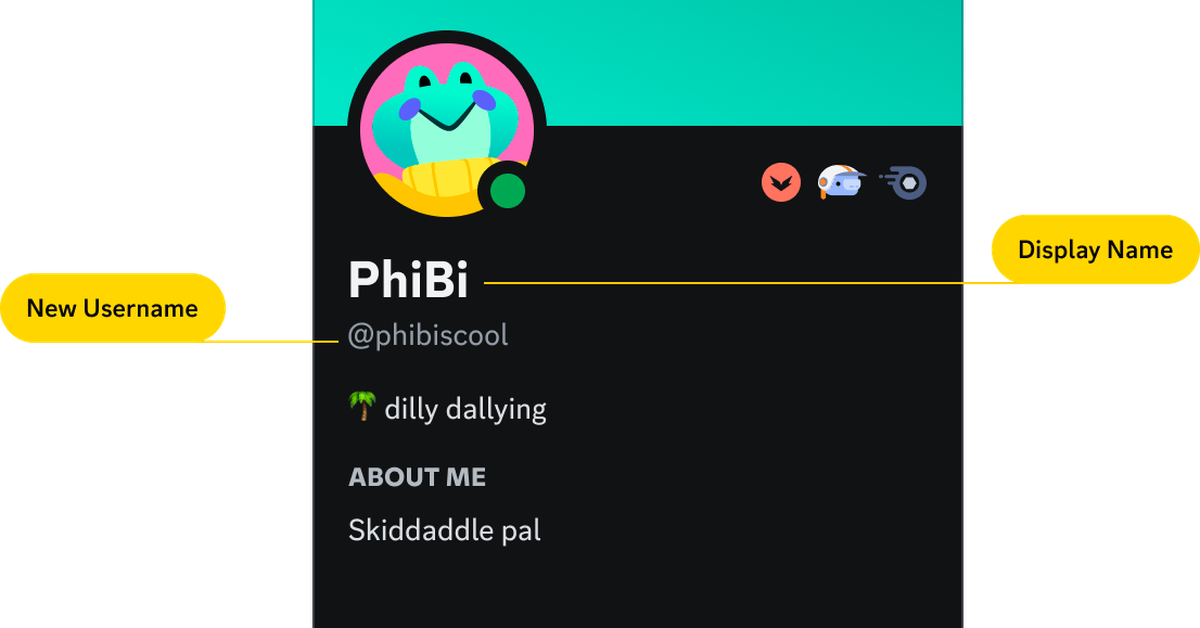
Discord is removing the four-digit tag from usernames to make it easier to connect with other users. Users will now have a unique alphanumeric username with the "@" symbol in front of it and a non-unique display name that can include special characters, spaces, emoji, and non-Latin characters. This change means everyone on Discord will need to select a new username, but previous usernames and discriminators will still work as an alias. Discord will notify users when they can update their username gradually in the coming weeks.
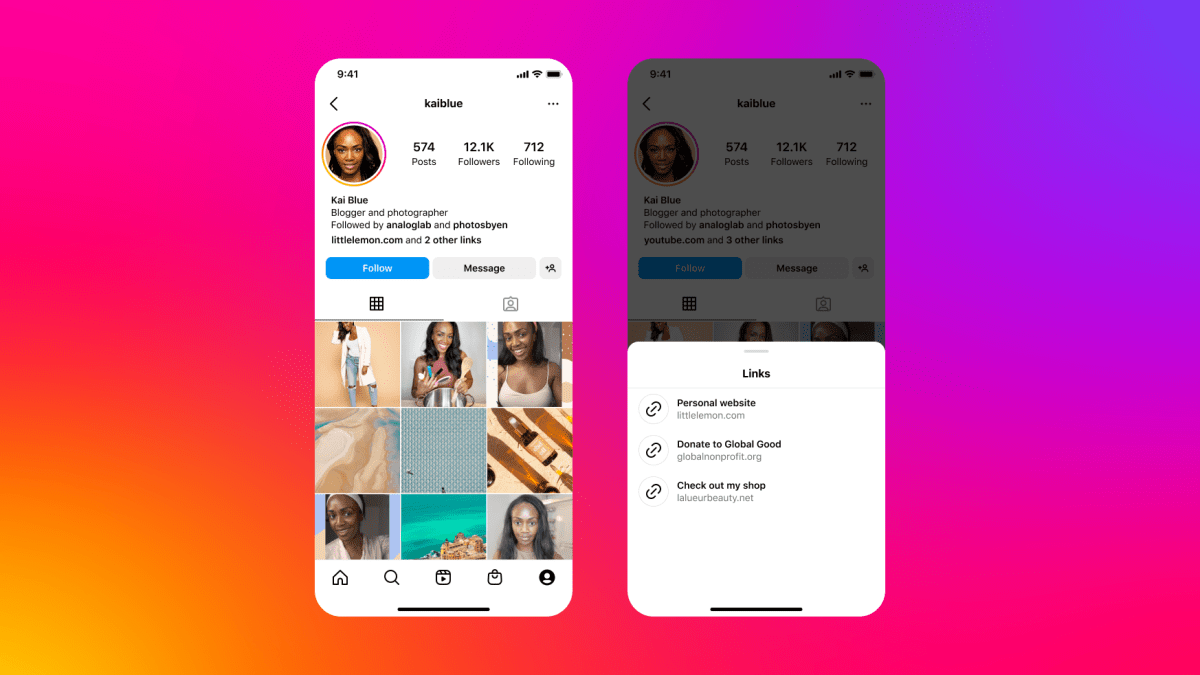
Instagram now allows users to add up to five links to their profile bios, a feature that was previously only available through third-party providers like Linktree. The move comes after years of complaints from creators and is likely a response to TikTok's stricter limitations on clickable links. The feature is available to all accounts, including business and creator accounts, and allows users to add links to external websites and their Facebook profile. However, links open within the Instagram app and not in a separate browser window.