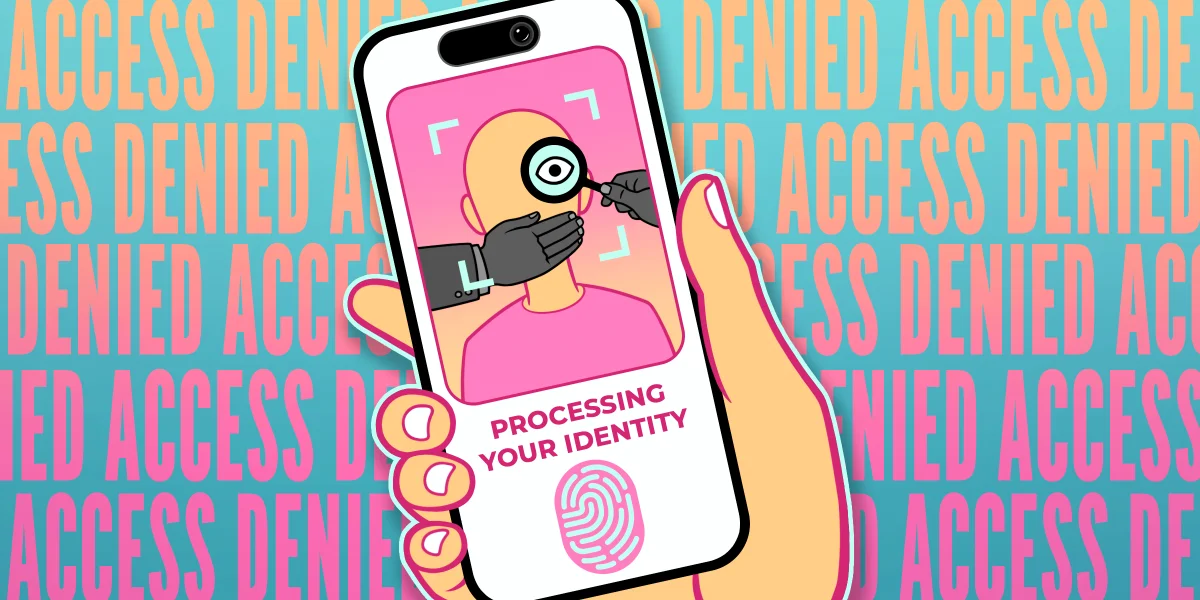
Discord has postponed its planned global age-verification rollout after criticism and privacy concerns, with the company promising clearer timelines and more transparent communication about how the system will work.
Discord has pushed back its global age-verification rollout to the latter half of the year after user backlash, saying only a minority will need to verify their age and that non-face options like credit-card verification will be explored; the company will publish its age-determination methodology, insists it won’t read messages or store verification images, and aims to align with upcoming youth-access rules while addressing widespread trust concerns.
Discord scrapped its UK use of Persona amid backlash over age-verification and data practices, amid concerns about surveillance ties and government data screening; Persona denies direct government involvement and Discord says it won’t partner with Persona again, though the Teen-By-Default age checks remain a broader online verification trend.
Discord’s UK-era age-verification pilot with Persona drew backlash over how data was handled and stored, amid fears of government access and privacy risks. Discord said most data were deleted after age confirmation and that Persona is no longer a partner; the test ran for under a month, raising questions about data retention, vendor transparency, and trust as the platform plans broader age checks.
Discord’s planned March rollout will place many users in a teen-by-default mode, requiring facial scans or IDs to access full features unless an adult is clearly identified. High-profile streamers like Eret, Tubbo and Pikachulita warn this could expose sensitive data after a previous breach of ID photos, even as Discord says facial scans stay on-device and IDs are deleted after age verification. Experts say age-verification should protect minors without eroding trust, urging transparent data handling, while creators seek safety for their communities without compromising privacy.
As part of preparing for the UK Online Safety Act, Discord is testing global age-verification via the Persona service, with some users already prompted ahead of a March rollout. Persona is backed by Founders Fund, whose ties to Peter Thiel and Palantir have drawn privacy concerns about surveillance and data use. Discord describes the test as limited and says any collected data will be stored for seven days, though the broader long‑term use remains unclear.
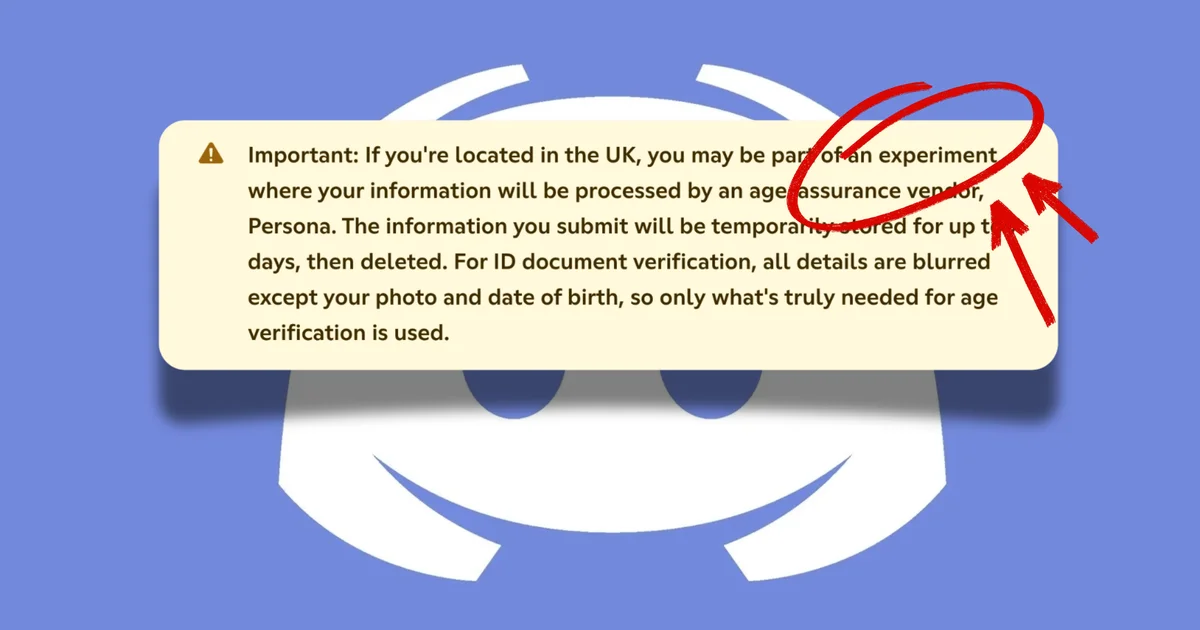
Discord's global 'teen-by-default' age-verification rollout will require facial age estimation or ID to access certain features; UK users now see FAQ language indicating selfies and identity data may be processed by the Persona age-assurance vendor and stored temporarily for up to seven days before deletion, a shift from the promise that data would never leave the device. Discord says data is blurred and only what's needed is used, but concerns persist about vendor ties and past data breaches as the rollout begins in March.
The Electronic Frontier Foundation warns that Discord’s voluntary rollout of age verification—using an age-inference system for most users and forcing government IDs or facial scans via third‑party vendors for some—risks privacy, chilling effects, and misclassification, especially after a 2025 data breach exposed ID data. While Discord claims IDs aren’t linked to accounts and scans stay on-device, privacy risks persist given unreliable facial-age tech and limited audits. EFF urges stopping non-mandated age gates and offers guidance for users facing age gates.
Discord announced a phased global rollout starting in March that will mark all accounts as teen-appropriate by default. Adults will need to upload a face scan or government ID via a third-party verifier to regain full access to features and channels, with updated safety settings and restricted access to age‑restricted spaces. The plan follows a 2025 data breach affecting about 70,000 users and has drawn criticism over privacy and trust in third‑party verification systems.
Discord plans a global rollout of age verification for adult-content access using on-device facial age estimation or off-device government-ID checks, with selfies kept on the user’s device and IDs verified off-device before deletion. This follows a breach that exposed 70,000 IDs and has sparked privacy and security concerns about data handling and verification accuracy, as some users may avoid verification or find ways to bypass it while Discord contends most users will only verify once.
Discord says it will roll out a March-wide safety update that by default provides a teen-appropriate experience; unlocking adult content and access to age-restricted spaces will require a one-time age verification (either a selfie video for age estimation or government ID with vendor partners). Unverified accounts will see blurred sensitive content and be blocked from age-restricted channels, servers, and app commands, while DMs from unknown users will go to a separate inbox. Some users may need multiple verification steps, and Discord plans future options like an age-inference model; the company is also forming a Teen Council to help shape teen safety policy.
GOG says the AI-assisted New Year Sale banner was a work-in-progress asset that accidentally appeared on the storefront. A staffer in the Patron Discord apologized, explaining the company tests AI tech to extend a small team’s reach while preserving games, but the incident exposed gaps in quality control and timing.
A grand jury continues to review evidence in the D4vd case as a TikTok true-crime commentator claims a private Discord is discussing the death of Celeste Rivas Hernandez; while D4vd is connected to the investigation and labelled a suspect, authorities have not charged him, he remains largely quiet publicly, and brands and his label have paused promotion amid the ongoing probe.
Discord is expanding its Family Center features to help parents better understand and monitor their teens' activity on the platform, including new privacy controls, activity insights, and communication transparency, all designed with teen safety principles in mind.