Tag

Global Collaboration

All articles tagged with #global collaboration

science-and-technology1 year ago

Global Initiative Launched to Develop AI-Powered Virtual Cell

Researchers from Stanford University, Genentech, and the Chan-Zuckerberg Initiative are advocating for a global effort to create the first AI-powered virtual human cell. This model aims to simulate the behavior of human biomolecules, cells, and tissues, potentially revolutionizing biological understanding and medical research. The project requires extensive collaboration across various scientific fields and aims to make the resulting models accessible to the global scientific community. The initiative is compared to the scale of the Human Genome Project and could take over a decade to realize.

science-and-engineering1 year ago

Global Push for AI-Powered Virtual Cell Revolutionizes Science

A team of scientists from Stanford University, Genentech, and the Chan-Zuckerberg Initiative is advocating for a global collaboration to create the first AI-powered virtual human cell. This ambitious project aims to simulate human cell behavior, offering insights into biological processes and disease mechanisms, and enabling in silico experimentation. The initiative requires unprecedented cooperation across various scientific fields and stakeholders, with the goal of making the resulting models accessible to the global scientific community. The effort is likened to the Human Genome Project in its scale and potential impact.

technology2 years ago

"UK AI Agreement Unveiled Amidst Musk's Extinction Warning"

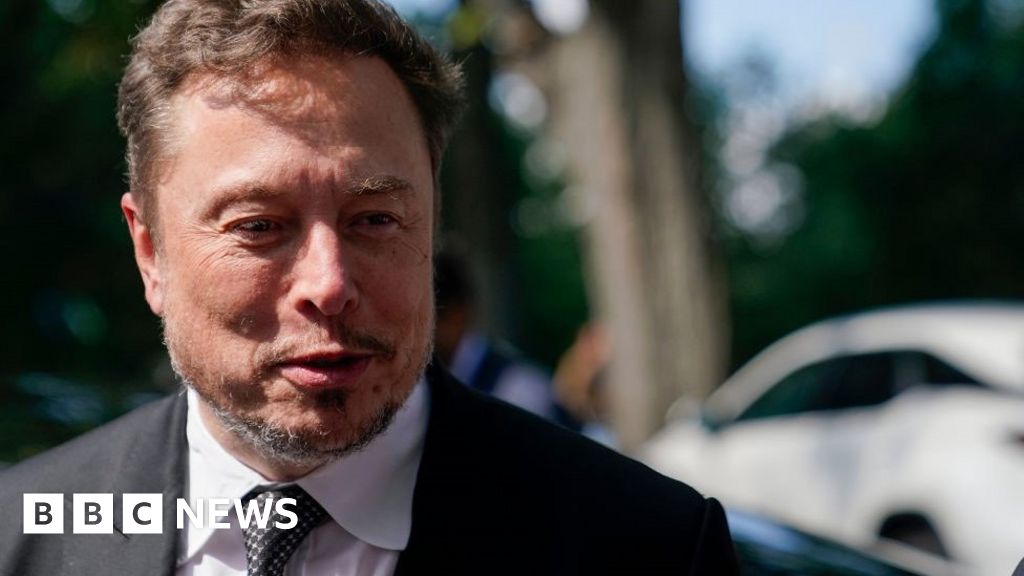
The UK government has announced a "world first agreement" on managing the riskiest forms of AI, focusing on highly advanced "frontier AI." The agreement, signed by countries including the US, EU, and China, aims to collectively understand and manage potential AI risks. At the AI Safety Summit, Tesla CEO Elon Musk warned that AI could lead to humanity's extinction if programmed by "extinctionists." However, other attendees emphasized the need to focus on present-day risks such as job displacement and bias. The UK government hailed the agreement as a landmark achievement, while other countries stressed the importance of global collaboration in managing AI.

science-and-technology2 years ago

China's Dominance in Natural Sciences: Implications for Global Research

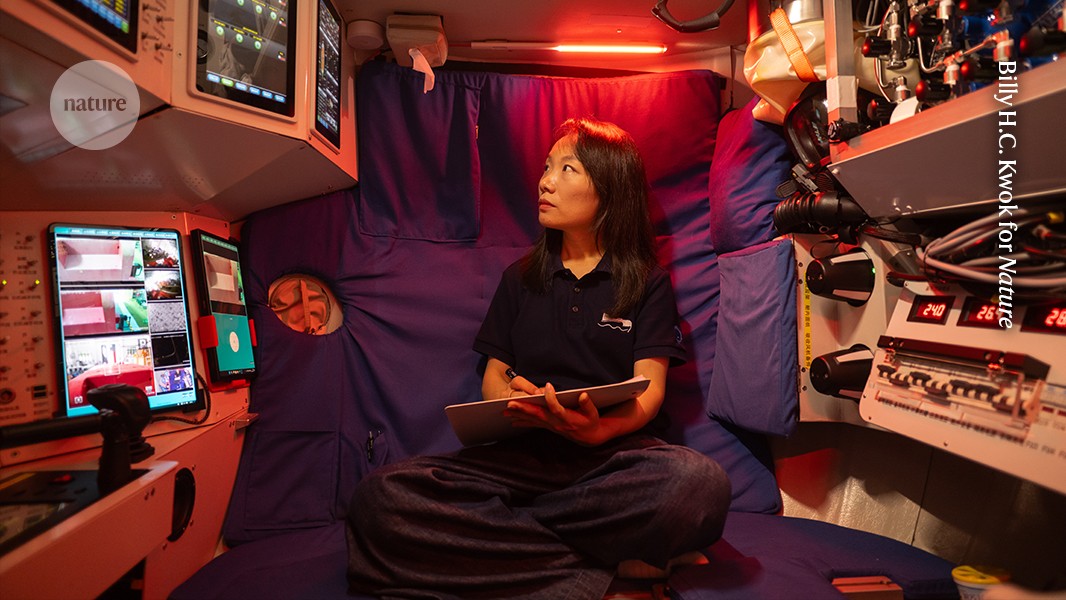
China has surpassed the United States in scientific productivity, achieving the highest Share score in the Nature Index for the natural sciences. China's rapid growth in scientific publications and research output has been driven by immense resources, a strong focus on results, and a working culture that emphasizes long hours and success. Chinese research is often innovative and has shown a willingness to cross disciplinary boundaries. China's dominance extends to fields such as artificial intelligence and environmental research, where it has made significant progress in addressing urgent challenges. However, changes in China's researcher-evaluation system and shifting patterns of international collaboration may impact its future rankings.

science-and-technology2 years ago

"Scientists and Artists Unite in Global Quest to Decode Extraterrestrial Communication"

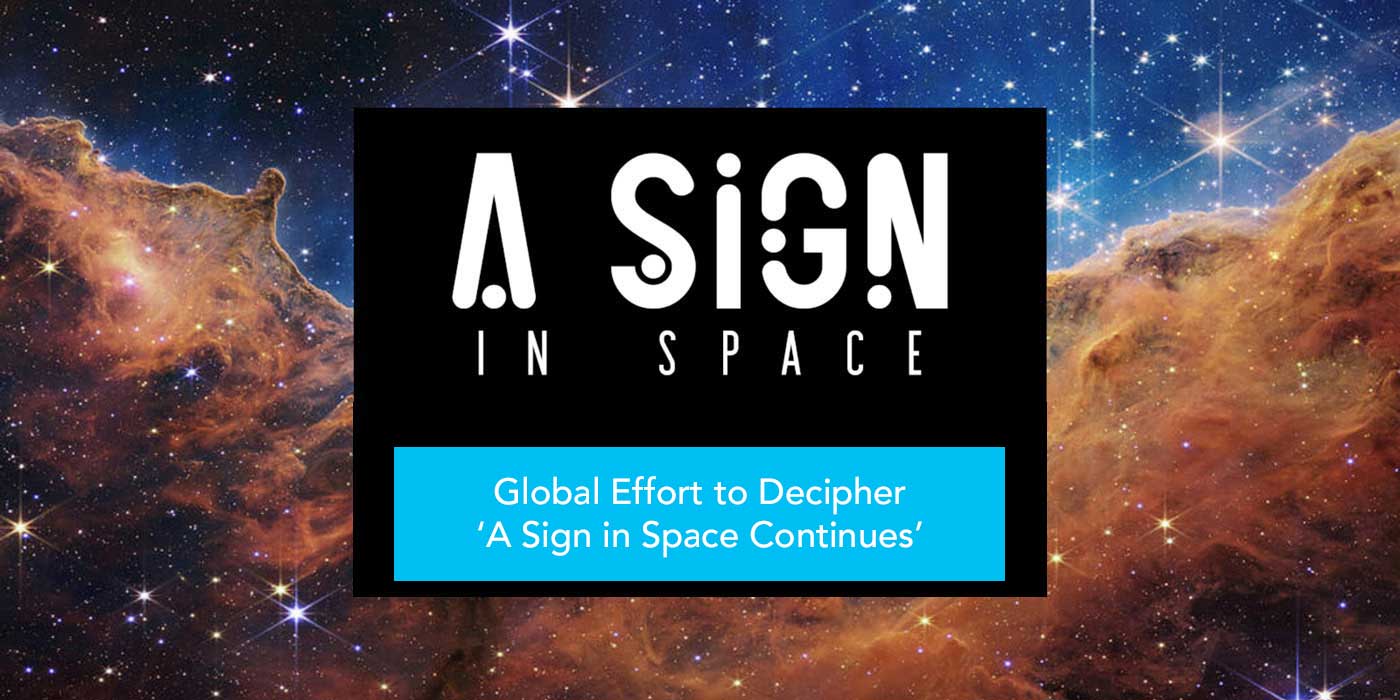
The global effort to decode and interpret an extraterrestrial message, transmitted by the European Space Agency's ExoMars Trace Gas Orbiter, continues to engage millions of people worldwide. The encoded message remains undisclosed, allowing the public to participate in its interpretation. Online discussions, workshops, and a Discord community have emerged to foster collaboration and diverse perspectives. While various creative ideas have been suggested, a dominant interpretation has yet to emerge. The team is considering future activities, including a mini online conference and a hackathon, to sustain engagement.

environment2 years ago

Revolutionizing Rare Earth Element Discovery and Sustainability through AI

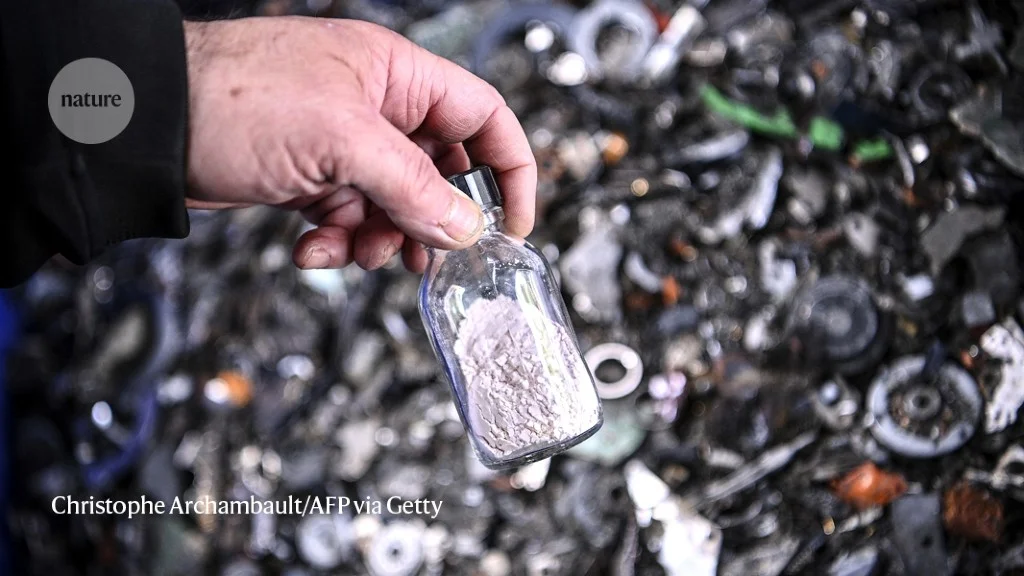
The demand for rare-earth elements (REEs) is rapidly increasing due to their crucial role in green technologies. However, their availability is limited, with China, the United States, and Russia controlling the majority of reserves and production. To meet soaring demand without damaging the environment, the REE industry needs to transition to a circular economy. This can be achieved by boosting global REE recycling, implementing compulsory take-back policies, investing in tracking and recovery technologies, reworking supply chains, and fostering global collaboration. These measures would ensure a sustainable and fair distribution of REEs, support green industries, and accelerate the global energy transition.

science2 years ago

China's Tiangong space station facilitates global experiments and tests Earth-based lab for space conditions.

China's Tiangong space station has begun hosting scientific experiments from researchers around the world, as part of China's efforts to engage the global scientific community. The first experimental equipment for joint projects with the United Nations was transported to Tiangong on May 10, according to China's Manned Space Agency project office.

science2 years ago

The Science Behind Six Degrees of Separation

A recent study explains the social phenomenon of six degrees of separation using mathematics. The balance between the cost and benefit of maintaining social connections shapes the global human social network, resulting in an average of six steps between any two people. This explains why ideas, trends, and even diseases can spread globally within a few transmission steps. The study shows that our connected world enables rapid spread of information and diseases, but also creates a platform for global collaboration.

health2 years ago

Rockefeller Foundation and WHO team up for pandemic preparedness in changing climate.

The Rockefeller Foundation has announced a $5m investment in the World Health Organization (WHO) to expand global pandemic preparedness in the era of climate change. The investment will accelerate priority projects of the WHO Hub for Pandemic and Epidemic Intelligence to drive global collaboration in genomic surveillance, adoption of data tools for pathogen detection, and assessment of climate-aggravated outbreak threats. The partnership will strengthen the WHO Hub for Pandemic and Epidemic Intelligence, which facilitates a global collaboration of partners from multiple sectors to address future pandemic and epidemic risks with better access to data, better analytical capacities, and better tools and insights for decision-making.

science-and-technology2 years ago

Global Team Simulates First Contact with Extraterrestrial Intelligence

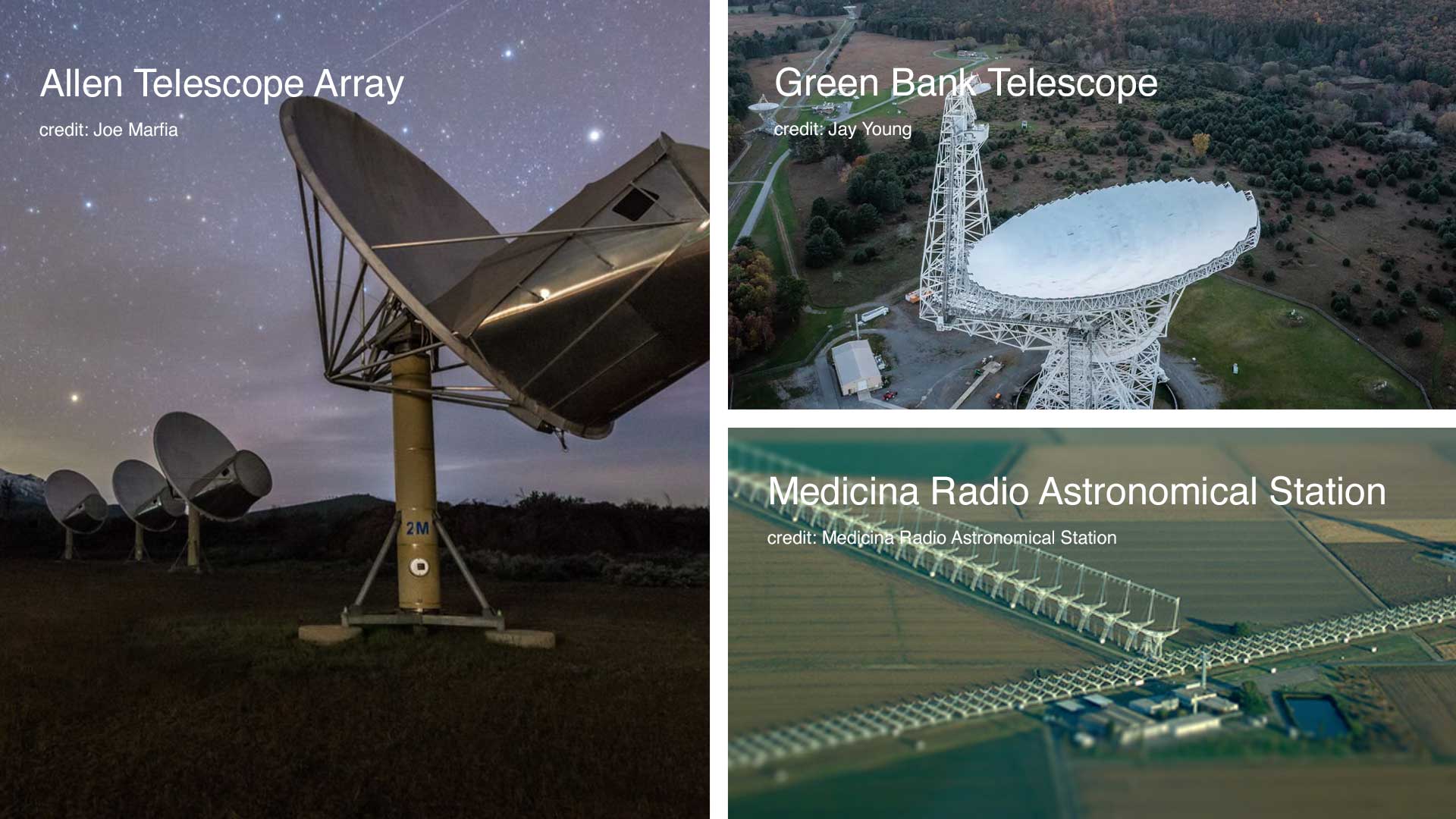
A team of international experts, including SETI researchers, space scientists, and artists, have come together to stage a project called A Sign in Space, which aims to explore the process of decoding and interpreting an extraterrestrial message by engaging the worldwide SETI community, professionals from different fields, and the broader public. As part of the project, on May 24, 2023, the European Space Agency's ExoMars Trace Gas Orbiter (TGO) in orbit around Mars will transmit an encoded message to Earth to simulate receiving a signal from an extraterrestrial intelligence. Three world-class radio astronomy observatories located across the globe will detect the encoded message, and the specific content of the encoded message is currently undisclosed, allowing the public to contribute to decoding and interpreting the content.

health2 years ago

China's Response to WHO's Covid Origin Data Claim.

A Chinese scientist has claimed that Covid-19 may have originated from humans, based on the genetic sequences of viral samples taken from the Huanan Seafood Market in Wuhan. The scientist also refuted recent studies suggesting racoon dogs were the origin of the virus. Another researcher called for global scientific collaboration in tracing the origins of the virus, while China maintains it has been transparent and cooperative with the WHO. Debates surrounding the origins of the virus reemerged recently following an assessment by the US Department of Energy, but a Chinese researcher refuted the lab leak theory, saying it is "extremely unlikely."

travel2 years ago

US dominates half of the world's busiest airports in 2022.

Five of the world's busiest airports for passengers in 2022 were in the United States, with Atlanta's Hartsfield-Jackson International Airport retaining the top spot. The strong US showing is thanks to a healthy rebound in the domestic market, with all of the US airports in the top 10 having significant domestic passenger shares. Dubai International, London Heathrow, and Paris Charles de Gaulle returned to the top 10 in 2022 after two pandemic years of being knocked off their perches. ACI expects global passenger traffic to reach 92% of 2019 levels in 2023, with a full recovery to 2019 levels not expected until 2024.