Tag

Social Interaction

All articles tagged with #social interaction

Scientists Identify Key Habit Shared by Remarkably Sharp 80-Year-Olds

Originally Published 2 months ago — by Women's Health

Featured image for Scientists Identify Key Habit Shared by Remarkably Sharp 80-Year-Olds
Source: Women's Health

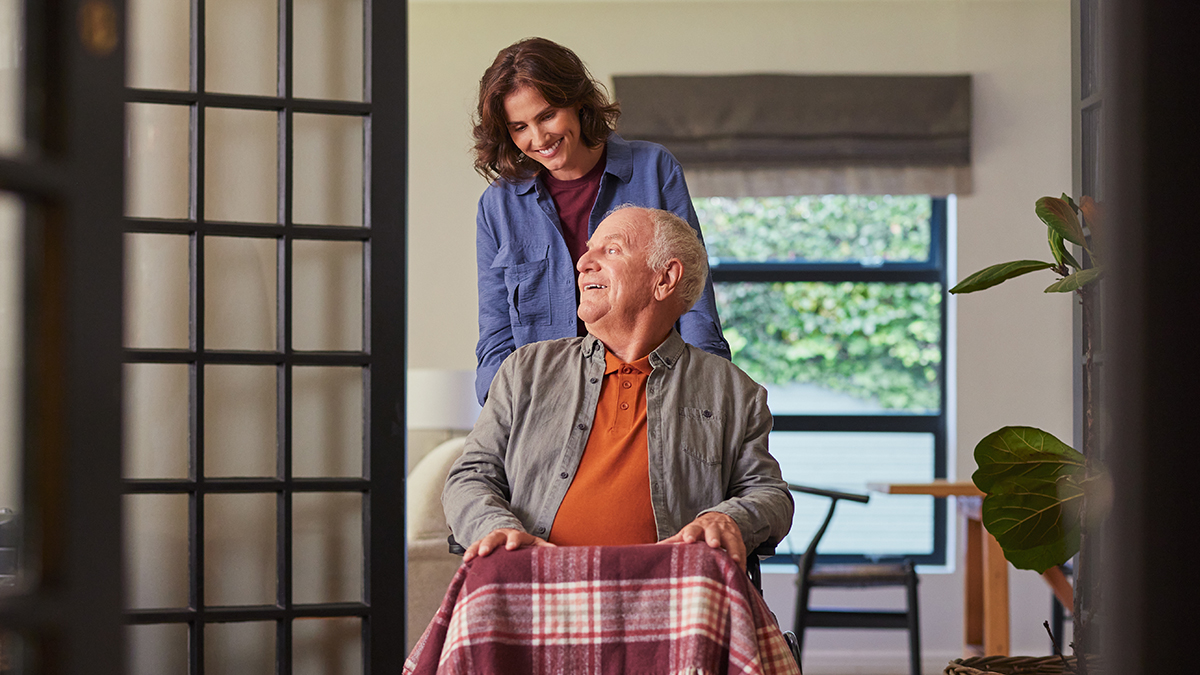
Research on SuperAgers—people over 80 with youthful cognitive abilities—reveals that social engagement and maintaining brain activity are key factors in preserving mental sharpness and protecting against dementia, with SuperAgers showing less brain atrophy and more social-related neurons, highlighting the importance of socializing for healthy aging.

Lifelong Social Bonds Protect Aging Brains and Maintain Cognitive Flexibility

Originally Published 3 months ago — by Neuroscience News

Featured image for Lifelong Social Bonds Protect Aging Brains and Maintain Cognitive Flexibility
Source: Neuroscience News

Lifelong social housing in rats preserves memory and cognitive flexibility during aging by enhancing hippocampal activity and neural balance, highlighting social connection as a key factor in protecting brain health in old age.

Pedestrians Walk 15% Faster and Spend Less Time in City Spaces

Originally Published 5 months ago — by Phys.org

Featured image for Pedestrians Walk 15% Faster and Spend Less Time in City Spaces
Source: Phys.org

A study using AI and historical footage reveals that pedestrians in three northeastern U.S. cities walk 15% faster and spend less time in public spaces since 1980, likely due to digital communication and the rise of indoor venues like coffee shops, indicating a shift in urban social dynamics.

Decoding the 'Gen Z Stare': A Reflection of Inner Self or a Cultural Signal

Originally Published 5 months ago — by NPR

Featured image for Decoding the 'Gen Z Stare': A Reflection of Inner Self or a Cultural Signal
Source: NPR

The article explores the phenomenon of the 'Gen Z stare,' a term describing Gen Z's tendency to stare blankly during interactions, and discusses whether it reflects social awkwardness, boredom, or a broader societal shift. Experts suggest it may be more about authentic communication and the impact of screen time than a unique generational trait, emphasizing the importance of understanding larger social contexts.

AI Robot Rat Blends Seamlessly with Real Rodents

Originally Published 1 year ago — by The Telegraph

Featured image for AI Robot Rat Blends Seamlessly with Real Rodents
Source: The Telegraph

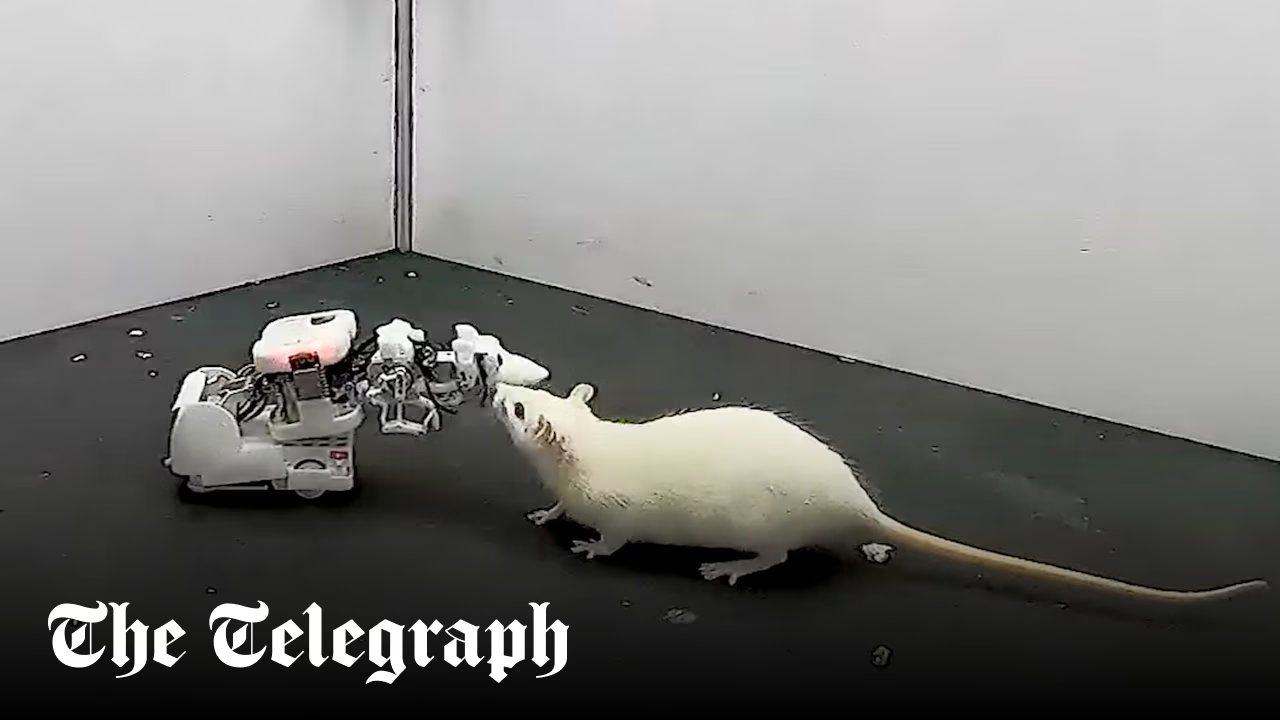
Chinese researchers have developed an AI-powered robotic rat named Smuro, capable of interacting with real rodents by mimicking their body language and social cues. The robot, equipped with a camera and motor, can engage in real-time social interactions, capturing the attention of rats and altering their emotional states. This breakthrough in animal-robot interaction demonstrates the potential for future AI systems to engage in social learning and interaction with living beings, possibly paving the way for similar human-AI interactions.

AI-Powered Robot Rat Socializes with Real Rodents in Labs

Originally Published 1 year ago — by Tech Xplore

Featured image for AI-Powered Robot Rat Socializes with Real Rodents in Labs
Source: Tech Xplore

Researchers at the Beijing Institute of Technology and the Technical University of Munich have developed a rat-like robot capable of socially interacting with real lab rats. Using AI and reinforcement learning, the robot mimics rat behaviors, such as aggression and playfulness, to convincingly engage with real rats. The study, published in Nature Machine Intelligence, suggests these robots could be used to study social interactions and emotional states in lab rats.

"Study Uncovers Intricate Touch Sensitivity in Autism"

Originally Published 1 year ago — by PsyPost

Featured image for "Study Uncovers Intricate Touch Sensitivity in Autism"
Source: PsyPost

A new study in Autism Research reveals that individuals with Autism Spectrum Disorder (ASD) have lower physiological responses to touch but report higher ratings for both pleasant and unpleasant touch sensations compared to typically developing individuals. This highlights a complex relationship between subjective experience and physiological response in people with ASD, which may impact their social interactions and quality of life. The study underscores the need for further research to better understand sensory processing in ASD and its implications for diagnosis and therapy.

"AI: A New Hope for Combating Human Loneliness"

Originally Published 1 year ago — by The Guardian

Featured image for "AI: A New Hope for Combating Human Loneliness"
Source: The Guardian

AI could play a significant role in alleviating human loneliness by providing companionship and helping individuals practice social skills, argues Tony Prescott, professor of cognitive robotics. While some experts caution against over-reliance on AI for meaningful connections, Prescott believes the benefits could outweigh the risks, especially for those facing chronic loneliness.

"Early Social Interaction Boosts Language Development in Babies"

Originally Published 1 year ago — by Neuroscience News

Featured image for "Early Social Interaction Boosts Language Development in Babies"
Source: Neuroscience News

A study from the University of Washington's Institute for Learning & Brain Sciences (I-LABS) using magnetoencephalography (MEG) found that social interactions with adults, characterized by "parentese," smiles, and eye contact, significantly impact infant brain development and language growth. Enhanced brain activity from social interactions at 5 months correlates with better language skills up to 2.5 years old, highlighting the importance of early social engagement in strengthening the parent-child bond and playing a crucial role in the child’s linguistic and cognitive development.