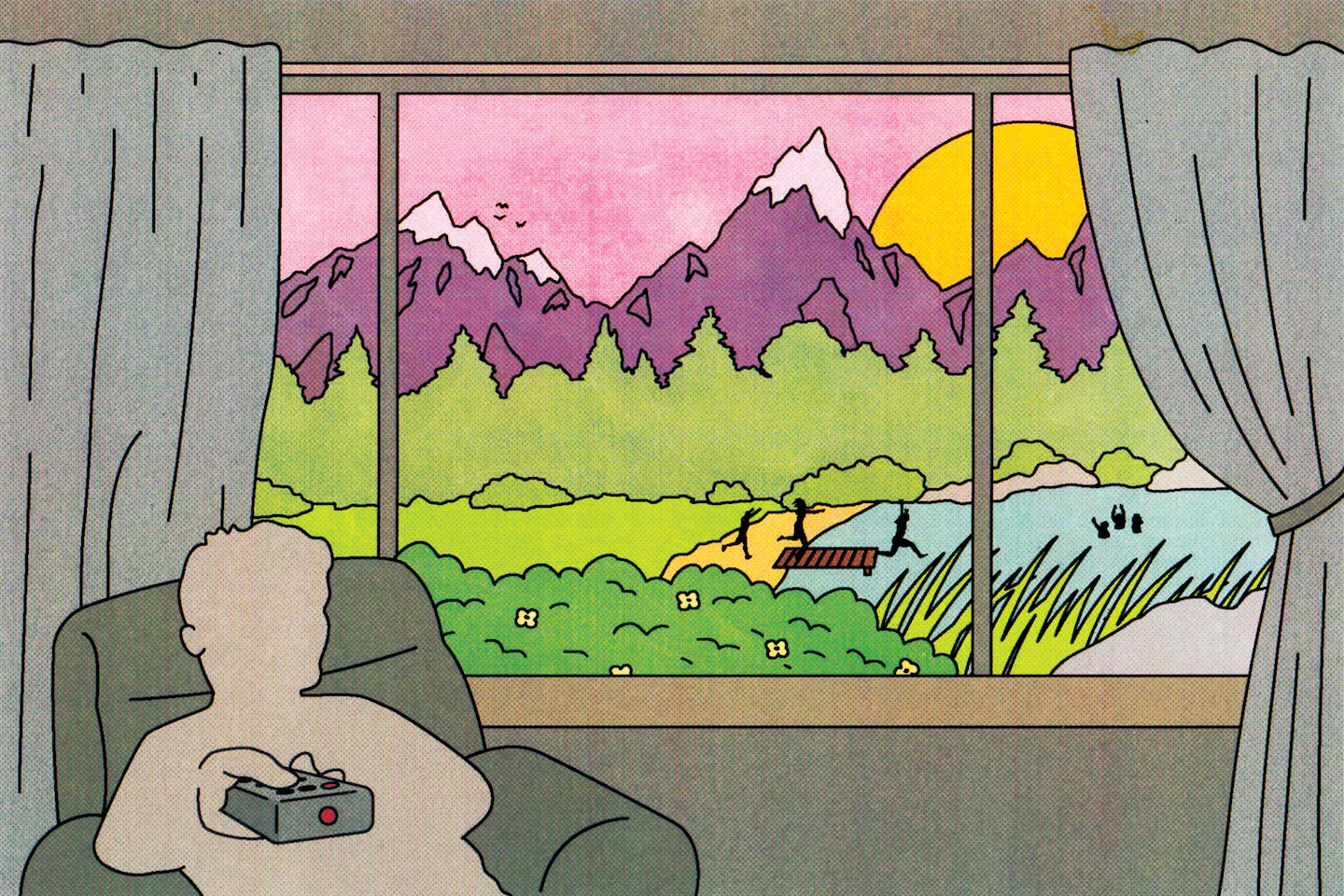
The 1970s mouse experiment by John B. Calhoun, which created a utopian environment that led to societal collapse among mice, is often cited as a warning about overpopulation and societal breakdown, but modern analysis suggests the real issue was social inequality and resource distribution, not abundance itself.
Research reveals that people tend to delay enjoyable activities to maximize their perceived value and avoid spoiling the moment, leading to longer delays over time. Awareness and strategic reframing can help overcome this tendency, encouraging more immediate engagement with happiness-inducing experiences.
Researchers at the Beijing Institute of Technology and the Technical University of Munich have developed a rat-like robot capable of socially interacting with real lab rats. Using AI and reinforcement learning, the robot mimics rat behaviors, such as aggression and playfulness, to convincingly engage with real rats. The study, published in Nature Machine Intelligence, suggests these robots could be used to study social interactions and emotional states in lab rats.
Thanksgiving is a major contributor to food waste in the U.S., with an estimated 316 million pounds of food discarded, equivalent to $550 million. This waste contributes significantly to greenhouse gas emissions. To combat this, experts suggest using smaller plates to reduce initial food servings, which can help decrease waste without leaving guests hungry. This approach leverages the optical illusion of fullness on smaller plates, encouraging more realistic portion sizes and reducing the amount of food thrown away.
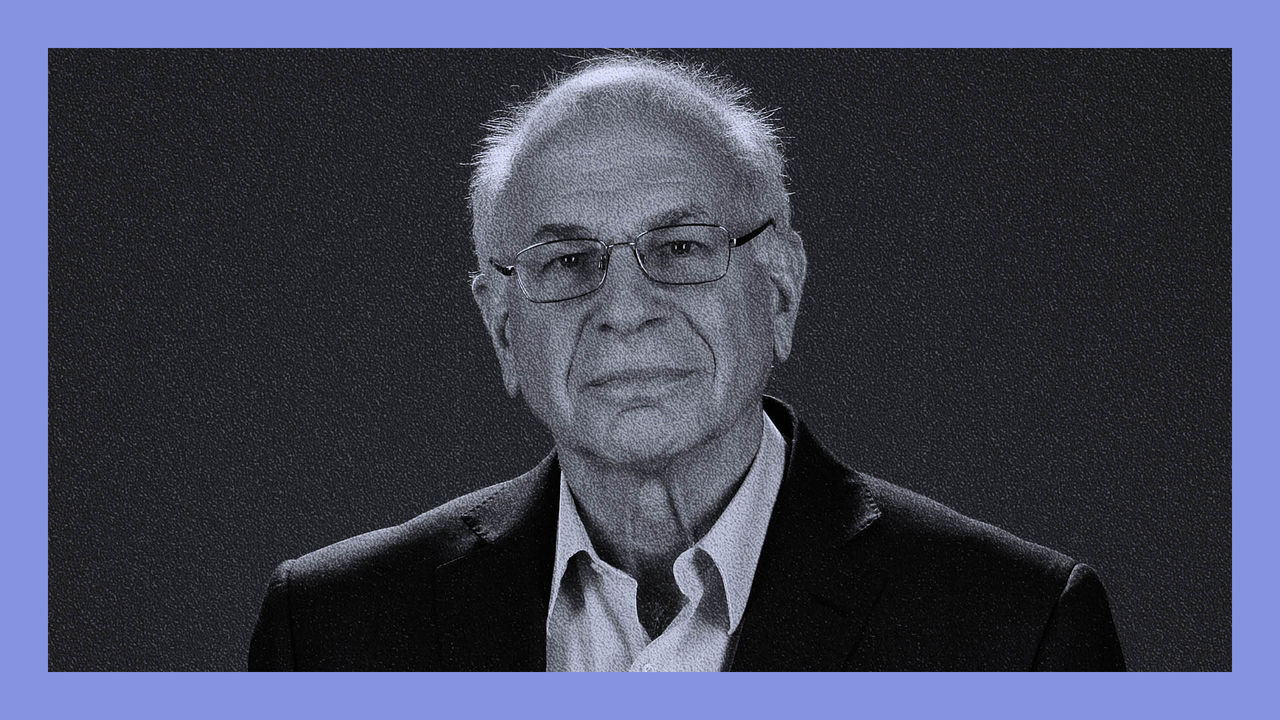
Daniel Kahneman, the renowned behavioral scientist and Nobel Prize-winning psychologist, has passed away at the age of 90. In a podcast interview with Andrew Palmer last year, Kahneman discussed his lifelong research on decision making and strategies for its improvement.
Feeling overwhelmed by stress? Learn how to break the cycle with four behavioral-science-backed techniques that can help you take a break from dwelling on stressful situations, ultimately improving your ability to stay present and set aside issues that can't be immediately solved.
Contrary to the popular belief that it takes 21 days to form a habit, recent research indicates there is no magic number, and the time it takes can vary significantly depending on the complexity of the behavior. Simple habits like handwashing may become automatic in just one to two weeks, while more complex habits such as regular gym attendance can take months. The study suggests that creating habit-friendly environments and using cues can facilitate habit formation. It also warns that once habits are formed, they can make individuals less responsive to changes, even when they are necessary.
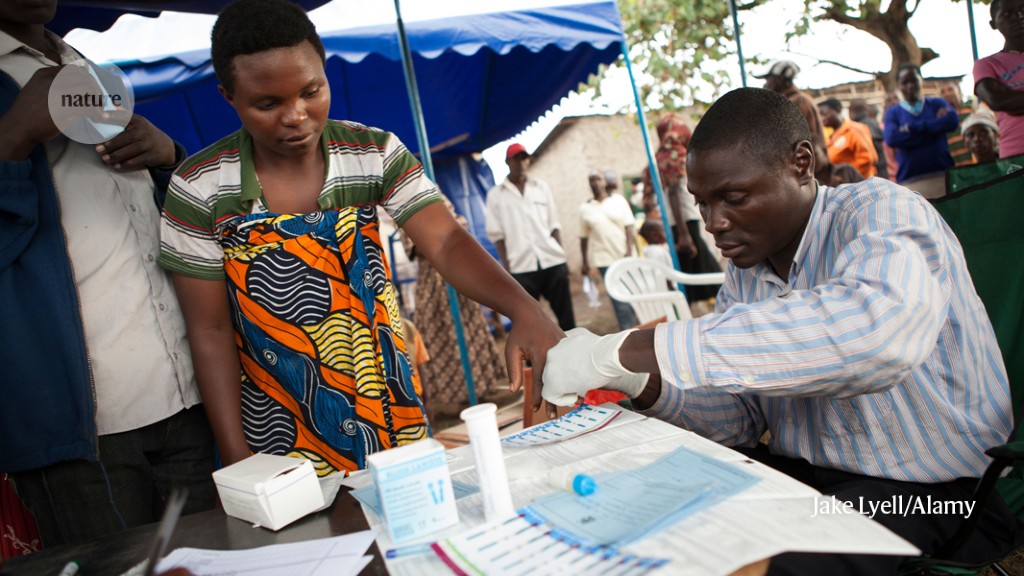
The world has made significant progress in combating HIV/AIDS, with 5.5 million children born free of the disease since landmark studies in the late 1990s. To end the pandemic by 2030, countries must achieve the '95-95-95' targets: 95% of people living with HIV should know their status, 95% should be on antiretroviral therapy, and 95% should have an undetectable viral load. While systems-level changes have been crucial, behavioral science approaches are needed to reach populations most in need. Efforts should prioritize young people, girls and women, sex workers, and the LGBT+ community. Empowering individuals and communities, reducing stigma, and leveraging social networks are key strategies. Investing in innovative strategies that meet individual needs will not only end the HIV/AIDS pandemic but also strengthen global health systems for future challenges.
Behavioral scientist Jiaying Zhao suggests "feng shui-ing" your fridge to reduce food waste. By rearranging your food so that the most perishable items are most visible, you are more likely to remember to eat them before they spoil. Zhao recommends putting perishables in the doors and durable items in the drawers, using the "first in, first out" principle to prioritize older items. This small change in refrigerator organization can have a significant impact on reducing food waste, which contributes to greenhouse gas emissions and is costly for households.
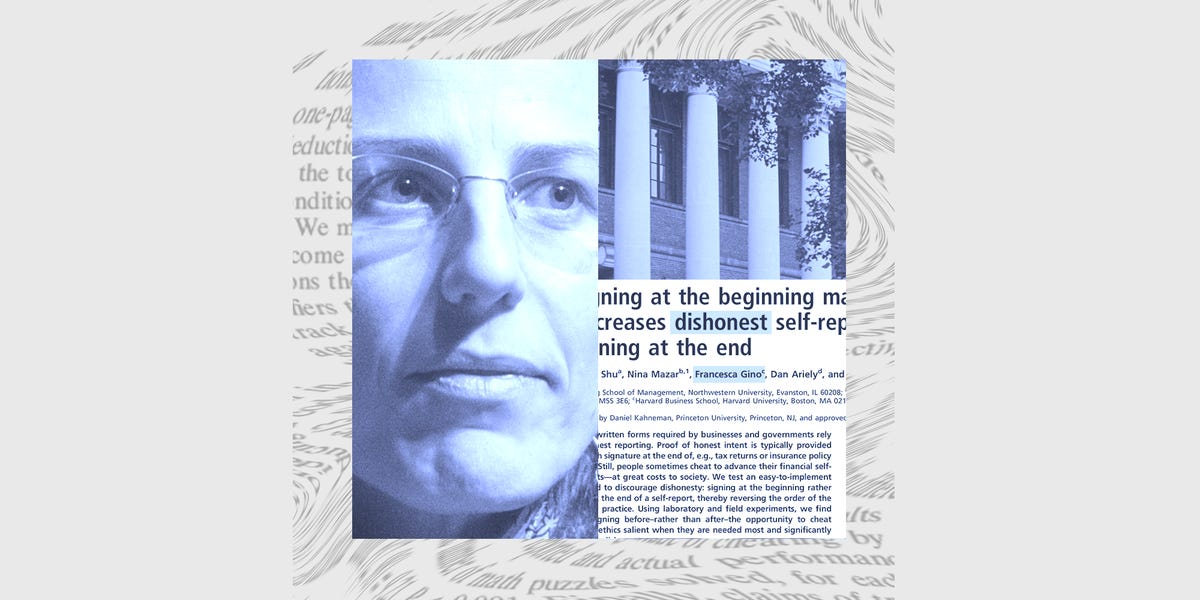
Harvard Business School has placed renowned professor Francesca Gino on leave following accusations of research fabrication. Gino, who specialized in the study of dishonesty, has been accused of falsifying her research over a decade, with at least three articles retracted so far. An independent academic watchdog, Data Colada, alleges that Gino manipulated data in her studies. Harvard has concluded its investigation but has not yet commented on the findings. Gino's research collaborators, who number over 100, may also face consequences. This incident follows a similar investigation into Stanford University president Marc Tessier-Lavigne, highlighting the need for additional verification of academic research.
Harvard Business School professor Francesca Gino, known for her work in behavioral science, has been placed on administrative leave following allegations of data fraud. An internal investigation by Harvard revealed evidence of falsified research data, with claims that many more of Gino's papers may contain fake data. Gino, who has coauthored papers with over 100 people, could face severe consequences, including the destruction of years of research and damage to numerous careers. The allegations highlight concerns about the pressure to publish and the prioritization of fame and profit over scientific integrity in academia.
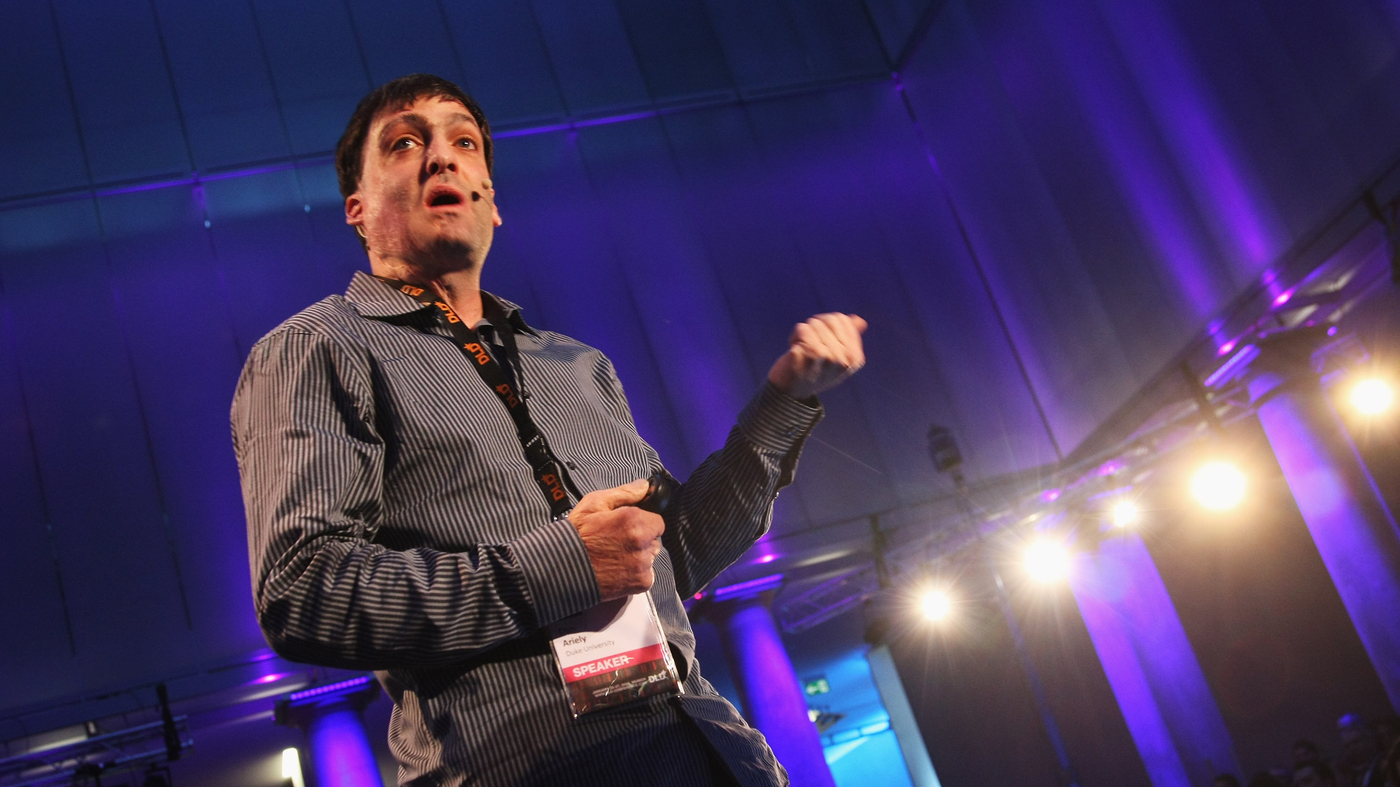
Questions have been raised about whether the data used in a famous research paper on honesty by behavioral scientists Dan Ariely and Francesca Gino was fabricated. The insurance company, The Hartford, confirmed that the data it provided for one study had been altered before publication. Ariely denies responsibility for the falsified data.
Francesco Gino, a leading scholar on honesty and a behavioral scientist at Harvard Business School, has been accused of fabricating data in multiple studies by three peers in behavioral science. The trio has found evidence of bogus data in four studies and believes that many more Gino-authored papers contain fake data. Gino is now on administrative leave and has not commented on the controversy. The controversy has rocked the academic world of behavioral science because Gino has many collaborators and is a leading scholar in the field.
A new study by Caltech, published in the Proceedings of the National Academy of Sciences, reveals that habit formation varies greatly, with gym habits taking six months to establish on average, while healthcare workers form a hand-washing habit in a few weeks. The study emphasized the power of machine learning in researching human behavior outside lab conditions, and is the first to use machine learning tools to study habit formation. The researchers employed machine learning to analyze large data sets of tens of thousands of people who were either swiping their badges to enter their gym or washing their hands during hospital shifts.