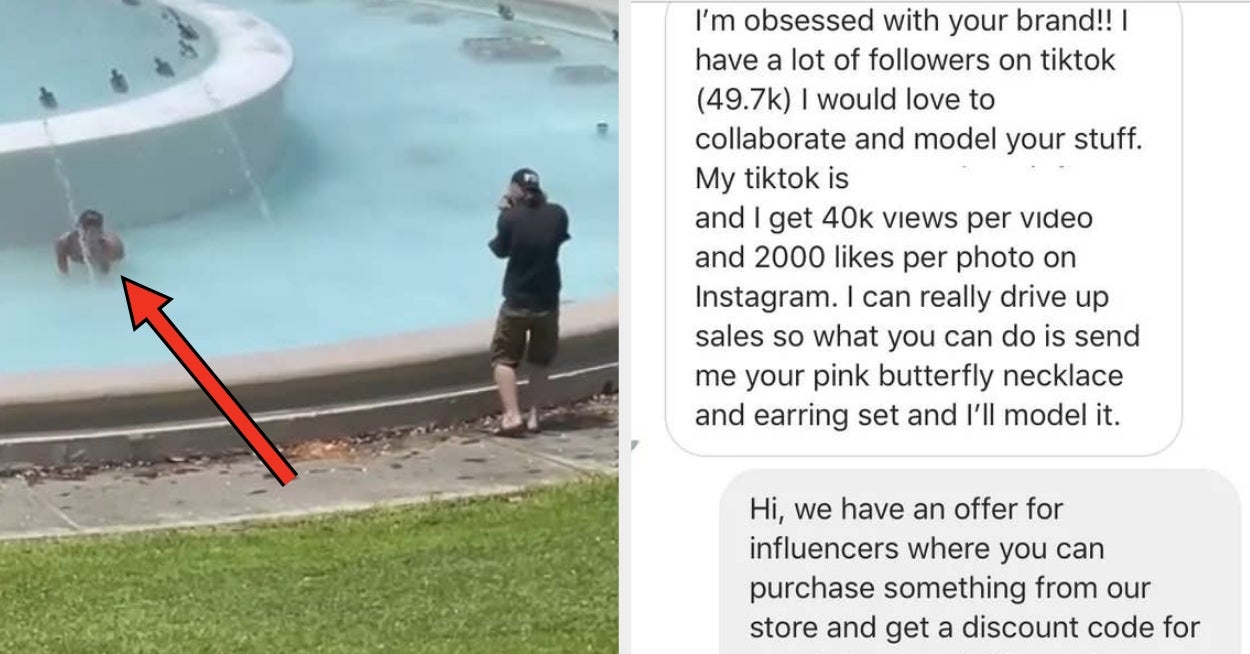
The article criticizes certain influencers for their reckless and entitled behavior in public spaces, highlighting issues like hogging locations for photos, lack of self-awareness, and the obsession with documenting everything, which often leads to dangerous or disrespectful situations.
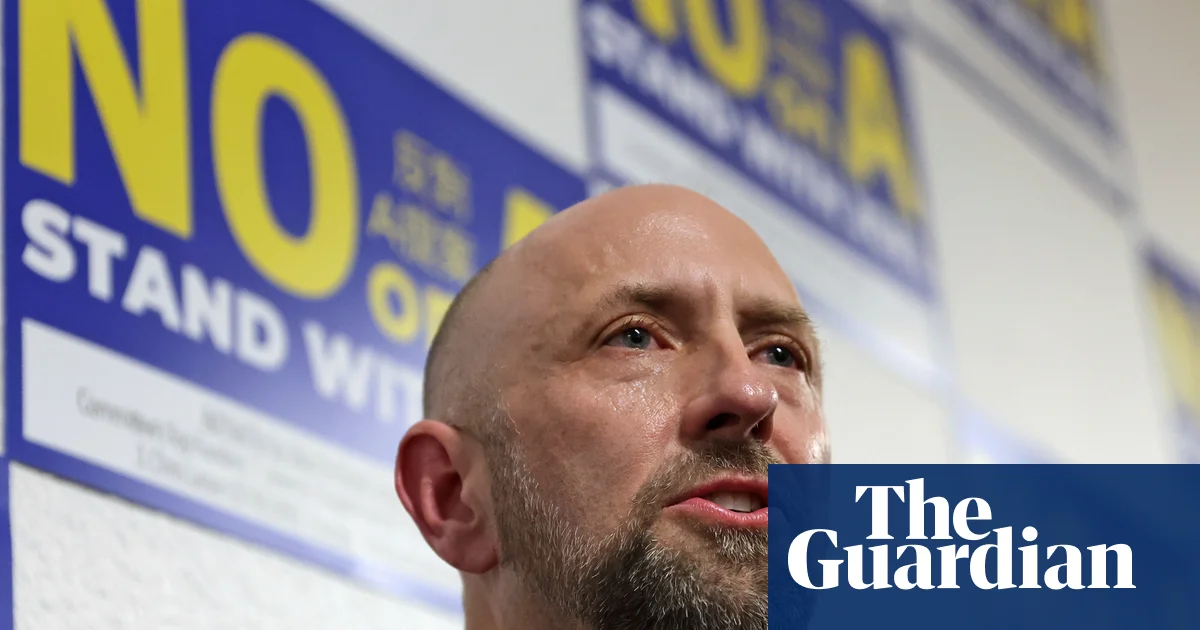
A San Francisco supervisor, Joel Engardio, was recalled after advocating for turning a coastal highway into a car-free park, highlighting tensions between environmental initiatives and local residents' concerns about traffic and quality of life. Despite his support for the project, the recall reflects ongoing political and community debates in the city about development and public space priorities.
A study using AI and historical footage reveals that pedestrians in three northeastern U.S. cities walk 15% faster and spend less time in public spaces since 1980, likely due to digital communication and the rise of indoor venues like coffee shops, indicating a shift in urban social dynamics.
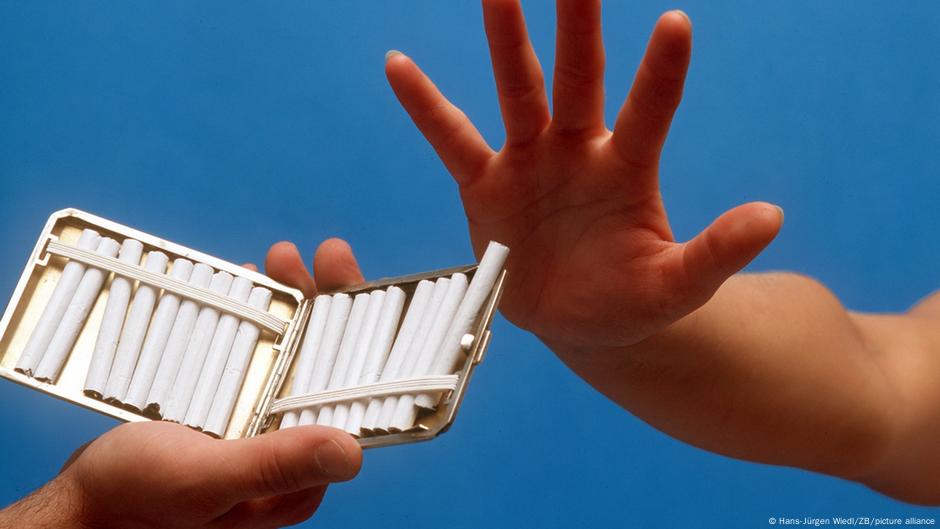
France has implemented a new ban on smoking in beaches, parks, and other public spaces to protect children from passive smoking, with fines for violations, as part of its efforts to create a tobacco-free generation by 2032, despite a still-high smoking rate among adults and youth.
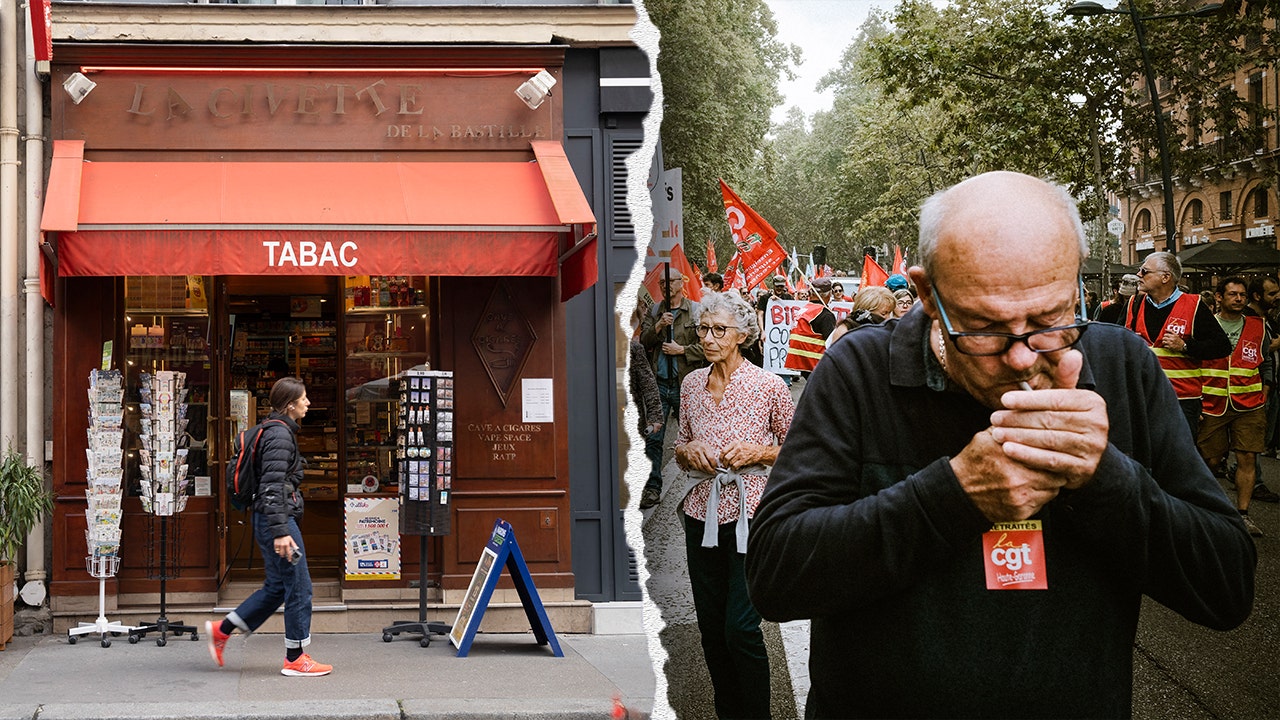
France is implementing its most comprehensive smoking ban to date, prohibiting smoking in outdoor public spaces where children gather, such as beaches, parks, and school entrances, reflecting a significant cultural shift despite longstanding associations of smoking with French identity and cinema. The law aims to protect children's health and aligns with broader European trends, though reactions vary from acceptance to nostalgia.
France is implementing a nationwide outdoor smoking ban starting July 1, prohibiting smoking in beaches, parks, and near schools to improve air quality, with fines up to $153 for violations, while exempting outdoor cafés and excluding e-cigarettes for now, reflecting a broader effort to reduce smoking-related health issues.
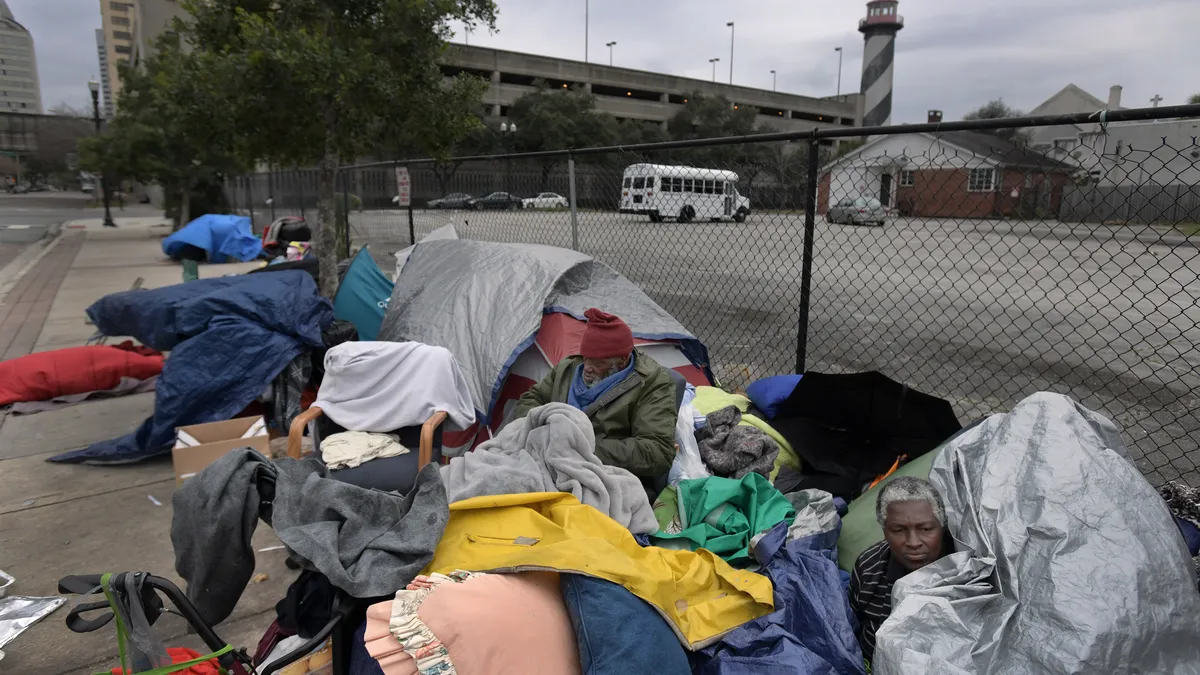
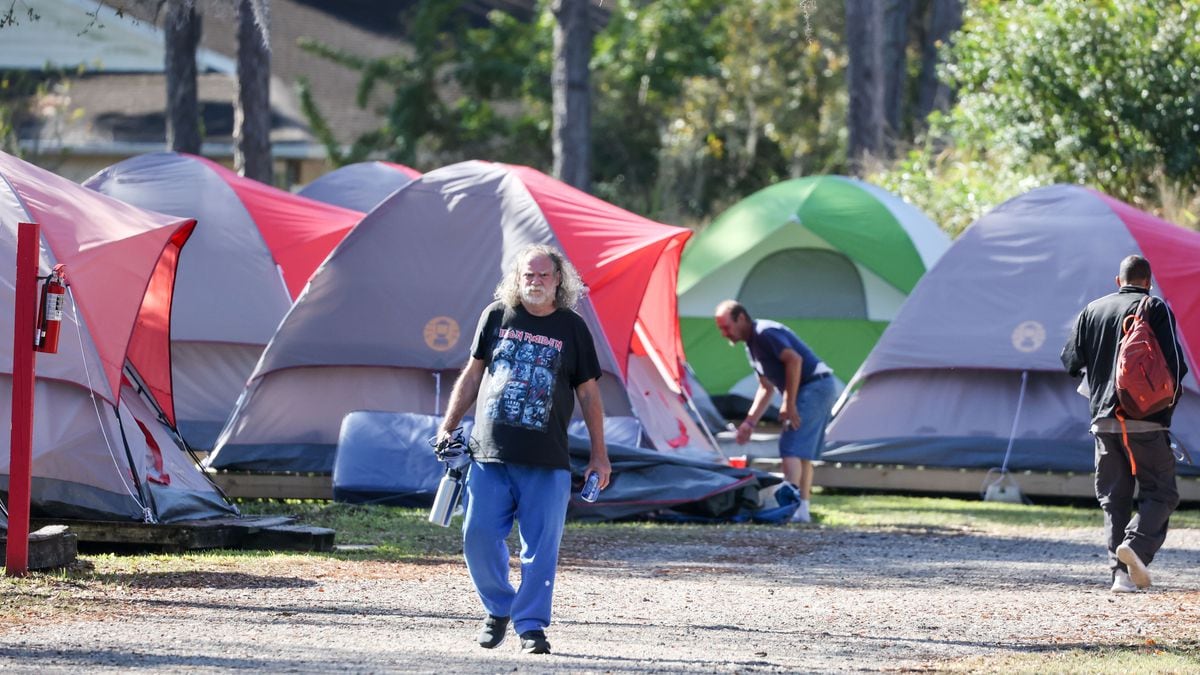
Florida Gov. Ron DeSantis signed a bill prohibiting homeless individuals from camping or sleeping on public property, aiming to provide "wraparound services" and ensure clean and safe streets. The legislation requires municipalities to designate specific public spaces for camping if shelters are full, but critics argue that the $30 million allocated for this measure is insufficient. The law, effective from October 1, has drawn criticism for unfairly targeting a vulnerable population and placing limits on struggling municipalities dealing with homelessness.
Florida Governor Ron DeSantis signed a law banning homeless people from sleeping in parks and public spaces, with the option for communities to create approved camps. Critics argue that the law lacks support from studies or data and is more focused on removing homeless people than helping them. The legislation exempts some counties from providing required services at camps and allows for lawsuits against local governments to force compliance. While DeSantis emphasized the need to address behavioral health and substance abuse, opponents advocate for a housing-first approach to homelessness.
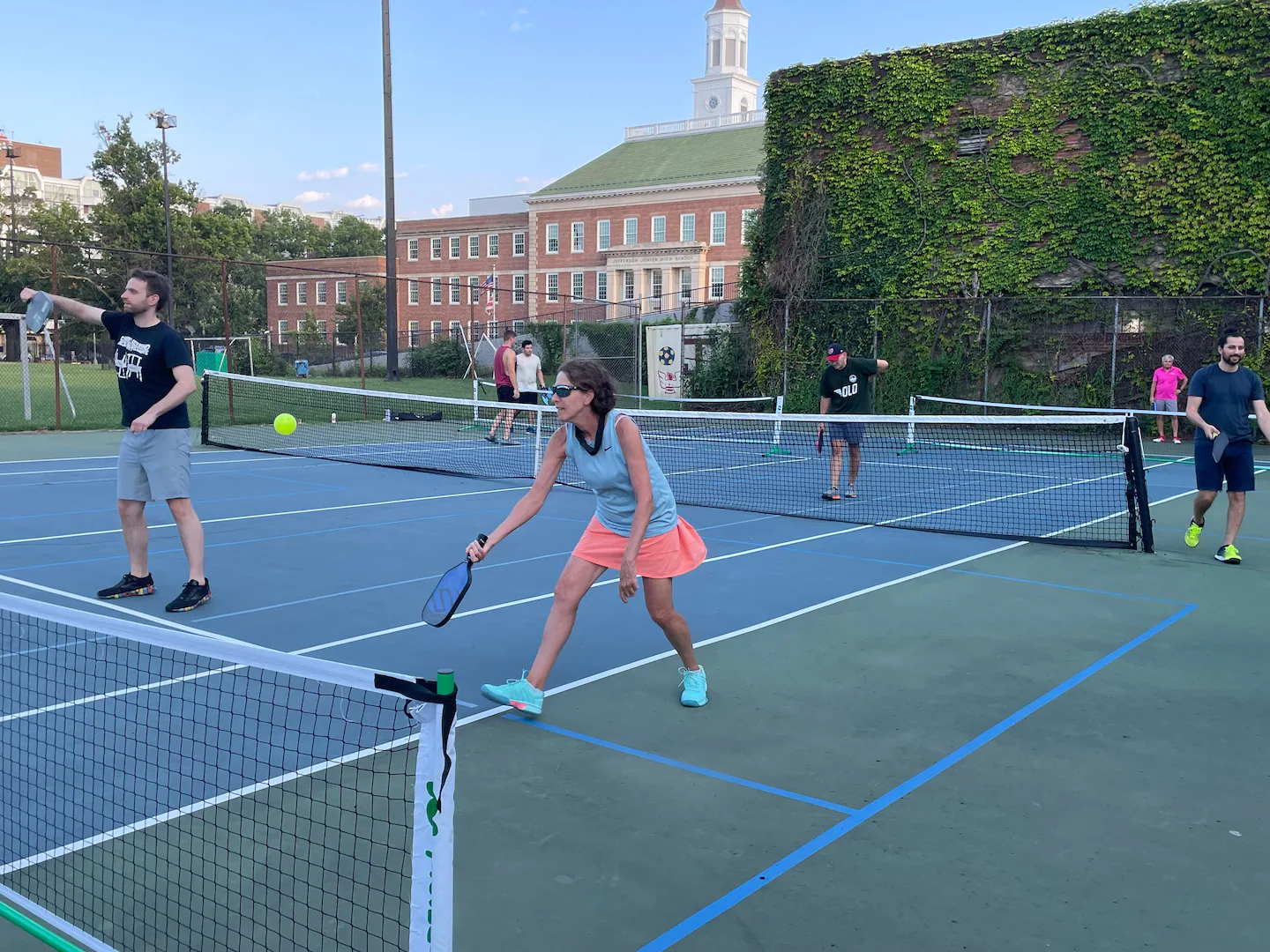
Pickleball players in Washington D.C. are facing tensions with tennis players and other users of public courts as the sport's popularity surges. Complaints range from noise levels to court space disputes, with some accusing pickleball players of "colonizing" the courts. The city's Parks and Recreation Department is working to address the conflict by converting underutilized tennis courts into dedicated pickleball courts, but the locations have not yet been announced. The $750,000 allocated for court conversions has sparked both support and criticism, highlighting the challenges of managing limited public court space and accommodating the growing demand for pickleball.
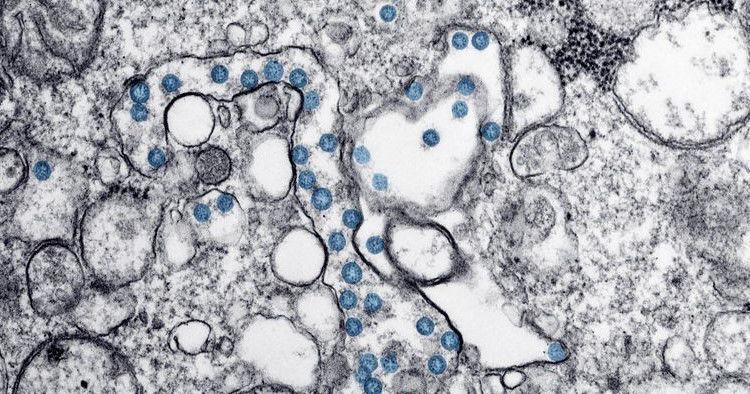
Researchers at Washington University have developed an air monitor that can detect the presence of SARS-CoV-2, the virus responsible for COVID-19, in just five minutes. The monitor works by pulling a high volume of air into the device and uses a sensor to detect viral particles. The researchers plan to commercialize the monitor for use in public spaces like hospitals and schools to help prevent the spread of COVID-19. They also aim to expand its capabilities to detect other pathogens in the future.
The 9th Circuit Court, the most powerful federal appeals court in the western United States, has ruled that cities and towns cannot force homeless individuals off the streets unless they provide adequate shelter for them. This decision has been a point of contention for cities across the west coast, including Los Angeles, where a shortage of shelters has led to the acceptance of encampments. The court's ruling highlights deep political divisions and the influence of former President Donald Trump's judicial appointments. Some believe the ruling will provide relief for the unhoused and reduce harassment, while others argue that it exacerbates the homelessness crisis.
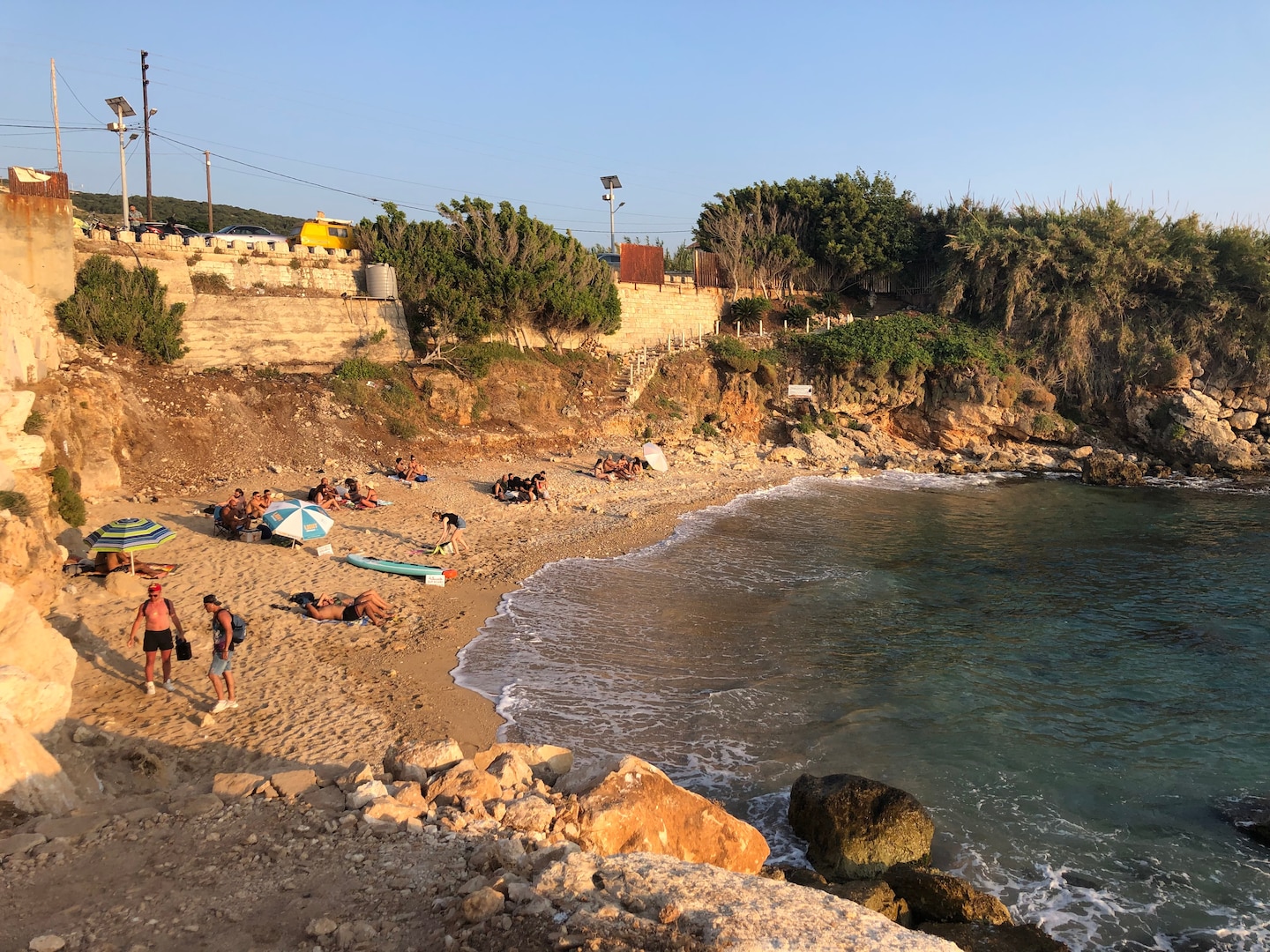
Activists in Lebanon are fighting against the dwindling availability of public spaces in the country, which is a result of growing inequality, political corruption, and the power of private interests. Many public gardens are closed or require permits, leaving limited options for people to enjoy open spaces. Activists have resorted to makeshift solutions, such as converting parking lots into playgrounds. The privatization of land, including beaches, has further restricted public access. Activists have mobilized to save public spaces, but face challenges from developers and prejudice. The availability of public spaces plays a crucial role in fostering social cohesion and a sense of community.
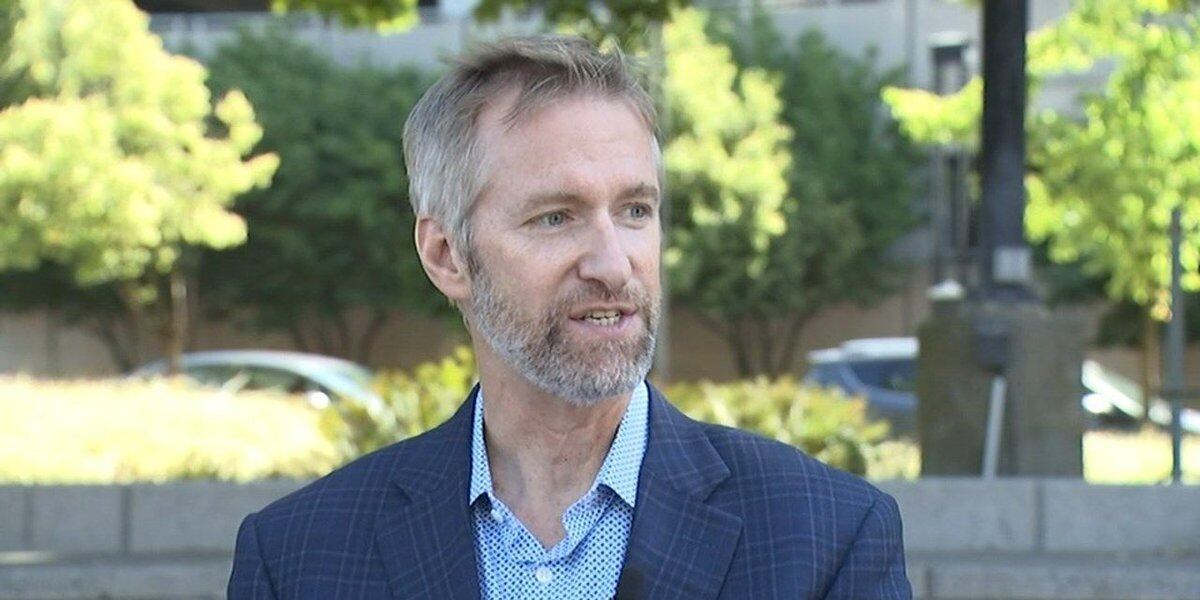
Portland Mayor Ted Wheeler is proposing an ordinance to ban drug use in public spaces, which would be added to the city ordinance already prohibiting public consumption of alcohol. The proposal follows Measure 110, which decriminalized the personal possession of controlled substances. People found in violation may receive a fine of up to $500 or up to six months jail time as determined by the courts.
Demi Lovato finds it "exhausting" to identify as non-binary and deal with pronouns, saying it's difficult to use women's restrooms and fill out forms with only two gender options. Lovato hopes for more gender-neutral public spaces in the future. The singer initially came out as non-binary in May 2021 and changed her pronouns to "they/them," but later readopted she/her pronouns in August 2022. Despite the challenges, Lovato believes going public was the right decision and hopes to inspire and help others feel more comfortable in their skin.
Portland City Council has passed an ordinance that bans camping in public places from 8 a.m. to 8 p.m. starting July 7. The ban also forbids camping near parks, docks, schools, and construction zones. Repeat violators will face a $100 fine or 30 days in jail. The Portland Police Bureau will manage enforcement, but there are concerns about the impact on those living on the street and frontline workers. Some say they're worried about the ban's impact on the homeless, and that more time was needed to vet the conditions and allow for outreach.