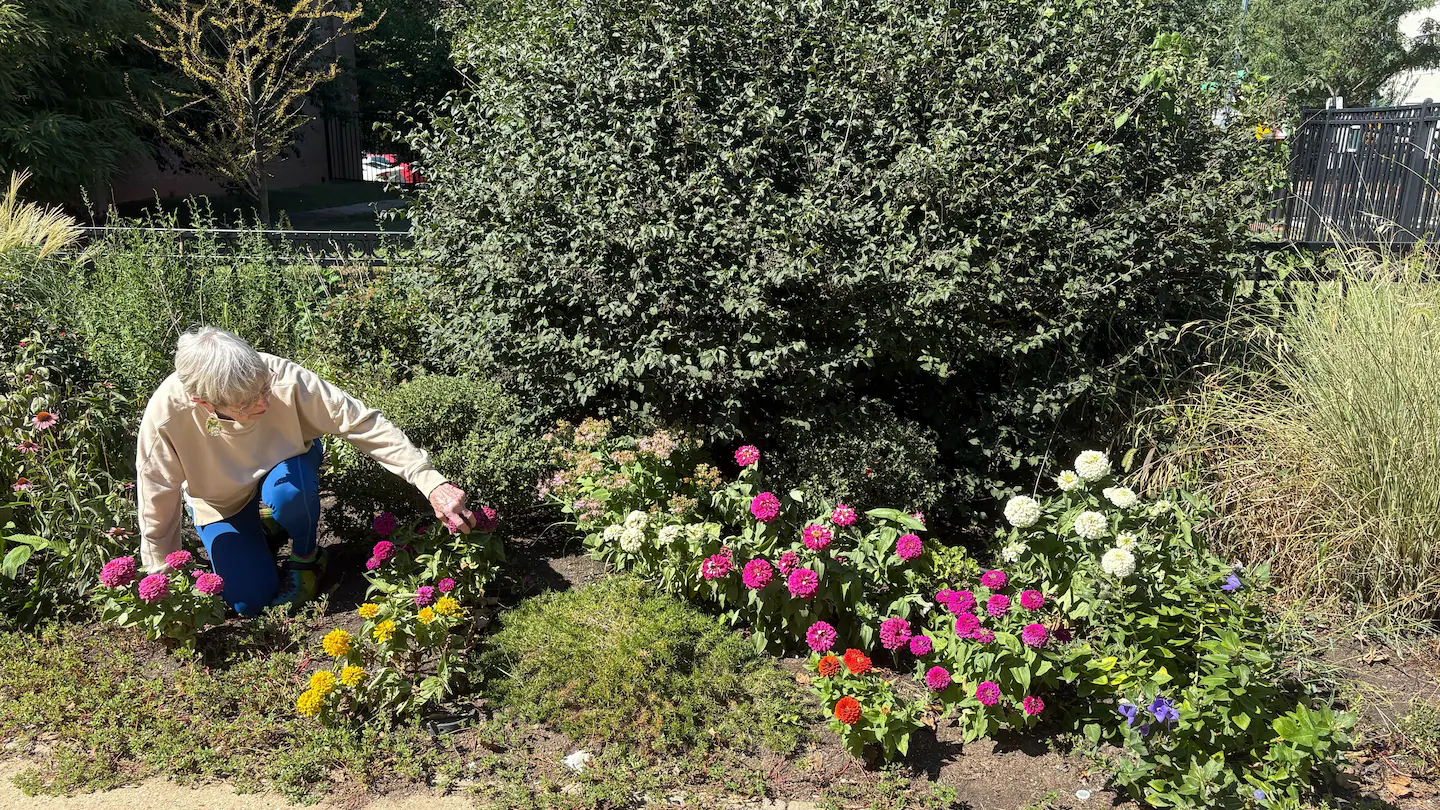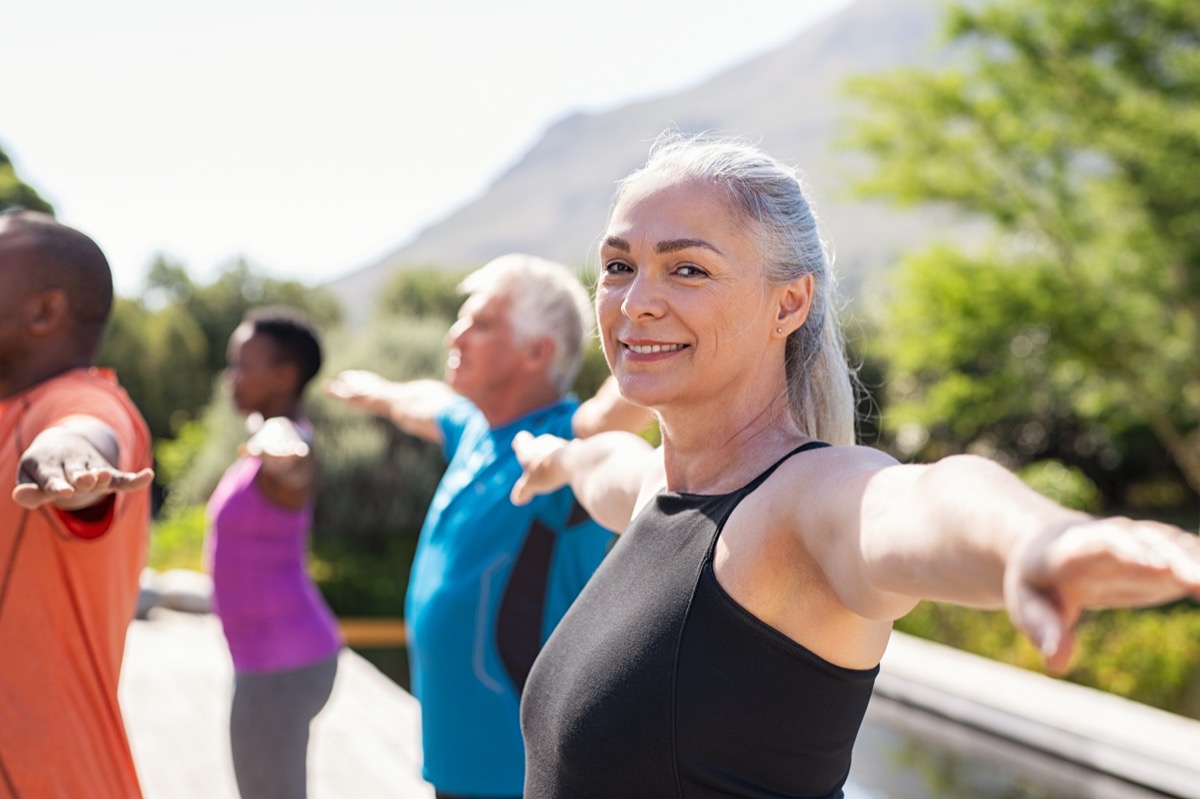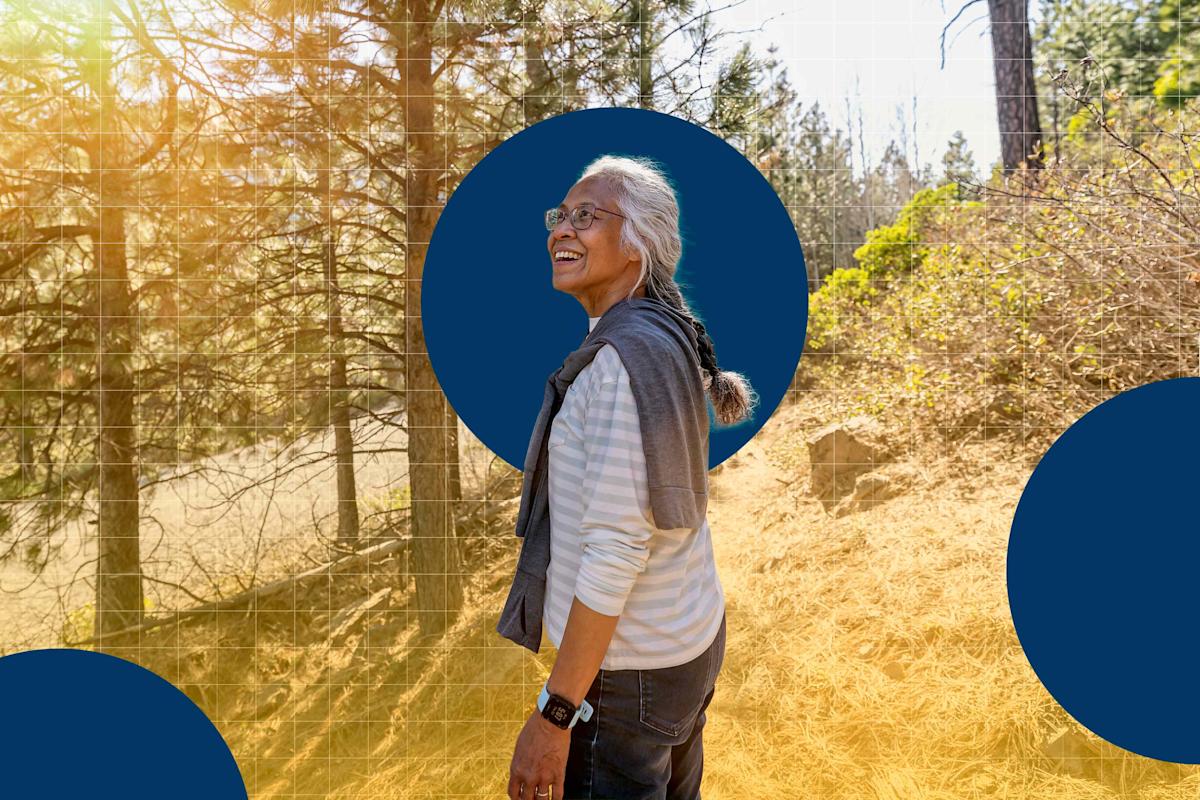
Gerontologist Susie DiGiovanna shares her 'three A's' of healthy aging—activate, adult, and accept—emphasizing the importance of staying social, active, and adaptable to promote longevity and a joyful life. She highlights practical steps like socializing, planning for the future, and embracing change to improve quality of life as we age.
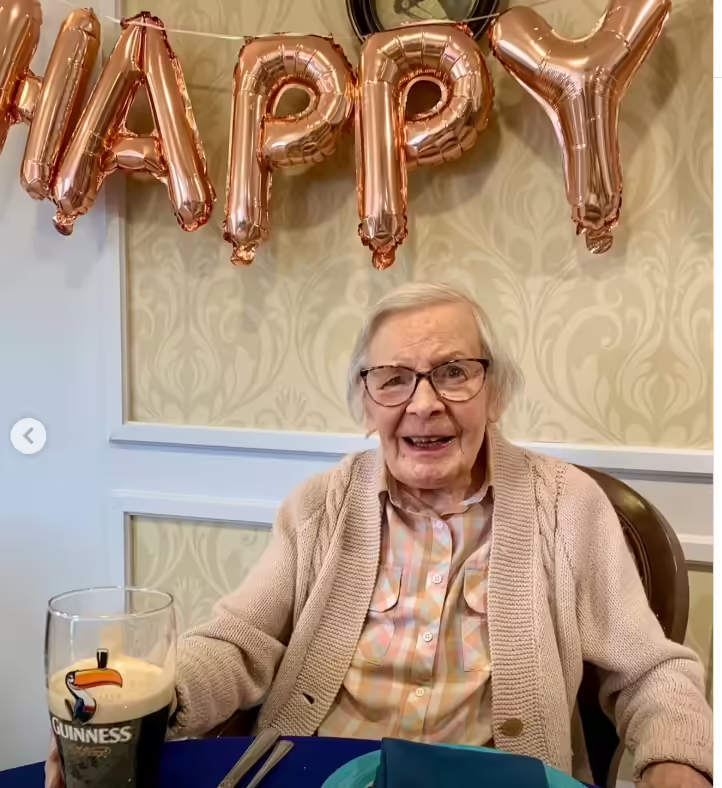
105-year-old Kathleen Hennings from England shares her secrets to a long life, emphasizing stress avoidance through independence and happiness, maintaining a sense of humor, staying socially active, and enjoying life’s pleasures, with a quirky mention of her Guinness stout consumption. Her lifestyle aligns with scientific findings that stress reduction, physical activity, and social engagement promote healthy aging.
The article highlights Ednajane 'E.J.' Truax, a 'super ager' who defies typical aging challenges through regular physical activity, social engagement, and a positive attitude, exemplifying research that shows staying active is key to thriving into old age.
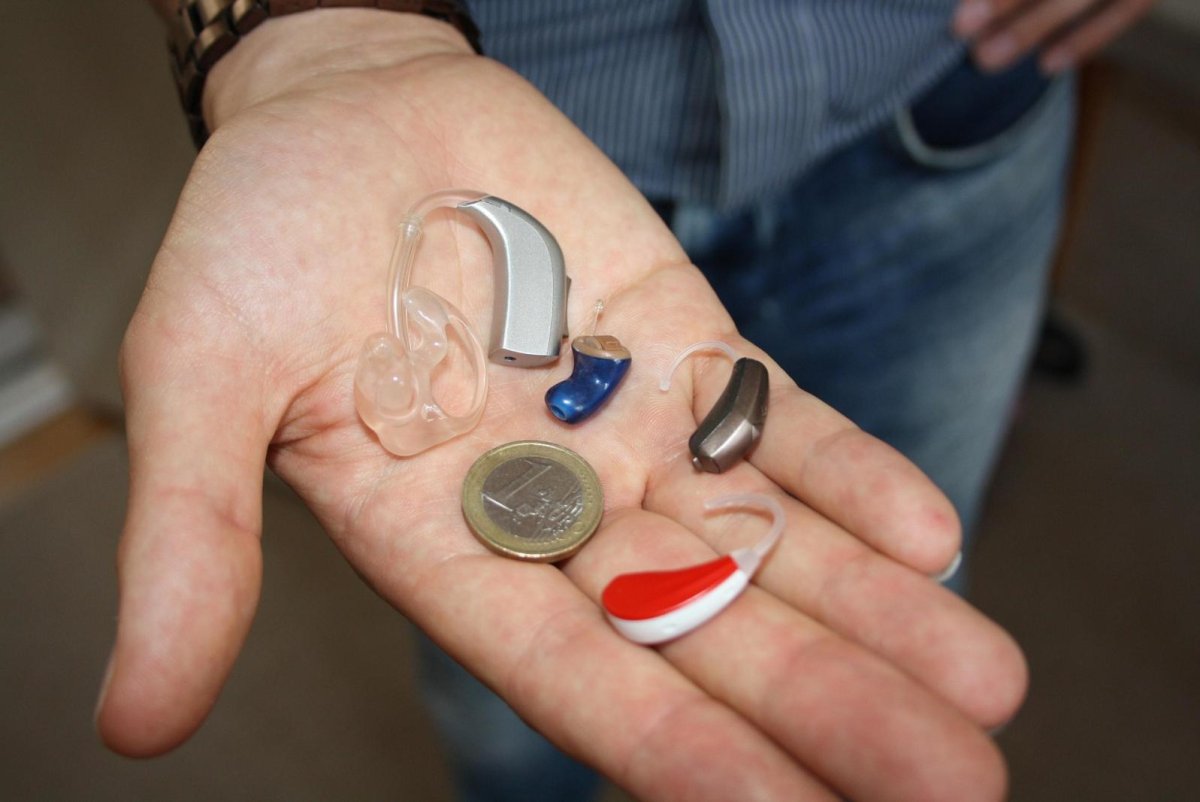
A review of 65 studies shows that hearing aids significantly enhance social engagement, reduce loneliness, and may help prevent cognitive decline, yet only 16% of those who need them use these devices due to stigma, cost, and hassle.
Health experts suggest that certain habits often considered bad for immune health, such as eating lots of fruit, taking fewer supplements, exposing oneself to sun and cold temperatures, incorporating animal proteins, and going to social gatherings, can actually support the immune system. These habits provide essential nutrients, promote vitamin D production, enhance immune function, and reduce stress and inflammation. Embracing these habits, along with maintaining good sleep, managing stress, and supporting gut health, is crucial for long-term immune health.
Maintaining optimal brain health is crucial for overall well-being and cognitive function, and incorporating activities such as regular exercise, mental stimulation, adequate sleep, healthy nutrition, and social engagement can significantly enhance brain health and cognitive function. These activities promote blood flow to the brain, stimulate different areas of the brain, consolidate memories, provide essential nutrients, and stimulate various cognitive functions, ultimately supporting a fulfilling and mentally sharp life.
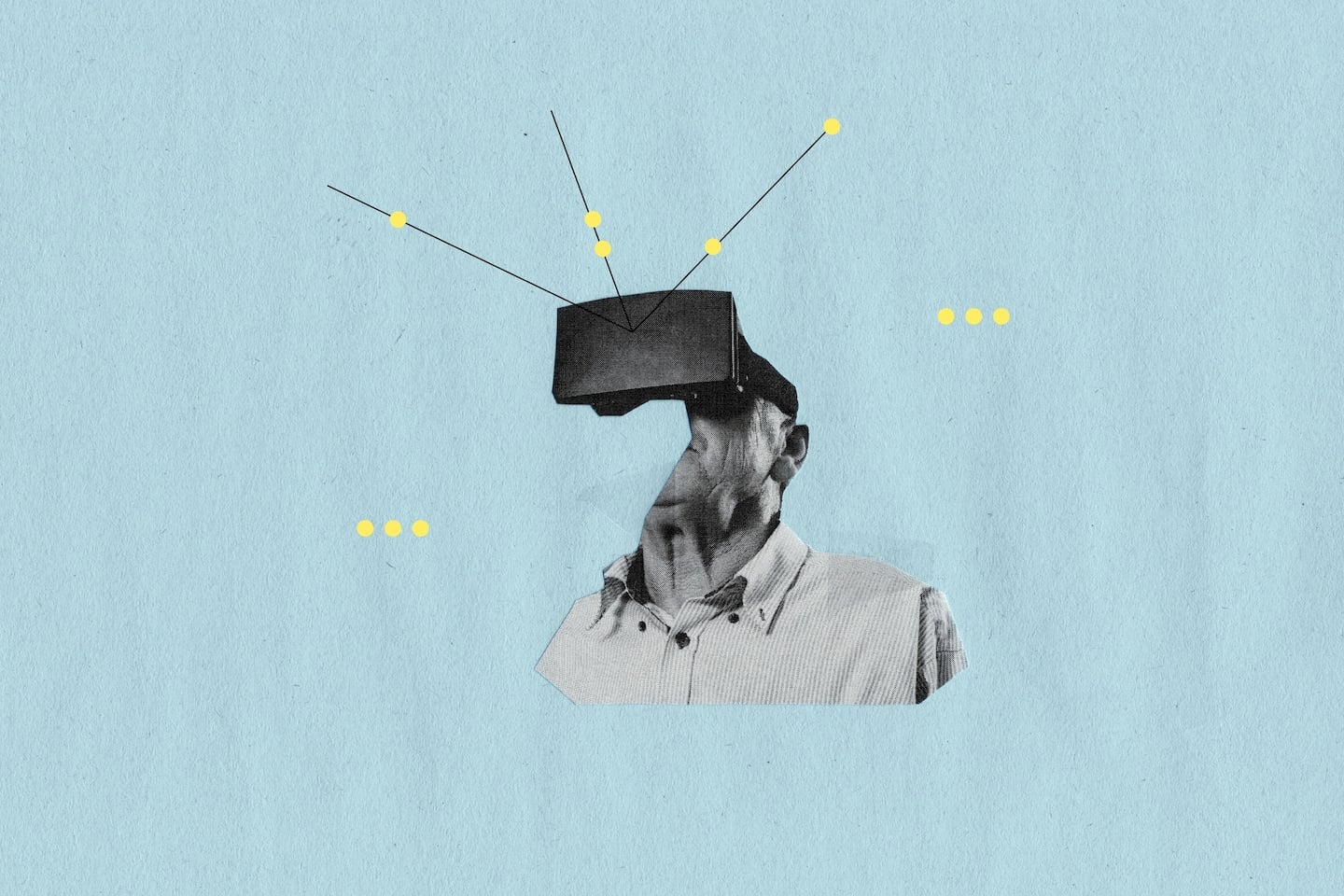
Virtual reality (VR) is gaining popularity in senior living facilities as a tool to combat low moods, memory loss, and loneliness among older adults. VR programs offer therapeutic and social benefits, helping residents feel less isolated and more engaged. Studies have shown that VR can improve mood and reduce feelings of depression and isolation. However, as the elder-care industry embraces VR, it is important to establish clear privacy rules and standards to protect sensitive data and ensure the technology is used responsibly. While VR may not be suitable for all seniors, it has the potential to revolutionize fields like geriatric physical therapy and provide engaging experiences for older adults.
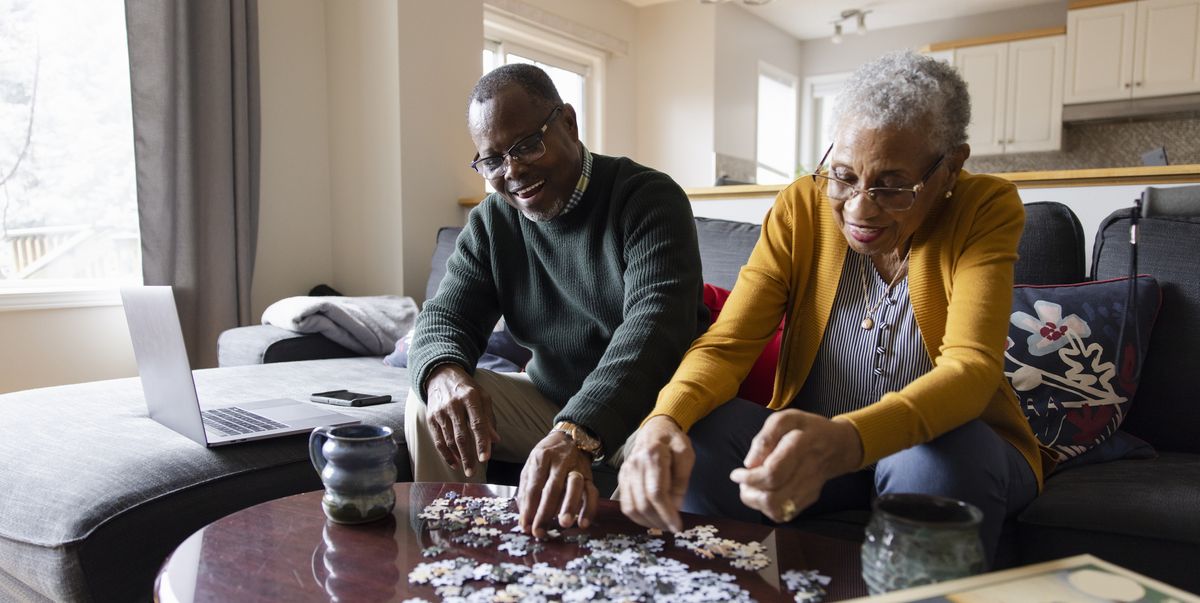
Engaging in games and puzzles that exercise the brain may reduce the risk of developing dementia in older adults, according to a new study. Activities such as using a computer, taking educational classes, playing games, cards, chess, puzzles, or crosswords were associated with a 9% to 11% lower likelihood of dementia. Social activities and the number of close friends and family, however, did not show a significant association with dementia risk. The study highlights the importance of maintaining an active and intellectually stimulating lifestyle, fostering social connections, and adopting a comprehensive approach to brain health, including a healthy diet, regular exercise, stress management, and sufficient sleep.
Staying physically active after retirement is crucial for maintaining health and well-being. Establishing an exercise routine, engaging in hobbies or activities you enjoy, joining team sports for social connections, incorporating movement breaks throughout the day, and prioritizing flexibility and mobility workouts are all motivating ways to stay active. By challenging age-related limitations and gradually increasing activity levels, retirees can maintain motivation and enjoy a healthier future.
Pepe (PEPE) has surpassed Bitcoin (BTC) and Shiba Inu (SHIB) in social engagement activity, according to social analytics platform LunarCrush. The frog-themed token saw a jump in social sentiment after discussions and mentions of it soared on social media. The increase in social engagement activity is attributed to Elon Musk's indirect mention of Pepe in a tweet and the Gemini 1 billion PEPE giveaway campaign. At press time, PEPE had pared its intraday gains, down 8.09% in the last 24 hours at $0.000001791.
Dr. Patrick Porter, a neuroscience expert, shares six tips for maintaining optimal brain health, including getting enough sleep, engaging in physical activity, eating brain-boosting foods, using brainwave entrainment technology, being social, and practicing mindfulness and meditation. These practices can improve cognitive function, reduce stress and anxiety, and promote overall well-being.