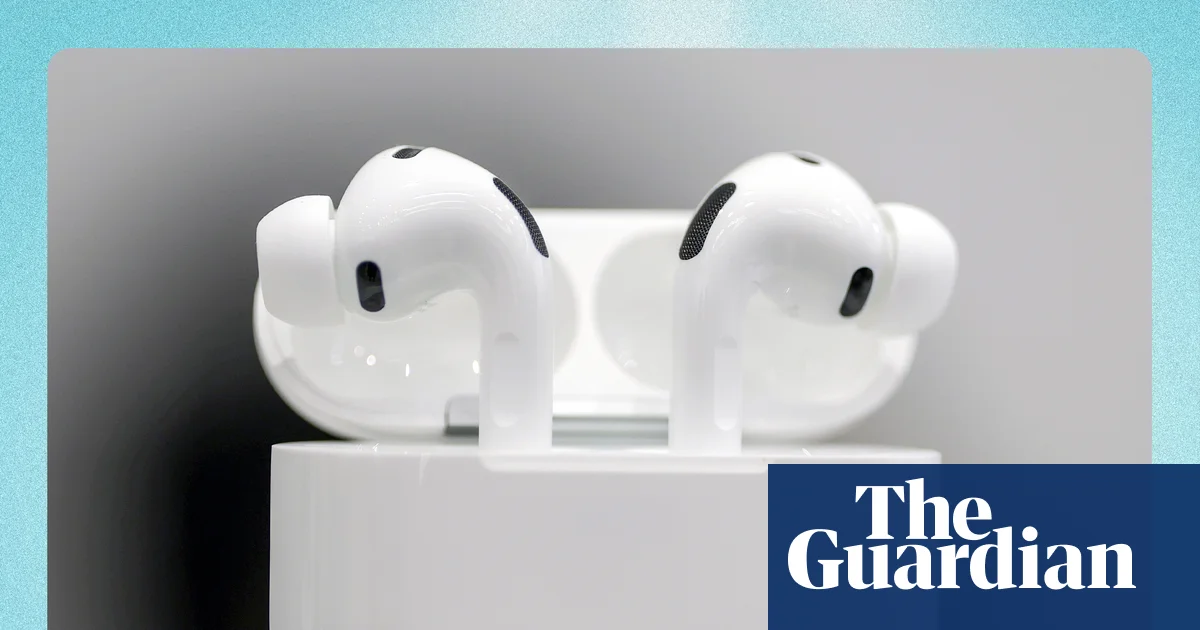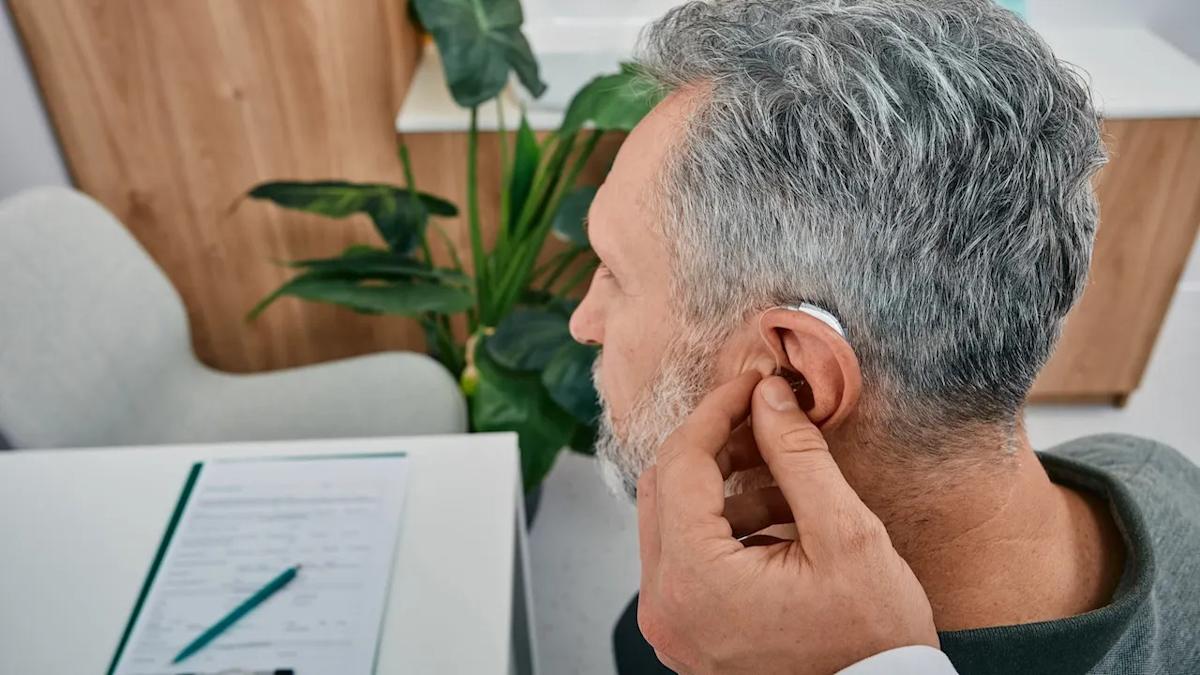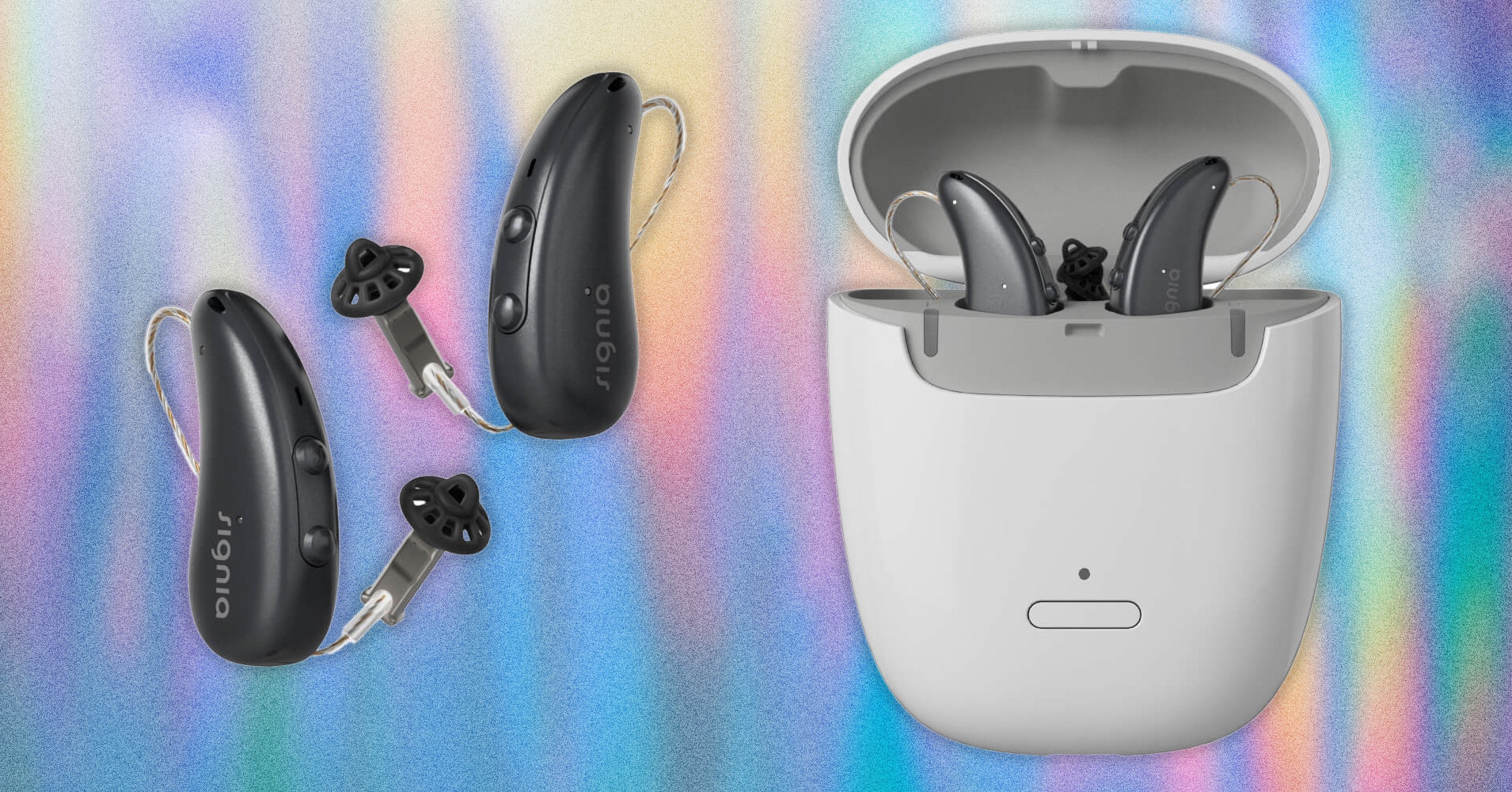
The article compares Apple's AirPods Pro 3 to traditional hearing aids, highlighting their affordability, ease of use, and effectiveness for mild to moderate hearing loss, while noting limitations in battery life and professional support. It suggests AirPods as a good first step for those hesitant to invest in traditional hearing aids, emphasizing their role in reducing stigma and improving accessibility.
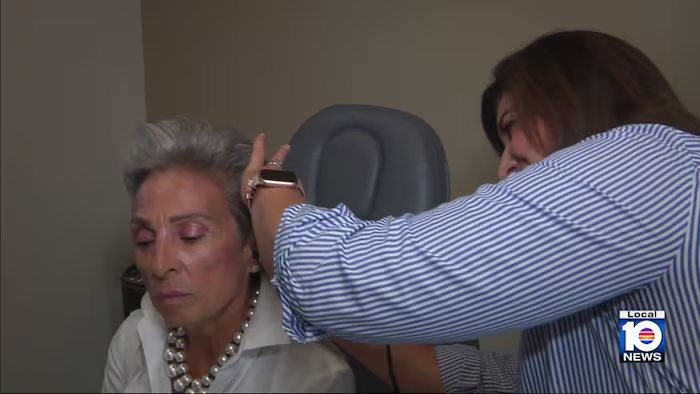
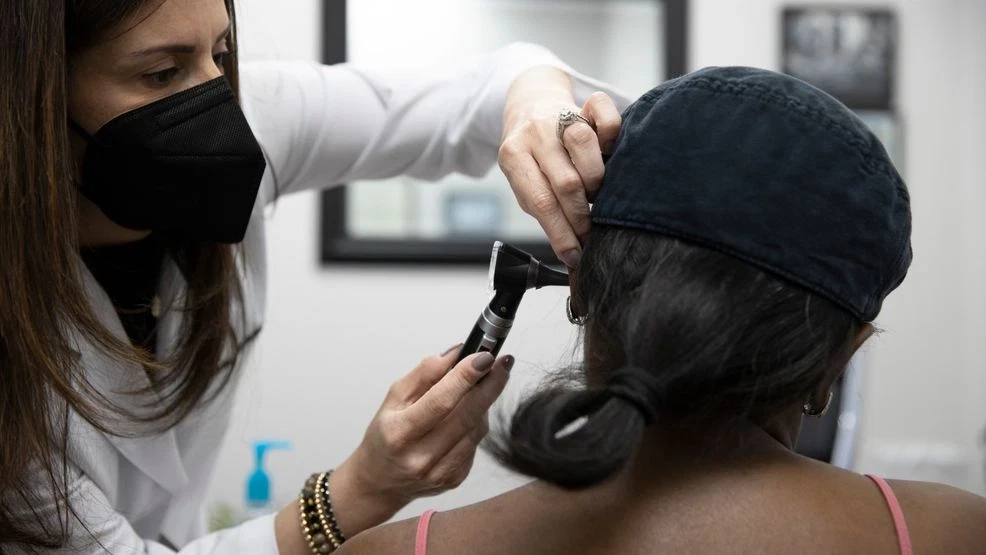
A woman discovers her hearing loss was caused by earwax buildup, which was easily treatable, highlighting the importance of proper diagnosis and communication about hearing issues in families. The article also discusses the challenges of addressing hearing loss in loved ones and the importance of patience and gentle encouragement.
A recent study found that early use of hearing aids in adults under 70 with hearing loss can reduce the risk of dementia by over 50%, highlighting the importance of addressing hearing issues early to promote brain health and prevent cognitive decline.
Research indicates that AI-powered hearing aids can significantly reduce the risk of dementia by improving hearing and social engagement in older adults, with studies showing a potential 60% risk reduction when using hearing aids. Advances in technology have made these devices more effective and user-friendly, encouraging proactive management of hearing health to support cognitive well-being.
Research indicates that using hearing aids before age 70 can reduce the risk of dementia by 61%, highlighting the importance of addressing age-related hearing loss to maintain cognitive health as we age.
Maintaining hearing health as you age is crucial, as hearing loss is linked to increased dementia risk and social isolation. Experts recommend early testing, protecting ears from loud noises, managing health conditions, and using hearing aids or assistive devices to support brain health and social engagement. While not all hearing loss can be reversed, proactive measures can improve quality of life and potentially delay cognitive decline.
A review of 65 studies shows that hearing aids significantly enhance social engagement, reduce loneliness, and may help prevent cognitive decline, yet only 16% of those who need them use these devices due to stigma, cost, and hassle.
A Florida couple with severe hearing loss, who struggled with traditional hearing aids, found hope in a new bone-anchored implant system called the Cochlear Osia, which significantly improved their hearing and quality of life, allowing them to reconnect with loved ones and activities they cherished.
A recent study published in the Journal of the American Medical Association links hearing loss to a significantly increased risk of dementia, suggesting early intervention with hearing aids and social engagement can help reduce this risk and slow cognitive decline in elderly adults.
The FDA's 2022 approval of over-the-counter hearing aids has increased accessibility and reduced costs for seniors, who commonly experience age-related hearing loss. Popular options include behind-the-ear and in-the-ear models, with the Jabra Enhance Select 300 being a top choice for its sound quality and ease of use. Testing by experts, including audiologist Ruth Reisman, evaluated 22 hearing aids on quality, comfort, and performance.
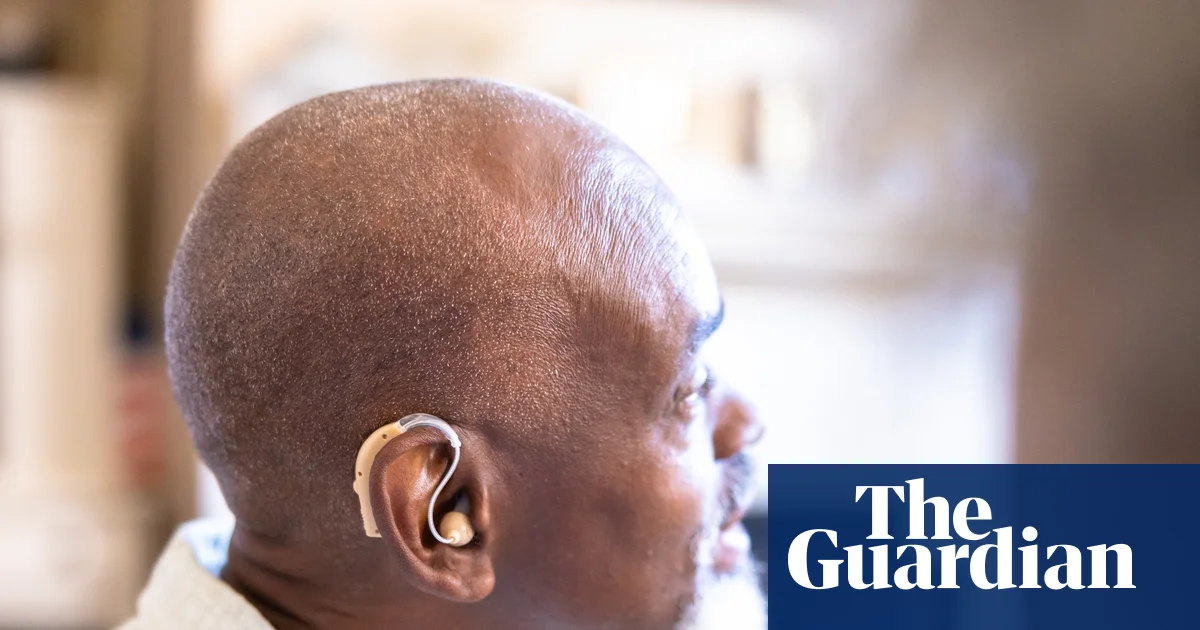
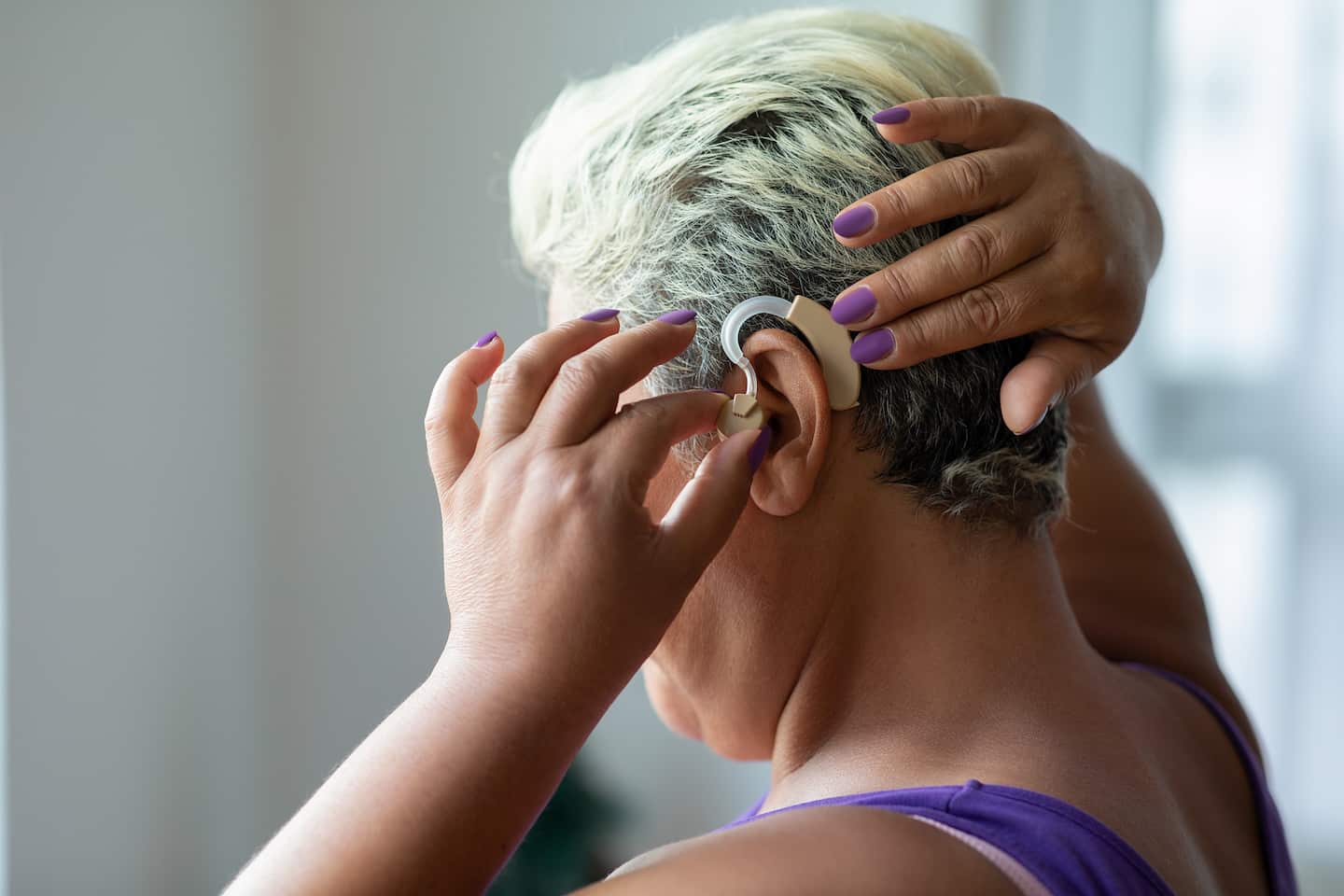
Many older adults face challenges with using hearing aids, including difficulty manipulating small devices, vision issues, and cognitive impairment. Only 29% of those with hearing loss use hearing aids, with barriers including cost, lack of coverage by Medicare, and self-consciousness. Specialists recommend larger, customized devices, remote controls, and accessories to improve usability. It's important to wear hearing aids all day for optimal brain stimulation and consult a hearing professional for personalized guidance, especially with Medicare now covering annual audiologist consultations for non-acute hearing problems.
A study published in The Lancet Healthy Longevity journal found that wearing hearing aids regularly can reduce the risk of mortality by 24% for individuals with hearing loss, regardless of age, ethnicity, medical history, education, or income. Untreated hearing loss has been linked to cognitive decline, dementia, and social isolation, impacting overall health. Experts recommend seeking treatment for hearing loss to improve quality of life and prevent potential health risks.
A reader seeks advice on how to communicate with their hard-of-hearing father, who has stopped wearing his hearing aids due to discomfort. Despite efforts to adjust the aids, the father still struggles to hear and understand conversations. The reader is seeking strategies to improve communication during an upcoming visit.
A study published in The Lancet Healthy Longevity journal revealed that regular use of hearing aids is associated with a 24% lower mortality risk compared to non-users. Hearing impairment has been linked to increased risks of cardiovascular mortality, dementia, and depression. The study followed nearly 10,000 participants and found that wearing hearing aids may contribute to maintaining brain health and reducing cognitive decline. While other factors may have influenced the results, the study suggests that hearing aids play a protective role and may have significant health benefits.
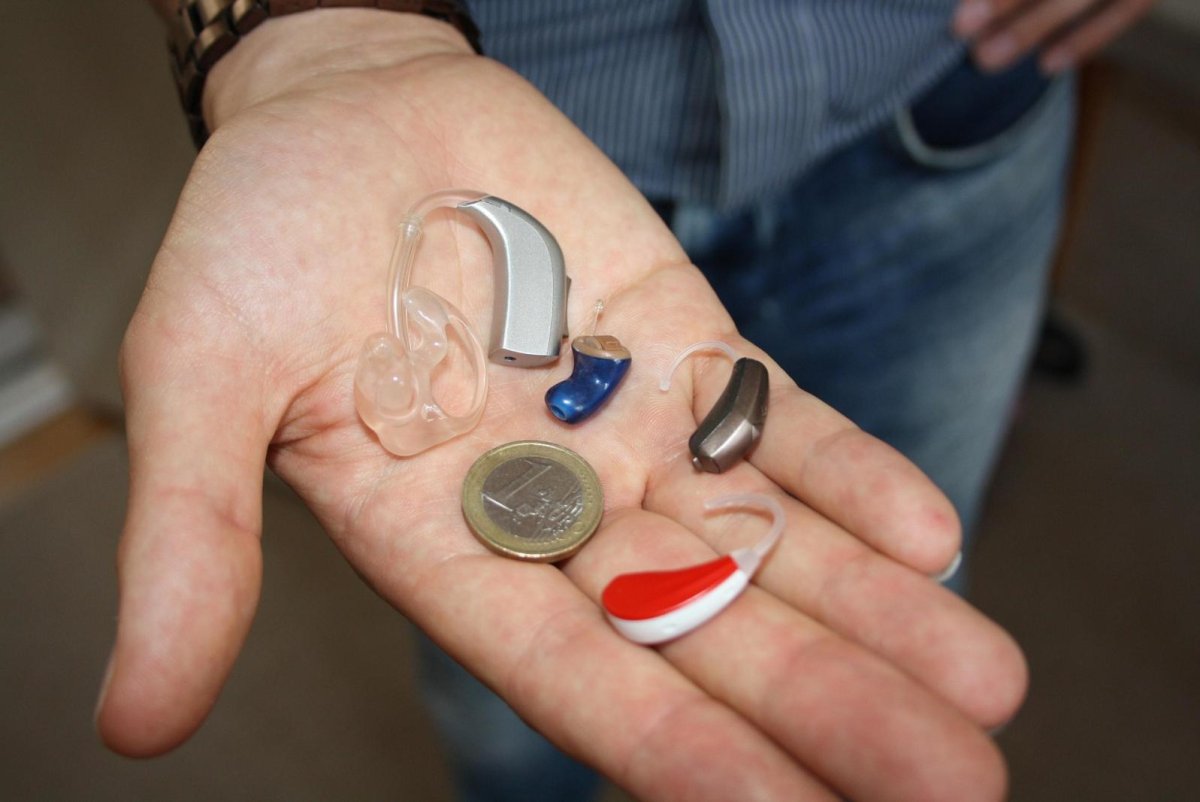
Some hospitals reinstate mask mandates due to a rise in COVID-19 and flu cases, while a study suggests annual breast cancer screenings reduce mortality. Screen time for toddlers is linked to sensory differences, and a panel of health experts selects the best diets for 2024. Additionally, designers are transforming hearing aids into fashionable accessories, and a study identifies 15 factors contributing to young-onset dementia.