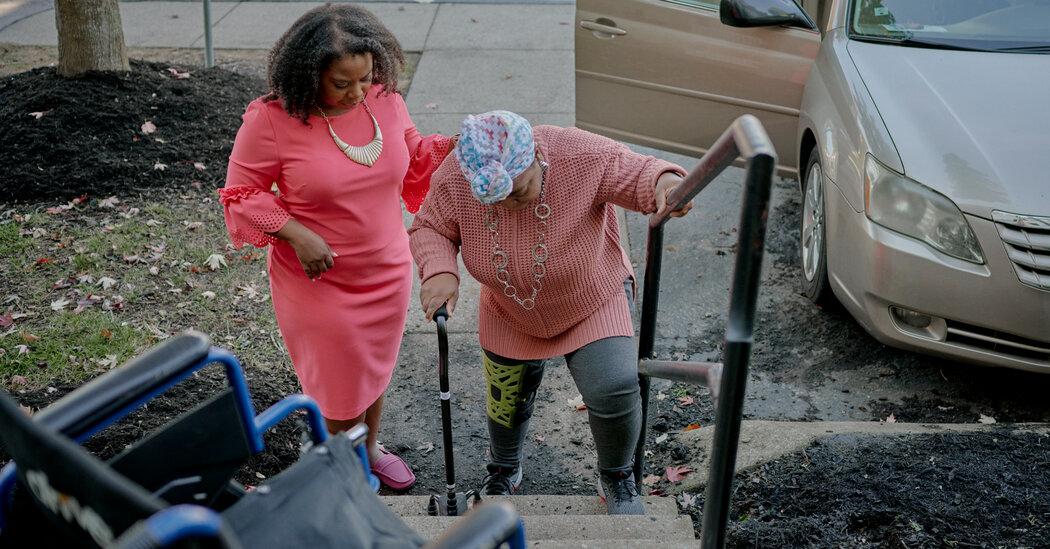
Van Duyn Center for Rehabilitation and Nursing in Syracuse has been added to a federal list of the 88 worst nursing homes in the U.S., replacing another local facility, Bishop Rehabilitation and Nursing Center, which was removed after improvements. Both facilities have struggled with patient care issues, including neglect and resident injuries, highlighting ongoing concerns about the quality of elder care in the region.
The article discusses the growing need for innovative elder care solutions like dementia villages in the U.S., highlighting a successful model in the Netherlands and efforts in Washington D.C. to develop similar community-based, person-centered care environments to better support seniors with dementia and their families.
Virtual reality (VR) is gaining popularity in senior living facilities as a tool to combat low moods, memory loss, and loneliness among older adults. VR programs offer therapeutic and social benefits, helping residents feel less isolated and more engaged. Studies have shown that VR can improve mood and reduce feelings of depression and isolation. However, as the elder-care industry embraces VR, it is important to establish clear privacy rules and standards to protect sensitive data and ensure the technology is used responsibly. While VR may not be suitable for all seniors, it has the potential to revolutionize fields like geriatric physical therapy and provide engaging experiences for older adults.
The United States lacks a coherent system for providing long-term care, leaving many aging individuals and their families to struggle with the soaring costs of in-home care, assisted-living facilities, and nursing homes. As the price tag for long-term care continues to rise, millions of families face potential financial ruin. The population of Americans aged 65 and older is projected to increase by over 50% by 2050, exacerbating the challenges. The US devotes less of its GDP to long-term care compared to other wealthy countries, and there is a lack of political will to invest in a comprehensive financing and insurance system for long-term care. Efforts to create a national long-term care system have repeatedly failed, leaving families to rely on Medicaid, which has its own limitations and gaps in coverage.
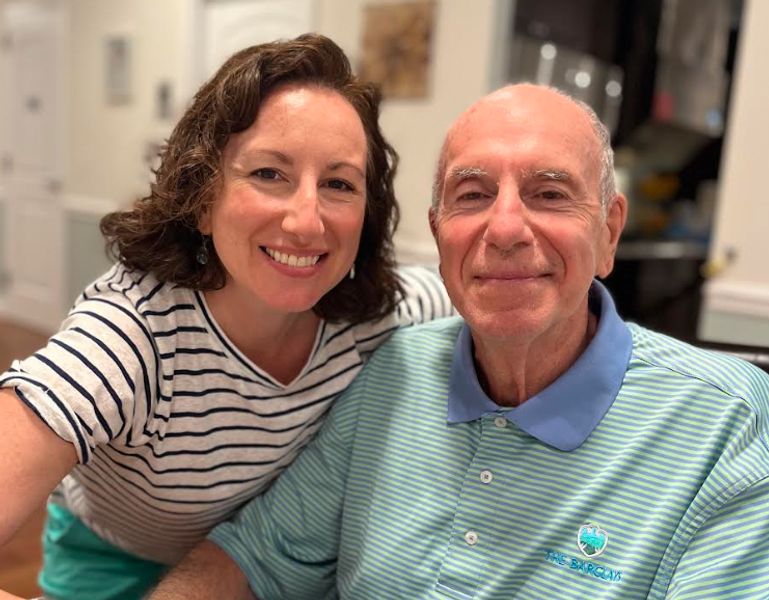
The author shares her personal experience of navigating her father's dementia care and the financial challenges they face as a middle-class family. Medicare classifies dementia care as "custodial" or "companionship," leaving families to bear the burden of the high costs. The author suggests that neurologists should discuss financial planning at the onset of the disease, policymakers should reconsider Medicare's support for dementia patients, and middle-class families should plan for aging and long-term care. The author highlights the emotional toll of dealing with the disease while also worrying about financial stability, calling for a change in the healthcare system.
A long-distance daughter seeks advice on how to navigate her relationship with her local sister, who deflects requests to help care for their elderly mother due to her own challenges as a cancer survivor with special-needs children. The columnist advises the daughter to refrain from suggesting her sister do more and instead offer financial assistance or remote tasks. The daughter is encouraged to address her mother's inappropriate guilt-tripping and work with her to explore alternative care options. Readers suggest involving technology in medical appointments and reaching out to local resources for support.