Research suggests that putting down your phone and allowing your mind to wander through daydreaming can enhance well-being, boost creativity, improve problem-solving, and strengthen social connections, offering deeper benefits than passive phone use.
Amidst a societal loneliness epidemic, activism and community organizing are proving to be powerful tools for fostering social connections and purpose, especially among older adults, while also addressing social injustices and building resilient communities.
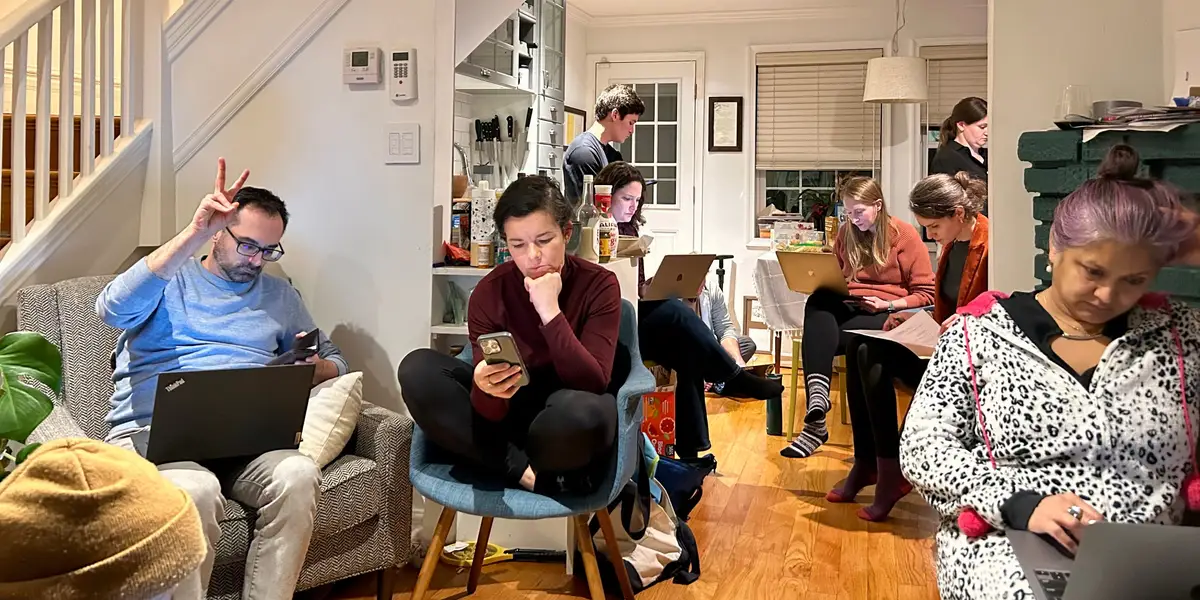
Molly Ward hosted a casual 'admin night' with friends in Washington, DC, combining productivity with socializing by tackling personal tasks in a cozy, relaxed setting, which fostered motivation and deeper connections among attendees.
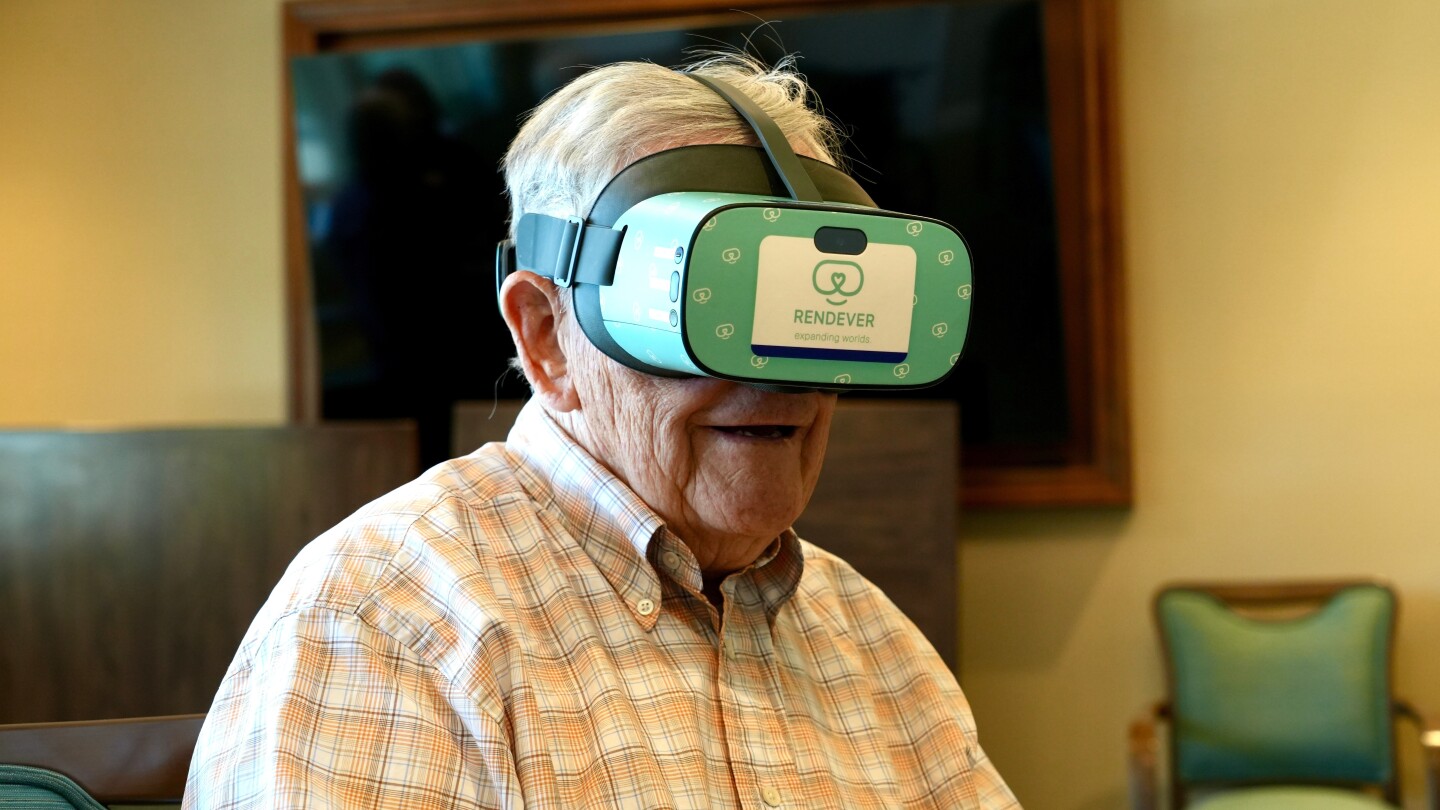
Virtual reality technology is being used in retirement communities to enhance social interaction, mental stimulation, and emotional well-being among older adults by allowing them to experience travel, revisit childhood memories, and engage in immersive activities, potentially reducing social isolation and cognitive decline.
A neuroscience researcher shares her morning routine to boost dopamine levels and improve mood, including exposure to sunlight, solving puzzles, and texting friends, which can enhance motivation, learning, and overall well-being.
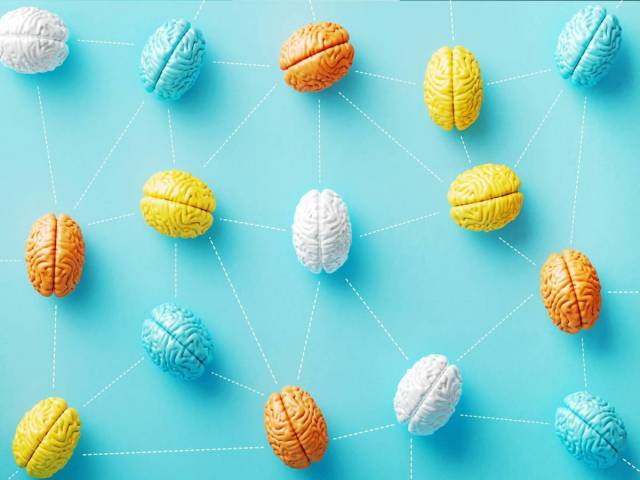
Research shows that social relationships are vital for brain health and happiness, as our brains are wired for connection, releasing neurochemicals like oxytocin, serotonin, and dopamine that promote well-being. Empathy and facial mimicry further enhance social bonds, but modern challenges like technology and fear can hinder in-person interactions, which are crucial for emotional understanding. Overcoming these barriers and prioritizing social engagement can improve mental and physical health, emphasizing the importance of community and connection for a healthier life.
A new science-backed guide by Dr. Henney and Dr. Hackett emphasizes that instead of focusing solely on traditional workouts, incorporating fun movement, social activity, mindfulness, kindness, and quality sleep into daily routines can significantly enhance overall wellness and mental health.
The article discusses how winter 2025 wellness trends focus on nervous system care through simple, steady habits like light exposure and warmth cues, micro-habits for emotional stability, and small social gatherings to combat loneliness, emphasizing steadiness over strength for improved wellbeing.
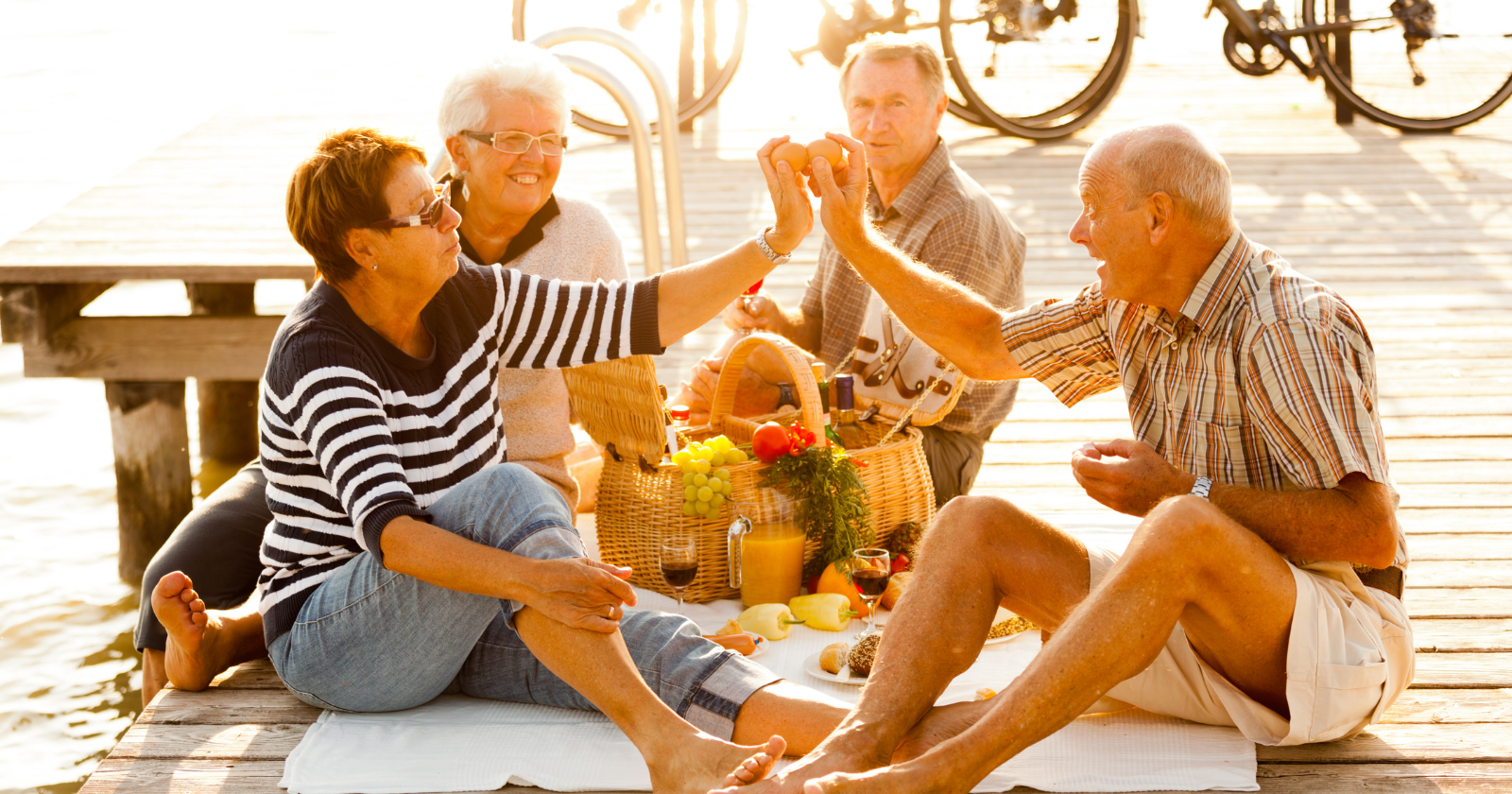
Engaging in joyful, meaningful hobbies like gardening, volunteering, dancing, and learning new skills can significantly extend and enrich retirees' lives by boosting mental health, fostering social bonds, and providing purpose, often more effectively than traditional exercise.
The article emphasizes the importance of post-work habits like physical activity, social connection, and mental unwinding to improve mental health, reduce stress, and promote better sleep, supported by expert advice and scientific research.
Consistently practicing five habits—moderate exercise, social interaction, mental challenges, outdoor time, and intentional rest—can help you age better than 95% of your peers by promoting physical, mental, and emotional health over time.
The article highlights the vibrant and complex nature of Generation Z, emphasizing their curiosity, social connections, and evolving attitudes towards partying, personality, and technology, while also addressing challenges like dehumanization and changing perceptions of success and adulthood.
Maintaining regular social routines, such as weekly classes or daily walks, helps build and sustain friendships, reducing loneliness over time by fostering consistent interactions and relationships.
A two-minute gaze-based meditation called 'Just-Like-Me' significantly enhances feelings of closeness, warmth, and prosocial behavior between strangers, with effects observed both virtually and in person, potentially through emotional and physiological synchrony.
A new quiz from The Open University and Age UK helps individuals assess and improve their aging process by focusing on five key areas: diet, hydration, physical activity, social connection, and mental challenge, encouraging small, achievable steps for healthier, more connected later life.