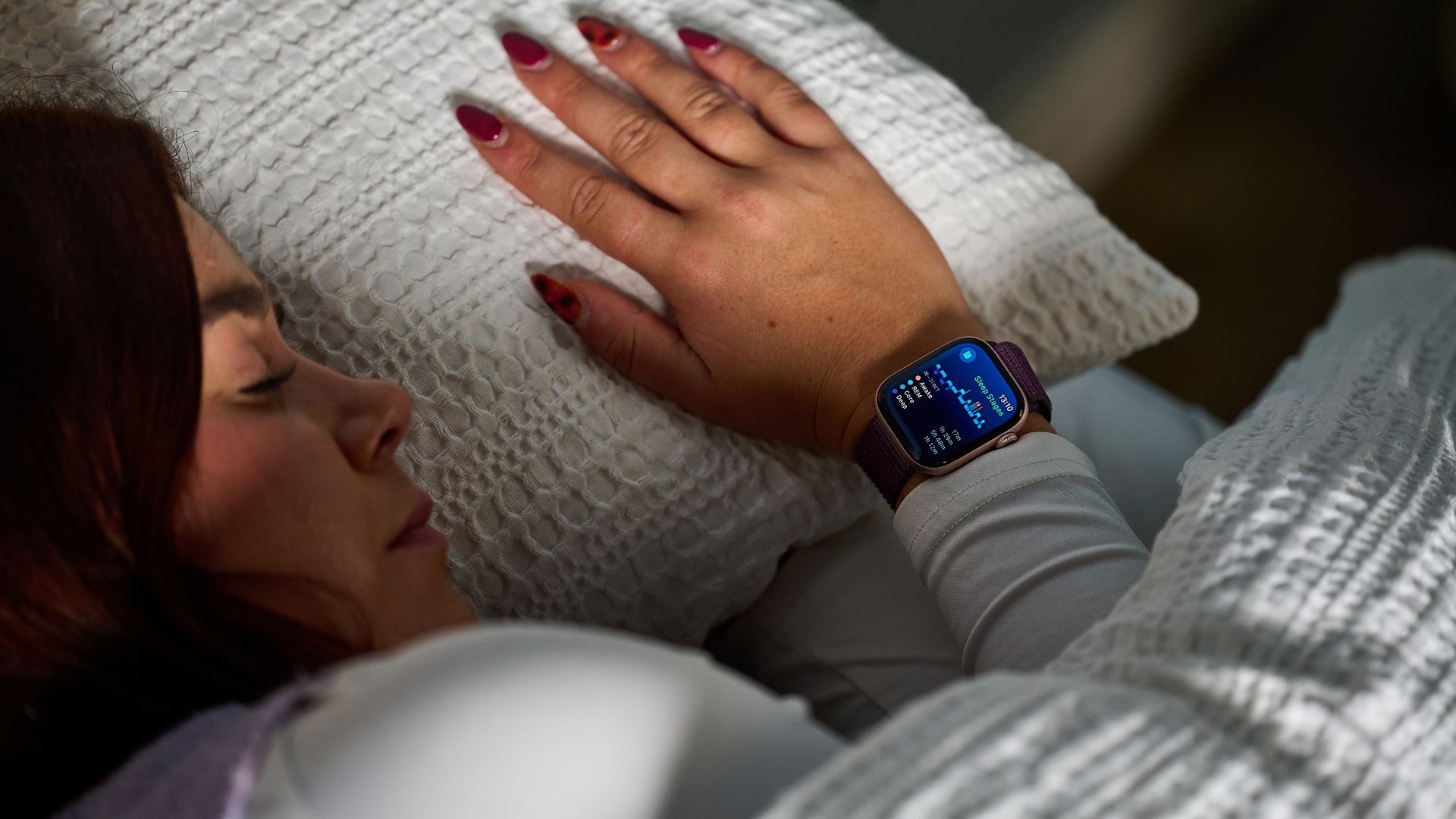
Five doctors reveal sleep-hygiene habits that actually help you fall asleep fast
Five doctors share science-backed sleep-hygiene tips to help you fall asleep faster and reverse 3 a.m. wake-ups: establish a consistent bed and wake time, create a dark, quiet sleep environment, schedule a dedicated worry period in the evening, get daylight and daytime activity to reinforce your circadian rhythm, and use short daytime naps if needed. The tips target long-term sleep quality rather than quick fixes and may not work for everyone, so consult a doctor if insomnia persists.