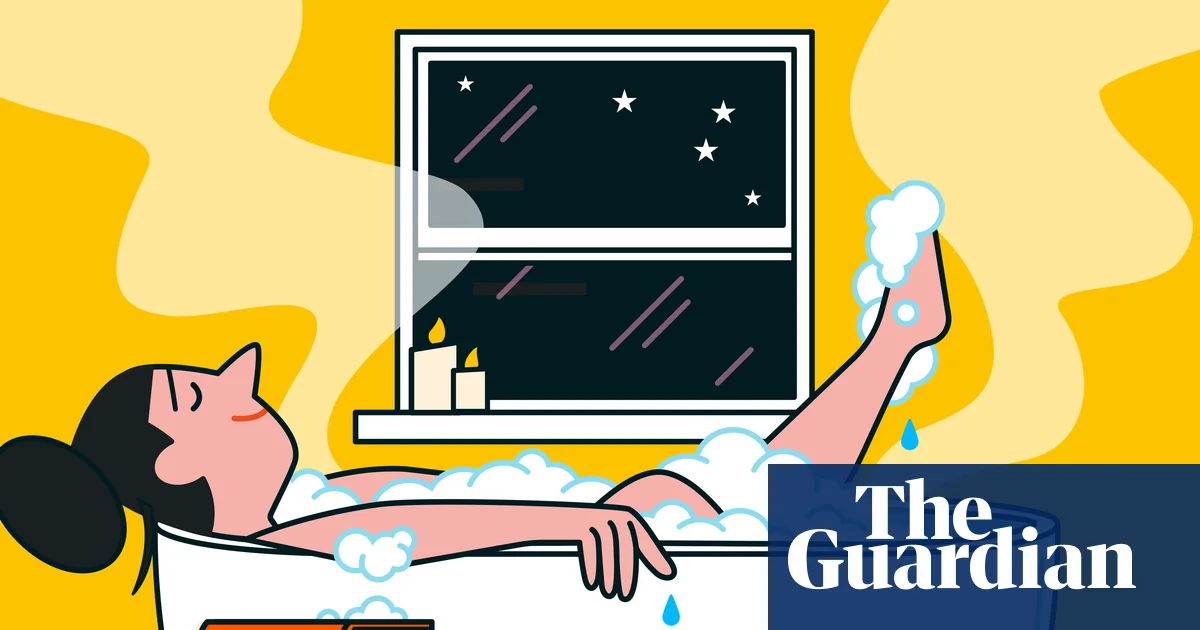
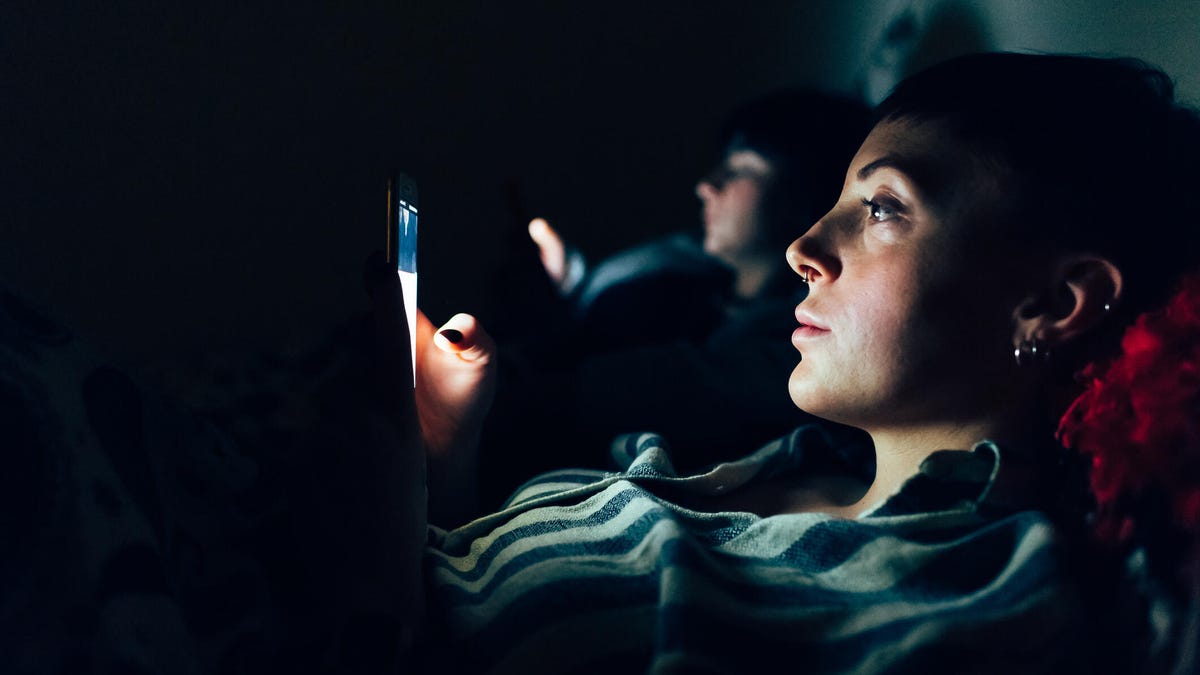
Establishing a consistent evening routine that includes activities like winding down without screens, taking a bath, and timing exercise and meals appropriately can significantly improve sleep quality and overall well-being.
A sleep researcher suggests that common habits like going to bed earlier, using screens before bed, and obsessing over sleep quality can worsen insomnia. Instead, maintaining a consistent wake time, using screens strategically, and reducing caffeine intake based on individual response are recommended to improve sleep. The article emphasizes that healthy sleep is flexible and that worrying less about sleep can help, as insomnia is common but treatable.
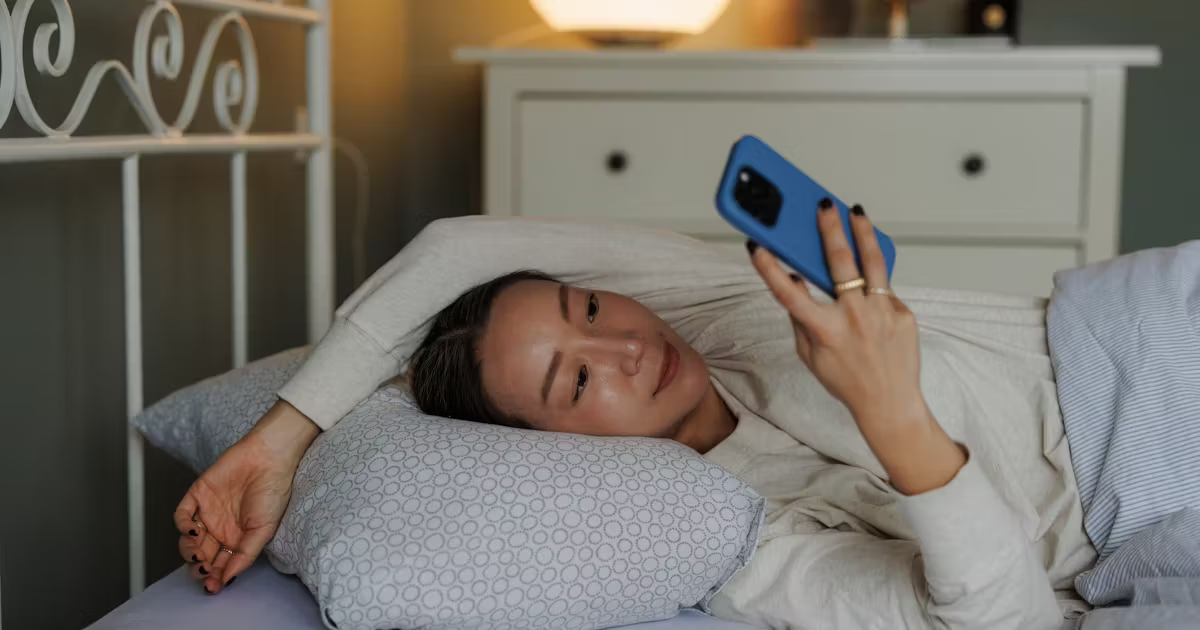
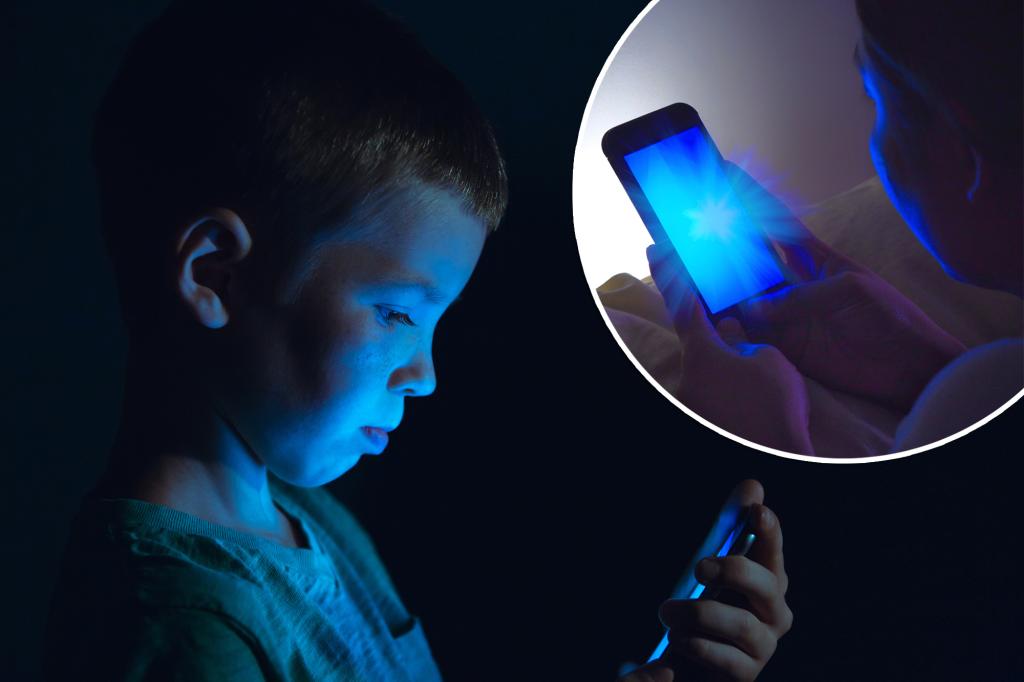
Recent research suggests that blue light from screens may not be as harmful to sleep as previously thought, and in some cases, screen use could even aid in falling asleep, challenging the traditional view that blue light significantly disrupts sleep by suppressing melatonin.
A recent study challenges the common belief that screens before bed significantly disrupt sleep, suggesting that blue light from screens has minimal impact on sleep quality. Instead, factors like stress, racing thoughts, and irregular sleep schedules are more influential. While screens can sometimes help with relaxation if used appropriately, it's best to avoid highly stimulating content and to establish a consistent bedtime routine for better sleep.
Recent research suggests that blue light from screens does not significantly disrupt sleep, and the real issue is staying up too late or stress. Using devices before bed can be helpful for some, as it reduces racing thoughts, but moderation and intentional use are key. The common advice to avoid screens before sleep may be based on myths, and understanding individual sleep patterns is more important.
A rare natural phenomenon was captured on Mount Xiannairi in Sichuan, China, where an avalanche emitted a mysterious blue light. Astrophotographer Shengyu Li recorded the event, sparking scientific interest and theories about its cause. Possible explanations include triboluminescence, where ice friction emits light, or electric field effects causing charge separation and discharge in the ice. This unprecedented observation offers new insights into the physical properties of ice and avalanche dynamics.
An ophthalmologist explains that there is no strong scientific evidence supporting the effectiveness of eye exercises in eliminating the need for glasses or providing long-term benefits for conditions like myopia, hyperopia, or presbyopia. While some vision therapy may help with specific ocular issues like eye misalignment, general eye health is best maintained through regular eye exams, limiting screen time, following the 20-20-20 rule, spending time outdoors, and avoiding smoking. Blue light blockers and supplements lack substantial evidence for improving vision or reducing eye strain.
Daylight Computer has launched the DC1, a 10.5-inch tablet featuring a unique "LivePaper" screen that combines the look of E Ink with the responsiveness of an LCD. The device aims to reduce distractions and eyestrain with an amber backlight and runs on a custom Android-based OS called SolOS. Priced at $729, the DC1 is currently in the preorder phase and aims to redefine our relationship with technology by promoting a calmer, more focused user experience.
E-readers, such as Kindles and iPads, emit blue light that can disrupt sleep by delaying the circadian rhythm, interfering with melatonin production, impacting morning alertness, making it harder to fall asleep at night, and reducing time spent in deep stages of sleep. However, electronic ink readers like Kindles emit less blue light compared to LED or LCD e-readers like iPads. If using an e-reader before bed, it is recommended to follow good sleep habits such as avoiding screens within an hour before bed, using dark or night mode, and considering blue-light-blocking glasses. Ultimately, the impact on sleep varies for individuals, and if e-readers do not affect sleep, there is no need to change bedtime routines.
Researchers at the University of Liège have used ultrahigh-field MRI to investigate how blue light stimulates the brain. They found that exposure to blue-enriched light strengthened the connectivity between the posterior thalamus and the intraparietal sulcus, an attentional-related area of the cortex. This modulation of information flow from subcortical to cortical areas suggests that blue light affects non-visual cognitive activity. The study provides empirical data supporting the impact of blue light on brain function and highlights the role of the thalamus in relaying non-visual light information.
A study conducted in Turkey has found that exposure to blue light from smart device screens may accelerate the onset of puberty in male rats, suggesting a potential link between excessive screen time and early childhood development. The research team observed the first signs of puberty occurring earlier in male rats exposed to blue light compared to a control group. While the study's findings cannot be directly applied to humans, the researchers hope to further investigate the long-term effects of blue light exposure on reproductive organ damage and fertility. Experts are increasingly concerned about the impact of screen time on youth, and the results highlight the need for routine and intervention strategies surrounding the use of smart devices.
Researchers at the Max Planck Institute have developed a new molecule structure that enhances the efficiency of blue OLEDs by eliminating the negative effects of impurities. By arranging the molecules in a spiral formation, the electron-conducting core is shielded from impurities, allowing for faster and obstacle-free electron transport. This breakthrough could simplify the design and production process of blue OLEDs, leading to advancements in OLED technology.
Spending time outdoors and getting sunlight can help improve sleep quality. Light, especially blue light, affects the production of melatonin, a hormone that regulates sleep. Exposure to natural light in the morning and early afternoon can help regulate circadian rhythms and reduce sleepiness. Dimming lights and avoiding blue light from screens before bedtime can also improve sleep. It is recommended to sleep in darkness, with minimal light pollution. Cognitive behavioral therapy is a recommended treatment for insomnia, addressing the underlying cause of sleep issues rather than targeting symptoms with medication.
Waking up tired can be caused by various factors such as sleep inertia, blue light exposure from screens before bed, poor sleep hygiene, excessive caffeine or alcohol consumption, sleep disorders like insomnia or sleep apnea, genetics, lack of exercise, and poor mental health. Making adjustments to sleep habits, such as shutting down screens an hour before bed and maintaining a comfortable sleep environment, can help improve sleep quality and reduce fatigue.
Many people struggle with interrupted sleep, but there are common habits that can be changed to improve sleep quality. These habits include reducing fluid intake before bedtime to minimize nighttime bathroom trips, keeping the room temperature cool, addressing snoring or sleep apnea, managing untreated anxiety or depression, avoiding screen time before bed to prevent disruption of the circadian rhythm, addressing heartburn or indigestion triggers, and refraining from alcohol or nicotine consumption before sleep. Making these lifestyle changes can lead to better sleep and overall well-being.