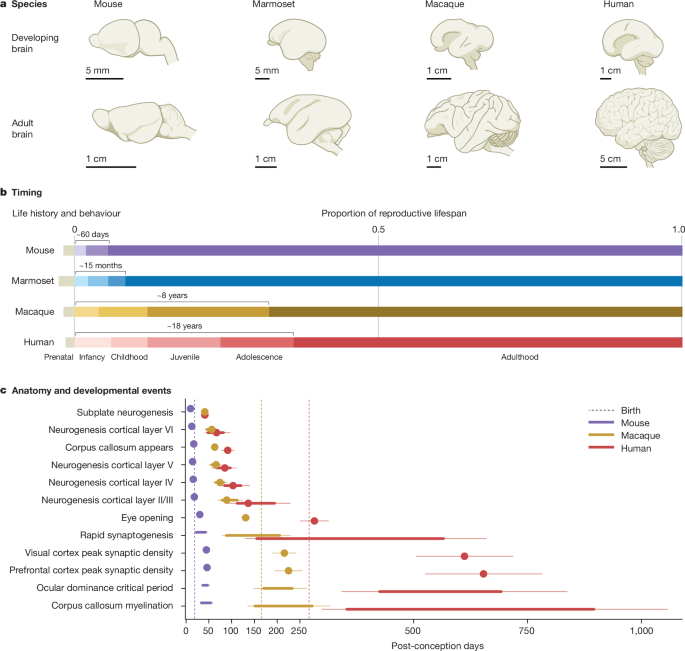
This article reviews recent advances in understanding human and mammalian brain development through genetic, cellular, and molecular studies, highlighting the use of single-cell genomics, spatial transcriptomics, and organoid models to elucidate neurodevelopmental processes and disorders.
A UCLA-led study has provided the most detailed view yet of the biological mechanisms underlying autism, linking genetic risk to cellular and genetic activity in the brain. Using single-cell assays to analyze over 800,000 nuclei from post-mortem brain tissue, researchers identified major cortical cell types affected by autism and specific transcription factor networks driving these changes. These findings offer a framework for understanding molecular changes in autism and could lead to new therapeutic approaches.
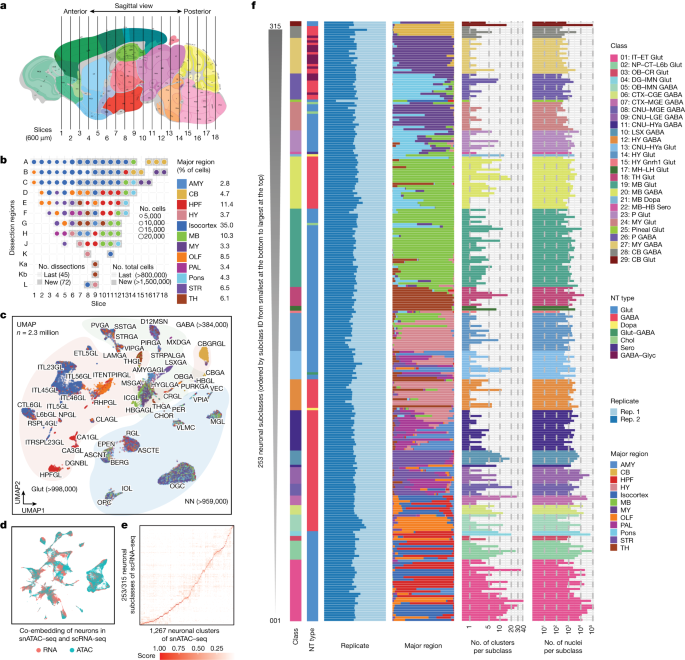
Researchers have conducted a single-cell analysis of chromatin accessibility in the adult mouse brain, aiming to understand the cellular and molecular composition of the mammalian brain. By using the single-nucleus assay for transposase-accessible chromatin followed by sequencing (snATAC-seq), they profiled chromatin accessibility at the single-cell resolution across the entire adult mouse brain. The study identified 1,482 brain cell types and annotated 1 million cis-regulatory elements (cCREs) responsible for gene expression patterns in each cell type. The findings provide insights into gene regulation and function in different brain cell types, advancing our understanding of brain development and neurological disorders.
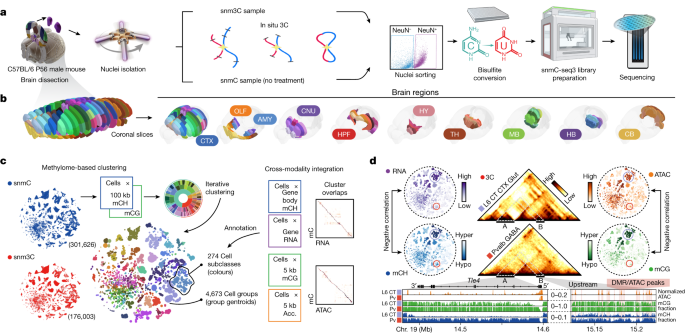
Researchers have created a comprehensive atlas of the adult mouse brain, mapping the DNA methylome and 3D genome at single-cell resolution. The study utilized enhanced single-nucleus methylation sequencing and chromatin conformation capture sequencing to analyze DNA methylomes and the 3D genome in detail. The dataset identified 4,673 cell groups and provided a multi-omic resource for understanding the molecular architecture of the mouse brain. The study deepens insights into the epigenetic and transcriptomic intricacies that underpin brain function and diseases.
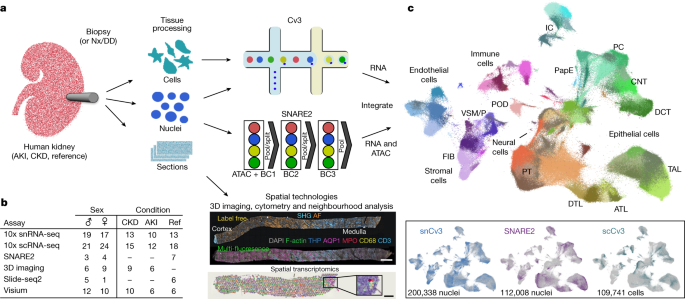
Researchers have created a comprehensive cellular atlas of healthy and diseased human kidneys, providing a high-resolution view of 51 main cell types and 28 cellular states across nephron segments and interstitium. The atlas, generated through multiple single-cell and single-nucleus assays, as well as spatial imaging technologies, offers detailed transcriptomic profiles, regulatory factors, and spatial localizations. It also identifies molecular signatures associated with injury and repair processes, providing insights into the progression of acute kidney injury to chronic kidney disease. The atlas serves as a valuable resource for understanding kidney pathophysiology and developing targeted therapies.
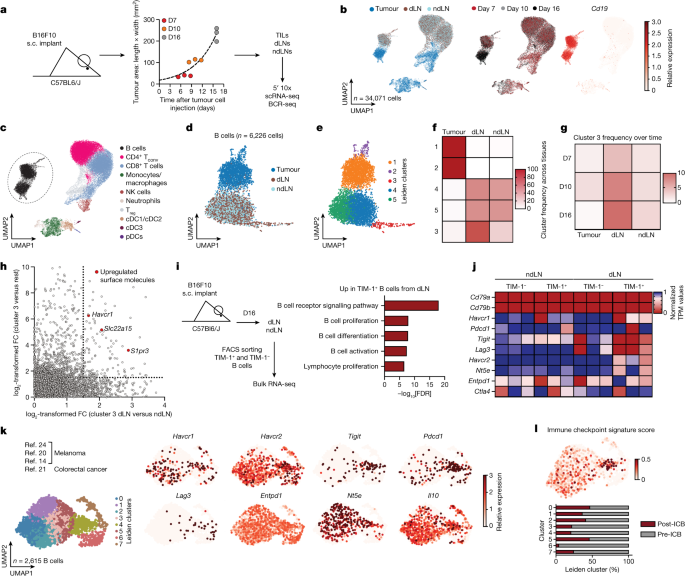
Researchers have identified B-cell-specific checkpoint molecules that regulate anti-tumour immunity. The study found that B-cells play a key role in sustaining inflammation and predicting response to immune checkpoint blockade in human melanoma. The researchers also identified several B-cell-specific checkpoint molecules, including TIM-1, TIGIT, and LAG-3, that could be targeted to enhance anti-tumour immunity. The findings were based on single-cell analysis of tumour samples from patients with melanoma, breast cancer, and colorectal cancer.