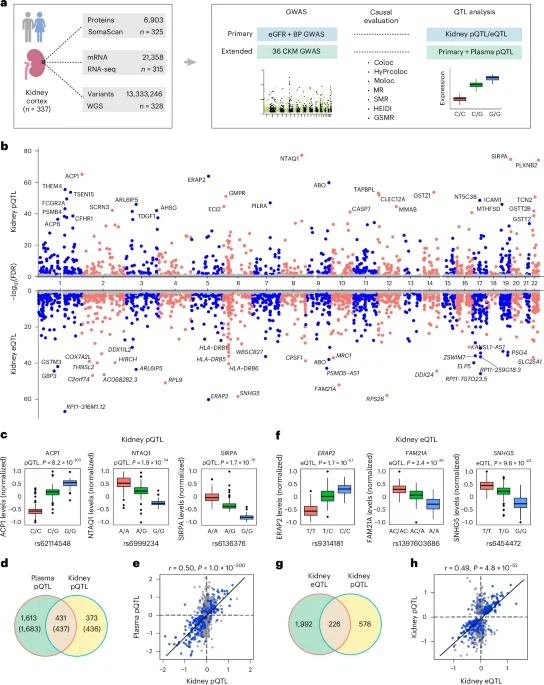
This study explores the proteogenomic landscape of the human kidney and discusses its implications for cardio-kidney-metabolic health, providing data resources and analysis tools for further research.
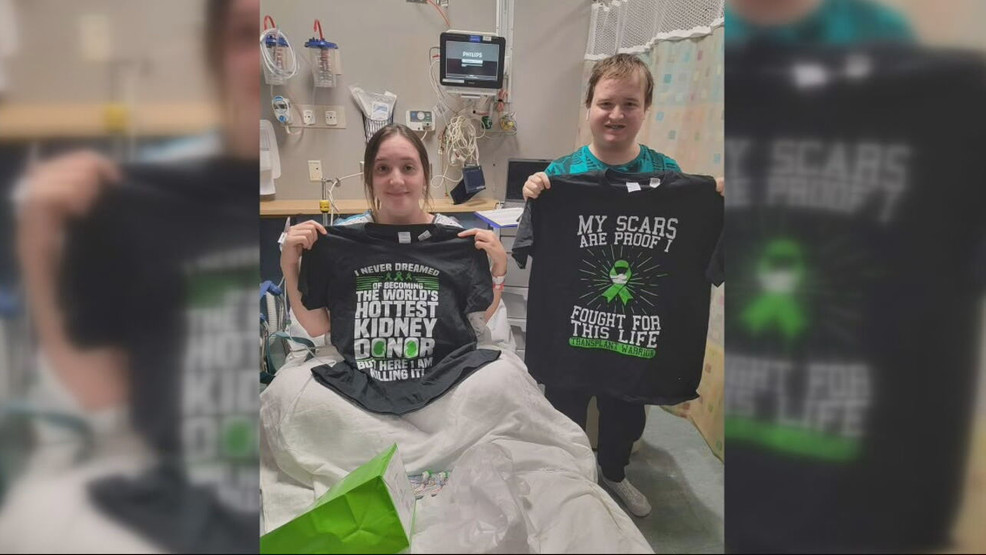
Ekaterina Barrett donated her kidney to her brother Robert, who was suffering from Stage 4 kidney disease, significantly improving his health and academic performance. The siblings are now celebrating the one-year anniversary of the successful surgery.
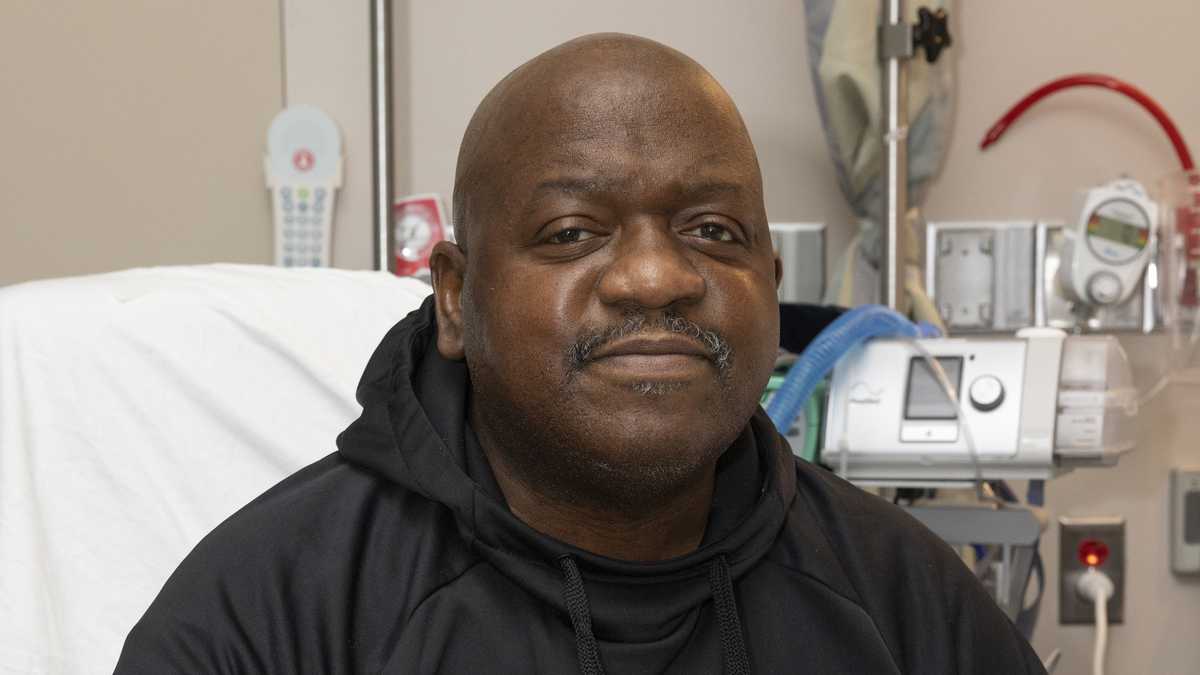
Richard Slayman, a 62-year-old Massachusetts man with end-stage kidney disease, has been discharged from Massachusetts General Hospital after receiving the world's first successful transplant of a genetically edited pig kidney. Slayman expressed gratitude for the chance to live without the burden of his illness and thanked the hospital staff. The procedure marks a major milestone in providing more readily available organs to patients and offers hope for millions suffering from kidney failure worldwide. The historic transplant was performed under a single FDA Expanded Access Protocol and is a significant advancement in the field of xenotransplantation.
Surgeons at New York University have successfully transplanted a genetically engineered pig kidney into a brain-dead man, which has now survived inside the human body for six weeks and counting—the longest period yet. The kidney, derived from pigs genetically modified to avoid rejection, has been functioning well and showing positive signs. The team hopes that these results, along with the use of FDA-approved alpha-gal free pigs, will accelerate the study of pig-to-human transplants in larger trials and confirm their safety. However, recent hurdles, such as the death of a patient who received a genetically modified pig heart, highlight the need for enhanced screening to detect latent pig viruses that could cause complications.
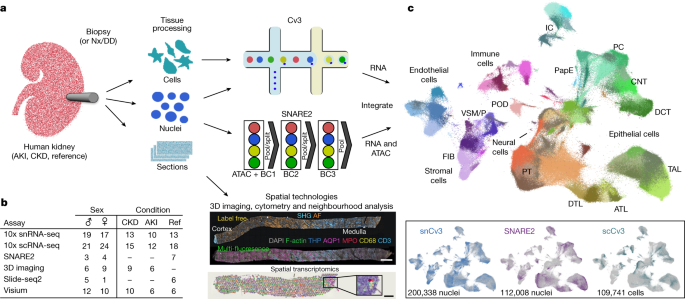
Researchers have created a comprehensive cellular atlas of healthy and diseased human kidneys, providing a high-resolution view of 51 main cell types and 28 cellular states across nephron segments and interstitium. The atlas, generated through multiple single-cell and single-nucleus assays, as well as spatial imaging technologies, offers detailed transcriptomic profiles, regulatory factors, and spatial localizations. It also identifies molecular signatures associated with injury and repair processes, providing insights into the progression of acute kidney injury to chronic kidney disease. The atlas serves as a valuable resource for understanding kidney pathophysiology and developing targeted therapies.
Medicare's new guidance on billing for post-transplant care is causing delays and confusion, putting the health of transplant patients at risk. Patients are unable to receive necessary tests and monitoring, leaving them vulnerable to infections and organ rejection. This is particularly concerning for patients who have already had multiple transplants and may not be eligible for another one if their current organ fails.
Actor Dolph Lundgren revealed that he has been privately battling cancer on and off for the last eight years. Doctors first discovered and removed a cancerous tumor on the actor’s kidney in 2015. Lundgren said six more tumors were discovered in 2020, and more tumors were discovered in the fall of 2021. Lundgren eventually got a second opinion from a doctor in London who discovered that his kidney cancer was mutating more like lung cancer. The new treatment started shrinking his tumors by around 20% and 30% within a three-month period. Lundgren is reprising his roles in "Aquaman and the Lost Kingdom" and "The Expendables 4."